Hip labral tear: exercise first, what surgery adds, and what to avoid
The labrum is a rim of tough tissue around the hip socket. A tear can cause deep groin pain, clicking or catching, and pain when you bend deeply or twist, often alongside hip impingement (femoroacetabular impingement, or FAI). A tear on a scan is not proof it's the cause: more than half of people without hip pain have one.
Exercise comes first, for at least 3 months. In trials, keyhole surgery did a little better on average in selected people, with more risk, and it hasn't been shown to prevent arthritis. This guide gives the warning signs, the trial results, the positions to ease off for now and a three-stage plan; our hip impingement guide explains the bone shapes behind FAI.
Exercise is for pain that has been checked or is clearly mild and settling.
Get urgent medical help if
Severe hip pain after a fall or injury, or you cannot stand, walk or put weight on the leg. In an older adult this can be a broken hip; the leg may look shorter or turned outward.
Tingling or loss of feeling in the hip or leg after an injury.
Buttock or leg pain with numbness around the genitals or bottom, new trouble controlling your bladder or bowels, or weakness or numbness in both legs.
A hot, swollen hip, or hip pain with a fever or feeling generally unwell (a possible joint infection).
A child or teenager with sudden hip, thigh or knee pain, a limp, or who will not put weight on a leg. Hip problems in children can be felt only in the knee.
See a doctor or physiotherapist if
Hip pain that stops normal activities or disturbs sleep, keeps getting worse, or has not improved after 2 weeks of looking after it at home.
Stiffness lasting more than 30 minutes after waking.
Pain that builds with running and hurts to hop on (a stress fracture can look normal on an early X-ray).
Pain that has not improved after a good 3 months of exercise-based treatment: ask about seeing a hip specialist.
Understand it
What it is, and how it relates to impingementStrong evidence
The labrum is a rim of tough, cartilage-like tissue around the hip socket. Experts group hip pain in young and middle-aged active adults into three kinds: FAI syndrome (bone shapes that pinch), a shallow or unstable socket, and labral, cartilage or ligament problems without a distinct bone shape. So a tear can come on its own or with impingement.
Labral tears and impingement often occur together in young active people, and athletes with both more often go on to surgery. FAI syndrome is only diagnosed when the symptoms, the examination and the scans all fit together.
Typical symptoms are pain at the front of the hip or in the groin, often after a sports injury or repeated movements, sometimes with popping, catching or clicking. Dance, gymnastics, hockey, basketball and football are common sports.
Clinicians test by bending the hip while bringing the knee across the body and turning the hip inward. If that doesn't hurt, a hip-joint cause is less likely, though the test's usefulness is limited.
Tears are common in hips that don't hurtStrong evidence
In a review of 29 studies, labral tears were found in 54% of people without hip pain (moderate evidence), against 62% of people with pain. In 45 volunteers with no hip history, 69% of hips had a tear on an MRI (magnetic resonance imaging) scan, and a review of 2,114 hips without symptoms found labral damage in 68%.
So a tear on a scan has to match your symptoms and examination before it's called the cause. Experts warn against confusing scan findings in people without pain with the source of someone's pain.
X-rays come first. An MRI scan is mainly for confirming the diagnosis or planning surgery, and modern scanners show labral tears about as well without an injection of dye. A scan doesn't decide the treatment on its own.
The labrum has a poor blood supply, especially on its inner edge, so a tear may not heal. What improves with exercise is pain and function, not the tear itself.
In 35 people treated with physiotherapy, a hip score rose from 44 to 74 out of 100 in under 5 months, and fewer than 1 in 4 went on to surgery; the most severe tears did less well. In adolescents with impingement and a labral tear (36 hips, followed for about 3 years), about 7 in 10 were managed without surgery, some with an injection, and most improved whichever way they were treated.
In an insurance database of 864 matched people, later hip replacement was about as common after non-surgical care (5.3%) as after keyhole surgery (6.7%).
Exercise first, for at least 3 monthsEmerging evidence
An international expert group recommends exercise-based treatment for at least 3 months, staying active (sport included) and shared decisions, while noting that strong trial evidence for physiotherapy is lacking and the best dose is unknown.
The 2023 US physiotherapy guideline makes a moderate-strength recommendation for activity changes plus strengthening of the hip muscles (including the hip flexors and the muscles that turn the hip), the trunk and the legs, with movement and balance training, particularly for impingement and labral tears. The NHS physiotherapy programme in the UK FASHIoN trial ran for 12 to 26 weeks: control first, then strength in the pain-free range, then work for your own sport or activities.
Surgery or physiotherapy: what the trials foundMixed evidence
In the UK FASHIoN trial (348 people), keyhole surgery scored 6.8 points better than physiotherapy on a 100-point hip quality-of-life score at 12 months, just over the smallest difference patients notice (6.1). In the UK FAIT trial (222 people), surgery scored 10 points better on a 100-point hip function score at 8 months, with 9 the smallest noticeable difference; 70 of its 100 operations included repairing the labrum.
An Australian trial found 14 points in favour of surgery at 12 months. A US military trial found no difference at 2 years, though 28 of the 40 people in its physiotherapy group went on to have surgery. Patients knew which treatment they had in every trial. Two 2025 reviews found the average advantage fell short of the smallest difference patients notice, and one found no difference in pain; a Danish review judged surgery probably slightly better.
In a trial of 90 people aged 40 or over with a labral tear and little arthritis, all treated by one surgeon, surgery plus physiotherapy scored about 12 points better than physiotherapy alone at 12 months. But 64% of the physiotherapy group went on to have surgery, rising to 71% by 2 years.
One post hoc analysis of this single-surgeon trial (an analysis added after the results were in), which we read as an abstract, found that people who tried physiotherapy first and then had surgery did as well as those operated on early.
Surgery hasn't been shown to prevent arthritis, and adds riskMixed evidence
At about 3 years in FAIT, X-rays showed no difference in the joint space between the groups, though MRI cartilage scores looked better after surgery; only 45% had the X-rays. An Australian trial found no difference in cartilage health at a year.
Surgery brings more side effects: in UK FASHIoN, 5 of the 6 serious adverse events after surgery were related to the operation, and a review found numbness more common after surgery. If the hip already has arthritis, the National Institute for Health and Care Excellence (NICE) says keyhole washout or tidying of the joint should not be offered.
Ease off the pinch positions, for nowEmerging evidence
The 2023 guideline suggests limiting squatting, crossing your legs, pivoting, too much activity and sitting on the floor. That is a weaker recommendation, based on one case series and expert agreement. The NHS advises against low chairs for hip pain, and the NHS programme in UK FASHIoN left out painful, hard end-of-range stretches.
The 5 out of 10 rule, and up to the pinch, not into itEmerging evidence
During the exercise, pain up to about 5 out of 10 is acceptable. It should settle within an hour or so, and your hip should be no worse that night or the next morning. If it is, do less next time (fewer repetitions, a smaller range, a lighter load), not nothing.
A sharp pinch, catch or click is different: make the movement smaller rather than pushing through. The guideline asks clinicians to avoid exercises and ranges that bring on impingement, and the NHS programme in UK FASHIoN left out painful, hard end-of-range stretches.
This rule comes from tendon and arthritis programmes; it has not been tested in labral tears.
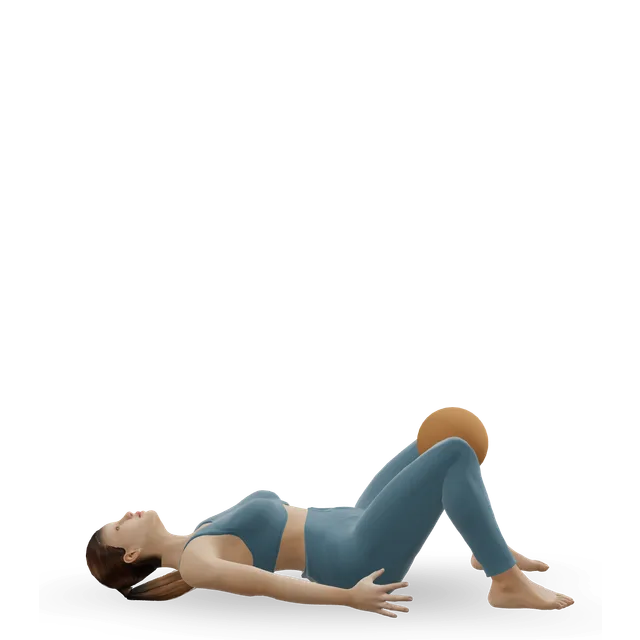
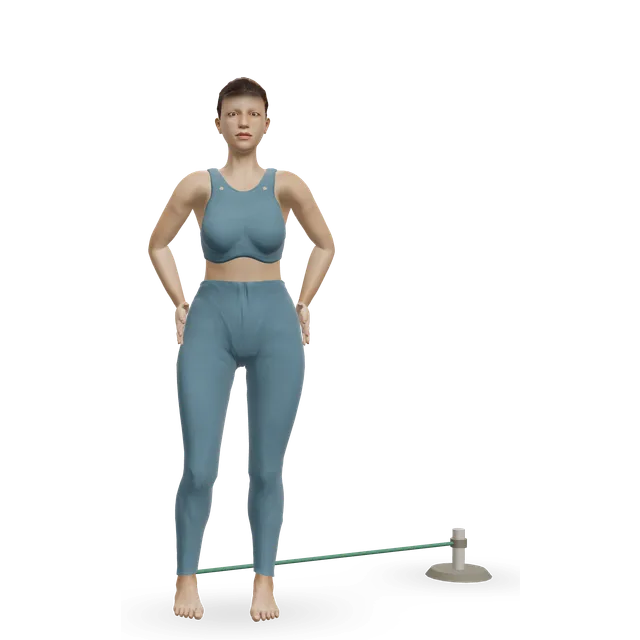
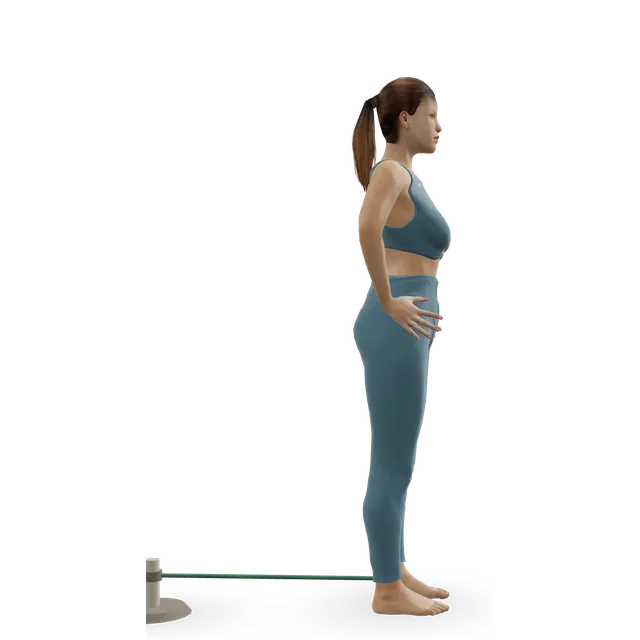
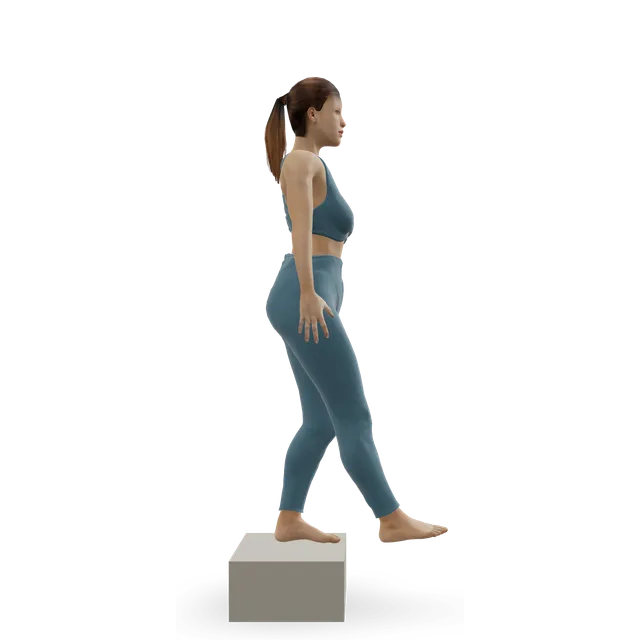
Start at the first stage. Each move opens a full guide with a 3D demo.
Stage 1
Settle: strength and control away from the pinch
About weeks 0 to 2, two or three sessions a week, staying active at a level the hip tolerates. The doses here are editorial starting points, and the beginner core workout suits this stage.
Move on when: You can lower the box a little without bringing on the pinch, and single-leg bridges and step-ups are pain-free.
Follow along: a timer, a cue and the next move, one step at a time.
Stage 3
Strengthen and return
About weeks 8 to 12 and beyond. Add running, pivoting and sport drills in short blocks under the pain rule. The strength and balance workout suits this stage, with its squats kept above the pinch.
Move on when: If a good 3 months hasn't helped and pain still limits your life, it's reasonable to see a hip specialist.
Follow along: a timer, a cue and the next move, one step at a time.
What to change for now
Same approach as hip impingement
If your scans show impingement as well, the treatment approach is the same: exercise first. Our hip impingement guide explains the bone shapes and has its own plan built on the same principles.
The expert group recommends staying physically active, including sport, during treatment. Cut back the volume or the hills when pain builds over a week, rather than stopping. In the routines linked on this page, keep squats and getting down to the floor above the pinch, and leave out any deep hip stretch for now.
A tear in the rim of tough tissue around the hip socket. It can cause deep groin pain, clicking or catching, and pain with deep bending or twisting.
Is it the same as hip impingement?
Not quite. Impingement is about bone shapes that pinch the joint; a labral tear can come with it or on its own, and the first treatment is the same: exercise. Our hip impingement guide explains the bone shapes.
Can a hip labral tear heal without surgery?
The tear itself has a poor blood supply and may not heal. But pain and function often improve with exercise: in one group of 35 people, a hip score rose from 44 to 74 in under 5 months, and fewer than 1 in 4 needed surgery.
What exercises help?
A programme that strengthens the hip muscles (including the hip flexors, glutes and the muscles that turn the hip), the trunk and the legs, with balance and movement practice, built up over at least 3 months. The staged plan on this page follows that order.
Which exercises should I avoid?
None is banned, but for now limit deep squatting, sitting low or on the floor, crossing your legs and pivoting, and don't stretch into the pinch. Work up to the pinch, not into it.
Do I need an MRI scan?
Not to start exercise: tears are common in hips that don't hurt. A scan matters when surgery is being considered or something doesn't fit.
Should I have surgery?
In trials, keyhole surgery gave a somewhat better result on average than physiotherapy, with more side effects, and it hasn't been shown to prevent arthritis. If a good 3 months of exercise hasn't helped, it's reasonable to see a hip specialist.
I'm over 40. Does that change things?
In a trial of over-40s with little arthritis, surgery plus physiotherapy did better than physiotherapy alone, though most of the physiotherapy group went on to surgery. One later analysis of that single-surgeon trial suggested trying physiotherapy first didn't spoil the result. With established arthritis, keyhole washout isn't offered.
Can I keep running?
Often, yes, at a level your hip tolerates; staying active, including sport, is recommended. Cut back the volume or the hills if pain builds over the week.
How long does recovery without surgery take?
Plan on at least 3 months of exercise before judging it. The NHS physiotherapy programme in the UK trial ran for 12 to 26 weeks.
Why does it hurt to sit?
Low seats bend the hip deeply, which can pinch an irritable joint. A higher seat or a cushion helps, and the NHS advises against low chairs for hip pain.
Exercise education, not a diagnosis or treatment plan. It is written from the guidelines and studies listed above; review by a clinician is pending. If your pain follows an injury, is severe, is getting worse, or comes with any warning sign listed on this page, get it assessed. Health disclaimer.