Sport

Kayaking, canoeing and paddleboarding: exercises, shoulder care and staying safe on the water

Kayaking, canoeing and stand-up paddleboarding are pulling sports driven by the trunk and legs, and good exercise: paddleboarding is moderate exercise from about 20 strokes a minute, and in a small study, 6 weeks of it raised inactive adults' fitness by about a quarter. Paddlers most often hurt their shoulders, lower backs and wrists, and in a trial, heavy weight training made experienced kayakers faster.

The biggest risks are in the water, not the gym: cold water shock, offshore winds, weirs and the wrong leash. This guide starts with the buoyancy aid and the advice of Paddle UK, the Royal National Lifeboat Institution (RNLI) and other water safety bodies, then covers what paddling asks of your body, the common injuries, leashes and weirs, concussion, and the training that helps, with a shore warm-up and a strength workout, each with a 3D demo of every move.

The short version

The water is the main danger

In 2024, RNLI lifeboats launched 166 times to kayakers and canoeists in the UK and Ireland and saved 27 lives. The Royal Life Saving Society UK (RLSS UK) says that "an average of three people drown each year in the UK whilst stand-up paddleboarding".

Sources 1, 2

Always wear a buoyancy aid

It's the first of the five messages from Paddle UK and the RNLI, on a paddleboard as well as in a boat, however well you swim. In US boating records, wearing one went with about half the risk of drowning.

Sources 3, 4, 5

If you fall into cold water

Take a minute: the first gasping passes in under a minute, so don't try to swim straight away. Then Float to Live, and call for help or swim to safety once your breathing is under control.

Sources 6, 7

The right leash, and never a weir

An ankle leash only where there's nothing to snag on; on moving water, a quick-release waist leash or none at all, depending on whose advice you follow and your water. Four paddleboarders died at a Welsh weir in 2021, and the advice is to get out above any weir and walk round.

Sources 8, 9, 10

Shoulders, backs and wrists

In 583 race paddlers over 5 years, the shoulder (31%), low back (23.5%) and wrist (16.5%) were the commonest injuries, and a third of paddleboarders' injuries were to the shoulder.

Sources 11, 12

Good exercise, and trainable

Six weeks of paddleboarding raised inactive adults' aerobic fitness by about a quarter, and in 38 experienced sprint kayakers, 6 weeks of heavy weight training twice a week made short sprints 2% to 3% faster.

Sources 13, 14

What paddling asks of your body

Paddleboarding

In 10 young adults, stand-up paddleboarding (SUP) took 2.7, 4.4 and 6.1 metabolic equivalents (METs) at 10, 20 and 30 strokes a minute in the laboratory, a little less on open water, and was moderate exercise from about 20 strokes a minute. Elite paddleboarders were fitter than recreational paddlers, who were fitter than inactive adults, and held a plank for 253 seconds on average against 70. In a 13 to 14 km race, elite paddlers spent 89.3% of the time at 80% to 100% of their predicted maximum heart rate. In an online survey of 240 paddlers, mostly in Australia, the average age was 43 and most paddled about 3 hours a week, for fun and fitness.

The Compendium of Physical Activities gives general paddleboarding 6.5 METs, and 2.8 to 11.0 METs from 10 to 69 strokes a minute, all measured.

Sources 15, 16, 17, 18, 19, 20

Kayaking and canoeing

Sprint kayakers combine high aerobic fitness with a big capacity for hard anaerobic work and strong upper bodies; elite kayakers' blood lactate reached 11.0 to 17.5 mmol/L after training and races. In 200 m sprinters, work done in a 30-second test predicted race time, and in women racing 500 m, the power they could hold before lactate built up predicted it best. These are associations in racers.

The Compendium gives kayaking 5.0 METs at a moderate effort, 9.0 for flat-water slalom and 13.5 in competition, and canoeing 2.8 at a light effort, 5.8 moderate and 3.5 for pleasure, all measured; its 5.0 METs for whitewater paddling is an estimate.

Sources 21, 22, 23, 24, 25, 20

The movements

What each part of paddling asks for:

  • The stroke: a pull driven by the trunk turning and the legs pushing against the footrest or the board. In 8 international sprint kayakers, less turning of the lower trunk went with faster top speeds, and stomach and thigh muscle activity went with boat speed.
  • Paddleboarding: inexperienced paddlers moved more at the shoulder and less at the hips than experienced ones, and kneeling asked more of the shoulder than standing.
  • Canoeing: kneeling or sitting and paddling on one side, so both sides of the trunk need training (our reading).
  • Getting back on or in after a capsize, carrying boats and boards, and in kayaks, rolling.

Sources 26, 27, 28

What to train (our reading)

Pulling strength and endurance, a trunk that makes and resists rotation, the muscles at the back of the shoulder and the rotator cuff, forearms for grip, legs for the drive, and paddling fitness built up gradually on the water. And the skills that keep you safe: floating, getting back on, and reading wind and water.

Common injuries

Each study counted injuries its own way (per hour, per athlete, per day on the water or per year), so figures in different lines aren't comparable.

How often paddlers get hurtEmerging evidence

The numbers, by group:

  • Paddleboarders worldwide, 240 in an online survey: 3.63 injuries per 1,000 hours of paddling.
  • Paddleboarders in German-speaking countries, 438 of them: 1.95 injuries per 1,000 hours, 3.21 in competitors and 1.41 in recreational paddlers; 17% injured in a year.
  • Elite teenage flat-water kayakers in China: 0.90 injuries per 1,000 hours of training.
  • Australia's national sprint kayak squad: 78% of 63 athletes injured over 3 years.
  • Whitewater kayakers in a survey: 219 of 392 had been injured.
  • US whitewater: injuries at 3 to 6 per 100,000 days of kayaking, and deaths at 2.9 per 100,000 days.

Sources 12, 29, 30, 31, 32, 33

ShouldersEmerging evidence

In 583 race paddlers, 31% had injured a shoulder in 5 years, and 40.5% of racing kayakers. A third of paddleboarders' injuries (32.9%) were to the shoulder and upper arm, and the shoulder was the commonest injury in Australia's sprint kayak squad. At UK upper-limb clinics, capsizes caused 26% of 57 paddlers' shoulder injuries, including 10 tears of the joint's rim (labral tears), all of which needed surgery: paddlers hurt their shoulders stopping a capsize, during it or while rolling, with the arm raised and turned out. Our shoulder pain, shoulder impingement, rotator cuff tear and shoulder dislocation guides cover these.

Sources 11, 12, 31, 34

Low backsEmerging evidence

The low back was the second commonest injury in race paddlers (23.5%) and the commonest in paddleboarders among them (33.3%), and 14.3% of paddleboarders' injuries in another survey. In Chinese teenage kayakers, it was the commonest. Our back pain guide covers what helps.

Sources 11, 12, 30

Wrists, elbows and necksEmerging evidence

Wrists (16.5%), necks (13.7%) and elbows (11.0%) followed in race paddlers, with ocean-ski paddlers hurting their wrists most. Long-term problems are 25% to 40% of kayaking injuries, mostly in the shoulder or wrist. Our wrist pain, de Quervain's and tennis elbow guides cover these; we don't have a guide to the paddler's wrist problem called intersection syndrome.

Sources 11, 12, 33

WhitewaterEmerging evidence

In whitewater kayakers, 87% of injuries happened in the boat, and hitting an object caused 44%; the shoulder was the commonest site, and the only thing that predicted injury was the number of days on the water. Nearly a third missed more than a month, but 96% recovered well. A review found most paddle-sport injuries are to muscles and joints, while head injuries and the water itself cause the serious harm, above all through drowning.

Sources 32, 35, 36

Paddleboarding: where you paddle mattersEmerging evidence

Fast-flowing river water (33.3% of paddlers injured) and paddleboard surfing (29.4%) were the riskiest settings, and lakes the least (16.1%). In a UK survey, every paddleboard injury happened to people riding waves, mostly sprains of the legs.

Sources 29, 37

DrowningEmerging evidence

In the UK in 2025, 202 people died accidentally in water; 57% of them at inland waters such as rivers, lakes and canals, and 63% during leisure activities. In the US, canoeists died at 0.72 to 0.92 and kayakers at 0.37 to 0.41 per 100,000 participants a year, and accidents involving a canoe or kayak were more likely to be fatal than other boating accidents. In Australian boating drownings, 90.4% weren't wearing a lifejacket, 28.7% involved alcohol and 30.6% drugs, and in UK boating deaths in 2006 and 2007, 24% were linked with alcohol.

Sources 38, 39, 40, 41, 42, 43

Cold waterEmerging evidence

Deaths in cold water usually come from the first shock and from swimming failure, as cold muscles stop working, rather than hypothermia, which takes longer. In US whitewater, "flush drownings" were commoner in older paddlers and possibly in colder rivers. In 609 paddlers surveyed through their governing body, 23% had had symptoms of non-freezing cold injury to the hands, and women, smokers and people with Raynaud's or a past nerve injury were most at risk of lasting cold sensitivity.

Sources 44, 45, 46, 47

InfectionEmerging evidence

Leptospirosis, a bacterial infection from animal urine, can be caught when river, canal or lake water gets into your mouth, eyes or a cut, "usually during activities like kayaking, outdoor swimming or fishing", says the National Health Service (NHS). In Ireland, it was most linked with farm animals and water sports, especially kayaking. It's rare in the UK.

Sources 48, 49

ChildrenEmerging evidence

Canoeing and whitewater kayaking put most strain on young paddlers' arms, and shoulder dislocations are the main concern.

Source 50

Who's at higher riskEmerging evidence

Associations in the studies:

  • More days on the water, in whitewater kayakers.
  • Paddleboarders over 46, competitors, and anyone paddling more than about 5 hours a week; male racers on hard boards.
  • Less flexibility, for wrist injuries; and, unexpectedly, lower training volumes, for shoulder and back injuries in racers.
  • Fewer strength training sessions a week, in injured paddleboard racers.
  • Women, more years of paddling and never stretching, in competitive canoeists.
  • Fast-flowing water and paddleboard surfing.

Sources 32, 12, 29, 11, 51, 52

What prevents injuries

No exercise programme has been tested on paddling injuries. What decides outcomes is mostly the buoyancy aid, the water and being able to call for help; the water safety and leash advice has its own sections below.

Buoyancy aids and lifejackets: the evidenceStrong evidence

In US Coast Guard records of 1,597 boaters, wearing a flotation device went with about half the risk of drowning (a risk ratio of 0.51), though many boats had to be left out of the analysis. In US accident data, about 80% fewer people died per boat when the operator wore a life jacket. In Victoria, Australia, boating drownings fell from 59 in the 6 years before life jackets became compulsory to 16 in the 5 years after. These are observational studies, and they agree.

Sources 5, 40, 53, 41

The RNLI's figureStrong evidence

The RNLI says that "If you unexpectedly find yourself in the water and you're wearing a lifejacket, you're four times more likely to survive", citing Professor Mike Tipton (2012). It's a different measure from the boating records above, so the two figures shouldn't be compared or combined.

Source 1

Most people don't wear oneEmerging evidence

In the UK, 9 years of education campaigns didn't raise how many people wore flotation devices, though kayakers and children wore them more than other boaters. In the US, 78% of kayakers wore one, against 19% of motorboaters, and adults wore them less if they found them uncomfortable or rated themselves expert swimmers. Of 430 paddleboarders in German-speaking countries, 27 always wore a life vest and 202 never did.

Sources 54, 55, 56, 29

Choosing and fitting a buoyancy aidStrong evidence

Paddle UK's advice, through its Go Paddling site:

  • Make sure it carries ISO 12402-5 or ISO 12402-6 certification.
  • Start with the size of a unisex T-shirt you'd wear, then try others and check its buoyancy suits you; for children, check for a crotch strap so it can't ride up over their face.
  • On a paddleboard, "a buoyancy aid (or PFD) must be worn wherever you are paddling". A solid foam aid on moving or tidal water, white water and the open coast.
  • Inflatable waist-belt aids only on flat, calm water, because they "do not give immediate support and need to be manually deployed once in the water". Practise inflating one.
  • Check it's in good condition every time you wear it.

Sources 57, 58, 4

Shoulders, backs and wrists: untested in paddlersMixed evidence

No trial of preventing paddling injuries was found. In racers, less flexibility went with wrist injuries, and injured paddleboard racers had done fewer strength sessions a week, which are associations. Across 25 trials in other sports, strength training cut injuries to about a third. Experienced paddleboarders used their hips more and their shoulders less than novices. Our suggestions: build paddling time gradually, strengthen the upper back, rotator cuff and trunk, learn a stroke that turns the trunk rather than pulling with the arms, and keep your elbow low and close when bracing or rolling, where capsize shoulder injuries happen.

Sources 11, 51, 59, 27, 34

Cuts and river waterStrong evidence

To lower the chance of leptospirosis, the NHS advises cleaning any wound as soon as possible, covering cuts and grazes with waterproof plasters, showering as soon as you can after being in water that might be infected, and not drinking water from rivers, canals or lakes unless it's boiled or treated.

Source 48

Cold handsEmerging evidence

Non-freezing cold injury and lasting cold sensitivity in the hands were common in paddlers who paddle in the cold. Keeping hands warm and dry, with pogies or gloves, is the obvious step, though untested (our suggestion).

Source 47

Sun on the waterStrong evidence

The NHS: "Water also reflects ultraviolet (UV) rays, increasing your exposure". Use water-resistant sunscreen of at least factor 30 with 4-star UVA protection, reapplied "straight after you have been in water, even if it's 'water resistant'", and every 2 hours.

Source 60

A medical check before adventure paddlingEmerging evidence

A review of medical checks before adventure water sports advises screening for seizures, heart disease and lung disease, and a swim test for children and anyone unsure of their swimming. It also advises lifejackets, sun protection and avoiding alcohol.

Source 61

What isn't shownMixed evidence

Measures without good evidence in paddling:

  • An exercise programme that prevents paddling injuries: none has been tested.
  • Stretching: canoeists who never stretched reported more injuries, but across 25 trials in other sports, stretching didn't prevent injuries.
  • Any type of leash or buoyancy aid tested on outcomes: the advice rests on accidents and experience.
  • Helmets preventing concussion in paddlers: whitewater helmets still predicted a high risk of concussion in laboratory impacts.
  • Balance boards or paddleboard fitness classes preventing falls or injuries.

Sources 59, 52, 36

Training for performance

Heavy pulling for sprintsEmerging evidence

In a trial, 38 experienced sprint kayakers were randomised to slow or explosive weight training or their usual training: two sessions a week for 6 weeks, 3 to 4 sets of two paddling-specific exercises at 80% of their maximum, differing only in lifting speed. 15 m sprints got 3.4% faster with slow lifting and 2.3% with explosive lifting, and slightly slower without; slow lifting helped the start most. The two exercises weren't named in the trial's summary. In 25 elite kayakers followed for 3 years, a 13% gain in bench press strength in men went with about 1% faster times.

Sources 14, 62

Young paddlersEmerging evidence

In 40 semi-elite 13-year-old kayakers and canoeists, a season of light, high-repetition strength training (60 to 120 repetitions over two sets at 30% to 40% of their maximum, in a circuit, three times a week) improved 2,000 m times and 2-minute pulling power more than moderate loads (3 to 4 sets of 6 to 12 at 70% to 80%), in a study that wasn't randomised. In 27 teenage paddlers new to free weights, 24 weeks twice a week didn't improve their strength or performance more than bodyweight training. Technique first, then load.

Sources 63, 64

Heavy core trainingEmerging evidence

In 18 national-level junior kayakers and swimmers, replacing half of each of their two weekly 90-minute strength sessions with 45 minutes of heavy, dynamic trunk training, much of it one side at a time, for 8 weeks raised their power in a 20-second all-out paddling test by about 12%. There was no comparison group, so it's a pilot.

Sources 65, 26

IntervalsEmerging evidence

In 14 trained canoeists, 4 weeks of high-intensity intervals on a canoe ergometer (7 × 2 minutes hard with 1 minute's rest, 3 times a week) improved 200 m times, while 20 minutes of steady paddling improved 500 m and 1,000 m times; the groups didn't differ significantly. In trained sprint kayakers, longer high-intensity intervals beat all-out sprint intervals, and in 24 national-level kayakers, 8 weeks of intervals improved paddling economy with far less training time than steady work. Effort on an ergometer felt harder than the same effort on the water.

Sources 66, 67, 68, 69

Planning the season and taperingEmerging evidence

In world-class kayakers, 12 weeks of combined strength and endurance training raised aerobic capacity by 9.5% and pressing and pulling strength by 4% to 5%, and training in blocks matched the gains of a traditional plan with half the endurance volume. After the taper for a world championships, their strength held; a break with no training then cost more strength (8.9% on the bench press) and aerobic capacity (11.3%) than cutting back did (3.9% and 5.6%), so a little training in a long break helps. Across 27 studies in other sports, the best taper lasted about 2 weeks and cut volume by 41% to 60%.

Sources 70, 71, 72, 73

Paddleboarding as trainingEmerging evidence

In 13 previously inactive adults, three 1-hour sessions a week for 6 weeks (long, steady paddles building from 1 km to 10 km, and from week 3, bursts of 10 seconds hard and 10 seconds easy, building from 2 to 5 minutes) raised aerobic fitness by 23.6%, anaerobic fitness by 42.0% and trunk endurance by about 20% to 28%, and improved quality of life; balance didn't change. In older adults, paddleboarding on the sea improved balance more than walking.

Sources 13, 74

Fitting it around paddling

Two strength sessions a week off-season and one in season, one interval session on the water or an ergometer each week, distance built up gradually, and safety skills refreshed before the first paddle of the year (our suggestions).

Sources 14, 72

Water safety: buoyancy aids, cold water and calling for help

From the safety pages of Paddle UK, the RNLI, the Royal Society for the Prevention of Accidents (RoSPA), RLSS UK and Paddle Scotland. The RNLI's pages were read through dated web archive captures, as the live site blocked automated reading.

PaddleSafe's five messagesStrong evidence

Paddle UK and the RNLI's key messages for every paddler:

  • Always wear a buoyancy aid.
  • Tell someone where you're going.
  • Carry a mobile phone.
  • Check the weather.
  • Know your limits.

Source 3

The RNLI's advice for kayakers and canoeistsStrong evidence

What the RNLI asks:

  • Take a means of calling for help and "keep it on you, within reach, at all times": a phone in a waterproof pouch, or a personal locator beacon, which must be registered.
  • Wear a lifejacket or buoyancy aid, even close to shore.
  • Check the weather and the tides before you go, and change your plans if the forecast is poor.
  • Learn at a club, and practise getting back into your kayak after a capsize.
  • Paddle in a group where you can, and ask local paddlers about a new area.

Source 1

Paddleboarding: RoSPA and RLSS UKStrong evidence

RoSPA: "Always wear a buoyancy aid and carry a mobile phone in a waterproof pouch for emergencies", paddle with a friend or a group, and in difficulty, "stay attached to the board and float until you feel calm, then try to get back on the board to call for help or paddle to safety". RLSS UK's water safety code, if you get into trouble: stop and think, and try to get back on your board; stay together and shout for help; call 999; and float on your back while you keep shouting.

Sources 75, 2

Who to callStrong evidence

Inland, on a river, lake or canal: call 999 and ask for the fire and rescue service. At the coast or on tidal water: call 999 and ask for the coastguard. Carry your phone on you, not on the board or in a hatch, because you may be separated from your craft.

Sources 1, 4, 2

Cold water shockStrong evidence

Water at 15°C or below can cause cold water shock, and the average sea around the UK and Ireland is just 12°C; the RNLI adds that "Rivers such as the Thames are colder - even in the summer". The sudden cold makes you gasp and can make your breathing up to ten times faster, and heart rate and blood pressure jump, which can cause a heart attack even in young, healthy people. If you go in unexpectedly, take a minute, because the first effects pass in under a minute, and Float to Live. Wear a wetsuit of the right thickness for your time in the water, and, the RNLI says, "Wear a flotation device. It greatly increases your chances of making it through the initial shock."

Sources 6, 76, 77

Float to LiveStrong evidence

The RNLI's five steps if you get into trouble in the water:

  • Tilt your head back, with your ears under the water.
  • Relax and control your breathing.
  • Move your hands and legs to help you stay afloat.
  • Your legs may sink, and that's OK: everyone floats differently.
  • Find your float by practising at a supervised place, such as a pool. Once your breathing is under control, call for help or swim to safety.

Source 7

Offshore winds and tidesStrong evidence

RoSPA: "Always avoid offshore winds, as they can quickly blow your paddleboard out to sea." Paddle Scotland: offshore winds blow "away from the shoreline and into deep water and trouble", and rain and wind change river flows and tides. Paddle UK and the RNLI ask paddlers to check the forecast and tide times before they go.

Sources 75, 4, 3

RiversStrong evidence

RoSPA lists the river hazards: "overhanging or submerged tree branches, a high volume of water (after heavy rain, for example) and unpredictable currents", with cold, deep, moving water that can overwhelm your ability to swim or get out. Get some training first, and paddle with a buddy.

Source 78

What the evidence addsEmerging evidence

The cold shock response fades after about 4 planned immersions in laboratory studies, which matters for cold-water swimmers who acclimatise; it's no reason for paddlers to go without a buoyancy aid (our reading). Most cold-water deaths come before the body has time to cool, from the shock and from failing to swim.

Sources 79, 44

Leashes, weirs and moving water

Paddle UK: the right leash for the waterStrong evidence

Paddle UK's information sheet (August 2026):

  • Ankle and calf leashes: "Lakes / canals / sea / coastal bays / surf where there is no risk of snag or entrapment". A coiled leash is usually preferred.
  • A quick-release waist belt: "Moving / flowing water including, rivers, tidal rivers and estuaries, tidal races", worn around the waist below the buoyancy aid, or high on the chest over it.
  • White water: "our recommendation is that paddlers who cannot make such judgements paddling a Stand Up Paddleboard in a white water environment do not wear a leash."
  • On the tidal Thames, the Port of London Authority requires quick-release waist belts rather than ankle leashes.

Source 8

RoSPAStrong evidence

"A quick-release waist mounted leash should be used in any flowing water. No leash should be worn in a white-water environment."

Source 75

BCAB, for instructors and their groupsStrong evidence

The British Canoeing Awarding Body (BCAB), in its guidance for paddleboard instructors, coaches and leaders (June 2025): "Our current guidance remains that leashes should not be used on any graded rivers", and leashes are "strictly prohibited" on its white-water courses. In most other situations, a waist-mounted leash with a buoyancy aid is advisable; waist leashes can rotate out of reach, a chest-mounted leash may be easier to release, and you shouldn't rely only on an automatic release.

Source 9

Where the advice differsMixed evidence

Paddle UK and RoSPA advise a quick-release waist leash on flowing water; BCAB advises no leash on any graded river, and its river grades start at grade 1, "Moving water with occasional small rapids". So on easy moving rivers the advice differs, and no study has tested either. Take advice for your water, and never use an ankle leash on rivers.

Sources 8, 75, 9, 80

Weirs: what happened at HaverfordwestStrong evidence

On 30 October 2021, a group of nine paddleboarders on a commercial river tour went over Haverfordwest Town Weir in Wales, and four were trapped by the weir's "hydraulic towback" and died. The Marine Accident Investigation Branch (MAIB) found that the leaders' planning "overlooked the extreme hazard posed by the weir", signs didn't warn of it well enough, "clothing, buoyancy aid and leash wearing by participants did not follow recognised guidance", and the leaders lacked the training, experience or qualifications to lead the tour.

Sources 10, 81

Avoid weirsStrong evidence

BCAB: "We strongly recommend that Stand Up Paddleboarders avoid weirs and other man made structures", with a plan to get out upstream, walk round and get back in further down. Paddle UK: weirs "span the whole width of a river". On a paddleboard, kneeling lowers your centre of gravity: BCAB says "dropping to the knees provides greater stability".

Sources 9, 77

Choosing your waterStrong evidence

BCAB's definitions for instructors (April 2025), a plain guide to where to start:

  • Very sheltered water: quiet canals, small lakes and gentle, slow rivers, never more than 50 metres from the bank.
  • Sheltered water: slow rivers you could paddle back up, with no weirs or rapids; open water no more than 200 metres from shore in light winds; slow estuaries.
  • River grades 1 to 5: from "Moving water with occasional small rapids" to grade 5, where "Rescue is very difficult or impossible"; by grade 4, kayakers should be able to roll.

Source 80

Concussion and helmets on the water

Paddle UK's head injury guidanceStrong evidence

Paddle UK (August 2024), following the UK Sports Institute's protocols: "if in doubt, sit them out"; a paddler with a suspected head injury "must be immediately removed from the activity"; first aid for airway, breathing and circulation comes first, with care for the neck; and an assessment by a healthcare professional or NHS 111 within 24 hours. Don't leave them alone for 24 to 48 hours, and no driving or alcohol. Its guidance has no return-to-paddling stages, so the UK guidelines for grassroots sport apply: a graduated return and no competition before day 21. Our concussion guide sets out each stage.

Sources 82, 83

In the water, a knock can mean drowning

A paddler who is dazed after a capsize or a knock needs help to the bank and shouldn't go back out that day (our suggestion, following Paddle UK's guidance).

Source 82

HelmetsEmerging evidence

Paddle Scotland counts knowing when to wear a helmet among the key safety skills. In laboratory tests at 4.9 metres a second, a river-flow speed, whitewater helmets still predicted a very high risk of concussion, though some did better than others. No study of helmets in real paddling was found.

Sources 36, 4

A warm-up for paddling

The shore part is built on the site's warm-up guide (editorial), with doses from the site's other warm-ups. The on-water part is the paddling warm-up used before testing in a 2025 study of junior kayakers and swimmers; it wasn't tested as a warm-up, or on injuries. The figure shows the trunk turn that drives the stroke.

  1. Check first: buoyancy aid on and done up, phone in a waterproof pouch on you, someone knows your plan, no offshore wind, and the right leash for the water.
  2. Raise, 1 to 2 minutes: march for 60 to 90 seconds, or carry your boat or board to the water.
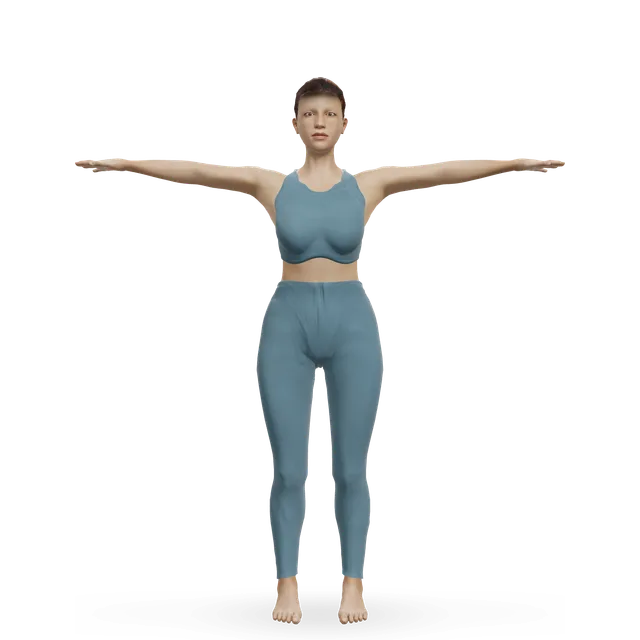
  3. Mobilise, about 2 minutes: 10 arm circles each way, 6 thoracic rotations each side, 3 slow hip circles on each leg and 60 seconds of wrist and forearm work.
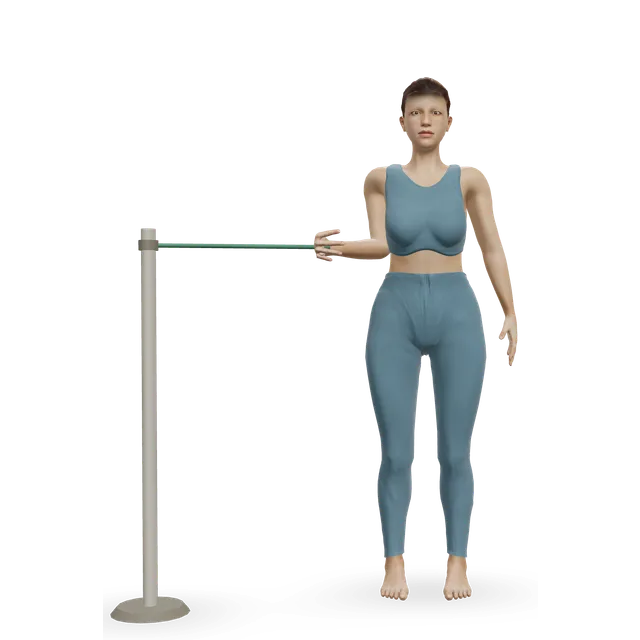
  4. Activate, about 2 minutes, with a light band: 15 band pull-aparts, then 10 external rotations on each arm.
  5. On the water, about 8 minutes: 2 minutes easy, letting your trunk turn more with each stroke, then 3, 2 and 1 minute at a rising stroke rate, easing off between. On a paddleboard, start on your knees.
  6. If you fall into cold water, take a minute, then Float to Live.

Loading the 3D figure…

Gets into position, then repeats the movement. Technical checks passed; qualified exercise review is pending.

The movement on the figure: Thoracic rotation

Moves for paddling

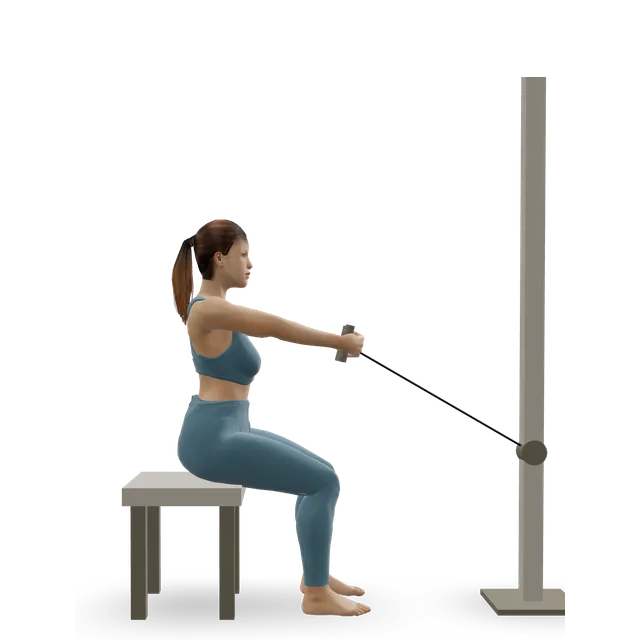
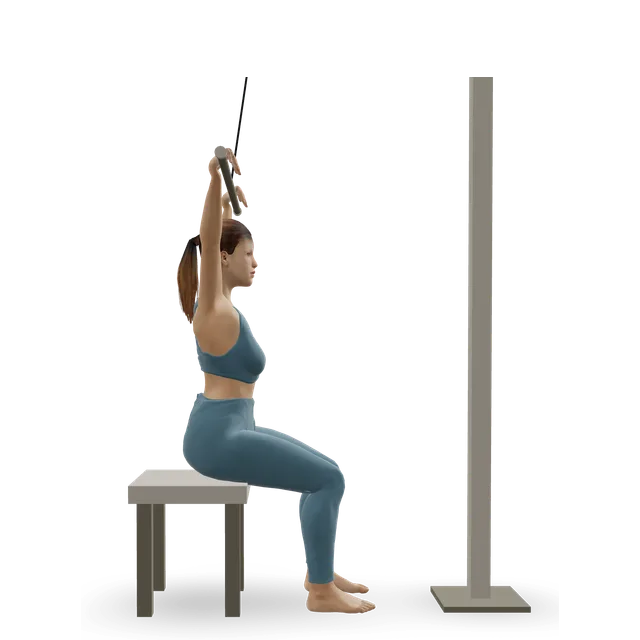
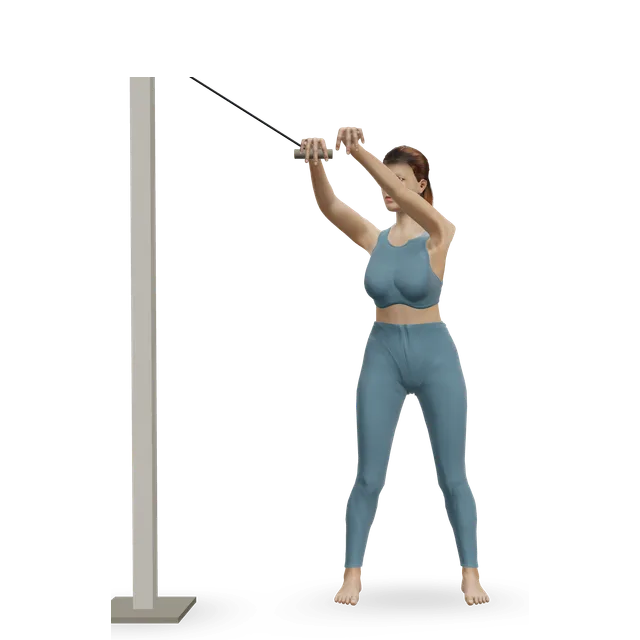
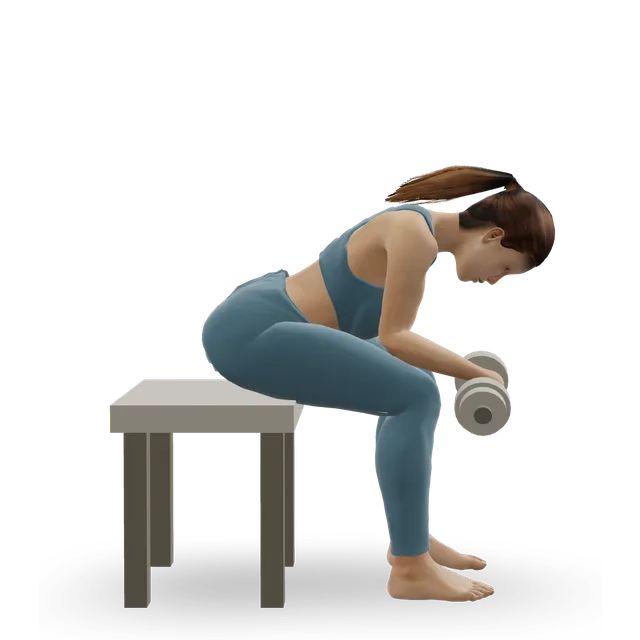
The strength workout's heavy pulling, trunk rotation, shoulder care, forearms and legs, with the warm-up's mobility work. Each has a 3D demo.

Workouts

The first two are new: a warm-up for the shore and a strength workout for paddlers. The others add swimmers' dryland and shoulder work, rowers' strength, back and grip work, balance and a cool-down.

Paddling warm-up: shoulders, trunk and wrists before kayaking, canoeing or paddleboarding

An 8-minute shore warm-up for kayakers, canoeists and paddleboarders: a march, arm and hip circles, trunk turns, wrist work, band pull-aparts and rotations.

8 minBeginner7 movesA wall, A band

Strength workout for paddlers: heavy pulling, trunk rotation and shoulder care for kayaking, canoeing and SUP

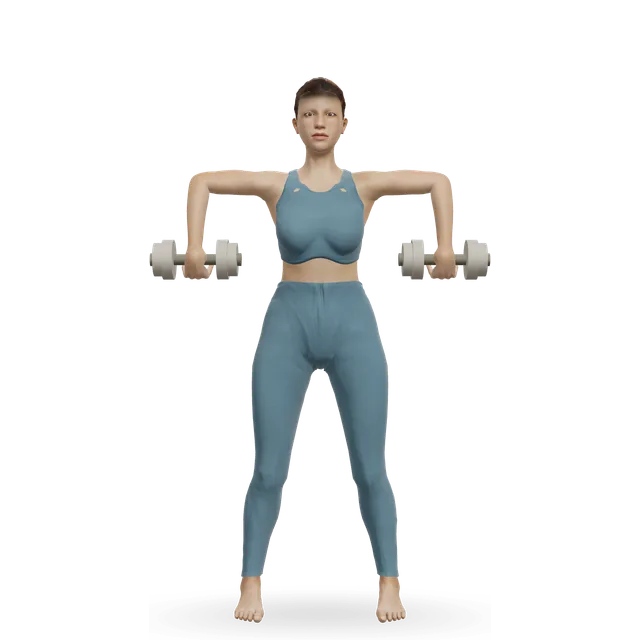
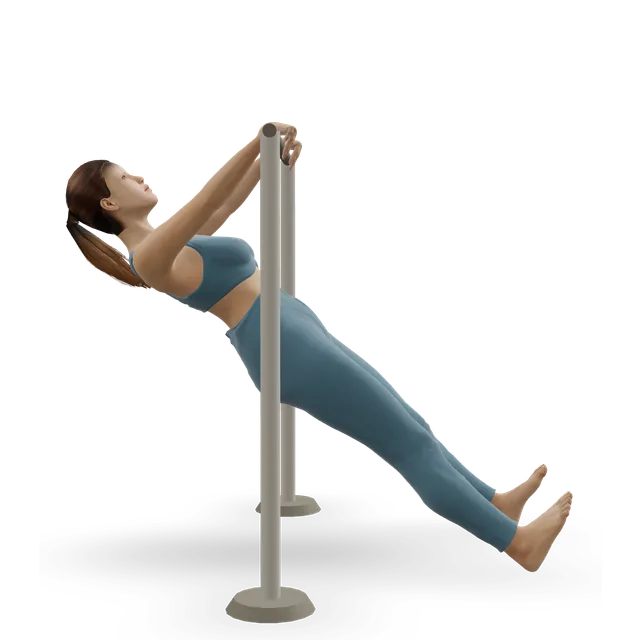
A 50-minute gym session for kayakers, canoeists and paddleboarders: heavy rows and pulldowns, push-ups, wood chops, Pallof presses and shoulder care.

50 minIntermediate15 movesCardio machine, A band

Dryland workout for swimmers

A 45-minute dryland session for swimmers: jumps for starts and turns, heavy pulls, leg strength and trunk work, twice a week alongside the pool.

45 minIntermediate14 movesA band, A bench or box

Shoulder care routine for swimmers

A 20-minute rotator cuff and shoulder-blade routine for swimmers, from a 12-week trial in competitive swimmers, plus a daily cross-body stretch.

20 minBeginner9 movesA wall, A dumbbell

Shoulder mobility and stability routine (with a band)

A 25-minute band routine for healthy shoulders: move the shoulder and upper back through their range, then strengthen the rotator cuff and shoulder blades.

25 minBeginner12 movesA wall, A band

Strength workout for rowers: legs, hinge, pull and trunk

A 50-minute strength session for rowers: back squats, Romanian deadlifts, chest-supported rows, push-ups, side planks, bird dogs and Pallof presses.

50 minIntermediate15 movesCardio machine, A band

Rowing machine workout for beginners: set-up, technique and steady rounds

A 25-minute beginner rowing machine workout: set the damper, learn the stroke one part at a time, row three easy rounds of 4 to 5 minutes, then stretch.

25 minBeginner4 movesCardio machine

Upper back mobility routine

A 12-minute routine for a stiff upper back and rounded shoulders: chin tucks, wall angels, Y-T-W raises and open books.

12 minBeginner8 movesA foam roller, A wall

Pull-up progression workout

Work up to your first pull-up: dead hangs, scapular pulls, rows, negatives and assisted pull-ups.

25 minBeginner7 movesPull-up bar, A step

Wrist and forearm routine

Wrist mobility and forearm strength for desk work, climbing, push-ups and handstands.

10 minBeginner7 movesA wall, A dumbbell

Grip strength workout: squeezes, curls, carries and hangs

A 20-minute grip session: warm up the wrists and fingers, train the hand and forearm muscles, then carry and hang to load your grip the way everyday life does.

20 minBeginner10 movesOther / check instructions, A band

McGill big 3 core routine

The McGill big three for the core: curl-ups, side planks and bird dogs, each held for 10 seconds at a time in falling sets of 5, 3 and 1 reps.

12 minBeginner3 movesNo equipment

Spine mobility routine: neck to pelvis, every direction

A 15-minute routine that moves your neck, upper back and lower back through bending, arching, side bending and twisting, then holds the spine steady.

15 minBeginner12 movesNo equipment

Balance exercises routine

Balance practice in 10 minutes: tandem stance, single-leg stands, marches, heel walks, tree pose and floor transfers.

10 minBeginner7 movesA wall, A bench or box

Cool-down routine: 10 minutes after any workout

A 10-minute cool-down for after a run, a class or a gym session: a few minutes of easy movement, stretches for the muscles you used, then slow breathing.

10 minBeginner9 movesCardio machine, A wall

Plans

Two strength sessions a week off-season suit most paddlers; keep the heavy pulling away from long paddles.

Who should check first

Everyone: seven questions

The PAR-Q+ (Physical Activity Readiness Questionnaire for Everyone) asks about a heart condition or high blood pressure, chest pain, dizziness or losing consciousness, other long-term conditions and their medicines, a bone or joint problem that activity could make worse, and being told to exercise only under supervision. If you answer yes to any, check with your doctor or a qualified exercise professional first. If you're over 45 and not used to hard exercise, ask a qualified exercise professional before the hardest sessions, and delay if you're ill.

Source 84

Weak swimmers, or anyone not at home in the water

A review of medical checks before water sports suggests a swim test for anyone unsure of their swimming. Wear a buoyancy aid every time, start on very sheltered water, and learn at a club.

Sources 61, 1, 80

Heart conditions, high blood pressure, chest pain, fainting or palpitations

Cold water shock strains the heart and can cause a heart attack even in young, healthy people, and a review of water sports advises checking for heart and lung disease and seizures first. See your GP before you start, and paddle on warm, sheltered water with others, never alone.

Sources 6, 61, 84

People with epilepsy

Our epilepsy guide explains that in the International League Against Epilepsy's grouping, canoeing is a sport where a seizure could injure you but not others, and that some people whose seizures happen only in sleep or without losing awareness may canoe with supervision if their neurologist agrees. Never paddle alone, and always wear a buoyancy aid.

Raynaud's, a past nerve injury, or paddling in the cold

These went with lasting cold sensitivity in paddlers' hands. Keep your hands warm and dry, and see a GP if your fingers stay numb or painful (our suggestion).

Source 47

A dislocated shoulder before

Capsizes and rolls injure shoulders, and the NHS says it may take up to 16 weeks to fully return to some sports after a dislocation. Start on flat water, and get clearance before white water or rolling.

Sources 34, 85

Pregnant

The NHS doesn't name paddling, but advises against sports where you could fall or bump your tummy. Talk to your midwife; if they agree, choose calm, warm water and company, and a buoyancy aid that fits (our reading).

Source 86

Children

A child-sized buoyancy aid with a crotch strap, so it can't ride up over their face, and supervised sessions. Our guide to exercise for children covers the rest.

Sources 57, 50

After a concussion

No paddling until your graduated return allows it. A second knock in the water risks drowning as well as a brain injury (our reading).

Sources 82, 83

Cuts or grazes before paddling on a river or canal

Cover them with waterproof plasters, and shower as soon as you can afterwards.

Source 48

When to stop and get help

Someone in trouble in the water

Call 999: inland, ask for the fire and rescue service; at the coast, the coastguard. Tell them to float on their back, and, as our triathlon page advises, don't go in after them yourself.

Sources 1, 4, 2

If you fall in

"Take a minute. The initial effects of cold water pass in less than a minute so don't try to swim straight away." Then Float to Live. On a paddleboard, stay attached to your board and float until you feel calm, then get back on to call for help or paddle to safety.

Sources 6, 7, 75

Too cold

Shivering, pale, cold and dry skin, blue or grey lips, slurred speech, slow breathing, tiredness or confusion can mean hypothermia: go to A&E (accident and emergency) or call 999. Get them somewhere sheltered, take off wet clothes and wrap them up, but don't use a hot bath or rub their arms and legs.

Source 87

A head injury

Paddle UK's red flags need urgent assessment, by ambulance if necessary:

  • Neck pain or tenderness, or weakness or tingling in more than one arm or in the legs.
  • A seizure, double vision, or losing consciousness.
  • Getting drowsier, being sick, or a severe or worsening headache.
  • Becoming more restless, agitated or combative.
  • A visible dent or deformity of the skull.
  • The NHS also says call 999 after a fall from more than 1 metre or a head knock at high speed.

Sources 82, 88

A shoulder after a capsize or a brace

Go to A&E if you can't move your arm, or the shoulder looks out of place or has changed shape, and don't try to put it back in yourself.

Source 85

Illness after river, canal or lake water

See a GP for a high temperature, headache, being sick, diarrhoea, aches, red eyes or loss of appetite after possible exposure. Ask for an urgent GP appointment or contact NHS 111 for yellow skin or eyes, not being able to pee, swollen ankles, feet or hands, chest pain or shortness of breath.

Source 48

A deep cut

Call 999 or go to A&E if the bleeding won't stop, the blood spurts and is bright red, you lose feeling near the wound, it's a bad cut on your face or palm, the wound is very large or deep, or something is stuck in it.

Source 89

Fainting or chest pain: call 999

Call 999 if someone faints while exercising, or has chest pain that doesn't go away, spreads to the arms, neck, jaw, stomach or back, or comes with sweating, feeling sick, light-headedness or breathlessness.

Sources 90, 91

Myths

"Strong swimmers don't need a buoyancy aid"Strong evidence

Paddle Scotland: "No matter how strong you think you are at swimming, wear a Personal Floatation Device (PFD)." Cold water shock can overwhelm anyone.

Sources 4, 6

"On a paddleboard, the board is your buoyancy aid"Strong evidence

Paddle Scotland's answer to "do I need one?" is yes: you're attached to the board, but you may need to release yourself from it. Paddle UK's guidance is that a buoyancy aid must be worn wherever you paddle.

Sources 4, 58

"Always wear your ankle leash"Strong evidence

Only where there's nothing to snag on. On moving and tidal water, Paddle UK and RoSPA advise a quick-release waist leash; on white water, no leash unless you're trained to judge it; and BCAB advises no leash on any graded river. Never an ankle leash on a river.

Sources 8, 75, 9

"If you fall into cold water, swim for the shore straight away"Strong evidence

Take a minute: the first effects pass in under a minute. Then Float to Live, and swim only once your breathing is under control.

Sources 6, 7

"A weir is just a small waterfall"Strong evidence

Four paddleboarders died in the towback of Haverfordwest Town Weir in 2021. Get out above any weir and walk round.

Sources 10, 9

"Kayaking is all arms"Emerging evidence

In international sprint kayakers, stomach and thigh muscle activity went with boat speed: the legs and trunk help drive the stroke.

Source 26

"Paddleboarding is too gentle to count as exercise"Emerging evidence

It's moderate exercise from about 20 strokes a minute, and 6 weeks of it raised inactive adults' aerobic fitness by about a quarter.

Sources 15, 13

"Paddleboarding will fix your balance"Mixed evidence

Six weeks didn't change balance in adults, though sea paddleboarding improved older adults' balance more than walking.

Sources 13, 74

"Kayaking is good for back pain"Mixed evidence

No study has tested it, and low backs are among paddlers' commonest injuries, especially on paddleboards. Our back pain guide covers what does help.

Sources 11, 12

Questions people ask

What are the best exercises for kayaking?

Heavy pulling such as rows and pulldowns, trunk rotation such as wood chops, side planks, and shoulder care with band external rotations. In a trial, two heavy weight sessions a week for 6 weeks made experienced kayakers' sprints 2% to 3% faster. Our strength workout for paddlers puts these together.

Is paddleboarding good exercise?

Yes. It's moderate exercise from about 20 strokes a minute, and in a small study, three 1-hour sessions a week for 6 weeks raised inactive adults' aerobic fitness by about a quarter and their trunk endurance by a fifth or more. Faster paddling and racing are vigorous.

Do I need a buoyancy aid on a paddleboard?

Yes. Paddle UK's guidance is that a buoyancy aid must be worn wherever you're paddling, and Paddle Scotland points out that you may need to release yourself from your board. Inflatable waist belts are only for flat, calm water, because you have to inflate them yourself.

Which paddleboard leash should I use?

A coiled ankle or calf leash on lakes, canals and calm sea with nothing to snag on. On moving and tidal water, Paddle UK and RoSPA advise a quick-release waist leash, while the British Canoeing Awarding Body advises no leash on any graded river. Take advice for your water, and never use an ankle leash on rivers.

What should I do if I fall into cold water?

Take a minute: the first gasping passes in under a minute, so don't try to swim straight away. Then Float to Live: tilt your head back with your ears under, relax and control your breathing, and move your hands and legs to stay afloat. Call 999 and ask for the coastguard at the coast, or the fire and rescue service inland.

Why are weirs dangerous?

The water below a weir can circulate back towards it and hold a person and their board. In 2021, four paddleboarders on a guided tour died this way at Haverfordwest Town Weir. Get out above any weir and walk round.

Why do paddlers get shoulder pain?

The stroke repeats thousands of times, and capsizes, braces and rolls load the shoulder with the arm raised and turned out. Shoulders are paddlers' commonest injury; strengthening the upper back and rotator cuff is sensible, though untested on injuries.

Is kayaking good for back pain?

It hasn't been tested. Low backs are among paddlers' commonest injuries, especially on paddleboards, so build up gradually; our back pain guide covers what helps.

Can you get ill from river water?

Yes: leptospirosis, caught when infected water gets into your mouth, eyes or a cut. It's rare in the UK, and the NHS advises covering cuts with waterproof plasters and showering as soon as you can afterwards.

Can I paddleboard or kayak while pregnant?

The NHS doesn't name paddling, but advises against activities where you could fall or bump your tummy. Talk to your midwife; if they agree, choose calm, warm water, company and a buoyancy aid that fits.

Sources

  1. Royal National Lifeboat Institution (RNLI) · Kayaking and canoeing safety advice (captured 18 September 2026)
  2. Royal Life Saving Society UK (RLSS UK) · Water safety for stand-up paddleboarding (SUP)
  3. Paddle UK 2024 · #PaddleSafe on the water this summer, with the RNLI
  4. Paddle Scotland · Paddlesport safety advice
  5. Cummings 2011 · Association between wearing a personal floatation device and death by drowning among recreational boaters: a matched cohort analysis of United States Coast Guard data (Inj Prev)
  6. RNLI · Cold water shock (captured 12 October 2026)
  7. RNLI · Float to Live (captured 4 October 2026)
  8. Paddle UK 2026 · Stand up paddleboard (SUP) safety: choosing the right leash
  9. British Canoeing Awarding Body (BCAB) 2025 · Guidance for stand up paddleboard instructors, coaches and leaders, version 1.0
  10. Marine Accident Investigation Branch (MAIB) 2022 · Commercial stand up paddleboarding accident on river weir with loss of 4 lives, report 13/2022
  11. Griffin 2020 · Musculoskeletal Injury in Paddle Sport Athletes (Clin J Sport Med)
  12. Furness 2017 · Epidemiology of Injuries in Stand-Up Paddle Boarding (Orthop J Sports Med)
  13. Schram 2016 · The physiological, musculoskeletal and psychological effects of stand up paddle boarding (BMC Sports Sci Med Rehabil)
  14. Liow 2003 · Velocity specificity of weight training for kayak sprint performance (Med Sci Sports Exerc)
  15. Willmott 2020 · The physiological and perceptual responses of stand-up paddle board exercise in a laboratory- and field-setting (Eur J Sport Sci)
  16. Schram 2016 · Profiling the sport of stand-up paddle boarding (J Sports Sci)
  17. Schram 2017 · A Performance Analysis of a Stand-Up Paddle Board Marathon Race (J Strength Cond Res)
  18. Suari 2018 · The Effect of Environmental Conditions on the Physiological Response during a Stand-Up Paddle Surfing Session (Sports (Basel))
  19. Schram 2017 · Exploring the Utilisation of Stand up Paddle Boarding in Australia (Sports (Basel))
  20. Compendium of Physical Activities 2024 · Water activities: MET values (adult compendium)
  21. Tesch 1983 · Physiological characteristics of elite kayak paddlers (Can J Appl Sport Sci)
  22. Michael 2008 · The metabolic demands of kayaking: a review (J Sports Sci Med)
  23. Lee 2025 · Physiological and Physical Determinants of Flat-Water Kayaking (Muscles)
  24. van Someren 2003 · Prediction of 200-m sprint kayaking performance (Can J Appl Physiol)
  25. Bishop 2000 · Physiological predictors of flat-water kayak performance in women (Eur J Appl Physiol)
  26. Brown 2024 · Contribution of Trunk Rotation and Abdominal Muscles to Sprint Kayak Performance (J Hum Kinet)
  27. Schram 2019 · A biomechanical analysis of the stand-up paddle board stroke: a comparative study (PeerJ)
  28. Hibbert 2023 · Shoulder, Trunk, and Hip Sagittal Plane Kinematics during Stand-Up Paddle Boarding (Sports (Basel))
  29. Balke 2021 · Injuries and Use of Safety Equipment in Stand-up Paddle Boarding (Orthop J Sports Med)
  30. Gao 2025 · Epidemiological characteristics of injuries among elite adolescent flat-water kayak and canoe athletes (Front Public Health)
  31. Toohey 2019 · Epidemiology of elite sprint kayak injuries: A 3-year prospective study (J Sci Med Sport)
  32. Fiore 2001 · Injuries in whitewater kayaking (Br J Sports Med)
  33. Fiore 2003 · Injuries associated with whitewater rafting and kayaking (Wilderness Environ Med)
  34. Holland 2018 · Shoulder Injuries in Canoeing and Kayaking (Clin J Sport Med)
  35. Spittler 2020 · Common Injuries in Whitewater Rafting, Kayaking, Canoeing, and Stand-Up Paddle Boarding (Curr Sports Med Rep)
  36. Duma 2022 · Whitewater Helmet STAR: Evaluation of the Biomechanical Performance and Risk of Head Injury for Whitewater Helmets (Ann Biomed Eng)
  37. Waydia 2016 · Paddle-boarding: Fun, New Sport or an Accident Waiting to Happen? (Trauma Mon)
  38. National Water Safety Forum · WAID UK 2025 summary: water-related fatalities in the UK
  39. Franklin 2012 · The epidemiology of injury in canoeing, kayaking and rafting (Med Sport Sci)
  40. Viauroux 2016 · An Empirical Analysis of Life Jacket Effectiveness in Recreational Boating (Risk Anal)
  41. Willcox-Pidgeon 2019 · Boating-related drowning in Australia: Epidemiology, risk factors and the regulatory environment (J Safety Res)
  42. Strasiotto 2022 · The role of alcohol and drug intoxication in fatal drowning and other deaths that occur on the Australian coast (J Safety Res)
  43. Roberts 2013 · Fatalities in recreational boating and sub-aqua diving (Int Marit Health)
  44. Leuci 2026 · Beyond hypothermia: mechanisms of death, rescue, and prevention in cold water immersion (J Appl Physiol (1985))
  45. Tipton 2017 · Cold water immersion: kill or cure? (Exp Physiol)
  46. Farstad 2020 · Flush Drowning as a Cause of Whitewater Deaths (Wilderness Environ Med)
  47. Oakley 2022 · Nonfreezing Cold Injury and Cold Intolerance in Paddlesport (Wilderness Environ Med)
  48. NHS · Leptospirosis (Weil's disease)
  49. Garvey 2014 · Leptospirosis in Ireland: annual incidence and exposures associated with infection (Epidemiol Infect)
  50. Buzzacott 2018 · Pediatric and adolescent injury in aquatic adventure sports (Res Sports Med)
  51. Castañeda-Babarro 2021 · Relationship Between Training Factors and Injuries in Stand-Up Paddleboarding Athletes (Int J Environ Res Public Health)
  52. Isorna-Folgar 2021 · Injuries Associated with the Practice of Calm Water Kayaking in the Canoeing Modality (J Clin Med)
  53. Bugeja 2014 · Effectiveness of the 2005 compulsory personal flotation device (PFD) wearing regulations in reducing drowning deaths among recreational boaters in Victoria, Australia (Inj Prev)
  54. Pitman 2019 · Trends in the wear of personal flotation devices (PFDs) in the UK 2009-2017 (Inj Prev)
  55. Quan 1998 · Are life vests worn? A multiregional observational study of personal flotation device use in small boats (Inj Prev)
  56. Quistberg 2014 · Barriers to life jacket use among adult recreational boaters (Inj Prev)
  57. Go Paddling (Paddle UK) 2024 · Buying your first buoyancy aid
  58. Go Paddling (Paddle UK) 2025 · Should I wear a buoyancy aid when stand up paddle boarding?
  59. Lauersen 2014 · The effectiveness of exercise interventions to prevent sports injuries: a systematic review and meta-analysis of randomised controlled trials (Br J Sports Med)
  60. NHS · Sunscreen and sun safety
  61. Nathanson 2015 · Pre-Participation Medical Evaluation for Adventure and Wilderness Watersports (Wilderness Environ Med)
  62. McKean 2014 · The influence of upper-body strength on flat-water sprint kayak performance in elite athletes (Int J Sports Physiol Perform)
  63. Gäbler 2021 · Strength Training Intensity and Volume Affect Performance of Young Kayakers/Canoeists (Front Physiol)
  64. Lee 2024 · Free-Weight Resistance Training Enhances Core Muscle Strength but Does Not Translate to Improved Athletic Performance in Adolescent Canoe/Kayak Athletes (Children (Basel))
  65. Saeterbakken 2025 · The effect of heavy-resistance core strength training on upper-body strength and power performance in national-level junior athletes-a pilot study (Front Physiol)
  66. Yang 2017 · Effects of high-intensity interval training on canoeing performance (Eur J Sport Sci)
  67. Paquette 2021 · The effect of HIIT vs. SIT on muscle oxygenation in trained sprint kayakers (Eur J Appl Physiol)
  68. Papandreou 2020 · Physiological Adaptations to High-Intensity Interval and Continuous Training in Kayak Athletes (J Strength Cond Res)
  69. Matzka 2021 · Comparison of Physiological Parameters During On-Water and Ergometer Kayaking and Their Relationship to Performance in Sprint Kayak Competitions (Int J Sports Physiol Perform)
  70. García-Pallarés 2009 · Endurance and neuromuscular changes in world-class level kayakers during a periodized training cycle (Eur J Appl Physiol)
  71. García-Pallarés 2010 · Performance changes in world-class kayakers following two different training periodization models (Eur J Appl Physiol)
  72. García-Pallarés 2010 · Physiological effects of tapering and detraining in world-class kayakers (Med Sci Sports Exerc)
  73. Bosquet 2007 · Effects of tapering on performance: a meta-analysis (Med Sci Sports Exerc)
  74. Osti 2018 · Improvement of Balance Stability in Older Individuals by On-Water Training (J Aging Phys Act)
  75. RoSPA · Stand up paddleboarding
  76. Royal Society for the Prevention of Accidents (RoSPA) · Cold water shock
  77. Paddle UK 2024 · Top safety tips
  78. RoSPA · Kayaking and canoeing safety tips
  79. Barwood 2024 · Habituation of the cold shock response: A systematic review and meta-analysis (J Therm Biol)
  80. BCAB 2025 · Environmental definitions and deployment guidance for instructors, coaches and leaders, version 2
  81. Paddle UK · Haverfordwest: lessons learnt from the Marine Accident Investigation Branch report
  82. Paddle UK 2024 · Paddlesport head injury guidance
  83. UK Government and Sport and Recreation Alliance 2024 · UK concussion guidelines for non-elite (grassroots) sport, November 2024 update
  84. PAR-Q+ Collaboration 2025 · The Physical Activity Readiness Questionnaire for Everyone (PAR-Q+)
  85. NHS · Dislocated shoulder
  86. NHS · Exercise in pregnancy
  87. NHS · Hypothermia
  88. NHS · Head injury and concussion
  89. NHS · Cuts and grazes
  90. NHS · Fainting
  91. NHS · Chest pain

Exercise education for people who play sport, not a personal prescription or a diagnosis, and clinical review of these pages is pending. Check with a GP or physiotherapist before hard training if you have a heart condition, chest pain, dizziness or an injury that isn't settling, and stop for sharp or increasing pain. Health disclaimer.