Sports training
Paddling warm-up: shoulders, trunk and wrists before kayaking, canoeing or paddleboarding
Paddlers most often hurt their shoulders, lower backs and wrists, so this warm-up moves and switches on those first. Do it after the checks that matter most: buoyancy aid on and done up, phone in a waterproof pouch on you, someone knowing your plan, no offshore wind, and the right leash for the water. Then paddle off easily and build up over about 8 minutes, as paddlers did before testing in a 2025 study. No warm-up has been tested on paddling injuries.
Raise
- Standing march60 to 90 sBeginner · Hip flexors, Abs, Glutes · 3D demoOr carry your boat or board to the waterHarder: Standing band hip flexion

Mobilise
- Arm circles10 each wayBeginner · Shoulders, Back · 3D demoBig, easy circlesHarder: Shoulder CARs (controlled articular rotations)
- Thoracic rotation6 each sideBeginner · 3D demoTurn your chest as you will in the strokeEasier: Side-lying open bookHarder: World's greatest stretch
- Standing hip CARs3 slow circles each legBeginner · Glutes, Hip flexors, Hip abductors · 3D demoHold your paddle for balanceHarder: 90/90 hip lift-off
- Beginner · Forearms · 3D demoOpen and close your hands, bend and turn your wristsHarder: Wrist flexor stretch



Activate
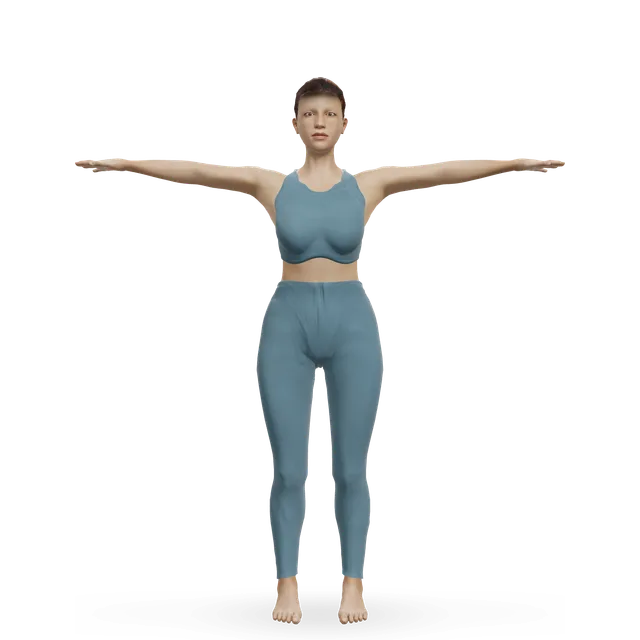
- Intermediate · Shoulders, Back · 3D demoA light band, shoulders downEasier: Prone Y-T-W raisesHarder: Tuck back lever
- Standing band external rotation10 each armBeginner · Shoulders, Back · 3D demoElbow at your sideHarder: Side-lying external rotation


Tips
- On the water: 2 minutes easy, letting your trunk turn more with each stroke, then 3, 2 and 1 minute at a rising stroke rate, easing off between. On a paddleboard, start on your knees.
- Paddle UK and the RNLI's five messages: always wear a buoyancy aid, tell someone where you're going, carry a mobile phone, check the weather, and know your limits.
- Leashes: an ankle or calf leash only where there's nothing to snag on. On moving water, Paddle UK and RoSPA advise a quick-release waist leash, and BCAB advises no leash on any graded river. Take advice for your water, and never use an ankle leash on rivers.
- If you fall into cold water, take a minute, then Float to Live. Inland, call 999 and ask for the fire and rescue service; at the coast, the coastguard.
- Keep any static stretch short before paddling, as the site's warm-up guide advises.
The doses are suggested starting points, not a prescription. Choose a range you can control and stop for sharp or increasing pain, numbness or tingling. Get individual advice after an injury or surgery, or if you are pregnant or managing a health condition.
Guides that recommend it
Find more moves like these
More sports training

Injury prevention exercises for runners
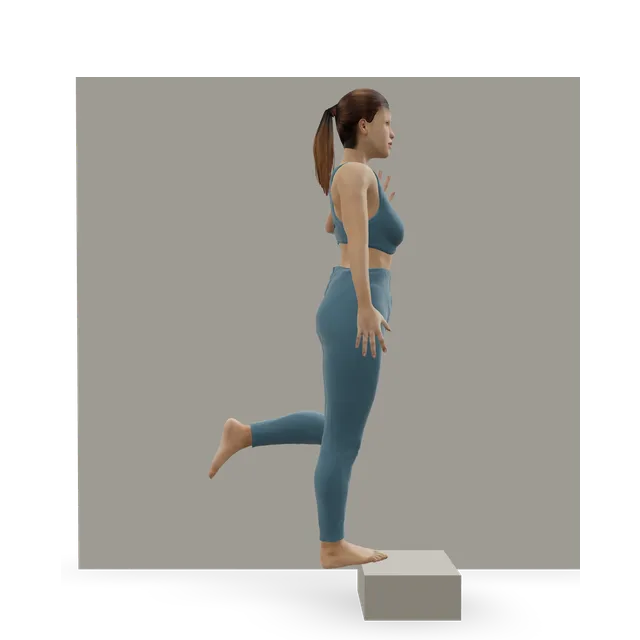
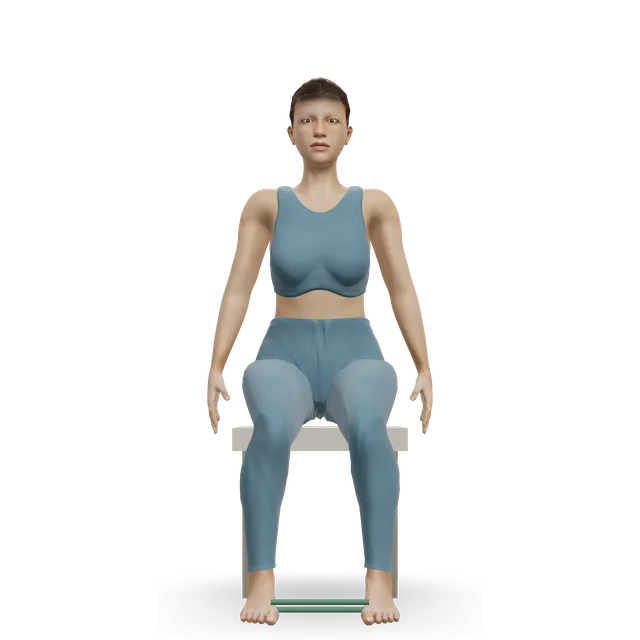
Foot, calf, balance and hop exercises taken from the running trials with positive results, in a 25-minute home routine for 3 or 4 days a week.
25 minBeginner11 movesOther / check instructions, A bench or box



Plyometrics for runners
A 20-minute hop and bound session for runners: ankle bounces to pogo hops, one-leg hops and bounding, building foot contacts slowly over 10 weeks.
20 minIntermediate8 movesCardio machine



Strength workout for cyclists (gym)
A 50-minute gym session for cyclists: heavy squats, one-leg presses, hip flexion and calf raises as in the cycling trials, plus jumps for bone.
50 minIntermediate13 movesCardio machine, A barbellQuestions people ask
How long does the paddling warm-up: shoulders, trunk and wrists before kayaking, canoeing or paddleboarding take?
About 8 minutes, including any warm-up and cool-down listed. Shorten it by doing fewer rounds; lengthen it by adding one.
What equipment do I need?
You need: A wall, A band, An anchor point. Each move links to its guide, where you can find an alternative if you are missing something.
Is it suitable for beginners?
It is written for beginners. 2 of its 7 moves have an easier option listed beside them if you need one.
How do I make it easier or harder?
Use the easier or harder option listed under each move, change the number of rounds, or adjust the rest. Progress one change at a time.