Tuck back lever
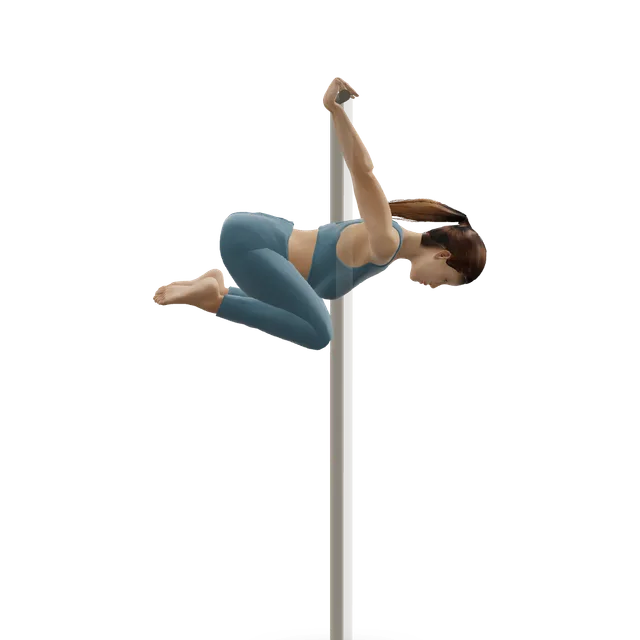
Hanging from a bar, you roll back through an inverted hang, tuck your knees to your chest and lower until your back is level, facing the ceiling, with your arms straight behind you, then hold. It is the short-lever step between skin the cat and the full back lever. Hang with an overhand grip, as for a pull-up. A chin-up grip, palms towards you, keeps the forearm turned palm-up, the position in which most filmed biceps tendon tears happened.
Movement guide
Tuck back lever
Loading the 3D figure…
Make it easier or harder
Choose a version that fits your control and comfort.
Easier option
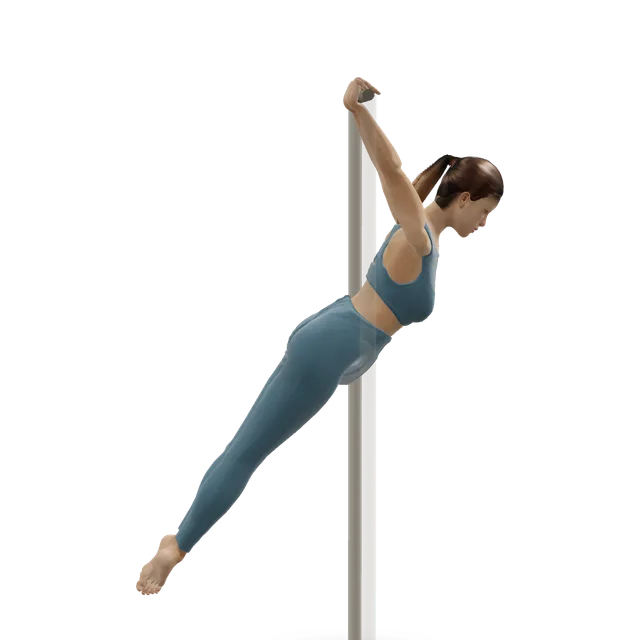 3D demoGerman hangAdvanced · Pull-up bar
Suggested next step, advanced grade.
Harder option
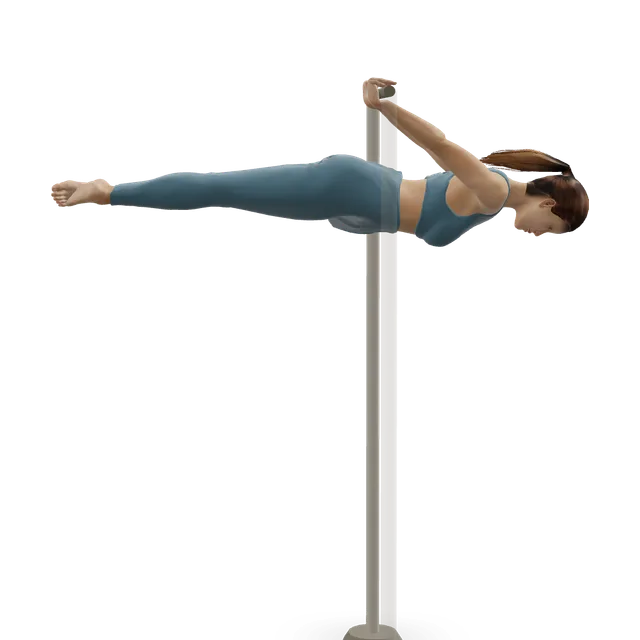 3D demoBack leverExpert · Pull-up bar
Suggested next step, expert grade.
Source-researched guide.
How to move
- Hang from a bar with an overhand grip and straight arms, tuck your knees to your chest and roll back until you are upside down with your hips above your shoulders.
- Keeping your knees tucked and your elbows straight, lower slowly backwards until your back is level, facing the ceiling, your hips at shoulder height.
- Press down through your hands and spread your shoulder blades slightly to hold the position still, breathing steadily.
- To come out, lift your hips back up through the inverted hang and roll forward to the hang, or keep lowering to a German hang and put your feet down.
Form cues
- Elbows locked: bending them turns it into a pull.
- Press down through the bar to stay up.
- Avoid: squeezing your arms tight against your sides.
Practice and cautions
4 to 6 holds of 5 to 10 seconds, early in a session on fresh arms (our editorial starting point).
The hold keeps your shoulders near the end of their extension range under load: build from short holds once the German hang and skin the cat are comfortable. Even tucked, the position works the biceps and elbows hard, and a supinated grip multiplies that stress. Losing the grip mid roll means falling, so keep the bar low at first. This is movement education, not an assessment or treatment prescription. Stop for sharp or increasing pain, dizziness, numbness or tingling; seek individual guidance for symptoms, injury or restrictions.
Sources and review status
Sources support the educational description; they do not establish that this exercise is suitable for you.
- GymnasticBodies · Tuck back lever on rings (lowered from an inverted hang until the back is level; a straight-arm hold not to rush) ↗
- GMB Fitness · Front lever and back lever tutorial (the back lever built through tuck, open tuck and straddle steps, each as slow lowerings and pauses) ↗
- Jukes 2022 · Distal biceps tendon ruptures on video: 98% with the palm turned up, 89% with the elbow nearly straight, most while the arm held still (57 videos and 22 patients, Bone Jt Open) ↗
- Ngo 2021 · Injuries in 93 street workout athletes: the shoulder most often hurt, then the upper back, elbow and wrist; tendinopathy the commonest diagnosis (survey, Orthop J Sports Med) ↗
No variation is labeled clinically validated.
What it works
Muscles
Main: Shoulders, Back. Also: Biceps, Abs, Forearms.
Anatomy: Deltoid, Rotator cuff, Supraspinatus, Infraspinatus, Subscapularis, Teres minor.
Equipment
Pull-up bar
Level
Advanced. See the easier and harder options above.
Workouts that use it
Guides that use it
Similar moves
Browse more
Questions people ask
What muscles does the Tuck back lever work?
Mainly the shoulders and back, with help from the biceps, abs and forearms.
What equipment do I need for the Tuck back lever?
Pull-up bar.
Is the Tuck back lever good for beginners?
It is an advanced move. Build up to it with the German hang first.
What is an easier alternative to the Tuck back lever?
Try the German hang. It is the suggested step down from this move.
How do I make the Tuck back lever harder?
Progress to the Back lever. Follow that guide’s technique and any stated timing.