Exercise guide

Exercising when you're ill: colds, flu, COVID-19, a fever and when to rest

With a mild cold, you can usually stay active if you feel up to it. With flu, a fever or feeling generally unwell, rest comes first. The National Health Service (NHS) says a cold makes you feel unwell but you're usually OK to carry on as normal, while flu leaves you too exhausted to carry on as normal.

The popular "above the neck" rule is a sensible rule of thumb rather than a tested one: it comes from doctors' experience, and only one small study, in young adults given a cold in a lab, has tested exercising with a cold. Resting while you have a fever is a precaution too, partly because viruses can occasionally inflame the heart.

This guide covers when to exercise and when to rest, what counts as a fever, the heart warning signs, how to get back to exercise step by step, COVID-19, flu, glandular fever and stomach bugs, exercising after a vaccine, whether exercise helps you fight off colds, and what changes in pregnancy, for older adults and children, and with a long-term condition.

The short version

A mild cold: gentle exercise is usually fine

If your symptoms are only above the neck, such as a runny or blocked nose, sneezing or a mild sore throat, and you don't have a high temperature, light exercise is usually fine if you feel up to it. Start with 10 to 15 minutes at an easy pace, and stop if you feel worse.

Sources 1, 2, 3

Flu, a fever or feeling unwell: rest

The NHS advice for flu and a high temperature is rest. Don't exercise with a fever, aching muscles, a chesty cough, vomiting or diarrhoea, or if you feel generally unwell. Get up and move around the house rather than staying in bed all day.

Sources 4, 5, 6

Know the heart warning signs

Viruses can occasionally inflame the heart, and the symptoms can start up to 2 weeks after an infection. Chest pain, a racing or irregular heartbeat, unusual breathlessness or fainting during or after a viral illness need checking before you exercise hard.

Sources 7, 8

Come back gently: most people are back within a week or two

Once the fever and aching have gone and you feel better, start with a few short, easy sessions and build up. In studies of athletes, a cold or other respiratory illness lasted about a week on average, and full training came back after a median of 8 days, longer after flu or COVID-19.

Sources 2, 9, 10

COVID-19

The NHS says you can go back to your normal activities when you feel better or don't have a high temperature. For athletes, the American College of Cardiology (ACC) suggests 3 days off training even without symptoms, waiting until mild symptoms have gone, and a check before hard exercise if you had chest symptoms.

Sources 11, 12

Regular exercise may make colds milder, not rarer

In 14 trials, exercise didn't change how many colds people caught, but their symptoms were less severe. In a study of 1,002 adults, those active on 5 or more days a week had 43% fewer days with cold symptoms. That's a reason to stay active when you're well, not to push through when you're ill.

Sources 13, 14

Colds, flu and COVID-19

A cold

A cold is a viral infection of your nose and throat. Symptoms come on gradually over 2 to 3 days: a blocked or runny nose, sneezing, a sore throat, a hoarse voice, a cough, and feeling tired and unwell, sometimes with a high temperature, aching muscles or a loss of taste and smell. The NHS says you should begin to feel better in about 1 to 2 weeks, and you're infectious until all your symptoms have gone.

Source 1

Flu

Flu comes on very quickly, often within a few hours: a sudden high temperature, an aching body, feeling tired or exhausted, a dry cough, a sore throat, a headache, poor sleep and loss of appetite. It often gets better on its own, but it can make some people seriously ill, and you're most likely to pass it on in the first 5 days.

Source 4

Cold or flu?

The NHS puts the difference like this: a cold makes you feel unwell, but you're OK to carry on as normal, for example going to work. Flu makes you feel exhausted and too unwell to carry on as normal.

Sources 1, 4

COVID-19

COVID-19 symptoms overlap with colds and flu: a high temperature, a new continuous cough, a change in your sense of smell or taste, breathlessness, tiredness, aches, a sore throat, a blocked or runny nose, diarrhoea, or feeling or being sick. Most people feel better within a few weeks. Symptoms that last longer than 12 weeks are called long COVID.

Sources 11, 15

"Above the neck" and "below the neck"

Sports doctors sort symptoms into two groups. Above the neck: a runny or blocked nose, sneezing and a sore throat. Below the neck: a fever, aching muscles, feeling generally unwell, a chesty cough, breathlessness, vomiting and diarrhoea. The second group is the one that means rest.

Sources 2, 16

How long people are usually off

Across 54 studies of 31,065 athletes, a respiratory illness lasted 7 days on average, and about 1 in 5 cost more than a day of training. In 114 athletes with a confirmed infection, the median time back to full training was 8 days, and back to full performance 11 days, with flu and COVID-19 taking longer than common cold viruses.

Sources 9, 10

What the evidence says

The above the neck rule is expert opinionMixed evidence

The rule comes from doctors' experience. A 1993 review is cited as its source, and a 1996 review put it this way: "solo exercise at a reduced intensity is generally safe for patients whose symptoms are above the neck". A 2017 sports medicine book chapter says the rule is used "with little scientific evidence".

Only one study has tested it, and we could read only its summary. Fifty people aged 18 to 29 were given a cold virus in a lab. The 34 who exercised for 40 minutes every other day, at a moderate to hard effort, had colds that were no worse and no longer than those of the 16 who didn't, though the 16 weren't chosen at random. It was a mild virus in young adults, so the result may not apply to flu, COVID-19 or older people.

Sources 17, 3, 2, 16, 18

A cold makes little difference to fitnessEmerging evidence

In 45 people given a cold in a lab, lung function and exercise capacity didn't change at the peak of the cold. Across 17 studies of 7,793 people, mild respiratory illnesses made little difference to endurance, though performance and lung function dipped for a while in a few of them. Most of the studies were small.

Sources 19, 20

A fever costs strength and staminaEmerging evidence

A fever raises the body's oxygen use by about 13% for each 1°C, and sports medicine reviews say it can cut endurance by up to 25%. In older studies of feverish illnesses lasting a week, with bed rest, muscle strength fell by 5% to 15%, muscle endurance by 13% to 18% and aerobic fitness by about 25%. Getting out of bed every half hour during the day reduced the losses compared with staying in bed.

Sources 16, 6

Illness raises the risk of overheatingStrong evidence

The US National Athletic Trainers' Association advises that anyone ill with a viral infection, a stomach bug or a fever shouldn't take part in sport until it has cleared, because illness, fever, dehydration and some medicines raise the risk of heat illness, and the risk can last for a while after the symptoms go.

Source 21

Viruses and the heart: animal studies that disagreeMixed evidence

In mice infected with a virus that inflames the heart, exercise to exhaustion 2 days after infection increased the heart damage, though not when it was done on the day of infection. In a 2025 study in mice, neither moderate nor hard exercise changed the damage. A 2025 review concluded that in animals, moderate exercise may calm the inflammation while hard exercise often makes it worse, and that there's little evidence in people.

So the evidence that hard exercise during a viral illness harms the heart comes from animal studies that disagree. Resting while you have a fever is a sensible precaution rather than a proven need, and heart symptoms after an infection always need checking.

Sources 22, 23, 24, 7

COVID-19 and the heart in athletesStrong evidence

The ACC's 2022 guidance for athletes after COVID-19 draws on screening studies: heart inflammation was found in 0.4% of 789 professional athletes and 0.4% of 2,820 college athletes, and in 2.3% of 1,597 college athletes who all had heart scans, though only 0.6% had symptoms. It dropped earlier advice that everyone should take 10 days off.

Source 12

Exercise and catching coldsEmerging evidence

In a Cochrane review of 14 trials with 1,377 adults, mostly 30 to 45 minutes of moderate exercise 3 times a week, exercise didn't change how many respiratory infections people caught. It did reduce how severe they were (moderate certainty) and the total days with symptoms (low certainty).

In a 12-week study of 1,002 adults in autumn and winter, those doing aerobic exercise on 5 or more days a week had 43% fewer days with cold symptoms than those exercising on 1 day or less. This was an observational study, so it can't prove that exercise caused the difference.

Sources 13, 14

Hard training and infectionsMixed evidence

After the Los Angeles Marathon, 12.9% of runners reported an infection in the following week, against 2.2% of similar runners who didn't race, though this relied on what runners reported. A 2018 review found little reliable evidence that hard exercise weakens the immune system: the drop in immune cells in the blood after exercise mostly reflects them moving into the body's tissues. The idea of an "open window" for infection after hard training isn't settled.

Sources 25, 26, 2

Should I exercise? Above and below the neck

Symptoms only above the neck, and no fever

If you feel up to it, light to moderate exercise is usually fine. Try 10 to 15 minutes at an easy pace, and carry on only if you feel no worse. Keep it shorter and easier than usual, and leave hard intervals, races and heavy lifting until you're better.

Sources 2, 3, 1

A sore throat that hurts to swallow, or feeling worse

A sports medicine chapter calls a sore throat a grey zone and suggests skipping that day's session. If you feel worse during or after a session, stop and rest.

Sources 16, 2

Symptoms below the neck: rest

Don't exercise if you have:

  • a high temperature, or you feel hot, cold or shivery
  • aching muscles or joints, or you feel generally unwell
  • a chesty cough or breathlessness
  • vomiting or diarrhoea

Sources 2, 6, 5

Rest doesn't mean bed all day

In people with a feverish respiratory infection, getting out of bed every half hour during the day reduced the loss of blood volume and fitness compared with bed rest. Pottering about the house, with plenty to drink, is a good middle ground.

Source 6

Keep your germs to yourself

The NHS says that if you have a high temperature or don't feel well enough for your normal activities, try to stay at home and avoid contact with other people. The UK Health Security Agency (UKHSA) suggests that if you do go out, you exercise outdoors where you won't have close contact with other people. Skip classes and team training while you're infectious.

Sources 1, 27

What counts as a fever, and why it matters

What counts

The NHS says a high temperature is usually 38°C or above. You may have one even if a thermometer reads below 38°C if you feel hot, cold or shivery, or your chest or back feels hotter than usual. Rest, drink plenty, and stay at home until you don't have a high temperature.

Source 5

Why to rest

A fever already raises your body's workload and temperature. Exercise adds more heat and makes dehydration more likely, and you'll be weaker and tire sooner. Sports medicine advice also treats a resting temperature 0.5 to 1°C above your normal, with a resting pulse up by 10 beats a minute and feeling unwell, as a reason to rest.

Sources 16, 6, 21

Don't hide a fever to train

A sports medicine review advises against taking a fever-lowering medicine just so that you can exercise, because it can hide the fever. It also notes that some cold remedies, such as decongestant tablets and older antihistamines that make you drowsy, can add to dehydration and the risk of overheating. Take any medicine as the label or your pharmacist advises, and ask a pharmacist whether a cold remedy suits you if you plan to exercise.

Source 2

On antibiotics

For a bacterial infection such as sinusitis or a throat infection, the same review suggests waiting until you've had no fever and at least 24 hours of antibiotics before trying light activity.

Source 2

Viruses and your heart

Myocarditis and pericarditis

Myocarditis is inflammation of the heart muscle, and pericarditis is inflammation of the sac around the heart. Viruses are the usual cause. The British Heart Foundation (BHF) says it's not unusual for myocarditis symptoms to start up to 2 weeks after being unwell with an infection, and the NHS says pericarditis often follows a viral infection such as a cold or flu.

Sources 7, 28

Signs to stop and get checked

Myocarditis symptoms can start 1 or 2 weeks after an infection, so chest pain, palpitations, breathlessness or fainting in the weeks after a virus need checking before you exercise hard. Stop exercising if they come on during a session. The warning signs below say when to call 999 and when to call NHS 111.

Sources 7, 8, 29

A fast resting heart rate

A sports medicine review notes that an unexplained fast heart rate at rest can be the only sign of viral myocarditis after a cold, and a sports medicine chapter treats a resting pulse 10 beats a minute above your normal, with a raised temperature and feeling unwell, as a reason to rest. If your resting heart rate stays high after an illness, see a general practitioner (GP) before training hard (our suggestion).

Sources 2, 16

If you've had myocarditis

Exercise after a diagnosis follows different rules: the BHF says to avoid vigorous exercise for 3 to 6 months, and your heart team decides when you can go back to sport. Our myocarditis and pericarditis guide covers it.

Source 7

Getting back to exercise, step by step

Our wording of a sports medicine review's rule of thumb (2 to 3 days of build-up for each day missed, rising about 10% at a time), the UK's staged return guidance for athletes after COVID-19 (drop back a stage after 24 hours' rest if symptoms return), and our myocarditis guide's advice to drop back a stage after any minor illness. Waiting a day without a fever and lighter weights at first are our suggestions. It's expert advice, not a tested plan.

  1. Wait until the fever and aching have gone and you feel better. If you had a fever, give it at least a day without one.
  2. First session: 10 to 15 minutes of light activity, such as an easy walk or a gentle ride on an exercise bike, at a pace you can talk at in full sentences.
  3. If you feel fine that evening and the next day, build up by about 10% at a time: first how often you exercise, then for how long, then how hard.
  4. Allow about 2 to 3 days of gradual build-up for each day of training you missed. After 3 days off, that's roughly a week to get back to your usual training.
  5. Strength training: start with lighter weights and fewer sets than before, and build up the same way.
  6. If your symptoms come back, rest for 24 hours, then drop back a stage.
  7. If you get chest pain, a racing or irregular heartbeat, unusual breathlessness or dizziness, or you faint, stop and get checked before training hard again.

See the movement on the 3D figure: Treadmill walking

Moves for the first sessions back

Start with 10 to 15 minutes of light activity at a pace you can talk at. For strength, our 10-minute starter workout uses 8 sit-to-stands, 8 wall push-ups and 10 glute bridges: do 1 or 2 rounds. The recumbent bike page's dose, 10 to 20 minutes at a moderate effort building towards 30, is for when you're well again.

Breathing and gentle movement while you recover

For days at home: get up and move about regularly. The pursed-lip breathing page's dose is 5 to 10 breaths sitting down, once or twice a day, to learn it, and the ankle circles page's is 10 slow circles each way with each foot. Leave out breath holds, such as box breathing, if you're breathless or coughing.

COVID-19 and flu

COVID-19: when to go back

The NHS says you can go back to your normal activities when you feel better or don't have a high temperature. For athletes, the ACC's 2022 guidance is: with no symptoms, 3 days off training; with mild symptoms that don't affect the chest, wait until they've gone; with chest pain or tightness, breathlessness, palpitations, light-headedness or fainting, limit hard training and get checked first. Then build up gradually.

Earlier UK guidance for athletes, written early in the pandemic, was stricter: at least 10 days' rest and 7 days without symptoms before a staged return. The ACC's later guidance says a set 10 days off is no longer needed.

Sources 11, 12, 30

Breathless with COVID-19

The NHS suggests:

  • breathing slowly in through your nose and out through your mouth, with your lips together as if gently blowing out a candle
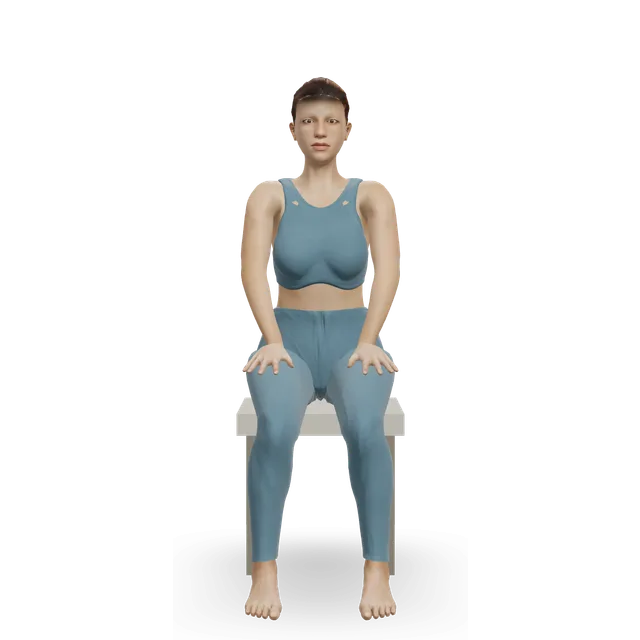
  • sitting upright in a chair, relaxing your shoulders, and leaning forward slightly with your hands on your knees
  • lying on your side or sitting upright, rather than lying on your back, if you have a cough

Source 11

Flu takes longer

Flu leaves most people too exhausted to carry on as normal, so the NHS advice is rest and sleep. Athletes took longer to get back to full training after flu and COVID-19 than after common cold viruses, so expect a slower build-up.

Sources 4, 10

Symptoms that carry on, or get worse after activity

See a GP if you think you might have long COVID. The NHS says long COVID symptoms can get worse when you've been more active, and not to start exercising again before talking to a GP or specialist. Our long COVID guide explains pacing and post-exertional symptoms, and says to see a GP about new or ongoing symptoms more than 4 weeks after COVID-19.

Source 15

Glandular fever, stomach bugs and chest infections

Glandular fever: no sport or heavy lifting for at least 3 weeks

Glandular fever mostly affects teenagers and young adults, and you should start to feel better within 2 to 4 weeks. The NHS says don't do strenuous activities like heavy lifting or playing sports. The spleen can swell, and in rare cases it bursts: a sports medicine chapter puts the risk at 0.1% to 0.5%, highest in the first 3 weeks and very rare after 4, with half happening without a blow.

Sports medicine advice is at least 3 weeks off sport, and about a month after the fever has gone before contact sport or weightlifting. Ask your GP before going back to contact sport. Severe tummy pain with glandular fever needs 999.

Sources 31, 16, 6

A stomach bug

Rest and drink plenty. The NHS says stay off school or work until you haven't been sick or had diarrhoea for 2 days, and don't use a swimming pool until at least 48 hours after your symptoms stop. Ease back in with light sessions once you're eating and drinking normally again.

Sources 32, 2

A chest infection or pneumonia

Chest infections often follow colds or flu. They usually get better in 7 to 10 days, though the cough can last up to 3 weeks, and most people with pneumonia feel better in 2 to 4 weeks. Rest until you feel better, then build up slowly.

Sources 33, 34

After a flu jab or COVID-19 vaccine

If you feel well, carry on

The UKHSA says that if you feel well after a COVID-19 vaccine, there's no need to restrict physical activity. Common side effects, such as a sore arm, an aching body or a slightly raised temperature, usually pass within 1 to 2 days after a flu jab and within a week after a COVID-19 vaccine. If you have them, rest until they pass.

If you get chest pain, palpitations, unexpected breathlessness or fainting after a COVID-19 vaccine, get medical help, and avoid strenuous exercise until your symptoms improve.

Sources 35, 36, 37

Workouts for the way back

Start with the easy cardio workout or the 10-minute starter workout, and stop early if you need to. The long COVID routine's lying and seated levels also suit the last days of a bad bout of flu. Runners can use the build-up interval walk, then run-walk intervals. Leave high-intensity interval and heavy strength sessions until you're back to normal (our suggestion).

Easy cardio workout

A steady 30 to 45 minute cardio session at talk-but-not-sing pace: walk, cycle, row or cross-train, counting toward weekly activity guidelines.

40 minBeginner3 movesCardio machine, A wall

10-minute starter workout

A 10-minute session for low-energy days: marching, sit-to-stands, wall push-ups, step-ups and bridges, then a short walk. Doing a little counts.

10 minBeginner7 movesA bench or box, A wall

Long COVID: a gentle lying and seated routine

A 12-minute routine for long COVID that starts lying down and stays mostly seated: breathing, gentle leg and arm moves, and legs up to finish.

12 minBeginner13 movesA bench or box, Something with weight

Active recovery workout

A 25-minute easy session for rest days and sore muscles: easy cardio, a gentle mobility flow, optional rolling for sore spots, and slow breathing to finish.

25 minBeginner11 movesCardio machine, A wall

Build-up interval walk

A 25-minute walk with short faster bouts: notice your heart and breathing speed up, then settle. A gentle way to get used to the feelings of effort.

25 minBeginner5 movesCardio machine, A wall

Run-walk intervals for beginners

A 30-minute beginner run-walk session: a brisk walk, then 1-minute jogs with 1-minute walks, building to 3-minute runs over your first three weeks.

30 minBeginner5 movesCardio machine, A wall

Easy bike ride: 30 to 75 minutes at a pace you can talk at

A steady bike ride for a first triathlon or fitness: 5 to 10 minutes easy, a ride you can talk through, optional short faster bursts and an easy cool-down.

45 minBeginner4 movesCardio machine, A wall

Breathing exercises to relax

A 6-minute breathing routine: slow breathing, crocodile breathing, alternate nostril breathing, box breathing and 4-7-8 breathing.

6 minBeginner5 movesNo equipment

Chair exercises for seniors: a seated workout

A 20-minute seated workout for older adults who cannot stand for long: marching, leg and arm strength, posture, and sit-to-stands that lead back to standing.

20 minBeginner11 movesA bench or box, Something with weight

Back on a plan

After an illness, repeat or drop back a week of your plan rather than jumping ahead (our suggestion).

Pregnancy, older adults, children and long-term conditions

In pregnancy

The NHS advises stopping exercise if you feel uncomfortable, too hot or unwell. A high temperature in pregnancy can be a sign of an infection, so get it checked, and with flu symptoms, ask for an urgent GP appointment or call NHS 111 if you're pregnant or have recently given birth.

Sources 38, 39, 4

Older adults

With flu at 65 or over, ask for an urgent GP appointment or call NHS 111, and with COVID-19 it's especially important to get help if you're 60 or over. Once you're better, go back at an easier level and build up again, aiming to be active every day, even if it's light activity, as the NHS advises for older adults.

Sources 4, 11, 40

Children

The NHS says a child with mild cold symptoms, such as a runny nose, sore throat or headache, can usually go to school if they're otherwise well and don't have a high temperature. Keep them off with a high temperature, and for 2 days after vomiting or diarrhoea. The same goes for physical education (PE) and sport (our suggestion).

Source 41

Asthma

Colds and flu are among the most common asthma triggers: in an Asthma + Lung UK survey, 8 in 10 people with asthma said they set off their asthma. Follow your asthma action plan and keep your reliever inhaler with you. Our asthma guide covers exercise and what to do in an attack.

Source 42

Heart and lung conditions, diabetes and a weak immune system

With flu and a long-term condition, such as diabetes or a heart, lung or kidney condition, or a weakened immune system, ask for an urgent GP appointment or call NHS 111. Our heart disease and chronic obstructive pulmonary disease (COPD) guides say not to exercise with a temperature or an infection, and our type 1 diabetes guide says no vigorous exercise when you're ill and explains checking ketones.

Source 4

When to get help

This is general information, not a diagnosis. In the US, call 911 where this page says 999.

Call 999

Call 999, and don't drive yourself to accident and emergency (A&E), if:

  • You have chest pain that feels tight or like squeezing on your chest.
  • You have chest pain that spreads to your arms, neck or jaw.
  • You're having severe difficulty breathing: you're gasping, choking or not able to get words out.
  • Your lips or skin are pale, blue or grey. On brown or black skin, this may be easier to see on the palms of the hands.
  • Someone has passed out and is not responding normally.
  • Someone has fainted while exercising, or while lying down.

Sources 29, 43

Palpitations

Call 999 or go to A&E if you have palpitations that don't go away, or that come with chest pain, shortness of breath, feeling faint or fainting. If they've stopped, ask your GP surgery for an urgent appointment or call NHS 111.

Source 8

With flu or COVID-19, call 999 if you

  • get sudden chest pain
  • are so breathless you can't say short sentences at rest, or your breathing suddenly gets worse
  • start coughing up blood
  • collapse, faint, or have a seizure for the first time
  • have a rash that doesn't fade when you roll a glass over it

Sources 4, 11

Sepsis: call 999

Call 999 if an adult:

  • is breathing very fast
  • is confused, has slurred speech, or isn't making sense
  • has blue, pale or blotchy skin (on black or brown skin, this may be easier to see on the palms of the hands or soles of the feet)
  • has a very high or very low temperature, feels hot or cold to the touch, or is shivery
  • has a rash that doesn't fade when you press it

Source 44

Ask for an urgent GP appointment or call NHS 111

  • flu symptoms and you're 65 or over, pregnant or have recently given birth, have a long-term condition or a weakened immune system, feel very unwell or short of breath, or aren't improving after 7 days
  • COVID-19 symptoms that are getting worse or not getting better, or a high temperature for 5 days or more
  • a high temperature you've been treating at home that isn't getting better or is getting worse
  • chest pain with feeling sick, or with a heartbeat that feels racing, slow, skipping or fluttering, or suddenly feeling more short of breath than usual
  • sharp or stabbing chest pain that's worse when you breathe in, swallow, cough or lie down
  • chest pain, breathlessness, palpitations or unusual tiredness in the weeks after an infection

Sources 4, 11, 5, 29, 28, 7

See a GP

  • a cold with a high temperature for more than 3 days, symptoms that get worse, or no better after 10 days
  • a cough for more than 3 weeks
  • cold symptoms and a long-term condition or a weakened immune system
  • after any faint

Sources 1, 33, 43

Myths

"Sweat out a cold or flu with a hard session"Emerging evidence

The NHS advice for colds and flu is to rest. Hard exercise, a sauna or hot yoga while you're ill adds heat, and raises the risk of overheating and dehydration.

Sources 1, 4, 21

"The above the neck rule is proven"Mixed evidence

It's a rule of thumb from doctors' experience, and the only study was small, in young adults with a mild lab cold. It's a sensible guide for a mild cold, not a guarantee.

Sources 16, 18

"Exercise will make your cold go away faster"Emerging evidence

In the lab study, exercising during a cold didn't make it shorter or milder. Regular exercise over months is linked with milder colds, but it doesn't cure the one you have.

Sources 18, 13

"A week off will undo all your fitness"Emerging evidence

Most athletes were back to full training about 8 days after a respiratory infection. A week in bed with a fever does cost some strength and fitness, but it comes back as you build up, and our deload week guide explains how little a short break costs.

Sources 10, 6

"Hard training makes you catch more colds"Mixed evidence

One marathon study found more self-reported infections after the race, but a 2018 review found little reliable evidence that exercise weakens the immune system. Regular exercise is linked with fewer days of cold symptoms.

Sources 25, 26, 14

"You shouldn't exercise after a vaccine"Strong evidence

If you feel well after a COVID-19 vaccine, the UKHSA says there's no need to cut back. Rest if side effects such as a slightly raised temperature or an aching body leave you feeling unwell; after a flu jab they usually pass within a day or two.

Sources 35, 36

Questions people ask

Should I exercise with a cold?

If your symptoms are only above the neck, such as a runny or blocked nose, sneezing or a mild sore throat, and you don't have a high temperature, gentle exercise is usually fine if you feel up to it. Start with 10 to 15 minutes at an easy pace and stop if you feel worse. Rest if you have a fever, aching muscles or feel generally unwell.

Can I exercise with a fever?

No. Rest while you have a high temperature (38°C or above, or feeling hot, cold or shivery), as the NHS advises. Exercise adds heat to a body that's already hot, makes dehydration more likely, and a fever saps your strength and stamina.

What is the above the neck rule?

It's a rule of thumb from sports medicine: with symptoms only above the neck, light exercise may be fine, but with symptoms below the neck, such as a fever, aching muscles, a chesty cough or an upset stomach, you rest. It comes from doctors' experience rather than trials, and the one small study behind it was in young adults with a mild cold. Use it as a guide, and listen to how you feel.

Is it OK to go to the gym with a cold?

With a mild head cold and no temperature, a lighter, shorter session is usually fine if you feel up to it. Stay at home if you have a high temperature or don't feel well enough for your normal activities, so you don't spread it. With a fever or chest symptoms, rest.

How long after being ill can I exercise?

Start once the fever and aching have gone and you feel better, with a few easy sessions. A sports medicine rule of thumb is to begin with 10 to 15 minutes of light activity and allow 2 to 3 days of gradual build-up for each day of training you missed. Most people are back to their usual training within a week or two.

When can I exercise after COVID-19?

The NHS says you can go back to your normal activities when you feel better or don't have a high temperature. For athletes, the American College of Cardiology suggests 3 days off training even without symptoms, waiting until mild symptoms have gone, then building up gradually. If you had chest pain, palpitations, breathlessness or fainting, get checked before exercising hard.

Can exercising with a virus affect my heart?

Rarely, but viruses can inflame the heart muscle, and symptoms can start up to 2 weeks after the infection. That's why rest comes first while you have a fever or feel unwell, though the evidence that hard exercise causes harm comes from animal studies. Chest pain, a racing or irregular heartbeat, unusual breathlessness or fainting during or after a virus need checking before you exercise hard, and chest pain that feels tight or spreads needs 999.

Will sweating it out help me get better?

No. The NHS advice for colds and flu is to rest and drink plenty, and a hard session or a sauna while you're ill adds to the risk of overheating and dehydration. In a lab study, exercising during a cold didn't make it any shorter or milder.

Can I exercise with glandular fever?

Not while you're ill: the NHS says don't do strenuous activities like heavy lifting or sports. Glandular fever can swell the spleen, which very rarely bursts, so sports medicine advice is at least 3 weeks off sport, and about a month after the fever has gone before contact sport or heavy lifting. Ask your GP before going back to contact sport, and call 999 for severe tummy pain.

Should I exercise with a stomach bug?

No: rest, drink plenty and ease back in with light sessions once you're eating and drinking normally again. The NHS says don't use a swimming pool until at least 48 hours after your symptoms stop. Call NHS 111 if you can't keep fluids down, or there's blood in your poo.

Can I exercise after a flu jab or COVID-19 vaccine?

Yes, if you feel well: the UK Health Security Agency says there's no need to restrict activity after a COVID-19 vaccine. Side effects such as a sore arm, a slightly raised temperature or an aching body usually pass within a day or two of a flu jab, so rest until they do. Chest pain, palpitations, unexpected breathlessness or fainting after a vaccine need medical help.

Does regular exercise stop me catching colds?

Probably not fewer colds, but milder ones. In 14 trials, exercise didn't change how many colds people caught, but their symptoms were less severe and lasted fewer days in total. In a study of 1,002 adults, those active on 5 or more days a week had 43% fewer days with cold symptoms.


Sources

  1. NHS · Common cold
  2. Jaworski 2019 · Acute illness in the athlete (review, Clinics in Sports Medicine)
  3. Primos 1996 · Sports and exercise during acute illness (review, The Physician and Sportsmedicine; abstract read)
  4. NHS · Flu
  5. NHS · High temperature (fever) in adults
  6. Friman 2000 · Infections and exercise in high-performance athletes (review, Immunology and Cell Biology)
  7. British Heart Foundation · Myocarditis
  8. NHS · Heart palpitations
  9. Snyders 2022 · Respiratory illness and return to sport: 54 studies, 31,065 athletes (systematic review and meta-analysis, British Journal of Sports Medicine; abstract read)
  10. Jooste 2026 · Return to sport after confirmed respiratory infections in 114 athletes: the AWARE X study (cohort study, British Journal of Sports Medicine; abstract read)
  11. NHS · COVID-19 symptoms and what to do (review was due March 2026)
  12. Gluckman 2022 · The heart after COVID-19 and returning to sport (American College of Cardiology expert consensus decision pathway, Journal of the American College of Cardiology)
  13. Grande 2020 · Exercise and respiratory infections: 14 trials, 1,377 adults (Cochrane review; abstract read)
  14. Nieman 2011 · Fitness, activity and colds in 1,002 adults (cohort study, British Journal of Sports Medicine; abstract read)
  15. NHS · Long COVID
  16. Börjesson 2017 · Return to play after infectious disease (sports medicine book chapter, Return to Play in Football)
  17. Eichner 1993 · Infection, immunity and exercise (review, The Physician and Sportsmedicine; abstract read)
  18. Weidner 1998 · Exercise during a cold given in a lab to 50 young adults (controlled study, Medicine and Science in Sports and Exercise; abstract read)
  19. Weidner 1997 · Lung function and exercise during a cold given in a lab to 45 people (controlled study, Medicine and Science in Sports and Exercise; abstract read)
  20. Kaulback 2023 · Respiratory illness and exercise performance: 17 studies (systematic review, European Journal of Sport Science; abstract read)
  21. Casa 2015 · Exertional heat illnesses (National Athletic Trainers' Association position statement, Journal of Athletic Training)
  22. Ilbäck 1989 · Exercise in mice with a heart virus, Coxsackie B3 myocarditis (animal study, American Heart Journal; abstract read)
  23. Van Hecke 2025 · Moderate and hard endurance exercise in mice with viral myocarditis (animal study, Cardiovascular Pathology; abstract read)
  24. Ferraro 2025 · Moderate against high-intensity training and inflammation in myocarditis (review of animal and human studies, Frontiers in Pharmacology; abstract read)
  25. Nieman 1990 · Infections in runners before and after the Los Angeles Marathon (survey, Journal of Sports Medicine and Physical Fitness; abstract read)
  26. Campbell 2018 · Debunking the myth of exercise-induced immune suppression (review, Frontiers in Immunology; abstract read)
  27. UK Health Security Agency 2022 · People with symptoms of a respiratory infection including COVID-19 (guidance, last updated June 2022)
  28. NHS · Pericarditis (review was due July 2026)
  29. NHS · Heart attack
  30. Elliott 2020 · Graduated return to play after COVID-19 (UK guidance for athletes, British Journal of Sports Medicine)
  31. NHS · Glandular fever
  32. NHS · Diarrhoea and vomiting
  33. NHS · Chest infection (review was due June 2026)
  34. NHS · Pneumonia
  35. UK Health Security Agency 2023 · Myocarditis and pericarditis after COVID-19 vaccination: guidance for healthcare professionals
  36. NHS · Flu vaccine
  37. NHS · COVID-19 vaccine
  38. NHS · Exercise in pregnancy
  39. NHS · Pregnancy symptoms you need to get help for
  40. NHS · Physical activity guidelines for older adults
  41. NHS · Is my child too ill for school?
  42. Asthma + Lung UK · What are asthma triggers?
  43. NHS · Fainting
  44. NHS · Sepsis

Exercise education, not a diagnosis or treatment plan, and clinical review of these guides is pending. Stop and get advice for chest pain, unusual breathlessness, dizziness or fainting, or new pain, and check with your doctor or midwife first if they have told you to limit activity. Health disclaimer.