It's proper exercise
At their own pace, 17 young adults in-line skated at 9.4 metabolic equivalents (METs), a vigorous effort, and the NHS counts rollerblading as moderate activity.
Sport
Roller skating and rollerblading are proper exercise: at your own pace, recreational in-line skating is vigorous, and the National Health Service (NHS) counts rollerblading as moderate activity. Most injuries come from falls onto an outstretched hand, so wrists and forearms break more than anything else, and many injured skaters couldn't yet stop properly.
This guide covers what skating asks of your body, the common injuries, wrist guards, pads and helmets and the evidence behind them, learning to stop and fall, where to skate, and roller derby's kit and concussion rules. It includes a strength workout and the balance, agility and speed session that made young skaters faster in a trial, with a 3D demo of every move.
At their own pace, 17 young adults in-line skated at 9.4 metabolic equivalents (METs), a vigorous effort, and the NHS counts rollerblading as moderate activity.
Falls onto an outstretched hand cause most injuries, and wrist fractures are the commonest serious one: a quarter of injuries in US in-line skaters and in Danish in-line and roller skaters.
Injured in-line skaters without wrist guards had about 10 times the odds of a wrist injury, and without elbow pads about 9 times the odds of an elbow injury. In snowboarding trials, wrist guards cut wrist injuries by about three-quarters.
US and UK safety bodies both say wear a helmet, and skate away from roads: skaters have died in collisions with traffic.
Only 24% of 1,036 in-line skaters could stop straight away, and 7% couldn't brake at all. Learn to stop, turn and fall at low speed before you go fast.
Nearly half of 1,395 women derby players were injured in a year. The Women's Flat Track Derby Association (WFTDA) requires a helmet, mouthguard and wrist, elbow and knee protection, and a skater showing signs of concussion can't play again that day.
You push each skate out to the side and slightly back, then glide on the other, knees bent and weight over the skates, as our roller skating move guide shows. Stopping and turning are skills to learn before speed.
In 16 active men, in-line skating at 17.7 to 20.9 km/h ran at 60% to 75% of their aerobic maximum, burning 9.5 to 19.0 kcal a minute. At self-chosen paces, young adults skated at 9.1 to 9.4 METs, and people chose skating efforts close to their usual running effort. On flat ground, people of average fitness reached 68% to 90% of their aerobic maximum at 14.6 to 18.0 km/h; fitter skaters need hills or more speed. Heart rate runs higher in skating than the effort suggests. The Compendium of Physical Activities gives roller skating 7.0 METs and in-line skating 7.5 at a recreational 14.4 km/h, up to 15.5 flat out, all from measurements.
A WFTDA game is two 30-minute periods of "Jams" of up to 2 minutes each, with 30 seconds between, and teams of up to five skaters on the track at a time. It's "a full-contact sport", played on quad skates only.
Source 11
Artistic roller skating has jumps and spins like figure skating: in 50 Spanish club skaters, jumping was behind 40% of injuries and spins 20%, mostly on parquet and polished concrete. Young elite inline speed skaters had 1.65 injuries per 1,000 hours of skating. Inline hockey's commonest injury was to the ankle (20%), and professional roller hockey players were hurt at 14.4 injuries per 1,000 hours of play. Roller freestyle shares skateboarding's parks and ramps.
Wrists, forearms and elbows in falls onto the hand; ankles in twisting falls and in derby; knees in derby; and the head in falls, collisions and traffic. Backward falls land on the bottom, as our tailbone pain guide explains.
Single-leg strength and balance for the push, the hip muscles that push and pull sideways, ankles and calves, a strong trunk, wrist and forearm strength, and falling practice on soft ground. Derby players add repeated hard efforts of 1 to 2 minutes.
Each study counted injuries its own way, so figures in different lines aren't comparable. Most come from the US and Europe.
The numbers, by group:
In US in-line skaters, wrist injuries were 32% and wrist fractures 25% of injuries, and in one series the wrist end of the radius (44.9%) and the scaphoid (13.9%) were the commonest fractures. Two-thirds of children's in-line fractures were at the wrist end of the forearm, and in roller skaters the wrist took 47% of injuries. In children in north-east England, 86% of rollerblading fractures were at the wrist. Our broken wrist, scaphoid fracture and wrist sprain guides cover these.
The head of the radius at the elbow was 10.4% of in-line fractures in one series, and the elbow 14% of roller skating injuries in another. Our broken elbow and elbow dislocation guides cover these.
In roller skaters, every leg and ankle fracture came from twisting, and ankle fractures were 46% of the injuries needing an operation. Ankles were 22.5% of derby injuries and 20% of inline hockey injuries. Our sprained ankle, broken ankle and chronic ankle instability guides cover these.
Knees were 21% of roller derby injuries, and torn knee ligaments were among derby's frequent injuries. Our guides to anterior cruciate ligament (ACL) injury, medial collateral ligament (MCL) sprain, meniscus tears and kneecap dislocation cover these.
Head injuries were 5% of in-line emergency visits, fewer than in ice skating, and 6% of injured adult in-line skaters had head injuries that needed a scan. Several in-line skaters died in heavy traffic. In roller derby, head injuries were 11% of injuries, and three-quarters of them concussions. Our concussion guide covers the graduated return.
In US emergency data for 2002 to 2021, the shoulder, arm, elbow and wrist together took 53.0% of in-line and 49.9% of roller skating injuries. Our broken collarbone and shoulder dislocation guides cover the shoulder.
Source 27
We found no skating study of tailbone injuries, but backward falls land on the bottom, and our tailbone pain guide covers the injury and its recovery.
In 86 children who roller skated, in a study that wasn't randomised, mouthguards made no significant difference to injuries of the teeth. Derby rules require mouthguards because of the contact.
Associations in the studies:
No exercise programme, lesson or fall training has been tested on roller skating injuries. The wrist guard evidence comes from one case-control study in skaters and from snowboarding trials; each note says which.
The evidence:
Guards raised the force needed to break cadaver wrists in drop tests in one study, made no difference under slow loading in another, and protected best in lower-energy impacts. On an artificial hand, they cut impact force by 4% to 20% depending on the model, best with a strong base plate, and in 28 living volunteers they nearly halved off-axis jolts at the wrist and elbow. How much a guard helps probably depends on the guard and the fall (our reading).
Elbow pads went with far fewer elbow injuries in the case-control study; the link with knee pads wasn't clear.
Source 3
The US Consumer Product Safety Commission (CPSC) says a helmet should always be worn, the Royal Society for the Prevention of Accidents (RoSPA) includes one in its minimum gear for children on wheels, and World Skate requires one for every roller freestyle athlete in its competitions. Their effect hasn't been measured in roller skaters; our skateboarding page gives the borrowed evidence from skateboarders and cyclists.
Only 24% of in-line skaters could stop straight away, only 15% of injured adults had had lessons, and most injured skaters hadn't mastered controlled skating and stopping; the German authors advise learning skating, braking and falling with a qualified instructor. 69% of Danish skating accidents were on public roads. The CPSC: get instruction, learn to stop, and skate on smooth, paved surfaces without traffic. RoSPA: children never skate on roads or footpaths.
RoSPA's advice for wheels: crouch if you're losing your balance, land on the fleshy parts of your body and roll rather than taking the force on your arms, and try to relax. In laboratory falls, squatting, bending the elbows and rolling all cut the impact. No trial has tested fall training on skating injuries.
In British Columbia, 25% of in-line skaters wore wrist guards and 13% helmets; in Winnipeg, 16.3% and 12.2%, and children were far more likely than teenagers to wear a helmet. Teenagers wore gear because of parents, friends and rules, and almost half said nothing would persuade them.
In 522 athletes from other sports with a recent ankle sprain, an 8-week home balance programme cut repeat sprains from 33% to 22%. It hasn't been tested in skaters; our sprained ankle guide has the programme.
Source 46
Across 25 trials in other sports, strength training cut injuries to under a third, while stretching made no difference. It hasn't been tested in skaters.
Source 47
Measures without good evidence in roller skating:
In-line skating reached common training intensities, and people chose skating efforts close to their running efforts. Because heart rate runs higher in skating, the authors suggest judging skating intensity from a skating test rather than heart-rate zones taken from running. Fitter skaters need speed or hills. The NHS counts rollerblading as moderate activity towards the 150 minutes a week, alongside strengthening on at least 2 days.
30 boys aged 11 to 14 on a school skating team were randomised to a structured programme or their usual physical education (PE) classes, twice a week for 4 weeks: a 10-minute warm-up of jogging, vertical jumps and light stretches, then about 40 minutes of balance, agility and speed work, with 2 minutes' rest between the three parts.
Source 48
18 young female artistic roller skaters, with an average age of about 14 and at least 2 years of strength training, were randomised to add 6 weeks of complex training twice a week, supervised, or to keep to their skating. Each session paired a heavy lift (back squat or hip thrust, at about 85% to 90% of the most they could lift once) with jumps: drop jumps, loaded jumps and bounds, rising from 3 × 4 to 4 × 6. Squat strength rose by 7.2 kg and hip thrust strength by 17.2 kg, against no change, and drop-jump reactive strength improved; countermovement jump height didn't change significantly. It suits experienced skaters who already lift, not beginners (our reading).
Source 49
In 37 elite and world-class artistic roller skaters, a single-leg isometric squat was a reliable test, and moderately linked with single-leg jump height.
Source 50
Jams last up to 2 minutes with 30 seconds between. No derby training study has been published, so repeated hard efforts of 1 to 2 minutes with short rests off skates, on a bike or rowing machine, fit the game; our HIIT (high-intensity interval training) guide explains how. Contact skills are learned on skates with your team.
Source 11
No taper study has been done in roller sports. In 15 artistic roller skaters, training monotony and strain rose over the 4 weeks before a national championship. Cut volume in the last week and keep short, fast work (our suggestion).
Source 51
Recreational skaters: learn to stop, turn and fall before building time and speed, and do 2 strength sessions a week on other days, as the NHS asks of all adults. Derby and artistic skaters: 2 strength sessions a week off-season and 1 or 2 in season, away from games and competitions, and the balance, agility and speed session twice a week for 4 weeks as in the trial (our suggestion).
"A helmet, elbow pads, knee pads, wrist guards and gloves should always be worn." Get instruction and learn to stop safely; on most in-line skates, the brake is at the heel: "With one foot somewhat in front of the other, raise the toes of the front foot and push down on the heel brake." Skate on smooth, paved surfaces without traffic, avoid streets, driveways and surfaces with water, sand, gravel or dirt, and don't skate at night.
Source 6
Children using wheeled sports equipment should cover bare skin and wear at least a "Helmet (should meet BS EN1078)" and "Wrist, elbow and knee protection". They should never skate on a road or footpath, near water or inside buildings, never skate on their own, and check their skates for wear.
Source 7
Roller freestyle (2026): "Helmets must be worn by all Street, Park and Vert athletes, regardless of age and competition category", with "a one-piece hard shell that cradles the occipital", the back of the head. Speed (2026): "The helmet must be a hard gear with international certification", fastened at all times, and taking it off means disqualification. Roller derby (2026): helmets, wrist guards, elbow pads, knee pads and mouthguards in every jam, all but the mouthguard with a hard shell or protective insert.
RoSPA names BS EN 1078, the cycle helmet standard, for children on wheels. What matters is a certified helmet with a hard shell that covers the back of the head and fits snugly; replace it after a hard knock (our suggestion).
Guards with a strong, rigid plate protected best in laboratory tests. Wear them every time, and with elbow pads, which went with far fewer elbow injuries.
Of 1,036 in-line skaters, 24% could stop straight away, 16% had great difficulty and 7% couldn't brake at all. Most injured skaters hadn't mastered stopping, inexperienced skaters were involved in 77% of roller skating accidents, and those new to sport were often hurt early, especially on their first try. Learn on a flat, quiet surface, with lessons if you can.
69% of Danish skating accidents happened on public roads, and skaters have died in heavy traffic. Skate on smooth, paved, traffic-free surfaces, at a rink or in a park, not at night, and children never on roads or footpaths or near water.
Children on wheels tried to break more than 90% of their falls with their hands. RoSPA's advice: if you're losing your balance, crouch so you have less far to fall, land on the fleshy parts of your body, roll, and try to relax. In laboratory falls, squatting in backward falls, bending the elbows in forward falls and rolling in sideways falls cut the impact. Practise on grass or a mat with your pads on.
Younger roller skaters, 9 and under, had more fractures, and 10- to 14-year-olds had most in-line skating injuries. The authors advise learning in an uncrowded place, on level, familiar ground, and learning to fall. RoSPA: full protection, and never skating alone.
The Rules of Flat Track Roller Derby (1 January 2025): skaters wear quad skates and protective gear during play, and "Inline skates are not permitted". The WFTDA's risk management guidelines (March 2020): skaters wear "Wrist guards, elbow pads, knee pads, mouth guards, and helmet", the pads and helmet with a hard protective shell or inserts, designed for skating, well fitting and in good condition. Officials, and skaters not in contact drills, may leave out the mouthguard.
The UK Roller Derby Association recognises the WFTDA as roller derby's governing body, and all UK competitions are played under WFTDA rules (statement, 21 January 2022). The British Roller Sports Federation is the national governing body for roller sports recognised by World Skate; we didn't find safety or concussion guidance on its site.
In 1,395 women derby players, 48.7% were injured in a year, most often in the ankles (22.5%), knees (21%) and head (11%), and three-quarters of head injuries were concussions. In one US league, 79% of players had been injured. In 665 players from 25 countries, concussions worked out at about one every 2 years of play, from players' recall in a survey; position, full-contact scrimmages and the floor made no clear difference.
In focus groups, women derby skaters most often blamed unmatched skill levels and poor equipment, new skaters not knowing their bodies, and pressure not to let the team down. Contact drills once you can skate, stop and fall well (our suggestion).
Source 36
For every skater in the UK: if in doubt, sit them out; no return that day; assessed within 24 hours by a healthcare professional or NHS 111; relative rest, then a graduated return; and no competition before day 21. Our concussion guide sets out each stage.
Source 58
A skater showing signs of concussion "may not return to play on the day of the injury", returns under the supervision of a professional trained in return to play, and goes back to full-contact practice only "Following medical clearance". Anyone unconscious needs emergency services, and anyone assessed for a possible concussion shouldn't be left alone and should be watched for several hours, including overnight. Officials call off a jam straight away if a skater is hurt. The WFTDA's guidelines note that UK NHS advice is stricter: in the UK, the guidelines above apply too.
A skater with a suspected concussion is removed straight away, isn't left alone for at least 2 hours, avoids alcohol, aspirin, ibuprofen and other anti-inflammatories and driving, and is referred for medical assessment; neck pain, double vision, weakness or tingling, a severe or worsening headache, a fit, getting drowsier, being sick or growing restless need urgent help. The protocol sets no number of days.
Source 23
Built on the site's warm-up guide (editorial): no warm-up has been tested on skating injuries. The doses come from the site's skateboarding and ice hockey warm-ups, the kit check from RoSPA's and the CPSC's advice, and the falling practice from RoSPA's advice for wheels.
Loading the 3D figure…
The movement on the figure: Lateral bound (skater jump)
The strength workout's push, legs, hips, ankles, wrists and trunk, and falling practice. Each has a 3D demo.
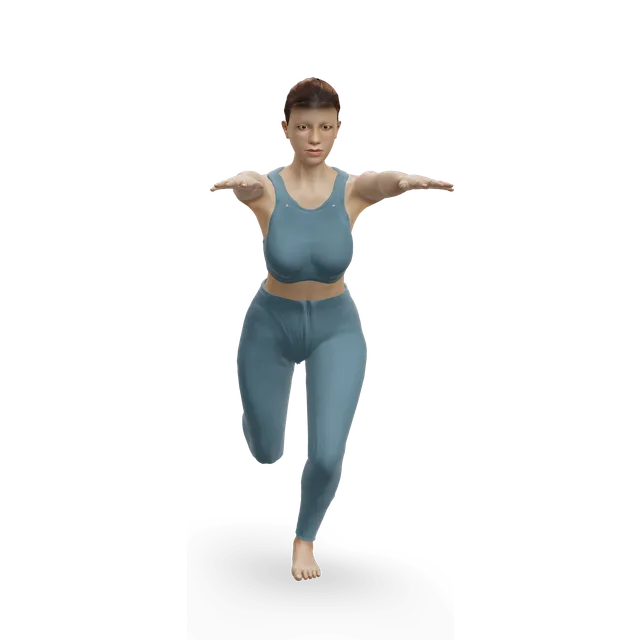 3D demoLateral bound (skater jump)Beginner · No equipment
 3D demoSingle-leg hop and stickIntermediate · No equipment
 3D demoDumbbell goblet squatIntermediate · A dumbbell
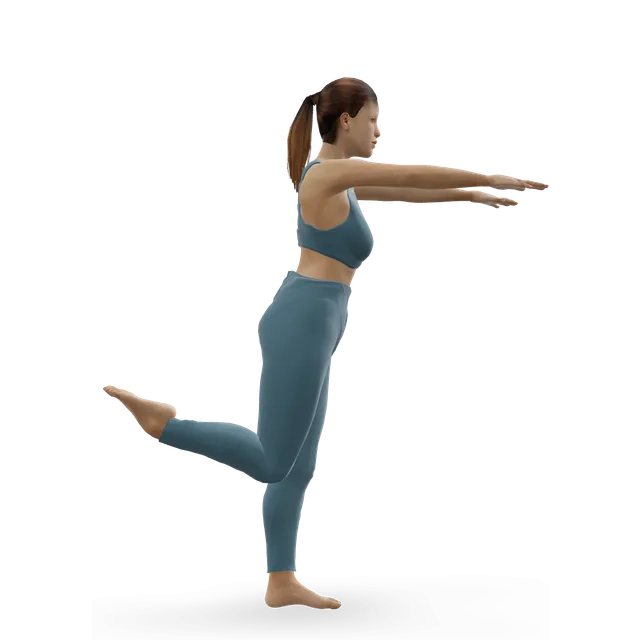 3D demoSkater squatAdvanced · No equipment
 3D demoSingle-leg Romanian deadliftAdvanced · A dumbbell
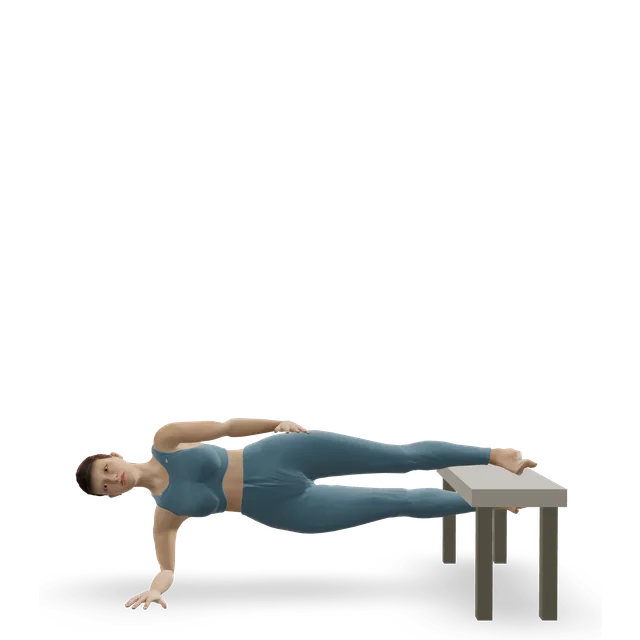 3D demoCopenhagen plankAdvanced · A bench or box
 3D demoSide-lying leg raiseBeginner · No equipment
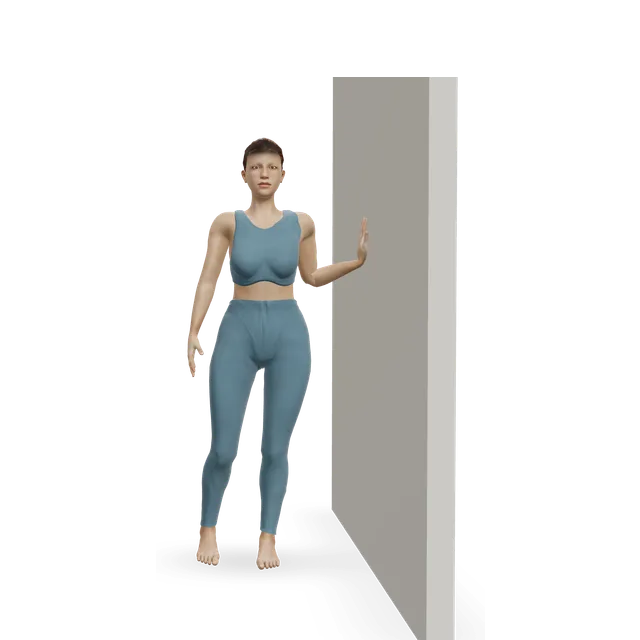
 3D demoSingle-leg standBeginner · A wall
 3D demoBand ankle eversionBeginner · A band + A bench or box
 3D demoSingle-leg calf raise from a stepIntermediate · A step + A wall
 3D demoWrist curlsBeginner · A dumbbell
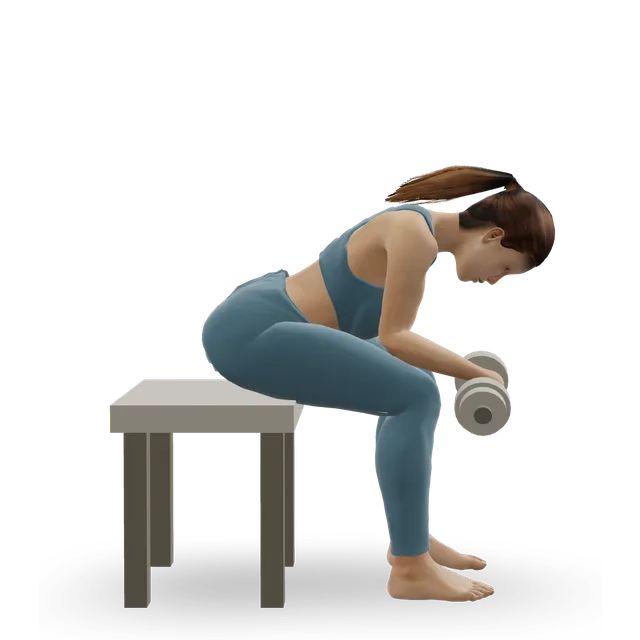 3D demoReverse wrist curlBeginner · A dumbbell + A bench or box
 3D demoSide plankIntermediate · No equipment
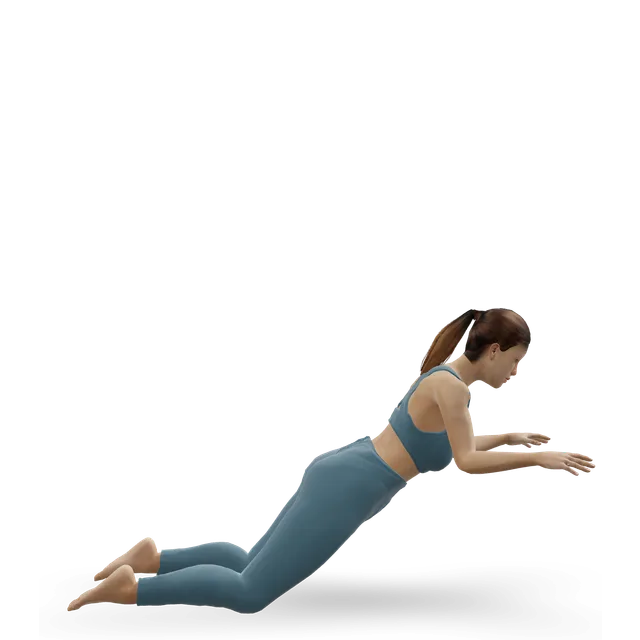
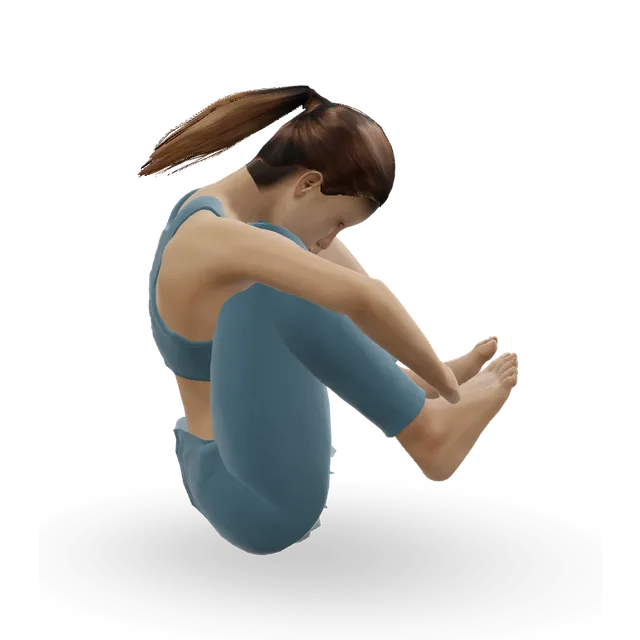 3D demoRolling like a ball (Pilates rolling back)Intermediate · No equipment
The first two are new: a strength workout and the balance, agility and speed session from the roller skating trial. The others add skateboarders' and hockey players' sessions, groins, balance, ankles, wrists, intervals, breakfalls and light exercise after a concussion.
A 40-minute off-skates session: lateral bounds, hops, goblet and skater squats, single-leg deadlifts, Copenhagen planks, ankles, wrists, trunk and falls.
40 minIntermediate19 movesA wall, A bandA 50-minute off-skates session from a roller skating trial: tandem walks, calf and toe raises, wobble board, one-leg squats and hops, cone drills and sprints.
50 minBeginner13 movesCardio machine, A wallA 12-minute skateboarding warm-up: skipping, ankle circles, knee-to-wall rocks, hip circles, a wrist flow, single-leg balance, soft landings and fall practice.
12 minBeginner10 movesA wallA 45-minute session for skaters: jump squats, drop landings, hops and bounds, squats, split squats and single-leg hinges, ankle balance, wrist work and trunk.
45 minIntermediate20 movesA step, A dumbbellA 50-minute off-ice session for ice hockey: lateral bounds and broad jumps, squats, split squats, single-leg hinges, chin-ups, Copenhagen planks and trunk work.
50 minIntermediate13 movesA wall, A bandA 15-minute ice hockey warm-up: a jog or bike, skips and shuffles, leg swings, Cossack squats, band walks, bridges, ball squeezes, side planks and bounds.
15 minBeginner14 movesCardio machine, A wallThe Nordic hamstring and Copenhagen adduction programmes from the football trials: a 10-week build, three adductor levels, then once a week in season.
15 minIntermediate6 movesA wall, An anchor pointBalance practice in 10 minutes: tandem stance, single-leg stands, marches, heel walks, tree pose and floor transfers.
10 minBeginner7 movesA wall, A bench or boxA 15-minute barefoot routine for stronger toes, arches, calves and ankles, finishing with balance. You need only a towel, a wall and a resistance band.
15 minBeginner11 movesA wall, Other / check instructionsWrist mobility and forearm strength for desk work, climbing, push-ups and handstands.
10 minBeginner7 movesA wall, A dumbbellA 20-minute no-equipment HIIT workout: jumping jacks, jump squats, mountain climbers, burpees, skips and bear crawls.
20 minIntermediate10 movesNo equipmentA 15-minute martial arts warm-up: easy running, forward rolls and breakfall practice, leg swings, balance and hops, crawls, squats, side planks and bridges.
15 minBeginner17 movesCardio machine, A wallA 20-minute light session after a concussion: a symptom check, 10 to 15 minutes of easy cycling or walking, gentle bodyweight moves and a cool-down.
20 minBeginner8 movesCardio machine, A bench or boxTwo strength sessions a week sit well alongside skating.
Two full-body strength sessions a week: the minimum that meets health guidelines, with every set, rep and rest, and an 8-week progression.
2 training days45 minBeginner3 days a weekA beginner gym plan: three full-body sessions a week, alternating workouts A and B, with sets, reps, rest and an 8-week progression.
3 training days45 minBeginner3 days a weekFor after about 8 weeks of a beginner plan: three full-body sessions a week, one heavy, one moderate and one light, in a gym or at home, for 12 weeks.
3 training days50 minIntermediate3 days a weekA weekly workout plan for women: three strength days, cardio and pelvic floor training, with the evidence on periods, pregnancy and menopause.
3 training days45 minBeginnerThe PAR-Q+ (Physical Activity Readiness Questionnaire for Everyone) asks about a heart condition or high blood pressure, chest pain, dizziness or losing consciousness, other long-term conditions and their medicines, a bone or joint problem that activity could make worse, and being told to exercise only under supervision. If you answer yes to any, check with your doctor or a qualified exercise professional first. If you're over 45 and not used to hard exercise, ask a qualified exercise professional before the hardest sessions, and delay if you're ill.
Source 60
Few beginners can stop well, and inexperienced skaters have most accidents. Take lessons, learn to stop, turn and fall at low speed, and wear full kit.
Younger roller skaters had more fractures, and 10- to 14-year-olds most in-line injuries. RoSPA's minimum is a helmet and wrist, elbow and knee protection, never on roads or footpaths, near water or alone.
Wrist fractures are skating's commonest serious injury. Wear wrist guards every time and skate on smooth, flat, traffic-free surfaces; our osteoporosis guide has more. After a scaphoid fracture, no skating until you're cleared, as our scaphoid fracture guide explains.
Do the balance programme in our sprained ankle guide first; it cut repeat sprains in other sports.
Source 46
Injuries and concussions are common, and skaters blame unmatched skill levels. Wear the full WFTDA kit, and start contact only once you can skate, stop and fall well (our suggestion).
The NHS advises against sports or activities with a risk of falling or bumping your tummy. Skating carries that risk (our reading); talk to your midwife, and see our pregnancy guide for safer options.
Source 61
Our epilepsy guide explains that in the International League Against Epilepsy's grouping, skating is a sport where a seizure could injure you but not others. Wear a helmet and never skate near traffic (our suggestion).
No skating until you're cleared under the UK guidelines' graduated return; in derby, full contact only after medical clearance.
The NHS says to call 999 if someone has hit their head and:
Source 62
Off the skates: if in doubt, sit them out. No return that day, and an assessment within 24 hours by a healthcare professional or NHS 111. Get help from NHS 111 straight away if they're being sick, feel dizzy, take medicine that thins the blood, or had been drinking alcohol.
Go to A&E (accident and emergency) or call 999 if the arm or wrist is numb, tingling or has pins and needles, a bone is sticking out, or it has changed colour or shape or is at an odd angle. Get help from NHS 111 if it's very painful, you can't use it, or the swelling or bruising is large or getting worse. A sore spot at the base of the thumb after a fall onto the hand needs checking the same day, even if the wrist moves well or the first X-ray was normal: see our scaphoid fracture guide.
Source 63
Call 999 or go to A&E if you heard a crack, the joint has changed shape or points at an odd angle, it's numb or tingling, or the skin around it is blue or grey or cold. Get help from NHS 111 if you can't put any weight on it or walk more than a few steps. Go to A&E for a knee that has changed shape, swelled very quickly, or went with a pop or snap.
Go to A&E if the shoulder has changed shape or swollen very quickly, bone is sticking out, you're bleeding heavily, or you have difficulty breathing or chest pain. Get help from NHS 111 if it's very painful or swollen or you can't use your arm normally.
Source 66
Call 999 or go to A&E if a cut won't stop bleeding, the blood spurts out bright red, you lose feeling near the wound, or the wound is very large or deep.
Source 67
Call 999 or go to A&E for back pain after a serious accident, with pain, tingling, weakness or numbness in both legs, loss of feeling around your genitals or anus, or changes in your bladder or bowels.
Source 68
Anyone unconscious or unresponsive after a hit needs emergency services, and anyone checked for a possible concussion shouldn't be left alone and should be watched for several hours, including overnight.
Source 12
Call 999 if someone faints while exercising, or has chest pain that doesn't go away, spreads to the arms, neck, jaw, stomach or back, or comes with sweating, feeling sick, light-headedness or breathlessness.
In-line skaters without wrist guards had about 10 times the odds of a wrist injury, and snowboarding trials found guards cut wrist injuries by about three-quarters; studies outside the trials raised the possibility of more finger, elbow and shoulder injuries. Laboratory results are mixed for hard falls.
At their own pace, young adults in-line skated at 9.1 to 9.4 METs, a vigorous effort, and the NHS counts rollerblading as moderate activity.
Heart rate runs higher for the same effort in skating than in running or cycling, so heart-rate zones overstate how hard you're working.
We found no study showing that recreational skating harms knees or backs. The injuries come mostly from falls onto the hand and twisting ankles.
In US children in 1993, there were more roller skating injuries than in-line ones per 100,000 children, with wrist fractures the commonest injury in both; in Denmark, the types of injury didn't differ. Neither study measured time on skates, so neither type is shown to be safer.
Experienced roller skaters' injuries needed surgery twice as often as beginners', and self-reported expert in-line skaters may be more likely to be injured.
Injuries are common, with 48.7% of players hurt in a year, but the WFTDA requires full protective kit and a concussion process. No study compares derby with other contact sports on the same measure.
Yes. At their own pace, young adults skated at about 9 METs, a vigorous effort, and the NHS counts rollerblading as moderate activity towards your 150 minutes a week.
The Compendium of Physical Activities gives roller skating 7.0 METs, and in-line skating 7.5 at a recreational 14.4 km/h, rising to 15.5 flat out. That's roughly 7 to 7.5 times your resting energy use at an easy pace. Our calories calculator does the sum.
The legs and hips push each skate out to the side in turn, and the trunk keeps you balanced. The single-leg strength, hip and balance work in our strength workout trains the same muscles off skates.
They're the best-supported kit: injured in-line skaters without them had about 10 times the odds of a wrist injury, and guards cut wrist injuries by about three-quarters in snowboarding trials. RoSPA's minimum for children includes wrist protection, and the CPSC says wrist guards should always be worn.
RoSPA's minimum for children is a helmet meeting BS EN 1078, the cycle helmet standard, and the CPSC says always wear one. Head injuries are less common than in ice skating, but skaters have died in collisions with traffic.
Wrist and forearm fractures from falls onto the hand, then elbow, ankle and knee injuries. In roller derby, ankles, knees and heads are hurt most.
Practise at low speed with your pads on. RoSPA's advice for wheels: if you're losing your balance, crouch so you have less far to fall, then land on the fleshy parts of your body and roll rather than taking the force on your arms. In laboratory falls, squatting, bending the elbows and rolling all cut the impact.
We found no study showing that it is. Knee injuries do happen, mostly in roller derby, a contact sport, where knees were a fifth of injuries.
It's a full-contact sport: nearly half of 1,395 women players were injured in a year, most often in the ankles, knees and head. The WFTDA requires a helmet, mouthguard, wrist guards and elbow and knee pads, and a skater showing signs of concussion can't play again that day.
Both count. In-line skates are faster, and the Compendium's values are a little higher (7.5 against 7.0 METs at recreational paces). Choose the one you'll enjoy, and wear the same kit.
Exercise education for people who play sport, not a personal prescription or a diagnosis, and clinical review of these pages is pending. Check with a GP or physiotherapist before hard training if you have a heart condition, chest pain, dizziness or an injury that isn't settling, and stop for sharp or increasing pain. Health disclaimer.