Pain guide · Wrist and hand pain

Scaphoid fracture: the cast, when surgery helps, and exercises to get your wrist moving again

The scaphoid is a small wrist bone at the base of the thumb, and it usually breaks in a fall onto an outstretched hand. It can hide on the first X-ray and heals slowly, because of how its blood supply runs, so a sore spot in the hollow at the base of your thumb after a fall needs checking even if your wrist still moves.

Most breaks heal in a cast, usually for 6 to 8 weeks: in a large UK trial, surgery gave no better wrist function at 1 or 5 years for breaks that had barely moved. Your team's plan comes first. This page explains the scans and checks, when surgery is needed, and the exercises from the cast to full strength, with 3D demos.

When to get help first

Exercise is for pain that has been checked or is clearly mild and settling.

Get urgent medical help if

  • Call 999 or go to A&E after an injury (don't drive yourself) if the arm, wrist or hand is numb, tingling or has pins and needles; a bone is sticking out or a bad cut is bleeding heavily; or the wrist, thumb or a finger has changed shape, is at an odd angle, or has turned blue, grey, white or cold.
  • Call 999 or go to A&E: sudden, severe pain in a muscle of the forearm or hand, especially after an injury or when a cast or bandage feels too tight. It can be compartment syndrome.
  • Same day: after a fall onto an outstretched hand, pain or tenderness at the base of the thumb on the back of the wrist (the hollow called the snuffbox), even if the wrist moves well or the first X-ray was normal. A broken scaphoid can hide on the first X-ray and is slow to heal if it's missed, so ask what follow-up is planned.
  • While it heals, get help from NHS 111 the same day if the pain gets worse; your temperature is very high or you feel hot, cold or shivery; the cast or splint breaks or feels too tight or too loose; your fingers or hand feel numb, look swollen, or turn blue or white; or there is a bad smell or fluid coming from under the cast.
  • After an operation: loss of feeling in the hand or fingers, discoloured skin, fingers that stay hot or cold, or swelling, tenderness or pain that keeps increasing. Contact your GP or an urgent treatment centre, as one NHS hand service advises.
  • After an operation or a cut: the wound is swollen, red and getting more painful or has pus coming out of it, or you also feel generally unwell or have a high temperature. Ask for an urgent GP appointment or get help from NHS 111.
  • Throbbing pain and swelling in the arm, with red, blue or darker skin and swollen veins: ask for an urgent GP appointment or get help from NHS 111. It could be a blood clot.
  • A child who can't feel or move their fingers or thumb after the injury: go straight to A&E.

See a doctor or physiotherapist if

  • A fall on the hand more than about 4 weeks ago that still hurts at the base of the thumb, and was never X-rayed or put in a splint: get it checked. UK hand surgeons ask for a scan and may advise an operation after a delay of more than 4 weeks.
  • Pain over the scaphoid that comes back or doesn't settle after you've been discharged: go back to your team. A small risk that the bone hasn't fully joined remains, and UK standards ask teams to warn you about it.
  • Numbness or pins and needles that haven't settled a few weeks after the cast comes off, or any new tingling or loss of feeling in the hand: tell your hand therapist or fracture clinic.
  • Pain that is getting worse instead of better, swelling with fingers that are hard to bend, skin that is shiny, red or very sensitive to touch, or a hand that doesn't feel like yours: contact your fracture clinic or physiotherapist promptly. These can be early signs of complex regional pain syndrome (CRPS), and early treatment helps.
  • Still significant pain and swelling at about 12 weeks: contact your fracture clinic.

Understand it

What the scaphoid is, and who breaks it

The scaphoid is one of the eight small wrist bones, on the thumb side. You can feel the area in the hollow between the thumb tendons when you give a thumbs-up: the anatomical snuffbox. Most breaks are across its middle (the waist); some are at the thumb end (the distal pole, including a small bump on the palm side called the tuberosity) or at the forearm end (the proximal pole).

It's the most often broken wrist bone: 70 to 90% of broken wrist bones in different estimates. In one adult population, 29 people per 100,000 broke it each year; men (105 of 151) were younger and more often hurt at high energy, and the commonest cause overall was a simple fall from standing (40%). In the UK SWIFFT trial, people averaged 33 years old and 83% were men.

Sources 1, 2, 3, 4, 5

How it's recognised

Pain and swelling at the base of the thumb and in the snuffbox, worse when you pinch, grip, push or pull. It can feel like a sprain, you may still move the wrist well, and pain that doesn't go away within a day of the injury is a reason to be seen.

UK hand surgeons suspect a scaphoid fracture after a fall on the outstretched hand, a football save, a punch or a bad wrist injury, together with tenderness in the snuffbox or over the bone, snuffbox pain when the wrist is tipped towards the little finger, or pain when the thumb is pushed along its length. An X-ray should include at least 4 views.

Sources 1, 2

What happens next: your team's choice

UK hand surgery standards and the national pathway set out what usually happens. Your own hospital's plan may differ.

  • A splint straight away if a fracture is suspected, with a magnetic resonance imaging (MRI) or computed tomography (CT) scan and a definite plan within 2 weeks. A break that shows on the X-ray has a CT scan to measure how far it has moved.
  • Waist breaks that have moved 2 mm or less, and breaks at the thumb end: a below-elbow cast with the thumb free.
  • The tuberosity: 4 to 6 weeks in a splint or cast, for comfort.
  • An operation, ideally within 2 weeks: waist breaks that have moved more than 2 mm, a proximal pole break that has moved at all, or a break alongside an unstable wrist injury or a displaced break of the forearm bone.
  • If the wrist wasn't kept still for more than 4 weeks after the injury: a CT scan, and possibly an operation.
  • Follow-up: an X-ray out of the cast or a CT scan by 6 to 8 weeks. If it isn't joining, a CT and an operation within 2 weeks; if it's partly joined, more time in the cast and a review at 12 weeks. You're discharged once healing is confirmed, with advice to come back if the pain returns.

Sources 2, 6

Recovery after the cast

Stiffness is normal once the cast comes off and can last up to a year, and numbness or pins and needles during the cast usually settle within a few weeks of it coming off. One NHS leaflet expects the bone to heal in about 6 weeks and to become almost as strong as before over about 6 more. Gripping, full weight through the hand and repetitive work can be uncomfortable for up to a year, and some people never get all their movement and strength back.

Sources 7, 8, 1

What helps, and how strong the evidence is

A cast for most waist breaks that have barely movedStrong evidence

The UK SWIFFT trial (31 hospitals, 439 adults with a clear break across the waist that had moved 2 mm or less) compared early surgery with a cast. These are the trial's reported results. Wrist pain and function at a year scored 11.9 after surgery and 14.0 after a cast, on a 0 to 100 scale where lower is better; the difference of 2.1 points was well below the 6 that would matter. Potentially serious complications from surgery affected 14% of the surgery group against 1% of the cast group, while cast problems affected 2% against 18%. Surgery cost about £1,300 more per person.

The strategy that worked was a below-elbow cast for 6 to 10 weeks, a check that the bone was joining, and an operation straight away if it wasn't: 17 of the 220 people in the cast group (8%) had surgery for a confirmed non-union (a bone that hadn't joined), 14 of them within 6 months. At 5 years (344 people), there was still no difference (0.6 points), grip and movement were similar, and among those scanned the bone hadn't joined in 2.1% after surgery and 3.3% after a cast. A meta-analysis of 7 trials agreed, with more, and more serious, complications after surgery, and UK hand surgery standards follow these results.

Sources 4, 9, 10, 11, 2

The thumb can stay out of the castStrong evidence

In a trial of 392 fractures, a cast that left the thumb free healed as well as one that included it. In 62 fractures confirmed on a scan, more of the break had bridged on a CT scan at 10 weeks with the thumb free (85% against 70%), with no difference in movement, grip or pain. A 2025 review agreed, and the UK standard is a below-elbow cast with the thumb free.

Sources 12, 13, 14, 2

A normal first X-ray doesn't rule it out, but most suspected breaks turn out fineStrong evidence

In a review, about 1 in 4 adults with a suggestive injury and a normal first X-ray turned out to have a fracture on later scans. No single examination finding confirms one, but no tenderness in the snuffbox makes one much less likely. In 223 people with a suspected fracture, 28% had one, and none of the 72 who had no snuffbox pain when the wrist was tipped towards the little finger, within 72 hours of the injury, had a fracture.

The National Institute for Health and Care Excellence (NICE) suggests MRI as the first scan after a thorough examination, and UK hand surgeons expect a definite plan within 2 weeks. Most suspected fractures turn out fine: in 1,739 people in one Scottish health board, 0.35% needed an operation, and of 221 people looked after through a virtual clinic, 86% were discharged with advice and none had a troublesome non-union a year later.

Sources 3, 15, 16, 2, 17, 18

Breaks nearer the forearm heal less reliablyStrong evidence

The scaphoid's blood supply enters at the thumb end and runs back towards the forearm, so a break can cut off the supply to the end nearer the forearm (avascular necrosis), and breaks there heal slowly. In a review of 1,147 fractures treated without surgery, 34% of breaks at the forearm end didn't join, 7.5 times the risk of breaks further down. UK standards fix those breaks if they have moved at all.

A scaphoid that is left unjoined usually leads to wrist arthritis: in 278 people with one, 62% had arthritis, and for waist breaks nearer the forearm, half had it within about 2 years. Some arthritis on scans is common even after healing: 5 years after SWIFFT, 52% of those scanned had some, equally after a cast or surgery, and only the more severe arthritis went with worse pain and function. Breaks with at least a fifth bridged at a year went on to heal without more treatment.

Sources 1, 19, 2, 20, 21

Children's scaphoid fractures heal well in a castEmerging evidence

Across 17 studies (812 fractures), 93.5% of children's scaphoid fractures were treated in a cast; 96% healed, 99% got normal movement back and 97% were pain-free. In 91 children with symptoms but two normal X-rays, 5.5% turned out to have a fracture and none needed surgery. One NHS children's service rechecks at 10 to 14 days and, if a fracture is confirmed, uses a cast for 4 to 8 weeks.

Sources 22, 23, 24

The exercises are borrowed from wrist fracture programmesEmerging evidence

We found no trials of exercise after a scaphoid fracture. NHS leaflets agree on keeping the fingers, elbow and shoulder moving in the cast, aiming for a full fist within 1 to 2 weeks. After the cast, the stages here follow an NHS wrist fracture programme written for a different break: movement first, then held stretches, then weight through the hand, then strength, timed by your team. Treat the doses as starting points.

Sources 8, 7, 25, 26

How much pain is OK while you exercise?

About 5 out of 10, settling within 30 minutesEmerging evidence

This rule is borrowed from an NHS wrist fracture programme: work to an unpleasant stretch of about 5 out of 10 that settles within about 30 minutes of finishing, with the wrist no worse the next morning. That programme says this discomfort isn't a sign of a new injury or that you've unsettled the fracture. A scaphoid leaflet adds that the exercises normally feel uncomfortable while the fingers are stiff, and should be done gently and slowly.

Two limits sit on top. Until your team confirms the bone has joined, load the wrist only as far as their stage allows. And new or returning pain over the scaphoid, or a hand that becomes swollen, shiny or very sensitive, is a reason to contact your team rather than push on.

Sources 26, 8, 2, 27

The exercise plan: 4 stages

Start at the first stage. Each move opens a full guide with a 3D demo.

Stage 1

In the cast: keep the fingers, thumb, elbow and shoulder moving

As your team allows, from the first days. Aim to make a full fist within 1 to 2 weeks. Keep the hand raised above the level of your heart for the first 1 to 2 weeks, but not in a sling, which can make the shoulder and neck sore. Use the hand for light tasks such as eating, dressing and typing; no heavy lifting, pushing or pulling for 6 to 8 weeks. Keep the cast dry. In the usual UK cast the thumb is free, so keep it moving too: touch it to each fingertip in turn, as your team allows (written steps below).

Tendon glides (hand tendon gliding exercises) demonstrated on the 3D figure3D demoTendon glides (hand tendon gliding exercises)Beginner · No equipment

10 of each position, 4 to 5 times a day · As far as the cast allows. An NHS leaflet's dose

Harder: Ball squeeze

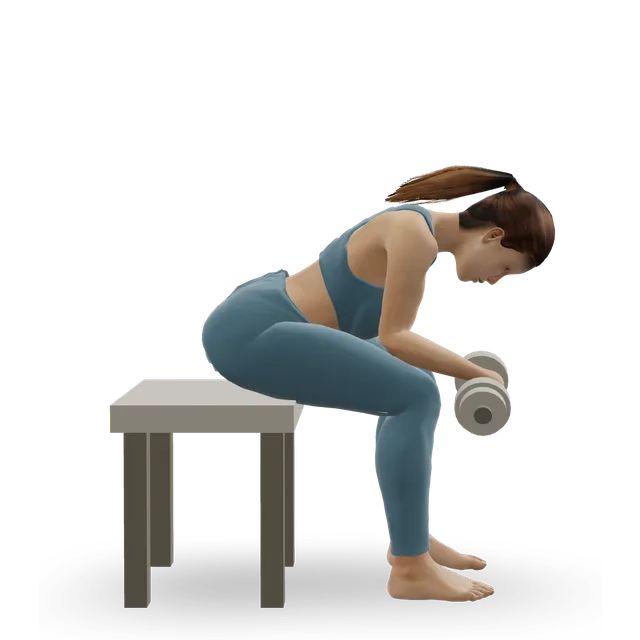
Elbow bend and straighten (elbow range of motion) demonstrated on the 3D figure3D demoElbow bend and straighten (elbow range of motion)Beginner · No equipment

5 to 10 times, 5 times a day, holding each end for 5 s · An NHS leaflet's dose

Harder: Dumbbell biceps curl

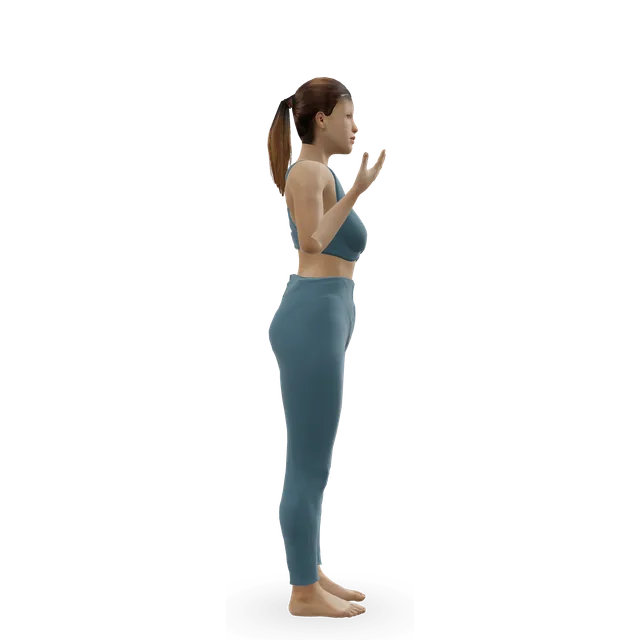
Breath reach demonstrated on the 3D figure3D demoBreath reachBeginner · No equipment

5 slow breaths, several times a day · Lifting the arm overhead, as an NHS leaflet's exercises do; touching the back of your head helps too

Move on when: Your team takes the cast off and confirms the bone is joining, often with an X-ray or CT scan at 6 to 8 weeks.

Follow along: a timer, a cue and the next move, one step at a time.
Stage 2

Cast off: get the wrist and thumb moving

As your team allows, usually from the day the cast comes off. Stiffness, weakness and some pins and needles are normal now and settle over weeks to months. Warming the hand in water or with a hot water bottle first can help. Use the hand for light to medium tasks; if you're given a wrist support, wear it on and off for heavier jobs, not full time. Add the thumb-to-fingertip exercise (written steps below).

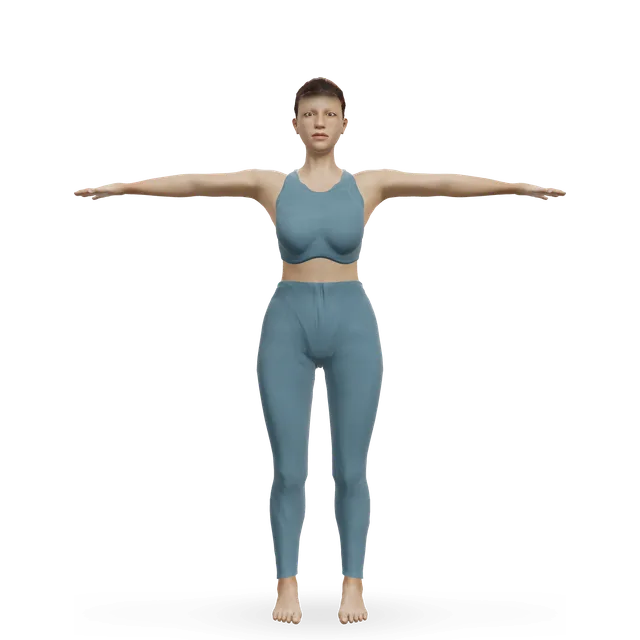
Wrist & forearm flow demonstrated on the 3D figure3D demoWrist & forearm flowBeginner · No equipment

5 to 10 slow repetitions, holding each end for 10 to 15 s · Borrowed from an NHS wrist fracture programme

Harder: Wrist flexor stretch

Tendon glides (hand tendon gliding exercises) demonstrated on the 3D figure3D demoTendon glides (hand tendon gliding exercises)Beginner · No equipment

4 to 6 of each position, 5 s holds, up to 4 times a day · The move's NHS hand-therapy dose

Harder: Ball squeeze

Wrist circles demonstrated on the 3D figure3D demoWrist circlesBeginner · No equipment

10 slow circles each way · Editorial dose

Harder: Wrist flexor stretch

Ball squeeze demonstrated on the 3D figure3D demoBall squeezeBeginner · Other / check instructions

A soft ball, held a few seconds, 10 times · Editorial dose

Harder: Band finger extension

Move on when: Light daily tasks are comfortable and your team is happy for you to add stretches and weight through the hand, often between about 6 and 10 weeks after the injury.

Follow along: a timer, a cue and the next move, one step at a time.
Stage 3

Stretch, then take weight through the hand

As your team allows; one NHS programme starts gradual wrist loading between 6 and 10 weeks. Held stretches first. Then weight through the hand, building from a wall to a table to the floor: one NHS programme leans on a table with a quarter, then half, three-quarters and all of your weight, holding each for 5 to 10 s, before kneeling with the palms on the floor.

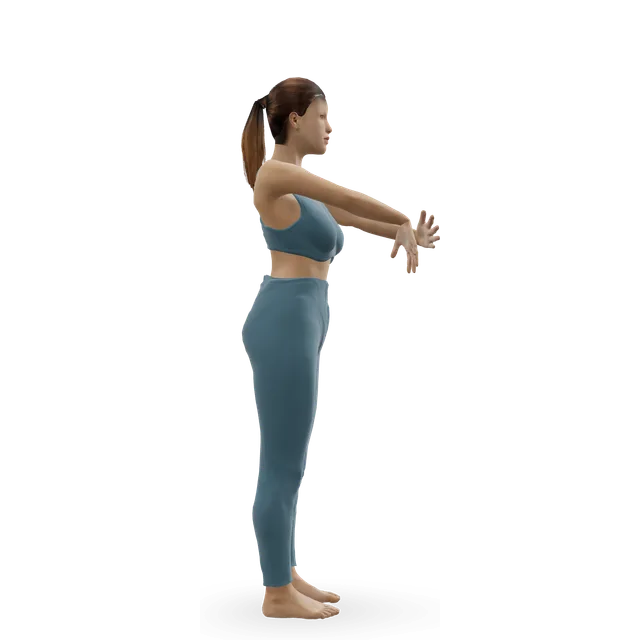
Wrist flexor stretch demonstrated on the 3D figure3D demoWrist flexor stretchBeginner · A wall

2 holds of 30 s · Borrowed from an NHS wrist fracture programme

Easier: Wrist circles · Harder: Quadruped wrist rocks

Wrist extensor stretch (tennis elbow stretch) demonstrated on the 3D figure3D demoWrist extensor stretch (tennis elbow stretch)Beginner · No equipment

2 holds of 30 s · Borrowed from an NHS wrist fracture programme

Easier: Wrist & forearm flow

Wall push-up demonstrated on the 3D figure3D demoWall push-upBeginner · A wall

Lean in and hold 5 to 10 s, 5 times; then slow wall push-ups · Editorial count

Harder: Push-up

Incline push-up demonstrated on the 3D figure3D demoIncline push-upBeginner · A bench or box

Lean on a table with a quarter, then half, three-quarters and all of your weight, holding 5 to 10 s · An NHS wrist programme's order, borrowed. Hold the top position before adding push-ups

Harder: Push-up

Quadruped wrist rocks demonstrated on the 3D figure3D demoQuadruped wrist rocksBeginner · No equipment

10 slow rocks, only as far as is comfortable · Kneeling, palms flat on the floor. Editorial count

Easier: Wrist flexor stretch

Move on when: You can take your full weight through the hand on a table and kneeling on the floor, and the stretches pass the pain rule.

Follow along: a timer, a cue and the next move, one step at a time.
Stage 4

Strengthen and get back to sport

As your team allows, often from about 10 to 12 weeks. Strength work every other day, with a weight you can lift 10 times before the wrist tires; add weight or a set (up to 3) as it gets easier. Contact sport at about 12 to 14 weeks without surgery in one NHS programme, and 8 to 12 weeks after surgery in another. Normal hand use can take up to a year to come back fully.

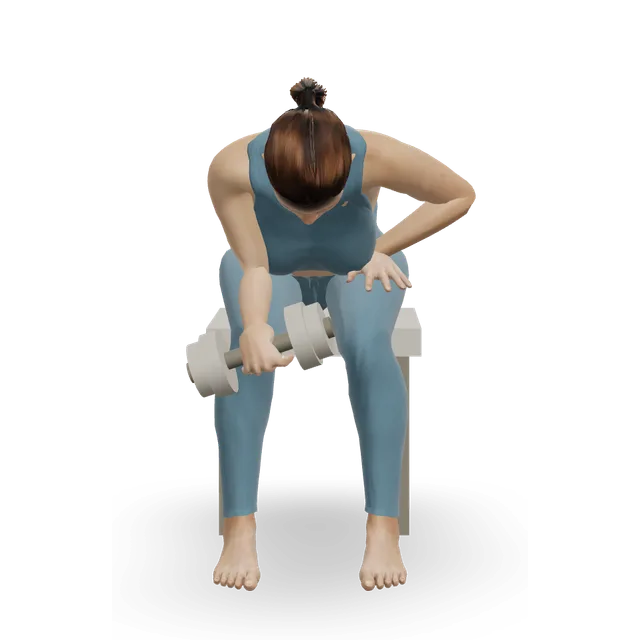
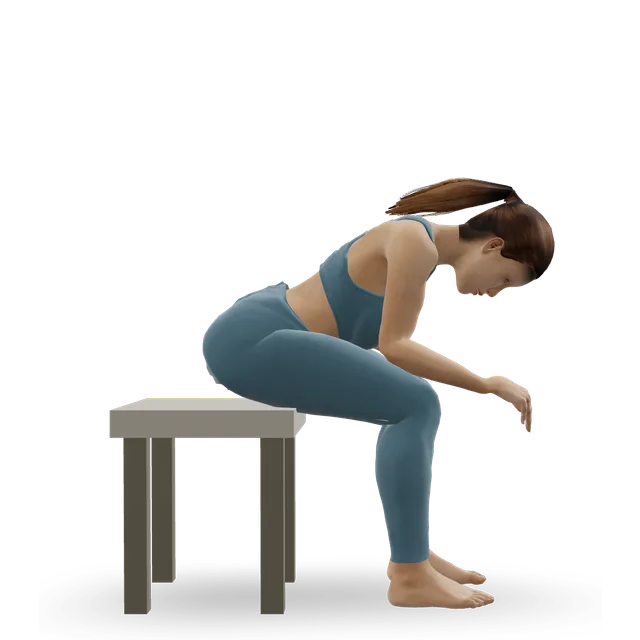
Wrist curls demonstrated on the 3D figure3D demoWrist curlsBeginner · A dumbbell

10 with a 5 s hold at the top, up to 3 sets, every other day · Borrowed from an NHS wrist fracture programme

Easier: Wrist-extensor eccentrics · Harder: Plate pinch

Reverse wrist curl demonstrated on the 3D figure3D demoReverse wrist curlBeginner · A dumbbell + A bench or box

10 with a 5 s hold at the top, up to 3 sets, every other day · Borrowed from an NHS wrist fracture programme

Easier: Wrist-extensor eccentrics · Harder: Plate pinch

Dumbbell forearm rotation demonstrated on the 3D figure3D demoDumbbell forearm rotationBeginner · A dumbbell + A bench or box

5 each way with a light weight, building up · Borrowed from an NHS wrist fracture programme

Easier: Wrist-extensor eccentrics · Harder: Plate pinch

Farmer's carry demonstrated on the 3D figure3D demoFarmer's carryBeginner · A dumbbell + A kettlebell

3 walks of 20 to 30 m, light · Editorial dose

Harder: Suitcase carry

Knee push-up demonstrated on the 3D figure3D demoKnee push-upBeginner · No equipment

2 to 3 sets of 8 to 12 · Editorial dose

Harder: Push-up

Move on when: Grip and push-ups feel normal. The push-up progression and grip strength workout take it from here.

Follow along: a timer, a cue and the next move, one step at a time.

What to change for now

Typical timings, which your team may change

These come from UK hand surgery standards and NHS leaflets, which differ a little. Your own team's plan comes first.

  • Cast: below the elbow with the thumb free, usually for 6 to 8 weeks; one NHS leaflet says 4 to 6. Breaks near the forearm end, or slow to heal, need longer.
  • Weeks 1 to 6, in the cast: light tasks only. No heavy lifting, pushing or pulling for 6 to 8 weeks.
  • Weeks 6 to 10: light to medium tasks, and gradual loading of the wrist. A wrist support on and off for heavier jobs for 4 to 8 weeks, not full time.
  • Weeks 10 to 12: medium to heavy tasks. Weeks 12 to 14: contact sport (one NHS programme, without surgery).
  • After an operation, in one NHS hand service: a plaster slab for 2 weeks, then a cast for 4 to 6; no pushing up from a chair or heavy gripping for 4 weeks; light work from 1 to 2 weeks; heavy manual work and contact sport from 8 to 12 weeks; and usually no driving in plaster or within 6 weeks of the operation.
  • Still significant pain and swelling at about 12 weeks: contact your fracture clinic.

Sources 2, 6, 7, 28, 25, 8

Thumb-to-fingertip exercise (written steps)

Our 3D figure doesn't show this one yet. An NHS wrist programme uses it from when the cast comes off. In the usual scaphoid cast the thumb is free, and an NHS scaphoid leaflet asks you to keep the fingers and thumb moving, so you can usually start the first part in the cast; check with your team. The count is our suggestion.

  • 1. Rest your forearm on a table, palm up, fingers relaxed.
  • 2. Touch the tip of your thumb to the tip of your index finger, making an O.
  • 3. Do the same with the middle, ring and little fingers in turn.
  • 4. Once the cast is off, slide the tip of your thumb down the length of the little finger towards its base.
  • 5. Go gently, about 5 to 10 times, a few times a day, stopping short of sharp pain.

Sources 26, 25

While it might be broken, and in the cast

Keep the wrist still in its splint or cast until a fracture has been ruled out or has healed: one NHS leaflet says too much movement may reduce the chance of it healing. Keep the hand raised above the level of your heart for the first 1 to 2 weeks, on pillows or resting against the opposite shoulder, rather than in a sling. Keep the cast dry, using a shower sleeve. Stop or cut down on smoking: it slows bone healing, and one NHS hand service says stopping greatly reduces the risk of the bone not joining.

Sources 28, 8, 24, 25

Positions to swap, and why

Habit or positionWhy it mattersInstead
Taking the splint or cast off to test the wristA possible fracture should be kept still until it's ruled out or healed; moving it may stop it healing.Keep it on, and ask what scan or check is planned.
Shrugging off snuffbox pain because the wrist still movesA scaphoid fracture can hide on the first X-ray and does badly if it's missed.Get it checked the same day.
Wearing a slingOne NHS hand service advises against it: it can make the shoulder and neck sore.Raise the hand on pillows or against the opposite shoulder, and lift the arm overhead often.Try: Breath reach
Heavy lifting, pushing or pulling in the first 6 to 8 weeksNHS leaflets advise against it while the bone heals.Light tasks such as eating, dressing and typing.
Push-ups, planks or yoga on your hands before your team allowsWeight through the hand comes after the stretches, and not for 4 weeks after an operation.Wall and table leans first.Try: Wall push-up
The kneeling wrist stretch with the fingers backIt puts your body weight into a deep wrist bend.The standing stretch, with the other hand doing the work, until you can lean your full weight on a table.Try: Wrist flexor stretch
Trampolines, skating, ladders and contact sport until you're clearedA fall onto the hand is how it happens, and the American Academy of Orthopaedic Surgeons (AAOS) lists these to avoid while it heals.Walking, a static bike or leg training.
Vibrating tools and machineryThe AAOS lists them to avoid while it heals.Wait until your team says it has healed.
SmokingIt slows bone healing, and one NHS hand service says stopping greatly reduces the risk of the bone not joining.Stop or cut down; NHS stop-smoking services can help.

Routines to follow

More moves for this area

Questions people ask

What is a scaphoid fracture?

A break in a small wrist bone at the base of the thumb, usually from a fall onto an outstretched hand. It's the most often broken wrist bone, especially in young men.

Why didn't my scaphoid fracture show on the X-ray?

The break can be too fine to see at first: in a review, about 1 in 4 people with a suspicious injury and a normal first X-ray turned out to have one. That's why you may be put in a splint and offered an MRI scan.

Do I need an MRI scan?

NICE suggests MRI as the first scan after a thorough examination, and UK hand surgeons expect a definite plan within 2 weeks. Reassuringly, most suspected scaphoid fractures turn out minor: in one Scottish health board, only 0.35% needed an operation.

How long will I be in a cast?

Usually 6 to 8 weeks, then an X-ray or CT scan to check it's joining. Breaks near the forearm end, or ones that are slow to heal, can take longer.

Is surgery better than a cast for a scaphoid fracture?

Not for most breaks across the middle that have moved 2 mm or less: in a UK trial of 439 adults, wrist function at 1 and 5 years was much the same, and serious complications were more common after surgery. Breaks that have moved more, or are near the forearm end, are usually fixed with a screw.

Does my thumb need to be in the cast?

Usually not. Trials found these breaks heal just as well with the thumb free, and UK standards leave it out.

What happens if my scaphoid doesn't heal?

Your team checks healing with an X-ray or CT scan. If it isn't joining, an operation with a screw, sometimes with a bone graft, is offered. Left untreated, a scaphoid that doesn't join usually leads to wrist arthritis.

Why does the scaphoid heal so slowly?

Its blood supply enters at the thumb end and runs back towards the forearm, so a break can cut off the supply to the end nearer the forearm. Breaks there heal more slowly and fail to join more often.

What exercises should I do after the cast comes off?

Wrist and thumb movements first, then held stretches, then leaning weight through the hand, then strengthening, as your team allows. In the cast, keep making a full fist and moving your elbow and shoulder.

When can I do push-ups or play sport again?

One NHS programme allows gradual wrist loading from 6 to 10 weeks, heavier tasks at 10 to 12 and contact sport at 12 to 14; after surgery, another says 8 to 12 weeks for contact sport. Lean on a wall or table before trying floor push-ups.

Will my wrist be normal again?

Most scaphoid fractures heal well, but stiffness can last up to a year, and some people don't get all their movement and strength back. Five years after treatment in the UK trial, wrist function was good and similar after a cast or surgery.

Could my child have a scaphoid fracture?

It's less common in children but possible, so a child with pain at the base of the thumb after a fall should be checked. Children's scaphoid fractures usually heal well in a cast.

Other pain guides

Sources

  1. AAOS OrthoInfo · Scaphoid fracture of the wrist
  2. British Society for Surgery of the Hand · Standards of care in hand trauma: scaphoid fractures
  3. Carpenter 2014 · Adult scaphoid fracture: how well examination and imaging detect it (systematic review, Acad Emerg Med)
  4. Dias 2020 · SWIFFT: surgery or a cast for a break of the scaphoid waist (RCT of 439, Lancet)
  5. Duckworth 2012 · Scaphoid fracture epidemiology (J Trauma Acute Care Surg)
  6. Getting It Right First Time (GIRFT), hand surgery · Scaphoid fractures pathway (2024)
  7. King's College Hospital NHS · Scaphoid fracture: treatment without surgery (patient leaflet, 2026)
  8. East Kent Hospitals NHS · Scaphoid fracture: information from the orthopaedic hand service (2024)
  9. Dias 2020 · The SWIFFT trial: full report (abstract read; Health Technol Assess)
  10. Dias 2026 · SWIFFT at 5 years: wrist function after surgery or a cast (Bone Joint J)
  11. Johnson 2022 · Surgery or a cast for scaphoid breaks that have moved 2 mm or less (meta-analysis of 7 RCTs, Bone Joint J)
  12. Clay 1991 · Does the thumb need to be in the cast for a scaphoid fracture? (RCT of 392 fractures, JBJS Br)
  13. Buijze 2014 · A cast with or without the thumb for scaphoid waist breaks (RCT of 62, J Hand Surg Am)
  14. Harper 2025 · The thumb in or out of the cast for scaphoid fractures (systematic review, Hong Kong J Occup Ther)
  15. Duckworth 2012 · Which signs predict a fracture after a suspected scaphoid injury (cohort of 223, JBJS Br)
  16. NICE NG38 · Fractures (non-complex): assessment and management (2016), imaging for a suspected scaphoid fracture
  17. Ryan 2024 · How often suspected scaphoid fractures need surgery (1,739 people, Bone Joint Open)
  18. Stirling 2022 · Virtual management of suspected scaphoid fractures (cohort of 221, Bone Joint J)
  19. Eastley 2013 · How often breaks at the forearm end of the scaphoid join (meta-analysis, J Hand Surg Eur)
  20. Dias 2023 · Wrist arthritis after a scaphoid fracture that doesn't join (278 people, Injury)
  21. Dias 2026 · SWIFFT at 5 years: healing and arthritis on scans (Bone Joint J)
  22. Shaterian 2019 · Scaphoid fractures in children: treatment and results (meta-analysis of 17 studies, Hand)
  23. Karir 2022 · Suspected scaphoid fractures in children (cohort of 91, Hand)
  24. North Cumbria Integrated Care NHS · Paediatric minor injuries: broken scaphoid bone (2024)
  25. NHS Lothian · Scaphoid fractures (patient leaflet, 2025)
  26. Oxford University Hospitals NHS · Wrist fractures: information and exercises for patients (2024)
  27. NHS · Complex regional pain syndrome: symptoms
  28. East Sussex Healthcare NHS · Scaphoid fracture: shared care plan (2025)
  29. NHS · Broken arm or wrist
  30. NHS · Compartment syndrome
  31. NHS · Cuts and grazes
  32. NHS · DVT (deep vein thrombosis)

Exercise education, not a diagnosis or treatment plan. It is written from the guidelines and studies listed above; review by a clinician is pending. If your pain follows an injury, is severe, is getting worse, or comes with any warning sign listed on this page, get it assessed. Health disclaimer.