Wrist pain in push-ups, yoga and lifting: what to change now and how to build back
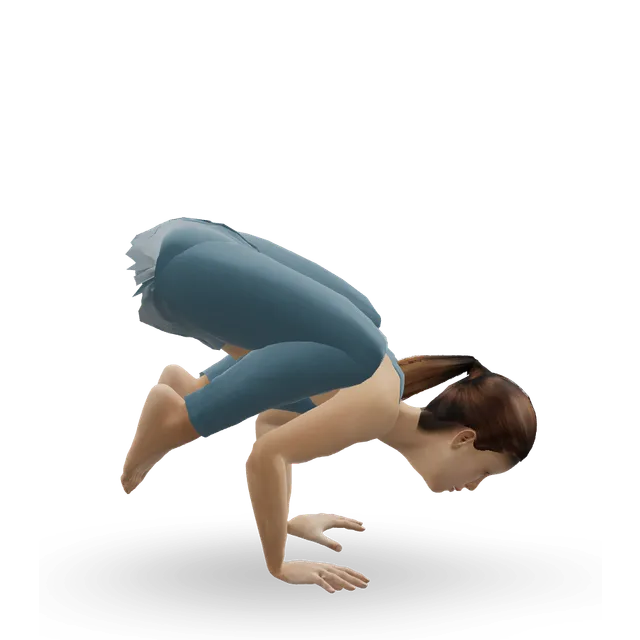
Push-ups, planks, downward dog, handstands, crow pose and burpees all put body weight through a wrist bent back to around a right angle. Front squats, cleans and heavy pressing load it in other ways. Most of this pain is a mismatch between the load and what your wrist is used to right now (editorial), and it usually responds to changing the position and building back up.
Some of it isn't, though. Pain after a fall, tenderness at the base of the thumb, a swollen wrist, or little-finger-side pain with clicking and weakness needs checking first.
Exercise is for pain that has been checked or is clearly mild and settling.
Get urgent medical help if
Call 999 or go to A&E after an injury (don't drive yourself) if the arm, wrist or hand is numb, tingling or has pins and needles; a bone is sticking out or a bad cut is bleeding heavily; or the wrist, thumb or a finger has changed shape, is at an odd angle, or has turned blue, grey, white or cold.
Same day (NHS 111, an urgent treatment centre or an urgent GP appointment): a wrist or hand injury that is very painful, getting worse, very swollen or bruised, stiff, or that you can't use. It may be broken.
Same day: after a fall onto an outstretched hand, pain or tenderness at the base of the thumb on the back of the wrist (the hollow called the snuffbox), even if the wrist moves well or the first X-ray was normal. A broken scaphoid can hide on the first X-ray and is slow to heal if it's missed, so ask what follow-up is planned.
Same day: a joint or lump that is hot, red and swollen, or hand or wrist pain with a high temperature or feeling hot, cold or shivery. It could be an infection or gout.
See a doctor or physiotherapist if
Not improved after 2 weeks of looking after it at home, getting worse, keeps coming back, or stopping you doing normal activities. In many areas you can refer yourself to NHS physiotherapy.
Any tingling or loss of feeling in the hand or wrist.
You have diabetes and a hand problem: the NHS says hand problems can be more serious if you have diabetes.
Understand it
Wrist pain is common in sports that load the handsMixed evidence
A review of adolescent artistic gymnasts estimated that about half had wrist pain at any time (low certainty), linked with training hours and intensity. In a survey of 270 CrossFit athletes, 20.4% reported a hand or wrist injury; 72.8% of those were back to unmodified training within a month, though 58.2% said they hadn't fully healed or took longer than a month to feel healed. In a survey of 2,508 people in yoga classes, 27.8% reported some unwanted symptom after a class, mostly mild muscle aches (not wrist-specific).
Pain after a fall, tenderness in the hollow at the base of the thumb, a swollen wrist, or little-finger-side pain with clicking and weakness need assessing. Little-finger-side (ulnar-sided) pain has several possible causes, including the TFCC, that are hard to tell apart even for specialists. If it isn't better within 2 weeks of changing the position, get it checked.
In a cadaver study of 8 wrists, a push-up with the wrist bent back raised peak pressure in the joint between the forearm bone and the scaphoid compared with a knuckle push-up, where the wrist stays straight. That supports trying fists, push-up handles or dumbbells while it is sore. It is a study of how the wrist is loaded, not a trial in people with pain.
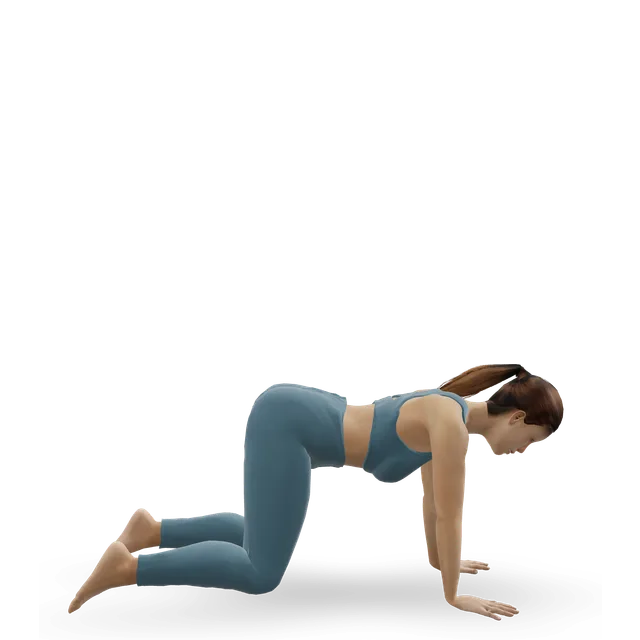
The most concrete guide found is an NHS wrist programme's weight-bearing progression: lean through a table, then a wall, then the floor, with a quarter, then half, three-quarters and all of your weight. Quadruped wrist rocks apply the same idea on the floor.
No trials of wrist warm-ups, wrist wraps or push-up handles for preventing or treating wrist pain were found. The swaps and stages on this page are editorial, built on the pressure study and the NHS programme above.
Some discomfort during these exercises is fine and doesn't mean you are doing damage. Keep it to about 5 out of 10 or less. It should settle within half an hour or so, and your hand should be no worse the next morning. If it is, do fewer, smaller or lighter next time, not nothing. An NHS wrist rehabilitation booklet uses the same limit: an unpleasant stretch of about 5 out of 10 that settles within 30 minutes.
Tingling and numbness are different: stop and get advice if an exercise brings them on and they don't fade quickly, or if your grip or thumb gets weaker.
Don't rest the hand completely for long, either: for repetitive strain, the NHS says resting for more than a few days makes the area weaker and less flexible. If a joint becomes hot, red and swollen, stop and get it checked.
Move on when: Full sessions feel normal. Keep the wrist warm-up before hand-loaded work.
Follow along: a timer, a cue and the next move, one step at a time.
What to change for now
Lifting: rack, press and grip
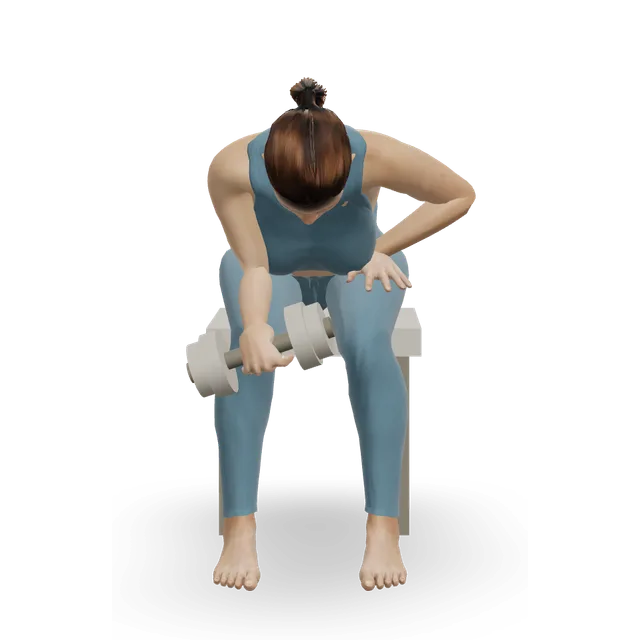
Front squat: the wrist bends back under the bar in the rack position, so use a goblet squat for now. Bench and overhead pressing: stack the wrist over the forearm rather than letting the bar sit behind it, go lighter, or use neutral-grip dumbbells. Wrist wraps: no trials were found; they are fine as a short-term aid while you rebuild strength. All of this is editorial.
Little-finger-side pain
If the pain is on the little-finger side, also avoid leaning on a wrist bent towards the little finger (side planks on the hand, loaded twisting) for now, and use the forearm version of the side plank. The causes overlap and are hard to diagnose, so get it checked if it isn't settling within 2 weeks or comes with clicking and weakness.
A push-up puts your body weight through a wrist bent back to around a right angle. In a cadaver study, that position raised pressure in the wrist compared with a straight-wrist knuckle push-up. Change the position first, then build back up through the stages.
Should I use push-up handles or do knuckle push-ups?
They're reasonable while your wrist is sore, because they keep it straight. No trials have tested them for wrist pain, so treat them as a practical swap rather than a treatment.
What can I do about wrist pain in downward dog?
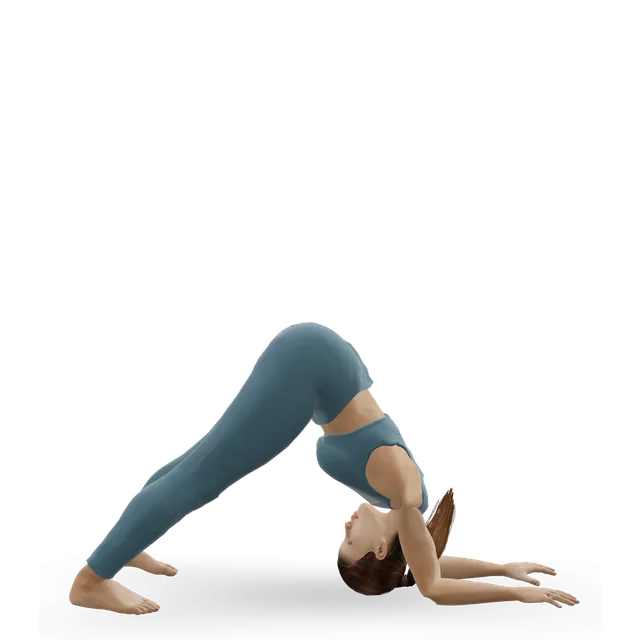
Use dolphin pose, on the forearms, for now. Bring downward dog back in the last stage of the plan, once quadruped wrist rocks and push-ups on a bench are comfortable.
Should I wear wrist wraps for lifting?
No trials were found. They're fine as a short-term aid while you rebuild wrist strength (editorial), alongside the forearm work in the plan.
Why does my wrist hurt on the pinky side when I push up?
Little-finger-side pain, especially with twisting or clicking, can come from several structures, including the TFCC. Avoid leaning on the wrist bent towards the little finger for now, and get it checked if it isn't settling within 2 weeks or comes with weakness.
When should I see someone about wrist pain from training?
After a fall, with swelling or tenderness at the base of the thumb, with clicking and weakness, or if it isn't better within 2 weeks of changing the position.
Exercise education, not a diagnosis or treatment plan. It is written from the guidelines and studies listed above; review by a clinician is pending. If your pain follows an injury, is severe, is getting worse, or comes with any warning sign listed on this page, get it assessed. Health disclaimer.