Forearm stand (Pincha Mayurasana)
From dolphin at a wall, the legs float up until the body is upside down on the forearms, the head off the floor.
Forearm inversions family
Forearm stand (Pincha Mayurasana)
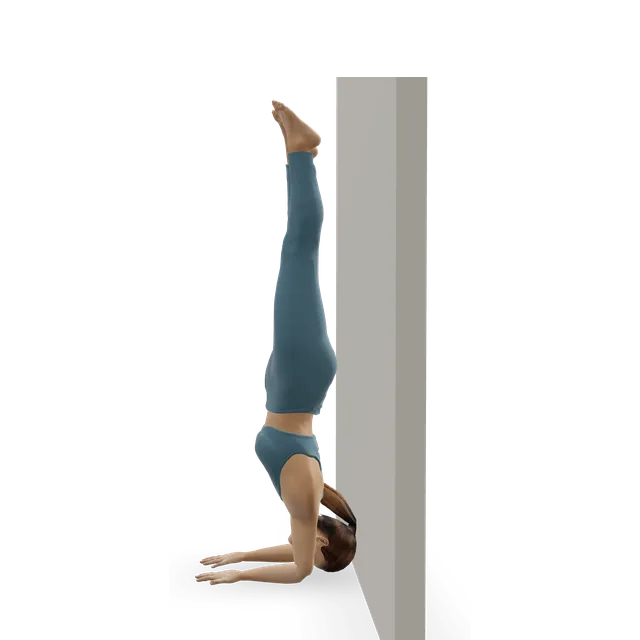
Loading the 3D figure…
Source-researched guide.
How to move
- Set up dolphin facing a wall, the forearms parallel and the shoulders over the elbows.
- Walk the feet in, lift one straight leg and swing the other up until the heels reach the wall.
- Press the forearms down and hold, then lower one leg at a time.
Form cues
- A block between the hands keeps the elbows from splaying.
- Look between the forearms, not at the wall.
Practice and cautions
No universal dose is assigned. Choose a manageable amount for your current capacity, leave room for controlled repetitions, and allow recovery. A clinician’s individual plan takes priority.
Skip it with glaucoma unless your eye specialist agrees, and while high blood pressure isn't controlled. Don't start learning it in pregnancy. Avoid with shoulder impingement or elbow problems. Practise a safe exit before you go up. With proliferative or severe non-proliferative diabetic retinopathy, or after recent eye laser treatment or surgery, leave out head-down positions until your eye team says they are safe. With vertigo or BPPV, head-down positions, lying back quickly and tipping your head back can bring on a spin: move into and out of them slowly, sit up slowly, and leave them out during a bad spell. This is movement education, not an assessment or treatment prescription. Stop for sharp or increasing pain, dizziness, numbness or tingling; seek individual guidance for symptoms, injury or restrictions.
Sources and review status
Sources support the educational description; they do not establish that this exercise is suitable for you.
No variation is labeled clinically validated.
What it works
Muscles
Main: Shoulders. Also: Triceps, Abs, Back.
Anatomy: Deltoid, Rotator cuff, Supraspinatus, Infraspinatus, Subscapularis, Teres minor.
Equipment
A wall
Level
Advanced. See the easier and harder options above.
Workouts that use it
Guides that use it
Similar moves
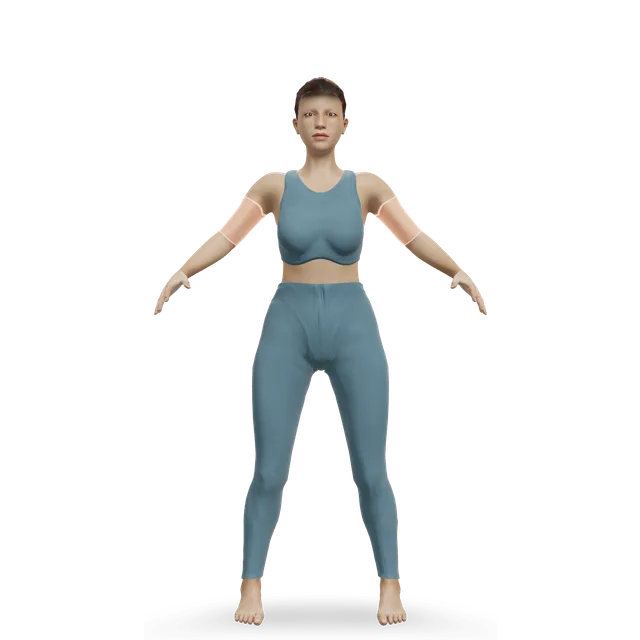 Peacock pose (Mayurasana)Expert · No equipment
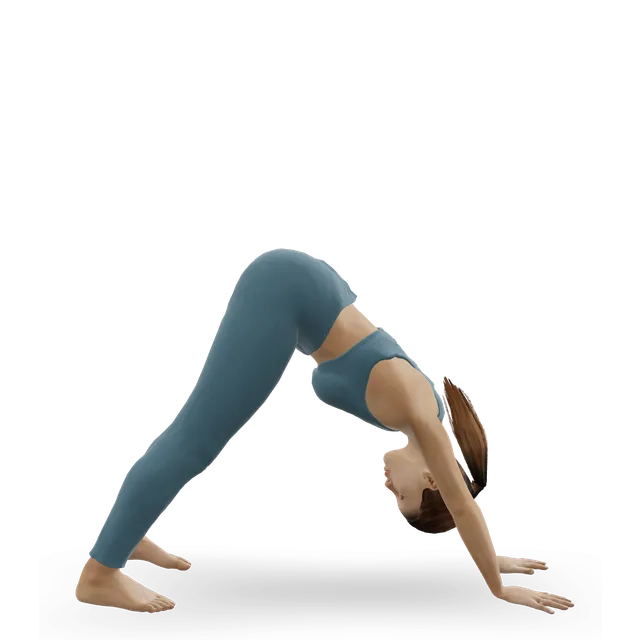 3D demoDownward-facing dog (Adho Mukha Svanasana)Beginner · No equipment
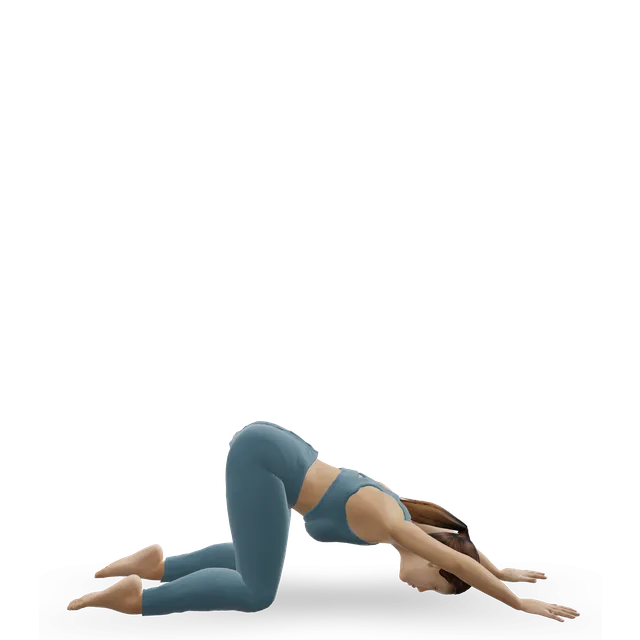 3D demoExtended puppy pose (Uttana Shishosana)Beginner · No equipment
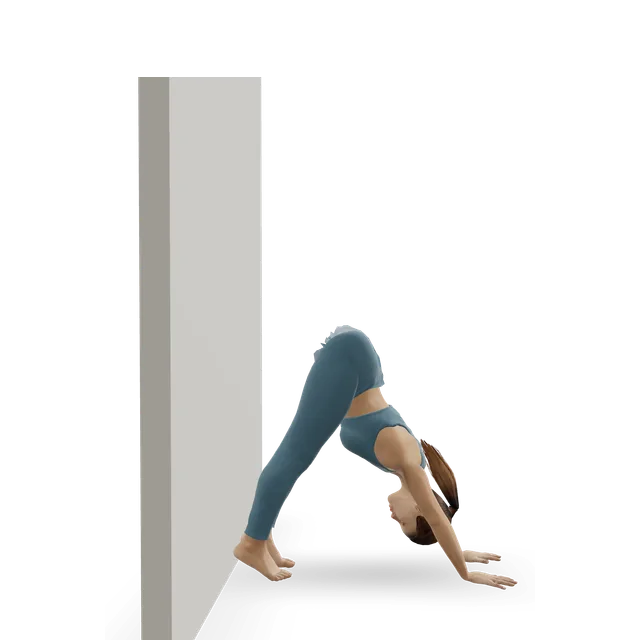 3D demoHalf handstand at the wall (Ardha Adho Mukha Vrksasana)Intermediate · A wall
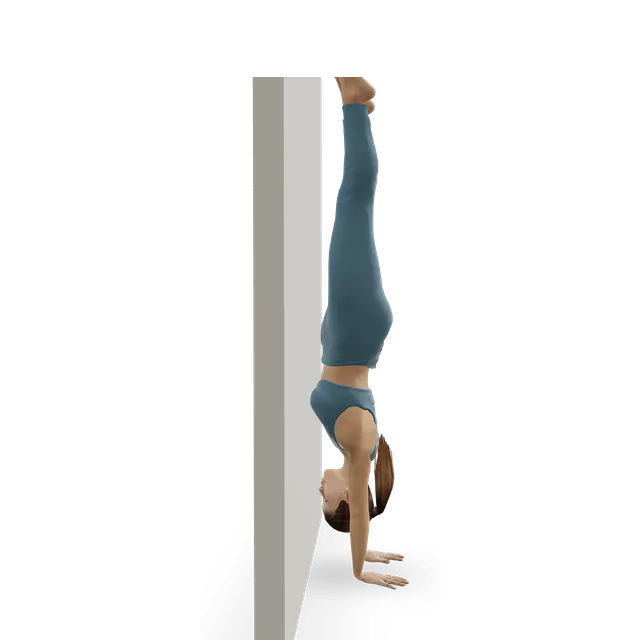 3D demoHandstand at the wall (Adho Mukha Vrksasana, chest to wall)Advanced · A wall
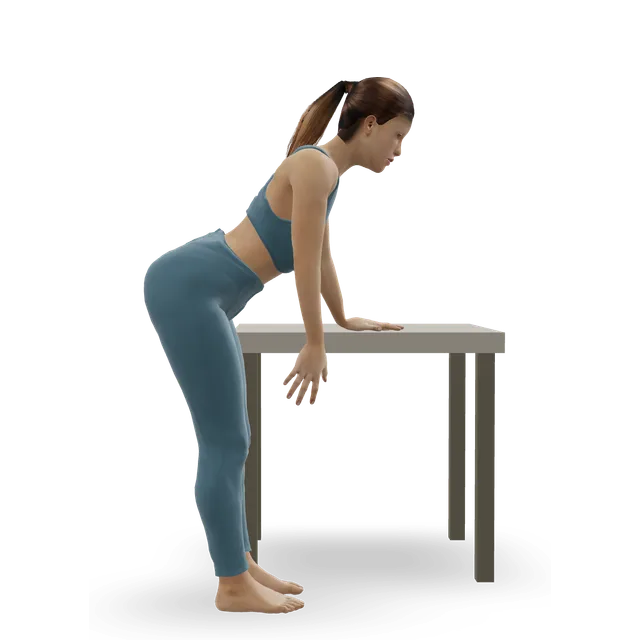 3D demoPendulum exercise (Codman's pendulum)Beginner · A bench or box
Browse more
Questions people ask
What muscles does the Forearm stand (Pincha Mayurasana) work?
Mainly the shoulders, with help from the triceps, abs and back.
What equipment do I need for the Forearm stand (Pincha Mayurasana)?
A wall.
Is the Forearm stand (Pincha Mayurasana) good for beginners?
It is an advanced move. Build up to it with the Dolphin pose (Ardha Pincha Mayurasana) first.
What is an easier alternative to the Forearm stand (Pincha Mayurasana)?
Try the Dolphin pose (Ardha Pincha Mayurasana) or the Crow pose (Bakasana). Both are written steps in the same progression.
How do I make the Forearm stand (Pincha Mayurasana) harder?
Progress to the Freestanding handstand. Follow that guide’s technique and any stated timing.