How to do a headstand safely: the supported headstand step by step, and who should skip it
The supported headstand (Salamba Sirsasana) balances you on your forearms and the crown of your head, with your hands clasped around it. It is often taught as "all the weight in the arms", but in one lab study experienced practitioners still carried about a third of their weight through the head, and the way they went up changed the load: slow entries were gentler, and kicking up one leg at a time loaded the head fastest.
So this guide teaches a slow entry at a wall, short holds and a controlled way down, and it is clear about who should skip going upside down: glaucoma unless your eye specialist agrees, high blood pressure that isn't controlled, and neck problems. Don't start learning it in pregnancy.
It covers the technique, how much load your neck takes, the ladder from dolphin pose, the tripod headstand, how a headstand differs from a handstand, and a headstand progression to follow. No study has timed learning one, so our timeline is an estimate.
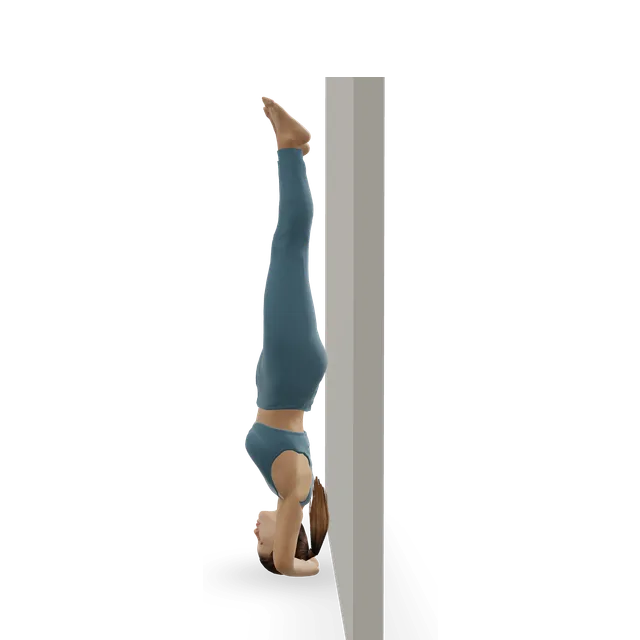
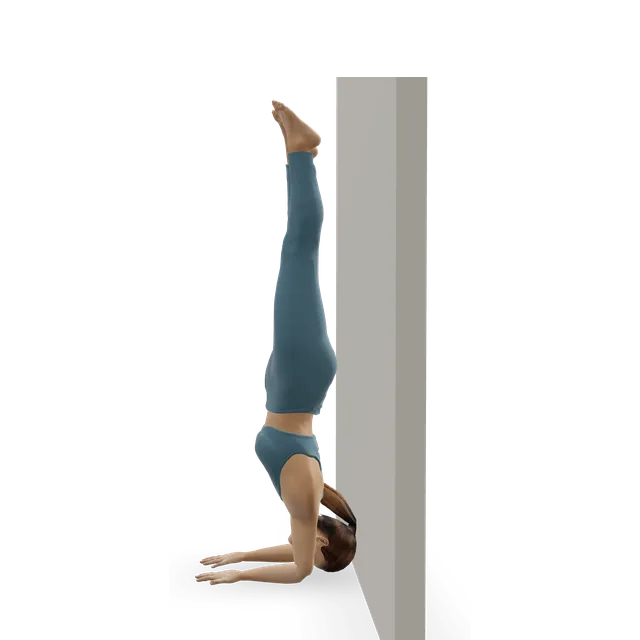
Set your forearms down, clasp your hands, put the crown of your head on the floor with the back of your head against your palms, walk your hips over your shoulders, and lift your legs slowly. Press down through your forearms the whole time.
Your head still takes about a third of your weight
In one lab study of 45 experienced practitioners, the head carried about a third of body weight on average while holding the pose, and up to about half at peaks. Beginners weren't measured; we'd expect at least as much, but that is our inference.
In the same study, kicking up one leg at a time loaded the head fastest, and every extra second spent going up cut the average load on the head by about 4%. Lift with both legs together, slowly.
It featured in 10 of 76 published reports of harm from yoga in one review, mostly eye problems, and in 15 of 84 in another, where over half the people already had a health problem that raised their risk.
Skip it with glaucoma unless your eye specialist agrees (eye pressure doubled in headstand), while high blood pressure isn't controlled, with neck problems, and while you're new to yoga. Don't start learning it in pregnancy; if you already practise, ask your midwife.
Start with about 10 seconds and add 5 to 10 seconds at a time. Eye pressure stays raised for as long as you're upside down, and no study shows longer holds help, so 30 to 60 seconds is plenty (our editorial view).
Glaucoma: skip it unless your eye specialist agreesEmerging evidence
In 75 yoga practitioners, the pressure inside the eye doubled in headstand and stayed raised after 5 minutes. Head-down yoga poses raised it within a minute in people with and without glaucoma, and hanging fully upside down took it from about 16 to 34 millimetres of mercury (mmHg). An ophthalmologist answering for the American Academy of Ophthalmology advises against inversions with glaucoma, and UK sight charities say to ask your hospital eye doctor. Our headstand move page also says it isn't for people with other eye conditions, so ask your eye team first.
High blood pressure: wait until it's controlledEmerging evidence
Going upside down raises blood pressure and the heart's workload: hanging upside down took it from 110/77 to 130/90 mmHg in one study. US health advice lists severe high blood pressure among the conditions that may need changes to yoga. Our high blood pressure guide gives the readings at which to hold off.
The head and neck carry about a third of your weight, and some ways of getting up bend the neck forward under that load. Case reports describe spinal cord compression in the neck attributed to headstand, and torn neck arteries after yoga in a man with neck arthritis. Skip it with neck pain, neck arthritis, a past neck injury or surgery, or a history of stroke or a torn artery in the neck.
With osteoporosis, ankylosing spondylitis or rheumatoid arthritis affecting the neck, leave out poses that load the neck, as our guides to those conditions advise.
New to yoga
US health advice is to avoid extreme practices such as headstands while you're new to yoga, and to learn with a qualified teacher.
The NHS advises avoiding activities with a risk of falling in pregnancy, so don't start learning headstands, as our handstand guide and pregnancy guide say. If you already practise them, ask your midwife (our suggestion).
No study shows harm. Some blood flows back into the pelvis during a period in about 90% of women whatever they do, so going upside down isn't a special risk, as our guide to exercise for women explains.
From Yoga Journal's supported headstand guide and our headstand page. Lifting slowly with the legs together follows the lab study of entry techniques; the wall position is our editorial suggestion.
Kneel on a folded mat facing a wall. Set your forearms down with your elbows a little narrower than your shoulders and your clasped hands a few centimetres from the wall.
Interlace your fingers, tucking the bottom little finger in so the outer edges of your hands rest flat.
Put the crown of your head on the floor with the back of your head against your palms. Press your forearms down and draw your shoulders away from your ears.
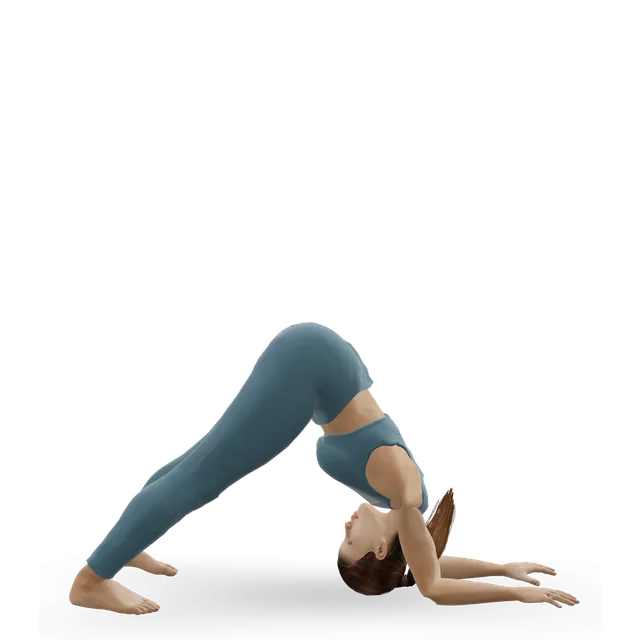
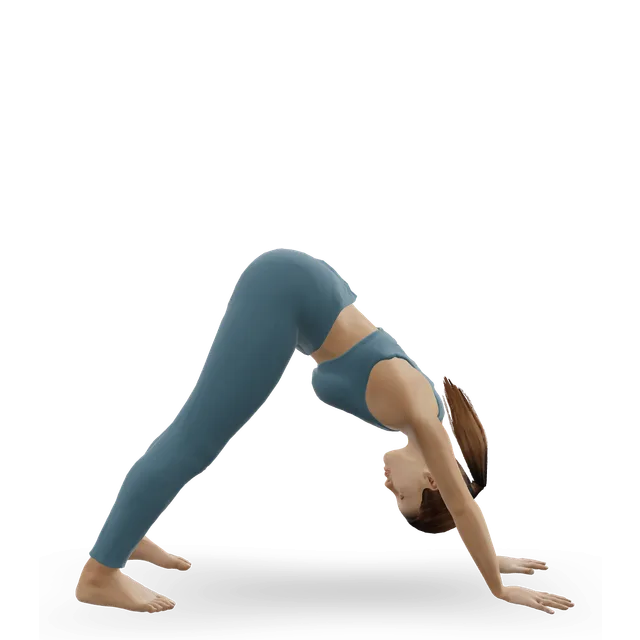
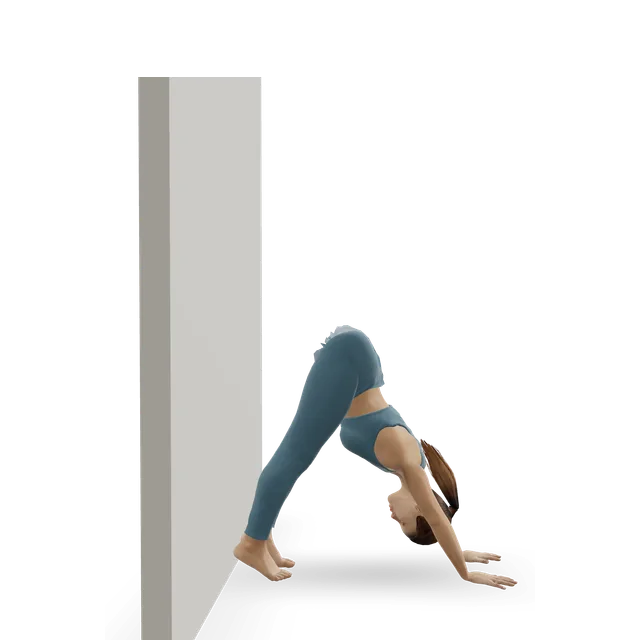
Tuck your toes, lift your knees and straighten your legs into dolphin pose, then walk your feet in until your hips are over your shoulders.
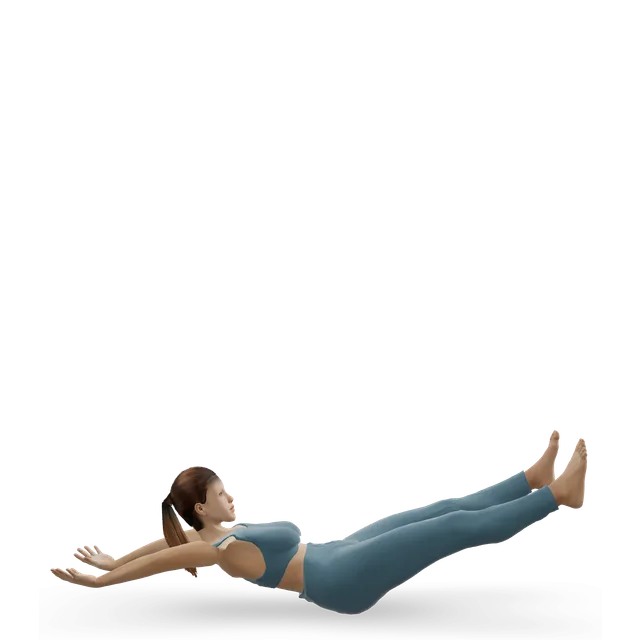
Bend your knees into your chest and lift both feet off the floor together, slowly. Hold the tuck before you straighten your legs.
Stack your ankles over your hips and your hips over your shoulders, keep pressing through your forearms, and breathe.
Come down the way you went up, slowly, and rest in child's pose. Come down at once if your head or neck feels pressure.
Loading the 3D figure…
Drag to turn
Gets into position, then repeats the movement. Technical checks passed; qualified exercise review is pending.
About a third of your weight, more at momentsEmerging evidence
In a lab study of 45 experienced practitioners, mostly women, the head carried on average about 28% of body weight going up, 34% while holding and 28% coming down, with peaks of about 40 to 50%. This is one study, read in full through the thesis behind it; beginners and the tripod headstand weren't measured, so applying the figures to them is our inference.
Slow, two-legged entries were gentlerEmerging evidence
Going up with straight legs together loaded the head more slowly than going up one leg at a time, and tended to load it less: more than three-quarters of the straight-leg group stayed under 300 newtons going up, while more than half of the one-leg group went over. Every extra second spent going up cut the average load on the head by about 4%, whatever the method.
The neck bent forward on some entriesEmerging evidence
Tucked-knee and one-leg entries bent the neck forward at the moment of peak load, while straight-leg entries kept it near its natural curve. The differences were moderate and not statistically significant in this small study.
Work down the list, moving on when you can hold the current step steadily; the walk-in and the tuck at the wall are done in dolphin pose and on the headstand page's set-up.
3 holds of 5 breaths in downward dog, and a steady forearm plank of 20 to 45 seconds (our editorial starting point).
2. Dolphin with your hands clasped
3 or 4 holds of 30 to 45 seconds (our editorial starting point). Yoga Journal suggests dolphin as the preparation for the headstand; move on at a steady 45 seconds, our headstand page's starting point.
From dolphin, walk your feet in until your hips are over your shoulders, with your head down but not loaded, as Yoga Journal describes: 3 to 5 holds of 5 breaths (our editorial starting point).
Knees into your chest and both feet off the floor together, slowly, the tucked variation Yoga Journal suggests practising: 3 to 5 holds of 5 to 10 seconds (our editorial starting point). Move on at a steady 10 seconds, up and down with control.
Straighten your legs with your heels near the wall: 3 holds of 10 to 20 seconds, adding 5 to 10 seconds at a time, as Yoga Journal suggests building up.
Only once you can go up and come down slowly with control at the wall: 3 holds of 10 to 30 seconds (our editorial starting point).
At a wall or in the open
Use the wall to learn
Yoga Journal suggests a wall or a doorway for support, and our headstand page sets up with a wall close behind you. Don't kick up against it or lean into an arch: stack your hips over your shoulders and let your heels just touch it.
Only once you can lift and lower slowly with control. A teacher can show you how to tuck and roll out if you overbalance; no study has compared ways of coming out of a fall (our editorial notes).
How long to hold
Start short and build slowly
Yoga Journal suggests starting with about 10 seconds and adding 5 to 10 seconds at a time, and says a solid 20 seconds beats a long hold that loses its shape.
Eye pressure doubled in headstand and stayed raised for as long as people held it, and no study shows a benefit of long holds. So our editorial view is that 30 to 60 seconds is plenty.
In the tripod headstand (Sirsasana II), your hands go flat on the floor about shoulder-width apart, making a triangle with your head, and many people go up by resting their knees on their elbows. No study has measured the load on the head in it or compared it with the forearm version, so treat it with the same cautions (our editorial notes).
Headstand or handstand?
Different joints take the load
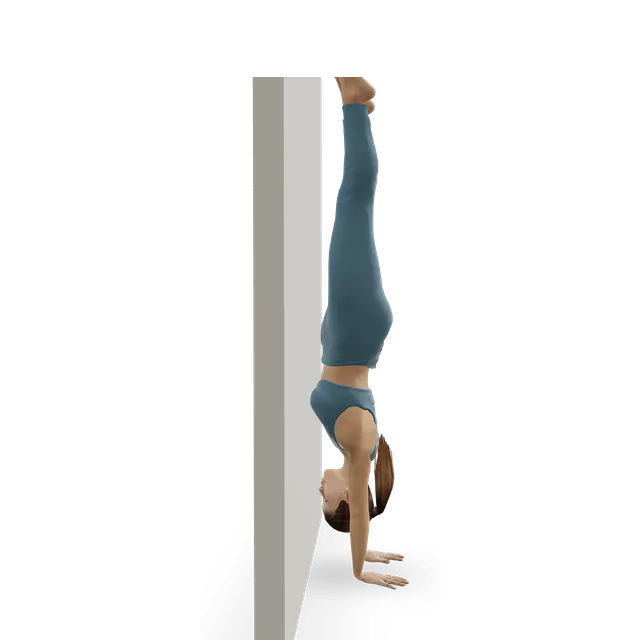
A handstand loads your wrists and is balanced mostly through your hands; a headstand loads your head and neck as well as your shoulders, on a wider, steadier base. With a sensitive neck, the handstand or the forearm stand avoids the head load; with sore wrists, the headstand or the forearm stand avoids the wrist load.
Both raise eye pressure (measured in headstand) and share the same list of people who should skip them, with neck problems added for headstands. Our handstand guide covers the other route.
The head already carries about a third of your weight. Press your forearms down, keep your shoulders away from your ears, and come down if your head or neck feels pressure.
Most published harms happened in people who already had a health problem, and eye problems were the commonest. Check the list of who should skip it first.
Which yoga injuries reach emergency departmentsEmerging evidence
US emergency departments treated an estimated 29,590 yoga injuries from 2001 to 2014. The trunk, which in this study included the shoulder, was the area most often hurt (47%), and sprains and strains were the commonest injury (45%). The rate was highest in people aged 65 and over. The study didn't record which poses were involved.
Headstand is the pose most often named in reports of harmEmerging evidence
In a review of 76 published cases of harm from yoga, headstand was the posture most often cited (10 cases, 8 of them eye problems). In a 2026 review of 84 cases, it was named in 15 (18%), and 54% of the people had a health problem beforehand that raised their risk. Case reports can't give a risk per practice.
Eye pressure and blood pressure rise upside downEmerging evidence
Eye pressure doubled in headstand in 75 practitioners and stayed raised while they held it; in other head-down poses it rose within a minute and settled within 2 minutes of coming out. Hanging upside down raised blood pressure, and inversion raised the heart's workload in healthy men.
Serious harms are rare and come from case reportsEmerging evidence
Reports describe a blocked retinal vein after headstand in a man with high blood pressure, spinal cord compression in the neck attributed to headstand, and torn neck arteries with spinal cord compression after yoga in a man with neck arthritis.
No study has timed it, so this is our editorial estimate: several weeks to a few months to a steady headstand at the wall if you can already hold dolphin for 45 seconds, and longer to balance away from the wall. Practise 2 to 4 times a week, early in a session while you're fresh (our editorial starting point).
Workouts
The headstand progression follows the ladder above; the handstand progression is the inversion route that keeps your head off the floor.
A face that has dropped on one side, an arm you can't lift, or slurred or garbled speech; also sudden weakness or numbness down one side, blurred vision or loss of sight, dizziness or a severe headache, even if they pass.
Call 999 (911 in the US) or go to A&E: sudden eye symptoms
Possible signs of sudden glaucoma: intense eye pain, a red eye, rainbow-coloured circles around lights, blurred vision, a headache, or feeling or being sick.
Contact your GP urgently, or NHS 111 if it's closed: your neck
Clumsy hands, or numbness, pins and needles or weakness that is getting worse in one or both arms; problems with balance or walking since your neck pain started; or neck pain with a severe headache. See your GP for blurred vision, ringing in your ears or dizziness with neck pain.
"All the weight goes in your arms; your head barely touches"Emerging evidence
In 45 experienced practitioners, the head carried about a third of body weight on average and up to about half at peaks. Press through your forearms, but don't expect the head load to vanish.
"Headstands send blood to your brain and improve your memory, hair and skin"Emerging evidence
We found no trials of these claims. What has been measured is that eye pressure doubles and blood pressure rises when you're upside down. Do headstands because you want the skill; the strength and balance work counts as exercise.
It loads it: experienced practitioners carried about a third of their weight through the head, and up to about half at times. Most published injuries were in people who already had a health problem, and some ways of getting up bend the neck forward under load. Skip it with neck pain, neck arthritis or a past neck injury.
How much weight should be on your head in a headstand?
As little as you can: press down through your forearms. But even experienced practitioners carried about a third of their weight on the head in a lab study, so come down at once if your head or neck feels pressure.
How long should you hold a headstand?
Start with about 10 seconds and add 5 to 10 seconds at a time; a steady 20 seconds beats a long hold that sags. Eye pressure stays doubled while you're upside down and no study shows longer holds help, so we suggest 30 to 60 seconds is plenty.
How do I do a headstand without a wall?
Learn at the wall first, and move away only once you can go up and come down slowly with control. Have a teacher show you how to tuck and roll out safely if you overbalance.
Is a tripod headstand easier than a forearm headstand?
No study has compared them. In the tripod headstand your hands are flat, making a triangle with your head; many people find the forearm version steadier, and both load the neck. This guide teaches the forearm version.
Should I learn a headstand or a handstand first?
They load different places: a handstand your wrists, a headstand your neck as well as your shoulders. With a sensitive neck, choose the handstand route; with sore wrists, the forearm stand avoids both. Our handstand guide covers that route.
What are the benefits of a headstand?
It builds shoulder and trunk strength and balance, like other inversions. Claims about blood flow to the brain, hair, skin or the face haven't been tested in any trial we found; what has been measured is a doubling of eye pressure.
Can I do a headstand with high blood pressure or glaucoma?
Not while your blood pressure isn't controlled, and with glaucoma only if your eye specialist agrees. Eye pressure doubled in headstand, and an ophthalmologist answering for the American Academy of Ophthalmology advises against inversions. Going upside down also raised blood pressure in healthy people.
Can I do a headstand while pregnant?
Pregnancy isn't the time to learn one: the NHS advises avoiding activities with a risk of falling. If you already practise headstands, ask your midwife. Our pregnancy yoga page has gentler poses.
Can I do a headstand on my period?
No study shows harm. Some blood flows back into the pelvis during a period in about 90% of women anyway, so do what feels right.
Can a headstand cause a stroke?
Serious problems are very rare, and come from case reports: a blocked retinal vein after headstand in a man with high blood pressure, and torn neck arteries after yoga in a man with neck arthritis. Call 999 (911 in the US) for a drooping face, arm weakness, speech problems or sudden loss of vision.
How long does it take to learn a headstand?
No study has timed it. Our estimate is several weeks to a few months from a steady 45-second dolphin, and longer to balance away from the wall.
Exercise education, not a personal prescription, and clinical review of these guides is pending. Check with a GP before starting hard training if you have a heart condition, chest pain, dizziness or breathlessness when active, and stop for sharp or increasing pain. Health disclaimer.