Training guide

Mobility training: what it is, how it differs from flexibility, and what works

Flexibility is how far a joint can move; mobility, as trainers use the word, is how much of that range you can reach and control yourself. Mobility training mixes slow joint circles (controlled articular rotations, or CARs), strength work at the end of your range and lifting through a full range of motion.

The evidence is thinner than the marketing. Lifting through a full range improves flexibility about as well as stretching, and strength at the end of your range builds range you can use, but we found only one small, single-session trial of CARs and none of branded mobility systems. This guide sorts what's shown from what's claimed, with a 12-minute daily routine.

The short version

Two words, related meanings

Flexibility is how far a joint can move. In fitness, mobility usually means the part of that range you can reach and control under your own power. In older people's health care, mobility means getting about: walking, or using a walking aid or transport.

Sources 1, 2, 3

Full-range strength work is the best supported

Lifting through a full range, with a weight, improved range about as much as stretching, and slow lowering (eccentric) work had large effects.

Sources 4, 5, 6

Strength at the end of your range builds usable range

In dance students, 6 weeks of end-range hip strengthening improved how high they could lift the leg themselves more than moderate-to-hard stretching did.

Source 2

Range doesn't automatically turn into movement

After 6 weeks of hip stretching, big gains in passive range didn't show up in lunges, twists or on an elliptical trainer. Practise new range in the movements you care about.

Source 7

CARs are barely tested

The one trial we found compared two 1-minute bouts of hip circles with static stretching in a single session: both added about 5 to 7 degrees of hip rotation. We found no long-term trials, and none of branded systems such as Functional Range Conditioning.

Source 8

Warm-ups, injuries and posture

Mobility drills before training loosen you for under half an hour, like any warm-up. No trial shows mobility routines prevent injuries, stretching programmes didn't, and stretching doesn't change posture.

Sources 9, 10, 11, 12

Mobility vs flexibility: the definitions

Flexibility is the capacity to move a joint, or a group of joints, through its available range. It is usually measured passively: how far you get with help from gravity, a strap or a partner.

In fitness, mobility usually means active range: the range you can reach and control with your own muscles. It is smaller than your passive range, and it depends on strength and control as well as on how far your tissues will lengthen.

In health care for older adults, mobility means being able to get about: walking, using a walking aid or using transport. If you're looking for mobility exercises for older people, this is usually the meaning, and our older adults guide covers it.

There is no agreed scientific definition of mobility training. On this page it means exercise that trains active range and control.

What mobility training involves

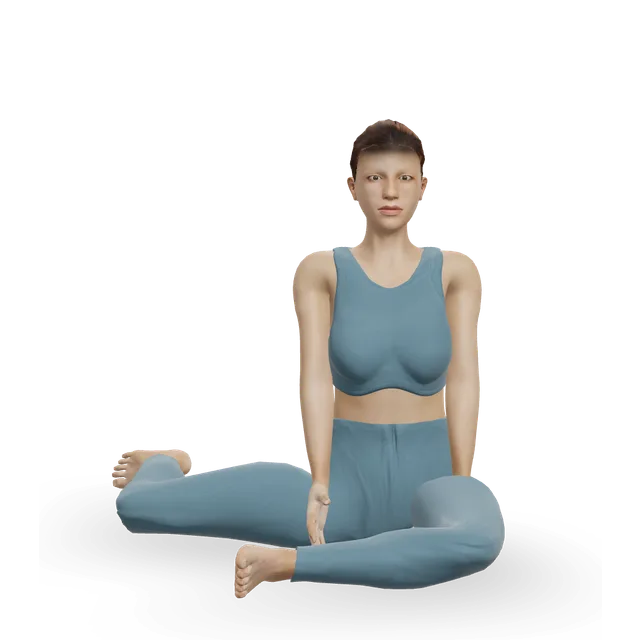
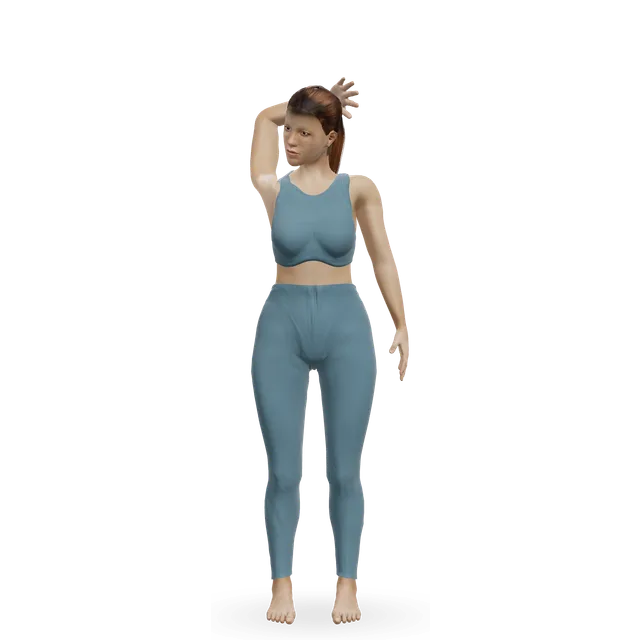
Controlled articular rotations (CARs): slow, controlled circles of one joint at the edge of its range while the rest of your body stays still. The idea comes from a commercial system, Functional Range Conditioning. Neck, shoulder, hip and ankle CARs are in the moves below.

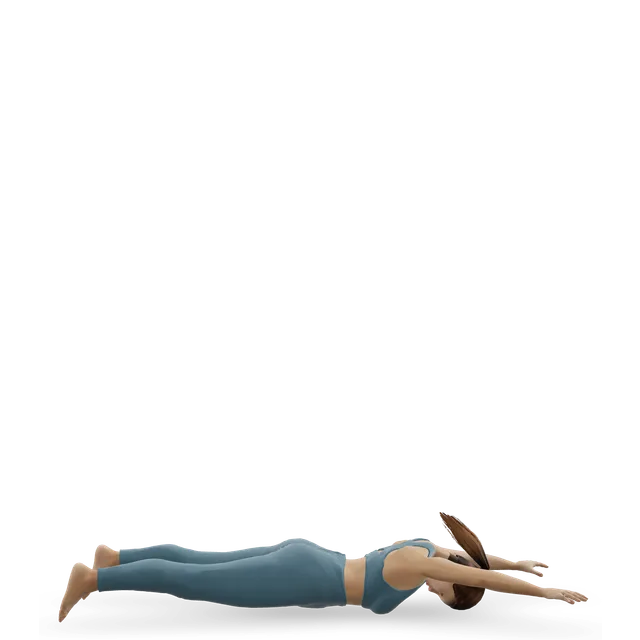
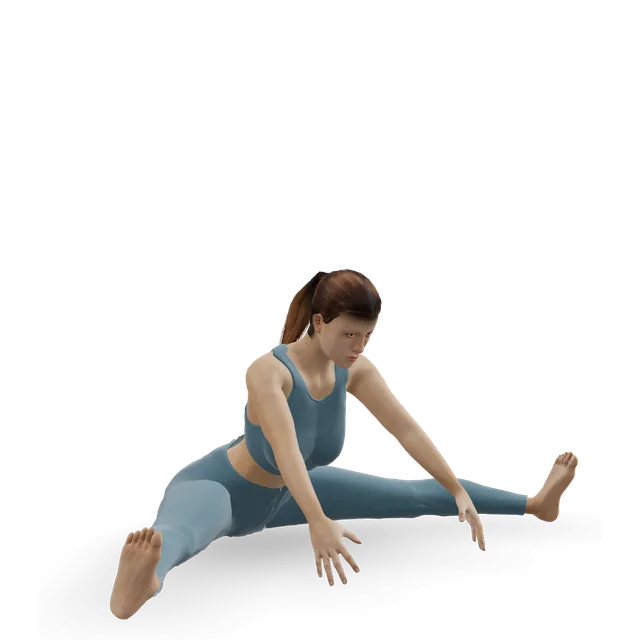
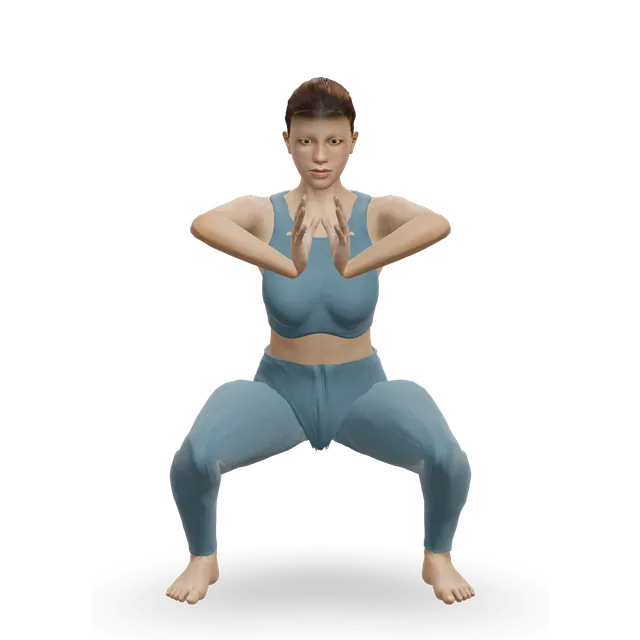
End-range strength: lifting or holding a limb at the end of its range under your own power, such as the 90/90 hip lift-off, the active pancake lift-off or prone swimmers for the shoulders.

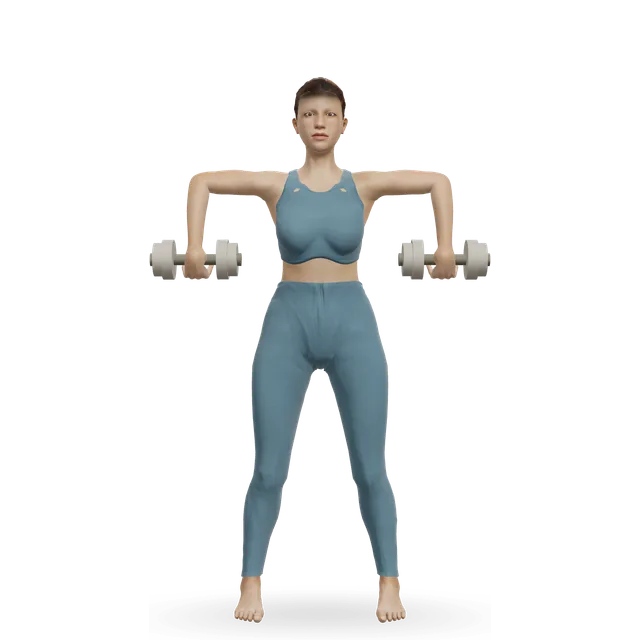
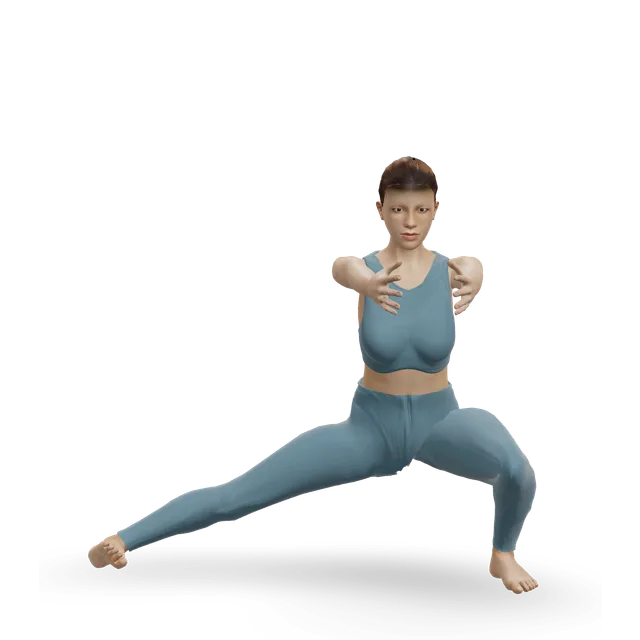
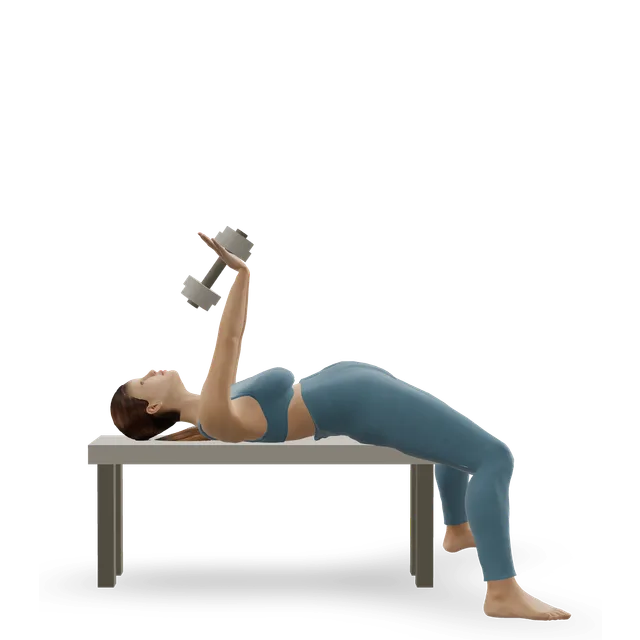
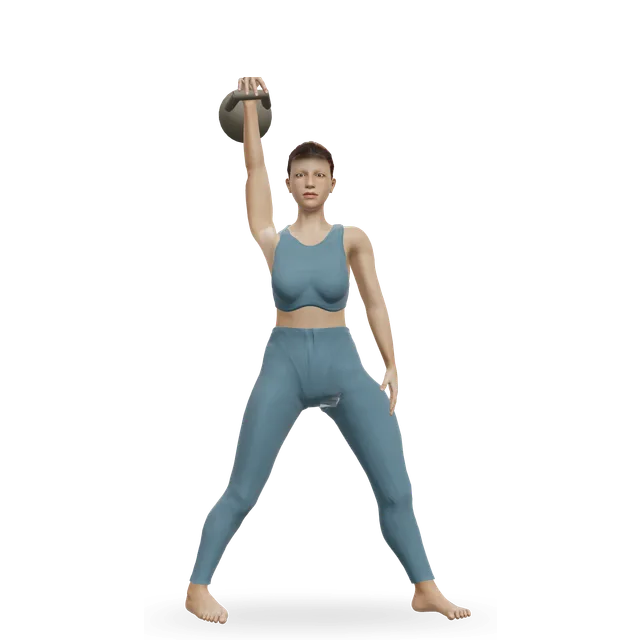
Loaded stretching, or full-range strength work: lifting through a long range so the muscle works while lengthened, such as Romanian deadlifts, deep split squats, Cossack squats and dumbbell pullovers. More advanced lifters use the Jefferson curl and the Sots press.

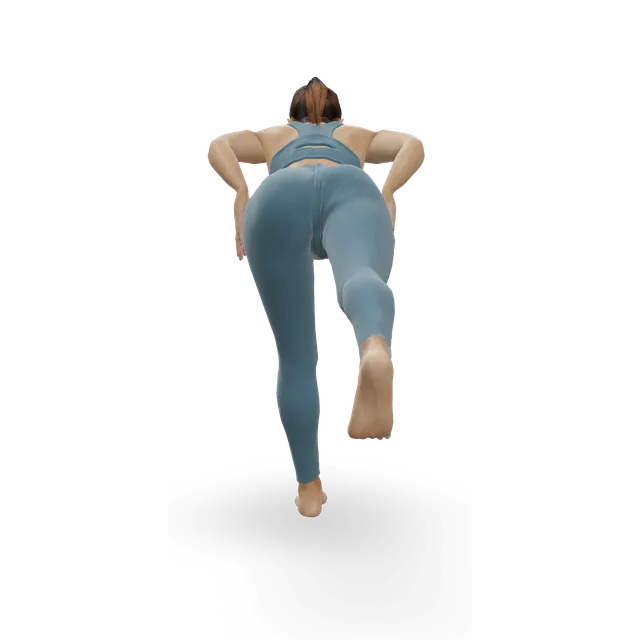
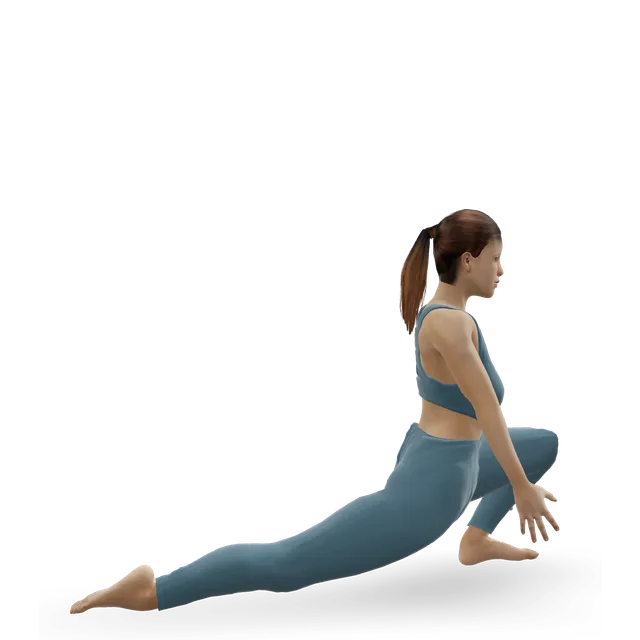
Flows and moving drills: yoga flows, the world's greatest stretch, 90/90 switches and leg swings, usually as warm-ups.

What the evidence says

Full-range strength training builds rangeStrong evidence

In 11 head-to-head trials, strength training and stretching improved range by similar amounts. Across 55 studies, resistance training with a load improved range, though training with body weight alone didn't significantly. Across 17 studies, slow-lowering (eccentric) training gave large gains in leg range.

Sources 4, 5, 6, 13

End-range strength builds active rangeEmerging evidence

In 39 female dance students over 6 weeks, end-range hip flexor strengthening and gentle stretching both improved active range more than moderate-to-hard stretching; all three improved passive range. It is one small trial.

Source 2

Passive range doesn't transfer on its ownEmerging evidence

In 24 young men with stiff hips, 6 weeks of stretching, with or without extra hip and spine control exercises, produced large gains in passive range, but they used no more hip range in lunges, standing hip extension, twisting or on an elliptical trainer. The authors suggest practising, or grooving, the new range in the movements you want to use it in.

Source 7

CARs: one single-session trialMixed evidence

In 28 young adults with limited hip rotation, hip CARs (two 1-minute bouts) increased hip rotation as much as static stretching, by about 5 to 7 degrees, and the gain was still there 15 minutes later. We found no long-term trials and no studies of injuries.

Source 8

Branded mobility systems: no trials found

We searched for trials of Functional Range Conditioning and other branded systems in October 2026 and found none. That doesn't mean they don't work; it means their claims are untested.

Before exercise, any warm-up does the jobStrong evidence

Any warm-up activity loosens you up for a while, typically under 30 minutes, and stretching and foam rolling do it no better than cycling, jogging or strength exercises. Our warm-up guide has a 10-minute dynamic warm-up.

Sources 9, 10

How to fit it in

Our editorial starting point

If you enjoy it, a 10- to 15-minute routine of joint circles and end-range strength on most days keeps joints moving and suits desk days and rest days. There's no tested dose for this.

For lasting range in one jointMixed evidence

Use the flexibility doses: hold stretches for 30 to 60 seconds on most days, or strength train through a full range at least twice a week for 5 weeks or more, the dose that improved range in trials. One meta-regression found stretching gains peaked at about 10 minutes per muscle a week, but it conflicts with two other reviews, so treat that as a rough target.

Sources 1, 4, 14, 15

Before a workout

Use a short dynamic warm-up rather than a long mobility session. Static stretches are optional; if you want them, keep them under 60 seconds per muscle, as our warm-up guide explains.

Sources 10, 12

Practise the position you want

Want a deeper squat or a straighter overhead press? Practise that position with a light load, as well as stretching for it, so the new range carries over (our suggestion, following the trial above).

Source 7

Joint circles (CARs)

2 to 3 slow circles each way, as big as you can control, with the rest of you still (doses from each move's page).

Rotation and range

6 to 10 slow reps each side, moving only as far as you control (doses from each move's page).

Strength at the end of your range

Short holds of 3 to 8 seconds at the end of your range, or a few slow reps (from each move's page). Several are hard: start with the 90/90 lift-off and the wall angel.

Loaded range

Full range with a load, at least twice a week: in trials this built as much range as stretching. 2 to 3 sets of 5 to 10 slow reps is our starting point.

Routines

Use the daily mobility routine on desk days or rest days, and the dynamic warm-up before training.

Mobility for older adults

Strength, balance and getting aboutStrong evidence

For older adults, mobility means being able to get about. The UK guidelines for people aged 65 and over say to do activities that improve strength, balance and flexibility on at least 2 days a week. Our older adults guide has the detail.

Sources 3, 16

YogaEmerging evidence

In trials of older adults, yoga improved balance, leg strength and lower-body flexibility.

Source 17

Warning signs

Call 999 (911 in the US) or go to A&E

After an injury, if you heard a crack, the limb has changed shape or is pointing at an odd angle, it is numb, tingling or has pins and needles, or the skin has turned blue or grey or feels cold.

Source 18

Dizziness or tingling with neck circles

Stop if neck circles bring on dizziness, light-headedness or tingling into an arm. Make the movement smaller, with separate turns and nods, and see a GP if it keeps happening. Our neck pain guide has more.

A shoulder that feels unstable

If a shoulder feels as if it slips during circles or hangs, leave out end-range shoulder work and see a physiotherapist. Our shoulder dislocation guide has the strengthening plan.

A pinch at the end of your range

A pinch at the front of the hip or ankle is the joint, not a stretch: stay just short of it, and see a GP or physiotherapist if it keeps happening (our suggestion).

Myths

"Mobility and flexibility are the same thing"Strong evidence

Flexibility is the range a joint can move through. Trainers use mobility for the range you can reach and control yourself, and in older people's health care it means getting about.

Sources 1, 2, 3

"Static stretching is outdated; mobility drills work better"Strong evidence

Static and contract-relax stretching build the most lasting range, and in the one trial we found, hip CARs and static stretching gave the same short-term gain.

Sources 8, 12, 14

"Mobility work prevents injuries"Mixed evidence

No trial has tested mobility routines for injury prevention. In the closest evidence, stretching programmes didn't prevent sports injuries, while strength and balance training did.

Sources 11, 12

"Daily CARs keep your joints healthy and lubricated"Mixed evidence

Untested: we found no human trial of CARs beyond a single session, and none that looked at joint health.

Source 8

"You need a special mobility system"Emerging evidence

We found no trials of branded systems, while ordinary strength training through a full range improves range about as much as stretching.

Sources 4, 5

"Loaded stretching builds lots of muscle"Strong evidence

The expert panel doesn't recommend stretching as a main way to build muscle: the small gains seen needed 15 minutes or more of stretching per muscle a day, on at least 5 days a week, for 6 weeks or more. To build muscle, lift through a full range.

Source 12

"Mobility work fixes posture"Strong evidence

The expert panel agreed unanimously that stretching doesn't change posture. Our posture guides cover what helps instead.

Source 12

Questions people ask

What is mobility training?

Exercise that trains you to move through your range under control: slow joint circles (controlled articular rotations, or CARs), strength at the end of your range and lifting through a full range of motion. There's no agreed scientific definition; trainers use it to mean active range, the range you can reach and hold yourself.

What's the difference between mobility and flexibility?

Flexibility is how far a joint can move, often with help from gravity, a strap or a partner. Mobility, as trainers use the word, is how much of that range you can reach and control on your own. For older adults, health services use mobility to mean getting about, such as walking.

Is mobility training worth it?

If you need range you can control, yes, especially strength work through a full range, which improves flexibility as much as stretching. But range gained passively doesn't automatically show up in how you move, and no trial shows that mobility routines prevent injuries.

What are CARs?

Controlled articular rotations: slow circles of one joint at the edge of its range, with the rest of the body still. The only trial we found was a single session, in which hip CARs increased hip rotation as much as static stretching.

How often should I do mobility work?

There's no tested dose. A 10- to 15-minute routine on most days is reasonable if you enjoy it. For lasting range in a particular joint, use the flexibility doses (holds of 30 to 60 seconds on most days) or strength train through a full range at least twice a week.

Should I do mobility work or stretching before a workout?

Either is fine, and neither is essential: any warm-up loosens you up for a while, and stretching or foam rolling does no better than other warm-up activities. Our 10-minute dynamic warm-up combines moving drills with a rehearsal of the main movements.

Does mobility work prevent injuries?

No trial shows that it does. Stretching programmes haven't prevented sports injuries, while strength and balance training have.

What is loaded stretching?

Using a weight to load a muscle while it's lengthened, such as a slow Romanian deadlift or a deep split squat. Lifting through a full range improves flexibility about as much as stretching. Stretching itself builds little muscle: the small gains seen needed 15 minutes or more per muscle a day.

What are the best mobility exercises?

The ones that train the range you need. Good general choices are hip and shoulder circles, 90/90 switches and lift-offs, Cossack squats, deep squat holds and Romanian deadlifts; our 12-minute routine strings the basics together.

Do I need mobility work if I lift weights?

Not necessarily: lifting through a full range already improves flexibility, and a review of 55 studies concluded that extra stretching may not be needed if you lift with a load. Add mobility work for specific positions you can't reach, such as a deep squat or an overhead press.

What mobility exercises suit older adults?

For older adults, mobility mainly means strength, balance and getting about. The UK guidelines ask for activities that improve strength, balance and flexibility on at least 2 days a week, and yoga improved balance, leg strength and flexibility in trials. Our older adults guide has the detail.


Sources

  1. Ingram 2025 · The dose of static stretching that improves flexibility: 189 studies, 6,654 adults (meta-analysis and meta-regression, Sports Medicine)
  2. Wyon 2013 · Strength training vs stretching for active and passive range in 39 dance students (randomised trial, JSCR)
  3. Webber 2010 · Mobility in older adults: a comprehensive framework (The Gerontologist)
  4. Afonso 2021 · Strength training versus stretching for range of motion: 11 trials (systematic review and meta-analysis, Healthcare)
  5. Alizadeh 2023 · Resistance training and range of motion: 55 studies (systematic review and meta-analysis, Sports Medicine)
  6. Kay 2023 · Eccentric training and passive leg range of motion: 17 studies (systematic review and meta-analysis, MSSE)
  7. Moreside 2013 · Hip flexibility gains and movement patterns in 24 men (randomised trial, JSCR)
  8. Head 2026 · Controlled articular rotations vs static stretching for hip rotation in 28 young adults (randomised trial, Int J Exerc Sci)
  9. Behm 2016 · Acute effects of muscle stretching on performance, range of motion and injury (systematic review, Appl Physiol Nutr Metab)
  10. Warneke 2024 · Foam rolling and stretching are no better than other warm-ups for acute flexibility: 38 studies (meta-analysis, J Sport Health Sci)
  11. Lauersen 2014 · Exercise to prevent sports injuries: strength training vs stretching, 25 trials (meta-analysis, BJSM)
  12. Warneke 2025 · Practical recommendations on stretching (Delphi consensus of 20 experts, J Sport Health Sci)
  13. Diong 2022 · Eccentric exercise and joint flexibility in adults: 27 trials (systematic review and meta-analysis, Musculoskeletal Science and Practice)
  14. Konrad 2024 · Long-term stretching and range of motion: 77 studies, 3,870 people (systematic review and meta-analysis, J Sport Health Sci)
  15. Thomas 2018 · Stretching type, weekly time and frequency, and range of motion: 23 studies (systematic review, Int J Sports Med)
  16. NHS · Physical activity guidelines for older adults
  17. Sivaramakrishnan 2019 · Yoga and physical function in older adults (systematic review and meta-analysis of randomised trials, IJBNPA)
  18. NHS · Sprains and strains

Exercise education, not a personal prescription, and clinical review of these guides is pending. Check with a GP before starting hard training if you have a heart condition, chest pain, dizziness or breathlessness when active, and stop for sharp or increasing pain. Health disclaimer.