Kettlebell windmill
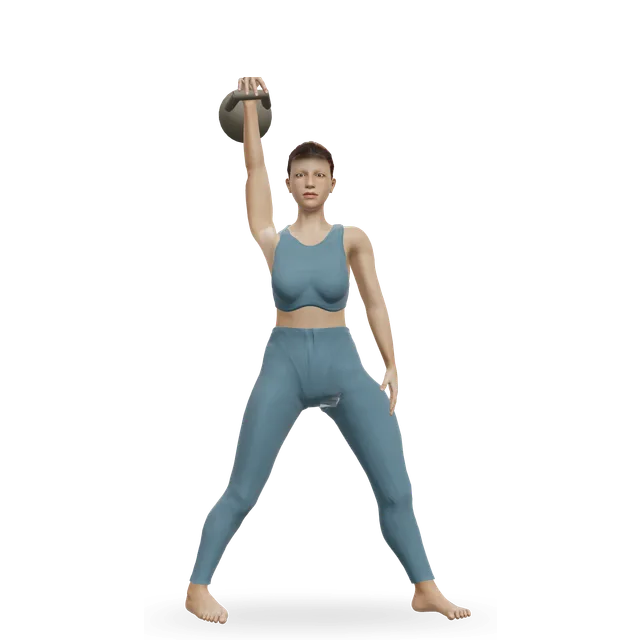
With a light kettlebell locked out overhead and both feet turned about 45 degrees away from it, you push your hip out under the bell and fold sideways and down, sliding your free hand down the inside of the front leg, eyes on the bell. It is the standard windmill, the free hand guiding you down; the harder version tucks that arm behind the back. StrengthLog lists the glutes, hamstrings and deltoids as its main muscles. There are no trials of the windmill itself.
Movement guide
Kettlebell windmill
Loading the 3D figure…
Make it easier or harder
Choose a version that fits your control and comfort.
Easier option
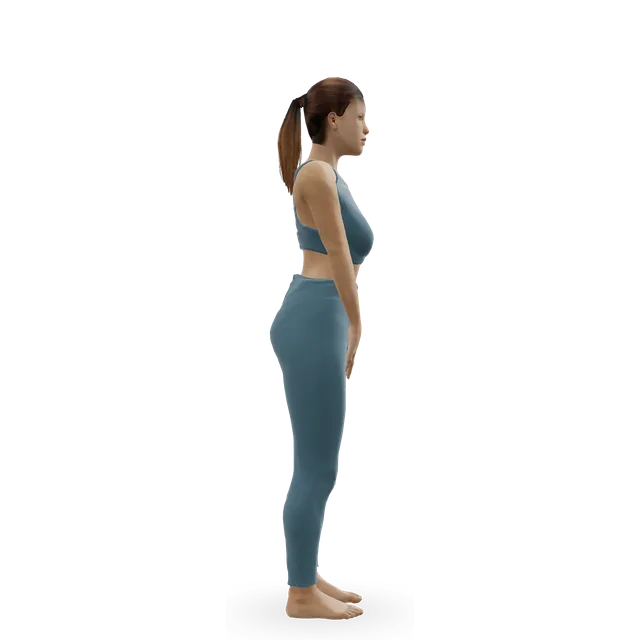 3D demoHip-hinge practiceBeginner · No equipment
Suggested next step, beginner grade.
Harder option
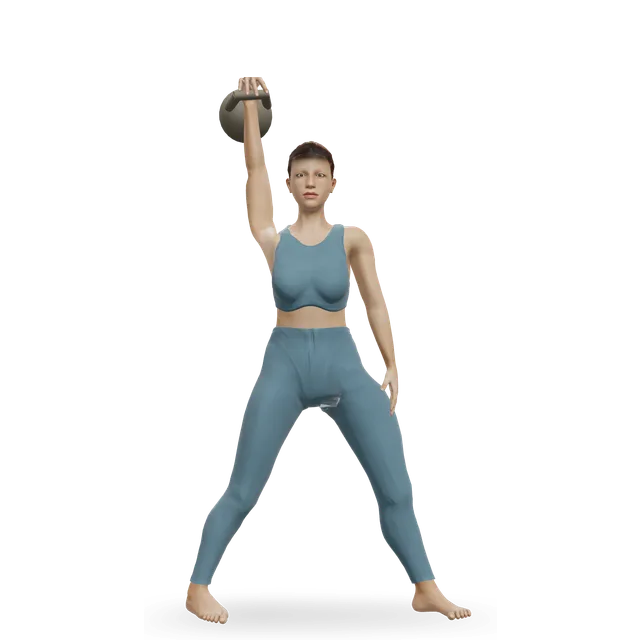 3D demoDouble kettlebell windmillAdvanced · A kettlebell
Similar move, advanced grade.
Source-researched guide.
How to move
- Press a light kettlebell overhead in one hand and lock the arm. Stand with your feet a little wider than your hips, both turned about 45 degrees away from the bell.
- Look up at the bell and push the hip on the bell side out to the side.
- Fold sideways and down over the front leg, sliding your free hand down the inside of that leg toward the floor, the bell arm vertical and locked.
- Go only as far as you control, then drive through your legs and hips to stand tall, the bell stacked over your shoulder.
Form cues
- Eyes on the bell throughout.
- Fold at the hip rather than bending at the waist.
- Avoid: letting the bell drift forward or back.
Practice and cautions
2 to 3 sets of 3 to 5 slow reps each side with a light bell, resting fully between sets (our editorial starting point).
The overhead arm stays vertical and locked; the moment the elbow bends or the bell drifts, the rep is over. To bail, steer the bell down to the floor in front of you, or let it fall away from your body and step the opposite way; never let it come down toward your head, and keep your eyes on it throughout. This bends and twists the spine under load: leave it out with osteoporosis or a past spinal fracture. This is movement education, not an assessment or treatment prescription. Stop for sharp or increasing pain, dizziness, numbness or tingling; seek individual guidance for symptoms, injury or restrictions.
Sources and review status
Sources support the educational description; they do not establish that this exercise is suitable for you.
- ACE · High windmill (advanced; the bell pressed overhead, the free hand sliding down the inside of the leg, eyes on the bell) ↗
- StrengthLog · Kettlebell windmill (the feet turned away from the bell, eyes on it; the glutes, hamstrings and deltoids the main muscles) ↗
- Meigh 2019 · Kettlebell training in clinical practice: mostly small, low-quality studies with trivial to small effects (scoping review, BMC Sports Sci Med Rehabil) ↗
- Free Exercise DB · alias and muscle metadata ↗
Unlicense · Free Exercise DB contributors; derived from wrkout/exercises.json. Text import; no photographs or media. · Revision f00c92c7dcf1216a928a52c3706c7ce8e2f71ed5
No variation is labeled clinically validated.
What it works
Muscles
Main: Abs. Also: Glutes, Hamstrings, Shoulders, Triceps.
Anatomy: Rectus abdominis, Obliques, Transversus abdominis.
Equipment
A kettlebell
Level
Intermediate. See the easier and harder options above.
Workouts that use it
Guides that use it
Similar moves
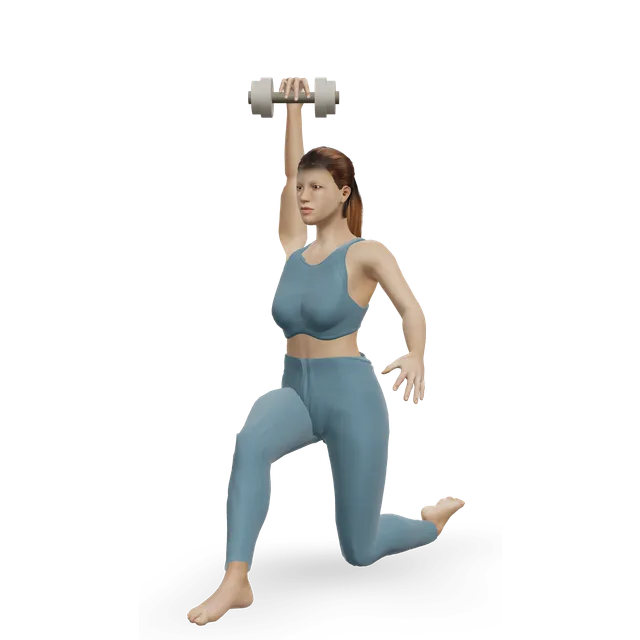 3D demoTurkish get-upAdvanced · A kettlebell + A dumbbell
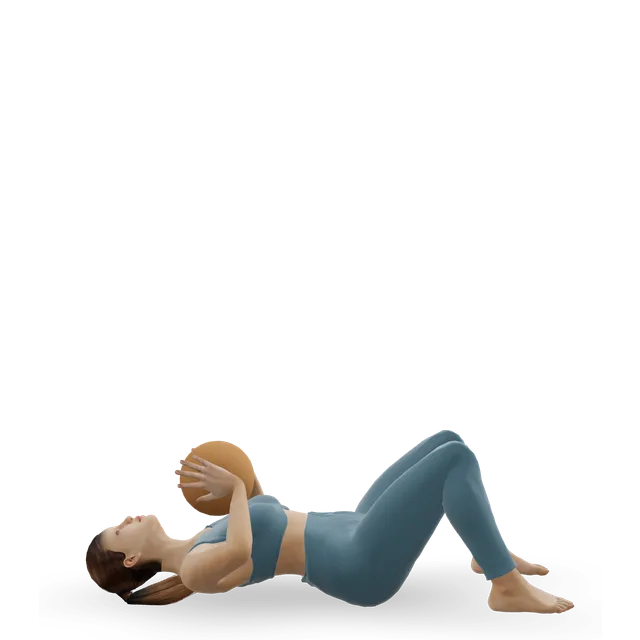 3D demoBarbell press sit-upAdvanced · A barbell + A bench or box
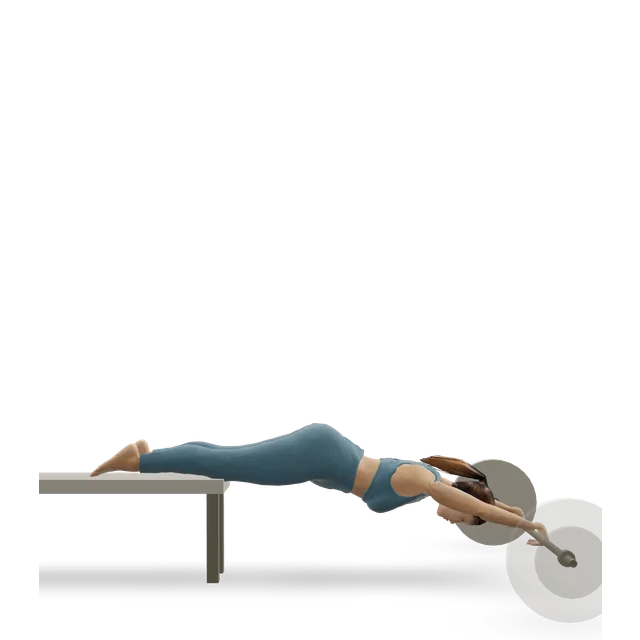 3D demoBarbell rollout with the knees on a benchAdvanced · A barbell + A bench or box
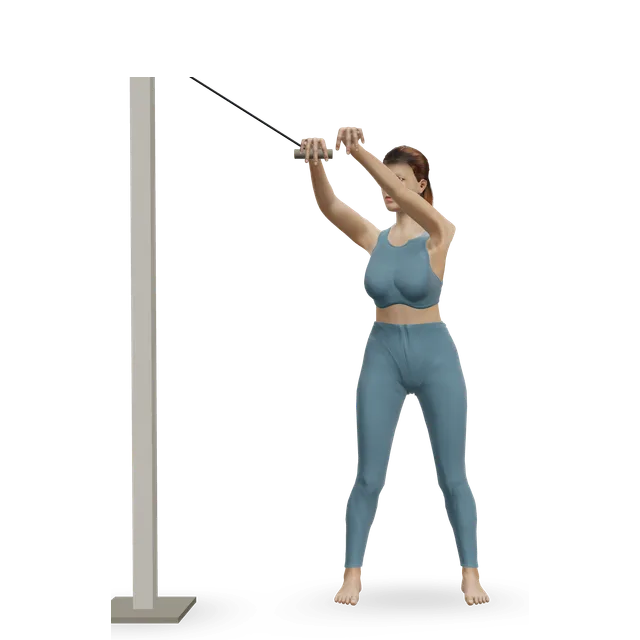 3D demoCable wood chopAdvanced · A cable machine
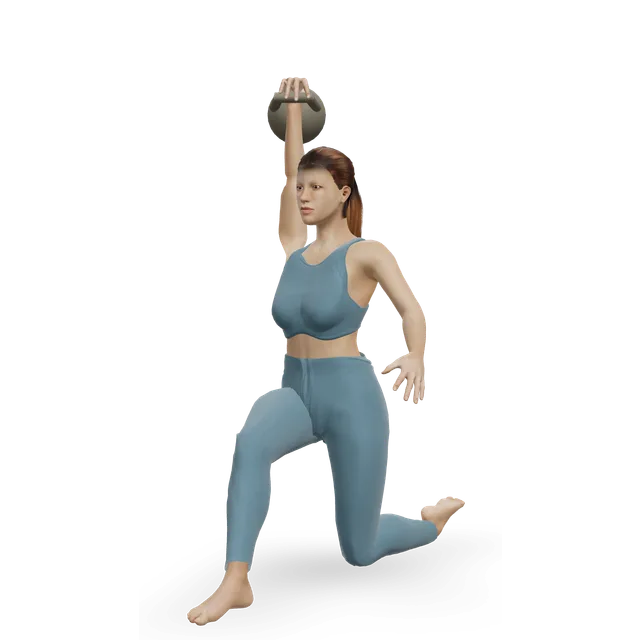 3D demoKettlebell Turkish get-up (lunge style)Advanced · A kettlebell
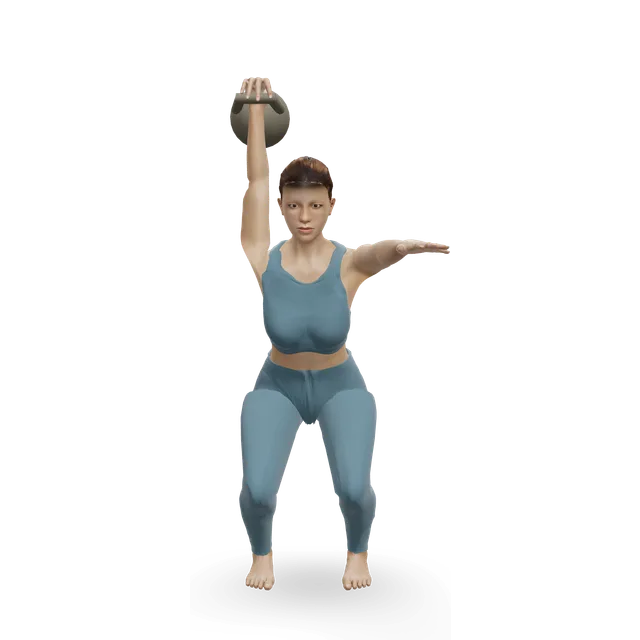 3D demoKettlebell Turkish get-up (squat style)Advanced · A kettlebell
Browse more
Questions people ask
What muscles does the Kettlebell windmill work?
Mainly the abs, with help from the glutes, hamstrings, shoulders and triceps.
What equipment do I need for the Kettlebell windmill?
A kettlebell.
Is the Kettlebell windmill good for beginners?
It is graded intermediate. If it is too hard right now, start with the Hip-hinge practice.
What is an easier alternative to the Kettlebell windmill?
Try the Hip-hinge practice. It is the suggested step down from this move.
How do I make the Kettlebell windmill harder?
Progress to the Double kettlebell windmill or the Kettlebell windmill, free arm behind the back. Follow that guide’s technique and any stated timing.