How to do a kettlebell windmill: the hinge, the reach and the bell overhead
A kettlebell windmill is a slow hip hinge to the side with a bell locked out overhead. With your feet turned away from the bell, you push your hip out and fold down over your other leg, your free hand sliding down its inside and your eyes on the bell, then stand back up. It trains you to hold an arm steady overhead while your hips move underneath.
No study has measured the windmill, so what it does for your shoulders, hips and trunk is coaching experience rather than research, and we say so.
This guide shows the hinge and the reach step by step with 3D demos, easier and harder versions, a light starting weight and dose, what it's likely to work, and who should leave it out, including anyone with osteoporosis or a past spinal fracture.
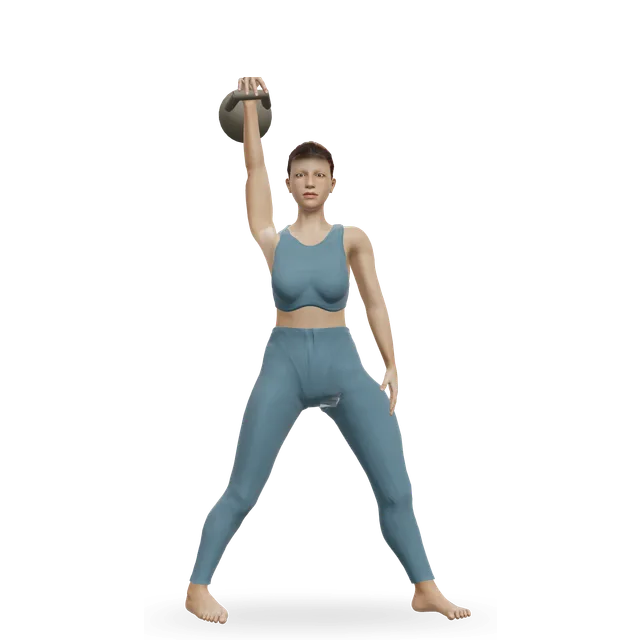
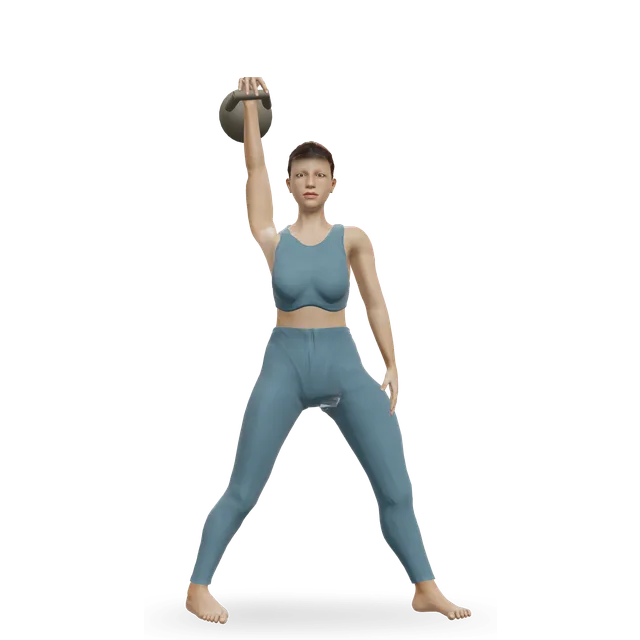
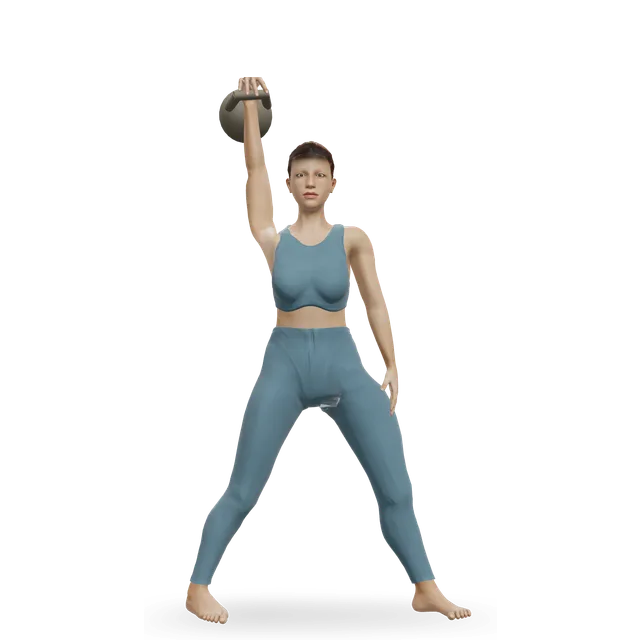
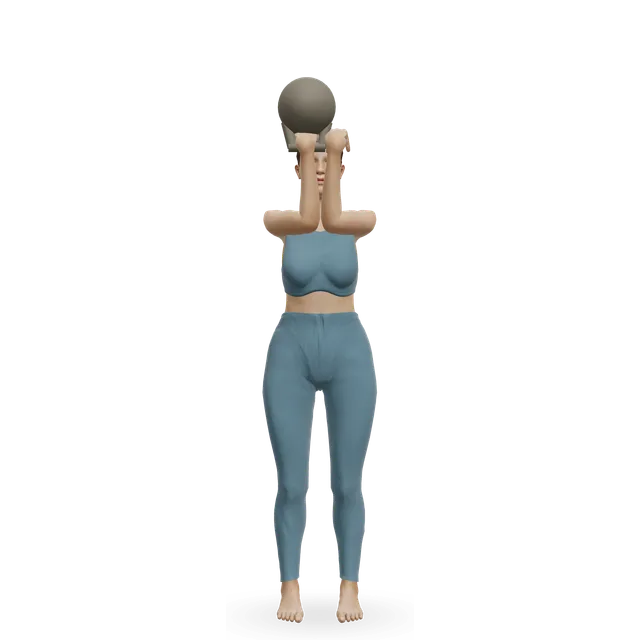
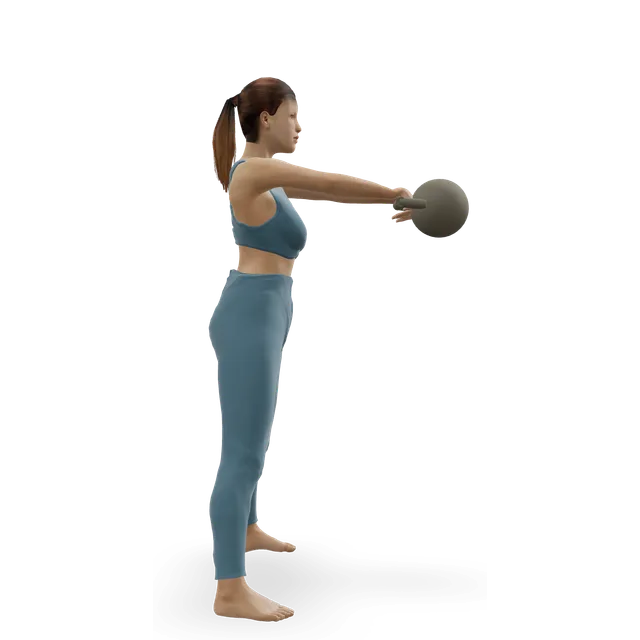
Lock a light bell overhead, turn your feet away from it, push the hip on the bell's side out, and fold down over your other leg as your free hand slides down its inside, eyes on the bell. Then push that leg into the floor and stand tall.
The American Council on Exercise (ACE) has you keep your back straight while "sinking back" into the hip under the bell. Go only as far as your back stays long and your arm stays vertical.
We found no study of its muscle activity, joint loads or training effects. It has appeared only inside a 12-week kettlebell programme of 11 exercises, so its own effect can't be separated. Its claimed benefits for the shoulders, hips and trunk are plausible, but untested.
ACE rates both the high and the low windmill advanced. Learn the shape with an empty fist overhead, then do 2 to 3 sets of 3 to 5 slow reps each side with a light bell, resting fully between sets (the editorial starting point on our windmill move page). Treat it as control work, not a lift to push.
Leave it out with osteoporosis or a past spinal fracture
It bends and twists the spine under a load, so our move pages leave it out for people with osteoporosis or a past spinal fracture. The UK consensus on osteoporosis advises modifying or avoiding repeated, end-of-range and loaded forward bending.
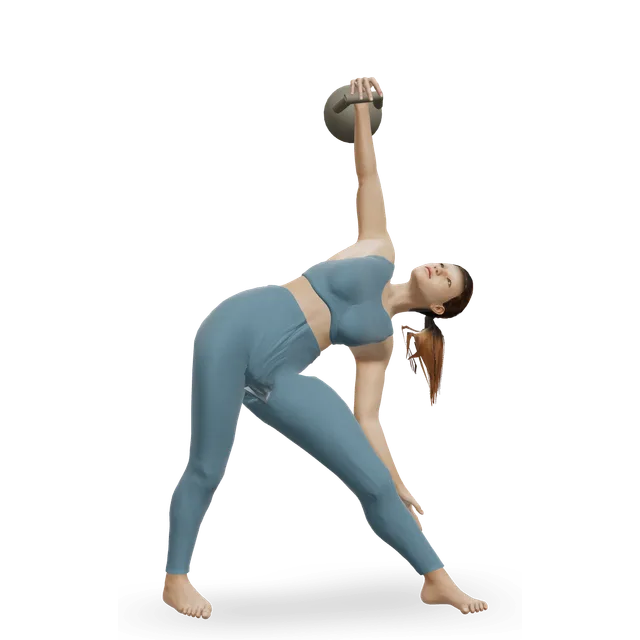
ACE's description: feet wider than shoulder-width, the bell pressed straight overhead and the arm kept straight, the back kept straight "while sinking back into the left hip" under a left-hand bell, looking up at the bell "while allowing the right arm to drop along the inside of the right leg". To stand, push the right leg into the floor and push the hips forward, raising the back "up straight and tall".
The bell hangs in the lower hand instead, along the front of the thigh, while the empty hand points straight overhead. You sink back into your hips and lower the bell along the inside of the leg, looking up at the raised arm. There's no 3D demo of it on its own.
The double windmill joins the two, with one bell overhead and one in the low hand. The bent press uses the same fold to get under a bell rather than pressing it up. The Turkish get-up shares the steady arm overhead, and our get-up guide puts the windmill after it.
What it works: no study has measured it
A coaching source lists the glutes, hamstrings and shoulders as its main muscles and the lower back, abs, rotator cuff, lats and trapezius as helpers. That's a description, not a measurement. The hips fold while your trunk tilts and turns towards the bell, and your shoulder holds a vertical arm as your body moves underneath it.
A good hip hinge (our deadlift and Romanian deadlift guides) and a steady, pain-free arm straight overhead: wrist straight, elbow locked, arm vertical, your shoulder blade moving with your arm, as in our get-up guide. If you can't reach overhead without arching your lower back, work on that first.
How people differ
Your hamstrings and hips set how far you go. Your hand may reach your knee, your shin or the floor, and all are fine if your back stays long and the bell stays over your shoulder (our view). A shorter range is the easier option, not a fault.
How to do a kettlebell windmill, step by step
Built on ACE's high windmill and our windmill move page (feet turned about 45 degrees; a coaching source says "slightly"). Letting the front knee bend and bringing the bell down the way it went up are our editorial suggestions.
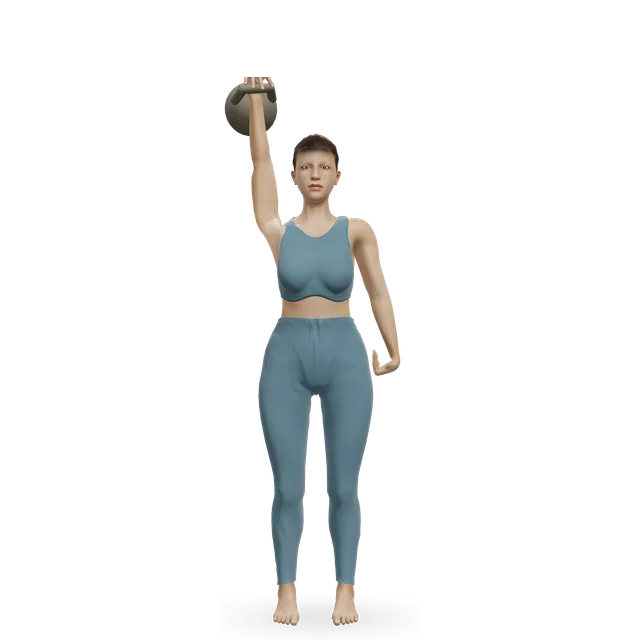
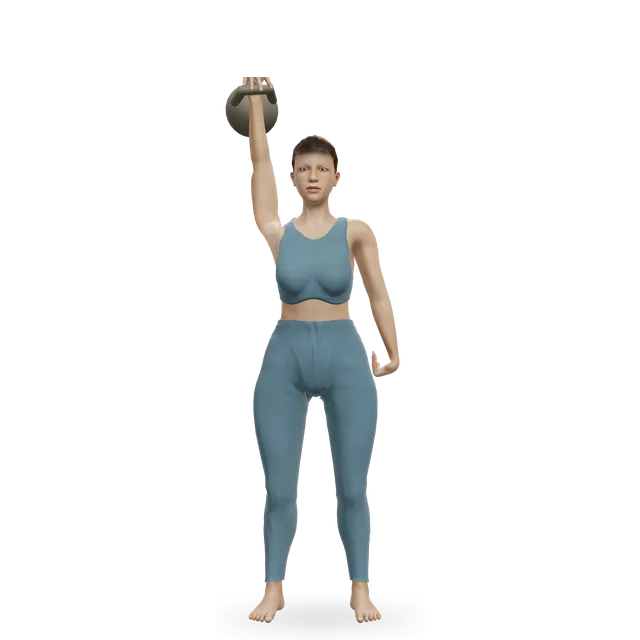
Get a light bell overhead, by cleaning and pressing it or lifting it with both hands, and lock your arm with your wrist straight.
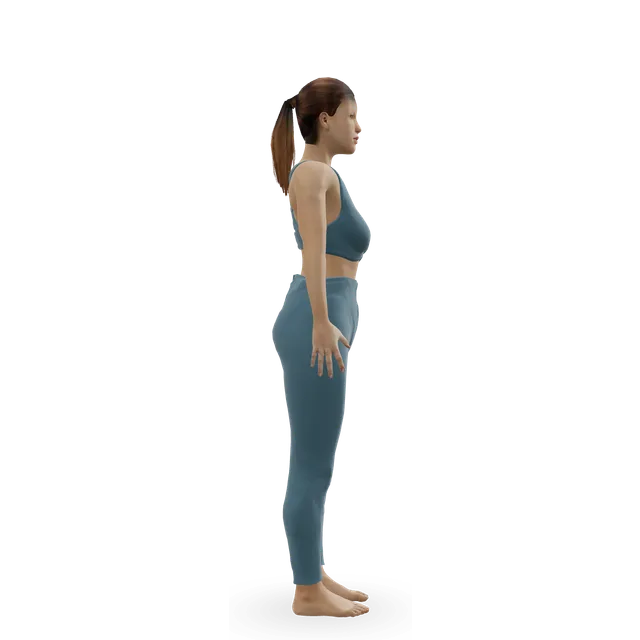
Stand with your feet a little wider than your hips and turn them both about 45 degrees away from the bell.
Look up at the bell and push the hip on the bell's side out to that side.
Fold sideways and down over your front leg, sliding your free hand down the inside of that leg towards the floor, the bell arm vertical and locked.
Go only as far as you can keep your back long and the bell steady; let your front knee bend a little if your hamstrings stop you.
Push your front leg into the floor and your hips forward to stand tall, the bell stacked over your shoulder.
Bring the bell down the way it went up, then change sides. To bail, steer the bell down to the floor in front of you, or let it fall away from your body and step the other way, never towards your head.
Loading the 3D figure…
Drag to turn
Gets into position, then repeats the movement. Technical checks passed; qualified exercise review is pending.
Our move page has your feet a little wider than your hips; ACE has them wider than shoulder-width. Both turn your feet away from the bell (about 45 degrees on our move page, "slightly" in a coaching source), which lets your hip move back under the bell.
Stop where your back would start to round or the bell would start to drift (our move page). Depth comes with practice; there's no prize for touching the floor.
Breathing
Breathe normally: in as you fold, out as you stand (our suggestion). Don't hold your breath.
If it goes wrong
The moment your elbow bends or the bell drifts, the rep is over. Steer the bell down to the floor in front of you, or let it fall away from your body and step the opposite way; never let it come down towards your head, as our move page says.
What the evidence says
No study has measured the windmillMixed evidence
We found no study of its muscle activity, joint loads or training effects. It was one of 11 exercises (3 sets of 10 each side in a sample week) in a 12-week kettlebell programme that improved fitness compared with no training in 20 obese male students aged 17 to 26, alongside a bodyweight group that did about as well. The windmill's own part can't be separated.
Strength training through a full range improves range of motionEmerging evidence
Across 11 trials of 452 people, strength training through a full range improved range of motion about as much as stretching, though the studies varied a lot. It's a reason to think a controlled windmill could help your range, not evidence that it does.
A 2019 review of 99 kettlebell publications found mostly small, low-quality studies with trivial to small effects. The windmill's case rests on coaching experience.
For osteoporosis, a UK consensus advises modifying or avoiding sustained, repeated or end-of-range forward bending, and bending with an added load, and calls smooth, comfortable twisting safe. The windmill combines a loaded hinge with a turn under a weight held overhead.
An empty fist overhead teaches the shape. 2 sets of 5 each side (editorial); the standard windmill demo shows the movement.
Easier: a smaller range
Fold only to your knee at first, and go deeper over weeks as your hips and hamstrings allow.
Easier: the low windmill
The bell in your bottom hand and the empty hand overhead, so your shoulder doesn't hold a weight. ACE still rates it advanced, and there's no 3D demo of it on its own.
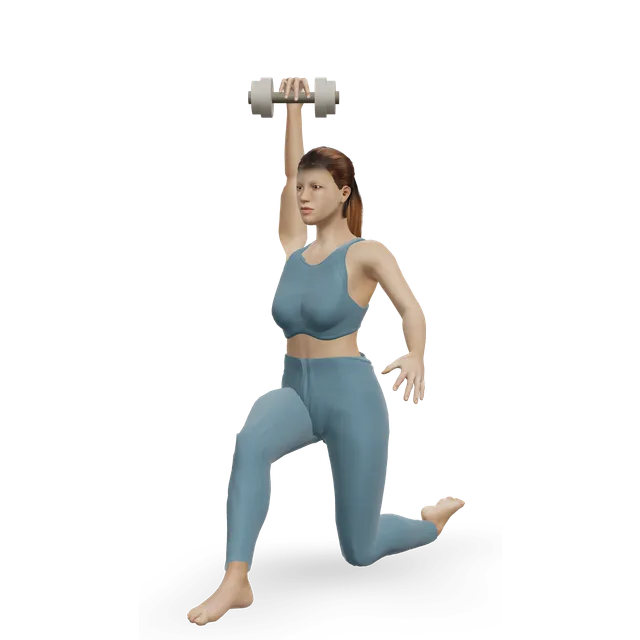
Some coaches teach the windmill kneeling on one knee to shorten the fold. There's no 3D demo of it.
Harder: the free arm behind your back
Without the hand sliding down your leg for support, your trunk works harder. Learn the standard windmill with a light bell first (its move page).
Harder: the double windmill
A bell overhead and a second taken from the floor by your front foot. Set the low bell down first if the top bell drifts (its move page).
A relative: the bent press
The same fold, used to get under a bell from the rack until the arm is straight. It needs real shoulder mobility and some twist through the upper back, so build up from a very light bell (its move page).
How heavy, how many and how often
Choose the bell
Start with no bell, then a light bell you can hold steadily overhead with a straight arm, lighter than your press bell (our editorial suggestion). If your elbow bends or the bell wobbles, it's too heavy for now.
Sets and reps
2 to 3 sets of 3 to 5 slow reps each side, resting fully between sets: the editorial starting point on our windmill move pages. Our kettlebell workout does 2 sets of 5 each side as a finisher.
How hard
Treat it as control work with a little load: slow, steady, every rep the same depth or less (our suggestion). There's no need to push it to fatigue.
How often
Once or twice a week, at the end of a session, or with no bell in a warm-up (our suggestion). It's a small part of a week built on the NHS's strengthening activities for all the major muscles on at least 2 days.
Depth and control first, then a slightly heavier bell, then the free arm behind your back or the double windmill (our move pages). No study has timed it, so build depth over weeks, not sessions.
Your back and your bones
The fold belongs at your hip
ACE keeps the back straight as you sink into the hip. Our move page's cue is to fold at the hip rather than bending at the waist. Most of the stretch you feel should be at the back of your legs and hip, not in your lower back (our reading).
Osteoporosis and past spinal fracturesStrong evidence
Leave it out, as our move pages say: the windmill bends and twists the spine under a load. The UK consensus advises avoiding loaded and end-of-range forward bending; it calls smooth, comfortable twisting safe, but the windmill combines the two under a weight. Side planks and the open book train similar areas without the loaded bend.
With back pain, leave it out until ordinary hinging is comfortable, and stop any movement that sends pain, pins and needles or numbness down a leg, as our back pain guides advise. The NHS advises staying active with back pain.
Leave it out until it settles, as our back pain and sciatica guides advise.
A painful, stiff or unstable shoulder
Do it with no bell and your top hand on your hip, or leave it out (our suggestion), and see our shoulder pain guide. After a dislocation, stop short of any feeling that the shoulder might slip.
Pregnancy
Keep it only if you already do it confidently and it stays comfortable. Tommy's advises avoiding exercises where a weight could hit your bump or you could lose your balance, and the NHS says to stop if you feel uncomfortable, too hot or unwell.
Keep the bottom of the fold brief, since our breathing guide advises avoiding long head-down positions with glaucoma, and breathe steadily. The American Heart Association says people with controlled high blood pressure can safely do low to moderate resistance training with proper breathing.
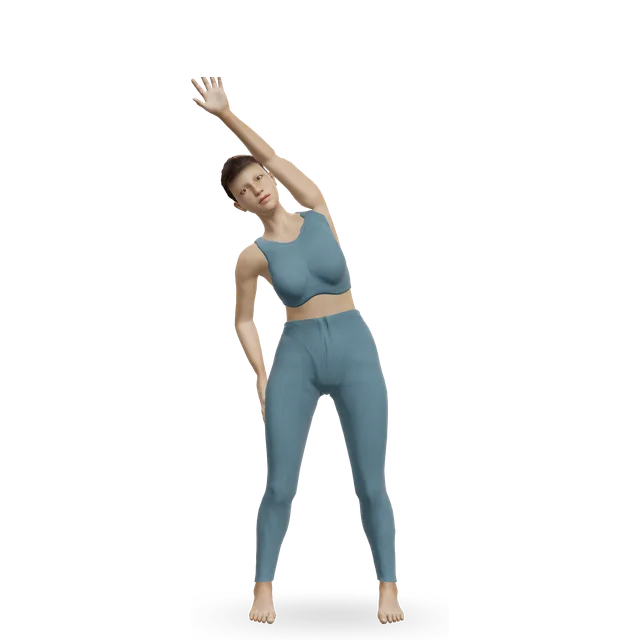
Work up in order: hip-hinge practice, 8 reps (our kettlebell workout); the overhead side bend, 3 slow bends a side (its move page); an overhead carry, 2 walks of 10 to 15 m each arm, and the get-up (our get-up practice); then the windmills and the bent press at 2 to 3 sets of 3 to 5 slow reps each side with a light bell (their move pages).
Side planks, 2 sets of 20 to 30 seconds each side (full-body dumbbell workout B); thoracic rotations, 6 a side, and open books, 8 to 10 slow openings a side; hip airplanes, 2 sets of 5 slow turns each leg; Cossack squats, 6 slow shifts a side (each their move page's dose); the hamstring stretch, 30 seconds each side (our swing workout); and the one-arm overhead squat, 2 to 3 sets of 5 to 8 each arm (its move page), for later.
Our kettlebell workout ends with 2 sets of 5 windmills each side; Learn the Turkish get-up builds the overhead hold first, and kettlebell workout B adds get-ups and an overhead carry.
If you get chest pain or pressure, feel faint or dizzy, are unusually breathless, or your heart races or beats irregularly during exercise, as our plans advise. The American Heart Association says these need immediate medical evaluation.
For chest pain that comes on suddenly and doesn't go away, feels like squeezing or pressure, or spreads to your arms, neck, jaw, stomach or back; severe difficulty breathing; palpitations that don't go away, or come with chest pain, breathlessness or feeling faint; someone who faints while exercising; a headache that starts suddenly and is extremely painful; or glaucoma symptoms that come on suddenly, such as intense eye pain, a red eye, rainbow circles round lights or blurred vision. Don't drive yourself to A&E.
If back pain comes with pain, tingling, weakness or numbness in both legs; loss of feeling around your genitals or anus; difficulty peeing, or peeing or pooing yourself; changes in how your genitals feel during sex; or chest pain, or if it started after a serious accident.
If back pain comes with feeling hot, cold, shivery or generally unwell, or is severe and started suddenly or is getting worse quickly; or for sudden or very bad shoulder pain, an arm you can't move, or pins and needles that don't go away. In the US, contact your doctor or urgent care.
If back pain hasn't improved after a few weeks or is worse at night; shoulder pain is getting worse or hasn't improved after 2 weeks; after any faint; or for dizziness that won't go away or keeps coming back.
See a GP if you think you have a hernia. Get help from NHS 111 if you have a hernia and pain in or around it, a bloated tummy, sickness, constipation, a high temperature or sudden confusion. Call 999 or go to A&E only for a femoral hernia (a small lump at the top of your thigh, in your groin) with very bad tummy pain, sickness, being unable to fart or poo, a high temperature or sudden confusion.
Your back should stay long: the movement is a hinge to the side, folding at the hip. No study has measured what it stretches; strength training through a full range improved range of motion about as much as stretching in general, but that hasn't been tested for the windmill.
"Windmills are proven to build bulletproof shoulders"Mixed evidence
Holding a bell steady overhead while your body moves under it plausibly trains shoulder control, but no study has measured it, and its only trial appearance was inside a 12-week programme of 11 exercises.
Depth depends on your hips and hamstrings. Stop where your back stays long and the bell stays over your shoulder; touching the floor by rounding your back misses the point.
Lock a light bell overhead, turn both feet away from it and push the hip on the bell's side out. Fold down over your other leg, sliding your free hand down its inside with your eyes on the bell, then push that leg into the floor and your hips forward to stand tall.
What does the kettlebell windmill work?
No study has measured it. Coaching sources list the glutes, hamstrings and shoulders, with the trunk and upper back helping, and it asks your shoulder to hold a vertical arm while your hips fold underneath.
Are kettlebell windmills worth it?
As a slow drill for overhead control and hip range, they can be, but the benefits are coaching claims: the windmill has appeared only inside one 12-week programme, where its own effect can't be separated. If it bothers your back or shoulder, other moves train the same areas.
Is the kettlebell windmill bad for your lower back?
It shouldn't load your back much if you fold at the hip and go only as far as your back stays long. With osteoporosis or a past spinal fracture, leave it out, and with back pain, wait until ordinary hinging is comfortable.
What weight should I use for kettlebell windmills?
Start with no bell, then a light one you can hold steadily overhead with a straight arm, lighter than your press bell. It's a control drill, not a lift to push.
How many kettlebell windmills should I do?
2 to 3 sets of 3 to 5 slow reps each side, resting fully between sets, once or twice a week. That's our editorial starting point; our kettlebell workout does 2 sets of 5 each side.
Where should my feet point in a kettlebell windmill?
Turn both feet away from the bell, about 45 degrees on our move page. That lets your hip move back under the bell so you fold at the hip rather than bending your back.
Should I learn the windmill or the Turkish get-up first?
The get-up. It teaches the steady arm overhead the windmill needs, and our get-up guide puts the windmill after it.
What can I do instead of the kettlebell windmill?
For your trunk, a side plank; for your upper back and hips, thoracic rotations, the open book and hip airplanes. For overhead control, an overhead carry with a light bell, if your shoulder is pain free.
What's the difference between a high and a low windmill?
In the high windmill the bell is locked overhead; in the low windmill it hangs in your lower hand while your empty hand points up. ACE rates both advanced, and the double windmill joins them with two bells.
Exercise education, not a personal prescription, and clinical review of these guides is pending. Check with a GP before starting hard training if you have a heart condition, chest pain, dizziness or breathlessness when active, and stop for sharp or increasing pain. Health disclaimer.