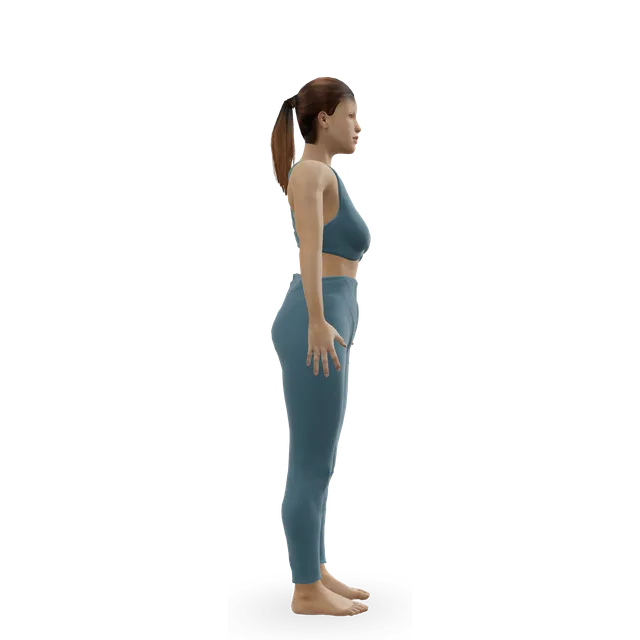
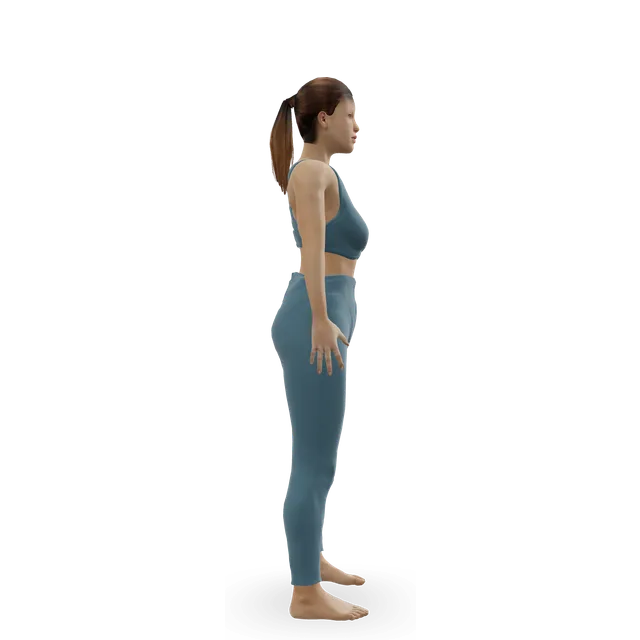
How do you do a kettlebell swing properly?
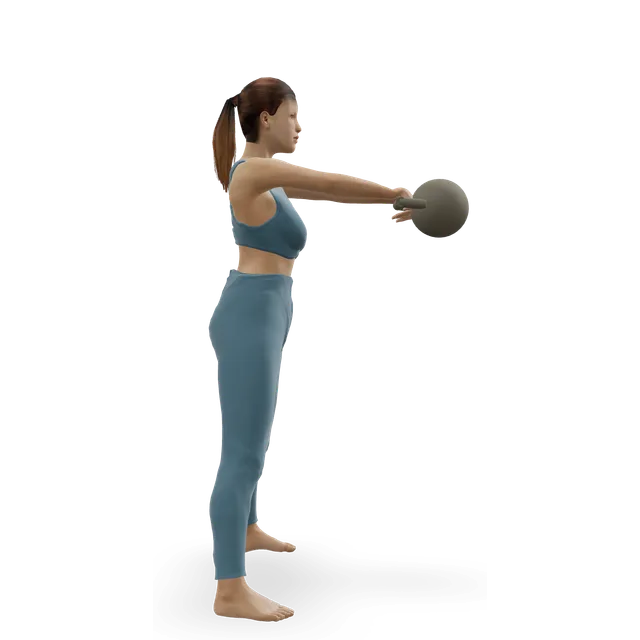
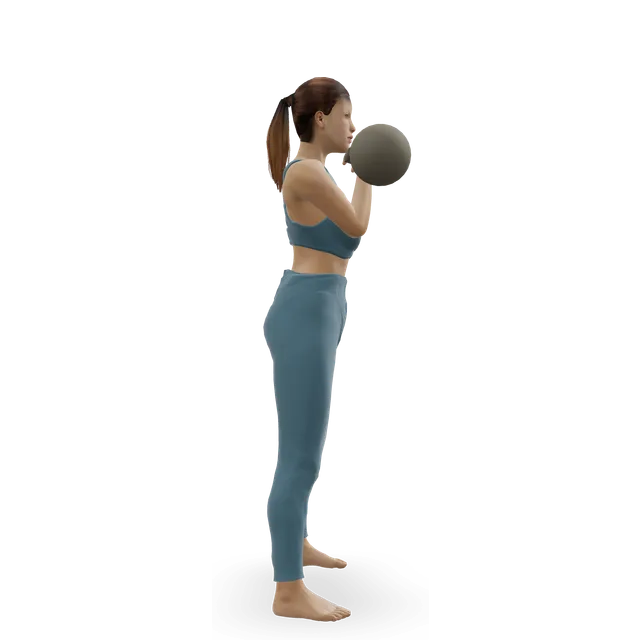
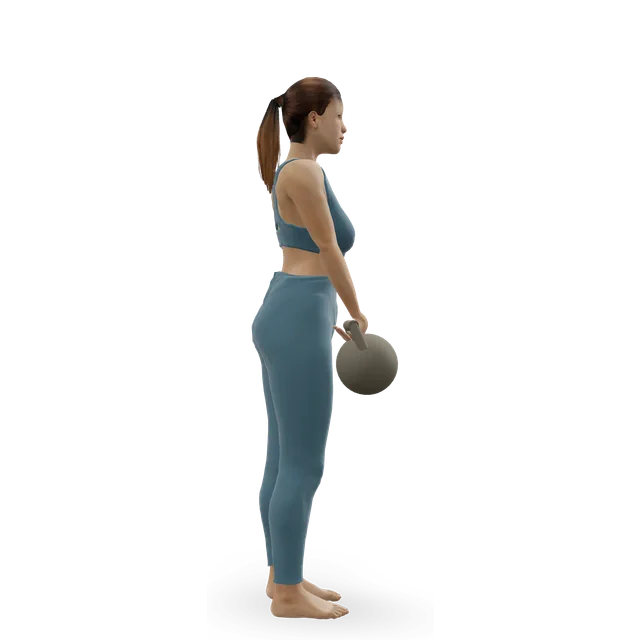
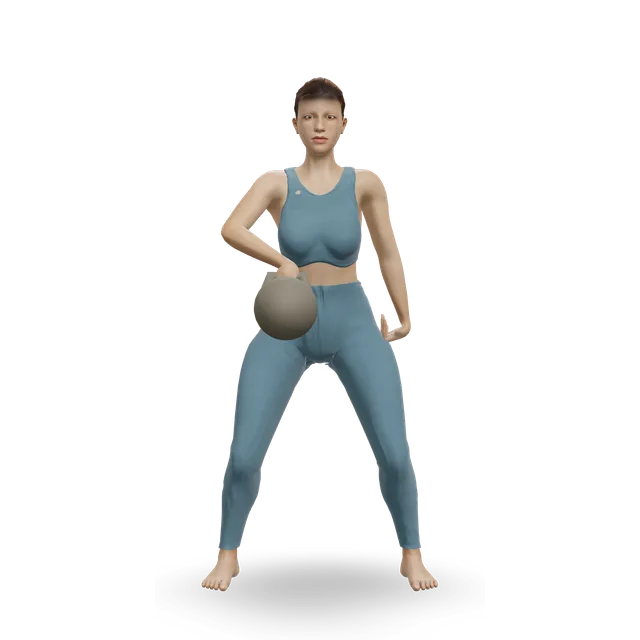
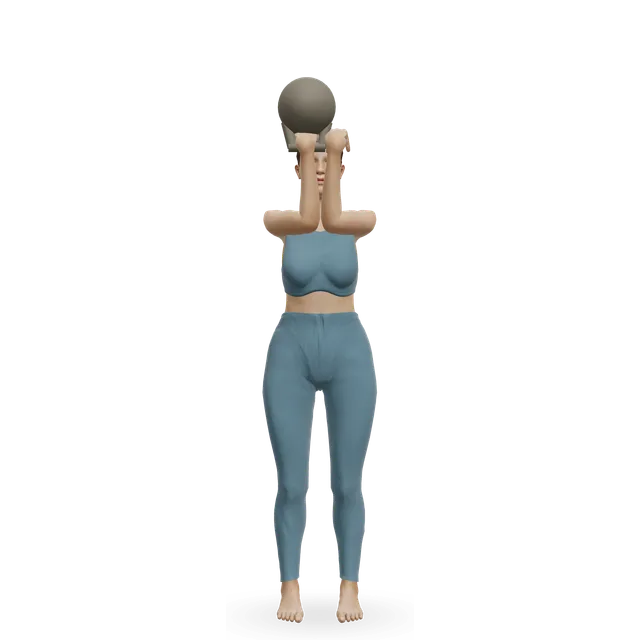
Push your hips back to hike the bell between your thighs, then snap your hips forward so it floats up to about chest height, your arms only steering it. Let it fall, stay tall until your forearms meet your hips, then hinge again. Learn the hip hinge and the kettlebell deadlift first, and park the bell on the floor after every set.
Is a kettlebell swing a squat or a hinge?
A hinge: your hips go back and your knees bend only a little, with your shins nearly vertical. In one study, the hinge-style swing worked the hamstrings harder than a squat-style swing. If your knees travel forward and your hips drop, you're squatting it.
How high should the kettlebell go in a swing?
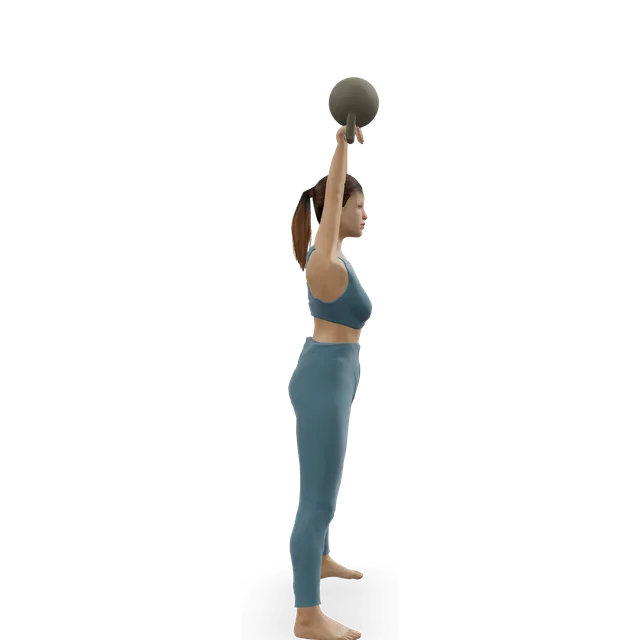
In a Russian swing, to about chest or shoulder height, floated there by your hips rather than lifted by your arms. The American swing, CrossFit's version, goes overhead. Learn the chest-height swing first.
Russian or American kettlebell swing: which is better?
Neither has been shown to be better or safer. The overhead swing asked more of the hips in experienced women and takes longer per rep, but it needs full, pain-free overhead reach, and its researchers suggest adding bell weight before going overhead. We found no study of shoulder load or injury in the American swing.
What weight kettlebell should I use for swings?
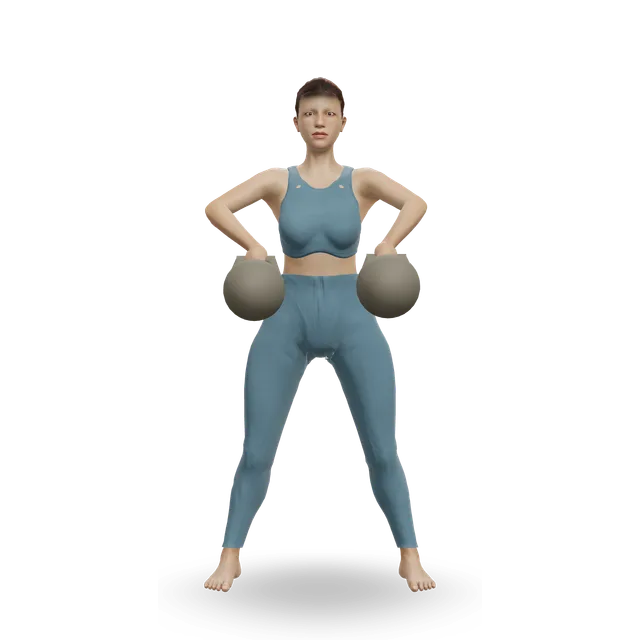
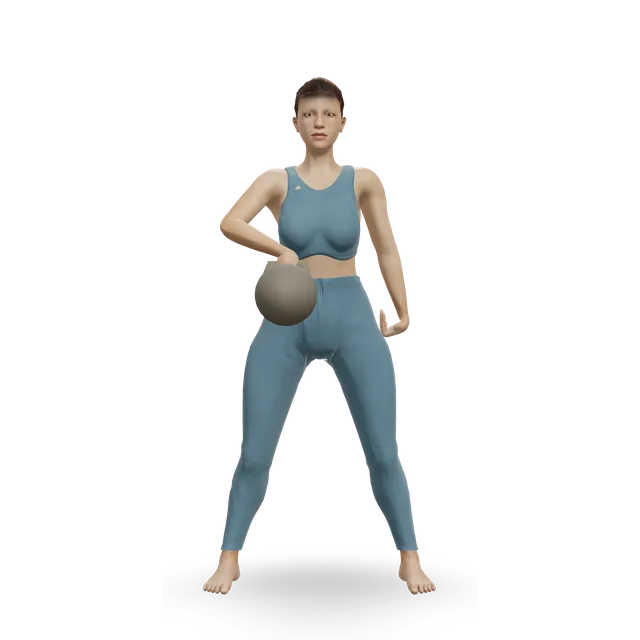
Choose by test: a bell you can deadlift easily for 10 reps and swing crisply for 10, with your hips floating it to chest height. Trials used 12 or 16 kg in young men and 12 to 20 kg in experienced adults. StrongFirst's starter sets begin at 8 kg for women and 16 kg for men, but no trial has compared starting weights.
Are kettlebell swings bad for your back?
Usually not. Swings load the lower back moderately while the hips do most of the work, and kettlebell training eased back pain in a workplace trial, but a few people find swings irritate their back. If your lower back, not your hips, is working, go back to kettlebell deadlifts for a week.
Why do kettlebell swings hurt my lower back?
Usually because your hips aren't doing the work: you're squatting the swing, lifting with your arms, leaning back at the top or rounding as you hinge. Go lighter, film a set from the side and practise the kettlebell deadlift. Back pain with numbness or weakness in both legs, or changes in your bladder or bowels, needs urgent care.
How many kettlebell swings should I do?
While you're learning, 6 to 8 sets of 5 to 8. After that, 5 sets of 10 in a strength session, or 30 seconds on and 30 seconds off for 6 rounds, building to 12, as in a 6-week trial. End each set while every swing is still crisp.
Can I do kettlebell swings every day?
No trial has tested daily swings; the trials used two or three sessions a week. Keep hard swing sessions to two or three a week, with a day between. A few easy practice sets on other days are reasonable.
Are kettlebell swings cardio?
Partly. Swings push your heart rate up faster than your oxygen use: 12 minutes of swings averaged 87% of maximum heart rate but 65% of maximum oxygen uptake, and kettlebell training didn't change aerobic fitness in one trial. Keep your walks, runs or rides too.
How should I breathe during kettlebell swings?
Coaches differ: a StrongFirst article times the breath with the hip snap, while ACE's article breathes in as the bell rises and out as it falls, and we found no study comparing them. We suggest breathing in as you hike the bell back and out sharply as your hips snap through. Either way, don't hold your breath through the set.
Can I do kettlebell swings with a dumbbell?
Yes: hold one dumbbell vertically by one end with both hands and swing it the same way (our suggestion). Keep it to chest height while you learn. Our overhead swing demo uses a dumbbell.