Kettlebell halo
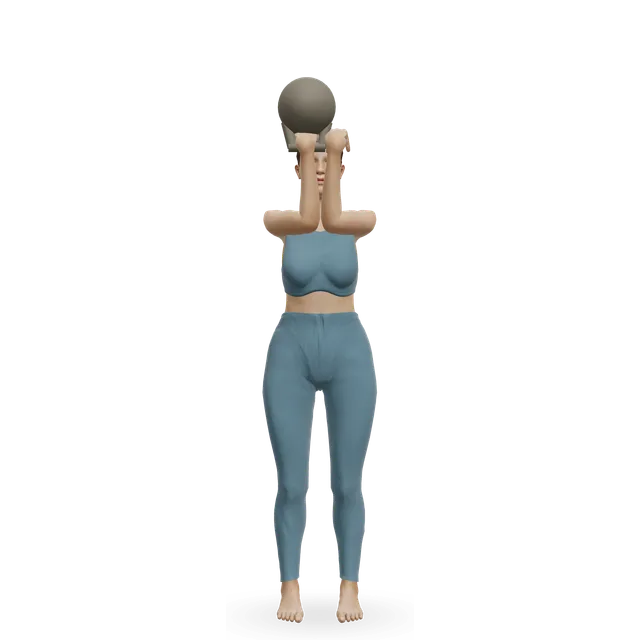
Holding a light kettlebell upside down by the horns at your chest, you circle it slowly around your head, close to the skull, one way and then the other, with your ribs down and your trunk still. It is the plain circle; the halo with overhead extension adds a triceps extension behind the head. StrengthLog lists the front, side and rear deltoids as its main muscles. There are no trials of the halo, so treat it as a light shoulder warm-up.
Movement guide
Kettlebell halo
Loading the 3D figure…
Make it easier or harder
Choose a version that fits your control and comfort.
Easier option
Use a lighter weight or resistance in this same movement, following the guide's setup. ACSM 2026 resistance training position stand
Harder option
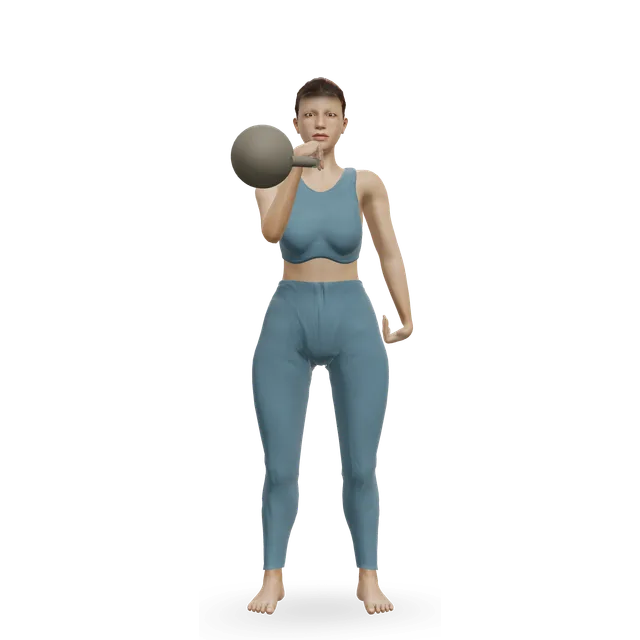 3D demoOne-arm kettlebell push pressIntermediate · A kettlebell
Similar move, intermediate grade.
Source-researched guide.
How to move
- Stand with your feet about shoulder-width apart and your knees soft, holding a light kettlebell upside down by the horns in front of your chest, elbows close to your body.
- Brace your trunk so your ribs stay down, and keep your head still.
- Move the bell up past one ear and round behind your head, letting your shoulder blades glide, then past the other ear and back to your chest, keeping it close to your head all the way.
- Finish the set in one direction, then circle the other way.
Form cues
- Small, slow circles; the bell stays close.
- Keep your face out of the bell's path.
- Avoid: arching your back as the bell passes behind your head.
Practice and cautions
2 to 3 sets of 5 to 8 slow circles each way with a light bell, as part of a warm-up (our editorial starting point).
Keep the circle small and the neck relaxed; a wide, fast orbit turns it into a swinging weight beside your head. If your grip tires or the bell wobbles, bring it back to your chest and set it on the floor rather than finishing the circle, and keep your face out of its path. This is movement education, not an assessment or treatment prescription. Stop for sharp or increasing pain, dizziness, numbness or tingling; seek individual guidance for symptoms, injury or restrictions.
Sources and review status
Sources support the educational description; they do not establish that this exercise is suitable for you.
- ACE · Halo (a kettlebell held by the horns and circled round the head; rated advanced) ↗
- StrengthLog · Kettlebell halo (held upside down by the horns and kept close to the head; the deltoids the main muscles) ↗
- Meigh 2019 · Kettlebell training in clinical practice: mostly small, low-quality studies with trivial to small effects (scoping review, BMC Sports Sci Med Rehabil) ↗
- Free Exercise DB · alias and muscle metadata ↗
Unlicense · Free Exercise DB contributors; derived from wrkout/exercises.json. Text import; no photographs or media. · Revision f00c92c7dcf1216a928a52c3706c7ce8e2f71ed5
No variation is labeled clinically validated.
What it works
Muscles
Main: Shoulders. Also: Back, Triceps, Abs.
Anatomy: Deltoid, Rotator cuff, Supraspinatus, Infraspinatus, Subscapularis, Teres minor.
Equipment
A kettlebell
Level
Beginner. See the easier and harder options above.
Workouts that use it
Pain guides that use it
Part of a staged plan, with when to get help first.
Guides that use it
Similar moves
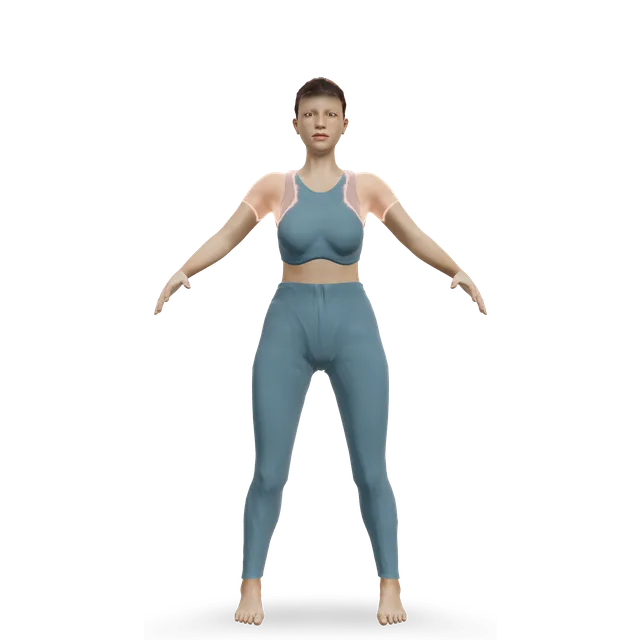 Kettlebell halo with overhead extensionIntermediate · A kettlebell
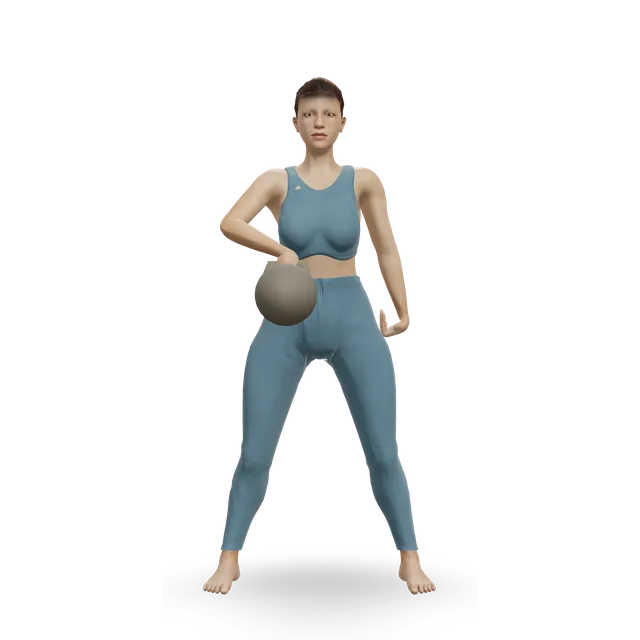 3D demoKettlebell snatchAdvanced · A kettlebell
 3D demoPush pressIntermediate · A barbell
 3D demoSplit jerkAdvanced · A barbell
 3D demoStanding overhead pressIntermediate · A barbell + A dumbbell
 3D demoTurkish get-upAdvanced · A kettlebell + A dumbbell
Browse more
Questions people ask
What muscles does the Kettlebell halo work?
Mainly the shoulders, with help from the back, triceps and abs.
What equipment do I need for the Kettlebell halo?
A kettlebell.
Is the Kettlebell halo good for beginners?
It is graded beginner, so it suits most people starting out. When it feels easy, try the One-arm kettlebell push press.
How do I make the Kettlebell halo harder?
Progress to the One-arm kettlebell push press or the Overhead carry (waiter's walk). Follow that guide’s technique and any stated timing.