Training guide

How to do kettlebell high pulls: the sumo high pull, the hips and the elbows, the step from the swing, and how many

A kettlebell high pull drives the bell up with your hips and finishes with your elbows guiding it to chest height. Two exercises share the name: the sumo high pull (sumo deadlift high pull), which lifts the bell from between your feet with both hands, and the one-arm high pull, which comes out of a swing and leads to the snatch. Keep your elbows no higher than your shoulders, and do 2 to 3 sets of 8 to 12 sumo high pulls or 3 sets of 5 one-arm high pulls each side.

Nobody has studied the kettlebell high pull itself, so this guide uses what's known about barbell high pulls, swings and the upright row it ends with, and labels our own reading. The elbow-height rule is our inference from upright-row evidence, and coaches differ on it.

It shows the sumo high pull on the 3D figure, teaches the one-arm version from the swing, explains how high your elbows should go and what that means for your shoulders, compares the high pull with the upright row, the swing and the clean, and covers which bell and how many.

The short version

Two exercises share the name

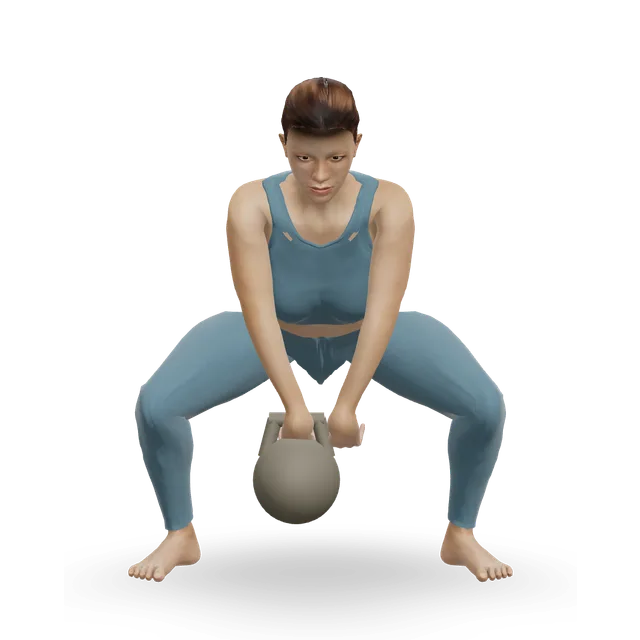
The kettlebell sumo high pull lifts a bell from between your feet in a wide stance and pulls it up the front of your body with both hands, as in our demo. The one-arm high pull comes out of a swing: the bell rises on the hip snap and you draw it up and back with a bent elbow, the step between the swing and the snatch.

Sources 1, 2

Hips first, arms last

Stand up hard, then pull. CrossFit teaches the order deadlift, shrug, pull, with the legs and hips fully straight before you shrug or bend your arms.

Sources 3, 1

Elbows no higher than your shoulders

With the bell at about chest height. Weight trainers who did upright rows above 90 degrees more often had signs of shoulder impingement, and the arm out to the side and turned in pressed hardest on the space under the shoulder's roof. Applying that to the high pull is our inference, and it matches our upright row guide; CrossFit pulls the bar to just below the chin, so coaches differ.

Sources 4, 5, 1

Nobody has studied the kettlebell version

Barbell high pulls are real power exercises: they produced more peak power than the hang clean in 17 men, and 10 weeks of hang high pulls improved jumping as much as loaded jump squats in 18 swimmers. How much of that carries over to a kettlebell is untested.

Sources 6, 7

The step from the swing

A comfortable one-arm swing first, then the clean, then the high pull, then the snatch, as coaches and our snatch guide teach it.

Sources 8, 2

How many

Sumo high pulls: 2 to 3 sets of 8 to 12, stopping 2 or 3 reps short (our move page's dose). One-arm high pulls: 3 sets of 5 each side (our snatch guide; editorial). End every set while each rep is crisp. Kettlebell work raises your heart rate more than it works your heart and lungs, so count it as strength and power first.

Sources 9, 10

What a kettlebell high pull is: two exercises, one name

The kettlebell sumo high pull

Our move page describes a bell between the feet in a wide stance, lifted by standing up and, in the same motion, pulled up the front of the body towards the shoulders, the elbows leading high and wide: a sumo deadlift that finishes as an upright row. CrossFit's barbell version pulls with the elbows moving high and outside, and says it can be done with dumbbells, kettlebells or any odd object.

Source 1

The one-arm high pull from the swing

A kettlebell coach places it between the one-arm swing and the snatch: as the bell rises towards chest height, you bend the elbow and guide it high and back. Hardstyle coaches describe the snatch's upswing as a swing, a high pull and a punch up, and StrongFirst uses the high pull to pattern the bell's path.

Sources 2, 11, 8

The joints

Your hips and knees straighten hard (the deadlift or swing part); then your shoulders shrug and your elbows bend while your upper arms lift out to the side and turn in (the upright-row part). The elbows travel up and out in the sumo version, up and back in the one-arm version.

The muscles

Your glutes, hamstrings, thighs and inner thighs drive the bell; your upper trapezius, the side and back of your shoulders and your biceps finish the pull. Nobody has measured a kettlebell high pull. In the barbell upright row, the side deltoid worked at 73% of its maximum in 16 men, and the trapezius at 85% with light weights in 12 women with neck muscle pain.

Sources 12, 13

What you need first

Sumo high pull: the kettlebell deadlift, as our move page asks, and comfortable arm raising to shoulder height. One-arm high pull: a comfortable one-arm swing, which one coach insists on before teaching it, and the clean, in StrongFirst's order and our snatch guide's.

Sources 2, 8

How people differ

Shoulders that pinch when the arm is raised and turned in, the position of a common impingement test, are a reason to keep the pull lower or leave it out; lifters with signs of impingement had weaker outward rotators and lower trapezius. Wide hips and stiff inner thighs change how a sumo stance feels: stand as wide as you can with your knees over your toes (editorial).

Sources 14, 15

What the evidence says

No study of the kettlebell high pull

We found no power, muscle activity or injury study of the one-arm or two-handed kettlebell high pull, or the kettlebell sumo high pull. The one trial that lists high pulls next to kettlebells put them in the weightlifting group: over 6 weeks in 30 men, the kettlebell group did swings, accelerated swings and goblet squats, the weightlifting group high pulls, power cleans and back squats, and weightlifting built more strength.

Source 16

The barbell high pull is a power exerciseEmerging evidence

In 17 men with hang clean experience, the high pull produced more peak power than the hang clean, with peak power at about 45% of a hang clean maximum in that lab's studies. In 8 weightlifters the hang high pull beat the hang power clean for peak power at 40, 60 and 70% of maximum, and in 12 trained men high pull power peaked at 70% of the high pull's own maximum. In a 10-week randomised trial in 18 swimmers, hang high pulls and loaded jump squats improved jumping and force alike.

Sources 6, 17, 18, 19, 7

Pulls without the catchEmerging evidence

Experts describe pulls without the catch as less complex teaching steps that may train hip, knee and ankle power as well as, if not better than, the full lifts. That's an expert review and a coaching column, not a trial.

Sources 20, 21

The swing it starts fromEmerging evidence

The kettlebell swing's power output beat the back squat's and came close to the jump squat's in 16 men, and snatches and swings had similar mechanical output in 22 men. Neither study measured the high pull in between.

Sources 22, 23

Kettlebells build strength as well as fitnessEmerging evidence

Swing intervals raised half-squat strength 9.8% and jump height 19.8% in 6 weeks in 21 men. Swing training raised deadlift strength 7.8 to 8.7% in 6 weeks and 11.7 to 12.6% in 12 weeks in functional-training athletes, older adults gained grip, walking and deadlift strength in supervised classes, and 10 weeks of kettlebell classes raised bench press strength but not jump height.

Sources 24, 25, 26, 27, 28

Kettlebell research is thinStrong evidence

A scoping review of 99 kettlebell publications found mostly small, short, low-quality studies with trivial to small effects, and rated confidence in the effects low to very low.

Source 29

How to do a kettlebell sumo high pull, step by step

From our move page (let the legs start it and the arms finish it; keep the bell close to your body), CrossFit's order of deadlift, shrug, pull, and our upright row guide's height rule; the breathing is our breathing guide's (editorial).

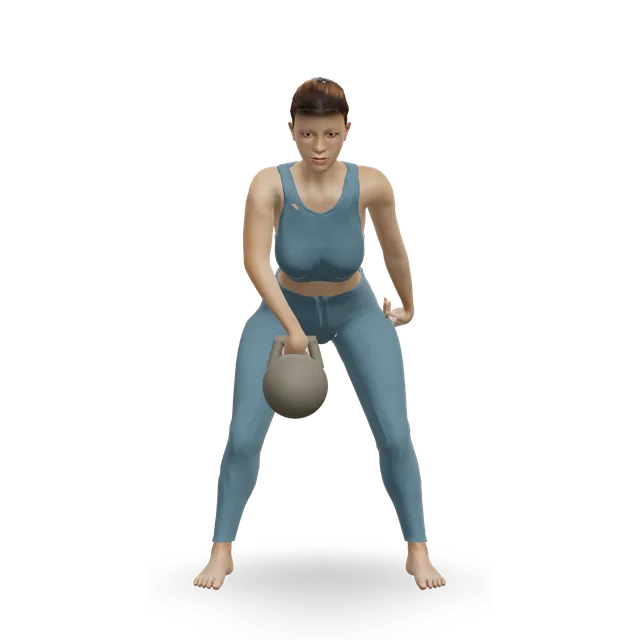
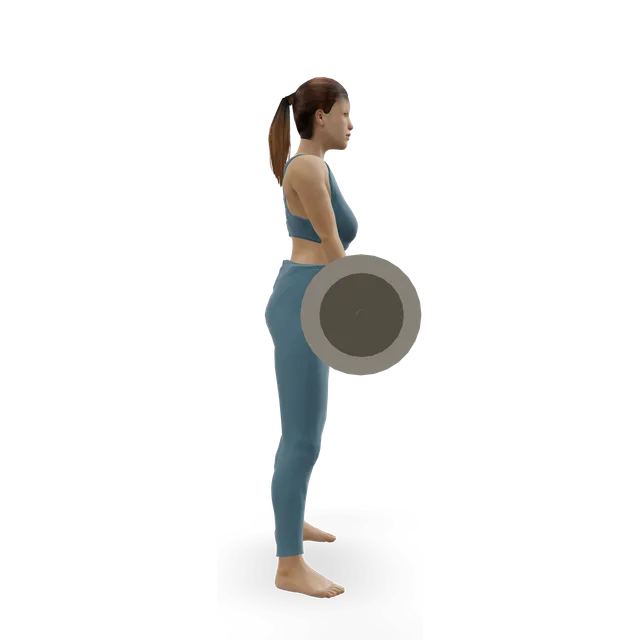
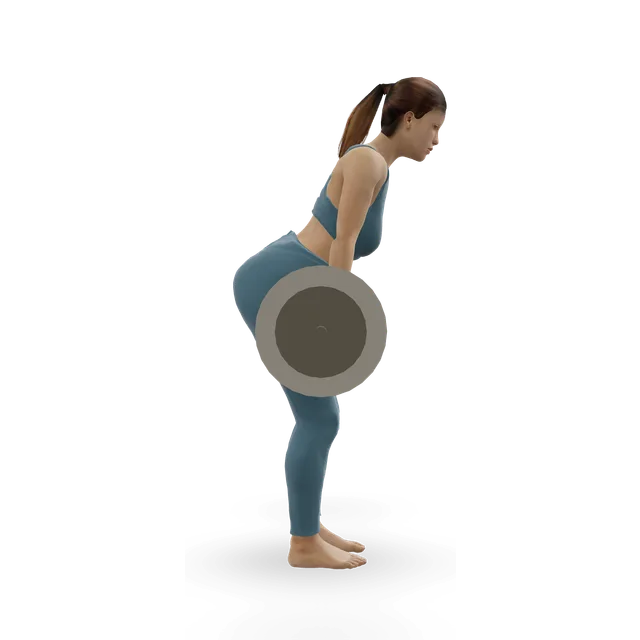
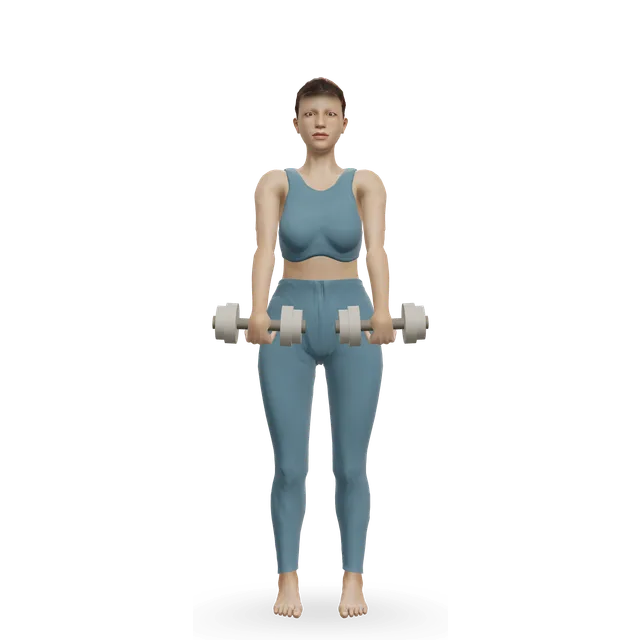
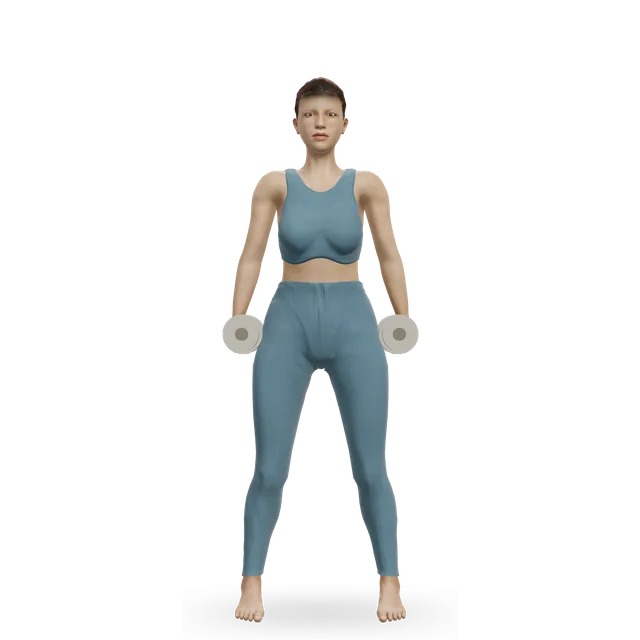
  1. Stand with your feet wide and toes turned out, a kettlebell on the floor between your feet.
  2. Push your hips back and bend your knees to take the handle in both hands, chest up, back long, arms straight.
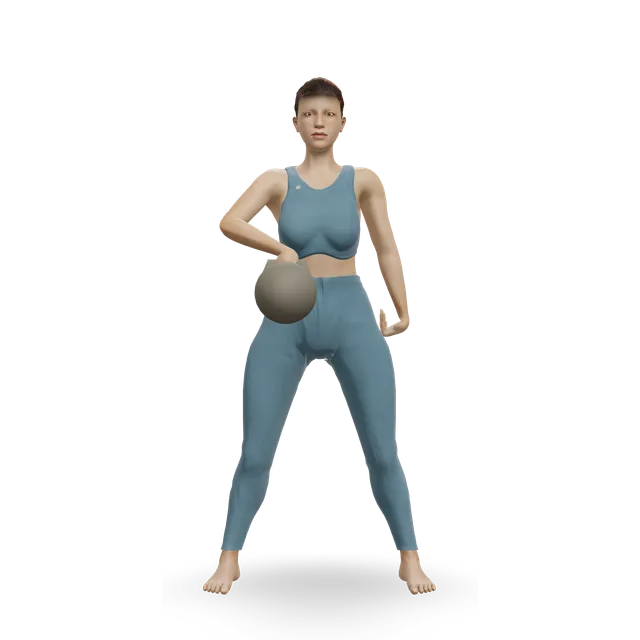
  3. Drive through your legs and hips to stand up fast.
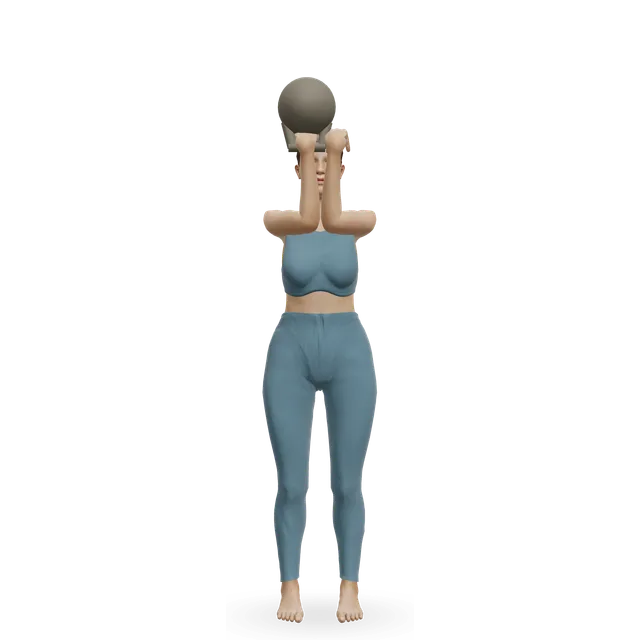
  4. As your hips finish, shrug and pull the bell straight up the front of your body, elbows leading up and out.
  5. Stop when your elbows reach about shoulder height, the bell at about chest height, close to your body.
  6. Lower it under control, arms straightening, as you sit your hips back into the start, and go again. Breathe out as you pull.

Loading the 3D figure…

Gets into position, then repeats the movement. Technical checks passed; qualified exercise review is pending.

The movement on the figure: Kettlebell sumo high pull

The one-arm high pull from a swing

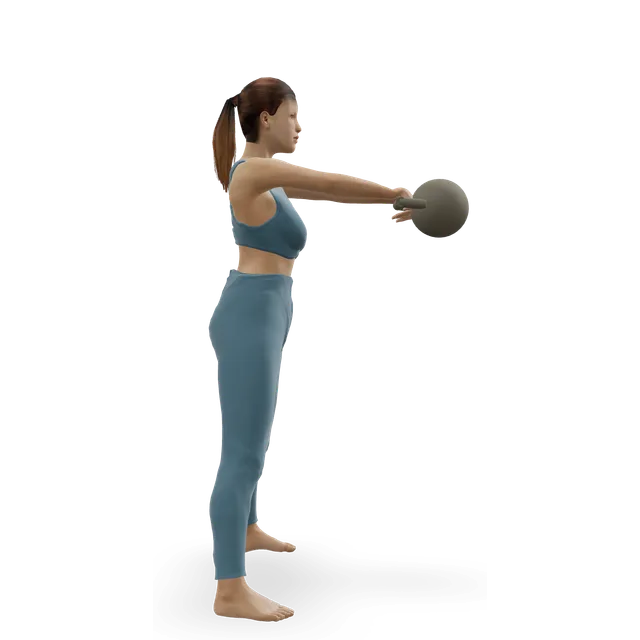
There's no one-arm demo, so the two-handed swing shows the hinge. From a kettlebell coach's teaching and our snatch guide's step 2. No higher than your shoulder is the site's rule and our inference for this version; some coaches pull to chin or eye height, and we don't.

  1. Swing the bell with one hand a few times, to about chest height, as in our swing guide's one-arm step.
  2. On the next rep, as your hips snap through and the bell floats up towards chest height, bend your elbow and draw it up and back, keeping the bell close to your body.
  3. Stop with your elbow no higher than your shoulder, the bell at about chest height and the handle in your fingers.
  4. Push the bell back out into the backswing, arm straightening, and hinge into the next swing; your hips start every rep.
  5. Do all the reps on one side, then the other, and park the bell on the floor between your feet at the end of each set.

Loading the 3D figure…

Gets into position, then repeats the movement. Technical checks passed; qualified exercise review is pending.

The movement on the figure: Kettlebell swing

Where it fits: swing, clean, high pull, snatch

Hip-hinge practice and kettlebell deadlifts, then two-handed swings (our swing technique workout); the sumo high pull at its move page's dose; then the one-arm swing (no demo), the clean, the one-arm high pull at 3 sets of 5 each side, and the snatch, the clean and snatch at their move pages' doses. One coach starts the one-arm version with three swings and then one high pull.

How high to pull, and your shoulders

Arms above shoulder height went with impingement signsEmerging evidence

In 77 men, weight trainers who did upright rows or lateral raises above 90 degrees more often had signs of shoulder impingement. It was a snapshot that can't show cause.

Source 4

Arm out and turned in narrows the spaceEmerging evidence

With the arm out to the side at 90 degrees and turned fully in, the pressure under the shoulder's roof was 21.3 newtons, against 3 or less with it neutral or turned out (13 adults). With a 4 kg load, the upright row position left less space than the arm turned out (25 men). On MRI the space narrowed as the arm rose, though the turned-in arm wasn't always the narrowest.

Sources 5, 30, 31

Experts and coaches differ on heightMixed evidence

An NSCA expert column says healthy lifters raise their arms in the upright row to just below shoulder height, keeps the upper arm below about 60 degrees in a clean's high pull, and warns that fast pulls taken too high create very high forces at the shoulder. A hospital handout says not to raise the bar higher than the point where the elbow reaches shoulder level. CrossFit pulls the bar to just below the chin, suggesting a wider grip or a shorter range if the shoulders roll forward, and a physiotherapist notes the top position resembles an impingement test. No study has tested elbow height in a high pull.

Sources 32, 33, 1, 14

Our rule: elbows no higher than your shoulders

The bell at about chest height, elbows at or below shoulder height, the pull smooth. That's our inference from the upright-row evidence above, and the rule of our upright row guide and move page; it hasn't been tested in the high pull. With both hands on one handle you can't widen your grip, so height is the setting you control.

Sources 4, 32

A close gripEmerging evidence

In 16 weight-trained men, a close grip in the upright row used more biceps and less deltoid and trapezius than a wide grip. Both hands on one kettlebell handle is a close grip, so the same probably applies (our inference).

Source 34

The impingement idea is debatedMixed evidence

A 2026 review argues that the narrowed space may follow rotator cuff problems rather than cause them, and warns that a wrong mechanical explanation can make people believe raising the arm is harmful in itself. It isn't: keeping the elbows down is the cautious choice, not a sign that the high pull is dangerous.

Source 35

Shoulder injuries in liftingEmerging evidence

Up to 36% of resistance-training injuries are at the shoulder, and lifters with signs of impingement had weaker outward rotators and lower trapezius. Face pulls and band external rotations train both.

Sources 36, 15

The shoulder rule

Keep shoulder pain to about 5 out of 10 or less during the exercise, back to its usual level by your next session, as our shoulder guides advise. A sharp pinch means lower, lighter or stop.

Source 37

High pull vs upright row, swing, clean and snatch

Vs the upright row

The same finish, but the high pull is driven by your hips and legs and moves fast; the upright row is a slow arm lift. Both keep the elbows to shoulder height, as our upright row guide explains.

Source 3

Vs the swing

In a swing your arms stay long and only steer the bell; in a high pull you bend your elbow and guide the bell higher and closer to you. Learn a crisp swing first.

Source 2

Vs the clean

In a clean you pull the bell in close and let it roll round your wrist to rest in the rack position; in a high pull it stops at chest height and goes back down. Coaches teach the clean before the high pull, as our clean guide does.

Source 8

Vs the snatch

The snatch carries on from the high pull and punches your hand through to a locked arm overhead. Our snatch guide uses the high pull as its second step.

Source 11

Vs the barbell high pull

The weightlifting versions, with the power evidence above. Our power clean and hang clean guides cover them.

Vs face pulls, lateral raises and shrugs

Those train the back of the shoulder, the side of the shoulder and the upper traps on their own, slowly. The high pull is a whole-body power drill (editorial).

Sets, reps, bell and how often

Sumo high pull

2 to 3 sets of 8 to 12, stopping with 2 or 3 reps in reserve (its move page's dose), with 60 to 90 seconds' rest (editorial; our upright row guide's rest).

One-arm high pull

3 sets of 5 each side (our snatch guide; editorial). One coach starts with 5 controlled repetitions per side, or 20 seconds each side with 40 to 60 seconds' rest, for 4 to 6 rounds.

Source 2

Keep it short and crisp

Across 137 reviews, power improved most with moderate loads (30 to 70% of maximum), low to moderate volume (about 24 reps or fewer of an exercise in a session) and a fast lifting phase. End every set while each rep is fast and the bell travels close, as our kettlebell plan says for power moves, and rest until the next set can be as crisp.

Source 9

How often

Once or twice a week, early in the session, in place of some swings or alongside them (editorial). Count sumo high pulls as hinge sets for your glutes and hamstrings.

Which bell

For the one-arm version, start considerably lighter than your swing bell, as one coach advises. For the sumo version, a bell you can deadlift easily for 10 reps and pull to chest height smoothly (editorial, following our kettlebell plan's bell test).

Source 2

Progressing

Add reps to the top of the range, then move to the next bell, usually a 4 kg jump, as our swing guide says.

Doses used in trials

For reference, not targets: a 4 kg bell for 2 sets of 10 to 12 in a heart failure programme (a trial protocol), and 2 to 3 sets of 12 to 15 inside a 6-week functional programme for older adults, which did less well than a thigh-focused programme.

Sources 38, 39

Common mistakes

Pulling with your arms first

Stand up hard, then pull: your legs and hips straighten fully before you shrug or bend your arms.

Source 1

Elbows above your shoulders

Or the bell up to your chin. Stop at shoulder height.

The bell drifting away from you

Keep it close to your body all the way up and down.

Squatting the start

In the sumo version, hips back with your chest up; in the swing version, a hinge, not a squat, as our swing guide teaches.

Rounding your back

To reach the bell or as you tire: end the set.

Leaning back at the top

Finish tall, with your ribs down.

Too heavy

The pull turns into a jerk and a lean. Go lighter.

Letting the one-arm bell crash into the backswing

Push it back out and let your hips absorb it.

Moves that go with it

Halos, 5 each way, in the warm-up (our kettlebell workouts); sumo deadlifts, 3 sets of 5 after lighter sets (our sumo deadlift workout); clean shrugs and dumbbell shrugs at their move pages' doses; dumbbell upright rows, 2 rounds of 10 to 12 with your hands at least 30 cm apart and elbows to shoulder height (our traps workout); face pulls, 3 sets of 15 (our shoulder and back workouts); band external rotations, 2 sets of 12 to 15 each arm (our home shoulder workout).

Workouts

No workout uses the high pull yet. The swing technique workout builds the first steps, the kettlebell workouts and swing workout add swings and cleans, the clean and press workout teaches the clean, and the traps workout has the upright row with its grip and height rules.

Plans

Who should change it

Shoulder pain or a pinch at the top

Keep your elbows at or below shoulder height; if it still pinches, keep the pull lower or leave the high pull out, as our upright row guide and shoulder impingement guide advise. OrthoInfo says lifting something too heavy with a jerking motion can tear the rotator cuff, and that repetitive lifting or overhead work puts people at risk of impingement: keep the bell light enough to pull smoothly.

Sources 40, 41

After a dislocation or rotator cuff repair

After a recent shoulder dislocation, or shoulder or elbow surgery, follow your surgical team's limits first.

After a dislocated shoulder, the NHS says recovery usually takes 6 to 12 weeks.

Source 42

Back pain

Aim for discomfort you'd call mild to moderate, no more than about 5 out of 10. It should settle within an hour or so, and your back should be no worse the next morning, as our back pain guides say. Pain, pins and needles or numbness spreading down a leg are the exception: stop, and see our sciatica guide.

With back pain, kettlebell deadlifts come before swings and high pulls, as our back pain after a workout guide says.

High blood pressure and heart disease

Swings and high pulls drive your heart rate up fast. With controlled blood pressure keep intervals moderate and breathe out on every pull, as our swing guide advises; with heart disease or chest pain when you're active, get advice first.

Sources 10, 43

Pregnancy

If you already swing, use a lighter bell and breathe out on the effort. Pregnancy isn't the time to learn new kettlebell lifts: the NHS advises against starting new vigorous activity.

Source 44

Older adults new to kettlebells

Learn with a coach if you can. Supervised kettlebell classes were well tolerated by adults aged 59 to 79, with 4 minor problems among 32 people, one of them shoulder pain that limited overhead work.

Source 27

Warning signs

Stop and get medical help

If you get chest pain or pressure, feel faint or dizzy, are unusually breathless, or your heart races or beats irregularly during exercise, as our plans advise. The American Heart Association says these need immediate medical evaluation.

Source 43

Call 999 (911 in the US)

For chest pain that comes on suddenly and doesn't go away, feels tight or like squeezing, spreads to your arms, neck, jaw, stomach or back, or comes with sweating, feeling sick, light-headedness or breathlessness; arm pain that comes on suddenly with pressure, heaviness or squeezing across your chest; severe difficulty breathing, or a chest that feels tight or heavy; someone who faints while exercising; palpitations that don't go away, or come with chest pain, shortness of breath or feeling faint; or a headache that starts suddenly and is extremely painful, especially while lifting or straining. The NHS says a bleed on the brain may be more likely when lifting something heavy. Don't drive yourself to A&E.

Sources 45, 46, 47, 48, 49, 50, 51, 52

A headache with effort

Ask for an urgent GP appointment or get help from NHS 111 for a headache that's triggered or made worse by coughing, sneezing, bending down or exercising.

Source 51

Urgent GP appointment or NHS 111: your shoulder

Ask for an urgent GP appointment or get help from NHS 111 for sudden or very bad shoulder pain; not being able to move your arm; a shoulder or arm that has changed shape or is badly swollen; pins and needles that don't go away; or pain that started after an injury or accident, like a fall. In the US, contact your doctor or urgent care. See a GP if shoulder pain is getting worse or hasn't improved after 2 weeks. While your shoulder is sore, the NHS says not to make up your own strenuous exercises or use heavy gym equipment.

Source 53

Same day: a pop at the elbow

A pop or snap with sudden pain at the front of the elbow during a pull, especially with bruising or a bulge in the upper arm, can be a torn biceps tendon. Go to an urgent treatment centre or A&E (in the US, urgent care) the same day, and don't wait for it to settle, as our biceps guides say: OrthoInfo says a repair is ideally done in the first 2 to 3 weeks.

Sources 54, 47

Back pain

Call 999 or go to A&E: loss of feeling or numbness around the genitals or bottom, new trouble peeing or controlling your bladder or bowels, changes in genital sensation during sex or problems with erections or orgasm, or pain, tingling, weakness or numbness in both legs. These are signs of cauda equina syndrome, which needs treating in hospital urgently. Don't drive yourself.

See a GP if pain spreading down a leg hasn't improved after a few weeks of home treatment, is getting worse or stops your normal activities. Sciatica on both sides, or weakness or numbness in both legs that's severe or getting worse, is a 999 call or a trip to A&E.

Sources 55, 56

Your wrist and forearm

In the one-arm version the bell shouldn't flip onto your forearm (that's the clean); if it does, stop and check your path. Get help from NHS 111 if you heard a snap, grinding or popping noise when you hurt your wrist, or you can't move it or hold things.

Source 57

A swinging bell

Never let go of a swinging bell or try to catch a falling one: guide it back and park it on the floor between your feet, as our swing guide says.

Swollen muscles and dark urine

Very sore, swollen, tight muscles and dark urine after an unusually hard or high-rep session need medical help the same day: it could be rhabdomyolysis, as our elbow pain from pull-ups guide explains. Normal soreness peaks a day or two after a new exercise and fades.

A new lump or bulge in your groin or tummy

See a GP if you think you have a hernia, a bulge or lump that may get bigger when you strain and smaller when you lie down. Get help from NHS 111 if you have a hernia and pain in or around it, a bloated tummy, you feel or are sick, you're vomiting blood or your vomit looks like coffee grounds, you're constipated, you have a high temperature or feel hot, cold or shivery, or you've suddenly become confused. Call 999 or go to A&E for a femoral hernia (a small lump at the top of your thigh, in your groin) with very bad tummy pain, sickness, being unable to fart or poo, a high temperature or sudden confusion.

The NHS lists lifting heavy weights among the causes of a femoral hernia. After an inguinal hernia repair, avoid heavy lifting or strenuous activity for at least 4 to 6 weeks.

Sources 58, 59, 60

Before you start

Speak to your GP first if you haven't exercised for some time or have medical conditions or concerns, as the NHS advises. Get advice before hard or straining work if your blood pressure is uncontrolled (140/90 or higher at a clinic, or 135/85 at home), or you have heart disease or chest pain when you're active, a pacemaker or defibrillator, diabetic eye disease, glaucoma, a hernia, recent eye or tummy surgery, or you're pregnant, as our breathing guide lists.

With controlled high blood pressure, the American Heart Association considers low- to moderate-intensity strength training with proper breathing safe: breathe out as you lift.

With a pacemaker or defibrillator, the American Heart Association asks you to check with your doctor before upper-body strength training, because repeated arm movements can damage or dislodge the leads.

Sources 61, 62, 43
Myths

"High pulls are bad for your shoulders"Mixed evidence

No injury study counts high pulls: in surveys of people who do CrossFit-style training, the shoulder was the commonest injury site, put down mainly to gymnastics, snatches and overhead presses. The shoulder evidence is about position: upright rows above 90 degrees went with impingement signs in a snapshot study, and the arm out and turned in pressed hardest under the shoulder's roof, while a 2026 review questions the impingement idea itself. So the evidence is mixed: keep your elbows at or below shoulder height, the pull smooth and the bell light, and leave it out if raising your arm hurts. Coaches differ on the height.

Sources 63, 64, 65, 4, 5, 35

"The high pull is just an upright row"Emerging evidence

The finish looks like one, but your hips and legs drive it: CrossFit's order is deadlift, shrug, pull, and barbell high pulls produced more peak power than hang cleans.

Sources 3, 6

"Pull it to your chin"Mixed evidence

CrossFit's barbell version goes to just below the chin. The NSCA column keeps the upper arm below shoulder height in upright rows, lower still in a clean's high pull, and warns that fast pulls taken too high create very high forces at the shoulder. Our rule is elbows no higher than your shoulders: a coaching difference, and our editorial choice.

Sources 1, 32

"High pulls build big traps"

Untested. The upright row works the upper trapezius hard in EMG, but no study has measured a high pull, and a kettlebell coach says he wouldn't use the high pull as a main back-strength exercise. For bigger traps, shrugs and rows, as our shrug guide explains.

Sources 13, 2

"Kettlebell work is cardio, not strength"Emerging evidence

It's both, and the strength side has more evidence: swing training raised half-squat strength 9.8% and jump height 19.8% in 6 weeks, and deadlift strength 7.8 to 12.6% in other trials. Twelve minutes of swings ran at 86.8% of maximum heart rate but only 65.3% of maximum oxygen uptake, and aerobic gains were small or absent. The NHS counts lifting weights as strengthening and circuit training as very vigorous activity, so one session can count as both.

Sources 24, 25, 26, 10, 66, 67, 61

"High pulls are a fat burner"Emerging evidence

No study has measured a high pull session, and kettlebell work raises heart rate more than oxygen use: treadmill running used 25 to 39% more oxygen at the same effort rating as swings.

Sources 10, 68

Questions people ask

What is a kettlebell high pull?

Two exercises go by the name. The sumo high pull lifts a bell from between your feet in a wide stance and pulls it up the front of your body with both hands; the one-arm high pull comes out of a swing, drawing the bell up and back with a bent elbow, the step between the swing and the snatch.

How do you do a kettlebell sumo high pull?

Stand wide with the bell between your feet, push your hips back and grip it with both hands. Drive through your legs and hips to stand, then pull the bell up close to your body, elbows leading up and out, until your elbows reach shoulder height, and lower it under control.

What muscles do kettlebell high pulls work?

Your glutes, hamstrings and thighs drive the bell, and your upper traps, shoulders and biceps finish the pull. Nobody has measured a kettlebell high pull; in the upright row, its finishing part, the side shoulder and upper traps work hardest.

Are high pulls bad for your shoulders?

No injury study counts them. The shoulder evidence is about arm position: upright rows above shoulder height went with signs of impingement. Keep your elbows at or below shoulder height and the pull smooth, and leave it out if raising your arm hurts.

How high should the elbows go in a high pull?

To about shoulder height, no higher, with the bell at about chest height. That's our inference from upright-row evidence and the rule of our upright row guide; CrossFit's barbell version goes to the chin, and an expert column warns that fast pulls taken too high create very high shoulder forces.

High pull vs upright row: what's the difference?

The finish looks the same, but a high pull is driven fast by your hips and legs, while an upright row is a slow arm lift. Both keep the elbows to shoulder height, and our upright row guide covers the row.

Kettlebell high pull vs swing?

In a swing your arms stay long and only steer the bell; in a high pull you bend your elbow and guide the bell higher and closer to you. Learn a crisp swing first.

Kettlebell high pull vs clean?

In a clean the bell is pulled in close and rolls round your wrist to rest in the rack position; in a high pull it stops at chest height and goes back down. Coaches teach the clean before the high pull and the snatch.

How many sets and reps of kettlebell high pulls?

Sumo high pulls: 2 to 3 sets of 8 to 12, stopping 2 or 3 reps short, which is our move page's dose. One-arm high pulls: 3 sets of 5 each side, from our snatch guide. End each set while every rep is crisp: for power, low to moderate volumes worked best.

What weight kettlebell for high pulls?

Lighter than your swing bell for the one-arm version, as coaches advise. For the sumo version, a bell you can deadlift easily and pull to chest height smoothly; if you have to jerk or lean back, it's too heavy.

Are kettlebell high pulls good cardio?

They raise your heart rate fast, but in kettlebell work your heart rate runs well ahead of how hard your heart and lungs are working, and aerobic gains were small in trials. They're better for power and strength, so keep your walks, runs or rides.

Do high pulls help the kettlebell snatch?

They're the snatch's path without the punch-through, and coaches teach them between the clean and the snatch. No study has tested whether they speed up learning; our snatch guide uses them as its second step.

Sources

  1. CrossFit 2019 · The sumo deadlift high pull (coaching article)
  2. Brookes 2026 · Kettlebell high pull: form, muscles and cardio benefits (coaching article, Kettlebells Workouts)
  3. CrossFit 2019 · The power of progression, part 3: sumo deadlift high pull (coaching article)
  4. Kolber 2014 · Signs of shoulder impingement in 46 weight trainers and 31 non-lifters (cross-sectional study, JSCR)
  5. Yanai 2006 · Pressure under the shoulder's roof in five arm positions in 13 young adults (lab study, Clin Biomech)
  6. Suchomel 2014 · Power in the hang clean, jump shrug and high pull: 17 men (lab study, JSCR)
  7. Oranchuk 2019 · Ten weeks of hang high pulls or loaded jump squats in 18 swimmers (randomised trial, JSCR)
  8. Scantalides 2014 · Improve the double kettlebell snatch with chains (coaching article, StrongFirst)
  9. Currier 2026 · Resistance training for muscle function, size and performance in healthy adults: an overview of 137 reviews (ACSM position stand, MSSE)
  10. Farrar 2010 · The oxygen cost of 12 minutes of kettlebell swings in 10 men (lab study, JSCR)
  11. Ross 2017 · The forces in a 6-minute set of kettlebell snatches in 12 trained men (lab study, PeerJ)
  12. Sweeney 2014 · Shoulders above the rest? Deltoid activity in 10 shoulder exercises in 16 men (ACE-sponsored muscle activity study, ACE ProSource)
  13. Andersen 2008 · Trapezius activity in shrugs, lateral raises, upright rows, rows and reverse flys in 12 women with neck muscle pain (muscle activity study, Phys Ther)
  14. The Barbell Physio 2016 · Sumo deadlift high pulls: are they safe and effective? (physiotherapist's coaching article)
  15. Kolber 2017 · Shoulder movement and strength in 55 weight trainers with and without impingement (cross-sectional study, JSCR)
  16. Otto 2012 · Weightlifting against kettlebell training for 6 weeks in 30 men (randomised trial, JSCR)
  17. Suchomel 2015 · Loads and force-time features of the hang high pull in 14 men (lab study, JSCR)
  18. Takei 2021 · Power in the hang power clean and hang high pull across loads in 8 weightlifters (lab study, JSCR)
  19. Barnes 2021 · Peak power in the high pull across loads in 12 trained men (lab study, JSCR)
  20. Suchomel 2015 · Weightlifting pulling derivatives: why and how to use them (narrative review, Sports Med)
  21. Suchomel 2014 · The hang high pull: a progressive exercise into weightlifting derivatives (exercise technique column, Strength Cond J)
  22. Lake 2012 · The mechanical demands of the kettlebell swing compared with jump squats and back squats: 16 men (lab study, JSCR)
  23. Lake 2014 · Force output in kettlebell snatches and swings in 22 men (lab study, JSCR)
  24. Lake 2012 · Six weeks of kettlebell swing training vs jump squat training in 21 men (randomised trial, JSCR)
  25. Junior 2022 · Six weeks of periodised or fixed-weight kettlebell swing training in 28 functional-training athletes (controlled trial, Int J Exerc Sci)
  26. Santos Junior 2024 · Men and women after 12 weeks of kettlebell swing training (training study, Cureus)
  27. Meigh 2022 · Supervised hardstyle kettlebell training in older adults aged 59 to 79: the BELL trial (pragmatic controlled trial, BMC Geriatr)
  28. Manocchia 2013 · Ten weeks of kettlebell classes and strength, power and endurance in 37 adults (controlled trial, JSCR)
  29. Meigh 2019 · Kettlebell training in clinical practice: 99 publications (scoping review, BMC Sports Sci Med Rehabil)
  30. Longo 2017 · The space under the shoulder's roof in three raised-arm positions, with and without a 4 kg load, in 25 men (ultrasound study, Phys Ther Sport)
  31. Graichen 1999 · The space under the shoulder's roof as the arm rises and turns, in 12 volunteers (open MRI study, Surg Radiol Anat)
  32. Schoenfeld 2011 · The upright row: implications for preventing subacromial impingement (expert column, Strength Cond J)
  33. Mass General Sports Medicine · Strength training for the shoulder (patient handout)
  34. McAllister 2013 · Grip width in the upright row in 16 weight-trained men (muscle activity study, JSCR)
  35. Sonnati 2026 · Rethinking subacromial impingement as a term and a concept (narrative review, J Clin Med)
  36. Kolber 2010 · Shoulder injuries attributed to resistance training (review, JSCR)
  37. NHS inform · Exercises for shoulder problems (NHS Scotland)
  38. do Nascimento 2020 · A functional training programme for heart failure, including kettlebell high pulls (trial protocol, BMC Cardiovasc Disord)
  39. Followay 2025 · A functional programme including kettlebell high pulls against a thigh-focused programme in 26 older adults (randomised trial, Int J Exerc Sci)
  40. AAOS OrthoInfo · Rotator cuff tears (patient information, American Academy of Orthopaedic Surgeons)
  41. AAOS OrthoInfo · Shoulder impingement and rotator cuff tendinitis (patient information, American Academy of Orthopaedic Surgeons)
  42. NHS · Dislocated shoulder
  43. Paluch 2024 · Resistance exercise training with and without cardiovascular disease: 2023 update (American Heart Association scientific statement, Circulation)
  44. NHS · Exercise in pregnancy
  45. NHS · Chest pain (past its review date: reviewed August 2023, review due August 2026)
  46. NHS · Heart attack
  47. NHS · Elbow and arm pain
  48. NHS · Shortness of breath
  49. NHS · Fainting
  50. NHS · Heart palpitations
  51. NHS · Headaches
  52. NHS · Subarachnoid haemorrhage
  53. NHS · Shoulder pain (past its review date: reviewed May 2023, review due May 2026)
  54. AAOS OrthoInfo · Biceps tendon tear at the elbow (patient information, American Academy of Orthopaedic Surgeons)
  55. NHS · Back pain
  56. NHS · Sciatica
  57. NHS · Wrist pain
  58. NHS · Hernia
  59. NHS · Femoral hernia
  60. NHS · Inguinal hernia repair
  61. NHS · Physical activity guidelines for adults aged 19 to 64
  62. NHS · High blood pressure
  63. Weisenthal 2014 · Injury rates and patterns in 386 CrossFit athletes (survey, Orthop J Sports Med)
  64. Summitt 2016 · Shoulder injuries in 187 people who do CrossFit (survey, Sports Health)
  65. Feito 2018 · Injuries over 4 years in 3,049 CrossFit-trained people (survey, Orthop J Sports Med)
  66. Falatic 2015 · Four weeks of kettlebell snatch intervals and aerobic capacity in female college footballers (controlled trial, JSCR)
  67. Jay 2011 · Eight weeks of workplace kettlebell training for neck, shoulder and back pain in 40 adults (randomised trial, Scand J Work Environ Health)
  68. Hulsey 2012 · Kettlebell swings against treadmill running at the same effort rating in 13 adults (lab study, JSCR)

Exercise education, not a personal prescription, and clinical review of these guides is pending. Check with a GP before starting hard training if you have a heart condition, chest pain, dizziness or breathlessness when active, and stop for sharp or increasing pain. Health disclaimer.