Kettlebell swing
Both hands on one kettlebell, the hips hinge and snap forward so the bell floats to chest height: the hip drive behind the clean and the snatch.
Kettlebell swing, clean and snatch family
Kettlebell swing
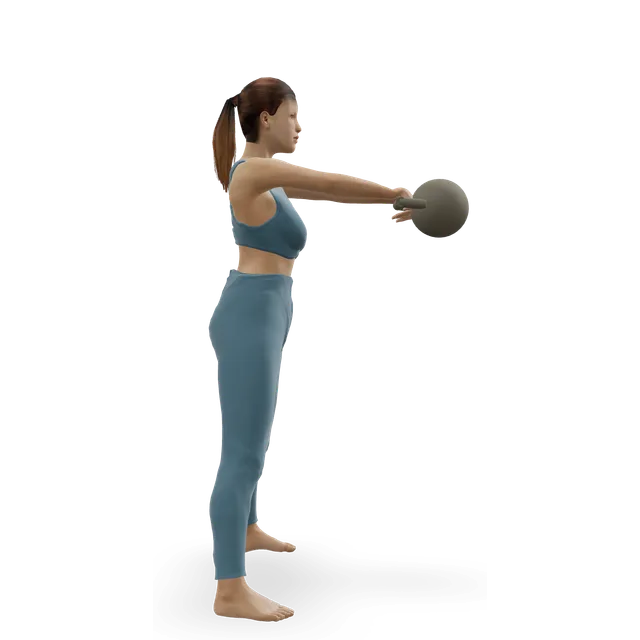
Loading the 3D figure…
Source-researched guide.
How to move
- Stand with the feet a little wider than the hips, both hands on the kettlebell's handle.
- Hinge the hips back to swing the bell back between the thighs, keeping the back long.
- Drive the hips forward to stand tall, letting the bell float out to about chest height, then hinge as it falls back.
Form cues
- The power comes from the hips and legs, not the shoulders.
- It is a hinge, not a squat: the hips move back, the knees bend only a little.
Practice and cautions
No universal dose is assigned. Choose a manageable amount for your current capacity, leave room for controlled repetitions, and allow recovery. A clinician’s individual plan takes priority.
It is a hinge, not a squat, and not an arm lift: if your lower back pumps up during sets, the hips are not doing their job. To bail, let the bell swing through, guide it back and park it on the floor between your feet, and keep the space in front of you clear. With osteoporosis, learn it with a coach and stop the set when the back starts to round; leave it out after a spinal fracture. With a prolapse, get advice from a pelvic health physiotherapist before heavy lifts or deep squats, and ease off if you feel heaviness, dragging or a bulge. This is movement education, not an assessment or treatment prescription. Stop for sharp or increasing pain, dizziness, numbness or tingling; seek individual guidance for symptoms, injury or restrictions.
Sources and review status
Sources support the educational description; they do not establish that this exercise is suitable for you.
No variation is labeled clinically validated.
What it works
Muscles
Main: Glutes, Hamstrings. Also: Back, Abs, Shoulders.
Anatomy: Gluteus maximus, Piriformis, Obturator internus, Hamstrings, Biceps femoris.
Equipment
A kettlebell
Level
Intermediate. See the easier and harder options above.
Workouts that use it
- Kettlebell workout · 30 min
- Bone-strengthening workout · 40 min
- Kettlebell swing workout: 12-minute intervals · 20 min
- Golf strength and power workout · 45 min
- Learn the kettlebell swing · 25 min
- CrossFit-style workout for beginners: learn the lifts, then a short scaled workout · 45 min
- Strength workout for martial arts: hips, grip, neck and shoulders · 45 min
- Strongman conditioning workout: sled drags, carries, clean and jerks and swings · 40 min
Pain guides that use it
Part of a staged plan, with when to get help first.
- Lower back pain after a workout: soreness or a strain, the moves behind it, and training again
- Lower back pain when doing kettlebell swings: the hinge, the top of the swing, the bell and load
- Knee pain when doing kettlebell swings: the kneecap, the inner knee, hinging, the top of the swing
- Hip pain when doing kettlebell swings: the front of the hip at the top, a pinch at the bottom, swaps
- Wrist pain with kettlebells: the bell on your forearm, grip, the rack, the thumb side and what helps
Guides that use it
- Fascia exercises guide
- Fascial fitness guide
- Exercise for men
- HIIT guide
- Kettlebell swings guide
- EMOM and AMRAP guide
- Compound vs isolation guide
- How to grow your glutes guide
Show all 25 guidesShow fewer guides
- Kettlebell clean guide
- Kettlebell snatch guide
- Broad jumps guide
- Medicine ball slams guide
- Kettlebell high pulls guide
- Kettlebell figure 8s guide
- Kettlebell deadlift guide
- Hip hinge guide
- Kettlebell rows guide
- Building muscle after 50 guide
- Explosive power guide
- Muscular endurance guide
- Build muscle over 40 guide
- Golf guide
- CrossFit and functional fitness guide
- Martial arts guide
- Strongman guide
Similar moves
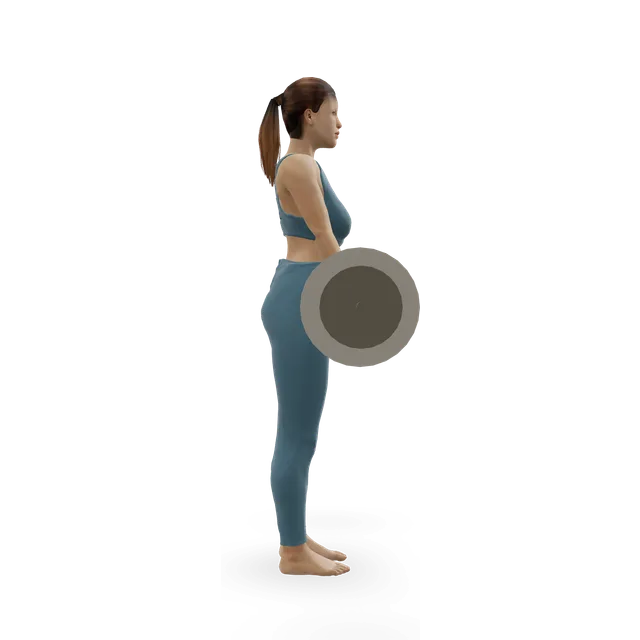
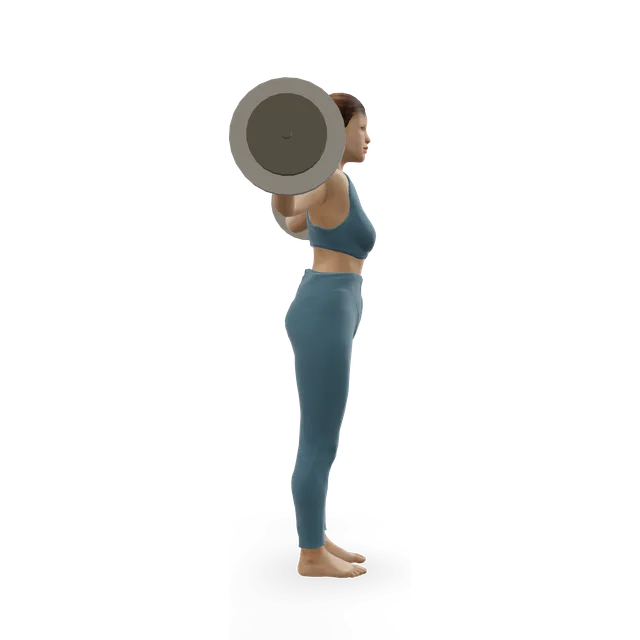
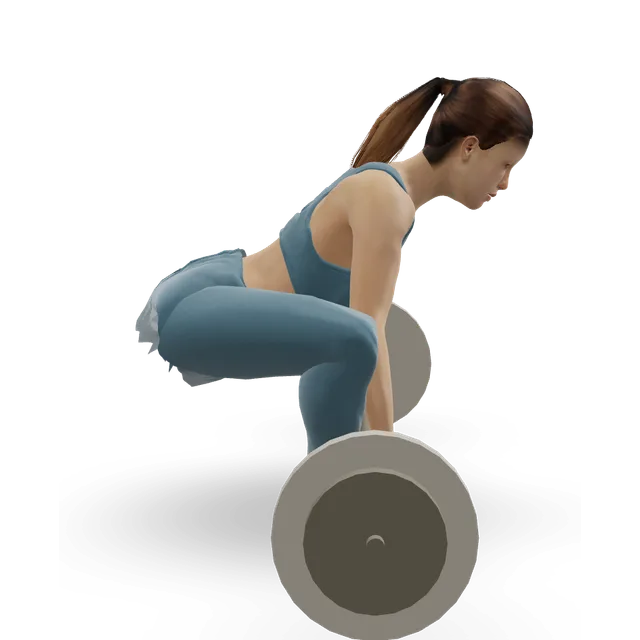
Browse more
Questions people ask
What muscles does the Kettlebell swing work?
Mainly the glutes and hamstrings, with help from the back, abs and shoulders.
What equipment do I need for the Kettlebell swing?
A kettlebell.
Is the Kettlebell swing good for beginners?
It is graded intermediate. If it is too hard right now, start with the Kettlebell deadlift.
What is an easier alternative to the Kettlebell swing?
Try the Kettlebell deadlift or the Hip-hinge practice. It is the suggested step down from this move.
How do I make the Kettlebell swing harder?
Progress to the Kettlebell clean or the Kettlebell snatch. Follow that guide’s technique and any stated timing.