What a swing asks of the lower back, and what no study has countedEmerging evidence
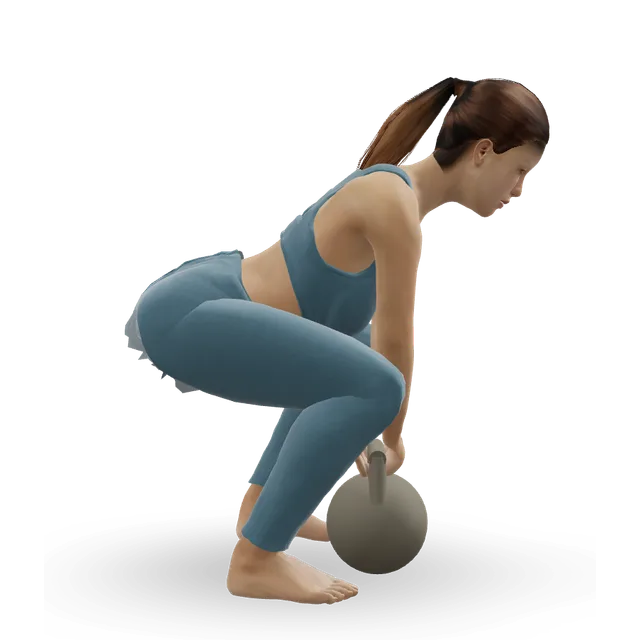
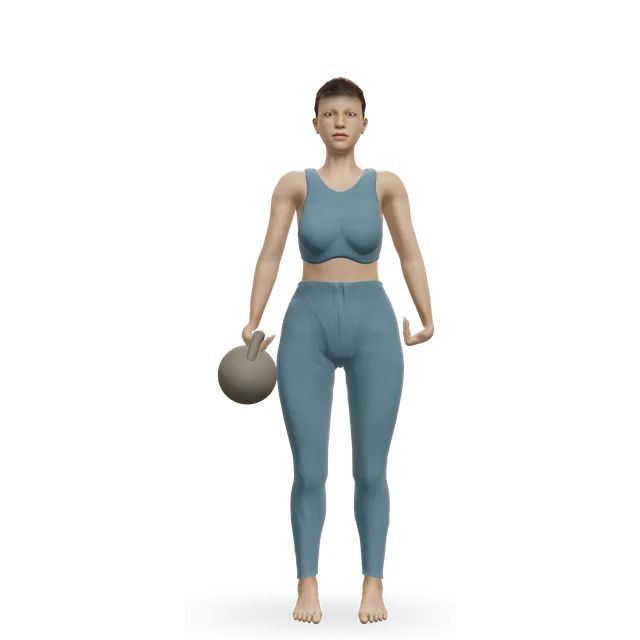
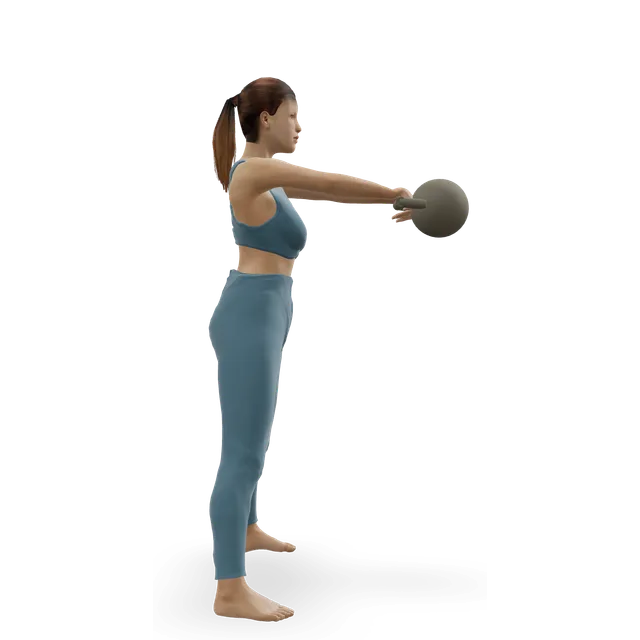
A swing is a hip hinge done fast: the hips push back as the bell is hiked between the thighs, then snap forward so it floats out in front, while the back holds its shape and the arms only steer. With a 16 kg bell, the back muscles worked at about half their maximum and the glutes at about 80%, and the modelled load on the lower back was about 3,200 N (newtons) at the bottom of the swing, in 7 men. The study's authors note a backward shear between the lowest two vertebrae, the opposite way to a traditional lift, and that a few people find swings irritate their back.
A scoping review summarises the same study's other figures: a peak of 3,195 N, a backward shear of 461 N, and the lower back moving from about 26 degrees of bending at the bottom of the swing to 6 degrees at the top. It reads these loads as low, but warns they may not stay low with heavier bells. In 30 adults, heavier bells did raise the turning load at the lower back; late in long rounds, the push into the floor rose and hip power fell; and one-armed swings made the opposite side of the back work 14% to 25% harder.
No study has counted back pain from swings, measured the lower back in people with back pain while they swing, or measured the spine at the top of the swing. So the map on this page comes from what each cause is known to do.
Sources 1, 2, 3, 4, 5, 6
Hinge, not squat, and finishing the hipsEmerging evidence
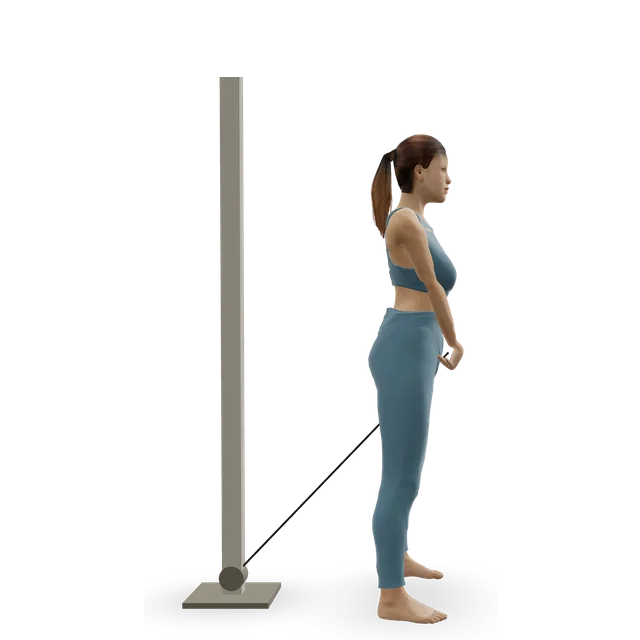
In 14 people, a hinge-style swing worked the hamstrings harder than a squat-style swing, and in 16 athletes the swing favoured the inner hamstring. No study has compared the back's load in the two styles: the hinge is the swing as it is taught, and the squat-style swing is a different exercise rather than a proven harm.
Novices finished their swings about 9 degrees short of a straight hip on average (19 young adults), and people learning from a video changed their pattern within a week. In 33 adults, one short hinge lesson changed their hinge angles straight away, though the authors say that doesn't show any effect on the back.
Sources 7, 8, 9, 10, 11
Who gets itEmerging evidence
People new to swings; people who jump to a heavier bell, longer sets, intervals or challenges such as "100 swings a day"; people with back pain from other causes that swings stir up; and older beginners. In 32 adults aged 59 to 79 who did 12 weeks of supervised kettlebell classes, there were four minor problems: one woman's long-standing back pain flared after a session with many kettlebell deadlifts, two people strained a rib muscle (one during swings) and one had shoulder pain.
Kettlebells were named in 0.8% of women's and 0.1% of men's weight-training injuries in US emergency departments, though the equipment often wasn't recorded. A scoping review found 3 published injury case reports, each with a likely error in training load. No study gives the share of each cause of back pain in swings. Serious causes are rare: the NHS says that, very rarely, back pain is a sign of a serious problem such as a broken bone, cancer or an infection, and the warning signs above pick these out.
Sources 9, 10, 3, 4, 14, 15, 2
When a scan helps, and what it can't tell youStrong evidence
Only with warning signs, or in a specialist setting when the result would change what happens next: the National Institute for Health and Care Excellence (NICE) advises against routine imaging for low back pain. Scans of people without back pain often show changes: disc wear in 37% at 20 and 96% at 80, and disc bulges in 30% and 84%. SI joint pain is recognised by a cluster of examination tests (3 or more of 6 positive was 94% sensitive in 48 patients), not by a scan.
Sources 17, 18, 12
How it usually goesEmerging evidence
No study follows back pain from swings. In new episodes of low back pain, average pain fell from 56 to 26 out of 100 within 6 weeks and was 21 at a year, while pain that had already lasted months changed little. The NHS says back pain usually improves within a few weeks but can last longer or keep coming back. In the workplace trial, back pain eased more over 8 weeks of kettlebell training than in the control group. No one can promise a date.
Sources 19, 16, 20