Yoga guide

Morning yoga: a 15-minute routine for beginners, what it does for energy, stiffness and sleep, and how to make it stick

A short yoga routine is a good way to start the day: it loosens you up after a night's rest, can lift your mood and, done at the same time each day, becomes an easy habit. Our 15-minute routine starts lying down, moves to all fours and standing poses, and saves forward bending for the end, because your back is stiffer first thing.

Morning isn't proven better than evening: in the only trial that compared them, yoga improved sleep about as much at either time, and reviews of exercise timing find no clear winner. Pick the time you'll keep.

This guide covers the routine, with a 3D demo of every pose, what morning practice does and doesn't do, how to practise safely first thing with back pain, low or high blood pressure, diabetes or pregnancy, the morning stiffness that needs a GP, and how to make it stick.

The short version

Any time works, and morning is fine

In the only trial comparing morning and evening yoga, sleep scores improved about as much at either time, and across 16 trials of exercise in general, morning had no clear advantage for sleep. Practise when you'll keep doing it.

Sources 1, 2

Morning moves your body clock earlier

Exercise at 7 am shifted the body clock earlier in a lab study, and the NHS advises people with insomnia to get up at the same time every day and to exercise during the day.

Sources 3, 4

Your mood lifts after one session

Short sessions of yoga or other exercise reduced stress and anxiety in trials, and a morning routine is one way to fit one in.

Sources 5, 6

Start gently when you're stiff

Your discs take up water overnight, so your back is stiffer first thing, and in a lab study flexibility rose through the day and with a warm-up. If your back is sore in the morning, one trial found that cutting down early-morning bending reduced pain.

Sources 7, 8, 9

Get up slowly

If you get dizzy when you stand, the NHS advises moving slowly from lying to sitting to standing when you get out of bed.

Source 10

Same time, same cue

In a study of daily habits, it took an average of 66 days for a new habit to feel automatic, and missing a day didn't undo it. A short routine tied to something you already do is the easiest to keep.

Sources 11, 12

The routine, and other morning sessions

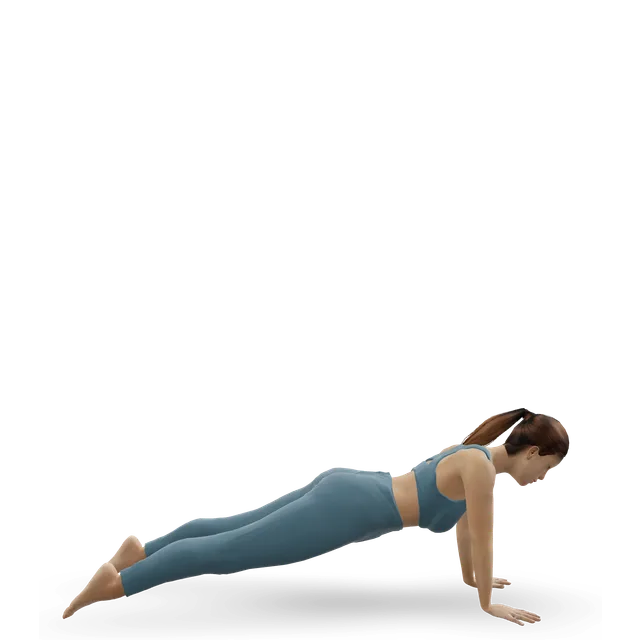
Our 15-minute morning yoga routine starts lying down and ends standing (our editorial plan). The 10-minute morning stretch is a quicker mobility session; the sun salutation lesson is the next step once the routine feels easy; the chair yoga class suits anyone who can't get down to the floor.

Morning yoga, and your body first thing

What it is

Any yoga done soon after waking, usually 5 to 20 minutes at home: gentle movement lying down or on all fours, standing poses, a few sun salutations and slow breathing. Some traditions favour practice before dawn; that's tradition, not evidence.

Source 1

Why your back is stiffer first thing

Lying down unloads the spine, and the discs take up water overnight: people are about 19 mm taller on waking, and in a small study more than half of the day's height loss happened in the first hour after getting up. In 21 volunteers, the lower back bent about 5 degrees further later in the day than first thing.

Sources 7, 13

Flexibility rises through the day

In 16 adults tested from 8 am to 8 pm, flexibility and body temperature peaked at 4 pm, and a 30-minute warm-up raised early-morning flexibility by 2.4 cm.

Source 8

Your body clock

In 99 adults, exercise at 7 am and in the early afternoon shifted the body clock earlier, and exercise from 7 to 10 pm shifted it later. In 58 men, 12 weeks of morning aerobic exercise brought their sleep earlier.

Sources 3, 14

Morning or evening?

One trial of yoga timing: no clear differenceEmerging evidence

In the only randomised trial we found, 156 postgraduate students in India did an hour of online yoga at 6 am, at 6 pm or not at all, 5 days a week for 4 weeks. Sleep scores improved about as much at either time, both groups did better than those waiting to start, and the times didn't differ for depression, anxiety or stress.

About half of each yoga group dropped out, so the smaller differences may not hold up: a slightly better score for sleep disturbances and more energy with morning practice, and less sadness with evening practice.

Sources 1, 15

Exercise timing and sleep: no clear winnerEmerging evidence

Across 16 randomised trials of exercise in general, morning sessions had no clear overall advantage for sleep; evening or night sessions went with a little more waking in the night, though small studies may have exaggerated that. A second analysis, of 13 studies, found no stable advantage for any time of day. In 23 studies, evening exercise didn't harm sleep overall, but hard exercise ending within an hour of bedtime might, and in 60 older adults, daily evening stepping helped sleep more than morning stepping.

Sources 2, 16, 17, 18

Time of day matters little: pick the time you'll keepEmerging evidence

Taken together, the time of day makes little difference for most people, and doing yoga at all matters more. Our best time to work out guide says the same for training in general.

Sources 1, 2, 16

If you sleep badlyEmerging evidence

The NHS advises people with insomnia to "wake up and get out of bed at the same time every day", to "exercise regularly during the day" and not to exercise in the 4 hours before bed. Morning exercise shifted the body clock earlier in a lab study, and in a review of 9 studies, long-term morning exercise tended to lower the stress hormone cortisol after waking. Our yoga for anxiety and sleep guide covers yoga at bedtime.

Sources 4, 3, 19

What morning yoga does

Mood: one session helpsEmerging evidence

Seven-minute online sessions of exercise, yoga-based mobility or mindfulness all reduced stress and anxiety in 131 adults, and 30 minutes of yoga, stretching or aerobic exercise reduced anxiety in 88. Regular practitioners felt more refreshed and less exhausted after a class. In one study, people who are naturally evening types gained more from a single class than morning types.

Sources 5, 6, 20, 21

Energy: a hintMixed evidence

Morning yoga improved energy compared with a waiting list in the timing trial, but about half the participants dropped out, so treat it as a hint rather than a finding.

Source 1

Morning stiffness in knee osteoarthritisMixed evidence

In 250 people with knee osteoarthritis, an integrated yoga programme reduced morning stiffness more than physiotherapy exercises, both alongside other treatments. It's one unblinded trial.

Source 22

Weight

Most yoga burns few calories (hatha yoga is listed at 2.3 METs, multiples of your resting energy use), and our best time to work out guide found no time of day better for weight overall. Our yoga for weight loss guide covers what helps.

Source 23

Stiff first thing

Why mornings feel stiffEmerging evidence

The discs take up water overnight, people are about 19 mm taller on waking, and the lower back bends a little less first thing. Flexibility rises through the day and with a warm-up. That explains the stiffness; it doesn't mean moving in the morning is harmful.

Sources 7, 13, 8

Small bends early if your back is soreEmerging evidence

In one trial of 85 people with long-lasting low back pain, cutting down bending early in the morning reduced pain by about a third, and those who kept it up had improved further at 3 years. The trial doesn't say how long "early" lasts, and it doesn't make morning bending dangerous.

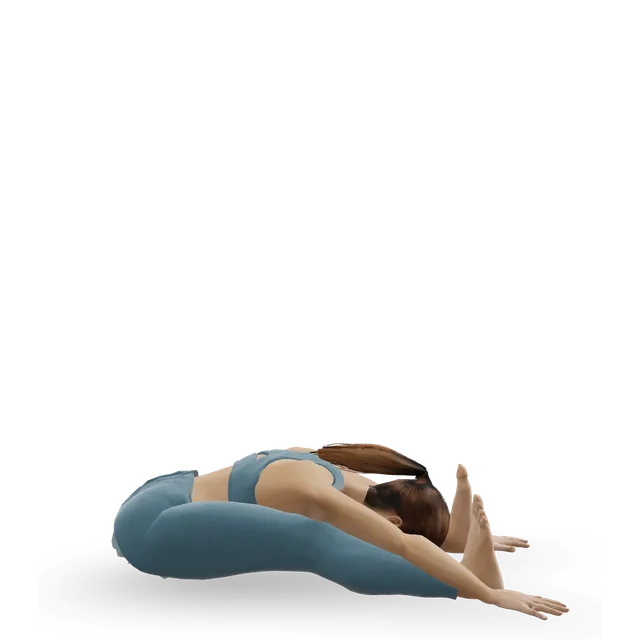
Our suggestion: in our routine, forward bending comes last, as a hip hinge with soft knees. If your back is sore, keep bends small or leave them out for the first hour or so after you get up.

Sources 9, 24

Stiffness that lasts needs a GPStrong evidence

The NHS says osteoarthritis stiffness "usually wears off within 30 minutes of getting up, but morning stiffness in rheumatoid arthritis often lasts longer than this". In ankylosing spondylitis, "the pain gets better with exercise, but does not improve or gets worse with rest", and the main symptom of polymyalgia rheumatica "is muscle stiffness in the morning that lasts longer than 45 minutes".

NICE (the National Institute for Health and Care Excellence) asks GPs to refer back pain that started before 45 and has lasted more than 3 months when it has several features of inflammation, such as waking in the second half of the night and improving with movement.

Sources 25, 26, 27, 28

Safety first thing

Get up slowly

The NHS advice for low blood pressure is to "get up slowly from sitting to standing", and to take care getting out of bed, moving slowly from lying to sitting to standing. See a GP if you keep getting dizzy or fainting.

Source 10

Eat first if you need to

For most people, eating first or not is a matter of comfort (our best time to work out guide). Eat something first if you feel faint on an empty stomach, or if you're pregnant: the NHS says "do not exercise on an empty stomach as this could make you faint". Some yoga schools ask for 2 hours after a meal; that's a custom, not a rule (our yoga for beginners guide).

Source 29

Diabetes medicines

If you take insulin or a sulfonylurea such as gliclazide, agree the timing of exercise, meals and doses with your diabetes team, check your blood sugar as they advise, and carry something sugary (our best time to work out guide).

Fast breathing

Fast breathing such as kapalbhati raised blood pressure and heart rate during practice in a lab study, so skip it if you have high blood pressure. Slow breathing is the default in our routine.

Source 30

Head-down poses

With glaucoma or blood pressure that isn't controlled, skip headstands and shoulder stands, and keep head-down poses such as downward dog brief or supported (our glaucoma and high blood pressure guides).

No reported harm

We found no study reporting harm from gentle morning yoga. At any time of day, stop for chest pain, dizziness or unusual breathlessness.

Source 31

Making it a habit

Same time, same cueEmerging evidence

In a study of 96 volunteers repeating a daily behaviour after a cue such as "after breakfast", it took 18 to 254 days for it to feel automatic, an average of 66, and missing one day didn't matter. A GP guide based on that work says simple actions become habits faster than elaborate routines, suggests a tick-sheet, and says the popular 21-day figure came from plastic surgery anecdotes.

Sources 11, 12

Exercise habits take a couple of monthsEmerging evidence

New gym members who exercised at least 4 times a week for at least 6 weeks formed a habit, and across many gym users the habit took about 2 to 3 months to form.

Sources 32, 33, 34

A regular morning slotMixed evidence

Doing it at the same time every morning may help some people keep going, but that idea hasn't been tested in trials.

Source 35

Getting up gently: the first minutes

Hip windshield wipers: 10 slow passes is one round of the move page's dose. Getting up slowly, from lying to sitting to standing, is the NHS advice for low blood pressure.

  1. Lying on your back with your knees bent, breathe slowly for a minute: in through your nose for about 4, out for about 6.
  2. With your feet wide, let both knees drop slowly to one side and then the other, 10 times, keeping it small if your back is stiff.
  3. Roll onto your side, push yourself up to sitting and pause for a few breaths.
  4. Come up to standing slowly, with a hand on something steady if you feel light-headed.
  5. Carry on with the rest of the routine on all fours and standing.

See the movement on the 3D figure: Hip windshield wipers

Before you get up, and on all fours

Slow breathing for 1 to 2 minutes (shorter than its page's 5 minutes, to fit the routine), hip windshield wipers for 10 slow passes and heel slides for 10 slow repetitions each side (the moves' pages), then cat-cow for 8 slow waves (its page). Keep the rounding in cat-cow small if your back is sore first thing.

Standing poses to wake up your legs

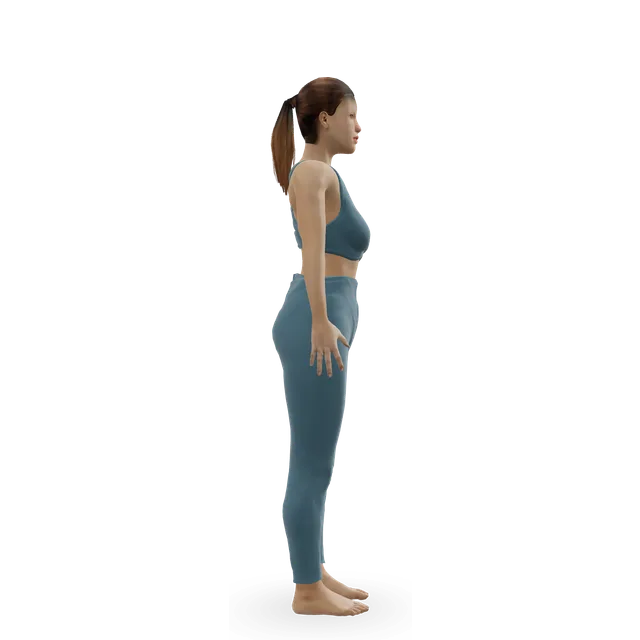
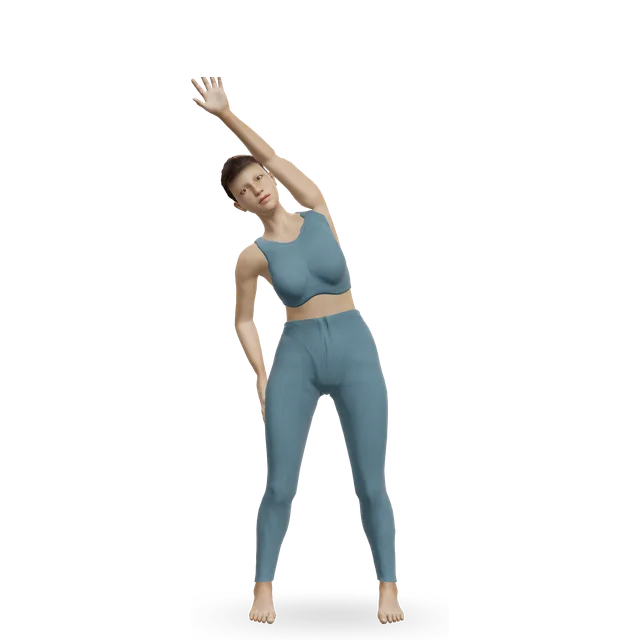
The moves' pages give these doses: mountain pose for 5 to 10 slow breaths, breath reach for 5 breaths, the side bend for 3 slow bends each side, thoracic rotation for 6 each side, and the hip hinge for 5 slow folds with 3 breaths at the bottom. Low lunge, chair pose, warrior II and tree pose for 3 to 5 breaths each, and 2 slow sun salutations with your knees down once you're warm (our editorial starting points).

Leave these until later in the day

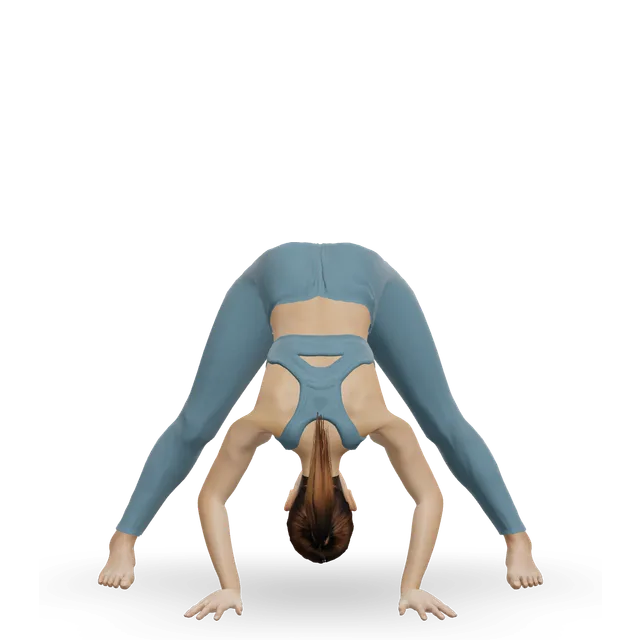
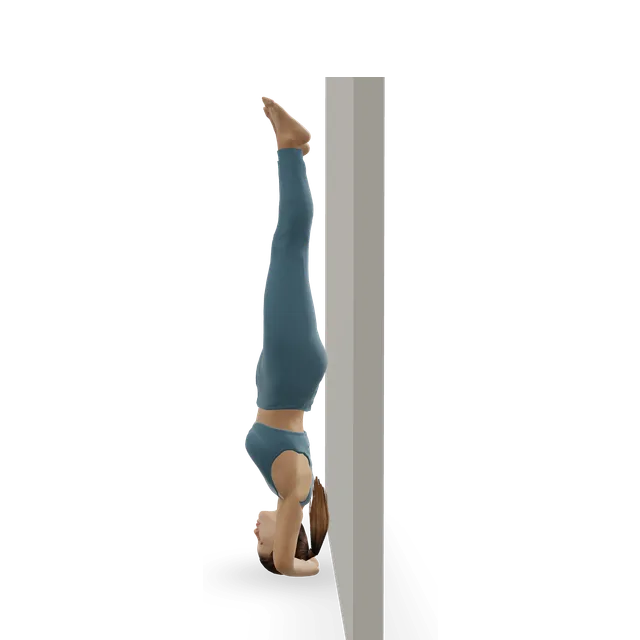
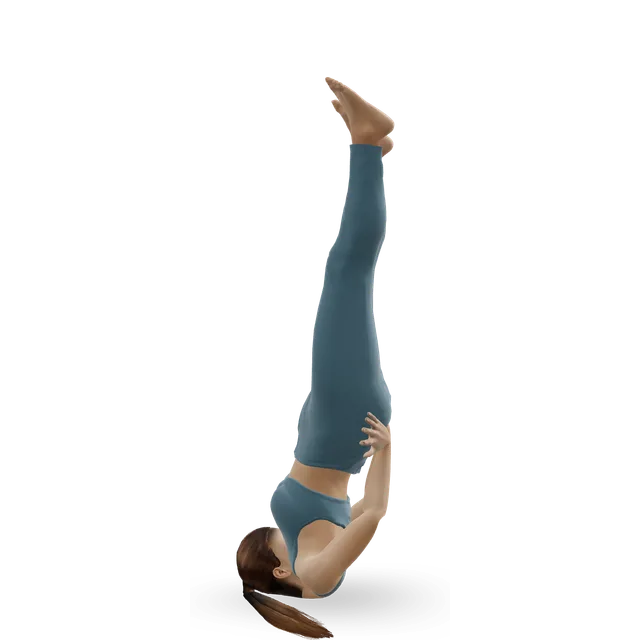
If your back is sore in the morning, keep deep forward folds for later (our suggestion, from the morning bending trial). With glaucoma, uncontrolled high blood pressure or dizziness when you stand, skip headstands and shoulder stands and keep head-down poses brief.

When to see a GP, and when to get help

A&E means accident and emergency. In the US, call 911 for 999, and contact your doctor or urgent care for NHS 111.

Call 999

For chest pain that comes on suddenly and doesn't go away, or spreads to your arms, neck, jaw, stomach or back, or comes with sweating, feeling sick, light-headedness or breathlessness; or for back pain with numbness around your genitals or bottom, or new bladder or bowel problems.

Sources 36, 37

Dizzy when you get up

Sit or lie down until it passes, and get up slowly next time, from lying to sitting to standing. See a GP if you keep getting dizzy or fainting.

Source 10

See a GP about stiffness

Book an appointment for:

  • Back pain and stiffness lasting more than 30 minutes in the morning, especially if it started before 45, has lasted more than 3 months, wakes you in the second half of the night and eases with exercise rather than rest.
  • Painful, swollen or hot joints, with morning stiffness that lasts longer than about 30 minutes.
  • Shoulder and hip stiffness lasting more than 45 minutes each morning, if you're over 50.

Sources 26, 28, 25, 27

Headache or sight problems with morning stiffness

With stiffness like polymyalgia rheumatica, the NHS says to contact a GP immediately or NHS 111 for a new or frequent headache, a sore scalp, or problems with your sight such as double vision or loss of vision.

Source 27

Diabetes

Low blood sugar can make you feel hungry, dizzy, shaky, sweaty or confused. If you have diabetes and these signs, treat it straight away with something sugary, as our best time to work out guide sets out.

Pregnancy

The NHS says not to exercise on an empty stomach, and to stop if you feel uncomfortable, too hot or unwell. Our pregnancy guide lists the signs to stop and call your midwife or maternity unit.

Source 29

Sleep

See a GP if changing your sleep habits hasn't helped, you've had trouble sleeping for months, or it's affecting your daily life.

Source 4

Myths

"You should never stretch first thing in the morning"Emerging evidence

No study says so. Flexibility rose with a warm-up, and the morning bending trial asked people with back pain to cut down early-morning bending, not to stay still. Start gently and leave deep folds until you're warm.

Sources 8, 9

"Morning yoga is better for sleep"Emerging evidence

In the one trial of yoga timing, sleep improved about as much after morning and evening practice, and reviews of exercise in general find no clear winner.

Sources 1, 2, 16

"Morning exercise boosts your metabolism all day"

Our best time to work out guide found no time of day better for weight overall, and most yoga burns few calories: hatha yoga is listed at 2.3 METs.

Source 23

"You must do yoga on an empty stomach"

It's a yoga school custom. Comfort decides for most people; eat first if you're pregnant, if you feel faint, or if you take insulin or a sulfonylurea.

Source 29

"It takes 21 days to form a habit"Emerging evidence

The 21-day figure came from plastic surgery anecdotes. In a study of daily habits, it took 18 to 254 days, an average of 66.

Sources 12, 11

"Breath of fire is the best way to wake up"Emerging evidence

Fast breathing raised blood pressure and heart rate during practice in a lab study. Skip it if you have high blood pressure or heart disease; slow breathing and gentle movement wake you up too.

Source 30

Questions people ask

Is morning yoga good for you?

Yes, as a way to move, breathe and start the day. In the only trial of yoga timing, morning and evening practice improved sleep scores about equally, and a short routine at the same time each day is easy to turn into a habit.

Is it better to do yoga in the morning or at night?

Neither has been shown to be better overall: yoga improved sleep about as much at either time in the one trial, and reviews of exercise timing find no clear winner. Morning practice fits the NHS advice for insomnia to exercise during the day; in the evening, finish hard sessions well before bed.

What's a good morning yoga routine for beginners?

Start lying down with slow breathing and gentle knee rocks, come onto all fours for cat-cow, then a lunge and standing poses for strength and balance, and save forward bending for the end. Our 15-minute routine does exactly that, with a 3D demo of each pose.

How long should morning yoga be?

Whatever you'll keep doing: 10 to 15 minutes a day is a realistic start. Seven-minute sessions reduced stress in one study, and simple routines become habits faster than elaborate ones.

Should I do yoga before or after breakfast?

Whichever feels better: for most people it doesn't seem to matter. Eat first if you feel faint on an empty stomach, if you're pregnant, or if you take insulin or a sulfonylurea; some yoga schools ask for 2 hours after a meal, but that's a custom, not a rule.

Is it safe to stretch as soon as you wake up?

Yes, gently. Your back is stiffer first thing because the discs take up water overnight, so start with small movements and leave deep forward folds until you're warm. A warm-up raised morning flexibility in one study.

Can morning yoga help back pain or stiffness?

Moving helps ordinary morning stiffness ease, and in one trial of people with long-lasting back pain, cutting down bending early in the morning reduced pain. Stiffness that lasts more than 30 minutes, wakes you in the night and eases with exercise rather than rest needs a GP, as it can be inflammatory back pain.

Will morning yoga give me more energy?

It may. In the timing trial, morning practice improved energy compared with a waiting list, but about half the participants dropped out, so it isn't certain. Single sessions of yoga or other exercise lifted mood in trials.

Does morning yoga help you lose weight?

Not much on its own: most yoga burns few calories, and no time of day has been shown to be better for weight overall. Our yoga for weight loss guide covers what helps.

Can I do morning yoga in bed?

The lying-down part, yes: slow breathing, gentle knee rocks and heel slides work on a firm mattress (our suggestion). Move to the floor for kneeling and standing poses, and get up slowly, rolling onto your side first.

How do I make morning yoga a habit?

Do the same short routine at the same time, straight after something you already do, like brushing your teeth. In a study of daily habits, it took an average of 66 days for them to feel automatic, and missing a day didn't undo progress; a tick-sheet on the fridge helps.

Is morning yoga safe with high blood pressure?

Yes, gently. Keep breathing through holds, skip fast breathing, and skip headstands, shoulder stands and long head-down holds while your blood pressure is uncontrolled. If you check your blood pressure, wait at least 30 minutes after exercise.


Sources

  1. Iyer 2026 · Morning or evening yoga for sleep, mood and wellbeing: 156 students (Dawn vs Dusk randomised trial, J Ayurveda Integr Med)
  2. Souabni 2026 · Morning or evening exercise and sleep: 25 studies, 16 trials pooled (systematic review and meta-analysis, Sleep Med Rev)
  3. Youngstedt 2019 · How exercise at different times of day shifts the body clock: 99 adults (lab study, J Physiol)
  4. NHS · Insomnia (last reviewed March 2024)
  5. Marschin 2026 · Seven-minute online sessions of exercise, yoga-based mobility or mindfulness: 131 adults (randomised study, Front Sports Act Living)
  6. Leri 2026 · Mood after 30 minutes of yoga, stretching or aerobic exercise: 88 adults (randomised study, Psychoneuroendocrinology)
  7. Reilly 1984 · Daily changes in height: 8 men (lab study, Chronobiol Int)
  8. Edwards 2026 · Flexibility across the day and a morning warm-up: 16 adults (lab study, Chronobiol Int)
  9. Snook 1998 · Cutting down early-morning bending for chronic low back pain: 85 people (randomised trial, Spine)
  10. NHS · Low blood pressure (hypotension) (past its review date: reviewed July 2023, review due July 2026)
  11. Lally 2010 · How habits form in everyday life: 96 volunteers (study, Eur J Soc Psychol)
  12. Gardner 2012 · Making health habitual: habit formation and general practice (review, Br J Gen Pract)
  13. Adams 1987 · Daily changes in how far the lower back bends: 21 volunteers (lab study, Spine)
  14. Shen 2025 · Morning or evening aerobic exercise for 12 weeks: 58 men (randomised trial, Sci Rep)
  15. Europe PMC · Search for trials of yoga in the morning and evening: 5 records, one randomised comparison of times (25 October 2026)
  16. Hu 2026 · Time of day, exercise, sleep and mood: 13 studies (three-level meta-analysis, Front Psychol)
  17. Stutz 2019 · Evening exercise and sleep: 23 studies (systematic review and meta-analysis, Sports Med)
  18. Seol 2021 · Morning or evening home exercise and sleep: 60 older adults (randomised trial, J Geriatr Psychiatry Neurol)
  19. Kim 2023 · Exercise timing, the body clock and sleep quality: 9 studies (systematic review, Phys Act Nutr)
  20. Park 2020 · How mood changes across a single yoga class: 144 regular practitioners (study, Complement Ther Med)
  21. Reed 2014 · Morning and evening types and mood after one hatha yoga session (study, Int J Yoga Therap)
  22. Ebnezar 2012 · Integrated yoga or physiotherapy exercises for knee osteoarthritis: 250 people (randomised trial, Int J Yoga)
  23. 2024 Adult Compendium of Physical Activities · Conditioning exercise: energy cost (MET values)
  24. Snook 2002 · Cutting down early-morning bending: 3-year follow-up (J Occup Rehabil)
  25. NHS · Rheumatoid arthritis: symptoms (past its review date: reviewed March 2023, review due March 2026)
  26. NHS · Ankylosing spondylitis: symptoms (past its review date: reviewed January 2023, review due January 2026)
  27. NHS · Polymyalgia rheumatica (past its review date: reviewed April 2023, review due April 2026)
  28. NICE NG65 · Spondyloarthritis in over 16s: diagnosis and management (recommendations, last updated June 2017)
  29. NHS · Exercise in pregnancy (last reviewed September 2026)
  30. Nivethitha 2021 · Heart rate and blood pressure during different yogic breathing techniques: 20 healthy adults (lab study, Int J Yoga)
  31. Europe PMC · Search for morning yoga and strokes, heart events, injuries or other harms: 1 unrelated record (25 October 2026)
  32. Kaushal 2015 · Exercise habit formation in 111 new gym members (cohort study, J Behav Med)
  33. Buyalskaya 2023 · What machine learning teaches us about habit formation: exercise and hand-washing (study, PNAS)
  34. PNAS 2023 · Correction to Buyalskaya 2023: gym habits form in about 2 to 3 months
  35. Schumacher 2020 · Consistent morning exercise may help people with obesity keep exercising (hypothesis paper, Exerc Sport Sci Rev)
  36. NHS · Chest pain (past its review date: reviewed August 2023, review due August 2026)
  37. NHS · Back pain (last reviewed March 2026)

Exercise education, not a personal prescription, and clinical review of these guides is pending. If you are pregnant, have a health condition such as glaucoma, high blood pressure or osteoporosis, or have had recent surgery, check with a doctor, midwife or physiotherapist before starting, and stop for sharp or increasing pain. Health disclaimer.