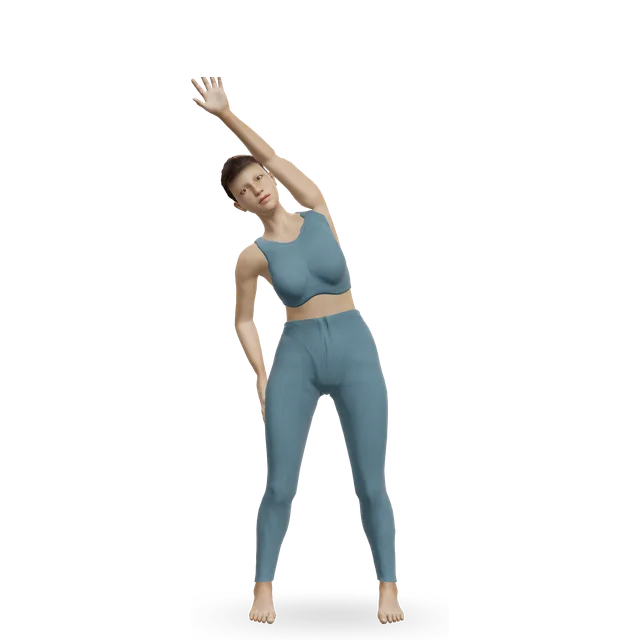
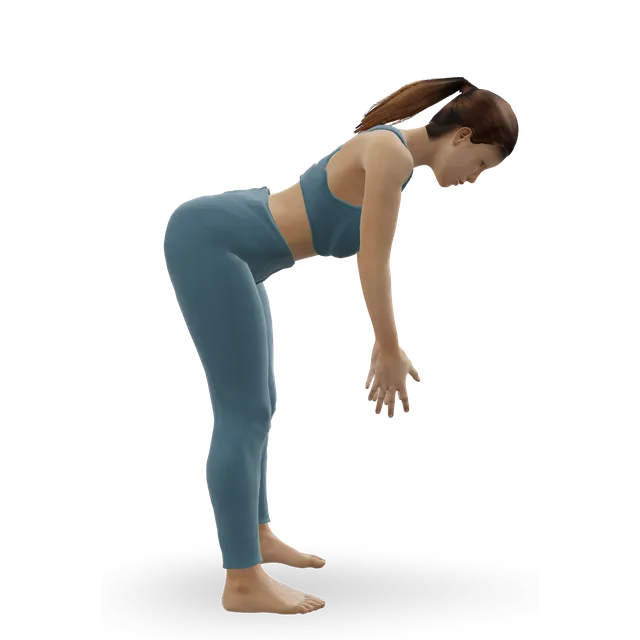
Vigorous vinyasa
The British Wheel of Yoga (BWY) says "Power yoga is a form of vinyasa", and Bryan Kest, an Ashtanga-trained teacher who teaches under the name, says it "has now become a generic term usually used to describe a vigorous yoga class".
Yoga guide
Power yoga is a vigorous form of vinyasa yoga: sun salutations, lunges, balances, strength holds and backbends linked by the breath, with no fixed sequence. It grew up in the US in the 1990s among teachers trained in Ashtanga, and the name is now used for almost any strong flow class.
It's moderate exercise on average, with harder spells, and it counts as muscle-strengthening, but it isn't as hard as a vigorous circuit or high-intensity interval class. In one large survey it had the highest injury rate of the yoga styles, though that figure rests on only 71 people.
This guide covers how hard it really is, calories, how it differs from vinyasa and Ashtanga, the few trials, how to start safely, and a 40-minute workout with every pose shown in 3D.
The British Wheel of Yoga (BWY) says "Power yoga is a form of vinyasa", and Bryan Kest, an Ashtanga-trained teacher who teaches under the name, says it "has now become a generic term usually used to describe a vigorous yoga class".
The Compendium of Physical Activities lists power yoga at 4.0 METs (metabolic equivalents: 1 is the energy you use sitting still), but marks that as an estimate. In 27 young adults, about 45 minutes kept heart rates mostly in the moderate and vigorous zones, and the US physical activity guidelines list active yoga such as vinyasa or power yoga as moderate activity.
In yoga, heart rate rises more than energy use. A measured hour of vinyasa used less energy than a self-paced brisk walk.
That's about 280 kcal (kilocalories) an hour for a 70 kg person, using the Compendium's estimate, against about 335 for brisk walking and 525 for jogging. It's a good workout, not the hardest.
The NHS counts yoga as muscle-strengthening, and a small trial of power yoga raised strength in people with Parkinson's disease. Yoga hasn't been shown to raise bone density.
In a German survey, people who mainly did power yoga reported 1.50 injuries per 1,000 hours, against 0.60 for all yoga. That figure comes from 71 people reporting their own injuries, with a wide margin of error, and it is still below the published rate for running.
Source 13
The BWY describes vinyasa as "a fluid form of yoga" that "can be quite athletic", and says "Power yoga is a form of vinyasa". Bryan Kest, who teaches under the name, says power yoga "has now become a generic term usually used to describe a vigorous yoga class".
A Wellcome Collection history of modern yoga says power yoga arose in the West in the 1990s from practitioners of Ashtanga and Sivananda yoga. Beryl Bender Birch's 1995 book Power Yoga taught Ashtanga's "rigorous series of positions that flow into one another in a prescribed order", and Kest studied Ashtanga in India with Pattabhi Jois.
Classes vary by teacher. A measured 60-minute power vinyasa class, based on a published sequence, ran from an opening sequence through sun salutations, crescent lunges, balances, standing poses and backbends to a restful close. A heart-rate study used about 45 minutes of power yoga.
Some studios heat their power classes. Heat raises heart rate and body temperature but not the energy you use, as our hot yoga guide explains.
Source 18
The 2024 Compendium of Physical Activities lists power yoga at 4.0 METs, printed in red, which it uses to mark estimated values rather than measured ones. That sits in the moderate range: the World Health Organization (WHO) counts 3 to under 6 METs as moderate and 6 or more as vigorous.
In 27 adults with an average age of 23, about 45 minutes of power yoga kept heart rates in the moderate and vigorous zones for more of the time than in the light zone. They lost about 0.28 kg of body weight, mostly fluid.
Source 4
In 38 adults, an hour of vinyasa averaged 3.6 METs, against 4.4 for a self-paced brisk walk, though the first 45 minutes, before the restful close, used about as much energy as the walk. In a measured power vinyasa class, energy use and heart rate were lowest in the opening and closing sequences.
Pace matters: 8 minutes of sun salutation B at high speed used about 19 kcal more than at standard speed, and 10 minutes of fast sun salutations by yoga teachers averaged 8.7 METs, which is vigorous.
A review found that oxygen use usually classes yoga as light, while heart rate puts different styles in several bands. Across 17 energy studies, yoga sessions were mostly light, with sun salutations the main exception.
The US physical activity guidelines list "Active forms of yoga (for example, Vinyasa or power yoga)" among moderate-intensity activities, and say yoga can be both aerobic and muscle-strengthening, depending on the type and the poses. The NHS asks for 150 minutes of moderate activity a week, where you can still talk but not sing, plus strength work on 2 days, and lists yoga as muscle-strengthening.
Our reading: a power class counts as moderate activity and as a strength session.
The Compendium puts vigorous circuit training at 7.5 METs, conditioning classes at 7.8 and high-intensity interval exercise at 7 to 11, and the US guidelines list high-intensity interval training (HIIT) as vigorous. Power yoga's estimated 4.0 is about half that. We found no trial that compared them head to head.
METs multiplied by your weight in kilograms gives the kcal used in an hour, including the energy you'd use sitting anyway. For 70 kg:
No controlled trial has tested power yoga for weight loss. In one uncontrolled pilot, 50 employees offered at least an hour of power yoga six mornings a week for 6 weeks, along with mindfulness and mindful-eating sessions, lost about 5 kg on average. With no comparison group and the eating sessions mixed in, it can't show what the yoga itself did. Our yoga for weight loss guide covers what helps.
Ashtanga repeats the same set series every time, with counted breaths. The one measurement, of a 56-minute beginners' Ashtanga video, averaged 2.5 METs, but that wasn't a full practice. Our Ashtanga yoga guide covers the series.
Vinyasa classes use the same breath-linked flow, in sequences each teacher designs. The Compendium lists vinyasa at 2.7 METs, and a lab study measured 3.6.
Power yoga is a form of vinyasa, usually more vigorous, with no set sequence; its 4.0 METs is an estimate. Our types of yoga guide compares all the main styles.
A large research database lists 3 papers with power yoga in the title and 12 that mention it in the title or summary, with 1 randomised trial. Most of what we know comes from studies of vinyasa and sun salutations.
Source 23
We found no trial of power yoga as taught for heart and lung fitness. In 20 active adults, 4 weeks of fast-tempo "cardio yoga" raised fitness (VO2max, the most oxygen your body can use) more than the same yoga done more slowly. In 47 inactive young women, 8 weeks of 60-minute yoga sessions three times a week raised VO2max by about 12% against no exercise, as much as treadmill interval training did.
In 34 women, 8 months of twice-weekly Ashtanga-based classes raised leg-press strength by 11%. In 26 people with mild to moderate Parkinson's disease, power yoga twice a week for 3 months reduced slowness and stiffness and raised strength on all five machines tested, against people who didn't do it. That was a pilot trial that needs repeating.
Across 11 studies of Pilates or yoga in 591 women, bone density didn't change significantly, and 8 months of Ashtanga-based classes didn't change it either. For bone, our osteoporosis guide recommends strength and impact exercise.
After a single class, the stress hormone cortisol fell after both power yoga and stretch yoga in 33 women, who found the power class more pleasurable and energising. In 13 women, a 30-minute meditative yoga video lowered anxiety and cortisol, while a 30-minute power yoga video didn't. Across exercise trials for depression, benefits grew with intensity, and yoga helped more than control activities, on very low-certainty evidence.
Across 43 hot yoga studies, heat raised body temperature and heart rate but not energy use, and the reviewers said claims of extra health benefits are, at present, unsubstantiated. In community classes, room temperature made no difference to the share of class spent at moderate intensity by heart rate.
Across 306 randomised yoga trials, positive conclusions were as common for one style as another.
Source 35
In a German survey of 1,702 practitioners, the 71 people who mainly did power yoga reported 1.50 sudden injuries per 1,000 hours, against 0.60 for all yoga; the margin of error ran from about 1 to 3 per 1,000 hours, and injuries were self-reported. Sudden problems were more common in people who mainly did power yoga than in other styles.
The authors note that the styles with the most problems put physical postures ahead of meditation or breathing. Yoga overall still had a lower injury rate than running or general fitness training (about 2.5 per 1,000 hours).
Source 13
In sedentary breast and ovarian cancer survivors, 40% reported mild to moderate pain with vigorous yoga, against 10% with restorative yoga.
Source 36
A 36-year-old man developed compartment syndrome of the back muscles, with muscle breakdown (rhabdomyolysis), after a power yoga class. He was treated with rest, painkillers and fluids, and recovered fully within 6 months.
Source 37
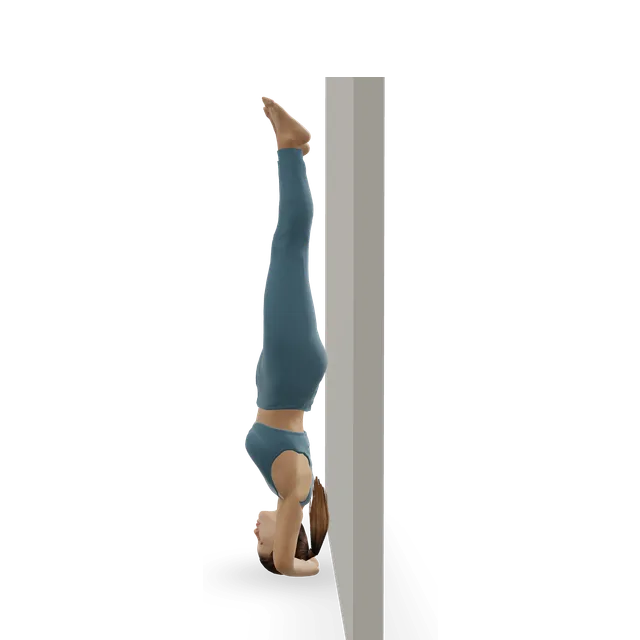
Reviews of published cases of harm name headstand, shoulder stand, lotus and forceful breathing most often, and a 2026 review found headstand the pose most often involved.
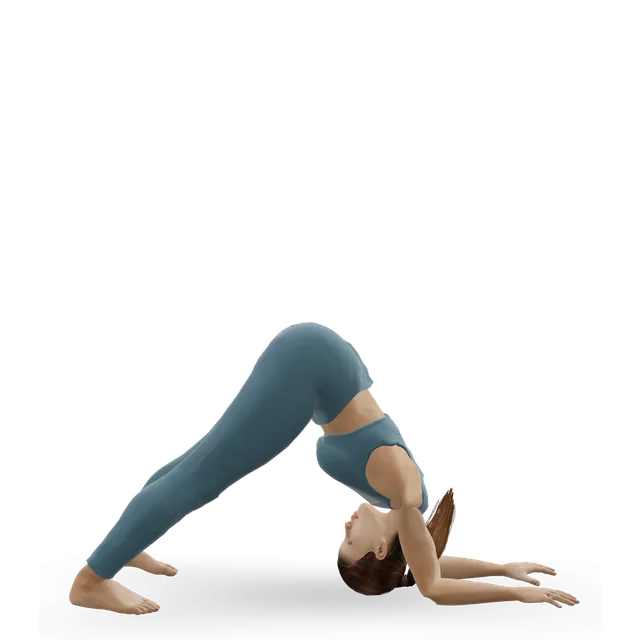
The American Academy of Ophthalmology advises people with glaucoma to avoid strenuous inversions and to breathe out gently without holding the breath, and a yoga teacher in the same article suggests a slower style with props. In a lab study, downward dog raised eye pressure the most of four head-down poses. Use a wall or chair for downward dog, keep folds brief, and skip headstands.
The NHS says it's not recommended to start a new vigorous activity in pregnancy, and the US National Center for Complementary and Integrative Health advises avoiding hot yoga in pregnancy because it can cause overheating. If you already practise, slow down and step rather than jump (our suggestion), and see our pregnancy yoga guide.
Flowing classes fold forward many times. The UK consensus on exercise for osteoporosis advises modifying sustained, repeated or end-range forward bending, so fold from your hips with a long back.
Source 44
Get advice before a fast or hot class if you have a heart condition, high blood pressure that isn't controlled, or have had a recent heart attack or operation.
Our suggestions, drawing on the advice to learn with a qualified teacher and on the injury data:
Two or three classes a week, with an easier day or a rest day after each (our editorial starting point; the Parkinson's trial used two a week). Keep 150 minutes of moderate aerobic activity across the week, such as brisk walking, cycling or running.
Breathe slowly through your nose for a minute, do 8 slow waves of cat-cow (the move page's dose), then hold downward dog for 5 breaths.
Five rounds of A and three of B make a strong start (our suggestion); lower with your knees down in chaturanga until you can lower slowly with a straight body.
 3D demoSun salutation A (Surya Namaskar A)Intermediate · No equipment
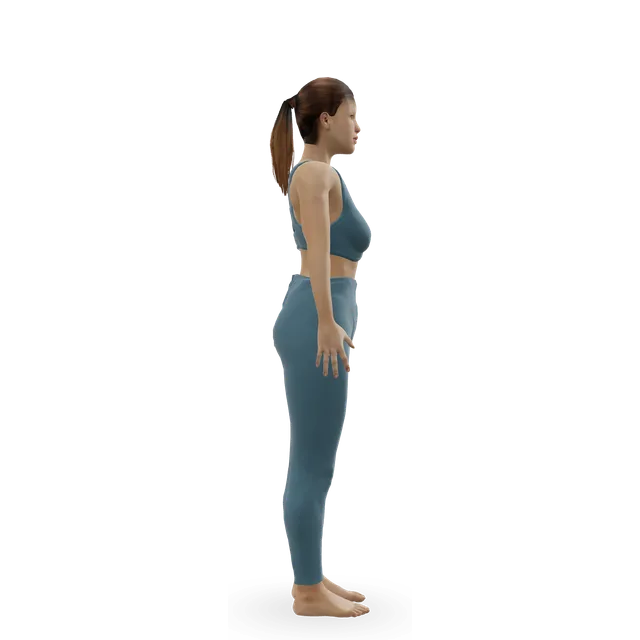 3D demoSun salutation B (Surya Namaskar B)Intermediate · No equipment
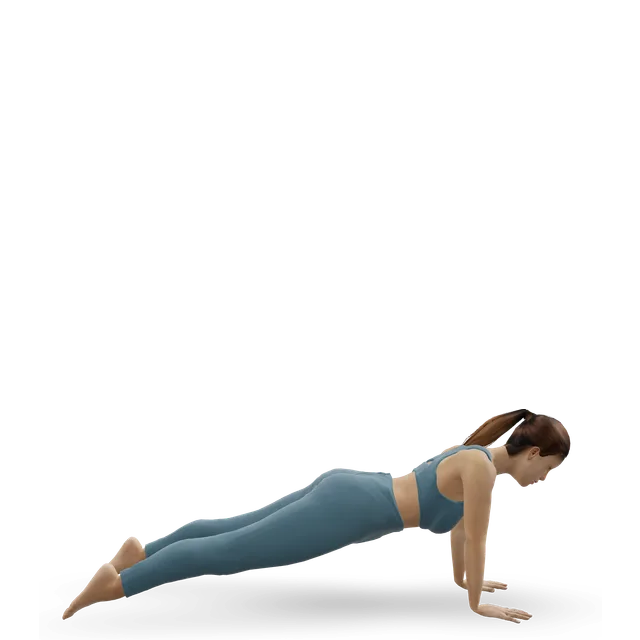 3D demoFour-limbed staff pose (Chaturanga Dandasana)Advanced · No equipment
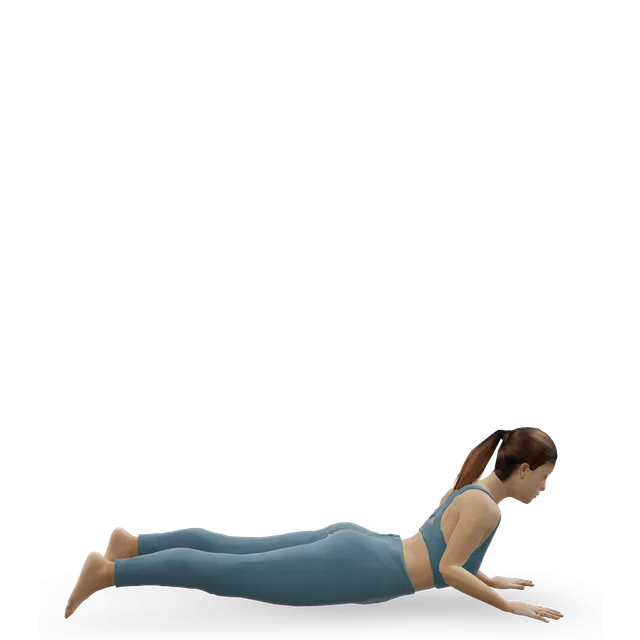 3D demoLow cobra (Bhujangasana)Beginner · No equipment
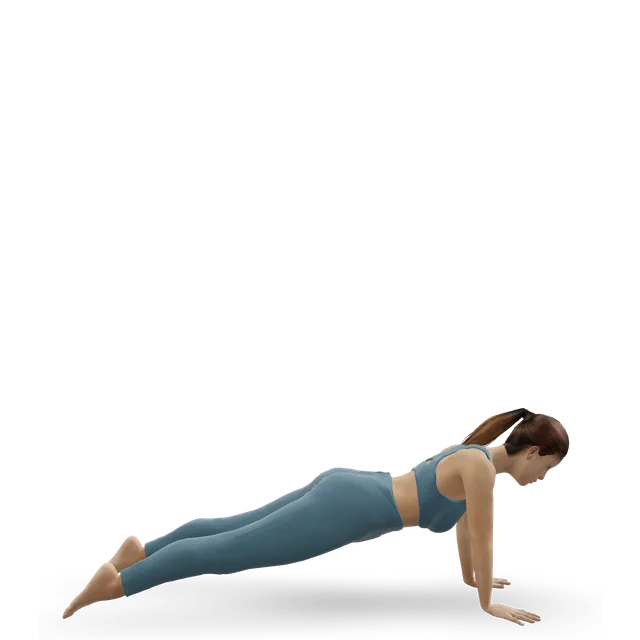 3D demoUpward-facing dog (Urdhva Mukha Svanasana)Intermediate · No equipment
Hold each for about 5 breaths a side, and the chair poses twice (our suggestion), with balances near a wall at first.
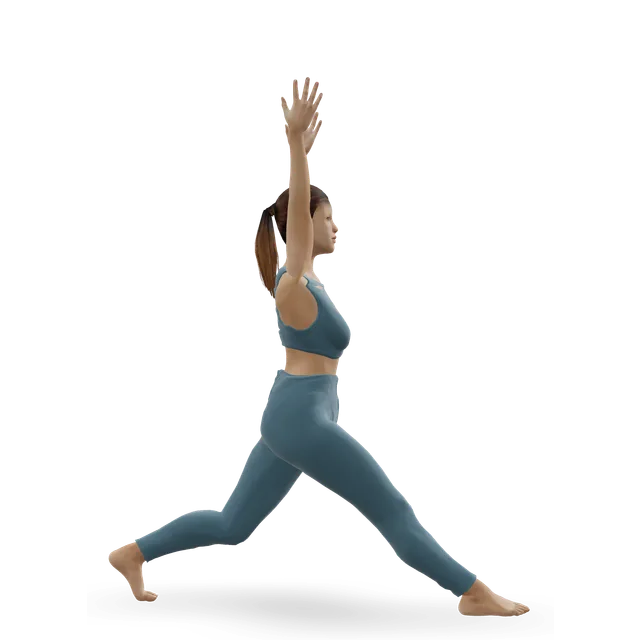 3D demoHigh lunge (crescent lunge, Ashta Chandrasana)Intermediate · No equipment
 3D demoLow lunge (Anjaneyasana)Beginner · No equipment
 3D demoWarrior I (Virabhadrasana I)Intermediate · No equipment
 3D demoWarrior II (Virabhadrasana II)Intermediate · No equipment
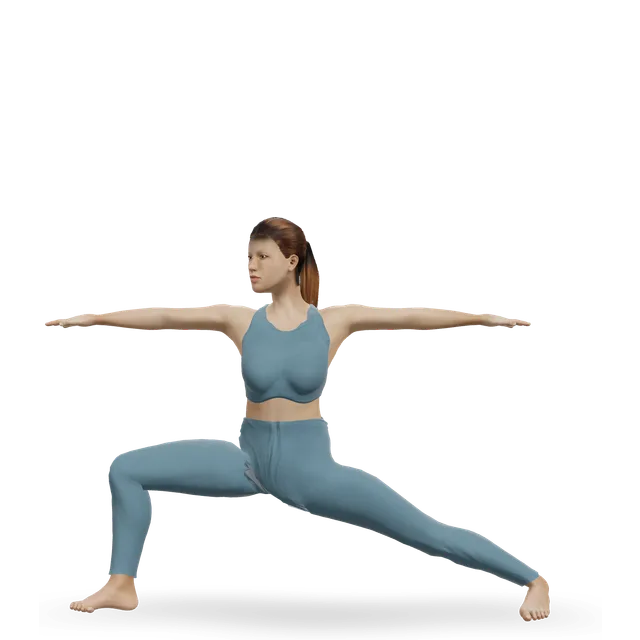 3D demoReverse warrior (Viparita Virabhadrasana)Intermediate · No equipment
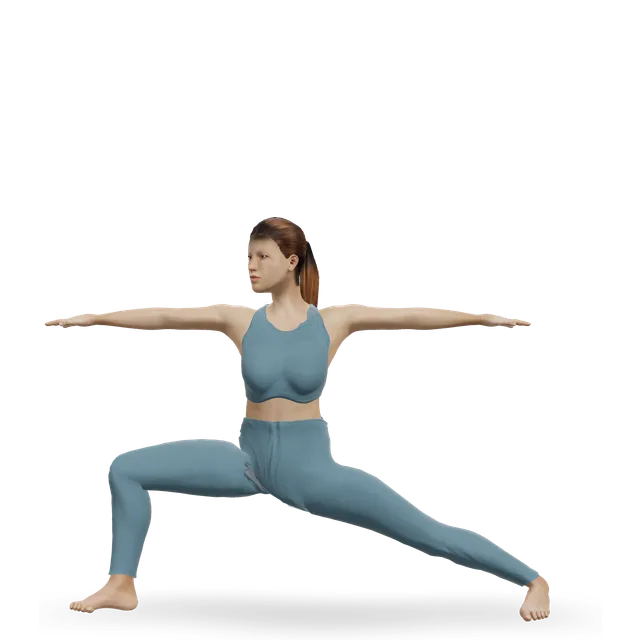 3D demoExtended side angle (Utthita Parsvakonasana)Intermediate · No equipment
 3D demoChair pose (Utkatasana)Beginner · No equipment
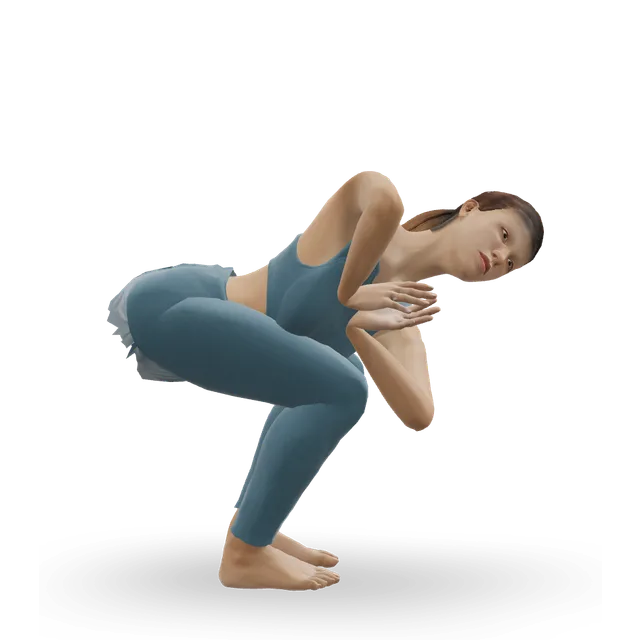 3D demoRevolved chair pose (Parivrtta Utkatasana)Intermediate · No equipment
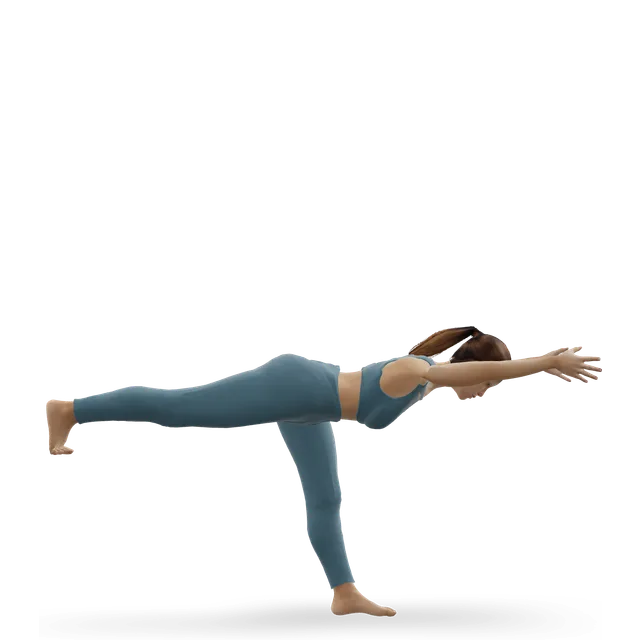 3D demoWarrior III (Virabhadrasana III)Advanced · No equipment
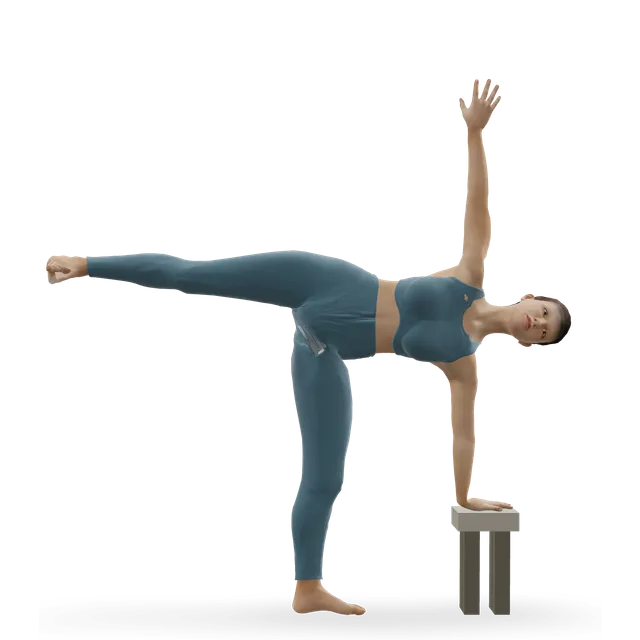 3D demoHalf moon pose (Ardha Chandrasana)Advanced · A step
 3D demoTree pose (Vrksasana)Beginner · No equipment
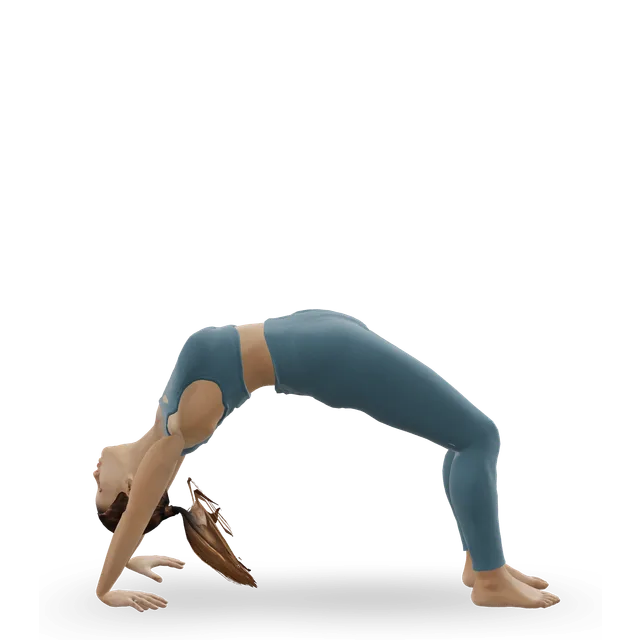
Two or three holds of about 5 breaths in side plank, boat, locust and bridge, a minute each side in the twist, then at least 5 minutes of corpse pose (that pose's page suggests at least 5, up to 10).
 3D demoSide plankIntermediate · No equipment
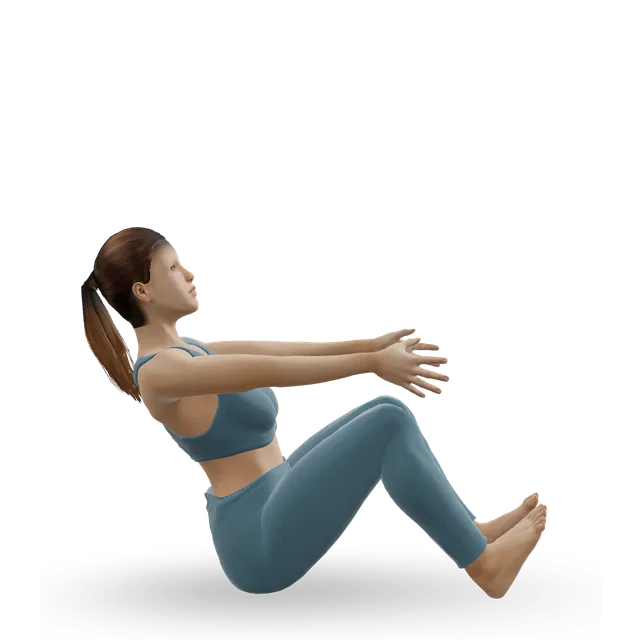 3D demoBoat pose (Navasana)Intermediate · No equipment
 3D demoLocust pose (Salabhasana)Beginner · No equipment
 3D demoGlute bridgeBeginner · No equipment
 3D demoSupine spinal twist (Supta Matsyendrasana)Beginner · No equipment
 3D demoCorpse pose (Savasana)Beginner · No equipment
Learn these with a teacher once the basics are easy, and skip the head-down poses if you have glaucoma.
Start with the vinyasa flow for beginners if sun salutations are new, then the 40-minute power yoga workout. The walk and yoga workout adds the brisk walking that yoga alone doesn't give you.
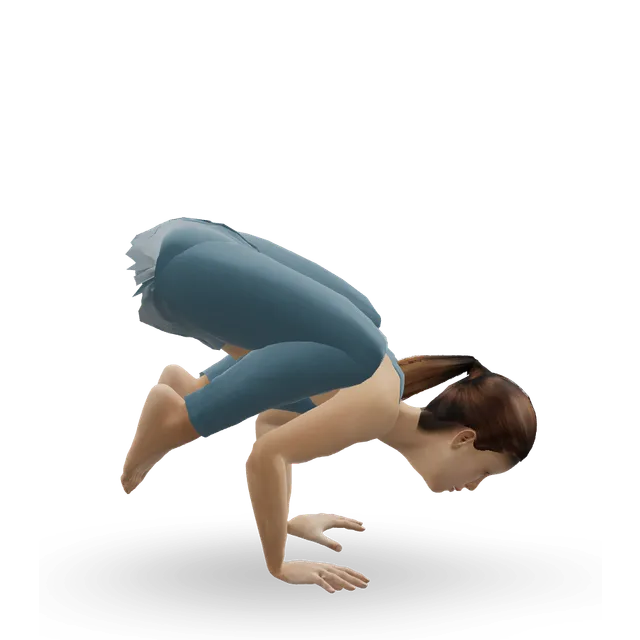
A 40-minute power yoga workout: sun salutations, lunges, strength holds, balances, core work and backbends, moving with the breath, then a rest.
40 minIntermediate18 movesA stepA 30-minute beginners' vinyasa flow: sun salutations, lunges, standing poses, balances and backbends, moving with the breath at a slow pace, then a rest.
30 minBeginner16 movesNo equipmentA 20-minute flow built on sun salutations A and B, with warrior poses and a short cool-down.
20 minIntermediate8 movesNo equipmentA 45-minute session for weight loss and health: a 20-minute brisk walk, which does more for the scales, then a standing yoga flow for strength and balance.
45 minBeginner12 movesCardio machineA 50-minute room-temperature version of the fixed standing-and-floor series taught in many hot yoga classes, built from poses with 3D demos. No heater needed.
50 minIntermediate23 movesFirm cushionA 12-minute plank session for the 30-day plank challenge: front planks that get harder, not longer, plus side planks and bird dogs for the whole trunk.
12 minBeginner12 movesNo equipmentFor chest pain that feels tight or like squeezing, or that spreads to your arms, neck or jaw, severe difficulty breathing, or if someone collapses. In the US, call 911.
Source 46
Stop for dizziness, a headache, feeling sick, heavy sweating or cramps: get somewhere cool, drink and cool your skin. It should improve within 30 minutes. Call 999 if it doesn't, or for hot skin that isn't sweating, a fast heartbeat, fast breathing, confusion, a fit or passing out.
Source 47
Very sore, swollen or weak muscles with dark, red or cola-coloured pee, or peeing less than usual, after an unusually hard class need medical help the same day: call NHS 111, or go to A&E if you feel very unwell. It has happened after a power yoga class.
The NHS says to stop exercising straight away if you feel any pain or become unwell. Come out at once for sharp or increasing pain, tingling, numbness, dizziness or a sudden headache.
Source 45
Get advice before starting if you have a health problem, an injury or symptoms, have had a recent heart attack or operation, or are pregnant or have recently given birth. Tell your teacher about any condition.
Its estimated 4.0 METs is about half the 7.5 to 7.8 of vigorous circuit or conditioning classes, and the US guidelines list it as moderate, not vigorous. It is good strength work, but not a replacement for harder cardio.
About 280 kcal an hour at 70 kg, on an estimate, against about 525 for jogging and 595 for running at 12 minutes a mile.
Heart rate makes yoga look harder than oxygen use does, and a measured hour of vinyasa used less energy than a brisk walk.
Heat raises heart rate and body temperature but not energy use, and we found no study of detox claims: the weight lost in a class is mostly fluid, about 0.28 kg in 45 minutes. Drink to replace it.
Yoga hasn't been shown to raise bone density, in trials of up to 8 months.
Ashtanga repeats the same set series every time; power yoga is a form of vinyasa whose sequence changes with the teacher.
A vigorous, flowing style of vinyasa yoga that grew up in the US in the 1990s, mostly among teachers trained in Ashtanga. Unlike Ashtanga, it has no set sequence, so classes vary by teacher.
Partly: it keeps your heart rate in the moderate and vigorous zones for much of a class, and the US guidelines count it as moderate activity. But it uses less energy than its heart rate suggests, so add brisk walking, cycling or running for heart and lung fitness.
In part, yes: the NHS counts yoga as a muscle-strengthening activity, and the US guidelines say yoga can be both aerobic and muscle-strengthening depending on the poses. In trials, Ashtanga-based and power yoga classes increased strength.
About 280 kcal an hour for a 70 kg person, using the Compendium's 4.0 METs, which is an estimate rather than a measurement. That's less than brisk walking (about 335) or jogging (about 525).
No controlled trial has tested it; in one uncontrolled 6-week workplace programme, people offered power yoga six mornings a week plus mindful-eating sessions lost about 5 kg on average. It burns a moderate number of calories and builds strength, so it can be part of a plan; our yoga for weight loss guide covers the rest.
Power yoga is a form of vinyasa: both link poses with the breath, but power classes are usually more vigorous, often with more strength holds. Ashtanga is different again, with the same set series every time.
It's better to learn the sun salutations and basic poses first, in a beginners' or slow-flow class. Then try a level 1 power class, step back rather than jump, and rest in downward dog when your breath runs ahead.
It's a good moderate workout that builds strength, balance and flexibility. It isn't as hard as a vigorous circuit or high-intensity interval class, which use about twice the energy.
Mostly, but in one survey people who mainly did power yoga reported the most injuries of any style: 1.50 per 1,000 hours against 0.60 for all yoga. That figure came from only 71 people reporting their own injuries, with a wide margin of error, and is still below running. Most yoga injuries are sprains and strains; skip inversions until you've been taught, and stop for sharp pain.
It hasn't been shown to be: trials of yoga and Pilates found no significant change in bone density. For bones, add strength training and impact exercise.
Heat raises your heart rate and body temperature but not the calories you burn, and there's no good evidence of extra benefit. Avoid hot classes in pregnancy, and stop if you feel dizzy, sick or confused.
Two or three times a week, with easier days in between, alongside 150 minutes of moderate aerobic activity across the week. The Parkinson's trial used two sessions a week.
Exercise education, not a personal prescription, and clinical review of these guides is pending. If you are pregnant, have a health condition such as glaucoma, high blood pressure or osteoporosis, or have had recent surgery, check with a doctor, midwife or physiotherapist before starting, and stop for sharp or increasing pain. Health disclaimer.