Hatha is the umbrella
Hatha is an umbrella term for the physical styles of yoga, and most named styles grew out of it. In the UK, a class labelled hatha is usually steady, with poses held for several breaths.
Yoga guide
Most yoga styles grew from hatha yoga, the physical side of yoga, and differ mainly in pace and emphasis: flowing vinyasa and Ashtanga, precise Iyengar, slow yin and restorative, Kundalini's breath and mantra, and the heat of hot yoga. Most are light exercise, though brisk flowing and power styles can reach moderate intensity.
No style has been shown to give better results than another, so the best one is the one you enjoy and can get to.
This guide explains where each style comes from, what a class is like, how hard it is and what the research shows, and suggests where beginners should start.
Hatha is an umbrella term for the physical styles of yoga, and most named styles grew out of it. In the UK, a class labelled hatha is usually steady, with poses held for several breaths.
Vinyasa, Ashtanga and power yoga flow from pose to pose with the breath; Iyengar holds precise poses with props; yin holds floor poses for minutes; restorative rests in fully supported poses; Kundalini adds breathwork, mantra and meditation; and Bikram and other hot yoga add heat.
The Compendium of Physical Activities lists hatha at 2.3 METs (metabolic equivalents: 1 MET is the energy you use sitting still), vinyasa at 2.7 and hot yoga at 3.0, where light means under 3. Power yoga's 4.0 is an estimate in the Compendium; in one study it kept heart rates in the moderate and vigorous zones, and the US guidelines count active vinyasa and power yoga as moderate.
Across 306 trials using 52 styles, the share with positive conclusions didn't differ by style, and the authors suggest choosing by preference and what's available.
Source 13
A gentle hatha or beginners' class is the British Wheel of Yoga's suggestion, and Iyengar suits you if you want precise instruction and props. Leave power, hot and the full Ashtanga series until you know the basic poses (our suggestion), and headstands and forceful breathing until a teacher has taught you.
The heat raises your temperature and heart rate but not the energy you use, claims of extra benefit are unsubstantiated, and it isn't for pregnancy. Our hot yoga guide has the detail.
The British Wheel of Yoga (BWY) calls hatha an umbrella term for several styles rooted in a physical practice; classes usually include postures, breathing, guided meditation and a closing relaxation. Poses are held for several breaths. The Compendium lists hatha at 2.3 METs, and measured sessions came out at about 2.2 to 2.5 METs.
The NHS describes vinyasa as placing strong emphasis on connecting the breath with the yoga poses, flowing from one to the next. Sequences vary by teacher and are usually built on sun salutations (our description). The Compendium lists vinyasa at 2.7 METs, intensity varied between the sequences of one class in a lab study, and the US guidelines count active vinyasa as moderate aerobic activity.
The BWY suggests a gentle beginners' class first. Exercise-based styles such as vinyasa spend more of the class on postures: about 61% of the time, against 50% in traditional styles. Our suggestion: start with hatha, or a slow-flow beginners' vinyasa class, and move on once you know the basic poses.
Ashtanga yoga is taught "in the tradition of Sri K. Pattabhi Jois", as the school puts it. Jois was a student of T. Krishnamacharya and taught in Mysore, according to his obituaries; he died in 2009, aged 93, and Reuters called Ashtanga one of the most rigorous forms of yoga.
Every practice follows the same order: 5 rounds each of sun salutations A and B, a set of standing poses, then one of the set series (Primary, Second or Third) and a finishing sequence, with each movement counted with the breath.
Ashtanga follows the same set series every time. Vinyasa classes use the same breath-linked flow, but each teacher designs the sequence.
Power yoga grew out of Ashtanga in the West in the 1990s: vigorous and flowing, often with little rest. In one study, people spent most of a class in the moderate and vigorous heart rate zones and lost 0.28 kg of fluid in about 45 minutes. The Compendium lists power yoga at 4.0 METs, but marks the figure as an estimate rather than a measurement; the US guidelines count it as moderate.
People who like to keep moving and want a workout. Flowing classes repeat the low push-up (chaturanga) many times, which can overload the shoulders when you're tired, so lower with your knees down at first. Learn the basic poses before a vigorous class, and leave headstands for later, as US health advice suggests.
Founded by B.K.S. Iyengar (1918 to 2014), a student of Krishnamacharya, whose book Light on Yoga has been in print since 1966. Iyengar Yoga UK describes the style as methodical and progressive, emphasising detailed correctness and safety, with props, longer holds, and breathing practice added once students have a firm foundation of postures. Teachers train for at least 6 years, and it is one of the most studied styles, with 31 trials in a review of 306.
Swami Vishnudevananda, sent West by Swami Sivananda in 1957, founded the Sivananda Yoga Vedanta Centres in Canada in 1959. Classes rest on five points: exercise, breathing, relaxation, a vegetarian diet, and positive thinking and meditation. They follow 12 basic postures in a set order, starting with headstand, shoulderstand and plough, with a 12-step sun salutation. The US National Center for Complementary and Integrative Health (NCCIH) advises beginners to avoid headstands and shoulder stands, so learn them slowly with the teacher, or skip them.
An approach that adapts practice to each person's condition, needs and interests, developed by Gary Kraftsow from the teachings of T.K.V. Desikachar and T. Krishnamacharya. The BWY calls it slow and breath-centred. Its standing movements used about as much oxygen as walking at 3 mph, and it was one of the styles most used in the Cochrane review of yoga for back pain.
Paul Grilley combined the Daoist yoga he learned from Paulie Zink with anatomy and Hiroshi Motoyama's meridian theory. Trials describe yin as a calmer, more meditative form, derived from hatha, of seated and lying postures held for 3 to 5 minutes with deep breathing, and the BWY notes it is floor-based and uses props.
Restorative yoga rests in poses fully supported by props, to remove all muscular effort; in one trial, most poses were held for 10 to 15 minutes, with the eyes covered. The trial followed Judith Hanson Lasater's approach; she has taught since 1971 and trains restorative yoga teachers.
In yin you hold a gentle stretch for a few minutes; in restorative yoga, props support you so no effort or stretch is needed. Neither raises the heart rate much (our view: there are no measurements), so neither replaces strength or aerobic exercise.
A guided relaxation lying down, standardised at the Bihar School of Yoga in 1976: a resolve, a body scan, breath awareness, visualisation and affirmation. Our yoga for stress, anxiety and sleep guide covers it.
Source 38
Anyone winding down, recovering or stressed. If your joints are very mobile, stay in the middle of your range rather than hanging at the end of it, as our hypermobility guide advises. With osteoporosis, avoid long holds in deep forward bends: a UK consensus advises modifying or avoiding sustained or end-range forward bending.
Source 39
3HO, the organisation Yogi Bhajan founded, lists eight elements: posture, kriya (set sequences), breathwork, mudra (hand positions), mantra, eye focus, energy locks (bandhas) and meditation. Yogi Bhajan left India for Canada in 1968 and then taught in Los Angeles, where 3HO was incorporated in 1969.
In 226 adults with generalised anxiety disorder, Kundalini yoga helped more people than stress education (54% against 33%) but fewer than cognitive behavioural therapy (CBT, 71%). Small trials found larger improvements than sleep hygiene in 40 people with insomnia, and than relaxation meditation in 48 people with obsessive-compulsive disorder. A review of 15 trials (about 1,370 people) found no serious adverse events.
Trials report no serious harms. Its fast breathing, such as breath of fire, resembles kapalabhati, which needs care: one case of a collapsed lung has been reported, and reviewers advise beginners not to start with forceful breathing.
Rare psychiatric crises have been reported after intensive, unguided practice: a 19-year-old who practised breathing and meditation alone, from books and the internet, developed catatonia, and mental health events made up 7% of 84 published yoga adverse events. Learn with a teacher, keep breathing practices gentle, and if you have a history of psychosis or bipolar disorder, talk to your mental health team first (our suggestion).
Bikram classes are 26 postures and 2 breathing exercises over 90 minutes, in a room at 105°F (about 40.5°C) with 40% humidity. Hot yoga is any yoga in a room of 25°C or more.
Across 43 mostly small studies (942 people, three-quarters of them doing Bikram), the heat raised body temperature and heart rate but not energy use compared with unheated yoga, and claims of greater benefit than other yoga are unsubstantiated. The Compendium lists hot yoga at 3.0 METs.
NCCIH warns that hot yoga can cause overheating and dehydration and advises avoiding it in pregnancy, and case studies report people becoming unwell. Our hot yoga guide has the detail.
Hatha yoga adapted so that chairs support people with physical limitations; three of the trials in older adults used it. It rates 2.8 on the Older Adult Compendium's scale for people over 60. Our yoga for seniors guide covers it.
Jivamukti yoga emerged in the 1980s. We found no published trials of aerial yoga or yoga sculpt in October 2026, so any health claims for them are borrowed from other yoga.
The 2024 Compendium of Physical Activities lists these values, where light is under 3 METs and moderate is 3 to under 6. It has no values for Iyengar, Ashtanga, yin, restorative or Kundalini yoga.
A 56-minute beginners' Ashtanga video averaged 2.5 METs, and a 30-minute hatha routine 2.2, which its authors called very light. Power yoga kept heart rates mostly in the moderate and vigorous zones. Viniyoga's standing movements used about as much oxygen as walking at 3 mph, and intensity varied between the sequences of a vinyasa class. A hatha class for adults around 70 stayed mostly below moderate.
For a 70 kg person, an hour of hatha uses about 160 kcal (kilocalories, the calories on food labels), vinyasa about 190, hot yoga about 210 and power yoga about 280, including the energy you'd use sitting anyway. These are our sums from the Compendium values (METs × weight in kg × hours), and the power yoga figure rests on an estimate.
Source 9
The NHS lists yoga as a muscle-strengthening activity, the US guidelines call active styles such as vinyasa or power yoga moderate aerobic activity, and the Compendium rates most styles light. So most styles count toward your strength days, and only brisk, flowing styles toward your 150 minutes of moderate activity.
Each claim is graded. Most style-by-style evidence comes from small trials.
A review of 306 trials covering 52 styles found the most studied were hatha (36 trials), Iyengar (31), breathing practice (26) and an integrated approach to yoga therapy (15). The share of trials with positive conclusions didn't differ by style, and the authors conclude that the choice can be based on preference and availability. The review compared conclusions, not the size of effects.
Source 13
These dominate the back pain trials, where yoga gave a small benefit. Eight weeks of hatha improved balance, strength and flexibility in inactive adults averaging 62, and Iyengar and chair yoga were among the styles tested in older adults.
In the SAGE trial, 700 people aged 60 and over did a year of Iyengar-based classes or seated relaxation. The yoga group had more falls, 0.87 against 0.64 falls per person per year, although their activity and confidence in their balance improved.
Source 55
In 105 stressed adults, 5 weeks of twice-weekly yin classes lowered anxiety, sleep problems and a stress-related blood marker against a control group, and a version with extra teaching about stress also lowered stress and depression. A second 5-week trial found less stress and worry, and a 10-week online programme lowered anxiety in 48 women. The trials are small and short.
In 180 adults with metabolic syndrome, 48 weeks of restorative yoga was only marginally better than stretching for fasting blood sugar, and no better for other measures. Small trials found better mental health in 44 women with breast cancer and less stress in 20 nurses working night shifts.
There are very few outcome trials. An 8-month Ashtanga-based programme in 34 women didn't change bone density; power yoga has a heart rate study and a small pilot study in Parkinson's disease; and we found no large outcome trials of vinyasa and none at all of Sivananda yoga.
Across 12 studies (1,176 people), yoga nidra eased pain against passive control groups by an implausibly large amount in low-quality studies, and made no difference against active ones.
Source 38
A gentle hatha or beginners' class is the BWY's suggestion, and Iyengar suits you if you want precise instruction and props. No style has better results, so choose one you enjoy and can get to.
Restorative or yin, knowing they do little for strength or fitness.
Vinyasa or power yoga, once you know the basic poses: active styles count as moderate aerobic activity in the US guidelines.
Power, hot and the full Ashtanga series until you know the basic poses (our suggestion), and headstands, shoulder stands, lotus and forceful breathing until a teacher has taught you, as NCCIH advises.
Trials of yin used 60-minute classes twice a week for 5 weeks, restorative poses were held for 10 to 15 minutes, and Ashtanga opens with 5 rounds each of sun salutations A and B. Our editorial starting point: try a style for at least 4 classes before you decide, and start with its beginners' version.
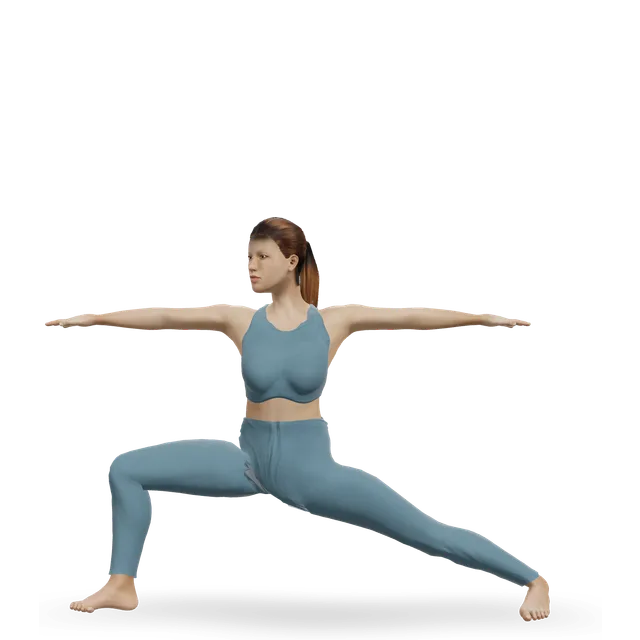
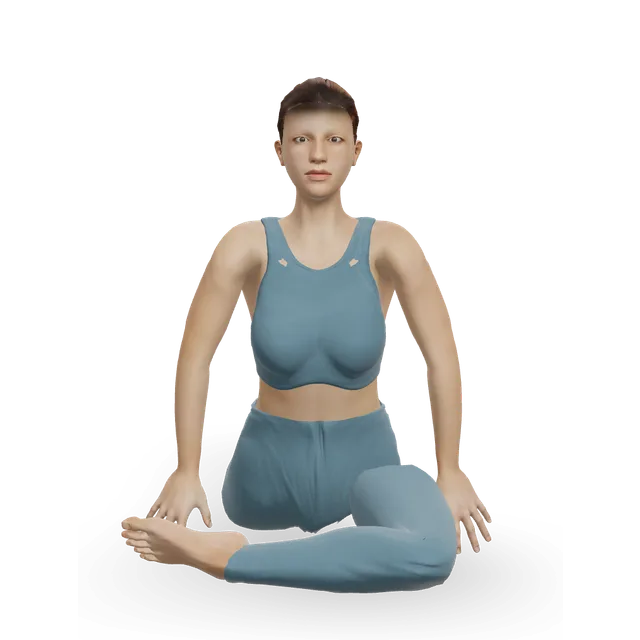
Triangle for hatha, sun salutation A for vinyasa, sun salutation B for Ashtanga, high lunge for power yoga, extended side angle for Iyengar's alignment, locust for Sivananda, cat-cow for viniyoga's slow, breath-paced movement, bound angle for yin, reclining bound angle for restorative, easy pose for Kundalini breathwork and corpse pose for yoga nidra. Our starting points: 3 to 5 breaths in standing poses, up to 3 minutes in yin poses, and 2 to 5 minutes with support in restorative poses.
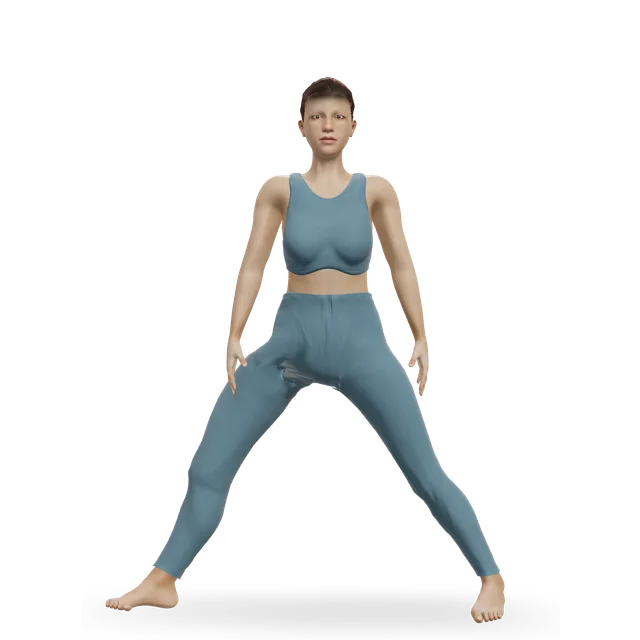 3D demoTriangle pose (Utthita Trikonasana)Intermediate · A step
 3D demoSun salutation A (Surya Namaskar A)Intermediate · No equipment
 3D demoSun salutation B (Surya Namaskar B)Intermediate · No equipment
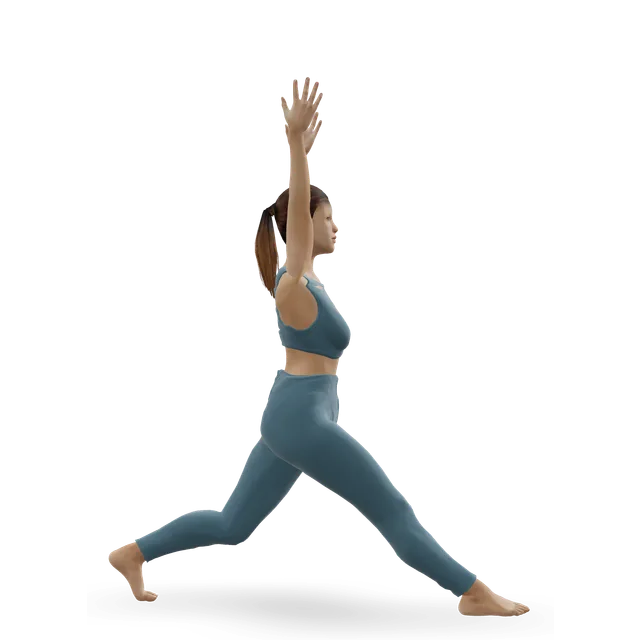 3D demoHigh lunge (crescent lunge, Ashta Chandrasana)Intermediate · No equipment
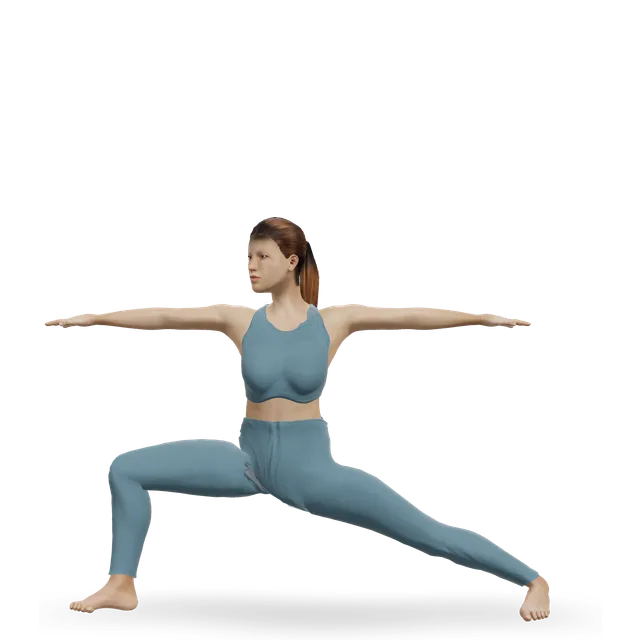 3D demoExtended side angle (Utthita Parsvakonasana)Intermediate · No equipment
 3D demoLocust pose (Salabhasana)Beginner · No equipment
 3D demoCat-cowBeginner · No equipment
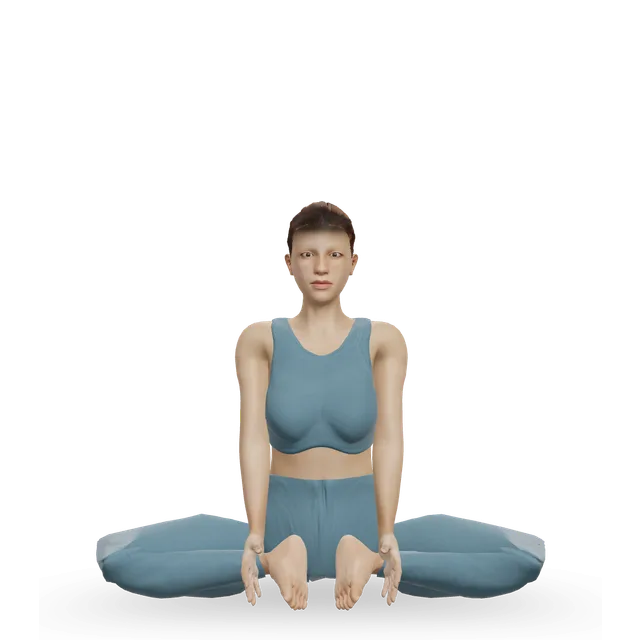 3D demoBound angle pose (Baddha Konasana)Beginner · No equipment
 3D demoReclining Bound Angle (Supta Baddha Konasana)Beginner · No equipment
 3D demoEasy pose (Sukhasana)Beginner · No equipment
 3D demoCorpse Pose (Savasana)Beginner · No equipment
Hatha: the beginner yoga flow. Vinyasa and Ashtanga: the sun salutation flow. Slower holds: yoga for tight hips. Restorative-style: the bedtime routine, whose holds are shorter than true restorative poses. Breathing practice: the breathing exercises.
A 20-minute beginner yoga sequence: mountain, chair, warrior II, triangle, tree, down dog, cobra and child's pose.
20 minBeginner11 movesA stepA 20-minute flow built on sun salutations A and B, with warrior poses and a short cool-down.
20 minIntermediate8 movesNo equipmentA 35-minute yin-style session: seated and lying poses held for 2 to 4 minutes with slow breathing, finishing with legs up the wall and a long rest.
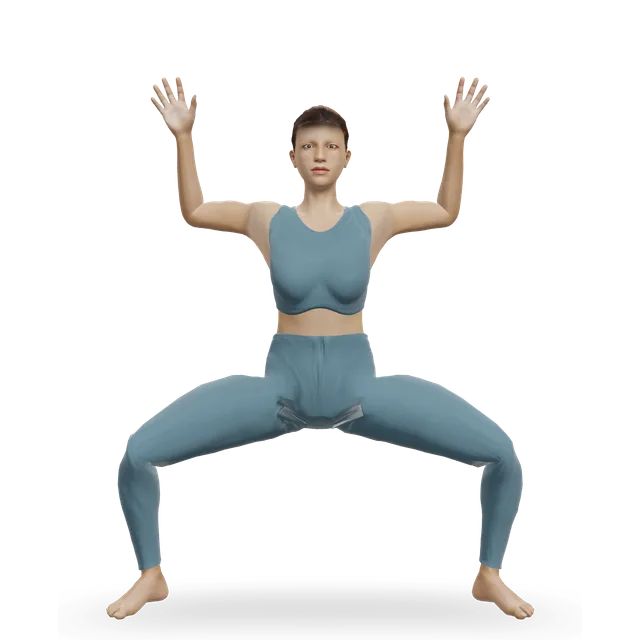
35 minBeginner9 movesA wallA hip-opening yoga sequence: low lunge, lizard, goddess, pigeon, bound angle and happy baby.
20 minBeginner7 movesNo equipmentA slow, 10-minute floor routine to unwind before sleep: child's pose, twists, happy baby and slow breathing.
10 minBeginner7 movesA wallA 6-minute breathing routine: slow breathing, crocodile breathing, alternate nostril breathing, box breathing and 4-7-8 breathing.
6 minBeginner5 movesNo equipmentOverheating and dehydration are the risks. Leave the room and cool down if you feel dizzy or unwell, and avoid hot yoga in pregnancy. The NHS advice for any exercise is to stop straight away if you feel pain or become unwell.
Headstand and shoulderstand are among Sivananda's 12 basic postures, and they are among the practices most often linked to harm in published cases. Skip them with neck problems, glaucoma or uncontrolled high blood pressure, and learn them with a teacher.
If your shoulders or wrists get sore in a flowing class, lower with your knees down, or rest in child's pose.
Source 26
If your joints are very mobile, stay in the middle of your range. With osteoporosis, avoid long holds in deep forward bends: a UK consensus advises modifying or avoiding sustained or end-range forward bending.
Source 39
Stop forceful breathing if you feel dizzy, tingly or short of breath (our suggestion). Call 999 (911 in the US) for sudden severe difficulty breathing or chest pain.
For chest pain that feels tight or like squeezing, or spreads to your arms, neck or jaw; severe difficulty breathing; or signs of a stroke, such as one side of the face drooping, arm weakness or speech problems.
Hatha is an umbrella term for physical yoga, and vigorous styles such as Ashtanga and power yoga grew out of it. Classes labelled hatha are usually steady, but the word itself doesn't promise that.
The Compendium lists hot yoga at 3.0 METs against 2.3 for hatha, and the heat raised heart rate and body temperature but not the energy used.
Its 4.0 METs is an estimate, and heart rates stayed in the moderate to vigorous zones in a study. The Compendium puts high-intensity interval exercise at 7 to 11 METs.
The yin trials we found measured stress, anxiety and sleep, not connective tissue. The meridian theory behind yin is the tradition's framework, not something these trials tested.
It is designed to remove all muscular effort. It complements strength and aerobic exercise; it doesn't replace them.
Source 6
It was developed in 20th-century Mysore and is taught in the tradition of Pattabhi Jois. In the Yoga Sutras, ashtanga means the eight limbs, which is a different thing.
Trials report no serious harms. Take forceful breathing gently, and know that rare psychiatric crises have followed intensive, unguided practice.
Iyengar Yoga UK says it is for anyone, irrespective of age, gender, health, religion and circumstances in life.
Source 64
Hatha (the umbrella term, usually a steady class with held poses), vinyasa (flowing), Ashtanga (a set series), power (vigorous), Iyengar (precise, with props), yin (long floor holds), restorative (supported rest), Kundalini (breath, mantra and meditation) and hot yoga. Most grew out of hatha yoga.
Hatha classes hold each pose for several breaths; vinyasa moves from pose to pose with one movement per breath. Vinyasa is a little harder (2.7 against 2.3 METs in the Compendium), and brisk flows can reach moderate intensity.
A slow style of seated and lying poses held for 3 to 5 minutes with deep breathing. Small trials found less stress, anxiety and sleep trouble after 5 to 10 weeks. Stay in a comfortable range rather than hanging at your limit.
In yin you hold a gentle stretch for a few minutes. In restorative yoga, props support you completely so no effort or stretch is needed, and poses can last 10 to 15 minutes. Both are restful and low in effort.
A precise, step-by-step style founded by B.K.S. Iyengar, using props such as blocks and belts and holding poses for longer. Teachers train for at least 6 years, and it is one of the most studied styles.
Ashtanga, taught in the tradition of K. Pattabhi Jois, follows the same series every time, starting with 5 rounds each of sun salutations A and B. Vinyasa uses the same breath-linked flow, but each teacher designs the sequence.
It combines postures, set sequences (kriyas), breathwork, mantra and meditation, and Yogi Bhajan taught it in North America after moving from India to Canada in 1968. Trials report no serious harms, and it helped generalised anxiety, though less than CBT. Go gently with forceful breathing.
A gentle hatha or beginners' class, or Iyengar for clear instruction and props. Restorative and yin suit relaxation. Leave power, hot and the full Ashtanga series until you know the basic poses.
A vigorous, flowing style that grew out of Ashtanga in the 1990s. It kept heart rates in the moderate to vigorous range in a study, and its 4.0 METs in the Compendium is an estimate, not a measurement.
Yoga in a heated room: Bikram classes run for 90 minutes at 105°F (about 40.5°C) with 40% humidity. Compared with the same yoga unheated, the heat raises heart rate and body temperature but not the calories you burn, and it isn't for pregnancy. Our hot yoga guide has the detail.
Not on current evidence: trial results didn't differ by style. Pick the one you enjoy and will keep doing.
Exercise education, not a personal prescription, and clinical review of these guides is pending. If you are pregnant, have a health condition such as glaucoma, high blood pressure or osteoporosis, or have had recent surgery, check with a doctor, midwife or physiotherapist before starting, and stop for sharp or increasing pain. Health disclaimer.