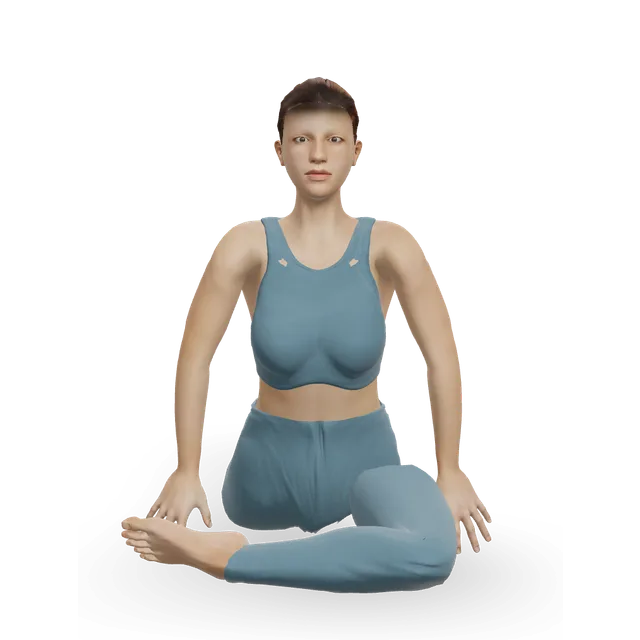
What is yoga?
Yoga is a practice from India, rooted in Indian philosophy, that usually combines postures, breathing techniques and relaxation or meditation. The word comes from Sanskrit and means to join or unite. Most classes today focus on postures and breathing, and styles range from restful to vigorous.
Where does yoga come from?
From India. The oldest Vedic texts mention yogi-like ascetics, and Patañjali's Yoga Sutras, which scholars date anywhere from several centuries BCE to the 5th century CE, set out the classic eight-limbed path. The posture-based classes most people know developed in the 20th century, especially through T. Krishnamacharya's school in Mysore.
What are the eight limbs of yoga?
In the Yoga Sutras they are restraints (yama), observances (niyama), posture (asana), breath control (pranayama), withdrawing the senses (pratyahara), concentration (dharana), meditation (dhyana) and absorption (samadhi). Posture is only the third limb, and the text says little about it.
Is yoga religious?
Yoga grew out of Indian religious and philosophical traditions, and its classical aim is spiritual. Modern classes vary: some include chanting or philosophy, many focus on postures and breathing, and people of all faiths and none practise it. If it matters to you, ask the teacher what a class includes.
What happens in a yoga class?
Most classes include a warm-up, standing and floor poses, some breathing practice and a closing relaxation lying down, sometimes with a short meditation. Postures usually take about half to two-thirds of the time. You practise in bare feet, and many teachers lend mats and props.
Does yoga count as exercise?
Yes. The NHS counts yoga as a muscle-strengthening activity, toward your 2 strength days a week, and over 65 it also counts toward your balance and flexibility days. Most styles are light for the heart and lungs, but brisk, flowing styles and sun salutations can count toward your 150 minutes of moderate activity.
Is yoga cardio?
Mostly not. The Compendium of Physical Activities rates most styles as light, close to a slow walk, and the US guidelines count only active styles, such as vinyasa or power yoga, as moderate aerobic activity. Pair gentle yoga with walking or other activity that makes you breathe faster.
What is yoga good for?
The best evidence is for a small improvement in long-lasting low back pain, lower depression symptoms, and better balance, strength and flexibility in older adults, with slightly lower blood pressure. It hasn't been shown to build bone or prevent falls. Our benefits of yoga guide has the detail.
Is yoga safe?
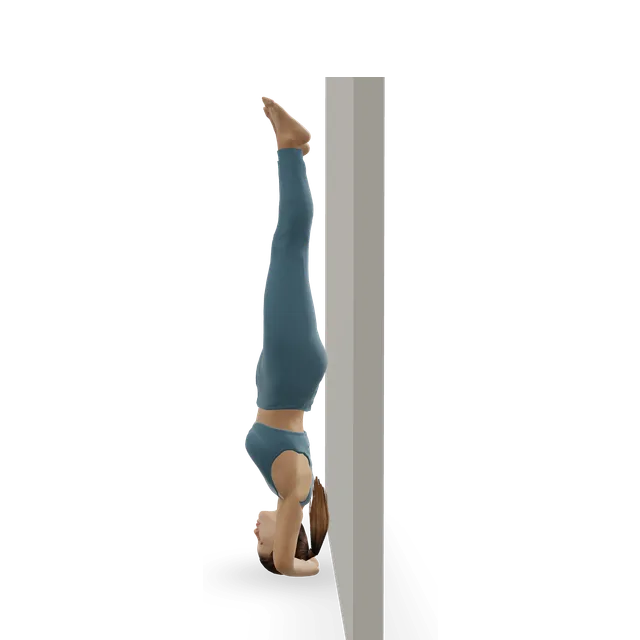
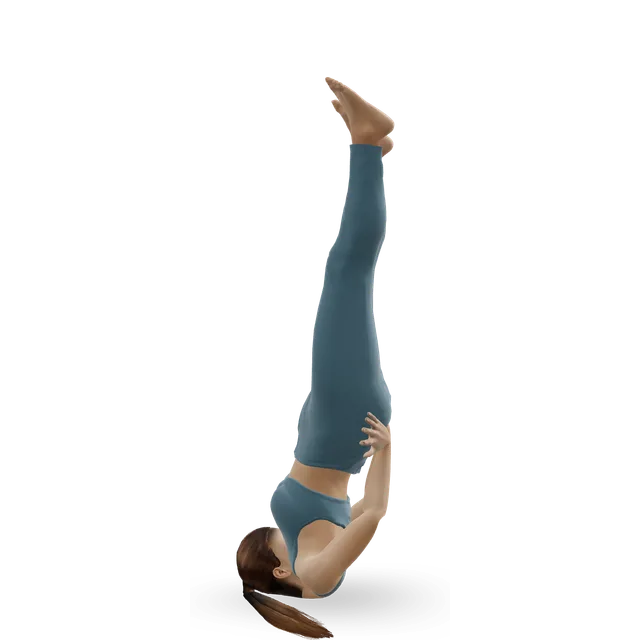
For most people, yes: in trials it caused no more side effects than other exercise, and most injuries are sprains and strains. The risks gather around a few advanced practices, such as headstands and forceful breathing, and conditions such as osteoporosis and glaucoma, so tell your teacher about any health problems.
Which poses should beginners avoid?
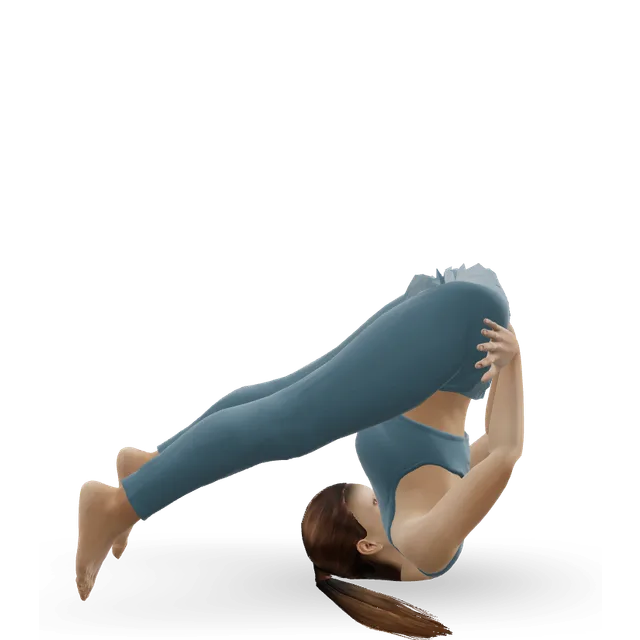
US health advice is to avoid extreme practices such as headstands, shoulder stands, the lotus position and forceful breathing when you're new. These are the practices most often linked to injuries in published reports. Learn them later with a teacher, or skip them.
What type of yoga should I start with?
A gentle or beginners' hatha class is the usual first step, or Iyengar if you want precise instruction with props. No style has been shown to give better results, so choose one you enjoy and can get to. Our types of yoga guide compares them.
How often should I do yoga?
Trials mostly used 1 to 3 sessions a week of about an hour, for 8 weeks or more. Even once a week helped in a back pain trial, and more sessions went with bigger improvements in mood. Two sessions a week is a good start.