Yoga for flexibility: does it work, how long to hold poses, and which poses to do
Yes, yoga makes most people more flexible. In older adults it improved lower-body flexibility more than doing nothing, and in younger adults small trials gained a few centimetres on the sit-and-reach test over 6 to 16 weeks. It works much like any stretching programme, because holding a pose is a stretch, and flowing poses add strength through your range.
Hold each pose for 30 to 60 seconds, to a clear pull rather than pain, on most days while you're building range. Yin and hot yoga haven't been shown to add more. If your joints are already very flexible, the advice changes: build strength and control instead.
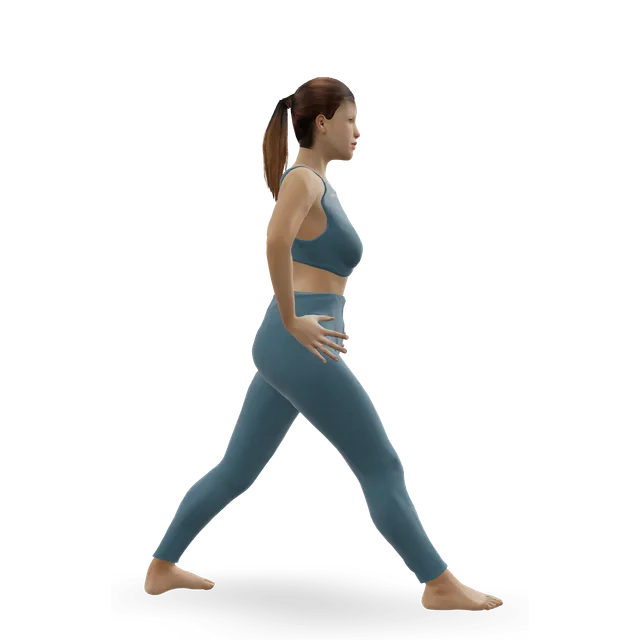
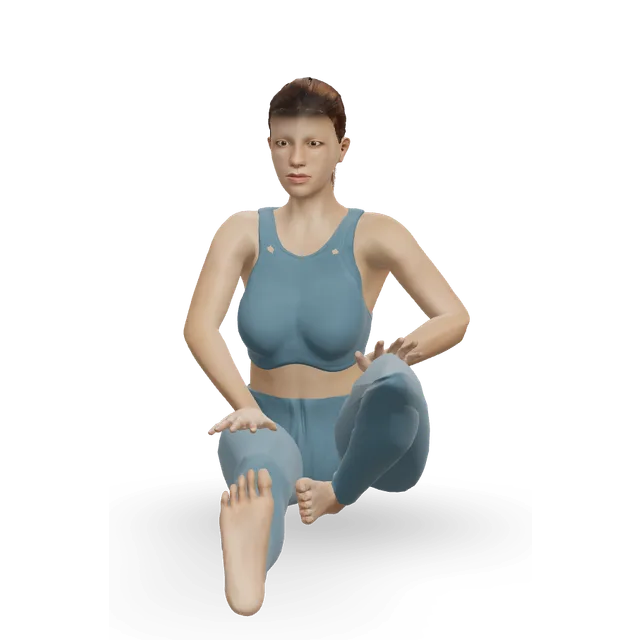
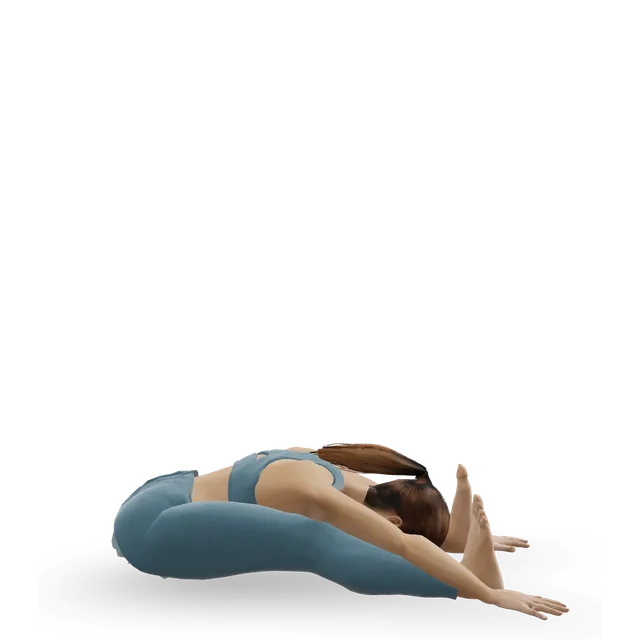
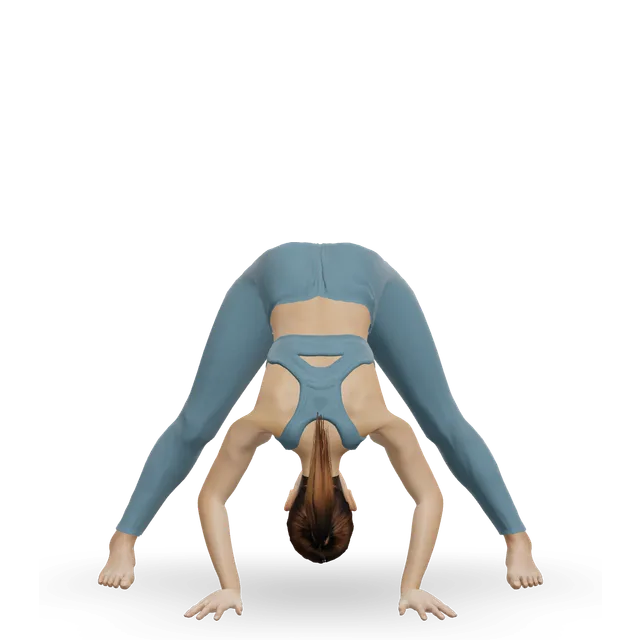
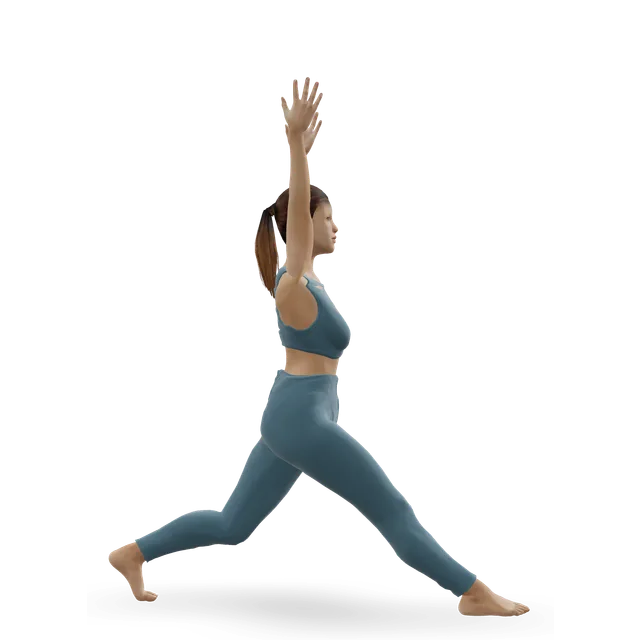
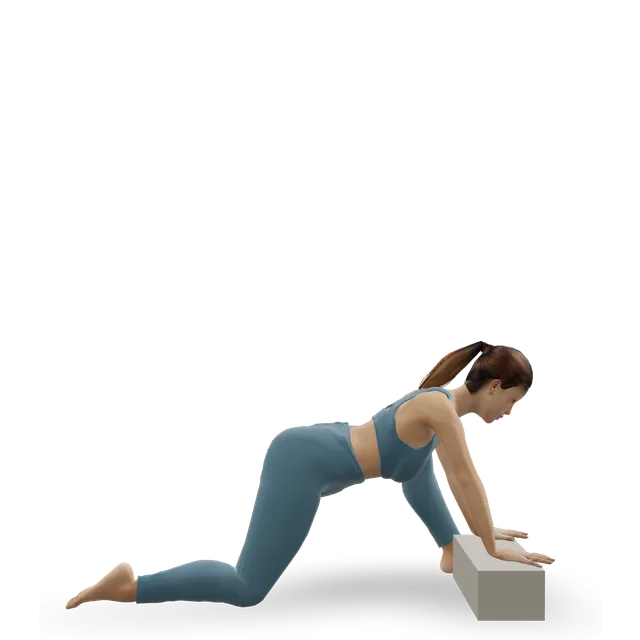
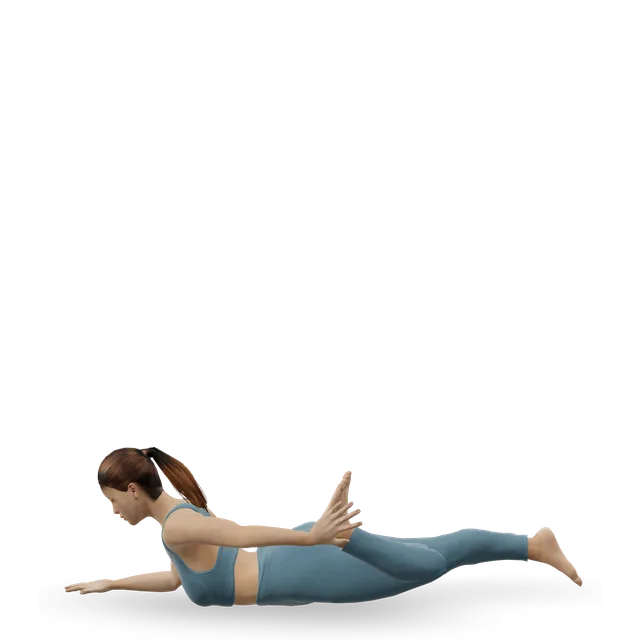
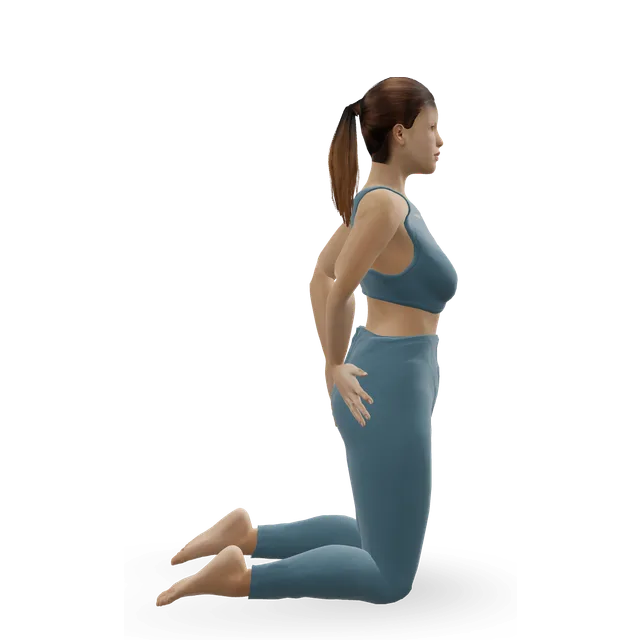
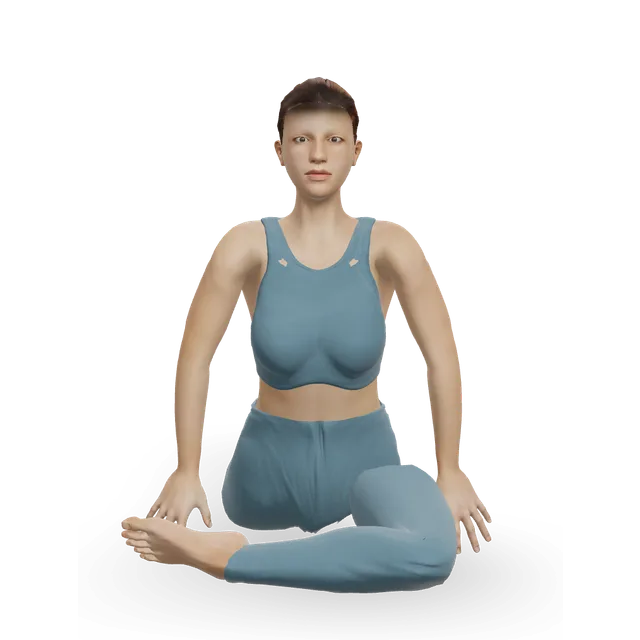
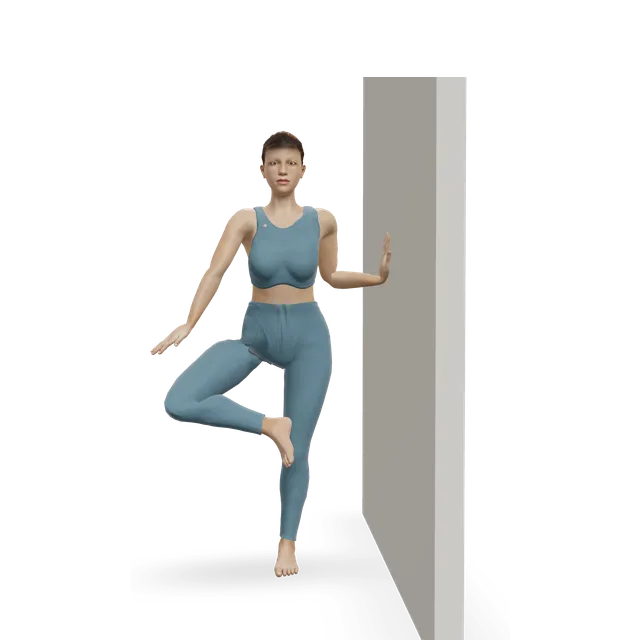
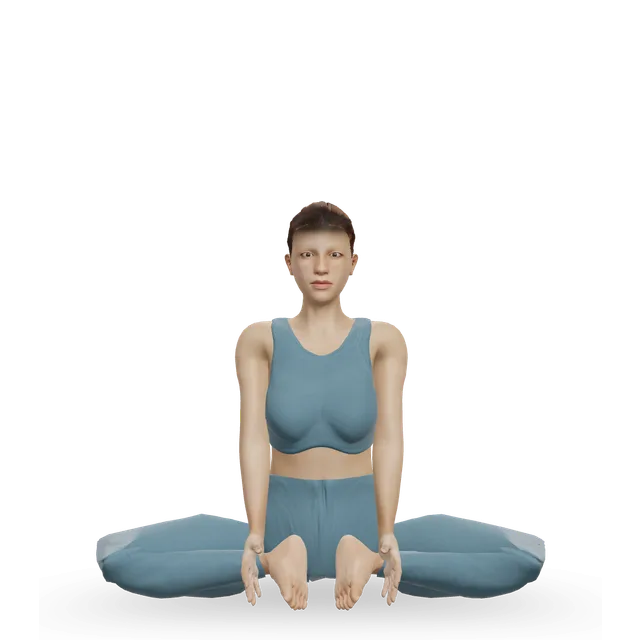
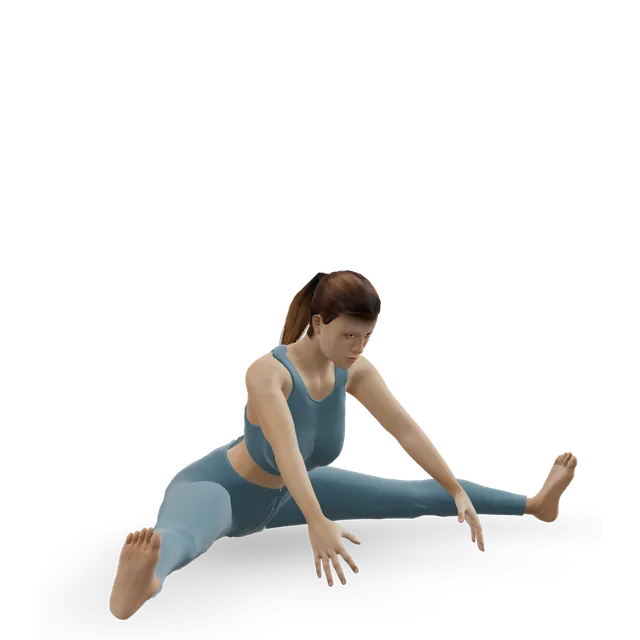
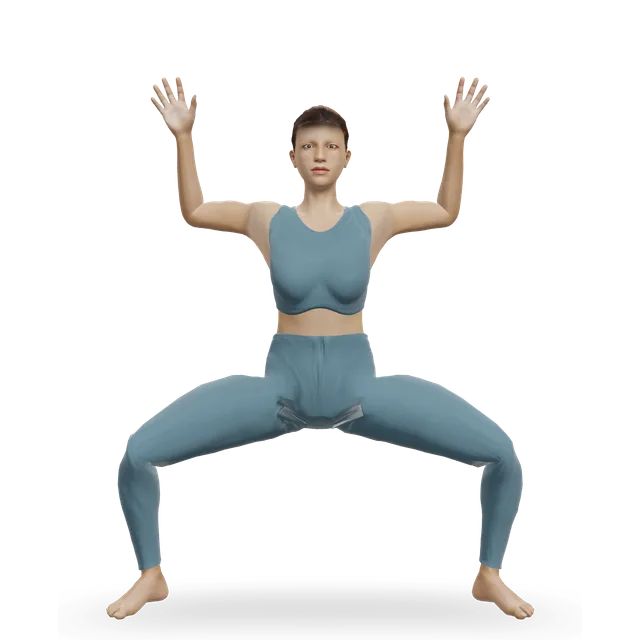
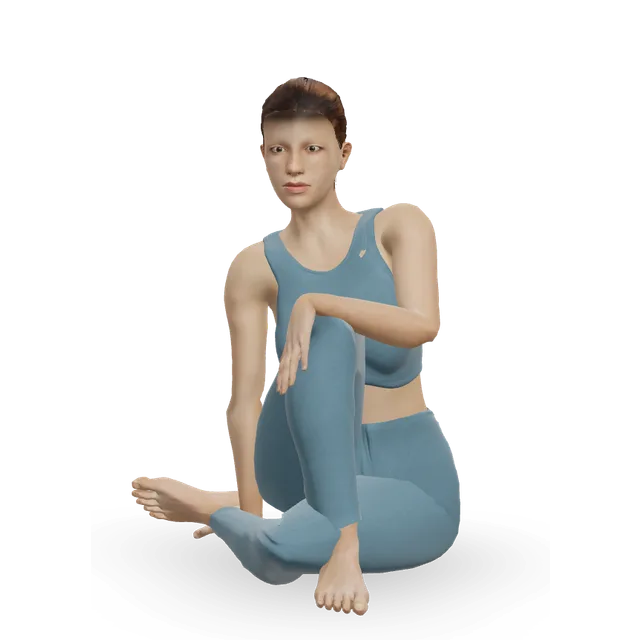
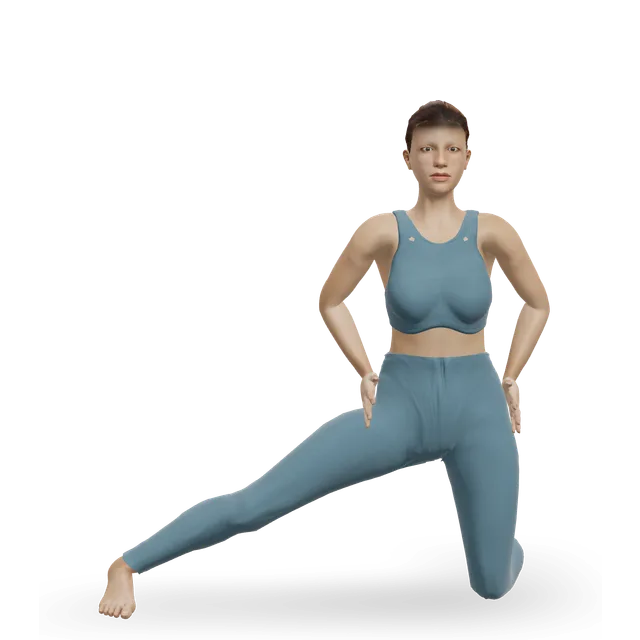
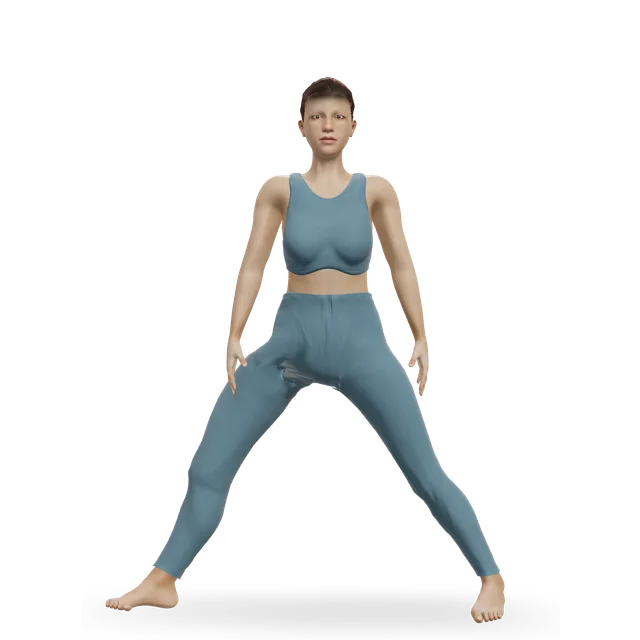
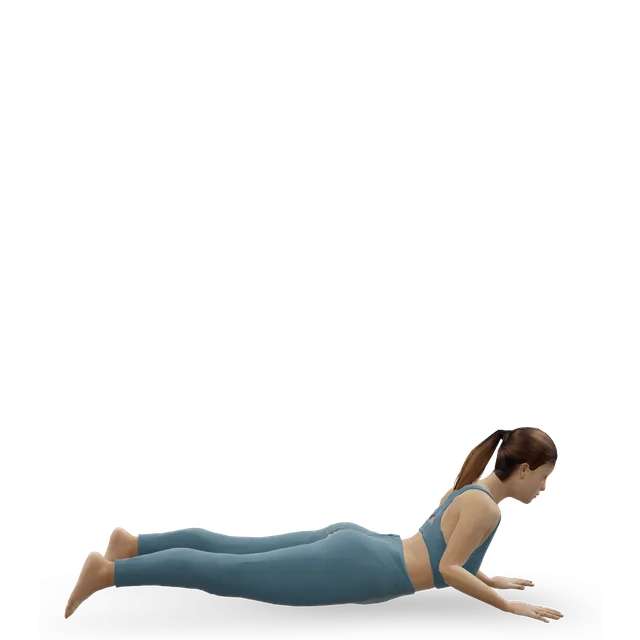
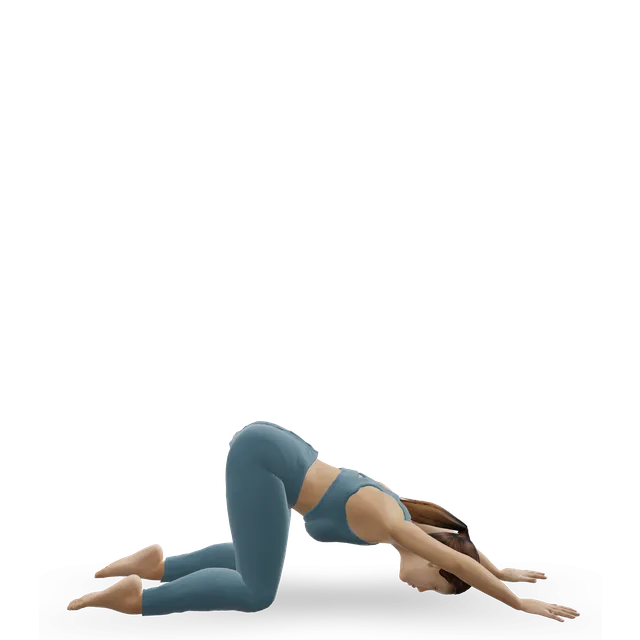
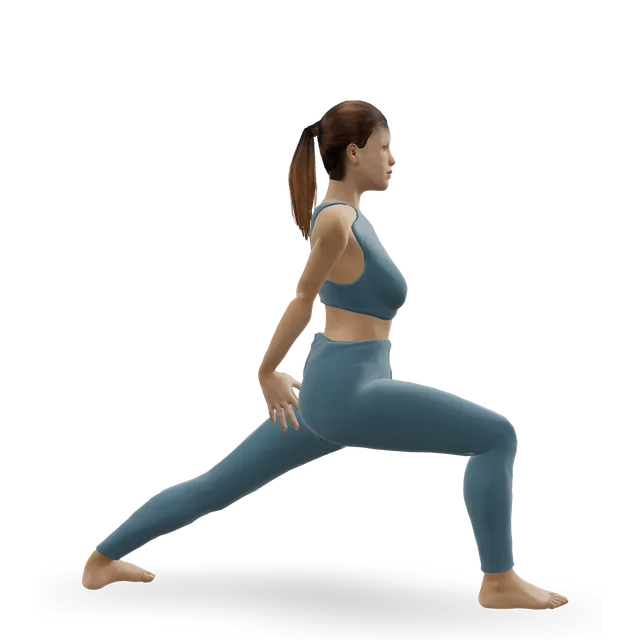
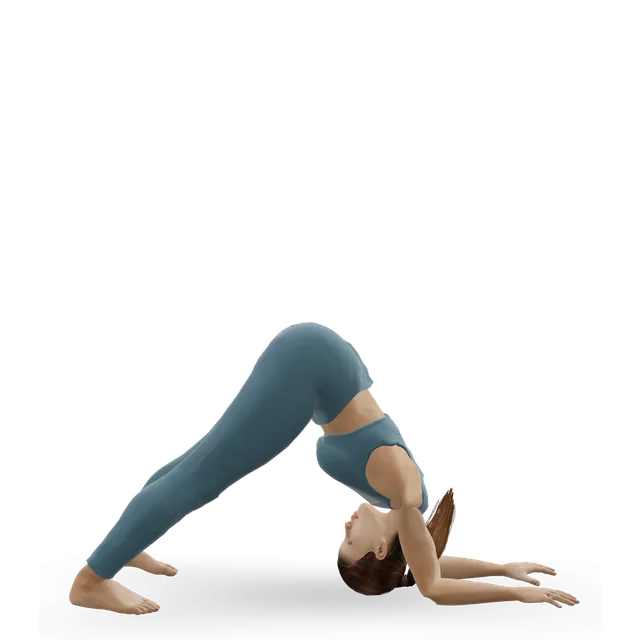
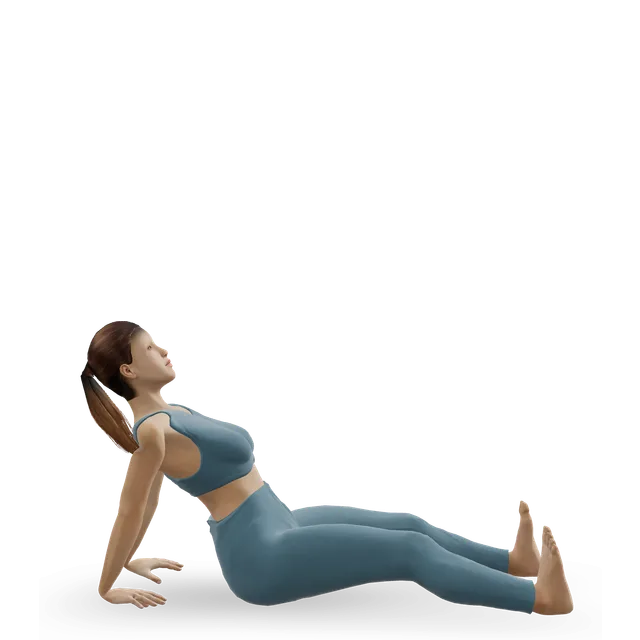
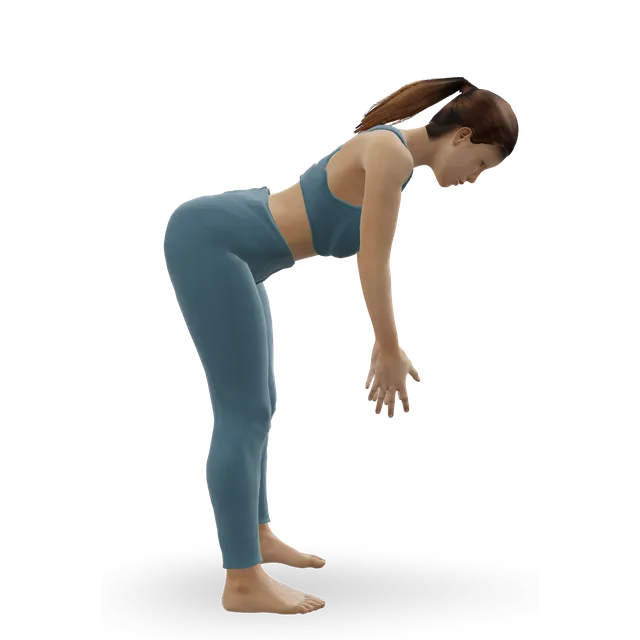
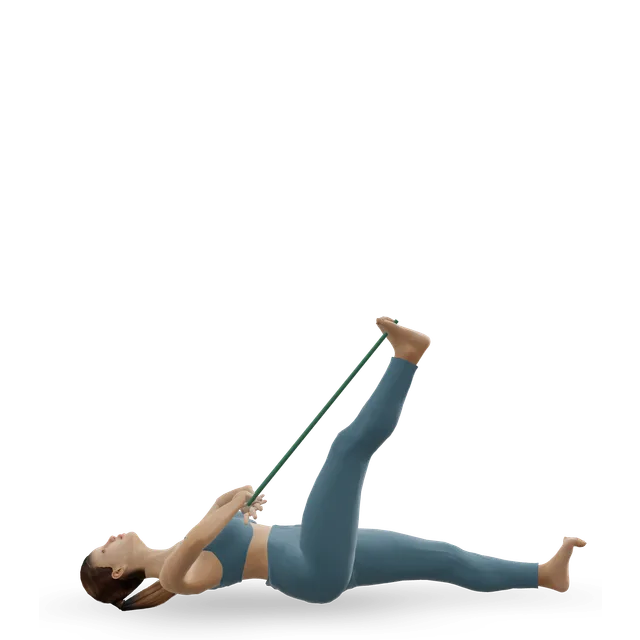
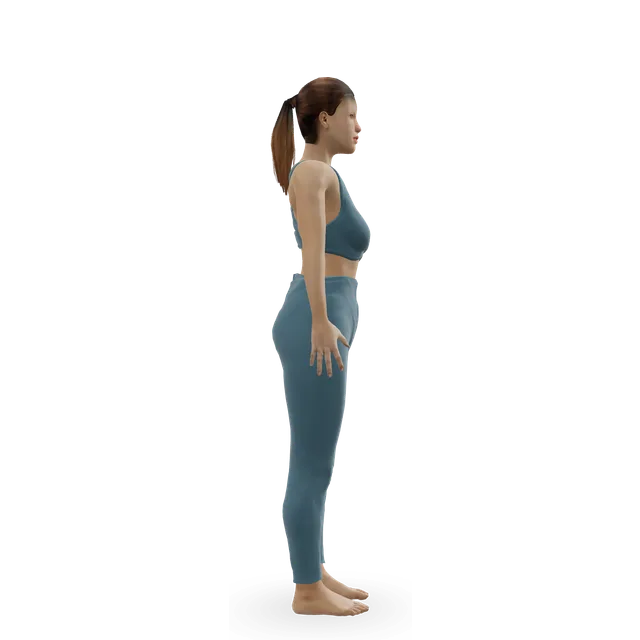
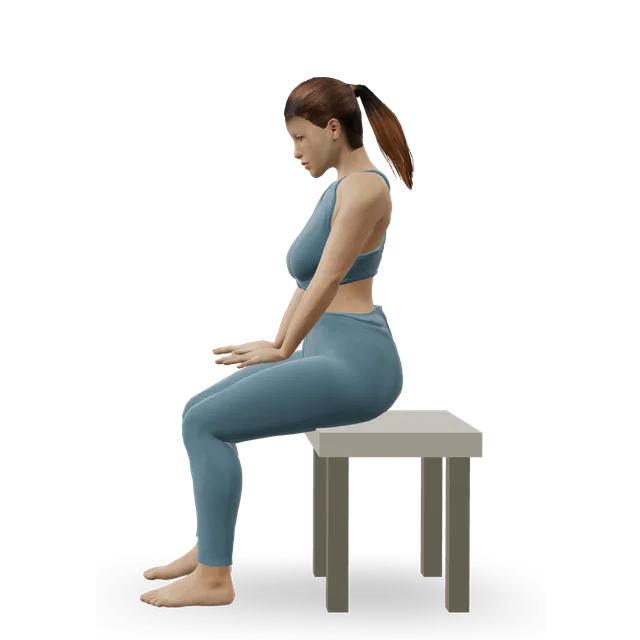
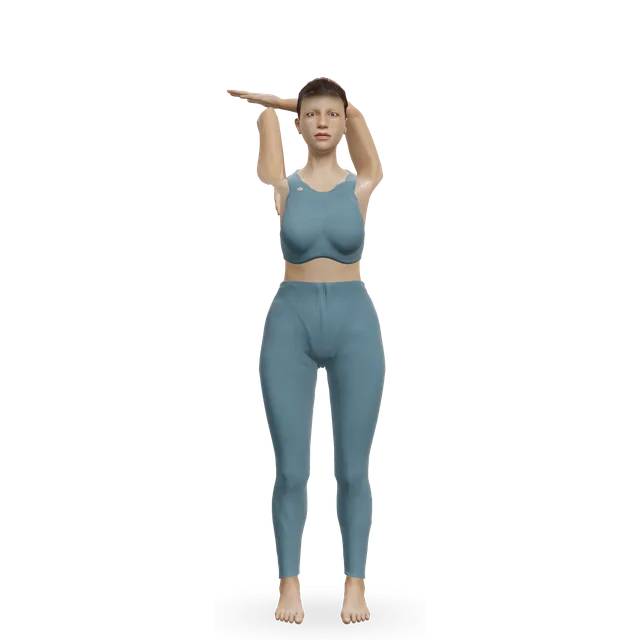
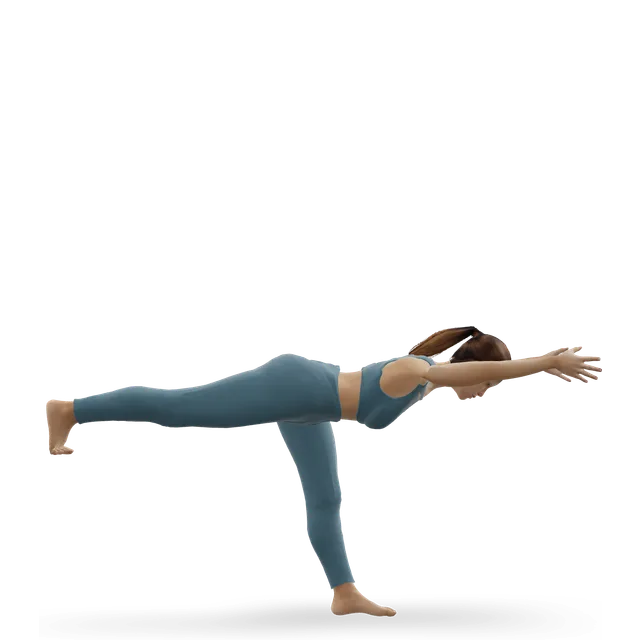
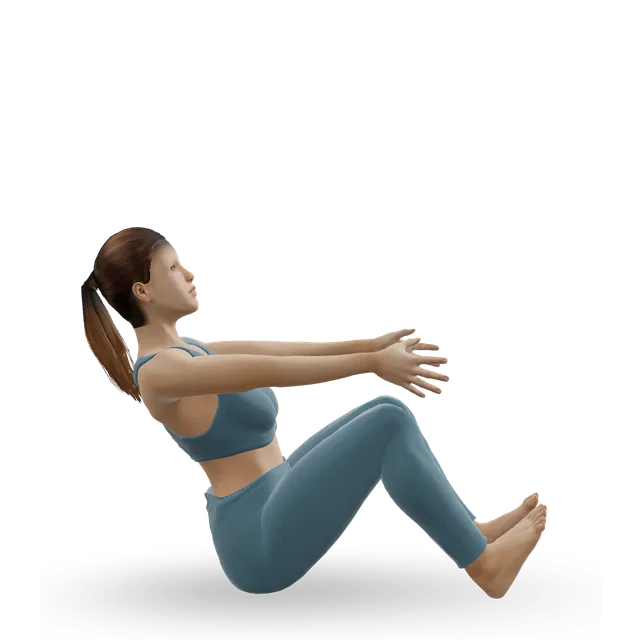
This guide covers the trials, how long to hold and how often, how long it takes, yin and hot yoga, and the best poses for your hamstrings, hips, inner thighs, spine and shoulders, each with a 3D demo.
In older adults, yoga improved lower-body flexibility more than doing nothing and a little more than other exercise. In younger and middle-aged adults, small trials of 6 to 16 weeks gained about 2 to 7 cm on the sit-and-reach test.
Holding a pose is static stretching, which builds the most lasting range, and standing poses add strength through range, which works about as well. In one trial, a held yoga programme and a moving stretching programme gained the same.
Hold to a clear pull you can breathe through, not pain, for 30 to 60 seconds, leaning towards 60 if you're over about 65, on most days while you're building range.
If your joints are very flexible, build strength and control instead of stretching further, and choose yoga that focuses on control rather than flexibility.
Flexibility is how far a joint, or a group of joints, can move. Passive range is how far you get when gravity, a strap or your hands move you; active range is how far your own muscles can take you and hold you there, and it is usually smaller.
Held poses are static stretching
Holding a position where you feel a stretch is static stretching, and moving through your range without holding is dynamic stretching, as a panel of stretching researchers defines them. Hatha and Iyengar classes hold poses for several breaths, often with props such as blocks and straps to make them reachable. Across 77 stretching studies, held stretches built about twice the lasting range of moving ones.
Flowing and standing poses add strength through range
Flowing styles such as vinyasa move through range with the breath, closer to dynamic stretching, and standing poses such as lunges, warriors and chair pose load your muscles in long positions. Strength training through a full range improved range of motion as much as stretching in 11 trials (452 people), so these poses plausibly help too, though no yoga trial has separated the two.
Hip sockets and thigh bones vary from person to person, as a yoga teacher's photographs of bones show, which is why no two people do a pose the same way. Some ranges, such as the end of a split, are set by bone; our splits guide explains.
Most yoga trials use the sit-and-reach test: sitting with straight legs, how far you can reach towards or past your feet. A few measured hamstring range with an angle-measuring ruler (a goniometer) or tested the splits.
In older adults, yoga improved lower-body flexibility more than no exercise (7 trials, 431 people) and a little more than other exercise (3 trials, 225 people). Upper-body flexibility didn't clearly change, and a second review agreed, finding the largest gains after 9 to 12 weeks.
Younger adults: a few centimetres in 6 to 16 weeksEmerging evidence
In 173 Hong Kong adults with an average age of 52, a weekly hatha class plus about 23 minutes a day at home added 6 to 7 cm on a sit-and-reach test in 12 weeks, against no change in a group waiting to start. In 40 female students, two 70-minute sessions a week for 16 weeks added 3.5 cm and halved the gap between groin and floor in the splits, from 11.25 to 5.25 cm. College athletes gained about 4.6 cm in 10 weeks, and young adults about 2 cm in 6 weeks.
These trials are small and mostly unblinded, and several weren't randomised. Smaller studies also found gains: about 4 degrees of hamstring range after 7 weeks of hatha, and better sit-and-reach scores after 6 weekly Iyengar classes.
Yoga and other stretching gain about the sameEmerging evidence
In a 6-week trial of 35 young adults, a held yoga programme and a moving (dynamic) stretching programme gained the same flexibility, and in an 8-week trial matched for effort, yoga and Pilates improved flexibility equally. Across stretching research, held and contract-relax stretching built about twice the lasting range of moving stretches, so treat yoga as a good stretching programme, not a special one.
Keeping range through a sports seasonEmerging evidence
In 31 rugby players, an hour of yoga twice a week during the season kept hamstring flexibility steady (down 1.2%), while players who didn't do yoga lost 14.8%.
People who started least flexible gained the most from static stretching. Whether sex matters is unsettled: a large stretching review found bigger gains in women, and one small yoga study found bigger gains in men.
In 57 young adults with tight hamstrings, 30-second holds worked as well as 60-second holds and better than 15-second ones, stretching 5 days a week for 6 weeks. In 62 people aged 65 to 97, 60-second holds gained range about twice as fast as 30-second holds and kept more of it. The expert panel suggests 30 to 120 seconds for the biggest gains.
Stretch most days while you're building range. After stopping, range stays above where people started but slips back from its peak within 2 to 6 weeks, and in a trial, stretching 2 or 3 days a week kept the gains from 4 weeks of daily stretching.
One meta-regression of 189 studies (an analysis of how results change with the dose) found gains peaked at about 10 minutes of static stretching per muscle group a week. A review of 77 studies found no link between time spent stretching and the gains, so treat 10 minutes as a rough target, not a rule.
Warm up with a few rounds of cat-cow or a sun salutation, then hold 1 or 2 poses for each area you want to loosen for 30 to 60 seconds (60 if you're over about 65), on most days. A weekly class plus 15 to 25 minutes at home on other days matches the most successful trial, in which people did one class a week and about 23 minutes a day at home. Once you're happy with your range, 2 or 3 sessions a week keeps it.
This is our estimate from the trial timelines, not a trial result: the same poses should feel easier within a few weeks, with a clear change by 6 to 12 weeks of regular practice. Big shapes such as the splits take months, and some ranges are limited by bone.
Yin yoga: long holds, no flexibility trialsMixed evidence
Yin yoga holds poses passively for 1 to 10 minutes, aiming at connective tissue, according to a yin yoga school, which also says time matters more than intensity and that pain means you went too deep or stayed too long.
Its trials, of 5 to 10 weeks, found less stress, anxiety, worry and insomnia, but none measured flexibility. Yin is a calm way to build up stretching time; it isn't a proven way to gain more range.
Longer holds haven't been shown to add moreEmerging evidence
In younger adults, holds longer than 30 seconds added nothing, gains levelled off at about 10 minutes per muscle a week in one large analysis, and 3 to 8 weeks of stretching barely changed muscle or tendon properties. There's no evidence that long holds remodel fascia.
Hot yoga: big gains against nothing, little added by the heatMixed evidence
In 21 young adults, 8 weeks of Bikram yoga clearly improved lower back, hamstring and shoulder flexibility compared with no exercise, and an uncontrolled study found the same. A pilot in 23 older adults found far more sit-and-reach gain with yoga in a sauna at 50°C (83% against 3%).
But in a direct comparison in 16 practitioners, the heat changed only one of the joint ranges measured, and a 2025 review concluded that hot yoga doesn't appear to increase range of motion above other yoga. The heat brings risks of its own: see our hot yoga guide.
No trial has compared yoga styles for flexibility. Styles that hold poses, such as hatha, Iyengar and yin, give you static stretching, and flowing styles add strength through range. Choose the one you'll keep doing, and hold the poses for the areas you want to loosen (our suggestion).
Hold each for 30 to 60 seconds with soft knees and a long back, and fold from the hips rather than rounding if you have osteoporosis (doses from each move's page).
Start with reclined figure four if your knee complains in pigeon, and let your knees fall open in bound angle rather than pushing them down (doses from each move's page).
The hips and hamstring routines hold yoga poses for one area each; the splits and toe-touch routines go with our training guides, and the hypermobility routine is for very flexible readers.
Strength and control, not more stretchingStrong evidence
The NHS says the main treatment for joint hypermobility syndrome is "improving muscle strength and fitness so your joints are better protected", and advises not overextending your joints just because you can. The Hypermobility Syndromes Association suggests yoga "focused on strengthening and control rather than increasing flexibility", and the Ehlers-Danlos Society advises people with unstable joints to avoid sports that focus on flexibility.
Choose classes that build strength and control in the middle of your range, avoid hanging at the end of your range (locked knees or elbows, deep splits and backbends, long passive yin holds), and tell the teacher. Stretch only areas that feel genuinely tight, to a mild pull. The strength poses below are the useful part, and our hypermobility guide has a full routine.
Across 25 trials (26,610 people), stretching programmes didn't lower sports injury rates, while strength training cut injuries to under a third. The expert panel doesn't recommend stretching for injury prevention in general.
Burning, tingling, numbness or pins and needles down an arm or leg usually means a nerve is under tension, so ease off to a position without it. A pinch at the front of the hip or shoulder at the end of a pose is the joint, so work below it. See a GP or physiotherapist if either keeps happening (our suggestion).
A sudden sharp pain at the back of the thigh
Stop if you feel a sudden sharp pain, a snap or a pop at the back of the thigh during a stretch: it may be a hamstring strain. Our hamstring strain guide says when to get help.
Back pain: call 999 or go to A&E
If you have pain, tingling, weakness or numbness in both legs, loss of feeling around your genitals or anus, changes in your bladder or bowels or in how sex feels, or back pain that started after a serious accident.
See a GP if you think you or your child have joint hypermobility syndrome, for example joints that keep dislocating, ongoing joint or muscle pain and stiffness, repeated sprains and strains, tiredness even after rest, poor balance, or thin, stretchy skin.
With osteoporosis, avoid postures with a lot of spinal rounding and fold from the hips with a long back. Come up slowly from forward folds, and keep head-down poses brief if you have glaucoma or high blood pressure that isn't under control.
Check deep hip bending and crossing your legs, as in figure four and pigeon, with your surgical team first, as each move's page advises.
Myths
"You have to be flexible to do yoga"Emerging evidence
People who start least flexible gain the most, and adults in their 60s to 90s gain range too. Blocks, straps and the easier versions on each pose's page bring the poses to you.
"Yin's long holds remodel your fascia"Mixed evidence
Stretching programmes of 3 to 8 weeks barely change muscle or tendon properties; most of the gain is tolerance. The fascia claim comes from teachers, not trials.
"The longer you hold, the more flexible you get"Emerging evidence
In younger adults, 30 seconds worked as well as 60, and gains levelled off at about 10 minutes per muscle a week in one large analysis. Older adults did better with 60-second holds.
"Very flexible people should stretch more"Strong evidence
The NHS, the Hypermobility Syndromes Association and the Ehlers-Danlos Society say the opposite: build strength and control, and don't overextend your joints.
Yes. In older adults, yoga improved lower-body flexibility more than no exercise and a little more than other exercise. In younger and middle-aged adults, small trials gained about 2 to 7 cm on a sit-and-reach test over 6 to 16 weeks.
How long does it take to get flexible with yoga?
Poses usually feel easier within a few weeks, mostly because you tolerate the stretch better. Trials found measurable gains after 6 to 16 weeks, and our estimate is a clear change by 6 to 12 weeks of regular practice. Big shapes such as the splits take months.
How long should I hold a yoga pose for flexibility?
About 30 to 60 seconds, to a clear pull rather than pain. If you're over about 65, aim for the full 60 seconds, which gained range faster in older adults.
What type of yoga is best for flexibility?
Styles that hold poses, such as hatha, Iyengar and yin, give you held stretching, which built the most range in stretching research, and flowing styles add strength through your range. No trial has compared yoga styles, so choose the one you'll keep doing.
Is yin yoga good for flexibility?
Yin holds poses for 1 to 10 minutes, which is plenty of stretching time, but no trial has tested it for flexibility; its trials found less stress and anxiety. Take care with long passive holds if your joints are very flexible.
Does hot yoga make you more flexible?
Hot yoga improves flexibility a lot compared with doing nothing. But in direct comparisons the heat added little over the same yoga at room temperature, so the postures are doing the work.
Do you have to be flexible to do yoga?
No. Flexibility is a result of yoga, not an entry requirement, and the stiffest people gain the most. Blocks, straps and the easier versions on each pose's page help.
Which yoga poses improve flexibility?
Downward dog, pyramid and head-to-knee for the backs of the legs; low lunge for the front of the hips; pigeon or reclined figure four for the outer hips; bound angle for the inner thighs; twists and gate pose for the spine; and extended puppy for the shoulders. Pick 2 to 4 areas that matter to you.
Is yoga good for hypermobility?
It can be, if the class focuses on strength and control rather than flexibility. Keep your joints in the middle of their range, don't lock them or hang at the end of your range, and tell the teacher.
How often should I do yoga for flexibility?
Most days while you're building range, which is our suggestion from the trials. Once you're happy with your range, 2 or 3 sessions a week keeps it.
Will being more flexible prevent injuries?
Not on its own. In 25 trials, stretching programmes didn't reduce sports injuries, while strength training cut them to under a third.
Can yoga help me touch my toes or do the splits?
Yes: forward folds and lunges train the ranges you need. Our toe-touch and splits guides explain the other limits, such as nerves and hip shape, and give a routine for each goal.
Exercise education, not a personal prescription, and clinical review of these guides is pending. If you are pregnant, have a health condition such as glaucoma, high blood pressure or osteoporosis, or have had recent surgery, check with a doctor, midwife or physiotherapist before starting, and stop for sharp or increasing pain. Health disclaimer.