Gate pose (Parighasana)
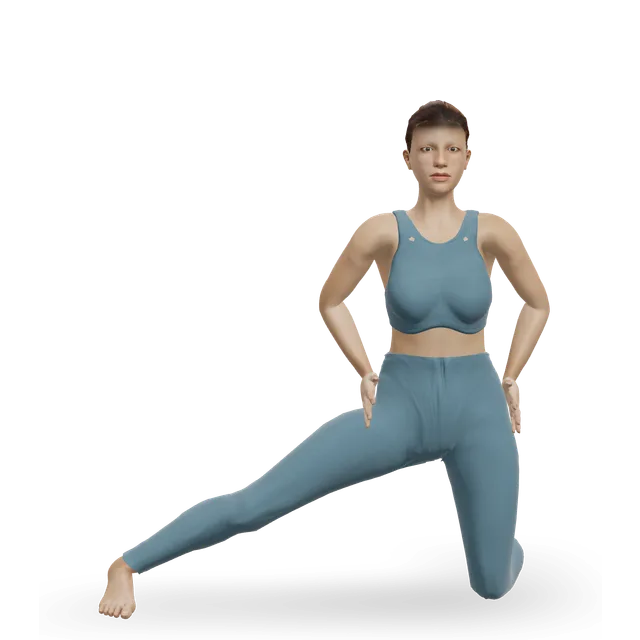
Kneeling tall on one knee with the other leg straight out to the side, you bend sideways over the straight leg while the top arm reaches over your ear. Unlike a standing side bend, the kneeling base keeps the hips stacked over the knee, so the bend comes from the waist and ribs. Yoga International describes it as a pure side bend that stretches the inner thigh of the straight leg and works the obliques.
Movement guide
Gate pose (Parighasana)
Loading the 3D figure…
Make it easier or harder
Choose a version that fits your control and comfort.
Easier option
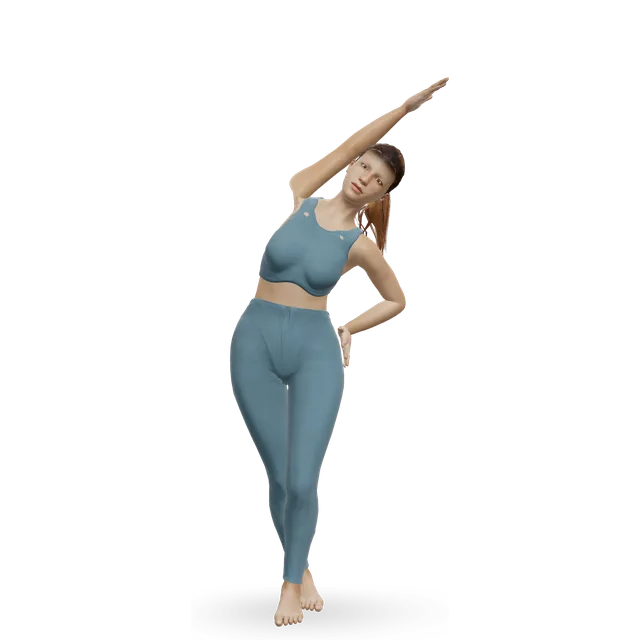 3D demoStanding crossed-leg side reachBeginner · No equipment
Suggested next step, beginner grade.
Harder option
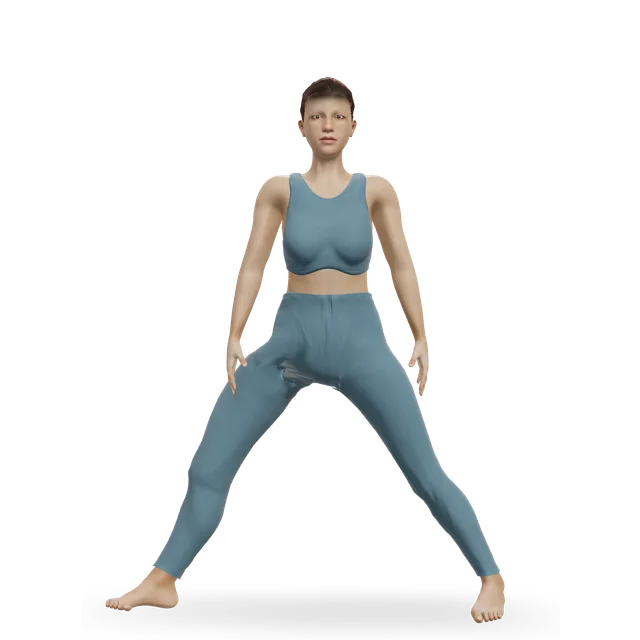 3D demoTriangle pose (Utthita Trikonasana)Intermediate · A step
Suggested next step, intermediate grade.
Source-researched guide.
How to move
- Kneel tall with a folded blanket under your left knee and your hips stacked over it.
- Stretch your right leg straight out to the right, in line with your left knee, the foot flat on the floor and the toes pointing forward.
- Raise your left arm out to the side and up. Breathing out, bend sideways to the right, sliding your right hand down your right shin and reaching your left arm over your ear.
- Keep your hips over your left knee rather than letting them sit back or drift sideways. Hold, breathing into the left ribs.
- To come up, reach the left arm up and lift your trunk back to upright, then bring the right knee in and change sides.
Form cues
- Keep the chest facing forward rather than rolling it down toward the floor.
- Go only as deep as you can breathe easily.
- Avoid: sinking your weight onto the hand on your shin.
Practice and cautions
Hold 30 to 60 seconds, about 5 to 10 slow breaths, each side, 2 rounds (our editorial starting point). The ACSM suggests about 60 seconds of stretching in all per exercise, on at least 2 days a week.
With a sore shoulder, keep the top hand on your hip rather than reaching overhead. Pad the kneeling knee, and take extra care after a knee replacement or with bursitis. Ease off if there is an acute groin or hamstring strain on the straight-leg side. If osteoporosis gives you a high risk of fracture, keep the side bend small or leave it out, as Osteoporosis Canada advises for side bending in Pilates. This is movement education, not an assessment or treatment prescription. Stop for sharp or increasing pain, dizziness, numbness or tingling; seek individual guidance for symptoms, injury or restrictions.
Sources and review status
Sources support the educational description; they do not establish that this exercise is suitable for you.
- Yoga Journal · Gate pose (how-to: the hips over the kneeling knee, the side leg straight, the hand sliding down the leg; a blanket under the knee) ↗
- Yoga Journal · Taking sides: gate pose (avoid with knee, hip or shoulder pain or injury) ↗
- Yoga International · A gate pose sequence (a pure side bend that stretches the adductors and works the obliques) ↗
- Garber 2011 · ACSM position stand: flexibility exercise for each major muscle group, about 60 seconds in all per exercise, on 2 or more days a week (Med Sci Sports Exerc) ↗
- Brooke-Wavell 2022 · Strong, steady and straight: UK consensus statement on physical activity and exercise for osteoporosis (bend from the hips; twisting should be safe if smooth and comfortable; BJSM) ↗
- Osteoporosis Canada 2016 · Too Fit to Fracture booklet: at high risk of a spine fracture, change twisting and bending poses, try a gentle twist on your back, and avoid or change side bending in Pilates ↗
No variation is labeled clinically validated.
What it works
Muscles
Main: Abs, Back. Also: Adductors.
Anatomy: Rectus abdominis, Obliques, Transversus abdominis, Latissimus dorsi, Teres major, Trapezius.
Equipment
None: body weight and floor space.
Level
Beginner. See the easier and harder options above.
Workouts that use it
Guides that use it
Similar moves
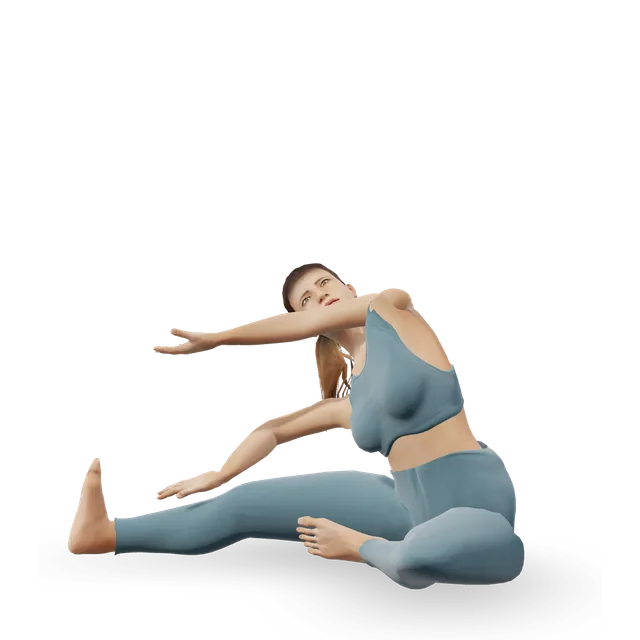 3D demoRevolved head-to-knee pose (Parivrtta Janu Sirsasana)Intermediate · No equipment
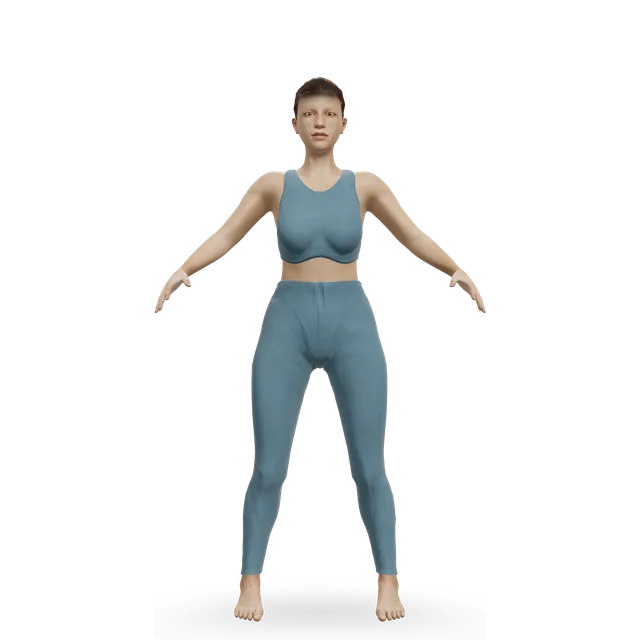 3D demoStanding spiral reachBeginner · No equipment
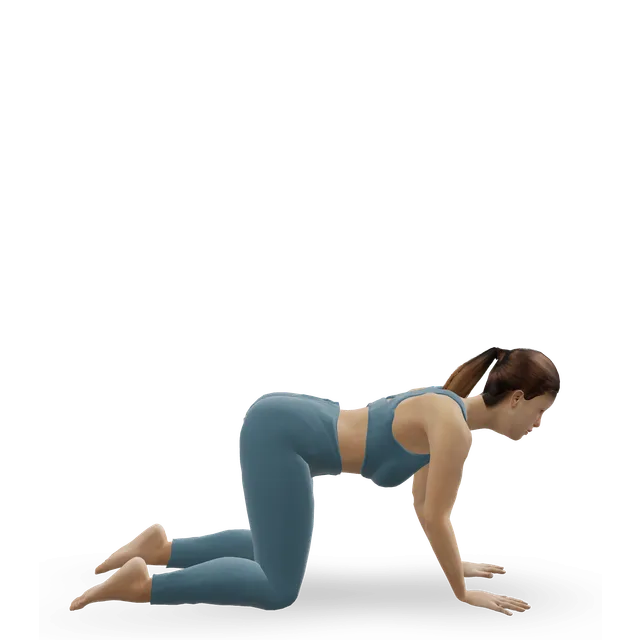 3D demoCat-cowBeginner · No equipment
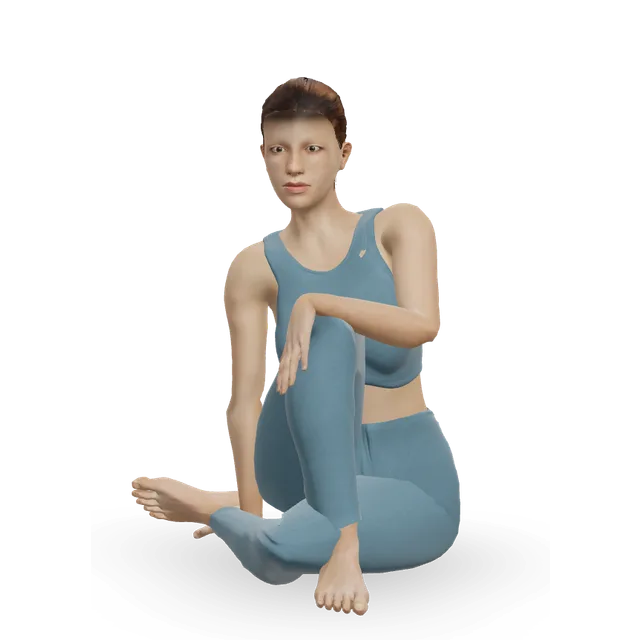 3D demoHalf lord of the fishes (Ardha Matsyendrasana)Intermediate · No equipment
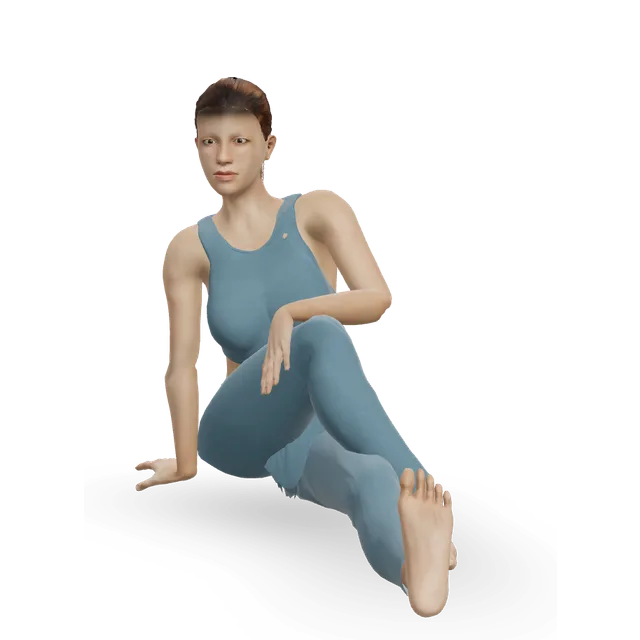 3D demoSeated twist, bottom leg straightBeginner · No equipment
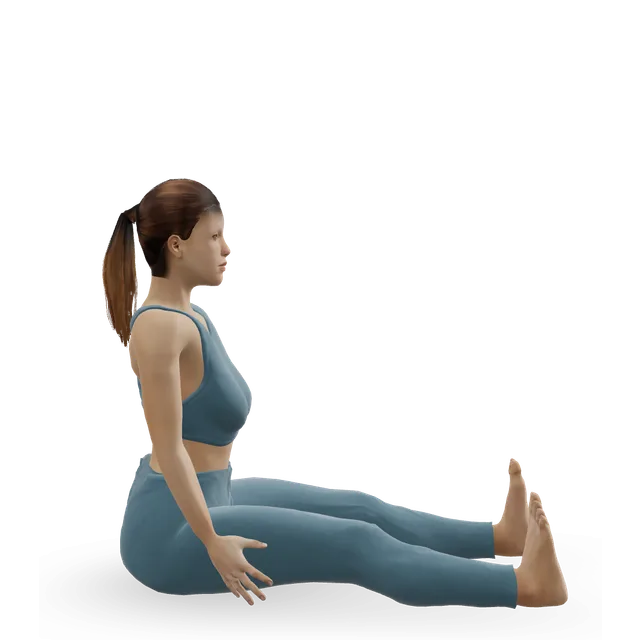 3D demoStaff pose (Dandasana)Beginner · No equipment
Browse more
Questions people ask
What muscles does the Gate pose (Parighasana) work?
Mainly the abs and back, with help from the adductors.
What equipment do I need for the Gate pose (Parighasana)?
No equipment: your body weight and a little floor space.
Is the Gate pose (Parighasana) good for beginners?
It is graded beginner, so it suits most people starting out. When it feels easy, try the Triangle pose (Utthita Trikonasana).
What is an easier alternative to the Gate pose (Parighasana)?
Try the Standing crossed-leg side reach. It is the suggested step down from this move.
How do I make the Gate pose (Parighasana) harder?
Progress to the Triangle pose (Utthita Trikonasana). Follow that guide’s technique and any stated timing.