What causes upper back pain?
Usually tired, sore muscles after long, still spells at a desk or on a phone; a heavy workload, workstation problems and mental pressure are linked with it too. It's common: between 3.5% and 34.8% of people have it in a year, and about 3 in 10 in many jobs. Less often it comes from the heart, lungs or bones, which is why the warning signs matter.
Is yoga good for upper back pain?
It's likely to help, but no trial has tested it directly: we found no yoga trial in upper or middle back pain. In long-lasting neck pain, yoga eased pain and disability more than usual care in the short term, about as well as other exercise, and strength work for the shoulder blades has the best support.
Which yoga poses help upper back pain?
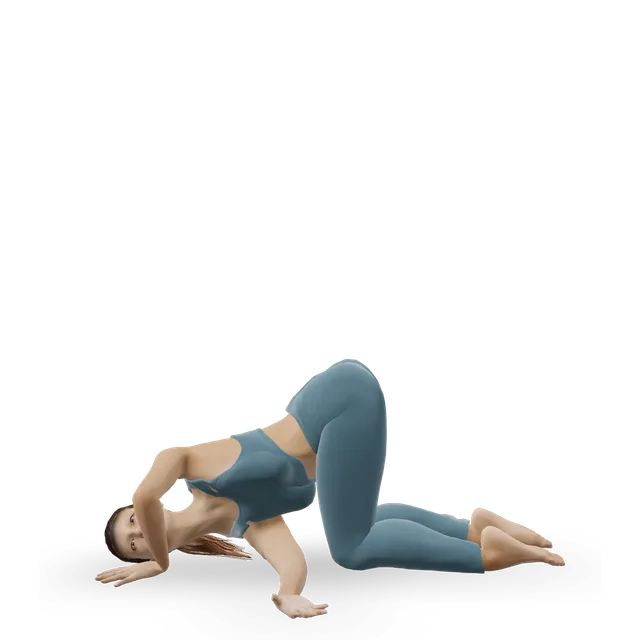
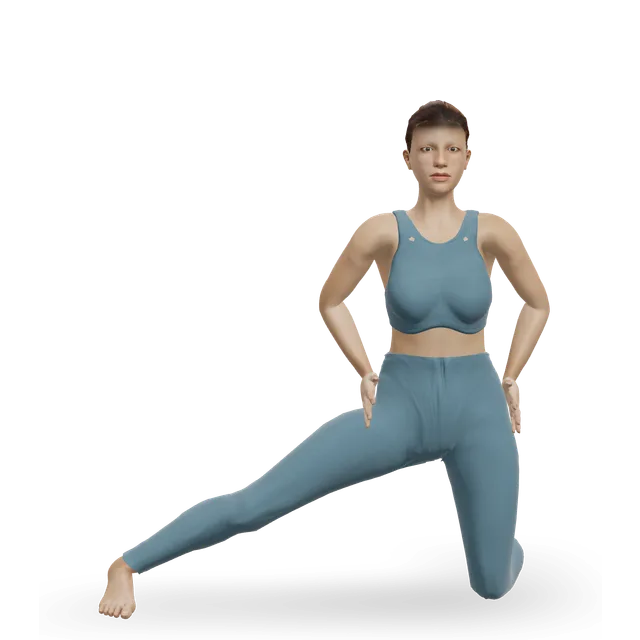
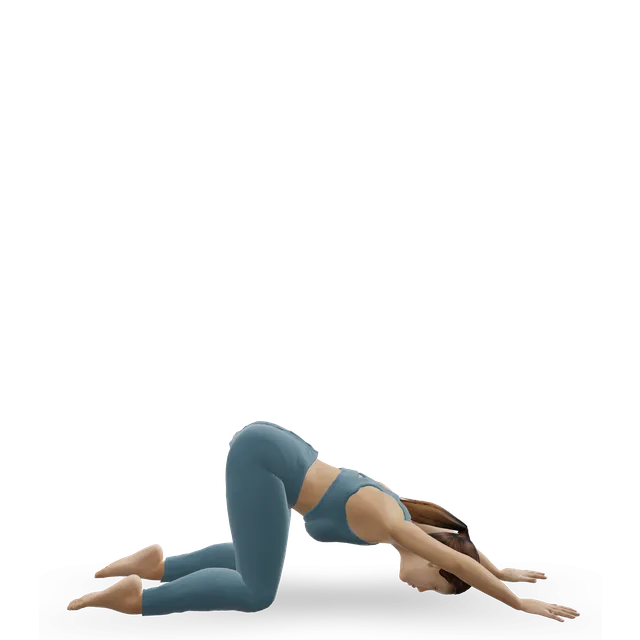
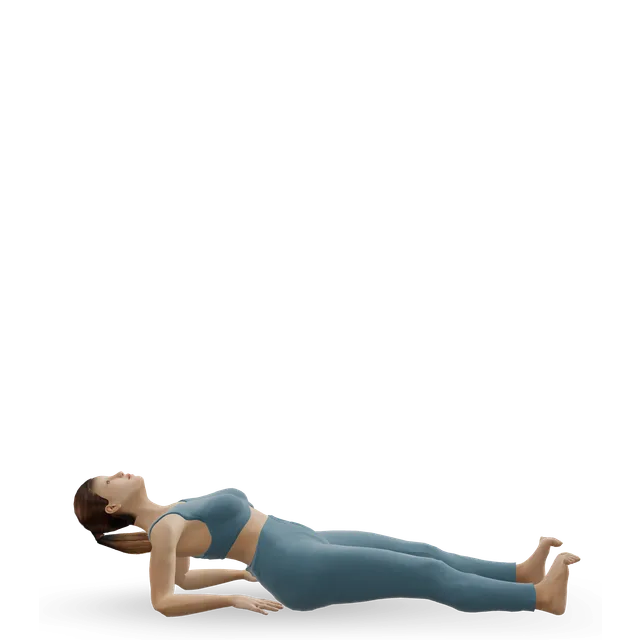
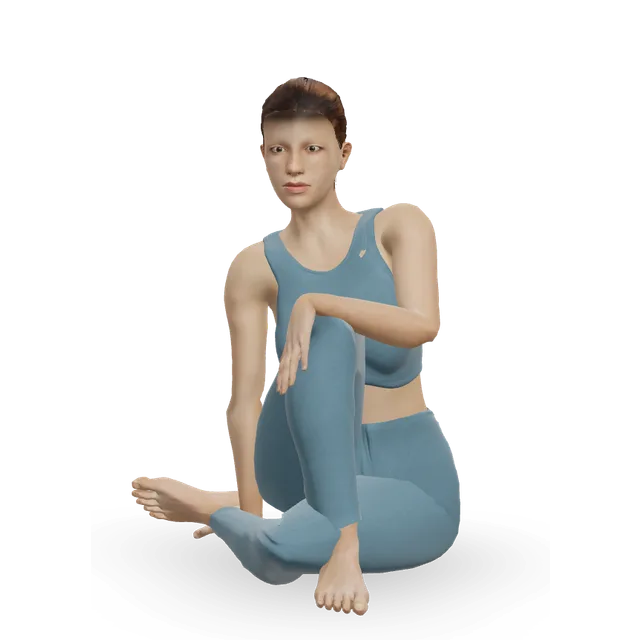
Start with slow breathing, cat-cow, thread the needle, the open book and gate pose to get moving, then build strength with locust, sphinx, low cobra and bird dog. In a lab study, locust with the arms forward worked the muscles between the shoulder blades hardest of 15 poses. Upper back mobility exercise did as well as spinal manipulation in office workers with neck pain.
Can yoga help pain between the shoulder blades?
Often, when it's muscular: gentle mobility and back-strengthening poses suit it. But the NHS asks you to see a GP for back pain coming from the top of your back, between your shoulders, and pain there with chest pain or sudden breathlessness needs 999.
When is upper back pain serious?
Call 999 for chest pain that comes on suddenly and doesn't go away, spreads to your arm, neck, jaw, stomach or back, or comes with sweating, sickness, light-headedness or breathlessness, and for sudden breathlessness with pain in your chest or upper back. Get help the same day for back pain with feeling hot, shivery or generally unwell. See a GP for pain between your shoulders.
Should I stretch or strengthen for upper back pain?
Both, with strength first. Strengthening the neck, shoulder blades and arms eased long-lasting neck pain while stretching alone may not, and 10 weeks of specific strength training cut neck muscle pain by about 79% in women with computer-heavy jobs. Stretching still eased office workers' neck pain in a trial, so keep it as well.
Does posture cause upper back pain?
Not clearly. Reviews find no agreement that posture causes back pain, and young women who sat upright had more persistent neck pain later than those who slumped. Moving often matters more than holding a perfect position.
How often should I do yoga for upper back pain?
Our suggestion is a class like our 25-minute yoga for posture 2 or 3 times a week, with each back-strengthening pose repeated 3 to 5 times and held 3 to 5 seconds, plus a short mobility break every hour you sit. See a GP or physiotherapist if the pain hasn't improved after a few weeks of looking after it at home.
Is yoga safe for upper back pain with osteoporosis?
Yes, with changes: back-strengthening poses are recommended, twists should be smooth and comfortable, and deep or repeated rounding should be avoided. New hunching or loss of height, especially with back pain you can't explain, needs a GP check, as osteoporosis can cause spinal fractures that change the shape of the spine.
Can yoga make upper back pain worse?
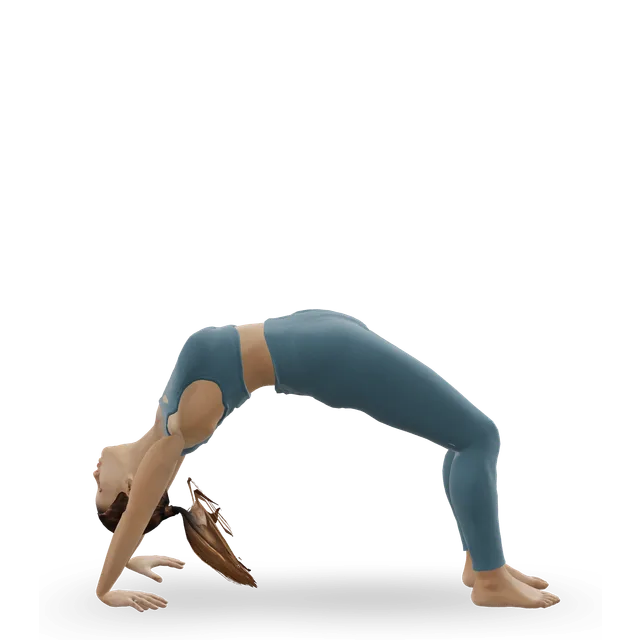
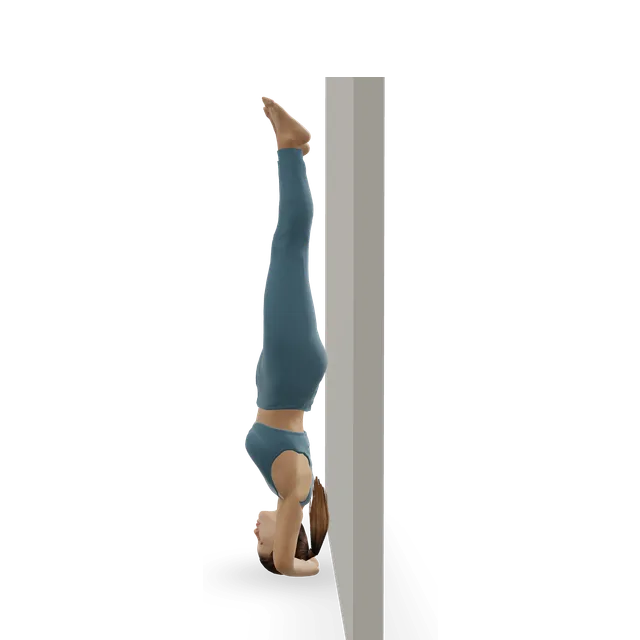
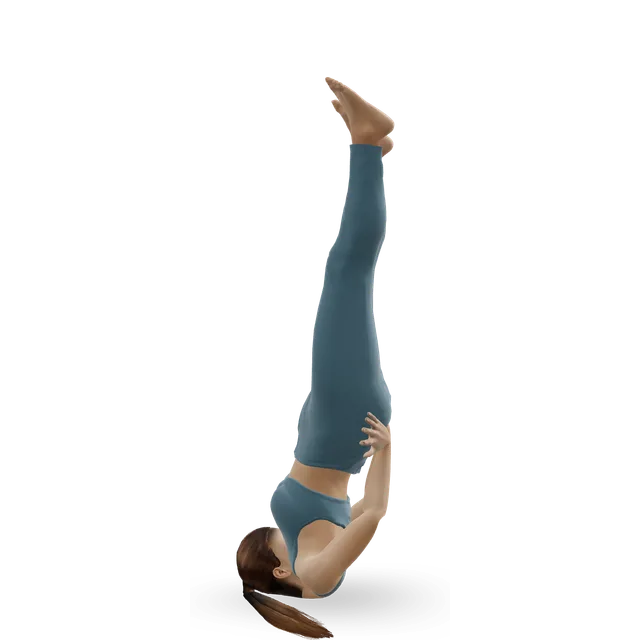
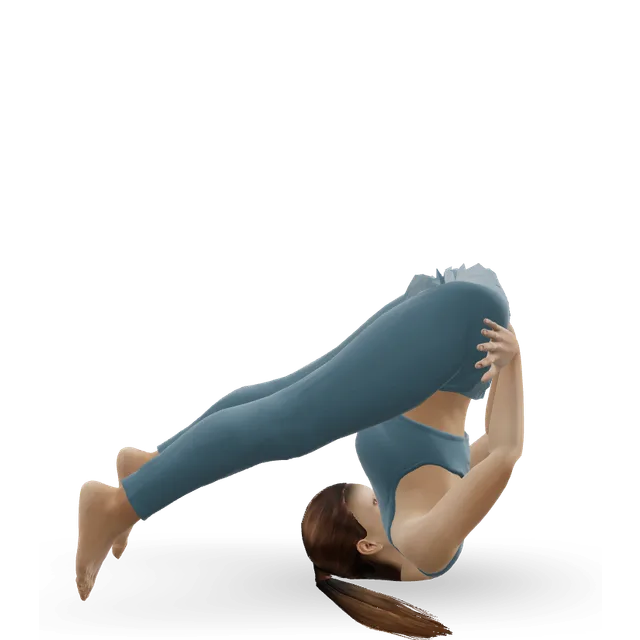
It can if you push into sharp pain or load your neck: leave out headstand, shoulder stand and plough, and poses that drop your head back, as our yoga for neck pain guide advises. Some discomfort is fine if it stays mild to moderate and settles within an hour or so.
Should I see a physiotherapist for upper back pain?
See a GP or physiotherapist if your pain hasn't improved after a few weeks of looking after it at home, stops you doing day-to-day activities or worries you. In many areas you can get NHS physiotherapy without a GP referral.