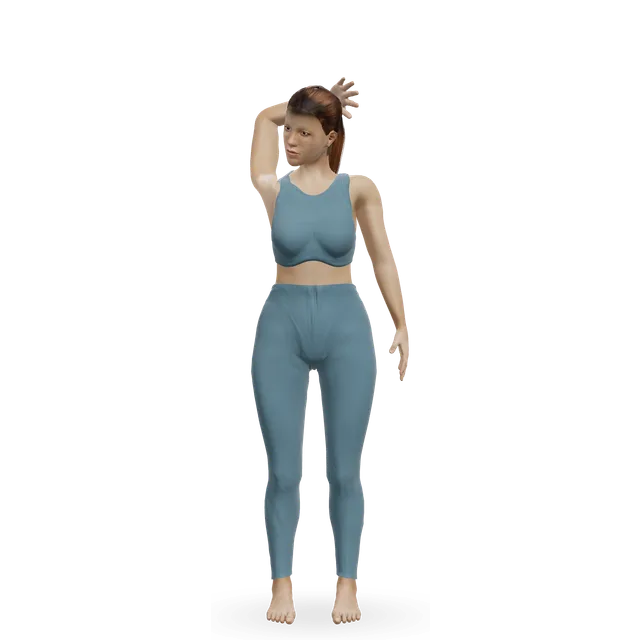
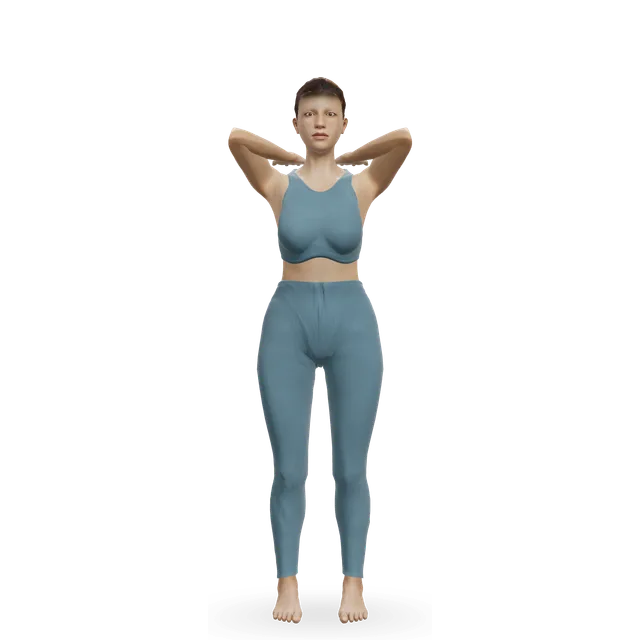
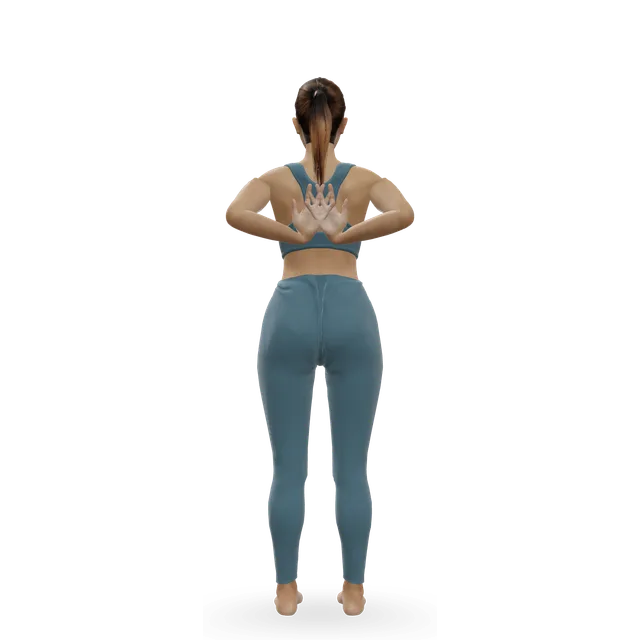
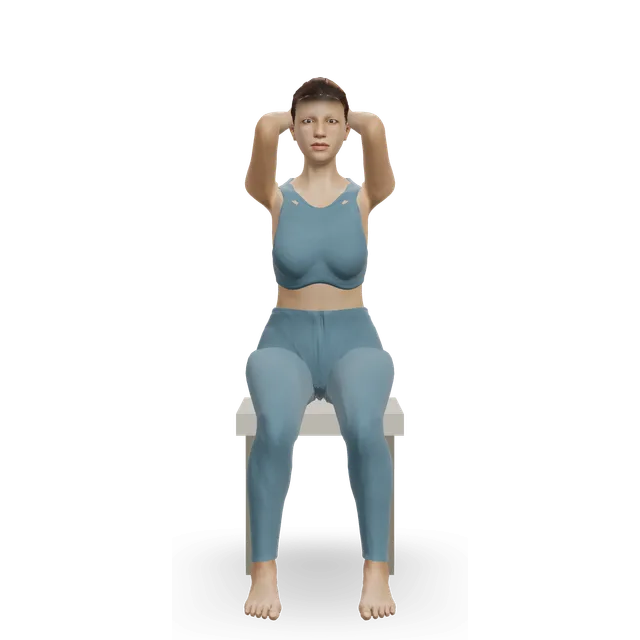
Yoga guide

Yoga for shoulder pain: what helps, poses to start with, and how to protect your shoulder

Yoga hasn't been tested much for shoulder pain. In the one trial in early frozen shoulder, adding yoga poses to physiotherapy made no difference, and in office workers with neck and shoulder pain it worked about as well as stretching. What helps most shoulder pain is time and gradually strengthening the rotator cuff and shoulder-blade muscles, and adapted yoga can be part of that.

This guide covers rotator cuff pain, frozen shoulder, arthritis and a shoulder that slips, what the trials found, poses to start with, how to build up weight on your arms in downward dog, plank and chaturanga, the poses to change, and the warning signs. To start, follow our 20-minute yoga for shoulder pain sequence. If your shoulder looks out of place after a fall, or you have chest pain, go straight to the warning signs.

The short version

Keep using the arm

Most shoulder pain settles. The NHS says to look after it yourself for 2 weeks, that recovery can take 6 months or longer, and "do not completely stop using your shoulder", but not to make up your own strenuous exercises or use heavy gym equipment.

Source 1

Yoga has barely been tested

In 72 people with early frozen shoulder, adding standing yoga poses to usual care made no difference. In office workers, yoga eased neck and shoulder pain about as well as stretching, and after breast cancer surgery it helped shoulder movement more than an exercise DVD.

Sources 2, 3, 4

Strengthening helps most

Gradual strengthening of the rotator cuff and shoulder-blade muscles is the mainstay for most shoulder pain, and yoga poses that take weight or hold the arms up can be part of it.

Sources 5, 6

Use the 5 out of 10 rule

During strengthening, pain up to about 5 out of 10 is acceptable if it's back to where it was by your next session. If it isn't, use a smaller range or less weight next time, not nothing.

Source 5

Frozen shoulder: stay in the comfortable range

Gentle exercise within your pain limits did better than intensive stretching through pain, and the NHS warns that keeping the shoulder still makes the pain worse.

Sources 7, 8

Build up weight on your arms in steps

We found no study that measured shoulder load in chaturanga or downward dog. Push-ups with the hands raised or the knees down put less force through the hands, so start at a wall, then a table, then the floor with your knees down.

Sources 9, 10, 11

Shoulder pain, and how yoga loads the shoulder

The common causes

Most shoulder pain comes from the rotator cuff tendons (often called impingement, a name our shoulder impingement guide explains is misleading), a frozen shoulder, arthritis in the shoulder, or a shoulder that slips or has dislocated. Pain can also come from the neck, and rarely from the heart, as our shoulder pain guide sets out.

How yoga loads the shoulder

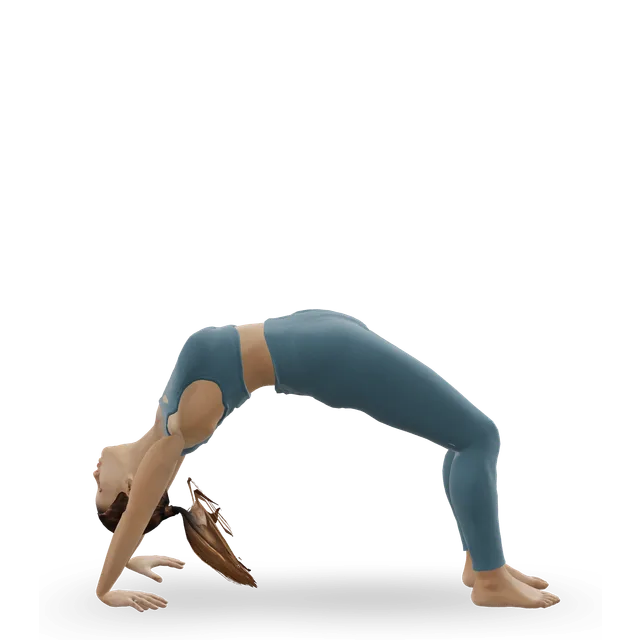
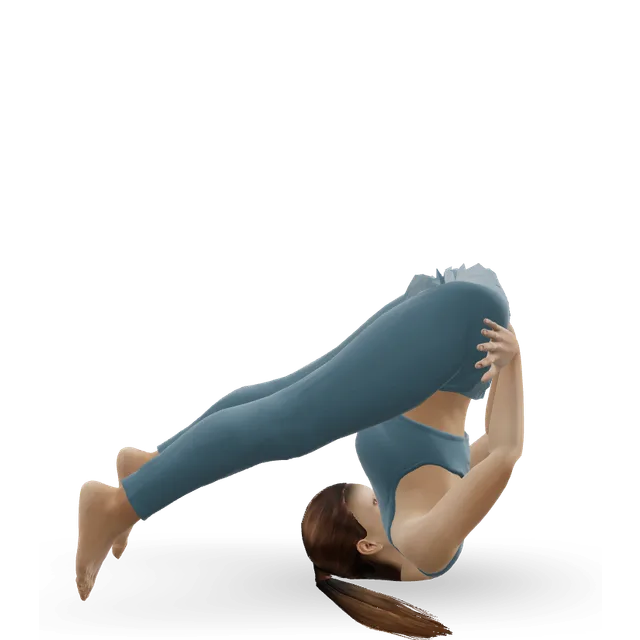
Yoga takes the arms overhead (sun salutations take them fully overhead and back down in every round), puts weight on the hands in plank, downward dog, chaturanga and side plank, takes the arms behind you in binds and across you in eagle and cow face, and loads the shoulders in shoulder stand and backbends like wheel.

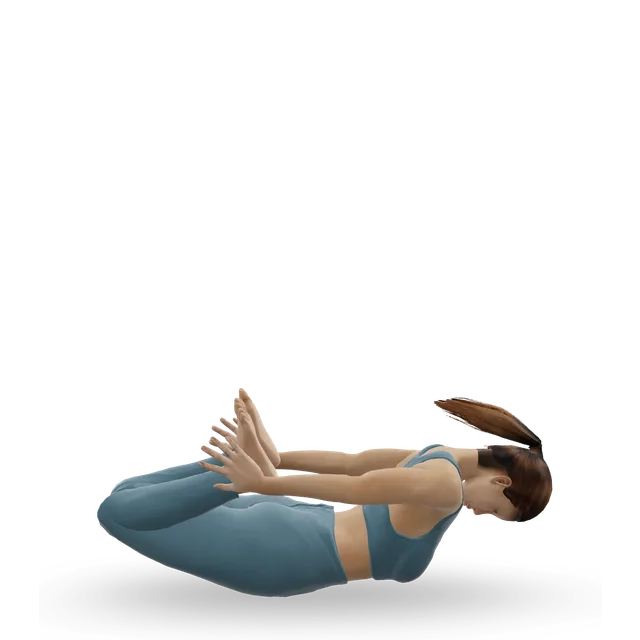
In a lab study of 15 static postures in 20 women, the shoulder-blade muscles worked at 3% to 57% of their maximum, with locust (arms forward) the hardest for the lower trapezius. In planks, more body weight on the arms meant more shoulder muscle work.

Sources 12, 13, 10

Shoulders in yoga injury studies

Of 89 people injured by yoga at one US clinic, 6 had rotator cuff injuries, and tears of the supraspinatus (a rotator cuff tendon) and the shoulder's cartilage rim were among the commonest yoga injuries on scans in 38 patients. A survey of more than 1,300 teachers named the shoulder among the most common sites. Serious problems are uncommon: across 9 studies, about 2% of practitioners had one.

Sources 14, 15, 16, 17

What the evidence says

Early frozen shoulder: yoga added nothing in 4 weeksEmerging evidence

In 72 people in the painful early stage of frozen shoulder, 30 minutes of eight standing poses, taught under supervision and then done once a day at home for 4 weeks, added to anti-inflammatory medicines and physiotherapy, made no difference to pain and disability (scores of 40.67 against 40.03 out of 100). No side effects were seen.

Source 2

A small comparison with physiotherapyMixed evidence

In 40 people with frozen shoulder, allocated in a partly random way, yoga poses and physiotherapy both helped over 4 weeks, with slightly more improvement in lifting the arm out to the side after yoga.

Source 18

Rotator cuff tendon painMixed evidence

In 45 overhead athletes, a programme combining physiotherapy exercises and yoga improved pain and function, but the study design can't show yoga itself helped.

Source 19

Neck and shoulder pain at workEmerging evidence

In 150 office workers with mild to moderate neck and shoulder pain, a 30-minute weekly hatha yoga class for 4 weeks, with home practice, worked about as well as stretching, and the commonest side effects were muscle or joint pain and muscle tension. In 80 office workers, yoga, a Thai exercise programme and stretching helped equally.

Sources 3, 20

After breast cancer surgeryEmerging evidence

In 444 women who had recently finished surgery and other treatment for early breast cancer, the abstract reports that 12 weeks of yoga improved shoulder rotation flexibility and one back-scratch test more than an exercise DVD group, at every check to 12 months; pain, fatigue, sleep, mood and quality of life didn't differ between groups. In smaller trials, yoga didn't change arm and shoulder pain more than follow-up alone (42 women), and improved posture and shoulder strength in 23 women with arm swelling (lymphoedema).

Sources 4, 21, 22

No trials in tears, arthritis or a loose shoulderMixed evidence

We found no study of yoga for a torn rotator cuff, shoulder arthritis or an unstable shoulder, and a 2024 review of 8 studies found only limited evidence for yoga and shoulder movement.

Sources 23, 24

Strengthening is what has the evidenceStrong evidence

In 102 people with long-standing impingement pain that earlier treatment hadn't helped, specific rotator cuff and shoulder-blade exercises led to success in 69% against 24% with general exercise, and 20% went on to choose surgery against 63%. In 708 adults with rotator cuff disorders, up to 6 physiotherapy sessions of progressive exercise did no better over a year than one session of good advice with a home programme.

Sources 5, 6

Back to yoga after a shoulder replacementEmerging evidence

Of 15 yoga practitioners with an average age of 69 who had a shoulder replacement, 60% were back to yoga by 6 months and all of them by 12. It's a small series.

Source 25

Frozen shoulder: gentle, and within your comfortable range

It gets better, slowly

The NHS says frozen shoulder can be painful and stiff for months or sometimes years, but "the pain and stiffness will usually go away eventually". The British Elbow and Shoulder Society's care pathway calls it "a self-resolving pathology", and notes that its stages overlap, so they are of limited use for treatment decisions.

Sources 8, 26

Gentle beats forcefulEmerging evidence

In 77 people with frozen shoulder, exercise within pain limits left 89% with normal or near-normal shoulders at 2 years, against 63% after intensive stretching through pain. The NHS says to keep moving the shoulder, because keeping it still makes the pain worse, but not to make up strenuous exercises.

Sources 7, 8

Injections and physiotherapy

The care pathway says a steroid injection into the joint eases symptoms faster than waiting, with no benefit seen after about 3 months, and that physiotherapy should be offered after an injection. These are decisions for your GP or physiotherapist.

Source 26

Yoga in the painful stage

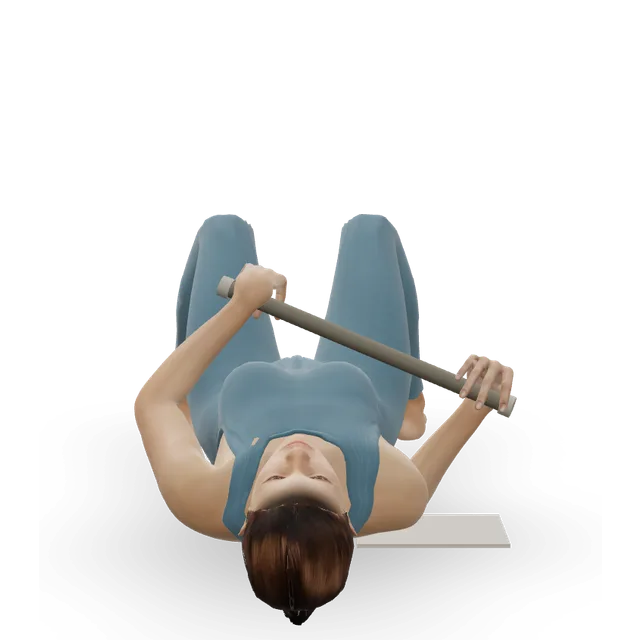
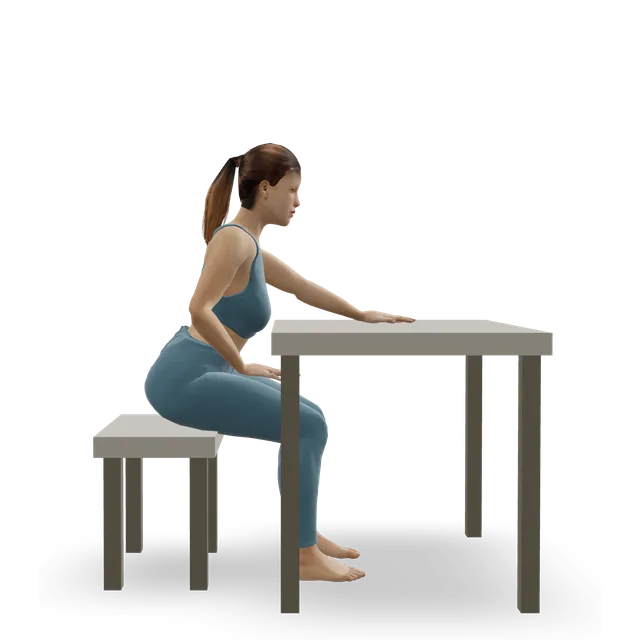
Keep to gentle, assisted movement: pendulum swings, table slides and a stick to help the arm turn out, without pushing through pain. Standing poses with the arms low are fine if they're comfortable, but don't expect them to speed recovery.

Sources 2, 8

Rotator cuff pain, and the 5 out of 10 rule

Strengthen, graduallyStrong evidence

For pain from the rotator cuff tendons, progressive strengthening of the rotator cuff and shoulder-blade muscles is the main treatment, and one good session of advice with a home programme can do as well as several physiotherapy sessions.

Sources 5, 6

The 5 out of 10 rule

During shoulder strengthening, pain up to about 5 out of 10 is acceptable, and a little is expected. By your next session it should be back to where it was before. If it isn't, use a smaller range or less load next time, not nothing. This is how the Holmgren trial of 102 people set each person's load, and our shoulder guides use the same rule.

Source 5

Which poses work the shoulder bladesEmerging evidence

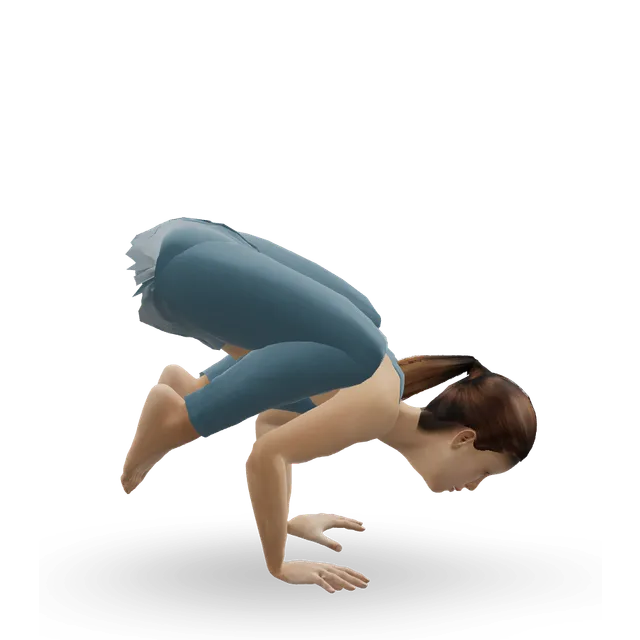
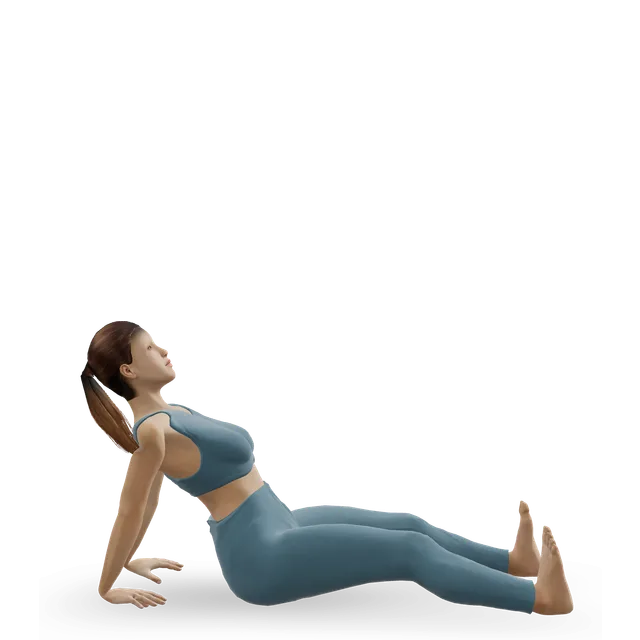
In the lab, locust with the arms forward worked the trapezius hardest of 15 postures, and several postures worked the serratus anterior (the muscle that holds the shoulder blade against the ribs) moderately; warrior II, dancer's pose and reverse tabletop worked them only lightly. Wheel and forearm stand load the shoulder girdle heavily, a study in yoga athletes notes. These are healthy people in a lab, not trials of treatment.

Sources 13, 10, 27

Downward dog, plank and chaturanga: build up the load

We found no study of their loadMixed evidence

We found no study that measured shoulder load in chaturanga or downward dog, so advice on them is expert opinion, as our vinyasa yoga guide says.

Source 11

What push-up and plank studies showEmerging evidence

In 23 adults, push-ups with the hands raised or from the knees put less peak force through the hands than standard push-ups, and push-ups with the feet raised put more. In 21 healthy men, taking more body weight onto the arms in plank variations generally meant more shoulder and shoulder-blade muscle work.

Sources 9, 10

An order to follow

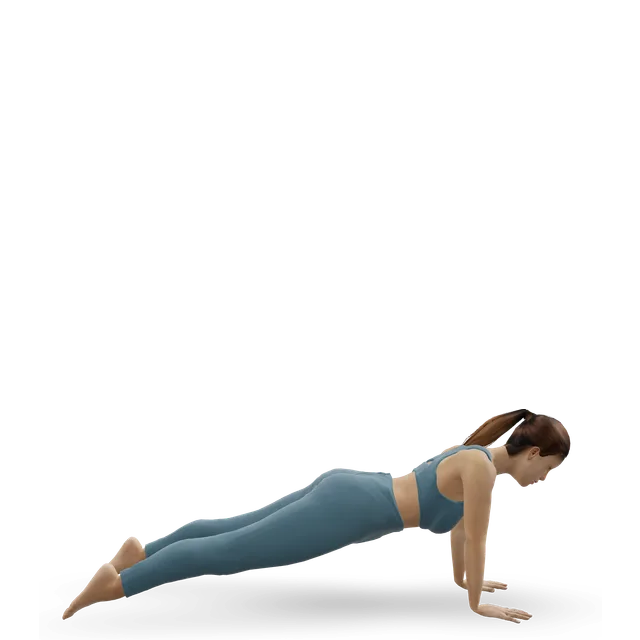
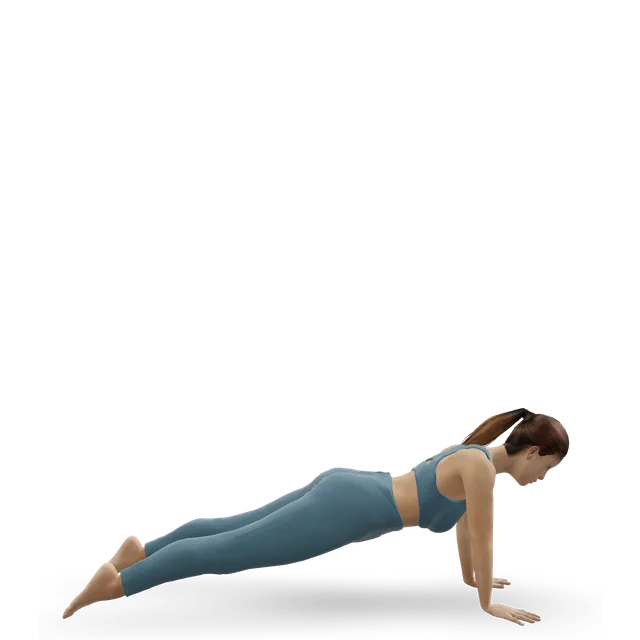
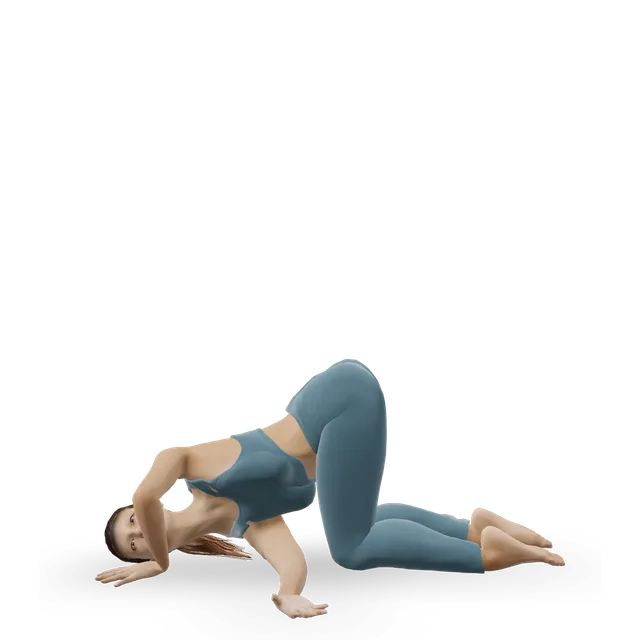
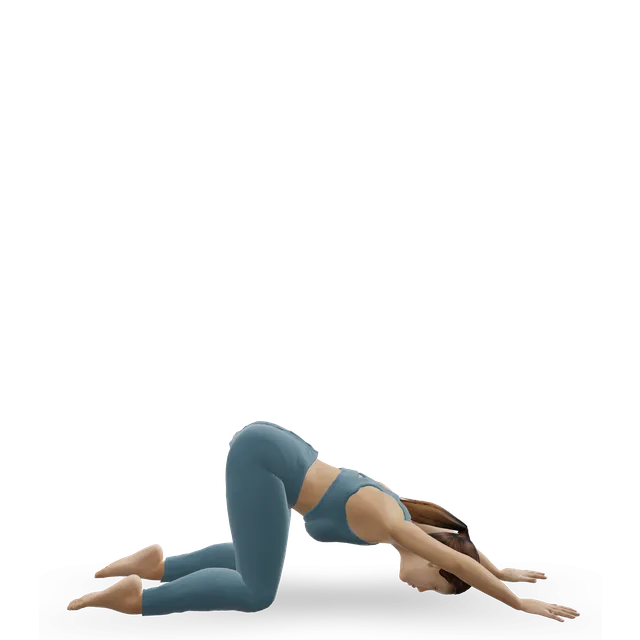
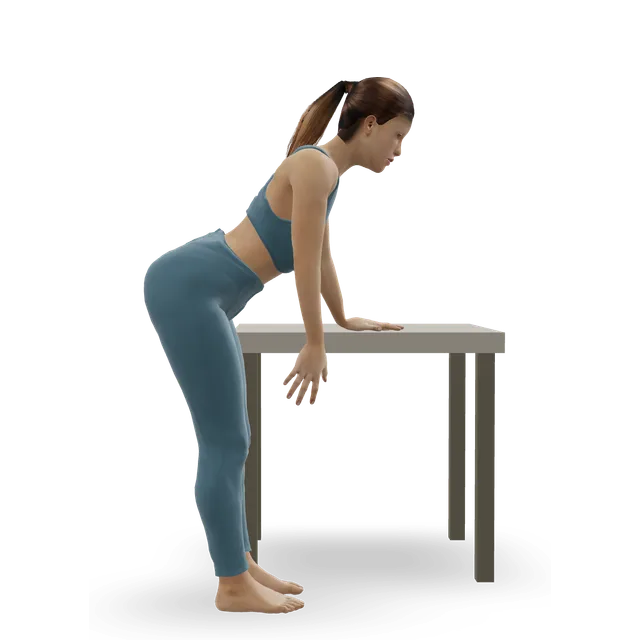
Our editorial order: wall push-ups, then hands on a table or chair seat, then knees down on the floor (cat-cow, a knee plank), then a full plank and downward dog. Move on when the step before is easy and pain stays within the 5 out of 10 rule.

Source 9

Chaturanga and flowing classes

While your shoulder hurts, lower with your knees down, go only halfway, or leave chaturanga out (expert opinion; our vinyasa yoga guide says the same). Repeated rounds add up: sun salutations take the shoulders from fully overhead and back down in every round, so do fewer rounds and step back slowly.

Source 12

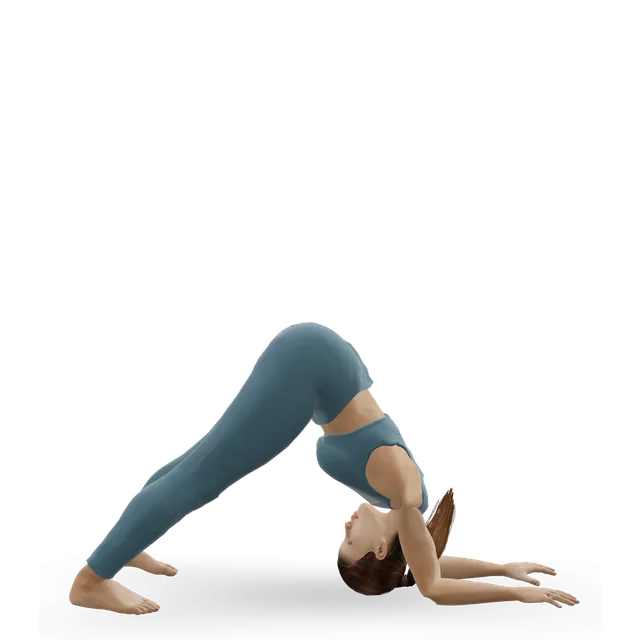
Building up to downward dog

Our editorial progression, built from the push-up studies (less force with the hands raised) and the move's page; we found no study that measured shoulder load in downward dog. With glaucoma or high blood pressure, keep your head higher, with your hands on a wall or chair.

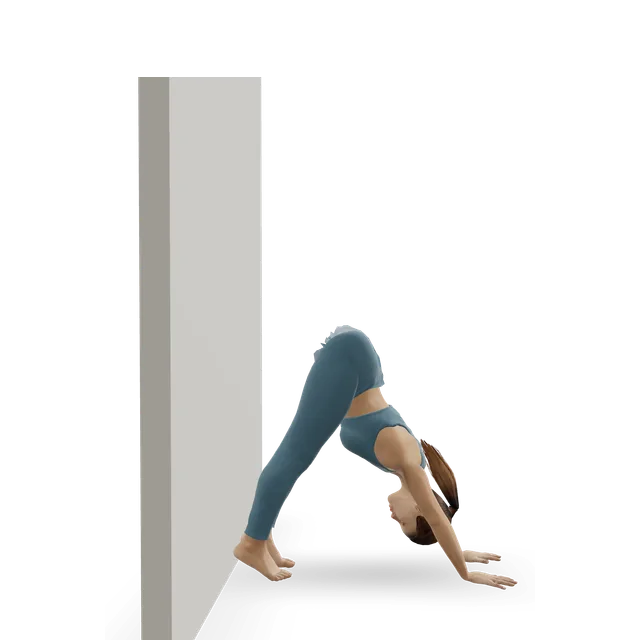
  1. Start at a wall: hands on the wall at shoulder height, walk your feet back and hinge at the hips until your arms and back make one line. Hold for 3 to 5 breaths.
  2. When that's easy, do the same with your hands on a chair seat or a table, knees soft.
  3. Then on the floor: from all fours, tuck your toes and lift your knees a little, keeping them bent. Lower your knees after 2 or 3 breaths.
  4. When that's easy, lift your hips up and back into the full pose, bending your knees generously so your back stays long.
  5. Spread your fingers and press the floor away, and let your head hang between your arms with your neck soft.
  6. Stop if you feel a pinch or sharp pain at the front or top of the shoulder, and go back a step.

See the movement on the 3D figure: Downward-facing dog (Adho Mukha Svanasana)

A shoulder that slips, a replacement, and after breast surgery

After a dislocation, or with a shoulder that slips

The NHS says it usually takes 6 to 12 weeks to recover from a dislocated shoulder, and up to 16 weeks to return to some sports; your doctor or physiotherapist will say when. Keep your arm in front of you at first, avoid taking it out to the side and back (the position a shoulder dislocates in, as our shoulder guides explain), and stop if it feels about to slip. Our hypermobility guide quotes the Hypermobility Syndromes Association's advice to choose yoga "focused on strengthening and control rather than increasing flexibility".

Source 28

After a shoulder replacementEmerging evidence

In a small series, all 15 yoga practitioners were back to yoga within a year of a shoulder replacement. Follow your surgeon's restrictions and build up weight on the arm gradually.

Source 25

After breast cancer surgery

Yoga helped shoulder movement in a large trial, but start only with your breast team's go-ahead and do their arm exercises first; our breast cancer surgery guide covers them.

Source 4

Gentle range for a painful or stiff shoulder

Pain-free only. Doses from the moves' pages: pendulum swings for about 1 minute, 2 to 3 times a day; table slides 10 slow repetitions, 1 to 3 times a day; the stick-assisted turn-out 10 slow repetitions, twice a day, while the shoulder is very irritable.

Poses to start with: arms low, then strength

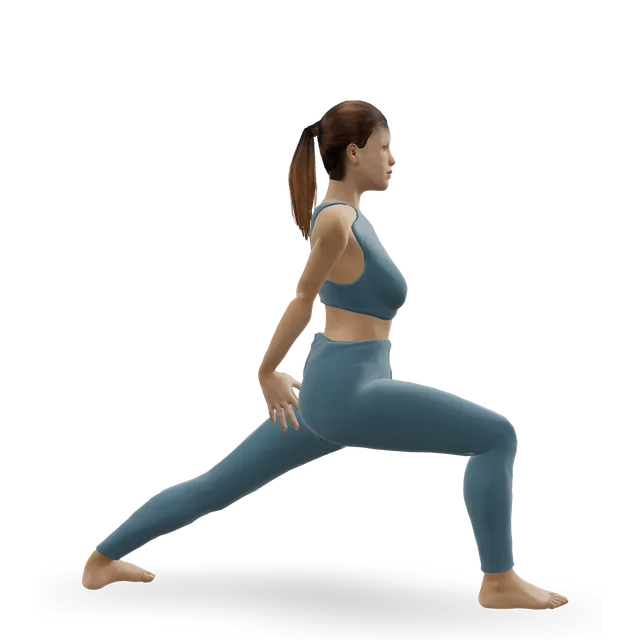
Keep your arms at or below shoulder height in standing poses at first. The band turn-out and wall push-ups use our shoulder pain guide's doses (2 sets of 10 to 15, and 2 sets of 10); hold planks for 10 to 20 seconds and locust for 3 to 5 breaths (our editorial starting points), within the 5 out of 10 rule.

Poses to change or leave out while it hurts

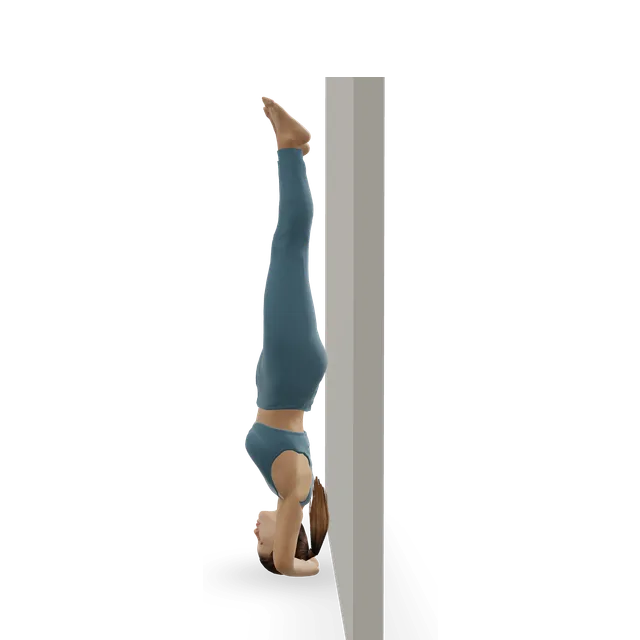
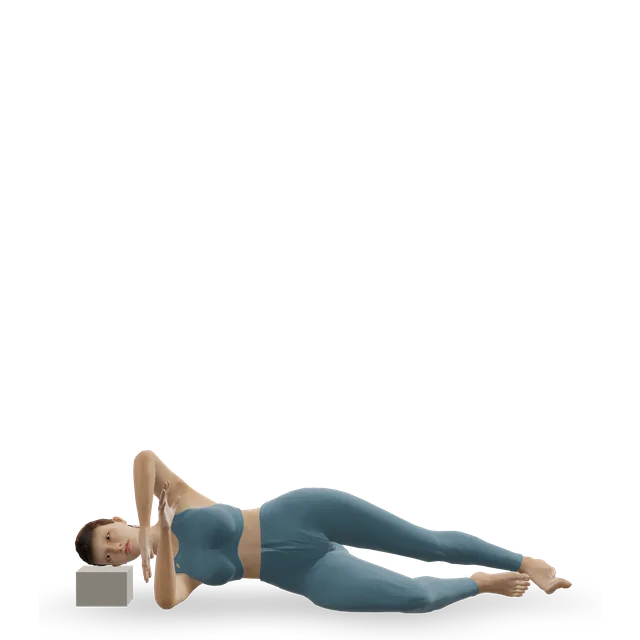
Lower chaturanga with your knees down or skip it, swap upward dog for a low cobra, build up to downward dog from the wall, skip binds and arm wraps, and don't lie on the sore shoulder. After a dislocation, keep the arm low and in front in chest openers. Most can come back as strength returns.

Workouts to follow

Start with the 20-minute yoga for shoulder pain sequence 3 times a week (our editorial starting point). The shoulder mobility and stability routine adds band strength, and the arm and shoulder exercises after breast cancer surgery follow the breast team's programme.

When to get help

Call 999 or go to accident and emergency (A&E)

These are the same warning signs as our shoulder pain guide. In the US, call 911 for 999, and use your doctor's urgent line or urgent care for NHS 111.

  • After a fall or injury, your shoulder looks out of place or has changed shape, or you cannot move your arm. Do not drive yourself, and do not try to put it back in yourself.
  • Shoulder or arm pain with chest pain that feels tight or squeezing, or chest pain that spreads to your arms, neck or jaw, especially with shortness of breath, sweating or feeling sick. It could be a heart attack.
  • You suddenly can't fully lift both arms and keep them there, because of weakness or numbness in one arm, especially if one side of your face droops or you slur your words or sound confused. It could be a stroke. Call even if the signs have stopped.
  • If you are or could be pregnant, shoulder tip pain (where the shoulder ends and the arm begins) with sudden severe tummy pain, dizziness or fainting. It can mean bleeding from an ectopic pregnancy.

Sources 28, 29

Get help the same day (GP or NHS 111)

  • Sudden weakness lifting the arm after an injury or fall. A rotator cuff tear caused by an injury needs urgent referral to a shoulder specialist.
  • The shoulder or arm is hot, swollen or red, or you have a high temperature or feel unwell. A joint infection needs same-day care.
  • Sudden or very bad shoulder pain; you cannot move your arm; the arm or shoulder is badly swollen or has changed shape; pins and needles that do not go away; no feeling in the arm; the arm is hot or cold to the touch; pain that started after an injury such as a fall; or severe pain in both shoulders.
  • You are over 50 and have new pain and stiffness in both shoulders (often the hips too), especially with morning stiffness lasting more than 45 minutes. This can be polymyalgia rheumatica.

Source 1

See a GP or physiotherapist soon

In many areas you can refer yourself to physiotherapy.

  • Pain that is getting worse or has not improved after 2 weeks of looking after it yourself, or it is very hard to move your arm.
  • Your shoulder has partly or fully come out of joint, or you worry it might.
  • Pins and needles or a cold arm alongside neck pain, or a new loss of strength or feeling in the arm that you cannot explain.
  • A past history of cancer, an unexplained lump or swelling, weight loss, or pain that is constant and does not ease when you change position.

Source 1

In class, stop the pose

Stop for sharp pain, a feeling that the shoulder is slipping, pins and needles or numbness down the arm, or pain that is still worse by your next session after strengthening.

Source 5

Myths

"Rest the shoulder until it stops hurting"Strong evidence

The NHS says "do not completely stop using your shoulder", and with frozen shoulder, keeping it still makes the pain worse.

Sources 1, 8

"Push through the pain to free a frozen shoulder"Emerging evidence

Exercise within pain limits did better than intensive stretching through pain: 89% against 63% had near-normal shoulders at 2 years.

Source 7

"Downward dog heals the rotator cuff"Mixed evidence

Some poses work the shoulder-blade muscles in the lab, but no trial shows yoga heals the rotator cuff. Progressive strengthening is what has the evidence.

Sources 13, 5

"Chaturanga causes most yoga shoulder injuries"Mixed evidence

We found no study that measured its load, and in an Australian survey the practices most often linked to injuries were headstands, shoulder stands and lotus. Changing it while your shoulder hurts is still sensible (expert opinion).

Sources 11, 30

Questions people ask

Is yoga good for shoulder pain?

It can be part of looking after a painful shoulder, but it has barely been tested: in one trial in early frozen shoulder, adding yoga poses made no difference. What helps most is gradually strengthening the rotator cuff and shoulder-blade muscles, and yoga can include that if you adapt the poses.

Can yoga help frozen shoulder?

Gentle movement within your comfortable range helps more than forcing stretches, and frozen shoulder usually gets better on its own over months to years. Adding standing yoga poses to physiotherapy made no difference in a 4-week trial, so think of yoga as a way to keep moving, not a cure.

Is yoga good for a rotator cuff injury?

For rotator cuff pain without an injury, strengthening is the main treatment, and adapted yoga can be part of it using the 5 out of 10 pain rule. If your arm suddenly became weak after a fall, get it checked the same day first: a tear from an injury needs a specialist.

Why does downward dog hurt my shoulder?

It puts part of your weight through your arms while they're overhead, which an irritated shoulder may not cope with yet. Bend your knees, put your hands on a wall or chair, or swap it for cat-cow and child's pose, and build up from wall push-ups.

Is chaturanga bad for your shoulders?

We found no study that measured its load, so advice is expert opinion. While your shoulder hurts, lower with your knees down, go only halfway, or leave it out, and build strength with wall push-ups and knee planks first.

Which yoga poses should I avoid with shoulder pain?

While it hurts: chaturanga, full planks and downward dog, binds and eagle arms, deep backbends like wheel, shoulder stands, and lying on the sore shoulder. Most can come back gradually as your strength returns.

What are the best yoga poses for shoulder pain?

Standing poses with your arms at or below shoulder height, locust, sphinx and cat-cow are good starting points, with band exercises for the rotator cuff. In a lab study, locust with the arms forward worked the lower trapezius hardest of 15 poses.

Can I do yoga after a shoulder dislocation?

Yes, once your doctor or physiotherapist agrees, but avoid taking the arm out to the side and back, the position a shoulder dislocates in, and stop if it feels about to slip. Strength in the middle of the range comes first.

Is some pain OK during yoga for shoulder pain?

During strengthening, pain up to about 5 out of 10 is fine if it's back to normal by your next session. With frozen shoulder, keep to mild discomfort, especially early on.

Can yoga help after breast cancer surgery?

In 444 women, 12 weeks of yoga improved shoulder movement more than an exercise DVD group for a year, though pain didn't differ. Start only with your breast team's go-ahead, and do their arm exercises first.

Can I do yoga after a shoulder replacement?

Many people can: in a small series, all 15 yoga practitioners were back to yoga within a year. Follow your surgeon's restrictions and build up weight on the arm gradually.

When should I see a doctor about shoulder pain?

Call 999 for chest pain that spreads to your arm, neck or jaw. Go to A&E if your shoulder looks out of place after a fall or you can't move your arm, get same-day help for sudden weakness after a fall or a hot, swollen shoulder, and see a GP if it hasn't improved after 2 weeks.
Sources

  1. NHS · Shoulder pain (last reviewed May 2023, past its review date)
  2. Jain 2020 · Standing yoga poses added to usual care in early frozen shoulder: 72 patients (quasi-randomised trial, J Ayurveda Integr Med)
  3. Kuptniratsaikul 2023 · Hatha yoga or stretching for neck and shoulder pain: 150 office workers (randomised non-inferiority trial, Complement Ther Med)
  4. Lam 2025 · Yoga after breast cancer surgery: 444 women (randomised trial, Sports Med Open)
  5. Holmgren 2012 · Specific exercise for shoulder impingement and the need for surgery: 102 patients (randomised trial, BMJ)
  6. Hopewell 2021 · Progressive exercise or one advice session, with or without a steroid injection: the GRASP trial, 708 adults with rotator cuff disorders (randomised trial, Lancet)
  7. Diercks 2004 · Exercise within pain limits or intensive stretching for frozen shoulder: 77 patients (prospective study, J Shoulder Elbow Surg)
  8. NHS · Frozen shoulder
  9. Ebben 2011 · Forces through the hands in six push-up variations: 23 adults (lab study, J Strength Cond Res)
  10. Can 2024 · Shoulder muscle activity in 10 plank variations: 21 healthy men (lab study, J Strength Cond Res)
  11. Europe PMC · Search for studies of shoulder load in chaturanga or downward dog: 5 records, none measuring it (24 October 2026)
  12. Mullerpatan 2019 · Joint movement in sun salutations: 10 trained practitioners (motion capture study, Int J Yoga)
  13. Chopp-Hurley 2018 · Shoulder-blade muscle activity in 15 static yoga postures: 20 women (lab study, J Orthop Sports Phys Ther)
  14. Lee 2019 · Soft tissue and bone injuries caused by yoga: 89 patients at a US clinic (case series, Mayo Clin Proc)
  15. Le Corroller 2012 · Scans of yoga injuries in 38 patients (imaging study, AJR Am J Roentgenol)
  16. Swain 2016 · Yoga-related injuries in US emergency departments, 2001 to 2014 (Orthop J Sports Med)
  17. Cramer 2018 · Injuries and other adverse events with yoga: 9 observational studies (systematic review, J Sci Med Sport)
  18. Pitchai 2020 · Yoga or physiotherapy for frozen shoulder: 40 people (quasi-experimental study, J Complement Integr Med)
  19. Chawla 2024 · Physio-yogic exercises for rotator cuff tendinopathy: 45 overhead athletes (comparative study, J Lifestyle Med)
  20. Thanasilungkoon 2023 · Ruesi Dadton, yoga or stretching for neck and shoulder pain: 80 office workers (randomised trial, Int J Exerc Sci)
  21. Eyigor 2018 · Yoga for shoulder and arm pain with breast cancer: 42 women (randomised trial, Complement Ther Clin Pract)
  22. Loudon 2016 · Yoga for arm lymphoedema after breast cancer: 23 women (randomised pilot trial, BMC Complement Altern Med)
  23. Europe PMC · Search for yoga studies in rotator cuff tears, shoulder arthritis or an unstable shoulder: 2 records, neither a yoga study (24 October 2026)
  24. Rathore 2024 · Yoga and spine and shoulder mobility: 8 studies (systematic review, J Bodyw Mov Ther)
  25. Hoffman 2025 · Return to yoga after shoulder replacement: 15 patients (retrospective series, JSES Int)
  26. Rupani 2025 · British Elbow and Shoulder Society patient care pathway: frozen shoulder (guideline, Shoulder Elbow)
  27. Sheikhzadeh 2026 · Shoulder muscle activity in wheel and forearm stand: 24 female yoga athletes (lab study, PeerJ)
  28. NHS · Dislocated shoulder (last reviewed September 2026)
  29. NHS · Heart attack
  30. Penman 2012 · Yoga in Australia: results of a national survey (Int J Yoga)

Exercise education, not a personal prescription, and clinical review of these guides is pending. If you are pregnant, have a health condition such as glaucoma, high blood pressure or osteoporosis, or have had recent surgery, check with a doctor, midwife or physiotherapist before starting, and stop for sharp or increasing pain. Health disclaimer.