3D demo
Shoulder rolls
Stretching · Shoulders, Back, Neck
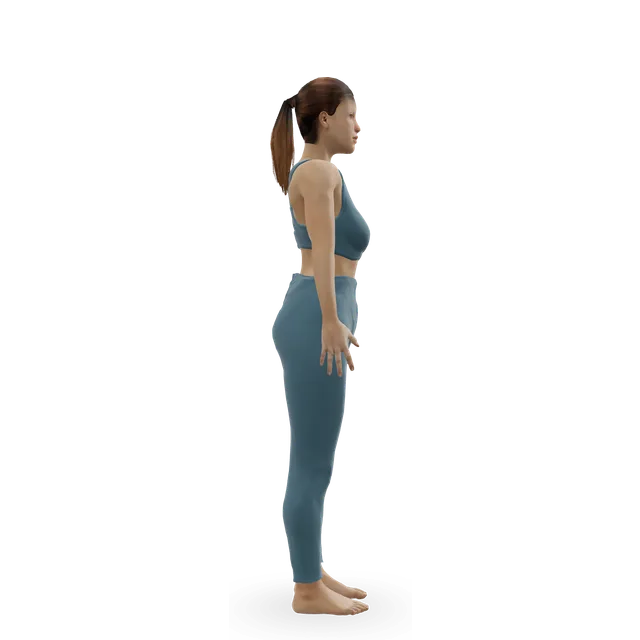
Loading the 3D figure…
The figure repeats the movement from its starting position. Drag to turn it; the arrows open the demos either side.
With your arms hanging loose, you roll your shoulders slowly forwards, up towards your ears, back as the shoulder blades draw together and down, in smooth circles, then the other way. NHS physiotherapy leaflets use it as an early shoulder exercise and as a warm-up before arm work, and ACE lists shoulder rolls among the dynamic moves to do before exercise.
Movement guide
Shoulder rolls
Make it easier or harder
Choose a version that fits your control and comfort.
Easier option
Use a smaller comfortable range in this same movement, with the support described in its guide. Ingram 2025 review of stretching and range of motion
Harder option
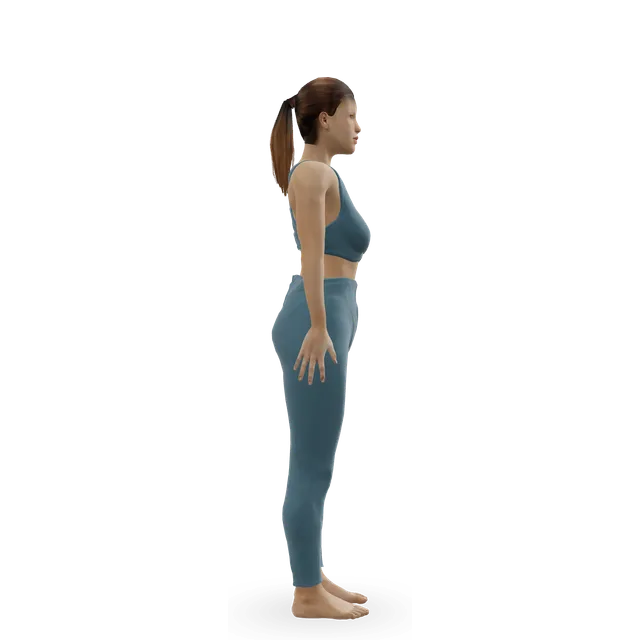 3D demoShoulder CARs (controlled articular rotations)Beginner · No equipment
Suggested next step, beginner grade.
Source-researched guide.
Form cues
- Make the circles slow and as big as is comfortable.
- Keep the arms and neck relaxed.
- Breathe normally.
Practice and cautions
10 to 15 slow circles each way, once or twice through, as part of a warm-up (our editorial starting point).
This is movement education, not an assessment or treatment prescription. Stop for sharp or increasing pain, dizziness, numbness or tingling; seek individual guidance for symptoms, injury or restrictions.
Sources and review status
Sources support the educational description; they do not establish that this exercise is suitable for you.
- King's College Hospital NHS · Exercises after breast surgery (shoulder circling to warm up; the hands resting on the shoulders as the elbows lift) ↗
- Calderdale and Huddersfield NHS · Early shoulder exercises (rolling the shoulders in both directions, sitting or standing) ↗
- ACE 2015 · Common warm-up mistakes (arm circles and shoulder rolls as dynamic stretches before exercise; static stretching saved for afterwards) ↗
- Free Exercise DB · community text ↗
Unlicense · Free Exercise DB contributors; derived from wrkout/exercises.json. Text import; no photographs or media. · Revision f00c92c7dcf1216a928a52c3706c7ce8e2f71ed5
No variation is labeled clinically validated.
What it works
Muscles
Main: Shoulders. Also: Back, Neck.
Anatomy: Deltoid, Rotator cuff, Supraspinatus, Infraspinatus, Subscapularis, Teres minor.
Equipment
None: body weight and floor space.
Level
Beginner. See the easier and harder options above.
Workouts that use it
- Long COVID: a gentle lying and seated routine · 12 min
- Lymphoedema exercises: a daily routine for arm and leg swelling · 15 min
- Wheelchair workout: seated cardio and shoulder-protecting strength · 30 min
- Chronic pain flare-up routine: gentle movement for a bad day · 10 min
- Arm and shoulder exercises after a pacemaker or ICD: the first 6 weeks · 10 min
- Arm and shoulder exercises after breast cancer surgery · 15 min
- Range of movement exercises for MND: a daily routine on your own or with a helper · 20 min
- Muscular dystrophy exercises at home: low-impact cardio, holds instead of squats, and daily stretches · 35 min
Show all 62 workoutsShow fewer workouts
- Polymyalgia rheumatica exercises: daily stretches, then strength and balance · 15 min
- Pulmonary hypertension exercises at home: a gentle 15-minute session · 15 min
- Strength after weight-loss surgery: a full-body routine from about 4 to 6 weeks · 25 min
- Exercises after heart surgery: the first 6 weeks at home · 15 min
- Exercises after lung surgery: breathing, shoulders and walking · 15 min
- Seated chair yoga: 15 minutes, no standing · 15 min
- Kundalini yoga for beginners: a 25-minute breath and movement practice · 25 min
- Yoga for neck pain: a 20-minute gentle sequence · 20 min
- Yoga for headaches and migraine: a 20-minute calm practice · 20 min
- Yoga for shoulder pain: a 20-minute sequence that builds up weight on the arms · 20 min
- Yoga for arthritis: a 30-minute joint-friendly class with a chair · 30 min
- Seated chair Pilates: 15 minutes, no standing · 15 min
- 10-minute desk yoga routine: seated and standing · 10 min
- Gentle yoga for cancer: a 25-minute supported class with no twists · 25 min
- Yoga for COPD: a 25-minute follow-along practice, sitting and standing · 25 min
- Gentle yoga for fibromyalgia: a 30-minute class with a stop point · 30 min
- Chair yoga for MS: a 25-minute class you can do sitting, with an optional standing block · 25 min
- Yoga for heart health: a 35-minute gentle class with no breath holds · 35 min
- Yoga for carpal tunnel: a 25-minute wrist-free class with nerve and tendon glides · 25 min
- Chair yoga for dementia: a 30-minute class to do together · 30 min
- Yoga for vertigo and dizziness: a 20-minute head-up class, sitting then at a counter · 20 min
- Yoga for TMJ and jaw tension: a 20-minute jaw, neck and breath class · 20 min
- Gentle no-twist Pilates during and after cancer treatment: a 25-minute class · 25 min
- Yoga for tinnitus: a 20-minute calming class with the sound on · 20 min
- Yoga to cool down anger: a 12-minute slow-down practice · 12 min
- Yoga for grief: a 15-minute gentle practice for hard days · 15 min
- Steady-breathing Pilates for heart conditions: a 40-minute class with a long warm-up and a seated cool-down · 40 min
- Hands-free Pilates for lupus: a 30-minute class with a warm-up, balance, strength and a stretching cool-down · 30 min
- Yoga for arms: a 20-minute arm and shoulder class with a band row · 20 min
- Chair-to-mat Pilates for bigger bodies: a 30-minute class standing, at a chair and on the mat, with a chair-only option · 30 min
- Chair-to-mat yoga for bigger bodies: a 30-minute class seated, standing at a chair and wall, and on the mat, with a chair-only option · 30 min
- Yoga for frozen shoulder: a 20-minute gentle class, with a 10-minute version for the painful stage · 20 min
- Pilates for frozen shoulder: a 20-minute arms-low class, with a 10-minute shoulder block for the painful stage · 20 min
- Pilates for lymphoedema: a 25-minute moving class with arm and leg options · 25 min
- Wrist-free Pilates for carpal tunnel: a 25-minute class with nerve and tendon glides and no weight on your palms · 25 min
- Yoga after whiplash: a 15-minute seated and lying class for the first weeks, with small neck movements and no inversions · 15 min
- Yoga for psoriasis: a 25-minute class at room temperature with nothing on your hands or knees, and a long rest to finish · 25 min
- Seated-and-standing Pilates for COPD: a 25-minute class with pursed-lip breathing and an optional side-lying block · 25 min
- Yoga for epilepsy: a 30-minute seated and lying practice with slow breathing, in the order a trial used · 30 min
- Head-up yoga after a concussion: a 15-minute seated and standing class with a symptom check · 15 min
- Head-up Pilates for vertigo and dizziness: a 20-minute chair and counter class · 20 min
- Same-order chair Pilates for dementia: a 25-minute class to do together · 25 min
- Rest-between-poses yoga for myasthenia gravis: a 20-minute cool-room class, sitting then at a chair, with no breath holds · 20 min
- Head-up Pilates after a concussion: a 15-minute seated and standing class with a symptom check · 15 min
- Gentle yoga after breast cancer: a 25-minute class for the shoulder, chest and breath, with no planks, no twists and no weight on your arms · 25 min
- Shoulder-kind Pilates after breast cancer: a 25-minute class for shoulder movement, posture and strength · 25 min
- Yoga for prostate cancer: a 30-minute class with the pelvic floor squeeze, gentle strength and no deep folds or twists · 30 min
- Pilates after whiplash: a 15-minute seated and lying class for the first weeks, head supported, with small neck movements · 15 min
- Yoga for lymphoedema: a 25-minute moving class with arm and leg options, no long holds and no heat · 25 min
- Supported Pilates for muscular dystrophy: a 20-minute class sitting, then lying, with holds instead of lowering · 20 min
- Yoga for your shoulders: a 25-minute class for the shoulder blades, the rotator cuff, weight on your hands in steps and reach overhead · 25 min
- Wheelchair Pilates: a 20-minute seated class for breathing, the trunk and the shoulders, with pressure relief between blocks · 20 min
- Upright Pilates for heart failure: a 35-minute sitting and standing class with a 15-minute warm-up, no lying flat and no breath holds · 35 min
- Band and chair Pilates for prostate cancer: a 30-minute class for strength, balance and the pelvic floor (head down, no twists) · 30 min
Pain guides that use it
Part of a staged plan, with when to get help first.
- Neck pain: exercises that help, and when to get it checked
- Stiff neck or wry neck: how to ease it, and how long it lasts
- Pinched nerve in the neck (cervical radiculopathy): exercises and what to expect
- Whiplash: exercises for recovery, and what the trials found
- Neck arthritis (cervical spondylosis): exercises, scans and warning signs
- Thoracic outlet syndrome: exercises, the warning signs, and when surgery helps
- Costochondritis: chest wall pain, why the heart comes first, and what helps
- Broken, bruised or pulled rib: breathing, exercises and how long it takes
Show all 54 pain guidesShow fewer pain guides
- Jaw pain and TMJ disorder: self-care, jaw exercises and what the evidence shows
- Tension headaches: relief, prevention, and how they differ from neck headaches
- Dupuytren's contracture: treatment, hand therapy and keeping your hand strong
- Elbow bursitis: signs of infection, what helps, and protecting your elbow
- Kienböck's disease: when a wrist bone loses its blood supply, and what helps
- Broken thumb: cast or surgery, Bennett's fractures, and getting grip and pinch back
- Child's broken elbow (supracondylar fracture): emergency signs and getting back to play
- Occipital neuralgia: shooting pain at the back of the head, nerve blocks, and what exercise can do
- Stingers and burners: a burning, dead arm after a tackle, when it's an emergency, and playing again
- Exercises after neck surgery: recovery after ACDF or a disc replacement, stage by stage
- Jersey finger: the fingertip that won't bend after a grab, why speed matters, and rehab after repair
- Boutonnière deformity: the middle joint that won't straighten, the splint, and exercises
- Neck pain when cycling: position, reach, looking up from a low position, and exercises that help
- Upper back and shoulder pain when cycling: reach, bar height, the shoulder blades and what helps
- Neck pain when swimming (swimmer's neck): breathing, head position and how to build back
- Neck pain from sleeping: waking with a sore neck, pillows, positions and exercises
- Shoulder pain at night: lying on your side, the rotator cuff, frozen shoulder and how to sleep
- Neck pain when turning your head: a stiff neck, a trapped nerve, whiplash, driving and what helps
- Upper back pain from sitting: the desk, the screen, posture, breaks and what helps
- Rib pain: a bruised or broken rib, costochondritis, a strain, a nerve, and the heart and lungs
- Chest muscle pain: a strained muscle, the chest wall, the heart and lungs, and how to build back
- Pain on the side of the neck: muscles and joints, a pinched nerve, glands, the throat and thyroid
- Sternum (breastbone) pain: the chest wall, a blow, reflux, the heart and lungs, and what helps
- Upper back pain when breathing: the heart and lungs first, then the rib joints, muscles and a cough
- Neck and shoulder pain: the neck, a trapped nerve or the shoulder, desk and sleep, and the heart
- Neck pain in women: desk work, stress, migraine, pregnancy, the menopause and heart attack signs
- Neck pain after a workout: soreness or a strain, crunches, shrugs and presses, and training again
- Neck pain in children and teens: stiff necks, screens, a baby's tilted head, and when it's urgent
- Neck pain in older adults: arthritis, a trapped nerve, spinal cord pressure, a fall, and what helps
- Shoulder pain in children and teens: falls, sport, a shoulder that slips, and the signs to check
- Wrist pain in children: falls and buckle fractures, sprains, the gymnast's wrist, and when to worry
- Elbow pain in children and teens: a pulled elbow, falls, the throwing elbow, and when it's urgent
- Arm pain at night: numb hands, the shoulder, elbow and neck, how to sleep, and the signs to check
- Upper back pain in women: desk work, the neck and ribs, bra fit and breasts, bones, and heart signs
- Neck pain in men: desk and site work, the gym and sport, whiplash, trapped nerves and heart signs
- Neck pain in pregnancy: posture, sleep and feeding positions, headaches, and the signs to check
- Shoulder pain in pregnancy: posture, the neck, sleeping on your side, and ectopic and other signs
- Upper back pain in men: desk work, lifting and the gym, ankylosing spondylitis, and heart signs
- Elbow pain in older adults: arthritis, bursitis, tennis elbow, the ulnar nerve, and falls
- Neck pain when looking down: phones and screens, the muscles and joints, nerve pain and what helps
- Neck pain on the treadmill: looking down, the rails, the upper back, headaches and what helps
- Neck pain after yoga: headstand, shoulder stand, plough, backbends and twists, and what to change
- Neck pain when driving: the headrest, looking over your shoulder, long journeys and after a crash
- Neck pain after flying: sleeping upright, neck pillows, screens, lifting bags and what helps
- Neck pain after a massage: the face cradle, deep pressure, headaches and the signs to act on
- Neck pain after a chiropractor: soreness after an adjustment, headaches, rare harms and what helps
Guides that use it
- Somatic Pilates guide
- Pilates for cancer guide
- Pilates for heart health guide
- Pilates for lupus guide
- Pilates for plus-size bodies guide
- Pilates for rheumatoid arthritis guide
- Pilates for frozen shoulder guide
- Pilates for lymphoedema guide
Show all 90 guidesShow fewer guides
- Pilates for TMJ and jaw pain guide
- Pilates for lymphatic drainage guide
- Pilates for chronic fatigue and ME/CFS guide
- Pilates for COPD guide
- Pilates for long COVID guide
- Pilates for vertigo guide
- Pilates for dementia guide
- Pilates after a concussion guide
- Pilates for whiplash guide
- Pilates for polymyalgia rheumatica guide
- Pilates for atrial fibrillation guide
- Pilates for circulation guide
- Pilates for muscular dystrophy guide
- Pilates for spinal cord injury guide
- Pilates for tinnitus guide
- Pilates for heart failure guide
- Pilates for your joints guide
- Pilates for prostate cancer guide
- Chair yoga guide
- Kundalini yoga guide
- Yoga for neck pain guide
- Yoga for headaches and migraine guide
- Face yoga guide
- Yoga for shoulder pain guide
- Yoga for arthritis guide
- Desk yoga guide
- Yoga for cancer guide
- Yoga for lungs and COPD guide
- Yoga for fibromyalgia guide
- Yoga for MS guide
- Yoga for heart health guide
- Yoga for carpal tunnel guide
- Yoga for chronic fatigue guide
- Yoga for dementia guide
- Yoga for vertigo guide
- Yoga for TMJ guide
- Yoga for eyes guide
- Yoga for tinnitus guide
- Yoga for anger guide
- Yoga for long COVID guide
- Yoga for lymphatic drainage guide
- Yoga for grief guide
- Yoga for kidney health guide
- Yoga for addiction recovery guide
- Yoga for arms guide
- Yoga for sinus problems guide
- Yoga for plus-size bodies guide
- Yoga for frozen shoulder guide
- Yoga for cervical spondylosis guide
- Yoga for whiplash guide
- Yoga for shoulder impingement guide
- Yoga for epilepsy guide
- Yoga after a concussion guide
- Yoga for eating disorders guide
- Yoga after a spinal cord injury guide
- Yoga for polymyalgia rheumatica guide
- Yoga for myasthenia gravis guide
- Yoga for muscular dystrophy guide
- Yoga for nurses guide
- Yoga for atrial fibrillation guide
- Yoga for breast cancer guide
- Yoga for heart failure guide
- Yoga for prostate cancer guide
- Yoga for lymphoedema guide
- Yoga for your shoulders guide
- Yoga for the upper body guide
- Yoga for the neck and shoulders guide
- Yoga for joint pain guide
- Exercise with long COVID
- Exercises for lymphoedema (lymphedema)
- ME/CFS and exercise
- Exercise for chronic pain
- Exercise with a pacemaker or ICD
- Exercises after breast cancer surgery
- Exercise with motor neurone disease (MND, ALS)
- Exercise for polymyalgia rheumatica
- Exercise with pulmonary hypertension
- Exercise after heart surgery
- Exercise with lung cancer
- Exercise after cataract surgery
- Exercise after retinal detachment surgery
- Exercise after an organ transplant
Similar moves
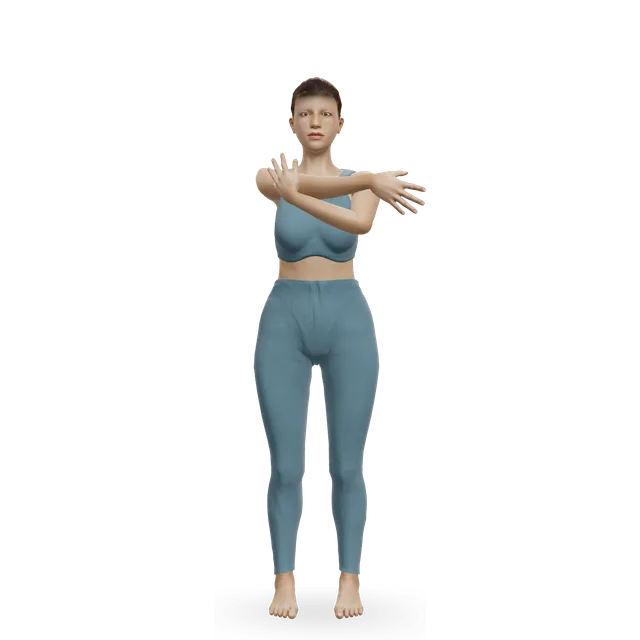 3D demoCross-body shoulder stretchBeginner · No equipment
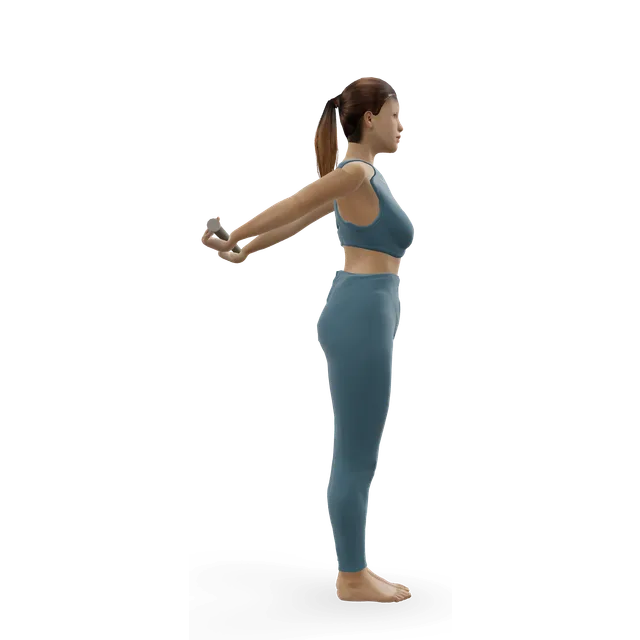 3D demoBehind-the-back stick shoulder stretchBeginner · Other / check instructions
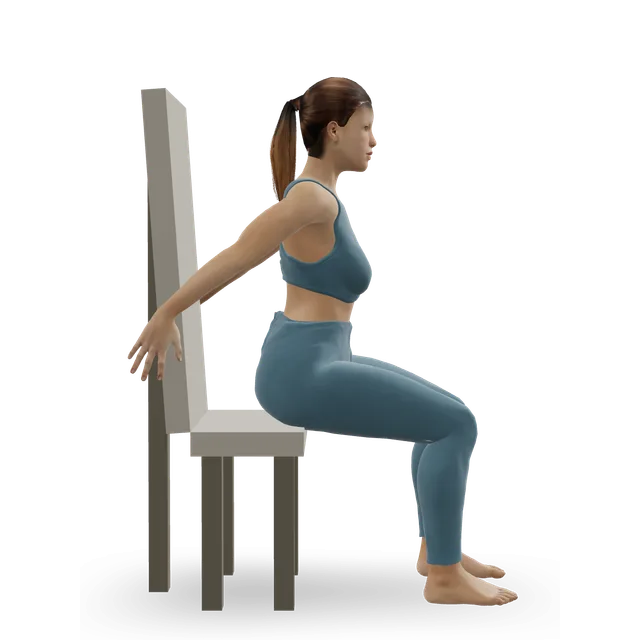 3D demoChair chest and shoulder stretchBeginner · A bench or box
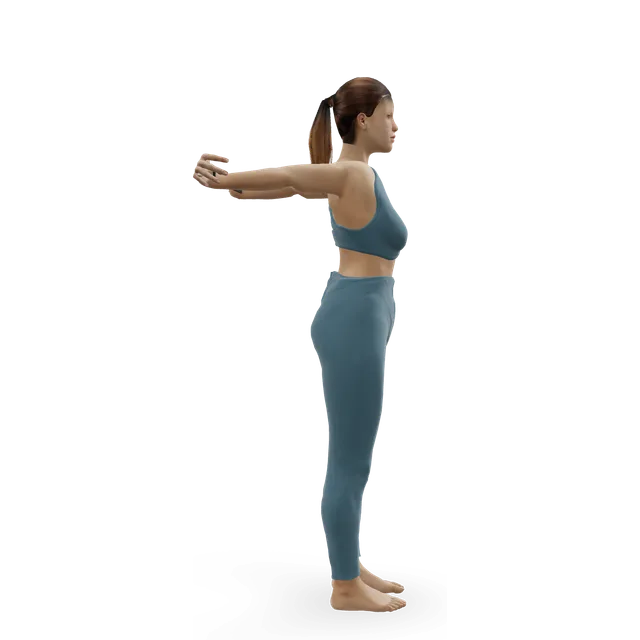 3D demoShoulder dislocates with a strap (pass-throughs)Beginner · Other / check instructions
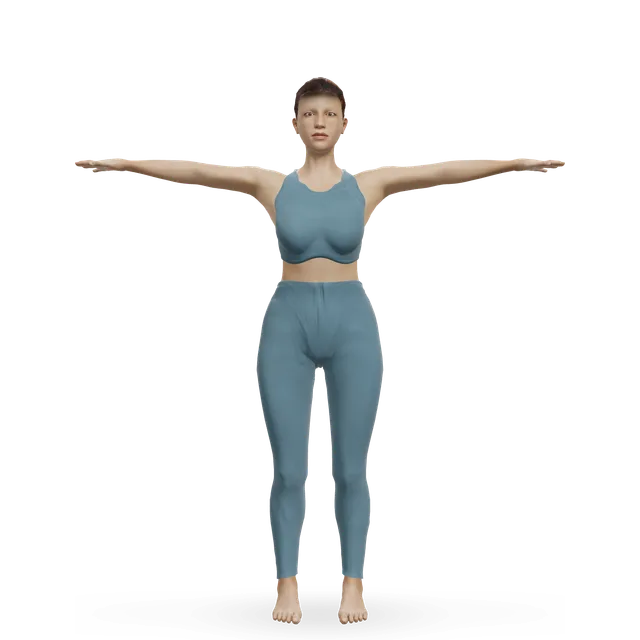 3D demoArm circlesBeginner · No equipment
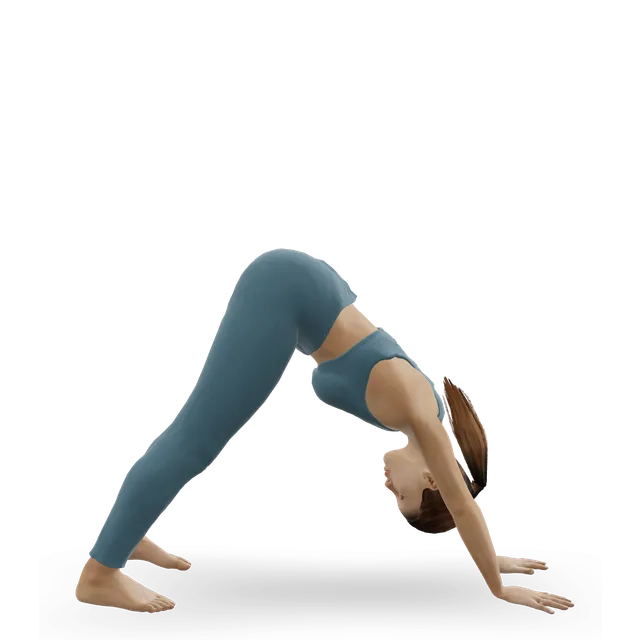 3D demoDownward-facing dog (Adho Mukha Svanasana)Beginner · No equipment
Browse more
Questions people ask
What muscles does the Shoulder rolls work?
Mainly the shoulders, with help from the back and neck.
What equipment do I need for the Shoulder rolls?
No equipment: your body weight and a little floor space.
Is the Shoulder rolls good for beginners?
It is graded beginner, so it suits most people starting out. When it feels easy, try the Shoulder CARs (controlled articular rotations).
How do I make the Shoulder rolls harder?
Progress to the Shoulder CARs (controlled articular rotations). Follow that guide’s technique and any stated timing.