Pilates
Hands-free Pilates for lupus: a 30-minute class with a warm-up, balance, strength and a stretching cool-down
A 30-minute class shaped like the sessions lupus exercise experts recommend: a gentle warm-up, strength work and a cool-down with stretching, plus balance next to a counter. Nothing puts weight through your hands, the curl-ups keep your head down for bone safety, and there's a stop point for tired or flare days. Do it once or twice a week as your strength work, alongside walking, cycling or swimming, after checking with your rheumatology team. You need a mat, a sturdy chair, a counter or wall, and a strap or towel. The order and timings are our editorial choice.
Warm up
- Standing march2 minBeginner · Hip flexors, Abs, Glutes · 3D demoEasy pace, arms swinging; indoors or in the shadeEasier: Seated marchHarder: Standing band hip flexion
- Shoulder rolls10 slow circles each wayBeginner · Shoulders, Back, Neck · 3D demoSmall circles, shoulders easyHarder: Shoulder CARs (controlled articular rotations)
- Tendon glides (hand tendon gliding exercises)5 of each position, held 5 sBeginner · Forearms · 3D demoStraight hand, hook, full fist, flat fist; never force a stiff fingerHarder: Ball squeeze




Balance, next to a counter
- Single-leg stand2 × 20 to 30 s each legBeginner · Hip abductors, Calves, Glutes · 3D demoA hand on the counter; skip it with hip or groin painEasier: Tandem stance and heel-to-toe walkHarder: Single-leg reach matrix
- Beginner · Hip abductors, Glutes, Abs · 3D demoA hand on the wall, body tallHarder: Lateral band walk, band at the feet


Standing strength
- Sit to stand from a chair2 sets of 10Beginner · Quads, Glutes, Hamstrings · 3D demoHands across your chest; breathe out as you standEasier: Sit to stand, pushing on the thighsHarder: Bodyweight squat
- Beginner · Calves · 3D demoHold the counter; rise and lower slowlyEasier: Seated bent-knee calf raise (soleus raise)Harder: Standing dumbbell calf raise


Mat strength, hands free
- Dead bug heel taps6 each sideBeginner · Abs, Hip flexors · 3D demoHead down on the matEasier: Bent-knee fall-outHarder: Forearm plank
- Side kick (Pilates side kick series)8 each sideBeginner · Hip flexors, Glutes, Hip abductors · 3D demoHead resting on your arm; a towel under your hipHarder: Side-lying leg circles (Pilates side kick series)
- Clamshell10 each sideBeginner · Hip abductors, Glutes · 3D demoPelvis stillEasier: Supine isometric hip abduction (belt press)Harder: Lateral band walk
- Swan (Pilates swan dive)5 small liftsIntermediate · Back, Glutes, Triceps · 3D demoArms by your sides; lift your chest a little; skip it if arching hurts. Stop point: on a tired or flare day, go straight to the cool-downEasier: Mermaid (Pilates seated side bend)Harder: Double-leg kick (Pilates double kick)





Cool down with stretching
- Supine hamstring stretch with a strap30 s each legBeginner · Hamstrings, Calves · 3D demoA strap or towel round your foot; a mild pullEasier: Leg-up hamstring stretchHarder: Contract-relax hamstring stretch (PNF)
- Side-lying open book5 each sideBeginner · Back, Chest, Shoulders · 3D demoHead on a cushion; open only as far as is easyHarder: Thoracic rotation
- Beginner · 3D demoBreathe in for about 4, out for about 6Easier: Breath reachHarder: Crocodile breathing (prone diaphragmatic breathing)



Tips
- Check with your rheumatology team before starting an exercise programme, especially if lupus has affected your heart, lungs or kidneys, or you have avascular necrosis, joints changed in shape by lupus, or take blood thinners.
- Once or twice a week as your strength work, with walking, cycling or swimming on other days, building towards 150 minutes of moderate activity a week.
- In a flare, use the stop point or the flare moves in our exercise for lupus guide, and keep inflamed joints moving gently rather than loading them.
- With Raynaud's, use a warm room, socks and a blanket for floor work. Choose a time of day after any morning stiffness has eased.
- New groin or hip pain, especially if you take steroids, needs a doctor before you carry on: leave out the one-leg balance and deep hip bends until it's checked.
The doses are suggested starting points, not a prescription. Choose a range you can control and stop for sharp or increasing pain, numbness or tingling. Get individual advice after an injury or surgery, or if you are pregnant or managing a health condition.
Guides that recommend it
Find more moves like these
More pilates


Beginner Pilates workout
A 20-minute mat Pilates workout for complete beginners. It covers breathing, spine position and the foundation moves, each with an easier option.
20 minBeginner13 movesNo equipment

10-minute Pilates abs
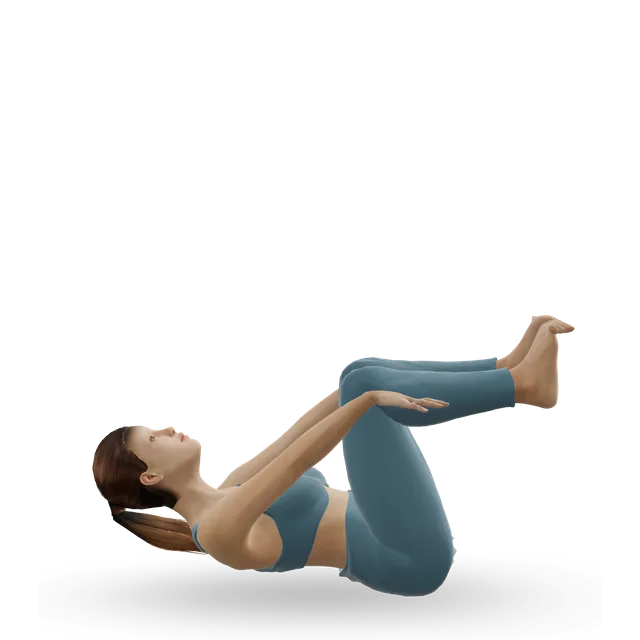
Ten minutes of the classic Pilates abdominal series: the hundred, the roll-up and the series of five, with a plank to finish.
10 minIntermediate11 movesNo equipment
Full-body mat Pilates workout
A 30-minute intermediate mat Pilates class that follows the classical order, from the hundred to the push-up, with prep versions of the hardest moves.
30 minIntermediate22 movesNo equipmentQuestions people ask
How long does the hands-free pilates for lupus: a 30-minute class with a warm-up, balance, strength and a stretching cool-down take?
About 30 minutes, including any warm-up and cool-down listed. Shorten it by doing fewer rounds; lengthen it by adding one.
What equipment do I need?
You need: A wall, A bench or box. Each move links to its guide, where you can find an alternative if you are missing something.
Is it suitable for beginners?
It is written for beginners. 9 of its 16 moves have an easier option listed beside them if you need one.
How do I make it easier or harder?
Use the easier or harder option listed under each move, change the number of rounds, or adjust the rest. Progress one change at a time.