Is Pilates good for lupus?
It can be a good part of your exercise: it's low impact, easy to adapt, and LUPUS UK says it can help with posture, balance and co-ordination. It has barely been tested in lupus: in one small online trial, mood improved after 8 weeks, though few people made most classes. Exercise in general doesn't make lupus more active and eases tiredness a little.
Can you do Pilates with lupus?
Yes, for most people, after a check with your rheumatology team, especially if lupus has affected your heart, lungs or kidneys, you have avascular necrosis or joints changed in shape, or you take blood thinners. Start gently and tell your teacher about your lupus.
Is reformer Pilates good for lupus?
It can be, but you don't need it. The springs can lighten or add load, which suits some people, but the only Pilates trial in lupus used mat classes online. Skip jumping on a reformer if you take blood thinners or have thin bones (our suggestion).
How often should I do Pilates with lupus?
Once or twice a week as your strength work, with walking, cycling or swimming on other days, building towards 150 minutes of moderate activity a week. The online trial used two 50-minute classes a week for 8 weeks; start shorter if you're tired.
Can I do Pilates during a lupus flare?
Check with your team first: a flare that affects your heart, lungs or muscles can need a pause. If it's mainly your joints, leave the inflamed joints out and keep them gently moving; a short lying-down or chair session is often fine.
Does Pilates help lupus fatigue?
Exercise in general eases lupus tiredness a little, and the evidence for that is getting firmer. Pilates on its own hasn't been tested well enough to say. Pace yourself: the same planned amount on good and bad days, and stop early on bad days.
Does Pilates reduce inflammation in lupus?
There's no evidence that exercise changes lupus activity or inflammation. Exercise helps fitness, strength, mood and tiredness; your medicines treat the lupus.
What Pilates moves should I avoid with lupus?
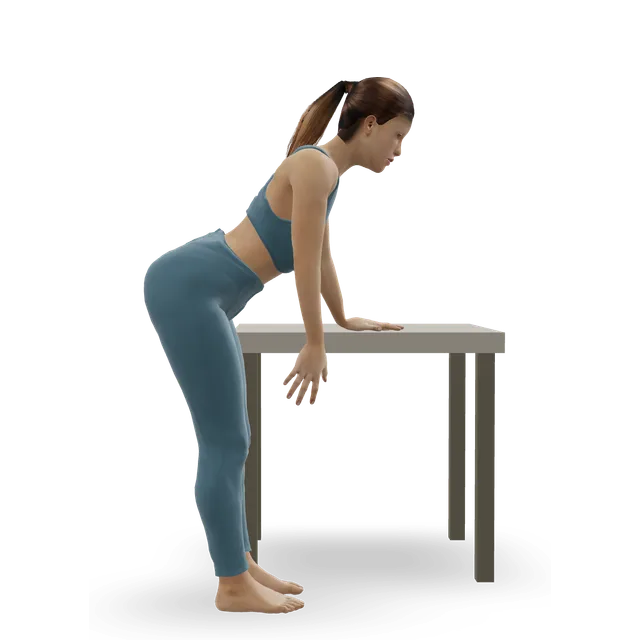
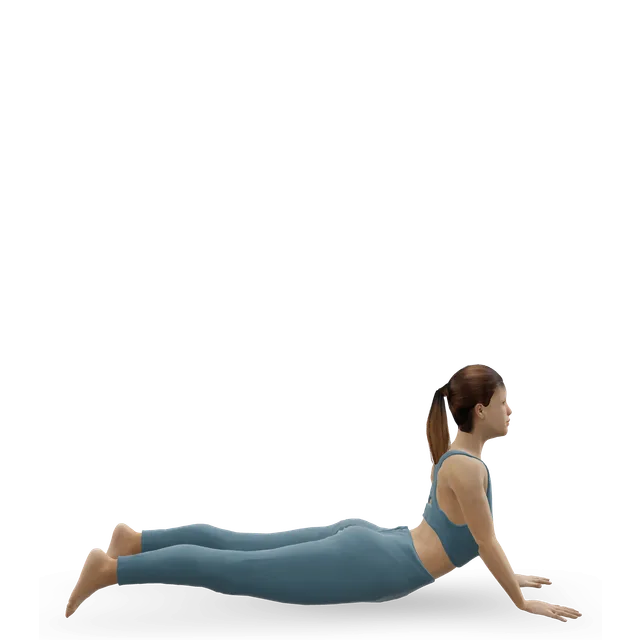
Avoid putting weight on sore hands or wrists, such as planks and all-fours moves; loaded rolling and deep forward bending if steroids have thinned your bones; and deep hip bends or impact if you have hip or groin pain. Our moves section shows the swaps.
I take steroids. Is Pilates safe for my bones?
Yes, with bone-safe versions: keep your head down in curl-ups and skip loaded rolling moves. Add weight-bearing and strength exercise, which helps bones. If you have osteoporosis, our Pilates for osteoporosis guide has more.
What if I get groin or hip pain?
See your doctor before carrying on with impact or deep hip work. Groin pain can be a sign of avascular necrosis, which steroids make more likely.
Can I do Pilates outdoors or in a bright studio?
Outdoors, avoid the strongest sun (11am to 3pm from March to October in the UK), cover up and use factor 50 sunscreen, which you can get on prescription. The NHS also advises not spending a lot of time in rooms with fluorescent lights.
Is Pilates good for other autoimmune diseases?
It hasn't been tested across autoimmune diseases as a group. Our guides for rheumatoid arthritis, ankylosing spondylitis and multiple sclerosis cover Pilates for those conditions.