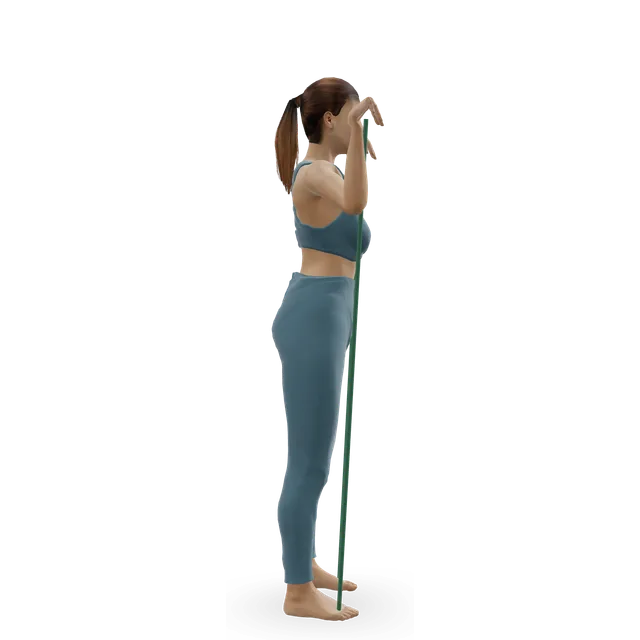
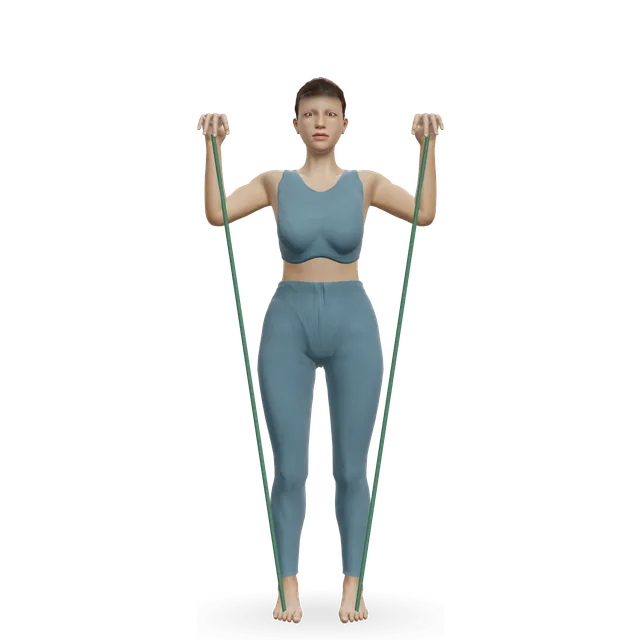
Exercise guide

Exercise for psoriatic arthritis: joints, tendons, the spine and your skin

Psoriatic arthritis (PsA) affects about 1 in 5 people with psoriasis. It causes pain, stiffness and swelling in joints, in tendons where they attach to bone, and sometimes in the spine. Exercise is part of standard care alongside your medicines, not instead of them: in small trials, interval training and strength training made people fitter and stronger without making the arthritis more active.

This guide covers how much to do, what to do in a flare, sore heels and hands, the spine, running and the gym, and looking after your skin when you sweat, rub and swim, with 3D demos of the moves. Medicines that lower your immunity make infections more likely, so it also lists the warning signs: ask for an urgent GP (general practitioner) appointment or call NHS 111 for sudden, severe pain and swelling in 1 joint, especially with a high temperature.

The short version

Part of standard care, alongside medicines

The European Alliance of Associations for Rheumatology (EULAR) calls physical activity an integral part of standard care for inflammatory arthritis, and the NHS says low-impact exercise such as swimming, walking and yoga can help strengthen and protect your joints. Medicines are the main treatment for PsA; exercise works alongside them.

Sources 1, 2, 3

Small trials, reassuring results

In a trial of 67 people, 11 weeks of high-intensity interval training (HIIT) raised fitness by about 13.5% without changing disease activity or pain, and scans showed no extra inflammation. In 41 people, strength training twice a week for 12 weeks improved everyday function, and elastic bands worked as well as gym machines. The trials are small, and only one is at low risk of bias.

Sources 4, 5, 6, 7, 8, 9

How much to do

Build towards 150 minutes of moderate activity a week, with strength exercises on at least 2 days and gentle range-of-movement exercises every day. Our editorial starting point for strength, as in our rheumatoid arthritis guide: 2 sets of 10 to 15 repetitions at a light to moderate effort, on 2 days a week.

Sources 10, 11, 12

In a flare, scale back rather than stop

Keep sore joints moving gently through their range a few times a day, lower the intensity (for example, 15-minute strolls instead of 30-minute walks), and stretch rather than strengthen hot, swollen joints until they settle. If discomfort lasts more than a couple of hours after exercise, do less next time, not nothing. Ask your team about a flare plan.

Sources 13, 12, 14, 15

Look after your skin

Sweat and friction can make psoriasis in skin folds worse, and psoriasis can appear where skin is rubbed. Loose cotton clothing and socks, shoes that don't rub, patting your skin dry, and showering and moisturising after swimming all help. Psoriasis isn't contagious.

Sources 16, 17, 18, 19

Medicines and warning signs

Methotrexate and biologic medicines make infections more likely: have your yearly flu jab, and tell your doctor or call 111 straight away with a high temperature, a sore throat, or a cough or breathlessness that won't go away. Sudden, severe pain and swelling in 1 joint, especially with a high temperature, needs an urgent GP appointment or NHS 111.

Sources 20, 21, 22

What psoriatic arthritis is

An inflammatory arthritis linked to psoriasis

Psoriatic arthritis is a long-term inflammatory arthritis that affects some people with psoriasis. It usually comes and goes in flares, and symptoms can be worse first thing in the morning and may improve with exercise. It belongs to the same family as ankylosing spondylitis (spondyloarthritis). The National Institute for Health and Care Excellence (NICE) notes that its joint problems can move around and are often mistaken for unrelated joint or tendon trouble.

Sources 3, 23, 15

Where it shows up

As well as joints, PsA can cause pain where tendons attach to bone (enthesitis), often at the back or bottom of the heel, and also around the knees, hips, elbows and chest. A whole finger or toe can swell (dactylitis), and nail psoriasis affects 50% to 80% of people with PsA. Some people have back and neck pain (axial PsA), and about 1 in 20 get uveitis, a painful red eye. Tiredness that doesn't improve with rest is common.

Sources 23, 24, 25

How common it is

Across 266 studies (976,408 people), about 1 in 5 people with psoriasis had PsA (19.7%); UK charities say about 1 in 4. It affects men and women equally and usually starts within 10 years of psoriasis, often between the ages of 30 and 50. It can start before any rash, so the NHS says to see a GP about joint pain, stiffness and swelling that keeps coming back even if you don't have psoriasis. NICE asks GPs to check people with psoriasis for joint problems every year.

Sources 26, 24, 27, 3, 28

Conditions that often come with it

People with PsA have more heart and circulation disease (about 1.4 times the odds, in 11 observational studies), and about half have fatigue. Depression affects about 17% and anxiety about 19%, and gout is more common with psoriasis and PsA. Guidelines ask doctors to look out for these, and for obesity and metabolic syndrome (a cluster of raised blood pressure, blood sugar and blood fats).

Sources 29, 30, 31, 32, 25, 33

Less active and less fit, on average

Across studies, 17% to 69% of people with PsA met activity guidelines, and grip strength was lower than in people without PsA. In 80 people tested on an exercise bike, fitness averaged 74% of the expected level. Muscle loss (sarcopenia) was found in about 1 in 10 to 1 in 4 people with PsA, depending on how it was measured.

Sources 34, 35

Treatment

Medicines are the main treatment: anti-inflammatory painkillers, steroid injections, disease-modifying medicines such as methotrexate, and biologics. US guidance also recommends physiotherapy and occupational therapy, and strongly recommends stopping smoking. International guidance encourages keeping to a healthy weight.

Sources 3, 36, 33

What the evidence says

Trials of exercise in PsA are few and small. Much of the advice is drawn from research in other inflammatory arthritis and from health service and charity guidance.

Guidelines recommend activityStrong evidence

EULAR's recommendations (2018, updated in 2025) say physical activity is an integral part of standard care throughout inflammatory arthritis, given the evidence for its effectiveness, feasibility and safety; the update adds sitting less. US guidance from the American College of Rheumatology and National Psoriasis Foundation (ACR/NPF) recommends exercise rather than none for active PsA, a conditional recommendation based on low-quality evidence. The NHS says exercise regularly.

Sources 1, 2, 36, 3

Interval training made people fitterEmerging evidence

In a Norwegian trial, 67 people did HIIT for 11 weeks: four 4-minute hard efforts on an exercise bike at 85% to 95% of maximum heart rate, with 3 easier minutes between, twice a week with a supervisor plus once a week on their own. Fitness rose by about 13.5% and was still higher 9 months later. Disease activity and pain didn't change, and fatigue fell a little, though that result could have been chance. It is the only PsA exercise trial judged at low risk of bias.

Sources 5, 4, 9

No extra inflammation on scansEmerging evidence

In the same trial, ultrasound of joints and tendon attachments, and MRI (magnetic resonance imaging) scans of the lower back and spine, showed no more new inflammation after interval training than without it.

Sources 6, 37

Strength training improved functionEmerging evidence

In a Brazilian trial of 41 people with active PsA, strength training twice a week for 12 weeks, at about 60% of the most each person could lift, improved everyday function, a symptom-based disease activity score, pain and general health. In a second trial of 41 people, a programme with elastic bands worked as well as the same exercises on machines. Both trials are small, with some risk of bias.

Sources 7, 8, 9

Across 13 studiesEmerging evidence

A review of 13 studies found that exercise improved symptom scores, pain, fatigue and quality of life, with a low risk of flares or of inflammation where tendons attach to bone.

Source 38

Exercise and the inflammation itselfMixed evidence

Interval training didn't change disease activity or inflammation on scans, while in the strength trial a symptom-based disease activity score improved. Neither shows that exercise treats the inflammation itself: medicines do that, and exercise adds fitness, strength and function alongside them.

Sources 5, 6, 7, 3

The evidence is thinStrong evidence

A 2024 review found 15 papers on physical therapy in PsA, and only the interval training trial was at low risk of bias. Reviewers note that many more studies exist in rheumatoid arthritis and axial spondyloarthritis, and that evidence in PsA is still lacking.

Sources 9, 39

Low impact or running?Mixed evidence

ACR/NPF guidance prefers low-impact exercise such as tai chi, yoga and swimming to high-impact exercise such as running when PsA is active. The evidence behind that preference is very low certainty, and the guidance accepts high-impact exercise if you prefer it and have no reason not to.

Source 36

Tendons and heavy loadMixed evidence

A few observational studies link heavy or repeated load with tendon problems in PsA: heavy lifting at work was linked with a higher chance of developing PsA in people with psoriasis, and regular exercise with changes in the Achilles tendon on ultrasound. Studies like these can't show cause and effect, and in a small study one badminton session didn't increase tendon inflammation. Our advice to build up load gradually rests on these observational links.

Sources 34, 40

Stopping smokingStrong evidence

US guidance strongly recommends stopping smoking (moderate-quality evidence), and the Psoriasis Association says smoking makes PsA worse.

Sources 36, 27

How much, and how to start

Doses are starting points, not prescriptions. A physiotherapist's plan for you comes first.

Your weekly target

Build towards 150 minutes of moderate activity a week (you're warmer and breathing harder but can still talk), or 75 minutes of vigorous activity, with strength exercises on at least 2 days and balance exercises on 2 days. Break up long spells of sitting.

Sources 10, 11, 2

Every day: keep your joints moving

The Psoriasis and Psoriatic Arthritis Alliance (PAPAA) says to do some exercise every day, including range-of-movement exercises that take your joints through their full movement. Stiffness is often worst in the morning and can ease with movement, so a few minutes of gentle moves after getting up is a good habit (our suggestion).

Sources 12, 3

Strength: start low and build

Our editorial starting point, as in our rheumatoid arthritis guide: 2 sets of 10 to 15 repetitions at a light to moderate effort, on 2 non-consecutive days a week, adding weight or repetitions gradually. The 12-week trial worked up to about 60% of the most each person could lift, twice a week, and bands worked as well as machines. PAPAA advises strengthening on alternate days, and not on a joint that's hot and painful unless a physiotherapist is supervising.

Sources 12, 7, 9, 8

Cardio: low impact first

Cycling, swimming, walking and the cross-trainer are kind to joints, and US guidance prefers them when PsA is active. If your joints are settled and you like hard work, our Norwegian 4x4 workout uses the same interval pattern as the PsA trial; try it once you can manage 30 minutes of steady cardio (our suggestion).

Sources 3, 36, 4

Running

Running isn't banned: US guidance accepts it if you prefer it. Build up gradually, and swap to cycling or swimming for a while if a heel, the sole of your foot or an Achilles tendon is sore. That's our suggestion, resting on observational links between heavy load and tendon problems.

Sources 36, 34

How much discomfort is OK

Some discomfort is normal: muscles may ache after strengthening and joints after stretching, but neither should cause sharp pain. Stop if you get sharp pain or swelling. "If discomfort lasts longer than a couple of hours you may be working too hard", says PAPAA, so slow down or do fewer repetitions next time. If you overdo it, ice the joint for 15 to 20 minutes, and contact your GP if pain, heat and swelling last more than a few days.

Sources 12, 11

Who can help

A physiotherapist can set a programme for you, through your GP or rheumatology team, or privately; some specialise in arthritis, and your GP may know an exercise referral scheme. NICE suggests referral to specialist therapists for people who struggle with everyday activities: physiotherapists, occupational therapists, hand therapists, orthotists and podiatrists. Warm-pool hydrotherapy, where it's available, is "an excellent way to exercise PsA joints", especially the back, hips and knees.

Sources 12, 41, 15

Daily moves for stiff joints

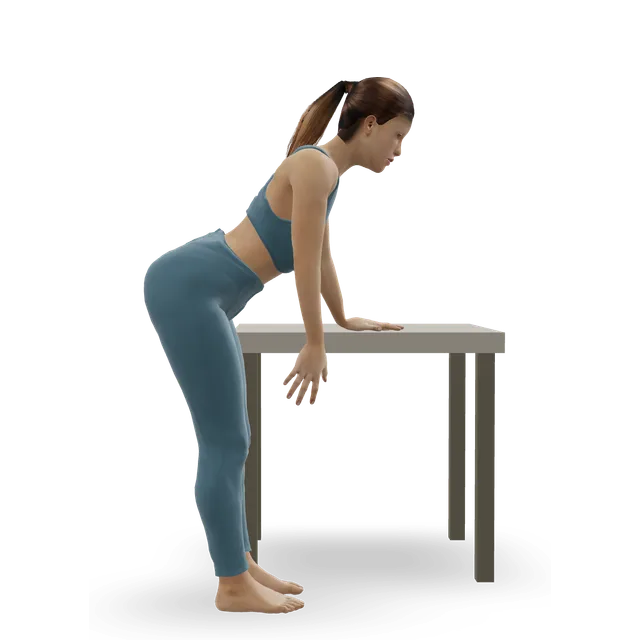
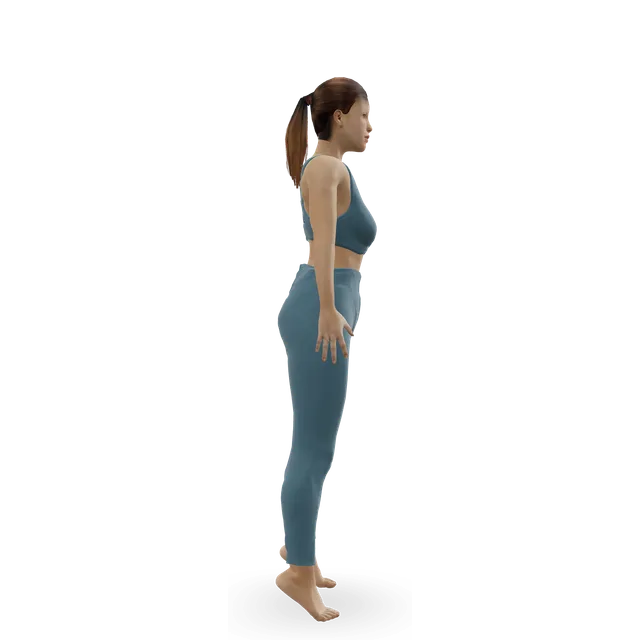
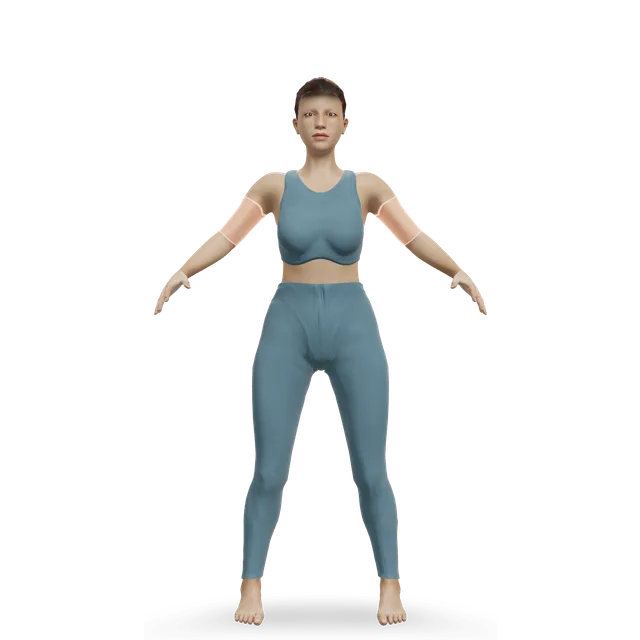
Do a few of these every day, more often on stiff mornings: 5 to 10 slow repetitions within a comfortable range (PAPAA's hand exercises use 5 to 10).

Strength moves, twice a week

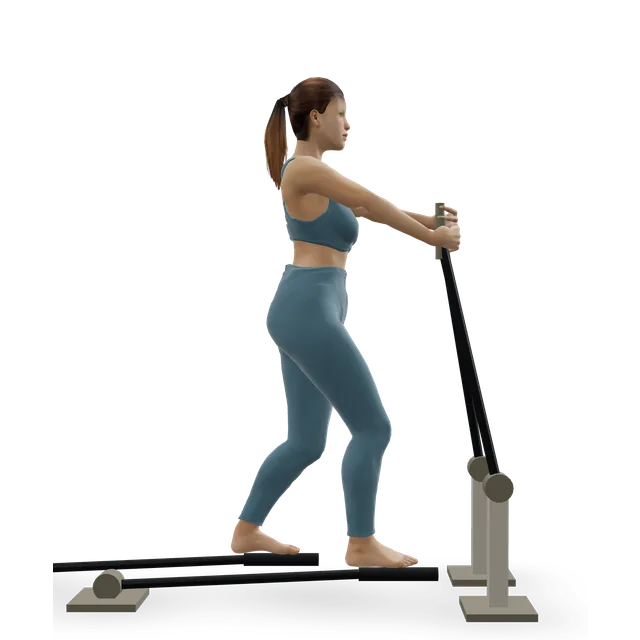
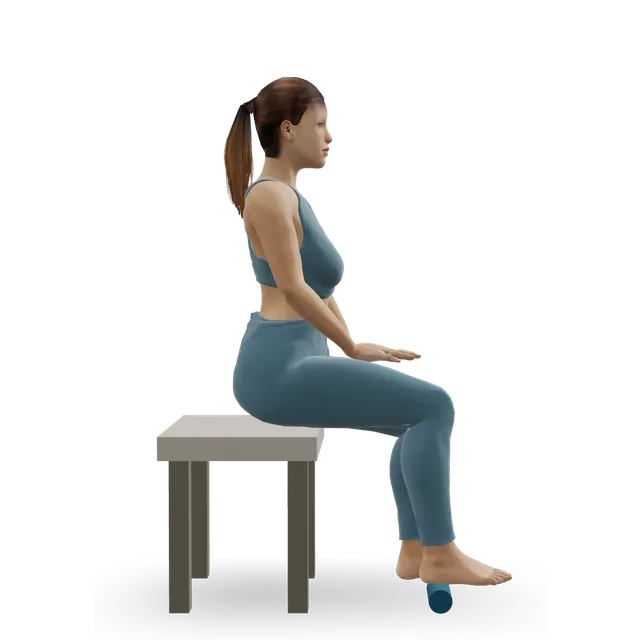
Start with 2 sets of 10 to 15 at a light to moderate effort (our editorial starting point). The seated knee extension spares sore heels; leave out calf raises while a heel is inflamed, and wrap the band round your palm if gripping hurts.

Low-impact cardio

Start with 10 to 20 minutes at a talking pace and build towards 150 minutes a week (our editorial starting point). Swimming isn't shown here but suits many people with PsA.

Exercise in a flare

Scale back, don't stop

Arthritis UK's physiotherapists advise slow, gentle movement during a flare rather than stopping altogether, and lowering the intensity, for example switching from 30-minute walks to 15-minute strolls; swimming or walking in water can help. On swollen or painful days, PAPAA says to move the affected joints through as much range as you can without aggravating the pain, regularly through the day. If your knees or ankles hurt, swim rather than walk.

Sources 13, 12

Stretch hot joints, strengthen settled ones

With hot or swollen joints, focus on gentle stretching and range of movement, and leave strengthening until they settle. If you keep strengthening other areas, reduce the weight first, then the number of sets.

Sources 14, 12, 13

Warmth, cold and rest

Warm or cold compresses can ease a flare. If you've overdone it, ice the joint for 15 to 20 minutes, and contact your GP if pain, heat and swelling last more than a few days.

Sources 13, 11

Ask about a flare plan

NICE says your team should consider a flare plan tailored to you, covering who to contact during a flare, self-care such as exercises, stretching and protecting your joints, managing pain and tiredness, and possible changes to your medicines. Ask for one if you haven't got one.

Source 15

Flare-day moves

5 to 10 slow repetitions within a comfortable range, once or twice a day, as in our rheumatoid arthritis guide. Skip any move that makes the pain sharper.

Heels, soles and swollen toes

Enthesitis and dactylitis

Pain where tendons attach to bone is common in PsA, especially at the back or bottom of the heel. NICE asks GPs to refer a swollen finger or toe (dactylitis) to a rheumatologist, and enthesitis without an obvious mechanical cause if it persists, affects several places or comes with other signs such as psoriasis. Physiotherapy is recommended for enthesitis, though good trials are lacking.

Sources 23, 15, 33

Easing the load on your feet

While a heel is sore, choose cycling or swimming over running and jumping (the interval training trial used exercise bikes). Wear cushioned shoes that don't rub or press, and cotton socks: the Psoriasis Association says friction and pressure can make psoriasis on the feet worse. Ask about a podiatrist; in one small study without a comparison group, custom-made insoles eased foot pain. These steps are our suggestions, built on the sources.

Sources 42, 4, 43

Build up gradually

Observational studies link heavy, repeated load with tendon changes in PsA, though they can't show cause. Add running, jumping and hills slowly, and drop back to lower impact if a heel or tendon starts to hurt (our suggestion).

Sources 34, 36

Moves for stiff feet and heels

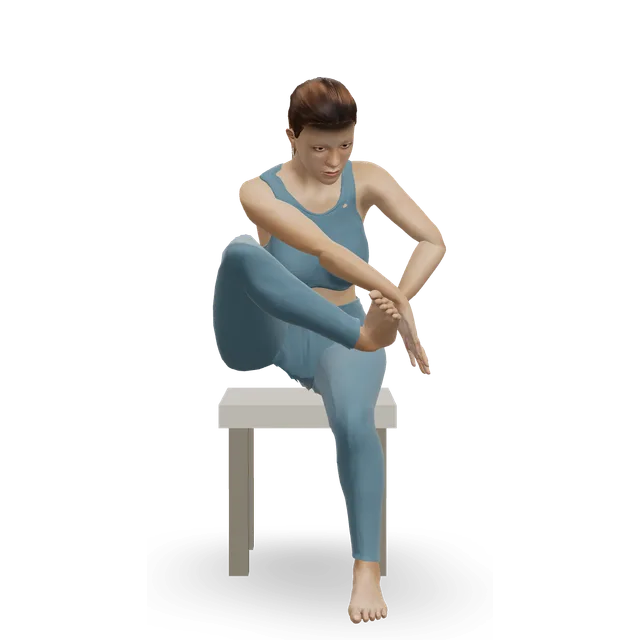
Between flares, within comfort: the sole stretch for 3 to 5 holds of 10 to 30 seconds, 2 to 3 times a day, and calf holds of 30 to 45 seconds (the moves' own doses). Stop if heel pain gets sharper.

Hands and fingers

Daily hand exercises

PAPAA's hand exercises include making a fist and straightening the fingers, bending the wrist up and down, turning the palm up and down, bending the fingers, and lifting each finger off a table, 5 to 10 times each. Our hand routine uses similar moves; it comes from a trial in rheumatoid arthritis, not PsA.

Source 12

Protect hot joints and your skin

Rest a hot, swollen finger joint from squeezing and gripping. The Psoriasis Association says friction from jewellery and watches can irritate psoriasis on the hands, that gloves protect the skin, and that hands need plenty of rest.

Source 44

Hand moves

Start with 5 of each and build to 10, then to 10-second holds, as in our hand routine. Use a soft ball or putty for squeezing.

Back and neck (axial PsA)

When back pain needs checking

NICE refers people to a rheumatologist when low back pain started before 45 and has lasted more than 3 months, with several other features such as waking in the second half of the night, buttock pain, improving with movement or within 2 days of anti-inflammatory painkillers, or having psoriasis.

Source 15

A daily spine routine

NICE recommends a specialist physiotherapist's exercise programme for spondyloarthritis of the spine, with stretching, strengthening, posture work, deep breathing, back bends, movement for the whole spine and aerobic exercise. Our ankylosing spondylitis guide has a 10 to 20-minute daily routine and the cautions for a stiff or fused spine.

Source 15

Moves for the spine

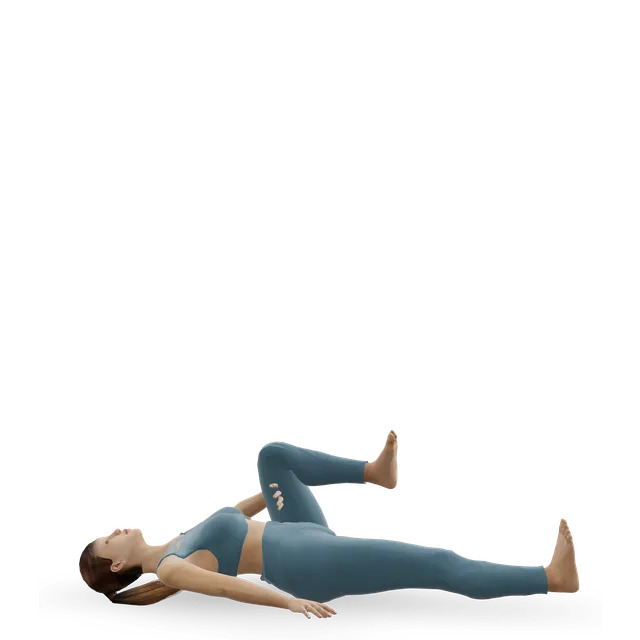
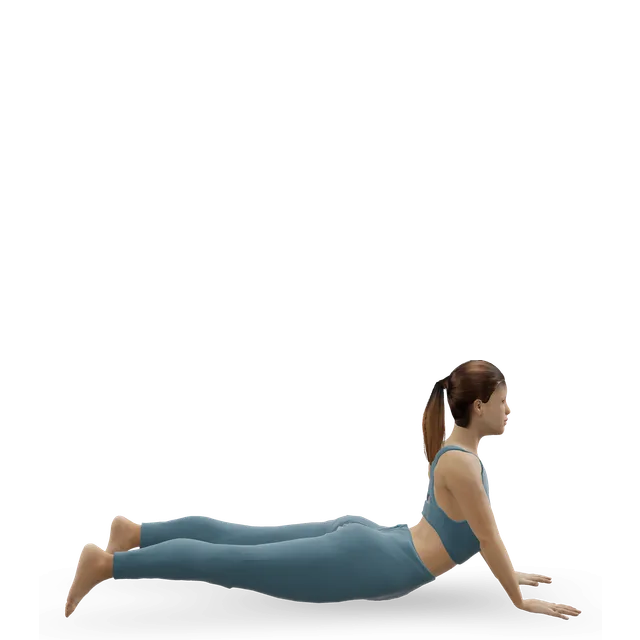
From our ankylosing spondylitis routine: 8 open-book rotations each side, 10 slow press-ups, 8 wall-angel slides and 5 deep rib breaths. Skip the press-up if it sends pain down a leg.

Sweat, rubbing, swimming and sun

Sweat and friction

Psoriasis in skin folds, such as the armpits, groin and under the breasts, "can be made worse by friction and sweating" and can be particularly uncomfortable in hot weather. Tight clothing makes it worse, and infections are more common there. The Psoriasis Association suggests cotton underwear, patting skin dry and using soap substitutes. Tell your GP if psoriasis is getting in the way of exercise.

Source 16

Rubbing and knocks

Psoriasis can appear where skin is injured or rubbed, for example where shoes, clothing or jewellery rub (the Koebner response). Choose loose clothing, and avoid watches, belts and kit that rub. The NHS lists cuts, scratches and grazes among psoriasis triggers.

Sources 17, 19

Feet

Wear 100% cotton socks (synthetic fabrics encourage sweating and fungal infections) and shoes that aren't too tight, and dry carefully between your toes.

Source 42

Swimming

Psoriasis isn't contagious, so there's no reason not to swim. Chlorine can dry your skin, so shower and moisturise afterwards. Pool water usually doesn't affect psoriasis, and PAPAA suggests taking your usual creams to put on after a session.

Sources 19, 18, 12

Sun

Sunlight is on the NHS list of possible psoriasis triggers. Methotrexate makes your skin burn more easily: stay out of bright sun, use a sunscreen with a sun protection factor (SPF) of 30 or above, and cover up when you exercise outdoors.

Sources 19, 20

Stress

Stress can trigger psoriasis. Exercise you enjoy is one way to manage stress (our suggestion), and our stress guide has more on it.

Sources 19, 17

Medicines, infections and exercise

Exercise works alongside medicines

Medicines are the main treatment for PsA. Keep taking them as prescribed: exercise adds fitness and strength, but it doesn't replace them.

Source 3

Infections

Methotrexate and biologics lower your immunity, so infections are more likely. Have your yearly flu jab and your regular blood tests, and avoid close contact with people who are unwell. The signs that need a call to your doctor or 111 are in the warning signs below.

Sources 20, 21

Tiredness and dizziness

If methotrexate makes you tired or dizzy, don't drive or cycle until it passes.

Source 20

Don't stop a medicine because of your skin

Some medicines, such as beta blockers, can make psoriasis worse, but the Psoriasis Association says they shouldn't be stopped unless a doctor advises it. Talk to your GP.

Source 17

Heart, weight, tiredness and mood

Your heart

PsA is linked with more heart and circulation disease. Arthritis UK says regular exercise, not smoking and keeping to a healthy weight lower the risk, and US guidance strongly recommends stopping smoking.

Sources 29, 23, 36

Weight

US guidance conditionally recommends losing weight if you're overweight (low-quality evidence), and international guidance encourages keeping to a healthy weight. Our weight-loss guide covers what exercise can and can't do.

Sources 36, 33

TirednessEmerging evidence

About half of people with PsA have fatigue. In the interval training trial, fatigue fell a little, though that could have been chance, and a review of 13 studies found improvements. Pace yourself, and ask your team about other causes of tiredness, such as anaemia or low mood.

Sources 30, 5, 38

Mood

Depression and anxiety are common with PsA. Tell your team if you're struggling; our depression and anxiety guides cover how exercise can help alongside other support.

Source 31

Workouts to follow

Start with the arthritis routine twice a week and the flare-up routine on bad days. The hand routine comes from a rheumatoid arthritis trial, and the Norwegian 4x4 uses the PsA trial's interval pattern, for settled joints.

Arthritis exercise routine: a joint-friendly circuit

A 30-minute joint-friendly circuit built like the GLA:D and ESCAPE-pain programmes: a gentle warm-up, chair, step and band strength moves, balance, then stretches.

30 minBeginner14 movesA bench or box, A step

Joint care workout: move and strengthen every joint

A 25-minute session for healthy joints: slow circles to take every joint through its range, then a strength circuit for hips, knees, ankles, shoulders and grip.

25 minBeginner13 movesA wall, A bench or box

Hand exercises for rheumatoid arthritis (the SARAH programme)

The daily stretches and strengthening moves from the SARAH hand trial and NHS hand therapy leaflets: finger bends, finger walking, wrist circles, squeezes and pinches.

15 minBeginner7 movesA dumbbell, A bench or box

Daily exercises for ankylosing spondylitis

A 20-minute daily routine for ankylosing spondylitis and axial spondyloarthritis: breathing, neck, upper and lower back, spinal extension, hips and posture.

20 minBeginner15 movesA wall

Foot and ankle strengthening routine: toes, arches, calves and balance

A 15-minute barefoot routine for stronger toes, arches, calves and ankles, finishing with balance. You need only a towel, a wall and a resistance band.

15 minBeginner11 movesA wall, Other / check instructions

Plantar fascia routine

Plantar fascia and calf stretches, a gentle foot roll and the towel heel raise: the exercises the 2023 heel pain guideline supports.

8 minBeginner7 movesA bench or box, A massage ball

Chronic pain flare-up routine: gentle movement for a bad day

A 10-minute routine for a pain flare-up: slow breathing, small gentle moves lying and sitting, a short stroll if you can, then rest. Repeat later in the day.

10 minBeginner10 movesA band, A bench or box

Norwegian 4x4 interval workout

The Norwegian 4x4, a well-studied interval session for raising VO2 max: four 4-minute hard efforts with 3 easy minutes between, on a bike, rower or treadmill.

40 minIntermediate3 movesCardio machine, A wall

Low-impact cardio workout (no jumping)

A 25-minute standing cardio circuit with no jumping: marching, step jacks, sit-to-stands, punches, step-ups and wall push-ups, with a seated option for most moves.

25 minBeginner9 movesA bench or box, A step

Resistance band workout

A full-body resistance band workout: squats, presses, pull-aparts, band walks, good mornings and flyes.

25 minBeginner7 movesA band, An anchor point

Plans

A plan gives you structure. Drop back a week whenever a flare comes, then pick up again.

Warning signs: when to stop and when to get help

A&E means accident and emergency.

Call 999 now

Call 999 (911 in the US) if:

  • You have chest pain that feels tight or like squeezing on your chest.
  • You have chest pain that spreads to your arms, neck or jaw.
  • You're having severe difficulty breathing: you're gasping, choking or not able to get words out.
  • Your lips or skin are pale, blue or grey. On brown or black skin, this may be easier to see on the palms of the hands.
  • Someone has passed out and is not responding normally.

Source 45

Call 999 or go to A&E: a serious skin flare

If you have psoriasis and your skin quickly turns red with white, pus-filled bumps that join together, patches on your feet turn yellow-brown and fill with pus, or red, scaly, pus-filled bumps appear on the tips of your fingers and toes, especially with a fast heartbeat, a high temperature, or feeling hot, cold or shivery.

Source 19

Urgent GP appointment or NHS 111: a hot, swollen joint

Infection in a joint (septic arthritis) is more likely if your immune system is weakened. Ask for an urgent GP appointment or contact NHS 111 if you have:

  • Severe pain that started suddenly, usually in 1 joint.
  • Swelling around a joint, or skin around it that has changed colour.
  • Difficulty moving a joint.
  • Joint pain with a high temperature, or feeling hot, cold or shivery.

Source 22

On methotrexate: tell your doctor or call 111 immediately

Call 999 if your lips, mouth, throat or tongue suddenly swell, or you're struggling to breathe. Tell your doctor or call 111 immediately if you get:

  • A high temperature, muscle aches or a sore throat (signs of infection).
  • A cough that won't go away, chest pain, difficulty breathing or breathlessness.
  • Yellowing of your skin or the whites of your eyes.
  • Swollen hands, ankles or feet, or peeing much less than usual.
  • Bleeding gums, blood in your pee, vomiting blood or unexplained bruising.

Source 20

A painful red eye

Eye pain, redness, sensitivity to light or blurred vision needs a same-day eye check (NICE). Arthritis UK says get urgent help from your GP, an eye hospital or A&E.

Sources 15, 23

See a GP or your rheumatology team

  • Joint pain, stiffness and swelling that keeps coming back, even if you don't have psoriasis.
  • Pain, heat and swelling that last more than a few days after exercise.
  • A whole finger or toe that swells, or heel or tendon pain that doesn't settle.
  • Low back pain that started before 45 and has lasted more than 3 months.

Sources 3, 11, 15

Stop exercising

Stop if exercise brings sharp pain or swelling, and check how you're doing the move before trying again with less. Stop and get help for chest pain, palpitations (your heart pounding or fluttering) or unusual breathlessness, and rest if you feel feverish or unwell.

Source 12

If you're struggling

If you feel you can't keep yourself safe, call 999 or go to A&E. For urgent mental health help, call NHS 111 and choose the mental health option, or call Samaritans free on 116 123, any time. In the US, call or text 988.

Myths

"Exercise will make my psoriatic arthritis worse"Emerging evidence

In the best trial, 11 weeks of hard interval training didn't raise disease activity, and scans showed no extra inflammation in joints, tendon attachments or the spine. Across 13 studies, flares were uncommon. The caveat: observational studies link heavy, repeated load with tendon changes, so build up gradually.

Sources 5, 6, 37, 38, 34

"Rest is best when you have inflammatory arthritis"Strong evidence

PAPAA says to do some exercise every day, moving swollen joints gently through their range, and the NHS says symptoms may improve with exercise. In a flare, Arthritis UK advises slow, gentle movement rather than stopping. Rest a hot joint from strengthening, not from all movement.

Sources 12, 3, 13

"Exercise reduces the inflammation of PsA"Emerging evidence

Some websites say so, but in the trials exercise improved fitness and function while disease activity and scan inflammation didn't change. Medicines treat the inflammation; exercise works alongside them.

Sources 5, 6, 3

"You can't lift weights with PsA"Emerging evidence

In a trial of 41 people with active PsA, machine strength training at about 60% of maximum, twice a week for 12 weeks, improved function, and elastic bands worked as well as machines.

Sources 7, 8, 9

"Running will wreck your joints"Mixed evidence

No trial has tested running in PsA. US guidance prefers low-impact exercise when PsA is active, on very low-certainty evidence, but accepts running if you prefer it. Build up gradually, and switch to cycling or swimming while a heel or tendon is sore.

Sources 36, 34

"Sweat and the gym spread psoriasis"Strong evidence

Psoriasis isn't contagious: you can't catch it or spread it. Sweat and friction can irritate psoriasis in skin folds, which loose cotton clothing, drying well and moisturising help with.

Sources 19, 16, 42

Questions people ask

Is exercise good for psoriatic arthritis?

Yes. European guidelines call physical activity part of standard care for inflammatory arthritis, and the NHS says low-impact exercise like swimming, walking and yoga can help strengthen and protect your joints. In small trials, exercise improved fitness and function without making the arthritis more active. It works alongside your medicines, not instead of them.

Can exercise make psoriatic arthritis worse?

It shouldn't make the disease more active: hard interval training didn't raise disease activity or inflammation on scans in a trial, and flares were uncommon across 13 studies. Some discomfort is normal, but if it lasts more than a couple of hours afterwards, do less next time. Sharp pain or swelling means stop, and pain, heat and swelling lasting more than a few days means see your GP.

What is the best exercise for psoriatic arthritis?

A mix: gentle range-of-movement exercises every day, strength exercises on 2 days a week, and low-impact cardio such as cycling, swimming or walking, building towards 150 minutes a week. US guidance suggests low-impact options when your arthritis is active. The best exercise is the one you'll keep doing.

Can you run with psoriatic arthritis?

Yes, if you enjoy it and your joints and tendons cope. US guidance prefers low-impact exercise when arthritis is active, on very weak evidence, and accepts running if you prefer it. Build up gradually, and swap to cycling or swimming while a heel, the sole of your foot or an Achilles tendon is sore.

Can I lift weights or go to the gym with psoriatic arthritis?

Yes. Twice-weekly strength training for 12 weeks improved function in people with active PsA, and elastic bands worked as well as machines. Start light, train on alternate days, and don't strengthen a hot, painful joint unless a physiotherapist is supervising.

Should I exercise during a psoriatic arthritis flare?

Keep moving, but gently. Move sore joints through their range a few times a day, lower the intensity (for example, 15-minute strolls instead of 30-minute walks), and stretch rather than strengthen hot, swollen joints until they settle. Ask your rheumatology team about a flare plan.

What helps psoriatic arthritis in the feet and heels?

Cushioned shoes that don't rub, cotton socks, gentle calf and sole stretches, and lower-impact cardio while a heel is sore. Ask your GP or rheumatology team about a podiatrist; in one small study, custom-made insoles eased foot pain. Heel or tendon pain that doesn't settle needs checking.

What exercises help psoriatic arthritis in the hands?

Daily finger and wrist movements, such as making a fist and straightening the fingers, bending the wrist, turning the palm up and down, and lifting each finger off a table, keep hands moving, and squeezing a soft ball or putty builds grip. Our hand routine uses these moves; it was tested in rheumatoid arthritis. Rest a hot, swollen finger joint from squeezing, and ask about a hand therapist.

Is swimming good for psoriatic arthritis and psoriasis?

Yes: water supports your joints, and warm-pool hydrotherapy is a well-regarded way to exercise PsA joints. Psoriasis isn't contagious, so there's no reason not to swim. Chlorine can dry your skin, so shower and moisturise afterwards.

Does sweating make psoriasis worse?

It can in skin folds: psoriasis in the armpits, groin and under the breasts can be made worse by friction and sweating, especially in hot weather. Wear loose, breathable clothes and cotton underwear and socks, pat your skin dry, and moisturise. Avoid kit that rubs, because psoriasis can appear where skin is rubbed.

Can exercise help psoriatic arthritis fatigue?

It may. About half of people with PsA have fatigue; in the interval training trial it fell a little, though that could have been chance, and a review of 13 studies found improvements. Pace yourself, and ask your team about other causes of tiredness, such as anaemia or low mood.

Is it safe to exercise on methotrexate or a biologic?

Yes, and exercise is recommended alongside them. These medicines make infections more likely, so have your yearly flu jab, and tell your doctor or call 111 straight away with a high temperature, a sore throat, or a cough or breathlessness that won't go away. Methotrexate makes skin burn more easily, so use a sunscreen of SPF 30 or above outdoors.


Sources

  1. Rausch Osthoff 2018 · EULAR recommendations for physical activity in people with inflammatory arthritis and osteoarthritis (European guideline, Annals of the Rheumatic Diseases; abstract read)
  2. Rausch Osthoff 2026 · EULAR recommendations for physical activity in inflammatory arthritis and osteoarthritis: 2025 update (European guideline, Annals of the Rheumatic Diseases; abstract read)
  3. NHS · Psoriatic arthritis (review was due September 2026; opened 21 October 2026)
  4. Thomsen 2018 · High-intensity interval training, fitness and body composition in psoriatic arthritis (RCT, RMD Open)
  5. Thomsen 2019 · High-intensity interval training and disease activity in 67 people with psoriatic arthritis (RCT, Arthritis Care & Research; abstract read)
  6. Thomsen 2023 · Inflammation on ultrasound and MRI after high-intensity interval training in psoriatic arthritis (RCT, BMC Musculoskeletal Disorders; abstract read)
  7. Roger-Silva 2018 · Strength training in 41 people with psoriatic arthritis (RCT, Clinical Rheumatology; abstract read)
  8. Silva 2023 · Elastic-band training against machine strength training in 41 people with psoriatic arthritis (RCT, Advances in Rheumatology; abstract read)
  9. Kaerts 2024 · Physical therapy in psoriatic arthritis: 15 papers (systematic review, Rheumatology Advances in Practice)
  10. NHS · Physical activity guidelines for adults aged 19 to 64
  11. Arthritis UK · How much exercise should I do?
  12. PAPAA · Keeping active (Psoriasis and Psoriatic Arthritis Alliance)
  13. Arthritis UK 2025 · How to maintain movement during a flare-up
  14. Arthritis UK · What type of exercise should I do?
  15. NICE NG65 · Spondyloarthritis in over 16s: diagnosis and management (last updated June 2017)
  16. Psoriasis Association 2024 · Sensitive psoriasis (information sheet)
  17. Psoriasis Association 2017 · Triggers (information sheet; review was due December 2020)
  18. PAPAA · Can I go swimming? (Psoriasis and Psoriatic Arthritis Alliance)
  19. NHS · Psoriasis
  20. NHS · Methotrexate: about it, side effects and common questions (review was due March 2026; opened 21 October 2026)
  21. Psoriasis Association 2024 · Biologics for psoriasis and psoriatic arthritis (information sheet; review was due September 2025)
  22. NHS · Septic arthritis
  23. Arthritis UK · Psoriatic arthritis
  24. Psoriasis UK 2024 · About psoriatic arthritis (the Psoriasis Association)
  25. Gossec 2024 · EULAR recommendations for the management of psoriatic arthritis with medicines: 2023 update (European guideline, Annals of the Rheumatic Diseases)
  26. Alinaghi 2019 · Psoriatic arthritis in people with psoriasis: 266 studies, 976,408 people (systematic review and meta-analysis, Journal of the American Academy of Dermatology; abstract read)
  27. Psoriasis Association 2024 · Psoriatic arthritis (information sheet)
  28. NICE CG153 · Psoriasis: assessment and management (last updated September 2017)
  29. Polachek 2017 · Heart and circulation disease in psoriatic arthritis: 11 studies, 32,973 people (meta-analysis of observational studies, Arthritis Care & Research; abstract read)
  30. Tang 2025 · Fatigue in psoriatic arthritis: 15 studies, 6,482 people (systematic review and meta-analysis, BMC Rheumatology; abstract read)
  31. Zusman 2020 · Depression and anxiety in psoriatic arthritis (systematic review and meta-analysis, Seminars in Arthritis and Rheumatism; abstract read)
  32. Merola 2015 · Psoriasis, psoriatic arthritis and the risk of gout in US men and women (cohort studies, Annals of the Rheumatic Diseases; abstract read)
  33. Coates 2022 · GRAPPA treatment recommendations for psoriatic arthritis 2021 (international guideline, Nature Reviews Rheumatology)
  34. Kaerts 2025 · Physical fitness and physical activity in psoriatic arthritis (systematic review, Rheumatology Advances in Practice)
  35. Kaerts 2025 · Cardiorespiratory fitness in 80 people with psoriatic arthritis (exercise testing study, RMD Open; abstract read)
  36. Singh 2019 · American College of Rheumatology and National Psoriasis Foundation guideline for the treatment of psoriatic arthritis (US guideline, Arthritis Care & Research)
  37. Chronaiou 2022 · High-intensity interval training and the spine on MRI in psoriatic arthritis (RCT sub-study, Diagnostics; abstract read)
  38. Kessler 2021 · Psoriatic arthritis and physical activity: 13 studies (systematic review, Clinical Rheumatology; abstract read)
  39. Perrotta 2021 · Physical therapy and rehabilitation in psoriatic arthritis (narrative review, Rheumatology and Therapy; abstract read)
  40. Wervers 2019 · Physical activity and enthesitis on ultrasound in 84 people with psoriatic arthritis (cross-sectional study, Journal of Rheumatology; abstract read)
  41. PAPAA 2019 · The role of physiotherapy in psoriatic arthritis (kept for reference)
  42. Psoriasis Association 2017 · Feet (information sheet)
  43. Walha 2022 · Custom-made foot orthoses in 20 people with psoriatic arthritis (study without a comparison group, Arthritis Research & Therapy; abstract read)
  44. Psoriasis Association 2017 · Hands (information sheet)
  45. NHS · Heart attack

Exercise education, not a diagnosis or treatment plan, and clinical review of these guides is pending. Stop and get advice for chest pain, unusual breathlessness, dizziness or fainting, or new pain, and check with your doctor or midwife first if they have told you to limit activity. Health disclaimer.