Exercise guide

Exercise for rheumatoid arthritis: strength, fitness, hands and flares

Exercise is part of rheumatoid arthritis (RA) care, alongside your medicines rather than instead of them. Strength and aerobic training improve strength, fitness and everyday function, ease fatigue a little and help protect your heart, and trials found they don't make RA worse, even at high intensity.

Start with low-impact activity, strength work twice a week, and daily hand exercises if your hands are affected. In a flare, rest the inflamed joints but keep them moving gently, then build back up. Talk to your rheumatology team first if you have badly damaged or replaced joints, and get urgent advice for tingling, weakness or unsteadiness, which can be a sign of pressure on the spinal cord in the neck.

This guide covers the evidence, how much to do, a hand exercise programme tested in a large UK trial, flares, fatigue and your heart, with sections on psoriatic arthritis and axial spondyloarthritis and 3D demos of the moves.

The short version

Part of RA care, alongside medicines

NICE (the National Institute for Health and Care Excellence) says adults with RA should be able to see a specialist physiotherapist to improve their fitness and learn strengthening and flexibility exercises. EULAR (the European Alliance of Associations for Rheumatology) found the activity levels recommended for everyone safe and helpful in RA, and the American College of Rheumatology strongly recommends exercising consistently alongside disease-modifying drugs.

Sources 1, 2, 3

It helps, and doesn't make RA worse

Aerobic exercise improved quality of life, function and pain a little, with no change in disease activity. Strength training raised strength by roughly a quarter to a third and made everyday tasks easier. Reviews found no harmful effects.

Sources 4, 5, 6

Harder training is safe for most people

A 2-year high-intensity programme improved function without harming disease activity, and high-intensity training built more strength and fitness than gentle training. The exception: large joints that are already badly damaged can get worse with heavy weight-bearing exercise, so they need a physiotherapist's plan.

Sources 7, 8, 9

Hand exercises work

In the SARAH trial (Strengthening and Stretching for Rheumatoid Arthritis of the Hand) of 490 people, a daily programme improved hand function more than usual care at a year, with no serious side effects. NICE suggests considering it once your medicines have been stable for 3 months. The gains faded when people stopped.

Sources 10, 1, 11

In a flare, rest the joint but keep it moving

Rest inflamed joints more than usual, but keep them moving gently: relative rest, not bed rest. Then restart with a few repetitions and build back over several days.

Sources 12, 13

Fatigue and your heart

Exercise eases RA fatigue a little. RA raises the risk of cardiovascular disease, such as heart attacks and strokes, by about half, and in a small trial, aerobic and strength training improved fitness, blood pressure, blood fats and disease activity.

Sources 14, 15, 16

What rheumatoid arthritis is

An autoimmune disease of the joints

In rheumatoid arthritis the immune system attacks the lining of the joints, making them swollen, stiff and painful, and over time this can damage the joints, cartilage and nearby bone. It usually starts in the small joints of the hands, feet and wrists, often on both sides. Stiffness is often worst in the morning and lasts longer than 30 minutes, and you may feel tired, feverish or generally unwell. Symptoms come and go in flares.

Sources 17, 18

Who gets it

Around 450,000 people in the UK have RA. It is much more common in women than in men, most people are diagnosed at around 50, and smoking, being overweight and family history raise the risk.

Sources 19, 20, 17

Medicines come first

NICE asks GPs to refer suspected RA to a specialist, urgently if the small joints of the hands or feet, or more than one joint, are affected. Early treatment with disease-modifying drugs, usually starting with methotrexate, can prevent joint damage, and many people go months or years between flares. Exercise is used alongside these medicines, never instead of them.

Sources 1, 21, 17, 3

Why exercise matters in RA

RA raises the risk of heart attack and stroke, fatigue is common, and NICE's regular reviews cover mood as well as joints. Strength, fitness and everyday function can all be improved with training. Long-standing RA can also affect the top of the neck, which is why some moves need care.

Sources 15, 22, 1, 23

What the evidence says

GuidelinesStrong evidence

NICE NG100 says adults with RA should have access to specialist physiotherapy, with periodic review, to improve general fitness, encourage regular exercise and learn exercises for flexibility and strength. EULAR's 2018 recommendations found physical activity at the levels advised for everyone effective, feasible and safe in RA, with no harmful effects reported and benefits for disease activity and symptoms.

EULAR's 2025 update, published in 2026, keeps activity promotion as standard care and adds more on sitting less and on support to change habits. The American College of Rheumatology's 2022 guideline gives a strong recommendation for exercising consistently, alongside disease-modifying drugs.

Sources 1, 2, 24, 3

Aerobic exerciseStrong evidence

Supervised aerobic and strength programmes at least twice a week improved fitness and strength with no harmful effects (8 trials). In 14 trials (1,040 people), aerobic exercise improved quality of life, function and pain by small amounts, and disease activity and the number of affected joints didn't change.

Sources 6, 4

Strength trainingStrong evidence

In 10 trials (547 people), strength training raised strength by 24 to 36% and grip strength by 26%, improved everyday function and walking speed, and caused no more side effects or drop-outs than no training.

Source 5

Harder trainingStrong evidence

In a 2-year Dutch trial of 309 people, a high-intensity programme improved function and emotional wellbeing more than usual physiotherapy, without harming disease activity or the large joints overall. Across 11 trials, high-intensity training built a little more strength and fitness than low-intensity training, with similar function and disease activity and no side effects from the training. In 64 people admitted to hospital with active RA, intensive strength and bike training improved strength more than gentle exercise and didn't worsen the disease.

Sources 7, 8, 25

The exception: badly damaged large jointsEmerging evidence

In the same 2-year trial, among 59 people who started with extensive damage in a large joint, X-ray damage progressed in 85% with high-intensity weight-bearing exercise against 48% with usual care. In people with little damage there was no difference (35% against 36%). The authors advise people with extensive large-joint damage not to load those joints excessively.

Source 9

Hands: the SARAH trialStrong evidence

In 490 adults at 17 NHS sites, adding a tailored stretching and strengthening programme to usual care improved hand function more than usual care alone at 12 months: by 7.9 against 3.6 points on a 0 to 100 hand questionnaire. Pain didn't change, there were no serious side effects, and the programme cost about £156 per person and was judged cost-effective. At an average of 26 months the difference had shrunk and was no longer significant, as fewer people kept exercising.

Sources 10, 26, 11

FatigueEmerging evidence

Physical activity reduced RA fatigue by a small amount, about 14 points on a 0 to 100 scale, with about 1 in 7 people helped (6 trials, 388 people, moderate-quality evidence). Aerobic exercise helped at 12 weeks but not clearly at 24, and judged against the smallest change people notice, few may feel a real difference.

Sources 14, 27, 28

Your heartStrong evidence

In 14 studies (41,490 people), RA raised the risk of cardiovascular disease by 48%: heart attacks by 68% and strokes by 41%. EULAR makes rheumatologists responsible for managing this risk, and says the higher risk may also apply to ankylosing spondylitis and psoriatic arthritis. In a small controlled trial of 40 people, 6 months of aerobic and strength training 3 times a week improved fitness, blood pressure, blood fats, body fat, inflammation and disease activity.

Sources 15, 22, 16

How much, and how to start

EULAR found the general activity guidelines suitable for RA. Doses name their source or say they're our suggestion.

The everyday guidelines apply

About 150 minutes a week of moderate aerobic activity, strength work for the major muscle groups on 2 to 3 days, and stretching and balance work. Beginners and older people can start with 10 to 15 repetitions at a light effort. With fatigue, NRAS (the National Rheumatoid Arthritis Society) suggests splitting exercise into shorter bouts several times a day.

Sources 2, 29

Start low and build

NRAS suggests a few months of low-impact activity such as swimming, walking, cycling or tai chi before anything more intense, starting gently and building up, with a 3 to 5 minute warm-up such as marching on the spot. Strength training is safe in RA. Muscle soreness a day or two after a new exercise is normal and eases as you adapt; NRAS says there's no evidence that regular, even intensive, exercise will harm your joints.

Sources 30, 29

A starting week

Our editorial starting point for stable RA without badly damaged joints: strength training on 2 days (6 to 8 moves, 2 sets of 10 to 15 at a light to moderate effort); walking, cycling or swimming on most days, starting with 10 minutes and building towards 150 minutes a week; the SARAH hand programme daily if your hands are affected; and on bad days, gentle range-of-movement moves only.

Sources 2, 31, 32

Running and high-impact sportMixed evidence

The advice differs. The NHS says high-impact activities such as running and contact sports are more likely to cause problems, and suggests swimming, cycling and walking. NRAS lists jogging among good outdoor activities and says contact sport may not be appropriate. EULAR found no clear evidence that high-impact activity must be avoided, and the 2-year high-intensity trial was safe except for badly damaged large joints.

Our view: running isn't banned, but build up through low-impact activity first, and skip it in a flare or with badly damaged hips, knees or ankles.

Sources 12, 13, 29, 2, 9

Strength

2 days a week: start with 2 sets of 10 to 15 at a light to moderate effort (EULAR's starting range). Push the wall with open hands higher up, or skip push-ups while your wrists are swollen. Keep the goblet squat for later, and check with a physiotherapist first if your knees or hips are badly damaged.

Fitness

Most days, building towards 150 minutes a week. March on the spot for 3 to 5 minutes to warm up, as NRAS suggests; the step jack is cardio at home without jumping.

Hands: the SARAH programme

What NICE recommendsStrong evidence

NICE suggests considering a tailored programme of hand strengthening and stretching for RA with hand or wrist pain or difficulty, if you're not on RA medicines or have been on a stable regimen for at least 3 months, taught by a trained practitioner. The NHS describes it as face-to-face sessions with a trained therapist plus exercises at home.

Sources 1, 21

How the programme works

In the trial it was six sessions with a hand therapist plus daily home exercises (the paper on how it was developed describes 5 exercise sessions over 12 weeks). NHS hand therapy leaflets that use the programme set out the moves:

  • Stretches, daily: finger bends, finger walking, knuckle bends, wrist circles, spreading the fingers, a hand behind your head and a hand behind your back. Start with 5 repetitions and 5-second holds; if pain doesn't increase, go to 10 repetitions, then 10-second holds.
  • Strengthening, daily: bending the wrists back against an elastic band, squeezing putty, squeezing the fingers together on a putty sausage, and pinching putty between the thumb and each fingertip. Start with 10 repetitions; if pain doesn't increase, go to 2 sets, then 3 sets of 10.

Sources 26, 33, 31, 32

Keep going

The benefit faded over about 2 years as people stopped doing the exercises, so it works best as a habit. Splints and advice on protecting your joints come from an occupational therapist.

Sources 11, 1

Hand exercises

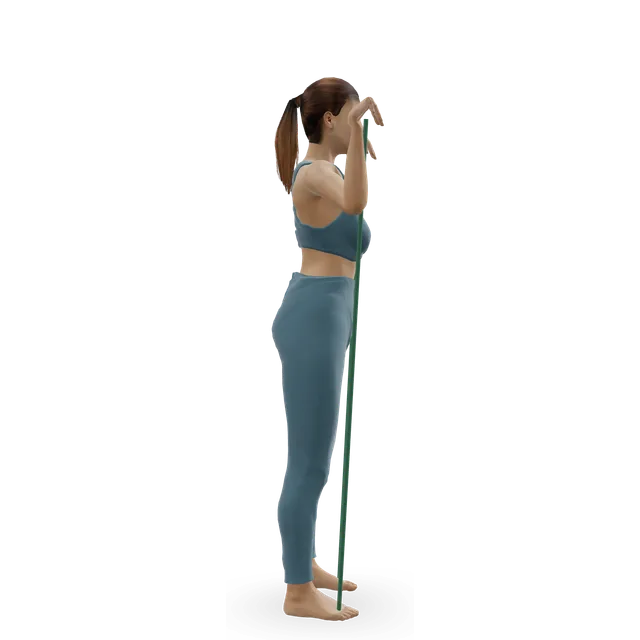
Daily: stretches first, then strengthening, at the leaflet doses above. The reverse wrist curl stands in for SARAH's band exercise, the ball squeeze for the putty squeeze, and the thumb lifts and O-sign for the putty pinch. Finger walking and the thumb moves have no 3D demo yet, so follow the written steps.

Flares

Balance rest and movementStrong evidence

The NHS: rest makes inflamed joints more comfortable, but without movement joints stiffen and muscles weaken. If an activity makes your joints warm and swollen or causes severe pain, stop and rest, and if something always causes a flare, find an alternative.

Source 12

Five steps for a flare

NRAS's advice:

  • Relative rest: do less than usual, but not bed rest.
  • Ice for 15 to 20 minutes, wrapped, for a hot, inflamed joint, or heat for a stiff, aching one.
  • Keep the joints moving with gentle range-of-movement exercises.
  • As it settles, restart your usual exercise with only a few repetitions for a few days.
  • Build back up each day to where you were.

Sources 13, 30

Hot or swollen joints

Arthritis UK suggests focusing on stretching while joints are hot or swollen, and leaving strengthening until they settle.

Source 34

What the trials foundEmerging evidence

Intensive exercise in people admitted to hospital with active RA didn't make it worse. Some trials used a 24-hour rule: if extra pain lasted more than 24 hours, the next session was made easier. EULAR found no clear evidence that high-impact activity must be avoided during active inflammation, but it still advises care.

Sources 25, 2

Getting help with a flare

NICE says everyone with RA should have rapid access to specialist care for flares. If a flare doesn't settle, or comes with feeling unwell, call your rheumatology advice line rather than pushing through.

Source 1

On a flare day

Gentle range of movement with almost no load: 5 to 10 slow repetitions within a comfortable range, once or twice a day (our starting point).

Fatigue and your heart

Fatigue

Exercise helps a little. Shorter bouts spread through the day can make it easier, and Arthritis UK's 4 Ps (problem solving, planning, prioritising and pacing) help you manage your energy. Ask your team to check for other causes, such as low iron. NICE's regular reviews cover fatigue and mood.

Sources 14, 29, 35, 19, 1

Your heart

The NHS advises keeping RA well controlled, not smoking, eating well and exercising regularly to lower the heart risk. NICE's annual review checks for high blood pressure and heart disease, and EULAR asks rheumatologists to manage cardiovascular risk. Aerobic exercise and strength training both count.

Sources 23, 1, 22

When to check with your team first

Badly damaged or replaced joints

With a lot of joint damage, NRAS advises having a physiotherapist or experienced exercise professional supervise a new programme and progress it more slowly than usual, and high-intensity exercise may need to be avoided. Avoid heavy loading of a large joint that is badly damaged. With a joint replacement, start gently and ask which activities to avoid. Heart or other conditions may need monitored exercise.

Sources 30, 13, 9

Your neck

Long-standing RA can affect the joints at the top of the spine, which can slip and press on the spinal cord (cervical myelopathy). It is uncommon but serious: NICE asks for an urgent MRI scan and a surgeon's opinion for symptoms such as pins and needles, weakness or unsteadiness, and you may need a neck check before a general anaesthetic.

Our editorial advice: leave out headstands, shoulderstands and the plough pose, and don't force neck circles. Gentle neck movement is fine unless your team says otherwise.

Sources 23, 1, 19

Tendons and nerves

A tendon that suddenly stops working, or numbness and tingling in the hand, needs checking: NICE asks for a surgeon's opinion before tendon or nerve damage becomes permanent, and carpal tunnel syndrome is common in RA.

Sources 1, 23

Psoriatic arthritis

What helps

Psoriatic arthritis causes joint pain, swelling and stiffness, swollen fingers or toes, nail changes and tiredness, and symptoms can be worse in the morning and ease with exercise. The NHS recommends regular low-impact exercise such as swimming, walking and yoga, losing weight if you need to, and not smoking; a physiotherapist can teach you exercises to strengthen your joints.

Source 36

What the trials foundEmerging evidence

In 67 people, 11 weeks of high-intensity interval training didn't change disease activity, may have eased fatigue a little (a borderline result), and didn't increase inflammation on ultrasound or MRI scans. In 41 people, 12 weeks of twice-weekly strength training improved function and disease activity. A review of 13 studies found a low risk of flares, or of inflammation where tendons attach to bone, from exercise. The trials are small.

Sources 37, 38, 39, 40

Axial spondyloarthritis (ankylosing spondylitis)

What it is

Axial spondyloarthritis (axial SpA) is inflammation mainly of the spine. Ankylosing spondylitis is the form that shows on X-rays; in non-radiographic axial SpA it doesn't, but the symptoms and treatment are similar. It usually starts in teenagers and young adults. NICE refers people to a rheumatologist if their back pain started before 45, has lasted more than 3 months and has several typical features, such as waking in the second half of the night, buttock pain or improving with movement.

Sources 41, 42

What NICE recommendsStrong evidence

Referral to a specialist physiotherapist for a structured exercise programme, including stretching, strengthening and posture exercises, deep breathing, spinal extension, movement for the lower, middle and upper spine, and aerobic exercise. Hydrotherapy can be considered too, and a flare plan should include exercises and stretching.

Source 42

What the trials foundEmerging evidence

Exercise brings small improvements in disease activity, function and spinal mobility. Supervised group exercise did a little better than exercising at home, which did better than nothing. In a trial of 100 people, 3 months of high-intensity cardio and strength training reduced disease activity and inflammation, which the authors say counters concerns that hard exercise worsens the disease. Joint recommendations from ASAS (the Assessment of SpondyloArthritis international Society) and EULAR cover non-drug treatment, with anti-inflammatory painkillers (NSAIDs) as the first-choice medicine.

Sources 43, 44, 45, 46

Exercising safely

NASS (the National Axial Spondyloarthritis Society) calls exercise the single most important thing you can do to help yourself. It suggests checking with a professional before a new programme if you haven't exercised for a while, are over 65, have had axial SpA for more than 10 years, are in a flare, or have had joint replacements or spinal surgery; get chest pain, palpitations, unexplained breathlessness or dizziness checked first. Use lower weights with more repetitions.

Axial SpA raises the risk of osteoporosis and spinal fractures, so contact sport needs a physiotherapist's advice if your spine is stiff or fused, and high-impact exercise can set off flares in some people. Swimming or sport is usually fine, with some daily stretching too.

Sources 47, 48, 49, 50

Spine moves for axial SpA

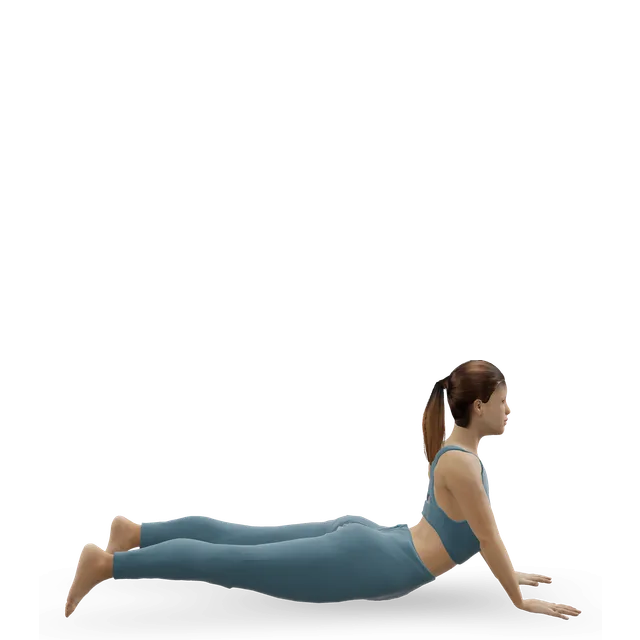
The kinds of moves NICE's programme includes: spine mobility, extension, posture and breathing. Daily, slowly and within a comfortable range: 8 to 10 repetitions, or 2 to 3 holds of 20 to 30 seconds (our starting point). A physiotherapist's programme comes first if you can get one.

Workouts to follow

The hand routine daily if your hands are affected, a strength workout twice a week and cardio on most days. The 10-minute starter suits tired days, the chair workout suits flares, and the posture routine suits axial SpA. Skip all-fours and kneeling moves while your wrists or knees are sore.

Hand exercises for rheumatoid arthritis (the SARAH programme)

The daily stretches and strengthening moves from the SARAH hand trial and NHS hand therapy leaflets: finger bends, finger walking, wrist circles, squeezes and pinches.

15 minBeginner7 movesA dumbbell, A bench or box

Beginner home workout

A gentle 20-minute beginner home workout with a chair, a wall and a band: sit-to-stands, wall push-ups, band rows, step-ups and dead bugs.

20 minBeginner11 movesA bench or box, A wall

Resistance band workout

A full-body resistance band workout: squats, presses, pull-aparts, band walks, good mornings and flyes.

25 minBeginner7 movesA band, An anchor point

Low-impact cardio workout (no jumping)

A 25-minute standing cardio circuit with no jumping: marching, step jacks, sit-to-stands, punches, step-ups and wall push-ups, with a seated option for most moves.

25 minBeginner9 movesA bench or box, A step

Easy cardio workout

A steady 30 to 45 minute cardio session at talk-but-not-sing pace: walk, cycle, row or cross-train, counting toward weekly activity guidelines.

40 minBeginner3 movesCardio machine, A wall

10-minute starter workout

A 10-minute session for low-energy days: marching, sit-to-stands, wall push-ups, step-ups and bridges, then a short walk. Doing a little counts.

10 minBeginner7 movesA bench or box, A wall

Chair exercises for seniors: a seated workout

A 20-minute seated workout for older adults who cannot stand for long: marching, leg and arm strength, posture, and sit-to-stands that lead back to standing.

20 minBeginner11 movesA bench or box, Something with weight

Upper back mobility routine

A 12-minute routine for a stiff upper back and rounded shoulders: chin tucks, wall angels, Y-T-W raises and open books.

12 minBeginner8 movesA foam roller, A wall

Follow a plan

The beginner plan suits most people starting out; the 3-day home plan suits you once your RA is stable and the beginner plan feels easy.

Warning signs and when to get help

Call 999 or go to A&E

  • Chest pain that feels tight or like squeezing, or spreads to your arms, neck or jaw, or severe difficulty breathing.
  • With axial SpA: sciatica on both sides, severe or worsening weakness or numbness in both legs, numbness around the genitals or bottom, or new trouble starting or controlling peeing or pooing. These can be signs of cauda equina syndrome, pressure on the nerves at the base of the spine.

Sources 51, 49

Get urgent advice the same day

Contact your rheumatology advice line, GP or NHS 111 the same day for:

  • Pins and needles, weakness, unsteadiness, clumsy hands or loss of power, especially with neck pain: these can be signs of pressure on the spinal cord, which NICE treats as urgent.
  • A hot, swollen joint with a fever or feeling unwell, especially a replaced joint: it could be an infection.
  • With axial SpA or psoriatic arthritis: a painful, red eye, sensitivity to light or blurred vision. NICE asks for a same-day eye check.
  • A flare that won't settle.

Sources 1, 23, 19, 52, 42

Contact your rheumatology team soon

  • An activity always makes your joints warm and swollen or causes severe pain.
  • New breathlessness or a dry cough that won't go away if you take methotrexate, or frequent infections on biological treatment.
  • A tendon that suddenly stops working, or numbness and tingling in your hand.
  • Before a new programme, if you have badly damaged joints, joint replacements, heart disease or another condition that needs monitoring.

Sources 12, 21, 1, 23, 13

Low mood

NICE's regular reviews cover mood, and psychological support is part of RA care: tell your team if you're struggling. If you feel you can't keep yourself safe, call 999 or go to A&E. For urgent mental health help, call NHS 111 and choose the mental health option, or call Samaritans free on 116 123, any time. In the US, call or text 988.

Sources 1, 53, 54, 55

Myths

"Exercise makes rheumatoid arthritis worse"Strong evidence

In trials, aerobic and strength training improved function, strength and fitness without worsening disease activity, even in people who started during active disease. EULAR found no harmful effects reported.

Sources 6, 4, 5, 25, 2

"Only gentle exercise is safe with RA"Emerging evidence

High-intensity training was safe in trials and built more strength and fitness than low-intensity training. The exception is heavy weight-bearing exercise on large joints that are already badly damaged.

Sources 7, 8, 9

"In a flare, I should stay in bed"

NRAS advises relative rest, doing less than usual, not bed rest, and keeping the joints moving gently. The NHS warns that without movement, joints stiffen and muscles weaken.

Sources 13, 12

"Hand exercises will wear out my hands"Strong evidence

In the SARAH trial of 490 people, a daily stretching and strengthening programme improved hand function with no serious side effects.

Source 10

"Exercise can replace my RA medicines"

Exercise is used alongside disease-modifying drugs, not instead of them. Early drug treatment is what prevents joint damage.

Sources 3, 17

"With RA fatigue, exercise will only drain me"Emerging evidence

In trials, physical activity reduced fatigue a little. Shorter sessions spread through the day can make it easier to start.

Sources 14, 29

Questions people ask

Is exercise good for rheumatoid arthritis?

Yes. NICE says people with RA should have physiotherapy to improve fitness and learn strengthening and flexibility exercises, and European guidelines say the activity levels recommended for everyone are safe and helpful in RA. Exercise improves strength, fitness and function and doesn't make RA worse.

What is the best exercise for rheumatoid arthritis?

A mix of strength training on 2 days a week and aerobic exercise such as walking, cycling or swimming, plus hand exercises if your hands are affected. Low-impact activities are a good start. Choose what you enjoy and can keep doing.

Can exercise make rheumatoid arthritis worse?

Trials found no worsening of disease activity, even with high-intensity training or when people started during active disease. The exception: heavy weight-bearing exercise sped up damage in large joints that were already badly damaged, so people with damaged joints need a physiotherapist's plan.

Should I exercise during a rheumatoid arthritis flare?

Rest the inflamed joints more than usual, but keep them moving with gentle range-of-movement exercises: relative rest, not bed rest. Ice or heat can help. As the flare settles, restart with a few repetitions and build back over several days, and call your rheumatology team if a flare doesn't settle.

What exercises should I avoid with rheumatoid arthritis?

None is banned for everyone. Stop and rest if an activity makes your joints warm and swollen or causes severe pain, and swap anything that always causes a flare. With badly damaged hips or knees, avoid heavy weight-bearing exercise until a physiotherapist has advised, and with long-standing RA, leave out headstands and shoulderstands unless your team says otherwise.

Can I lift weights with rheumatoid arthritis?

Yes. Strength training raised strength by about a quarter to a third and improved function, with side effects no different from not training. Start light, with 10 to 15 repetitions, and progress gradually.

Can I run with rheumatoid arthritis?

Possibly, but build up to it. The NHS says high-impact activities such as running are more likely to cause problems and suggests low-impact options first, while the National Rheumatoid Arthritis Society includes jogging among good activities. Skip it during flares or if your weight-bearing joints are badly damaged.

Do hand exercises help rheumatoid arthritis?

Yes. In the SARAH trial of 490 people, a tailored stretching and strengthening hand programme improved hand function more than usual care at a year, with no serious side effects. NICE suggests considering it once your medicines have been stable for 3 months, taught by a trained therapist. Keep going: the benefit faded when people stopped.

Does exercise help rheumatoid arthritis fatigue?

A little. Physical activity reduced fatigue by a small amount in trials. Shorter sessions spread through the day, and planning and pacing your energy, can make it easier to stay active.

Should I worry about my neck with rheumatoid arthritis?

Long-standing RA can affect the joints at the top of the neck; it's uncommon but serious. Get urgent advice for pins and needles, weakness, unsteadiness or clumsy hands. Leave out neck-loaded positions such as headstands unless your team says otherwise.

What about psoriatic arthritis?

Exercise helps here too. The NHS recommends regular low-impact exercise such as swimming, walking and yoga. In small trials, interval training didn't increase inflammation and may have eased fatigue, and strength training improved function.

What exercises help ankylosing spondylitis (axial spondyloarthritis)?

NICE recommends a structured programme from a specialist physiotherapist, with stretching, strengthening, posture work, deep breathing, spinal extension, movement for the whole spine and aerobic exercise. Supervised group exercise does a little better than exercising alone, and high-intensity training reduced disease activity in a trial. The National Axial Spondyloarthritis Society has classes and resources.


Sources

  1. NICE NG100 · Rheumatoid arthritis in adults: management (last updated 2020)

  2. Rausch Osthoff 2018 · EULAR recommendations for physical activity in people with inflammatory arthritis and osteoarthritis (Annals of the Rheumatic Diseases)
  3. England 2023 · 2022 American College of Rheumatology guideline for exercise, rehabilitation, diet and integrative interventions for rheumatoid arthritis (abstract, Arthritis & Rheumatology)
  4. Baillet 2010 · Aerobic exercise in rheumatoid arthritis (meta-analysis, Arthritis Care & Research)
  5. Baillet 2012 · Resistance exercise in rheumatoid arthritis (meta-analysis, Rheumatology)
  6. Hurkmans 2009 · Dynamic exercise programmes for rheumatoid arthritis (Cochrane review)
  7. de Jong 2003 · Two years of high-intensity exercise in rheumatoid arthritis (RCT, Arthritis & Rheumatism)
  8. Cuyul-Vásquez 2026 · High-intensity exercise in rheumatoid arthritis (systematic review and meta-analysis, Journal of Back and Musculoskeletal Rehabilitation)
  9. Munneke 2005 · High-intensity weight-bearing exercise and large-joint damage in rheumatoid arthritis (subgroup analysis of an RCT, Arthritis & Rheumatism)
  10. Lamb 2015 · Exercises to improve function of the rheumatoid hand: the SARAH trial (RCT, Lancet)
  11. Williamson 2017 · Hand exercises for rheumatoid arthritis: extended follow-up of the SARAH trial (BMJ Open)
  12. NHS · Rheumatoid arthritis: living with
  13. NRAS · Where do I begin? Exercise and RA, including what to do in a flare
  14. Cramp 2013 · Non-drug treatments for fatigue in rheumatoid arthritis (Cochrane review)
  15. Avina-Zubieta 2012 · Risk of heart attack, stroke and heart failure in rheumatoid arthritis (meta-analysis, Annals of the Rheumatic Diseases)
  16. Stavropoulos-Kalinoglou 2013 · Aerobic and resistance training and cardiovascular risk in rheumatoid arthritis (controlled trial, Annals of the Rheumatic Diseases)
  17. NHS · Rheumatoid arthritis
  18. NHS · Rheumatoid arthritis: symptoms
  19. Arthritis UK · Rheumatoid arthritis
  20. Arthritis UK 2026 · The State of Musculoskeletal Health (report)
  21. NHS · Rheumatoid arthritis: treatment
  22. Agca 2017 · EULAR recommendations for cardiovascular risk management in rheumatoid arthritis and other inflammatory joint disorders (Annals of the Rheumatic Diseases)
  23. NHS · Rheumatoid arthritis: complications
  24. Rausch Osthoff 2026 · EULAR recommendations for physical activity in inflammatory arthritis and osteoarthritis: 2025 update (abstract, Annals of the Rheumatic Diseases)
  25. van den Ende 2000 · Intensive exercise in active rheumatoid arthritis (RCT, Annals of the Rheumatic Diseases)
  26. Williams 2015 · Strengthening and stretching for rheumatoid arthritis of the hand: the SARAH trial and economic evaluation (Health Technology Assessment)
  27. Rongen-van Dartel 2015 · Aerobic exercise and fatigue in rheumatoid arthritis (meta-analysis, Arthritis Care & Research)
  28. Kelley 2018 · Aerobic exercise and fatigue in rheumatoid arthritis, judged against the smallest important change (meta-analysis, Arthritis Care & Research)
  29. National Rheumatoid Arthritis Society (NRAS) · The importance of exercise
  30. NRAS 2017 · Exercise and rheumatoid arthritis (patient resource, hosted by Wrightington, Wigan and Leigh NHS)
  31. University Hospitals Sussex NHS 2025 · Strengthening and stretching exercises for rheumatoid arthritis of the hand, part 1: stretches (the SARAH programme leaflet)
  32. University Hospitals Sussex NHS 2025 · Strengthening and stretching exercises for rheumatoid arthritis of the hand, part 2: strengthening (the SARAH programme leaflet)
  33. Heine 2012 · How the SARAH hand exercise programme was developed and delivered (Physiotherapy)
  34. Arthritis UK · What type of exercise should I do?
  35. Arthritis UK · The 4 Ps: strategies you can use to cope with fatigue
  36. NHS · Psoriatic arthritis
  37. Thomsen 2019 · High-intensity interval training in psoriatic arthritis (RCT, Arthritis Care & Research)
  38. Thomsen 2023 · Inflammation on ultrasound and MRI after interval training in psoriatic arthritis (RCT, BMC Musculoskeletal Disorders)
  39. Roger-Silva 2018 · Resistance exercise in psoriatic arthritis (RCT, Clinical Rheumatology)
  40. Kessler 2021 · Psoriatic arthritis and physical activity (systematic review, Clinical Rheumatology)
  41. NHS · Ankylosing spondylitis
  42. NICE NG65 · Spondyloarthritis in over 16s: diagnosis and management
  43. Regel 2017 · Non-drug treatments for axial spondyloarthritis: the review behind the ASAS-EULAR recommendations (RMD Open)
  44. Dagfinrud 2008 · Physiotherapy interventions for ankylosing spondylitis (Cochrane review)
  45. Sveaas 2020 · High-intensity exercise for 3 months in axial spondyloarthritis: 100 patients (RCT, BJSM)
  46. Ramiro 2023 · ASAS-EULAR recommendations for the management of axial spondyloarthritis: 2022 update (Annals of the Rheumatic Diseases)
  47. National Axial Spondyloarthritis Society (NASS) · Exercise
  48. NASS · Exercise: safety first
  49. NHS · Ankylosing spondylitis: complications
  50. NHS · Ankylosing spondylitis: treatment
  51. NHS · Heart attack: symptoms
  52. NHS · Septic arthritis
  53. NHS · Where to get urgent help for mental health
  54. Samaritans · Contact a Samaritan (116 123)
  55. 988 Suicide & Crisis Lifeline (US)

Exercise education, not a diagnosis or treatment plan, and clinical review of these guides is pending. Stop and get advice for chest pain, unusual breathlessness, dizziness or fainting, or new pain, and check with your doctor or midwife first if they have told you to limit activity. Health disclaimer.