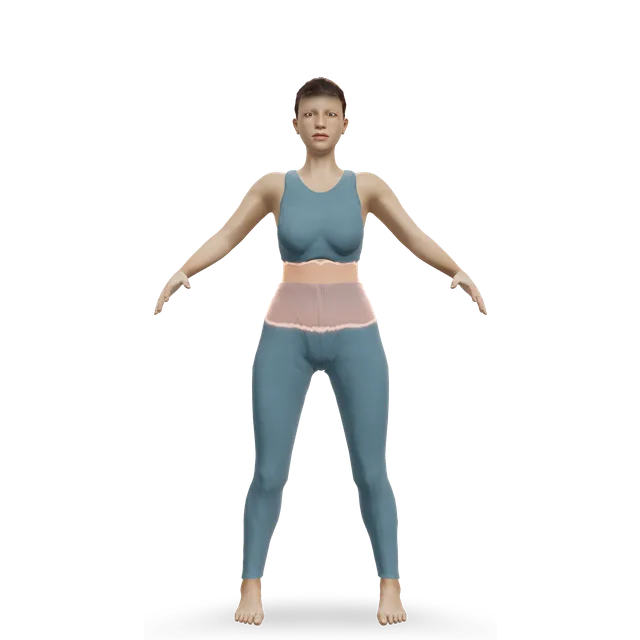
Exercise guide

Exercise for osteoporosis and osteopenia: strong, steady and straight

Exercise is safe and recommended with osteoporosis and osteopenia. It will not rebuild your skeleton, but strength training and impact can slow bone loss or add a little bone, balance work cuts falls, and back exercises help posture. Most broken bones in later life follow a fall.

If you have had a spinal (vertebral) fracture or several broken bones from minor falls, get a physiotherapist's advice at the start and keep impact low. After any new fracture, wait until the bone has healed before building up strength work. Exercise works alongside bone medicine, not instead of it.

This guide follows the UK consensus, Strong, Steady and Straight, and the trials behind it, including the supervised heavy lifting of the LIFTMOR trial. It does not replace advice from your doctor or physiotherapist.

The short version

The best exercise for osteoporosis

A combination. Strength training on 2 to 3 days a week, working towards a weight you can lift 8 to 12 times, up to 3 sets. Moderate impact, such as heel drops, jogging or small jumps, on most days if you have no spinal fractures. Balance exercise at least twice a week. And back-muscle exercises for posture. Strength and impact together work better for bone than either alone.

Sources 1, 5, 6

Exercises to avoid with osteoporosis

Modify or avoid exercises that round your back deeply or repeatedly, especially with a weight: sit-ups, toe touches, Pilates roll-downs and curl-ups, and extreme yoga forward folds. Bend from the hips instead. You do not need to avoid bending, twisting or lifting altogether: move smoothly and keep your upper back straight.

Sources 1, 7, 12

Can exercise reverse osteoporosis?

Not usually. In trials, exercise raised spine density by a few per cent at best, and hip density mostly stays steady. It still matters: it slows loss, builds muscle and balance, and reduces falls, which cause most fractures. It works alongside bone medicine, not instead of it.

Sources 21, 22, 23, 25, 24, 1

Weight-bearing exercise for osteoporosis

If you have no spinal fractures, build up to about 50 moderate impacts on most days, such as heel drops, jogging on the spot or small jumps, and add strength training. Walking is weight-bearing but low impact, and on its own it does not raise bone density. Swimming and cycling are not weight-bearing.

Sources 1, 5, 21, 14

Is it safe?

Yes, for most people. The UK consensus found little evidence of significant harm and judged that the benefits outweigh the risks. In 62 trials, 5.8% of people who exercised had a fracture, against 9.6% of those who did not, and none reported a symptomatic spinal fracture from impact or moderate to high-intensity strength training. A scan result on its own is not a reason to restrict exercise.

Sources 1, 3, 28

After a spinal fracture

Keep moving. Do gentle back-muscle exercises every day, keep impact to the level of brisk walking, and ask for a physiotherapist's advice, at least at the start.

Sources 1, 5, 7

What exercise can and can't do for bone

Recommended by UK and international guidelinesStrong evidence

The UK consensus recommends strength and impact exercise for bone, strength and balance work against falls, and back extension exercise for posture. The UK national osteoporosis guideline strongly recommends weight-bearing and muscle-strengthening exercise. An international consensus strongly recommends a programme with strength and balance training, and says aerobic exercise should not replace them.

Sources 1, 15, 26

Exercise is unlikely to cause a fractureEmerging evidence

In 62 bone trials, fractures happened in 5.8% of people who exercised and 9.6% of those who did not. A review found that flexion moves, such as some yoga poses and sit-ups, were linked to spinal fractures, but rarely. Trials report harms poorly, which is why this is graded emerging.

Sources 1, 28

Bone density: small but real gainsEmerging evidence

In a Cochrane review of 43 trials in 4,320 women after the menopause, exercise had a small but possibly important effect on bone density: about 3.2% at the spine for combined programmes, and about 1.0% at the hip (femoral neck) for leg strength training, compared with no exercise. It could not show fewer fractures.

Higher-intensity training gave bigger gains at the spine, though only 4 high-intensity programmes were analysed. At the hip, density stays "stable, at best", even with high-intensity training.

Sources 22, 23, 21

Impact alone may not be enough after the menopauseEmerging evidence

In one trial, 50 jumps a day raised hip density by 2.8% in women before the menopause but not in women after it. That is one reason to combine impact with strength training.

Source 34

Walking, swimming and cyclingEmerging evidence

Walking and non-weight-bearing exercise such as cycling and swimming do not improve bone density. They are still good for your heart and general health.

Sources 21, 14

Fewer fallsStrong evidence

In older people living at home, exercise cut the rate of falls by 23%, with high certainty, and may cut fractures from falls by about a quarter (low certainty).

Source 25

Fewer fractures, especially with supervisionEmerging evidence

In 20 trials, exercise cut low-trauma fractures by about a third and major osteoporotic fractures by about 30%, and supervised programmes did about twice as well. Few of these trials were designed to count fractures, and the UK national guideline still calls clear evidence that exercise reduces fractures "wanting".

Sources 24, 15

Back exercises and postureEmerging evidence

A 6-month trial of spine strengthening and posture training reduced the upper-back curve by about 3 degrees. In one small study, women who strengthened their back muscles for 2 years had fewer spinal fractures 8 years later. In LIFTMOR, heavy supervised training also improved the curve.

Sources 31, 30, 17

After a spinal fracture, the trials are thinMixed evidence

After a spinal fracture, exercise probably makes a timed test of getting up and walking (the timed up-and-go) about a second faster. Its effects on further fractures, falls, pain and quality of life are uncertain.

Source 27

An addition to bone medicineStrong evidence

Where medicine is needed, exercise should be seen as an addition to it rather than an alternative: medicine has much stronger evidence for preventing fractures.

Sources 1, 4, 15

How much: strong, steady, straight

Strong: strength training 2 to 3 days a week

On 2 to 3 days a week, with at least a day's rest between, for 20 to 30 minutes. Choose a weight you can lift 8 to 12 times with good technique: that is one set. Build up to 3 sets. Go lighter if you cannot do 8 well, heavier if 12 feels easy.

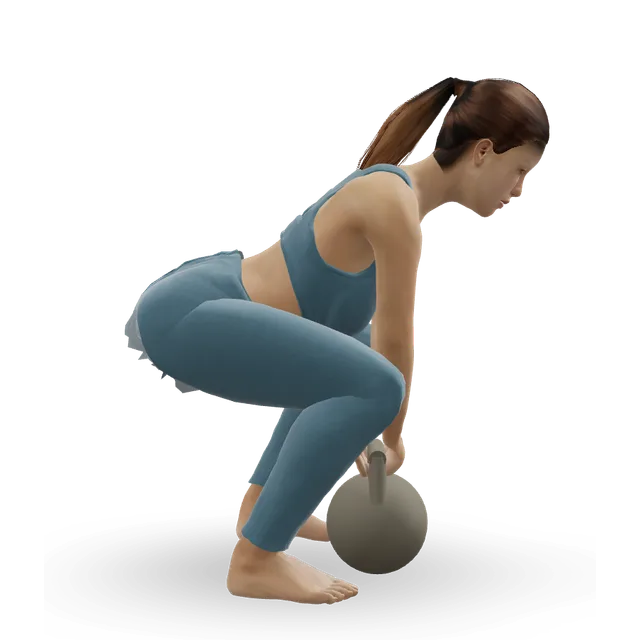
Each session, include one hinge, one push, one pull and one squat, and once or twice a week add a brace (a plank) and a lunge or step. Work all the major muscle groups, including the back muscles.

Sources 6, 1

Strong: about 50 impacts on most days

If you have no spinal fractures, build up to about 50 moderate impacts on most days, such as jogs, hops, low jumps or stamping: for example 5 sets of 10, with a walk or rest between. You can spread them across the day.

Moderate means no landing from height. High impact is not specifically recommended, but if you already do it you can usually carry on.

Sources 1, 5, 7

The ROS impact levels

The Royal Osteoporosis Society sorts impact into three levels:

  • Level 1, low impact, with one foot always on the ground: heel drops, push-off knee bends, marching.
  • Level 2, moderate: heel drops with more force, small jumps, jogging on the spot.
  • Level 3, moderate for the more active: running on the spot, skater steps, hops or jumps, stride jumps.

Source 5

The ROS strength levels

And strength into three levels:

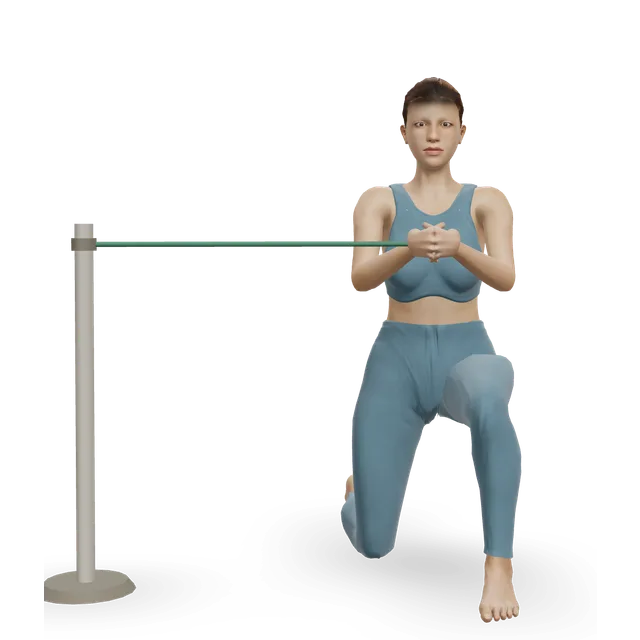
  • Level 1, body weight and bands, for everyone, including after a broken bone: bridge, wall press, band-assisted row, sit-to-stand, kneeling side plank, split lunge, step.
  • Level 2: band-assisted Romanian deadlift, press-up, single-arm band row, squat, kneeling plank, dumbbell lunge, step-up.
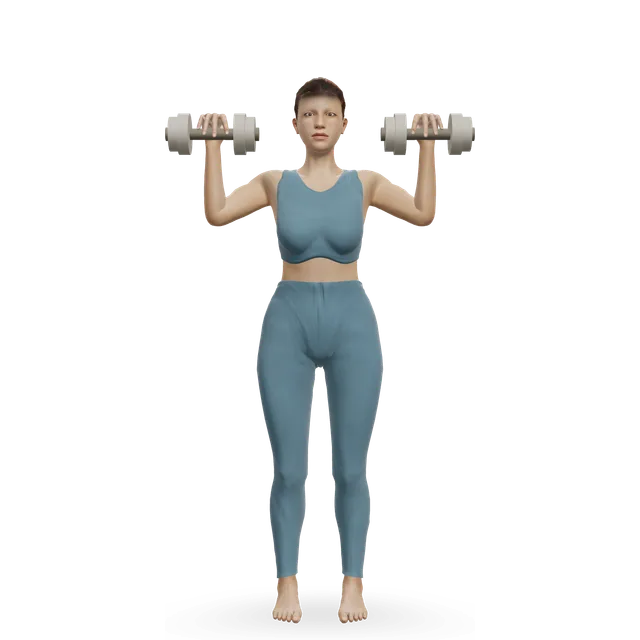
  • Level 3, with weights and instruction from a qualified exercise instructor: barbell Romanian deadlift, overhead press, single-arm dumbbell row, barbell squat, plank, heavier dumbbell lunge, barbell step-up.

Source 6

Steady: balance at least twice a week

If you are 65 or over, feel unsteady or do not exercise regularly, do balance exercises at least twice a week and build up to daily. Tai chi, dance, yoga and Pilates count.

Sources 1, 8

Straight: back-muscle exercises

3 to 5 repetitions, each held for 3 to 5 seconds, at least twice a week (the 2022 consensus paper). The 2018 quick guide allows up to 10 repetitions on 2 to 3 days a week, so treat 3 to 5 as the start and 10 as the ceiling.

Sources 1, 3

Every day

Be active every day, spread across the day, and avoid long spells of sitting.

Source 1

Osteopenia: the same advice

Osteopenia means bone density lower than average for your age but not low enough to count as osteoporosis, and it does not always progress. The consensus says exercise does not need adapting for bone density alone, and the LIFTMOR trial included women with osteopenia. The same doses apply: what changes the advice is a spinal fracture or several fractures, not the scan number.

Sources 13, 1, 16

If you are frail or falling

Preventing falls may come first.

  • Build strength and balance before you add other activity, including brisk walking: in one group already at risk, brisk walking increased fractures.
  • If you fall repeatedly, or avoid activity because you fear falling, ask for a falls service: supervised, highly challenging balance and strength training for 3 hours a week over at least 4 months, such as the Otago programme.
  • Speak to a doctor after two or more falls in a year, or a broken bone from a fall.
  • If standing exercise is not suitable, start with gentle seated exercise, such as the chair workout below.

Sources 1, 8, 4, 6

Before you start, and warning signs

Stop and call 999

Call 999 for either of these:

  • Chest pain, pressure or tightness, especially if it spreads to the arm, neck or jaw, with breathlessness, sweating or feeling sick.
  • After a fall: a possible injury to your head, neck, back or hip, or you cannot get up.

Sources 36, 7, 37

Stop and see your GP soon (or call NHS 111 if you are worried)

Get advice soon for any of these:

  • Sudden new back pain, often after a bend, lift, cough or minor fall, or new height loss or a change in the curve of your upper back. These can be signs of a spinal fracture, and not all spinal fractures hurt.
  • A fall, or a broken bone from a fall; or two or more falls in a year.
  • Pain in a bone that is there at rest or getting worse.
  • Leaking urine when you jump or land: a pelvic health physiotherapist can help.

Sources 7, 9, 15, 8, 1

Stop for today

Stop the session for any of these:

  • Feeling sick, dizzy or light-headed, very breathless, clammy or sweaty, chest tightness, or any pain.
  • Strain in your back while lifting: put the weight down, then lighten the load or change your technique.

Source 7

What is normal

Some stiffness or soreness for a few days after new movements.

Source 7

Get advice before you start if…

These change what is right for you:

  • You have had a spinal fracture or several low-trauma fractures: see a physiotherapist, at least at the start.
  • You have a new fracture: wait until the bone has healed, which can take up to 3 months, before building up strength work, but keep moving.
  • You leak urine on impact: treat that first with pelvic floor training.
  • You want to lift heavy: learn the lifts with a physiotherapist or qualified instructor first.

Sources 1, 6, 7, 9

Strong: strength training, level 1

Body weight and bands, for everyone, including after a broken bone (ROS). Each session, one hinge, one push, one pull and one squat: 8 to 12 repetitions, building to 3 sets. Hold the knee side plank 10 to 20 seconds, 2 to 3 times each side (editorial). Learn the hip hinge before any deadlift.

Strong: levels 2 and 3, with weights

8 to 12 repetitions, building to 3 sets (ROS). Keep your back long and hinge from the hips; stop a set before your back rounds. Learn the level 3 lifts, such as the overhead press, the single-arm row and the heavier deadlifts, with a qualified instructor (ROS). Press seated if standing feels unsteady.

Heavy lifting: what LIFTMOR showed

The LIFTMOR trialEmerging evidence

101 women after the menopause with low bone mass trained twice a week for 30 minutes over 8 months. The heavy-lifting group built up to 5 sets of 5 deadlifts, squats and overhead presses at more than 85% of the most they could lift once, plus jumping chin-ups with firm landings.

Their spine density rose by 2.9%, while a home-exercise group lost 1.2%. One minor back spasm was reported, spine scans showed no new or worse fractures, and the upper-back curve improved.

Sources 16, 17, 21

LIFTMOR-M, in menEmerging evidence

In a semi-randomised trial of 93 men averaging 67 years, the same kind of supervised training raised spine density by 4.1% and improved muscle, strength and function. The heavy-training group had no new spinal fractures.

Sources 18, 20

What it does not show

Every session was supervised by a qualified exercise professional, after 2 weeks of light technique practice, and people with a spinal fracture in the past 12 months were not included. The UK consensus notes that supervised heavier training probably does most for bone density, but chose 8 to 12 repetitions because they are easier to use outside a trial.

If you want to lift heavy, learn the lifts with a physiotherapist or qualified instructor first, and do not copy the trial dose on your own.

Sources 19, 21, 1, 6

Strong: impact

If you have no spinal or multiple fractures, build up to about 50 moderate impacts on most days, for example 5 sets of 10 (UK consensus), starting with 20 to 30 (editorial). With them, keep to low impact, such as marching, gentle heel drops and brisk walking (ROS level 1), and ask a physiotherapist before anything harder. Jumps from height are not recommended, and if you leak on impact, treat that first.

Steady: balance

At least twice a week, building to daily, next to a counter (ROS). One-leg stands: build from 10 seconds with support to 30 seconds without. Side-stepping: 10 steps each way along the counter.

Straight: back muscles and posture

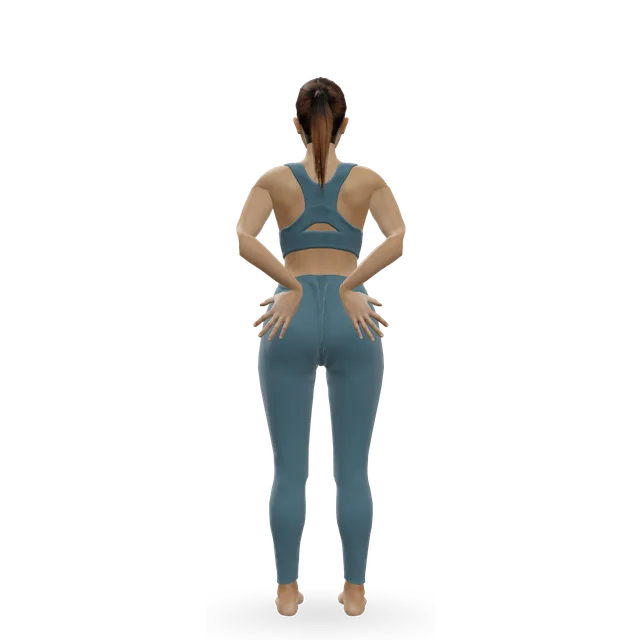
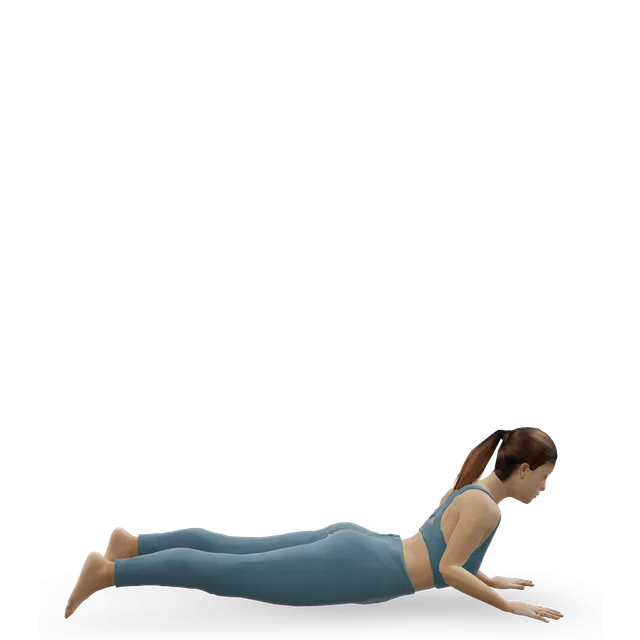
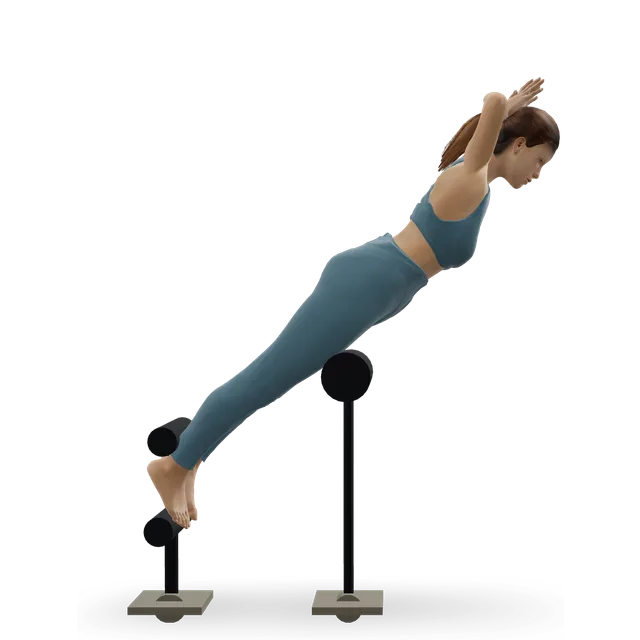
Easiest first; the first four need no floor. 3 to 5 repetitions, each held 3 to 5 seconds, at least twice a week, building to 10 (UK consensus); after a painful spinal fracture, daily, at low effort. Use the same short holds for the elbows-back move, not its 30-second stretch. The 45-degree back extension is for people without spinal fractures: move slowly and never fling into the top.

Core without crunches

These train the trunk with the spine still, in place of sit-ups and crunches; the plank is the brace in the ROS strength plan. Hold planks 20 to 30 seconds, 2 to 3 times (editorial), and keep breathing.

Bending, lifting and twisting: what to modify

Bending is safe; deep, repeated or loaded rounding is what to modify

"Bending forward is generally safe and won't cause a spinal fracture", says the Royal Osteoporosis Society. What the UK consensus asks you to modify or avoid is sustained, repeated or end-range rounding of the spine, and any exercise that curves the back excessively, especially with a weight.

Examples named by the consensus and the Royal Osteoporosis Society include sit-ups, toe touches, the Pilates roll-down and curl-up, lifting weights with a rounded back, end-range yoga poses, and fast or loaded twisting without control, as in golf.

Sources 12, 1, 2, 7

Lift with a straight upper back

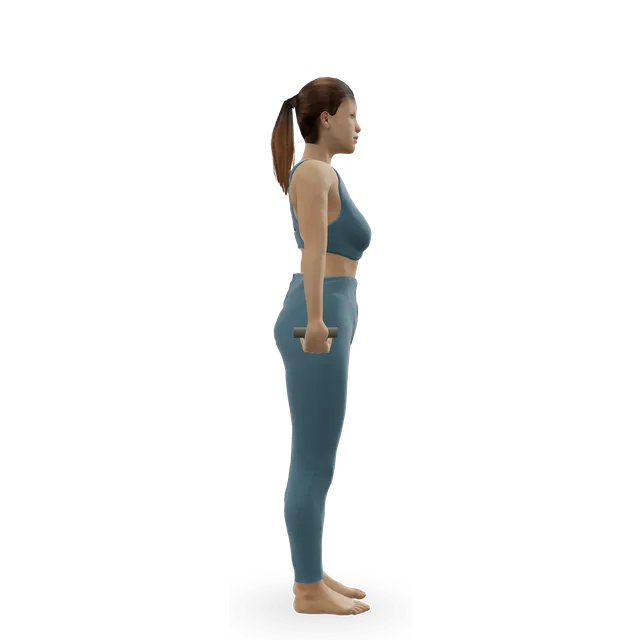
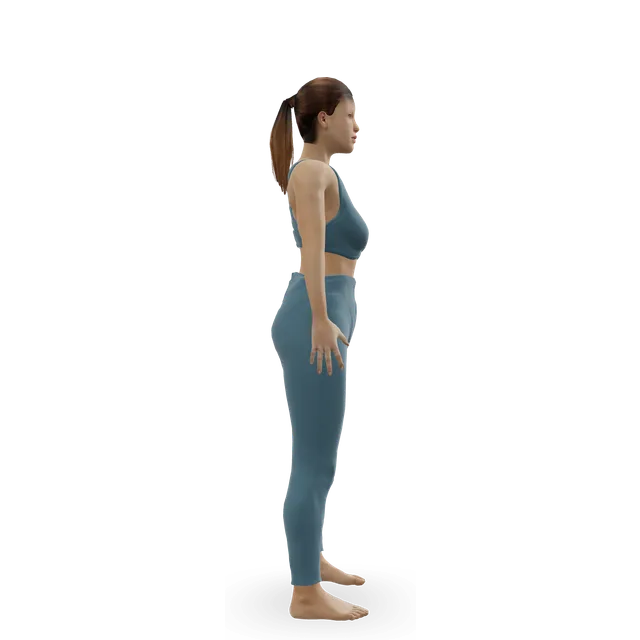
"Think straight": keep your upper back straight and your neck in line, bend from the hips (the hip hinge), move smoothly within a comfortable range and engage your tummy muscles. The consensus recommends safe lifting technique rather than "don't lift", and the ROS says no weight is universally safe or unsafe.

If you feel strain in your back, put the weight down, then lighten it or change your technique.

Sources 1, 7

Twist smoothly

Twisting should be safe if you do it smoothly and comfortably. Slow down and shorten fast or forceful twists, and leave out the added weight.

Source 1

Gentle rounding is not banned

The ROS's own exercises for back pain after spinal fractures include the cat, a slow, small rounding of the back on all fours. Keep moves like this slow and comfortable.

Source 11

How to judge a move

This is our editorial checklist, built from the consensus and ROS advice. Ask four questions:

  • Does it round your back to the end of its range, as in a toe touch, sit-up, roll-down or plough? Choose a flat-back version or another move.
  • Does it repeat rounding quickly, many times, as in crunches or bicycle crunches? Choose a still-spine core move: the dead bug, bird dog or plank.
  • Is there a weight while your back is rounded, as in lifting with a rounded back, weighted crunches or the Jefferson curl? Hinge from the hips with a long back, or leave it out.
  • Is it a fast or forceful twist, as in Russian twists with a weight, wood chops or a golf swing? Slow it down, shorten it and keep it smooth; after a spinal fracture, ask a physiotherapist.

Sources 1, 2, 7, 12

If you already do these moves

If the answer to all four questions is no, the move is usually fine. If you are experienced and flexible and move comfortably and smoothly, you can carry on, as long as you are fit enough to manage with ease; as a precaution, consider alternatives to the Pilates roll-down and curl-up.

After a spinal fracture, apply the checklist more strictly and get individual advice, and choose yoga or Pilates led by an instructor trained to work with osteoporosis.

Sources 1, 2

Yoga and PilatesMixed evidence

Both can help balance, posture and strength, and the consensus counts them as balance exercise. But case reports describe spinal compression fractures after yoga poses with deep forward bending: 9 people (median age 66) in one series, and 13 compression fractures among 89 people with yoga injuries in another, mostly from extreme bending forwards or backwards.

Swap deep forward folds, roll-downs and curl-ups for flat-back and head-down versions.

Sources 1, 32, 33

This advice is precautionaryMixed evidence

The main study behind it is from 1984: 59 women aged 49 to 60 with spinal osteoporosis and back pain were taught extension, flexion, both or no exercises. New spinal fractures followed in 16% of the extension group and 89% of the 9 people in the flexion group. It was small and not randomised.

A later review found flexion-linked fractures were rare, and the UK national guideline says forced, repeated forward bending should be done with care, but the risk of serious harm is very low.

Sources 29, 28, 15

Sports, and leaking on impact

Contact sports, riding and skiing carry a risk of falls and impact. If you do them regularly, the benefits probably outweigh the risks, unless you have had several fragility fractures or painful spinal fractures. If you leak urine on impact, treat that first with pelvic floor training.

Source 1

Swaps for the moves to modify

Sit-ups and crunches: the dead bug or knee plank. Toe touches: hip-hinge practice. Seated forward folds, the plough and the shoulderstand: a lying hamstring stretch with a strap, back flat. Weighted crunches and Russian twists: the Pallof press or a farmer's carry. The Jefferson curl: leave it out.

After a spinal fracture

Keep moving

Movement does not affect healing, and staying active helps prevent chest infections, constipation and blood clots. Wait until the bone has healed, which can take up to 3 months, before you build up strength work. Research on exercise after a spinal fracture is thin, so individual advice matters.

Sources 7, 9, 27

Impact: up to brisk walking

Keep impact low, up to brisk walking, and build to 20 minutes on most days (150 minutes a week). This is a precaution, because of theoretical, unproved risks of another spinal fracture.

Moderate impact may be possible later if your fractures caused no pain, the bone has healed and any pain has improved, you are generally fit, and you did moderate impact before.

Sources 1, 5, 7

Back exercises every day

Do gentle back-muscle exercises daily, for pain and posture, at low effort to build endurance: holds of 3 to 5 seconds, building up to 10 repetitions. Chin tucks, the seated upper-back lift and wall angels need no floor.

Sources 1, 2, 10

Strength work, with a physiotherapist

The same strength principles apply, with care over technique and a physiotherapist's advice, at least at the start.

Sources 1, 6

Breathing, pelvic floor and water

If a marked curve in your upper back makes symptoms worse, breathing and pelvic floor exercises can help, and exercise in warm water (hydrotherapy) may improve quality of life. The 3D figure cannot show the pelvic floor, so the pelvic floor workout below relies on written steps.

Source 1

Signs of a spinal fracture

Sudden new back pain, often after a bend, lift, cough or minor fall, can be a spinal fracture, and not all spinal fractures hurt. Height loss and a change in the curve of your upper back are other signs: the UK national guideline uses height loss of 4 cm or more, or a curved upper back, as reasons to check for spinal fractures. See your GP.

Sources 7, 9, 15

Workouts to follow

The bone workout suits people without spinal fractures who have gym kit or the equivalent at home; its balance work is small, so add the balance routine on two other days. With a spinal fracture, follow each workout's fracture notes, keep impact to brisk walking and ask a physiotherapist; check the foam roller in the posture routine with your clinician first.

Weekly plans

For people without recent spinal fractures.

Osteoporosis in men

Men get it tooStrong evidence

One in five men, and one in two women, will have a fragility fracture, and a third of fragility fractures in the UK happen in men.

Source 15

Exercise works the same wayEmerging evidence

Research in men is limited but points the same way. In the LIFTMOR-M trial, men averaging 67 years who did supervised heavy lifting and impact training gained 4.1% in spine density and improved strength and function. Men need the same mix of strength, impact and balance.

Sources 18, 35

Myths

"Exercise can reverse osteoporosis."

Gains are modest: a few per cent at the spine in the best trials, and the hip stable at best, and in small studies the gains faded after people stopped. Exercise helps most through strength, balance and fewer falls.

Sources 21, 22, 23

"Walking is enough for my bones."

Walking is low impact, and reviews find it does not raise bone density. Add strength training and, if you can, moderate impact. Walking is still good for your health, and it is the right level of impact after a spinal fracture.

Sources 21, 5, 1

"Swimming and cycling build bone."

They are not weight-bearing: good for fitness, not for bone.

Sources 14, 21

"You should never lift anything heavy."

The consensus recommends safe lifting technique, not weight limits. Supervised heavy lifting in LIFTMOR was safe and improved spine density.

Sources 1, 7, 16

"Never bend forward."

Bending is generally safe. It is deep, repeated or loaded rounding to modify. Use the hip hinge.

Sources 12, 1, 2

"Never twist."

Smooth, comfortable twisting is safe; fast or loaded twisting needs control.

Sources 1, 2

"Jumping is dangerous with osteoporosis."

Without spinal or multiple fractures, moderate impact is recommended on most days. With them, keep to low impact as a precaution.

Sources 1, 5

"My scan number decides what is safe."

The consensus says not to restrict exercise by bone density alone. Fractures and falls matter more.

Sources 1, 3

"Yoga and Pilates strengthen bones."

They help balance, posture and strength, but there is no strong bone-density evidence for them, and extreme forward-bending poses need swapping.

Sources 1, 32, 33

"Exercise can replace my bone medicine."

Exercise is an addition. Medicine has much stronger evidence for preventing fractures.

Sources 1, 4, 15

"Posture exercises will straighten a curved spine."

They can reduce the curve a little, about 3 degrees in a 6-month trial, but a broken vertebra heals in its compressed shape.

Sources 31, 9

"Osteoporosis is a women's disease."

One in five men will have a fragility fracture, and a third of UK fragility fractures happen in men.

Source 15

Questions people ask

What is the best exercise for osteoporosis?

A combination: strength training on 2 to 3 days a week, working towards a weight you can lift 8 to 12 times, up to 3 sets; moderate impact such as heel drops, jogging or small jumps on most days if you have no spinal fractures; balance exercise at least twice a week; and back-muscle exercises for posture. Strength and impact together work better for bone than either alone.

What exercises should I avoid with osteoporosis?

Exercises that round your back deeply or repeatedly, especially with a weight: sit-ups, toe touches, Pilates roll-downs and curl-ups, and extreme yoga forward folds. Bend from the hips instead. You do not need to avoid bending, twisting or lifting altogether; move smoothly and keep your upper back straight. With spinal fractures, also keep impact to brisk-walking level unless a physiotherapist advises otherwise.

Can exercise reverse osteoporosis or osteopenia?

Not usually. In trials, exercise raised spine density by a few per cent at best, and hip density mostly stays steady. That still matters: exercise slows loss, builds muscle and balance, and reduces falls, which cause most fractures. It works alongside bone medicine, not instead of it.

Is walking or swimming good for osteoporosis?

Walking is good for your health and counts as low-impact, weight-bearing activity, and it is the right level of impact if you have spinal fractures. On its own it does not raise bone density. Swimming is good for fitness, and water exercise may help pain and quality of life after spinal fractures, but it is not weight-bearing, so it does not load bone. Add strength training and, if you can, some moderate impact on land.

Can I lift weights, squat and deadlift with osteoporosis?

Yes, with good technique. The consensus recommends progressive strength training and safe lifting technique rather than weight limits. In the LIFTMOR trial, women with low bone mass did heavy deadlifts, squats and overhead presses (5 sets of 5, above 85% of their maximum) twice a week for 8 months; their spine density rose 2.9% while the comparison group lost 1.2%, and only one minor back spasm was reported. That training was closely supervised and taught step by step, so start with sit-to-stands and a light kettlebell deadlift, and learn heavier lifting with a physiotherapist or qualified instructor.

How many heel drops should I do a day for osteoporosis?

The UK consensus suggests building up to about 50 moderate impacts on most days, for example 5 sets of 10, with a pause between sets, and you can spread them across the day. Start with 20 to 30 and build up. Heel drops are a gentle start; in one trial, 50 small jumps a day did not raise hip density in women after the menopause, so combine impact with strength training.

Is yoga or Pilates safe with osteoporosis?

Yes, with changes. Both can help balance, posture and strength, and the consensus recommends them. Swap the deep forward folds, roll-downs and curl-ups for flat-back and head-down versions: case reports link extreme forward-bending poses to spinal fractures. If you have had a spinal fracture, choose a teacher trained to work with osteoporosis.

What exercise can I do after a spinal (vertebral) fracture?

Keep moving as much as you can: movement does not affect healing, and staying active helps prevent chest infections, constipation and clots. Do gentle back-muscle exercises daily, with holds of 3 to 5 seconds, keep impact to brisk-walking level, and ask for a physiotherapist. Wait until the bone has healed, which can take up to 3 months, before building up strength work. The research on exercise after spinal fracture is thin, so individual advice matters.

Do men get osteoporosis, and does exercise help them?

Yes. One in five men will have a fragility fracture, and a third of UK fragility fractures happen in men. In the LIFTMOR-M trial, men averaging 67 years who did supervised heavy lifting and impact training gained 4.1% in spine density and improved their strength and function. Men need the same mix of strength, impact and balance.

Should I exercise instead of taking osteoporosis medicine?

No. The UK consensus says exercise should be seen as an addition to medicine, not an alternative, where medicine is needed, because medicine's evidence for preventing fractures is much stronger. The Royal Osteoporosis Society says the same. Do both.


Sources

  1. Brooke-Wavell 2022 · Strong, steady and straight: UK consensus statement on physical activity and exercise for osteoporosis (BJSM)

  2. National Osteoporosis Society 2018 · Strong, Steady and Straight: expert consensus statement on physical activity and exercise for osteoporosis
  3. National Osteoporosis Society 2018 · Strong, Steady and Straight: quick guide
  4. Royal Osteoporosis Society · Exercise for bones
  5. Royal Osteoporosis Society · Impact exercise to help make your bones stronger
  6. Royal Osteoporosis Society · Strength exercise to help make your bones stronger
  7. Royal Osteoporosis Society · How to exercise safely for your bones
  8. Royal Osteoporosis Society · Exercise to help your balance
  9. Royal Osteoporosis Society · Spinal fractures (vertebral fractures)
  10. Royal Osteoporosis Society · Exercises to help with posture
  11. Royal Osteoporosis Society · Exercises to help with back pain
  12. Royal Osteoporosis Society · Bending forward
  13. NHS · Osteoporosis
  14. NHS · Osteoporosis: prevention
  15. Gregson 2022 · UK clinical guideline for the prevention and treatment of osteoporosis (NOGG, Archives of Osteoporosis)
  16. Watson 2018 · High-intensity resistance and impact training in postmenopausal women with osteopenia and osteoporosis: the LIFTMOR trial (RCT, JBMR)
  17. Watson 2019 · High-intensity exercise did not cause vertebral fractures and improved thoracic kyphosis: the LIFTMOR trial (Osteoporosis International)
  18. Harding 2020 · Bone-targeted exercise in middle-aged and older men with osteopenia and osteoporosis: the LIFTMOR-M trial (JBMR)
  19. Harding 2017 · The LIFTMOR-M trial protocol: supervised targeted exercise for older men with low bone mass (BMJ Open)
  20. Harding 2021 · Thoracic kyphosis and incident fracture with high-intensity exercise in men: a LIFTMOR-M secondary analysis (Osteoporosis International)
  21. Kumar 2025 · Exercise for postmenopausal bone health: can we raise the bar? (review, Current Osteoporosis Reports)
  22. Howe 2011 · Exercise for preventing and treating osteoporosis in postmenopausal women (Cochrane review)
  23. Kistler-Fischbacher 2021 · The effect of exercise intensity on bone in postmenopausal women (meta-analysis, Bone)
  24. Hoffmann 2022 · Exercise reduces overall and major osteoporotic fractures in adults: does supervision make a difference? (meta-analysis, JBMR)
  25. Sherrington 2019 · Exercise for preventing falls in older people living in the community (Cochrane review)
  26. Giangregorio 2014 · Too Fit To Fracture: exercise recommendations for osteoporosis or osteoporotic vertebral fracture (Osteoporosis International)
  27. Gibbs 2019 · Exercise for improving outcomes after osteoporotic vertebral fracture (Cochrane review)
  28. Kunutsor 2018 · Adverse events with physical activity and exercise in osteoporosis and osteopenia (systematic review, J Frailty Sarcopenia Falls)
  29. Sinaki 1984 · Postmenopausal spinal osteoporosis: flexion versus extension exercises (Arch Phys Med Rehabil)
  30. Sinaki 2002 · Stronger back muscles reduce the incidence of vertebral fractures: a 10-year follow-up of postmenopausal women (Bone)
  31. Katzman 2017 · Spine strengthening and posture training to reduce hyperkyphosis in older adults: the SHEAF trial (RCT, Osteoporosis International)
  32. Sfeir 2018 · Vertebral compression fractures associated with yoga (case series, Eur J Phys Rehabil Med)
  33. Lee 2019 · Soft tissue and bony injuries attributed to the practice of yoga (Mayo Clinic Proceedings)
  34. Bassey 1998 · Pre- and postmenopausal women have different bone density responses to the same high-impact exercise (RCT, JBMR)
  35. Hu 2024 · Exercise and musculoskeletal health in men with low bone mineral density (systematic review, Arch Rehabil Res Clin Transl)
  36. NHS · Heart attack: symptoms
  37. NHS · Falls

Exercise education, not a diagnosis or treatment plan, and clinical review of these guides is pending. Stop and get advice for chest pain, unusual breathlessness, dizziness or fainting, or new pain, and check with your doctor or midwife first if they have told you to limit activity. Health disclaimer.