Gym workouts
Bone-strengthening workout
Built from the UK consensus on exercise for osteoporosis: impact on most days if it is safe for you, progressive strength training, back extension work and balance. The heavy loading tested in the LIFTMOR trial was closely supervised, so if you have osteoporosis, learn the lifts with a physiotherapist or qualified coach first.
Warm-up
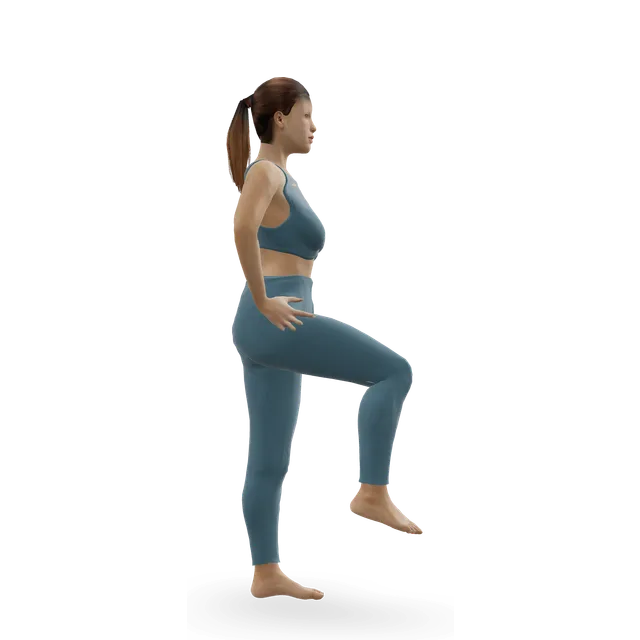
- Standing march3 minBeginner · Hip flexors, Abs, Glutes · 3D demoOr a brisk walkHarder: Standing band hip flexion
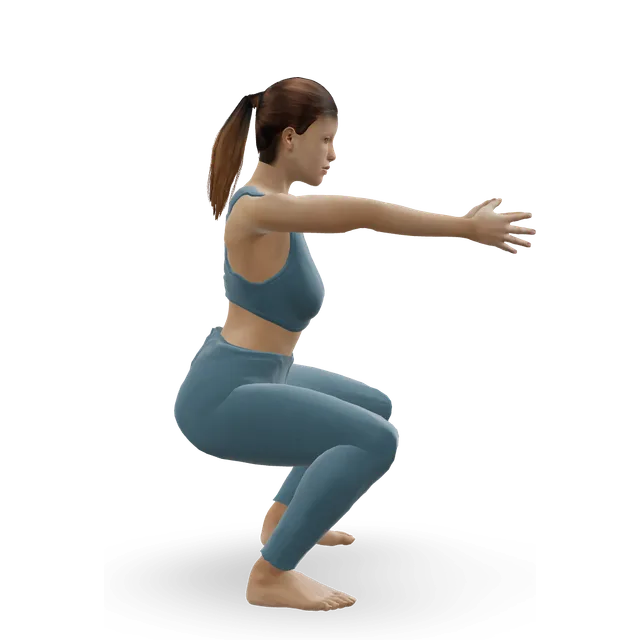
- Bodyweight squat10 repsBeginner · Quads, Glutes, Hamstrings · 3D demoEasier: Sit squat (partial squat)Harder: Dumbbell goblet squat
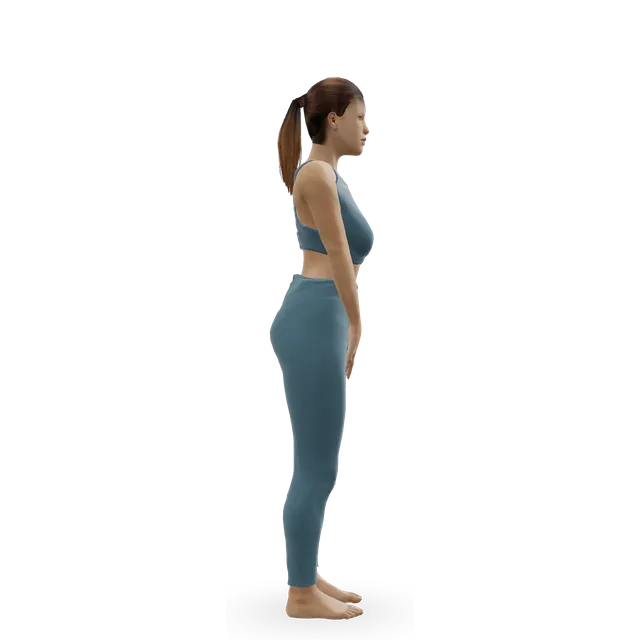
- Hip-hinge practice8 repsBeginner · Glutes, Hamstrings, Back · 3D demoHarder: Dumbbell Romanian deadlift
Impact
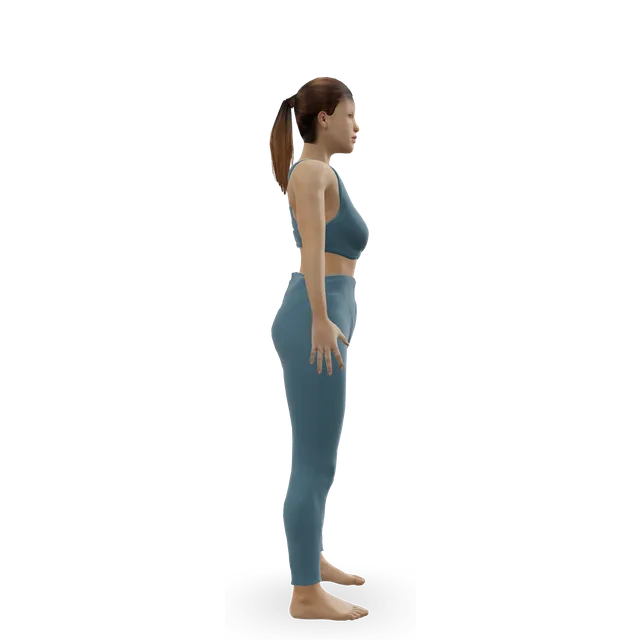
- Heel drop (impact for bone)3 to 5 sets of 10Beginner · Calves · 3D demoStart with 20 to 30 drops and build to about 50. With spinal fractures or several low-trauma fractures, skip this and walk briskly instead. Harder: ankle bounces, then skippingHarder: Forward cone hops
Power (optional)
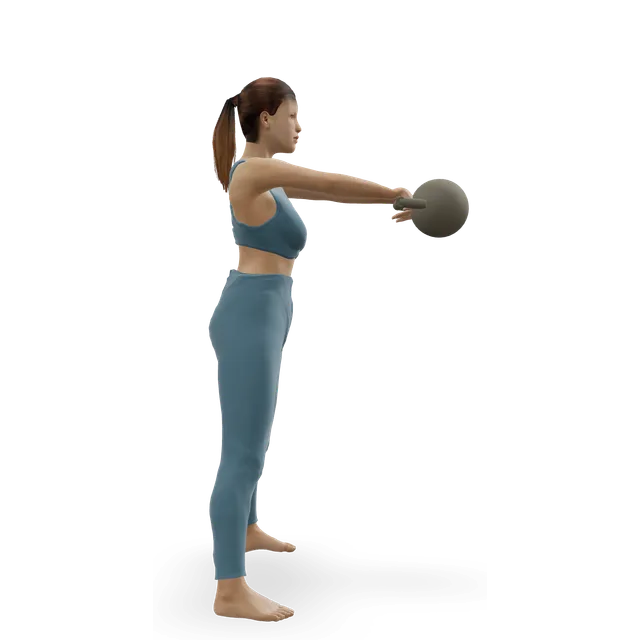
- Kettlebell swing3 sets of 6 to 8Intermediate · Glutes, Hamstrings, Back · 3D demoOnly with no fractures and confident technique: crisp and fast. Rest 90 sEasier: Cable pull-throughHarder: Kettlebell clean
Strength
Rest 2 to 3 min between sets
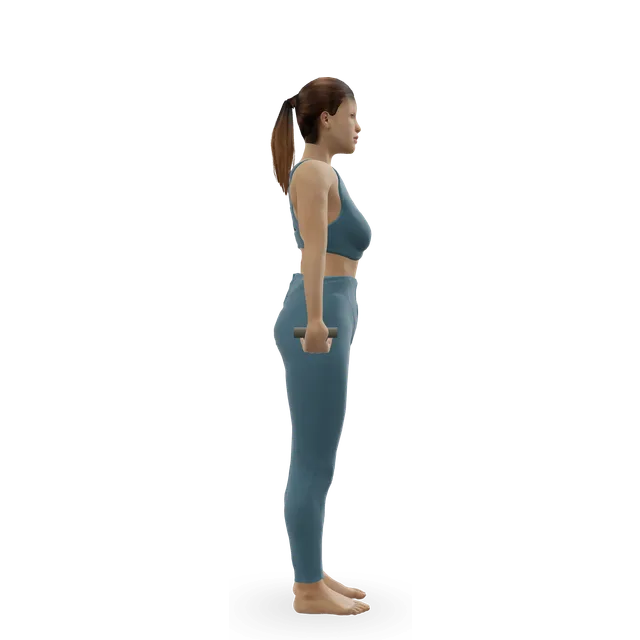
- Trap bar (hex bar) deadlift3 sets of 6 to 10Intermediate · Quads, Glutes, Hamstrings · 3D demo2 to 3 reps in reserve. Kettlebell or dumbbell deadlifts to startEasier: Dumbbell Romanian deadliftHarder: Sumo deadlift
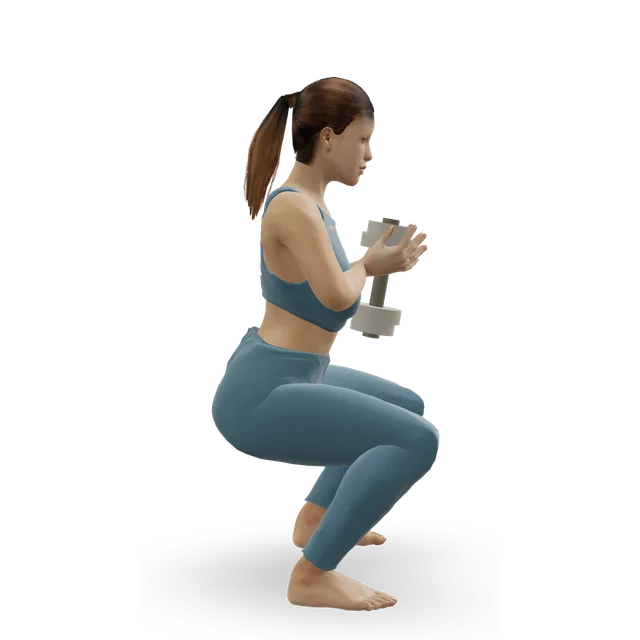
- Dumbbell goblet squat3 sets of 6 to 10Intermediate · Quads, Glutes, Abs · 3D demo2 to 3 reps in reserve. Sit-to-stands from a chair to startEasier: Bodyweight squatHarder: Back squat with bands
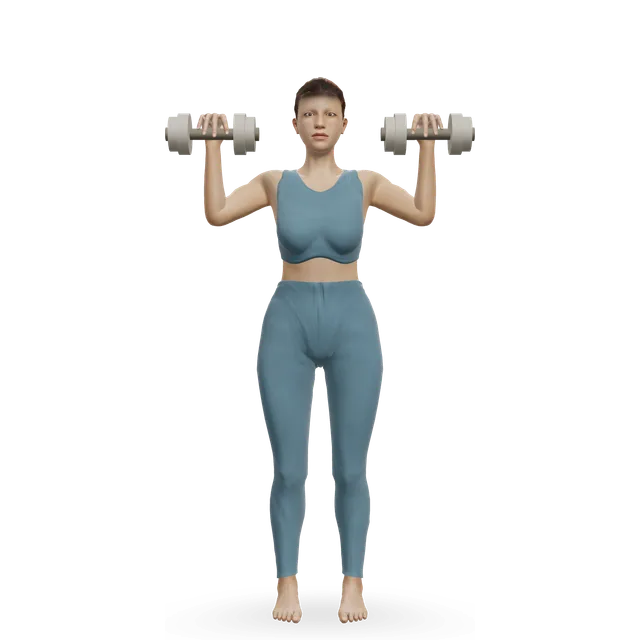
- Standing overhead press3 sets of 6 to 10Intermediate · Shoulders, Triceps, Back · 3D demoSeated if standing feels unsteadyEasier: Chest press machineHarder: Push press
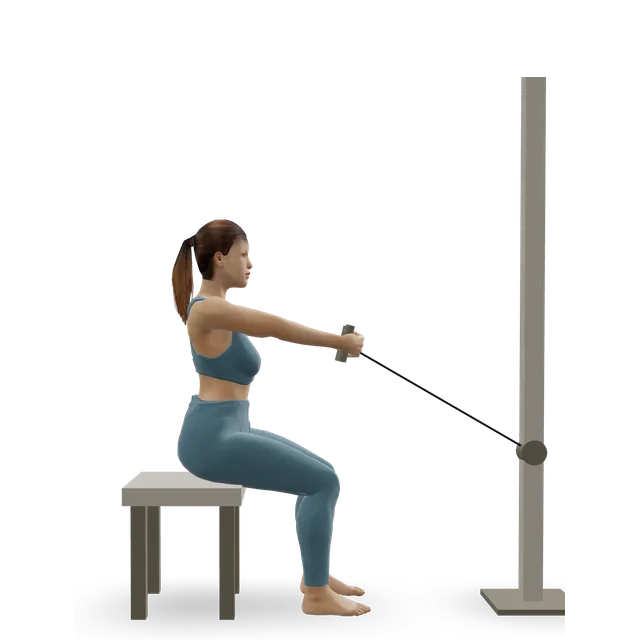
- Seated cable row3 sets of 6 to 10Beginner · Back, Biceps, Shoulders · 3D demoAt home: a dumbbell or band rowHarder: Supported single-arm dumbbell row
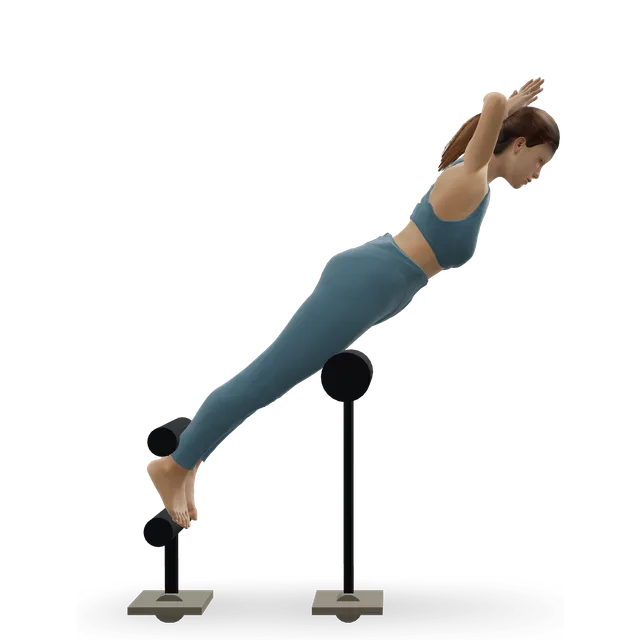
- Back extension on a 45-degree bench2 sets of 8 to 12Intermediate · Back, Glutes, Hamstrings · 3D demoSupermans on the floor to startEasier: Ball back extensionHarder: Horizontal back extension (hyperextension, Roman chair)
Balance
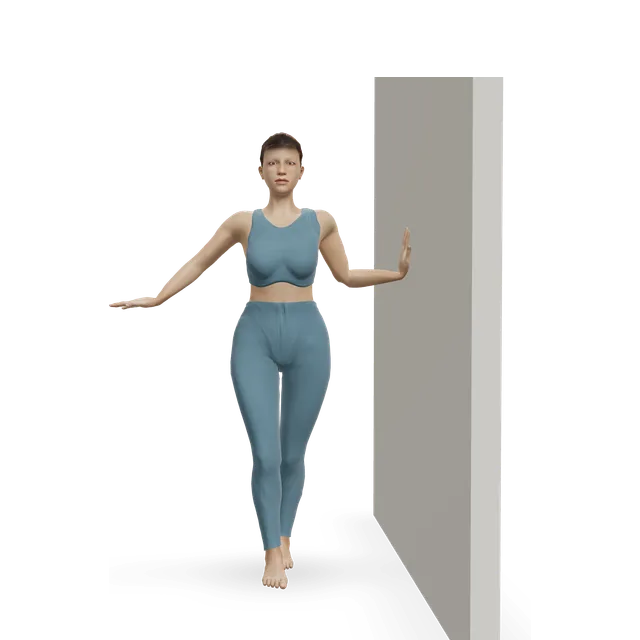
- Tandem stance and heel-to-toe walk2 × 10 stepsBeginner · Calves, Hip abductors · 3D demoNext to a counterHarder: Single-leg stand
Cool-down (optional)
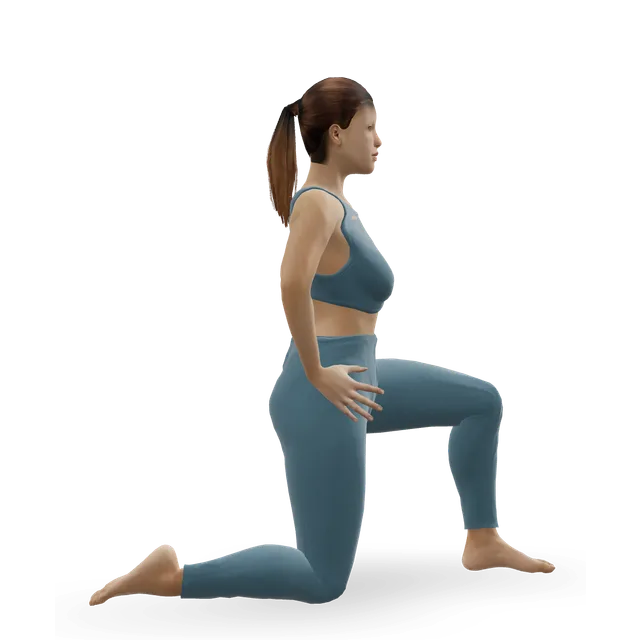
- Half-kneeling hip flexor stretch30 s each sideBeginner · Quads, Glutes · 3D demoHarder: Couch stretch
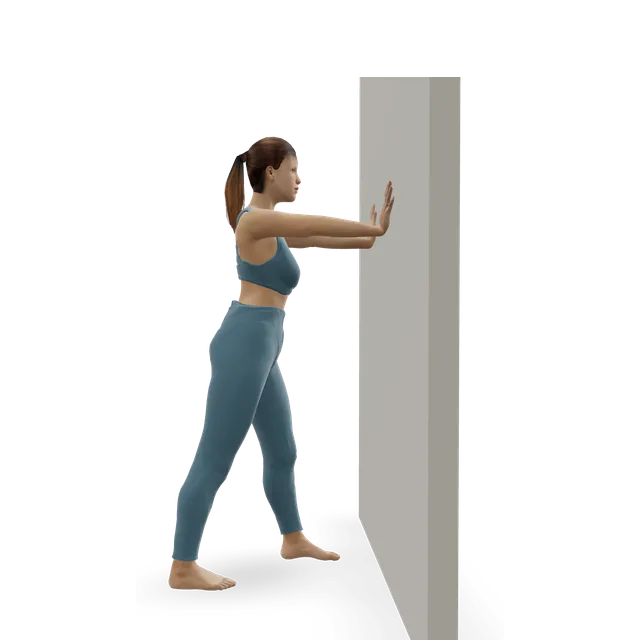
- Wall calf stretch (gastrocnemius)30 s each sideBeginner · Calves · 3D demoEasier: Seated calf stretch with a towelHarder: Peroneals Stretch
Tips
- Early on, choose weights you could lift about 8 to 12 times, and build up gradually over the weeks.
- No sit-ups or deep forward folds: the osteoporosis consensus notes spinal fractures linked to repeated or loaded end-range forward bending.
The doses are suggested starting points, not a prescription. Choose a range you can control and stop for sharp or increasing pain, numbness or tingling. Get individual advice after an injury or surgery, or if you are pregnant or managing a health condition.
Part of these weekly plans
Follow the whole week: which session on which day, and how to progress.
Find more moves like these
More gym workouts
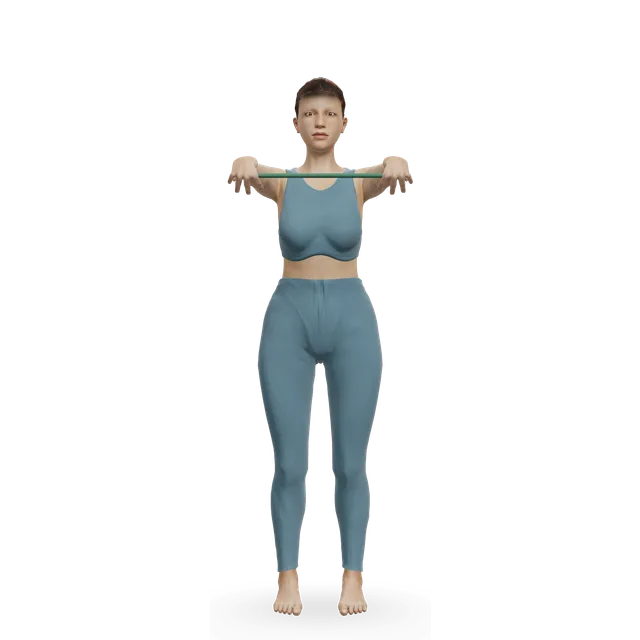
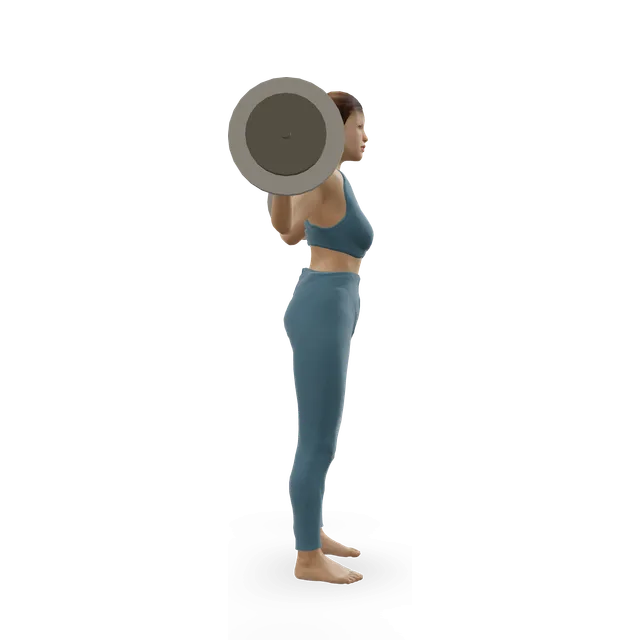
Barbell strength workout
A classic barbell strength session: back squat, bench press, rows, overhead press and deadlift.
50 minIntermediate8 movesA band, A barbell
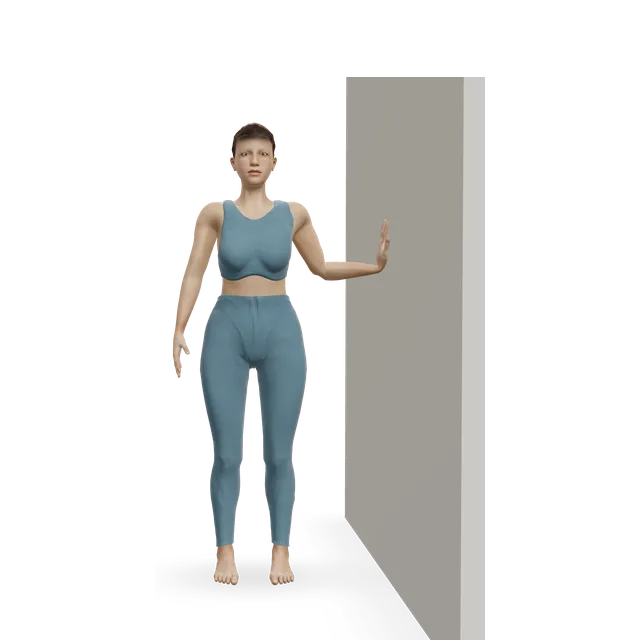
Leg day workout (gym)
A gym leg day: back squats, leg press, leg curls, Bulgarian split squats, leg extensions and calf raises.
55 minIntermediate9 movesA wall, A barbell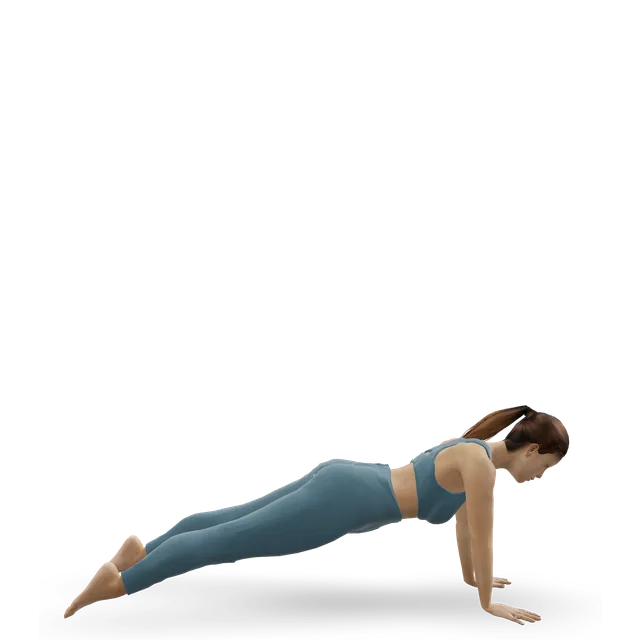
Chest workout (gym)
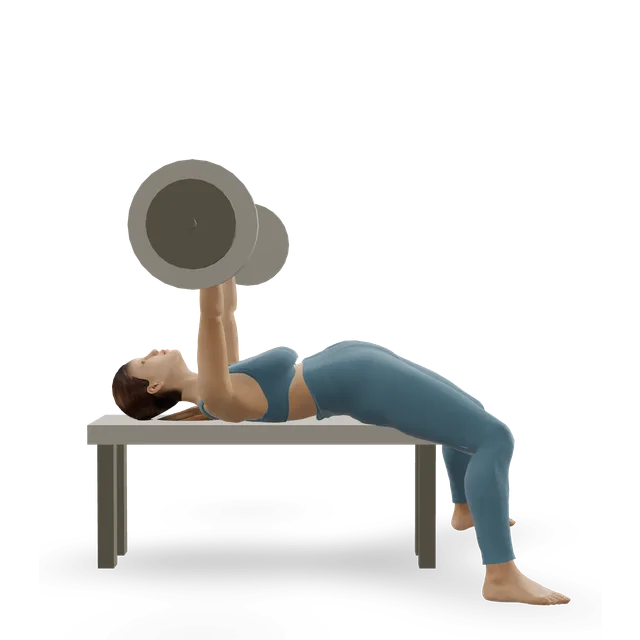
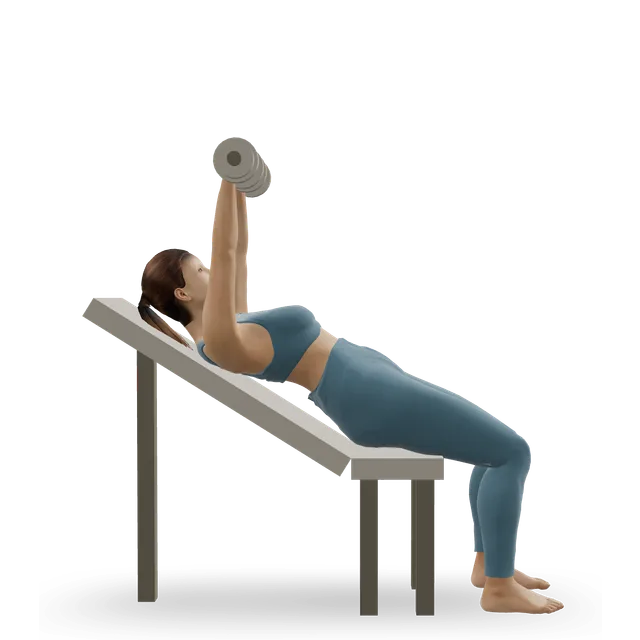
A gym chest workout: bench press, incline dumbbell press, cable flyes, dips and a push-up finisher.
45 minIntermediate7 movesA band, A barbellQuestions people ask
How long does the bone-strengthening workout take?
About 40 minutes, including any warm-up and cool-down listed. Shorten it by doing fewer rounds; lengthen it by adding one.
What equipment do I need?
You need: A kettlebell, Other / check instructions, A dumbbell, A barbell, A cable machine, A bench or box, A wall. Each move links to its guide, where you can find an alternative if you are missing something.
Is it suitable for beginners?
It is written for beginners. 7 of its 13 moves have an easier option listed beside them if you need one.
How do I make it easier or harder?
Use the easier or harder option listed under each move, change the number of rounds, or adjust the rest. Progress one change at a time.