3D demo
Heel walk
Strength · Shins
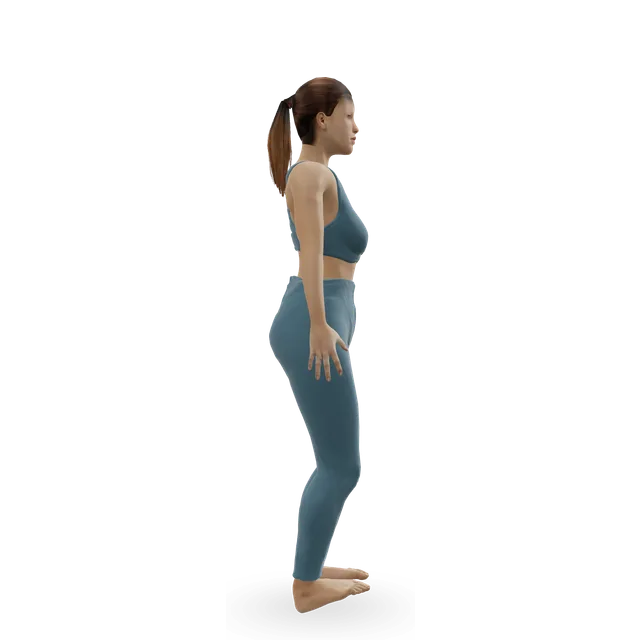
Loading the 3D figure…
The figure repeats the movement from its starting position. Drag to turn it; the arrows open the demos either side.
Walking on the heels with the toes lifted works the muscle along the front of the shin.
Shin strength family
Heel walk
Source-researched guide.
Form cues
- Keep the knees soft and the body upright.
- Shorten the distance if the shins cramp.
Practice and cautions
No universal dose is assigned. Choose a manageable amount for your current capacity, leave room for controlled repetitions, and allow recovery. A clinician’s individual plan takes priority.
This is movement education, not an assessment or treatment prescription. Stop for sharp or increasing pain, dizziness, numbness or tingling; seek individual guidance for symptoms, injury or restrictions.
Sources and review status
Sources support the educational description; they do not establish that this exercise is suitable for you.
No variation is labeled clinically validated.
What it works
Equipment
None: body weight and floor space.
Level
Beginner. See the easier and harder options above.
Workouts that use it
Pain guides that use it
Part of a staged plan, with when to get help first.
- Shin splints exercises: settle, strengthen, return to running
- High arches (pes cavus): foot pain, ankle sprains and when to get them checked
- Foot drop: when it's urgent, braces and stimulation, and exercises while the nerve recovers
- Toe walking in children: when it's normal, the signs to get checked, and what helps
- Pain on top of the foot: tight laces and tendons, a stress fracture, the midfoot, gout and nerves
- Shin pain: shin splints, a stress fracture, compartment syndrome and the muscles at the front
- Foot pain in children: heel pain, flat feet, growing feet and shoes, sport and the signs to check
- Shin pain on the treadmill: shin splints, a stress fracture, incline, stride and what helps
- Shin pain when hiking: shin splints, stress fractures, descents, boots and laces, and what helps
- Shin pain from jump rope: shin splints, stress fractures, floors, landings and what helps
Guides that use it
Similar moves
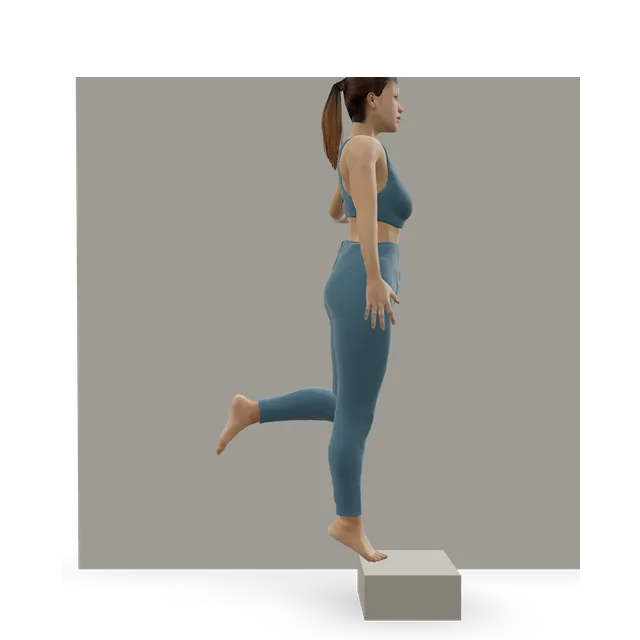
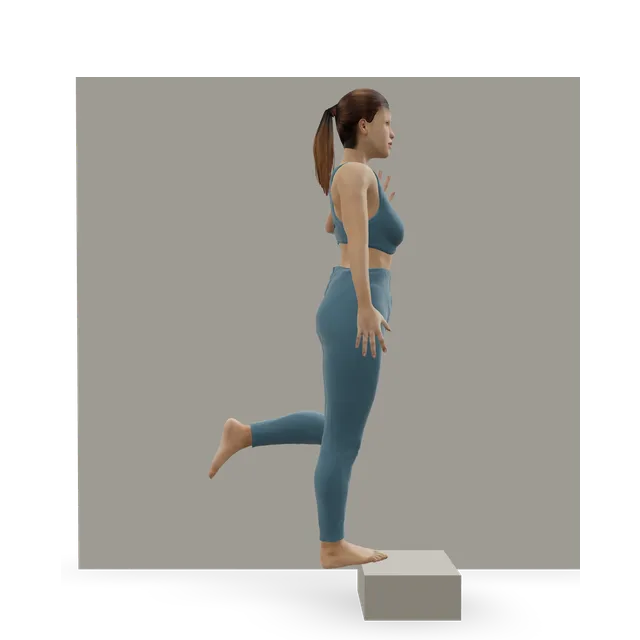
Browse more
Questions people ask
What muscles does the Heel walk work?
Mainly the shins.
What equipment do I need for the Heel walk?
No equipment: your body weight and a little floor space.
Is the Heel walk good for beginners?
It is graded beginner, so it suits most people starting out. When it feels easy, try the Single-leg tibialis raise.
What is an easier alternative to the Heel walk?
Try the Tibialis raise. Both are written steps in the same progression.
How do I make the Heel walk harder?
Progress to the Single-leg tibialis raise. Follow that guide’s technique and any stated timing.