Is exercise safe with haemophilia?
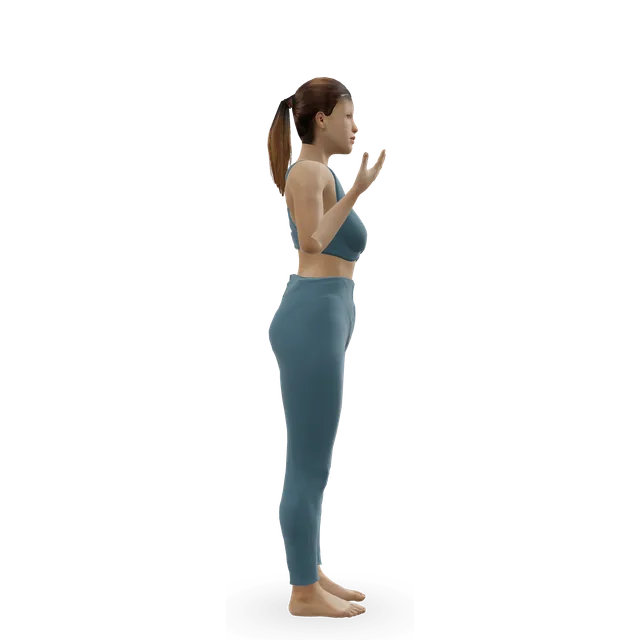
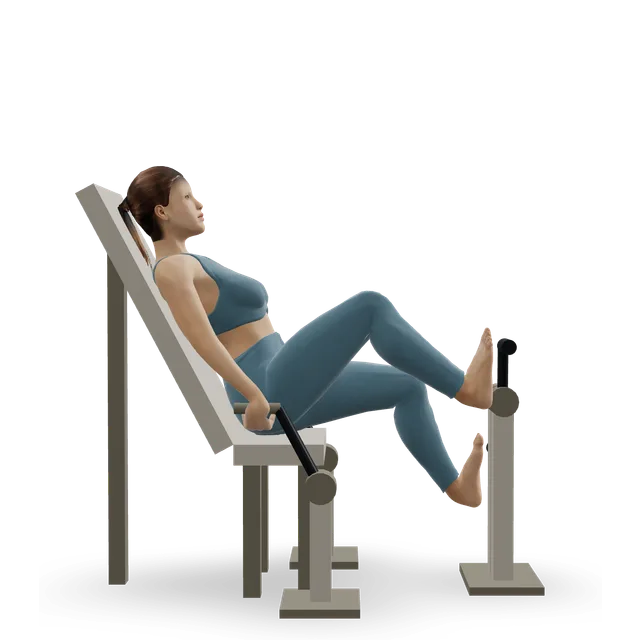
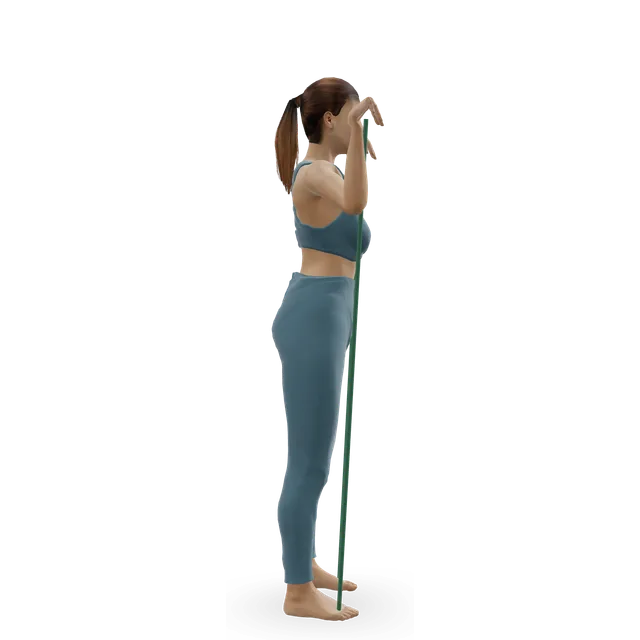
Yes, and it's recommended: the NHS says get regular exercise to keep your joints healthy, and a physiotherapist can help you choose. Strong muscles support your joints, and trials of exercise in haemophilia reported no harms. Talk to your haemophilia team before starting something new, especially after a long break.
What are the safest sports with haemophilia?
The World Federation of Hemophilia encourages non-contact sports such as swimming, walking, jogging, golf, badminton, archery, cycling, rowing, sailing and table tennis. A US booklet rates swimming, walking, golf, an exercise bike, an elliptical trainer and tai chi as low risk.
Can people with haemophilia play football or rugby?
The NHS says don't do contact sports such as rugby or boxing unless your haemophilia team has told you it's safe. The World Federation of Hemophilia advises against collision sports, including football, unless your treatment covers them and you understand the risks, while a US booklet rates football 2 to 3 on its 3-point scale. Your team and physiotherapist can help you weigh up a sport you love.
Should I take factor before exercise?
With standard factor, levels are highest after an injection, so the World Federation of Hemophilia suggests morning doses for daytime activity and a US booklet says time treatment soon before you're active. Some centres suggest treatment on the days you play sport. This is consensus advice and your team sets your doses, so don't change them yourself.
Does emicizumab change what I can do?
Emicizumab gives steady protection without the peaks and dips of factor, so there's no peak to time your activity around. It isn't used to treat a bleed, so breakthrough bleeds still need your treatment plan, and the advice on contact sports still applies.
Can I do weight training with haemophilia?
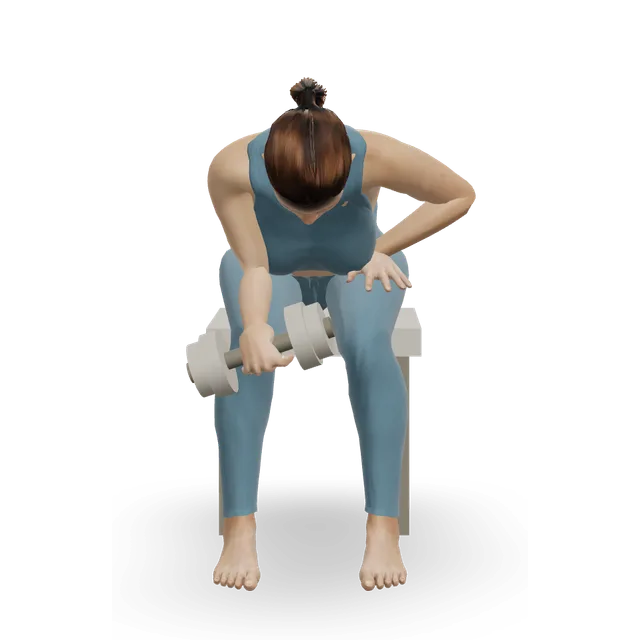
Yes, with care: strength training raised knee and elbow strength in studies, and a US booklet rates it low to moderate risk. Our suggestion: start light, build up slowly, avoid maximal lifts (powerlifting is rated high risk), and ask your centre about factor cover for harder sessions.
What should I do if I get a bleed during exercise?
Stop straight away, treat it with your usual medicine as soon as you can, then contact your haemophilia team, or NHS 111 if they're not available. Protection, rest, ice, compression and elevation can ease the pain but don't stop the bleed. Call 999 for a head injury, a serious injury or a sudden bad headache.
How can I tell a bleed from sore muscles?
A joint bleed often starts with tingling or a bubbling feeling and tightness, then swelling, warmth, pain and stiffness. The World Federation of Hemophilia's exercise booklet says check any new pain carefully, because it may be a bleed rather than tiredness, and the NHS says treat bleeding as soon as possible. If you're not sure, treat it and call your team.
When can I exercise again after a joint bleed?
After a hip, knee or ankle bleed, the World Federation of Hemophilia suggests keeping weight off the joint for about a week, with crutches, until its movement and strength are back. Then build up gradually with your physiotherapist, starting with gentle range and holding exercises.
What exercises help a target joint?
Gentle range of movement, holding exercises, then light strength and balance work, which is the order the World Federation of Hemophilia's exercise booklet uses. Braces or splints can protect a target joint during activity, and a physiotherapist should check new sports first.
Can I exercise with von Willebrand disease or if I'm a carrier?
Yes: the Haemophilia Society says swimming, cycling and walking work well. The NHS advises avoiding sports likely to cause injuries if your symptoms are more severe, and carriers can have bleeding symptoms too, so ask your haemophilia centre.
Can I take ibuprofen for sore muscles?
No: the NHS says don't take aspirin, ibuprofen or other anti-inflammatory painkillers with haemophilia, and check with your team before any new medicine. Paracetamol is usually used instead.