Strength at home
Haemophilia joint exercises: knees, ankles and elbows
This routine follows the World Federation of Hemophilia's exercise booklet, which arranges exercises for the knees, ankles and elbows from easiest to hardest; it hasn't been tested as a programme. Do it between bleeds, when your joints feel settled. After a bleed, your physiotherapist will tell you which exercises to restart with, and soon after a bleed two or three repetitions may be all you can manage. Stop for any new pain, and treat it and call your haemophilia team if you notice tingling, warmth or swelling in a joint or muscle.
Warm up
- Standing march3 to 5 minBeginner · Hip flexors, Abs, Glutes · 3D demoHolding a worktop or the back of a chair, or 5 minutes on an exercise bike instead. The Haemophilia Society suggests 5 to 10 minutes of gentle activityEasier: Seated marchHarder: Standing band hip flexion

Range of movement (the booklet's first level)
- Supine heel slide10 each legBeginner · Hip flexors, Hamstrings, Quads · 3D demoSlide your heel towards you, then straighten the knee fully. Go only as far as is comfortableHarder: Hip windshield wipers
- Ankle circles10 each way, each footBeginner · Calves, Shins · 3D demoMove your foot up and down and in and out, or draw the letters of the alphabet with your toesHarder: Ankle CARs (controlled articular rotations)
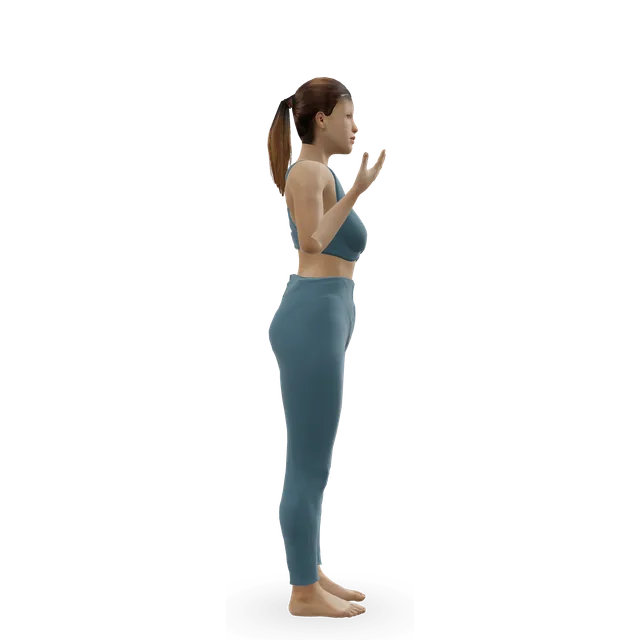
- Beginner · Biceps, Triceps, Forearms · 3D demoGently bend and straighten your elbow, trying to straighten a little more each timeHarder: Dumbbell biceps curl
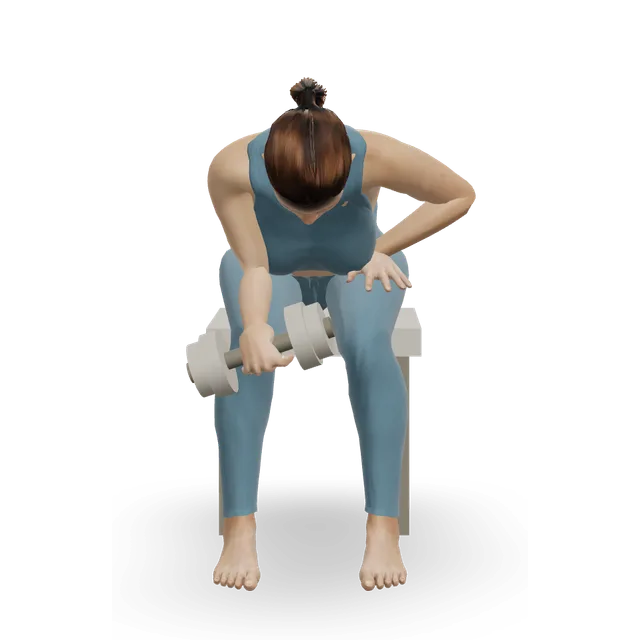
- Dumbbell forearm rotation10 each way, each armBeginner · Forearms · 3D demoNo weight at first: rest your forearm on your thigh and slowly turn your palm up, then downEasier: Wrist-extensor eccentricsHarder: Plate pinch


Holds and light strength
- Quad set (static quads)Hold 5 s, 5 to 10 each legBeginner · Quads · 3D demoTighten your thigh and press the back of your knee down. Stop sooner if the knee achesHarder: Straight-leg raise
- Seated knee extension (chair)Hold 3 to 5 s, 5 to 10 each legBeginner · Quads · 3D demoStraighten your knee and hold, then lower slowlyEasier: Quad set (static quads)Harder: Leg extension
- Tibialis raiseHold 3 s, 10 timesBeginner · Shins · 3D demoLift the fronts of your feet, keeping your heels down, with your back near a wallHarder: Single-leg tibialis raise
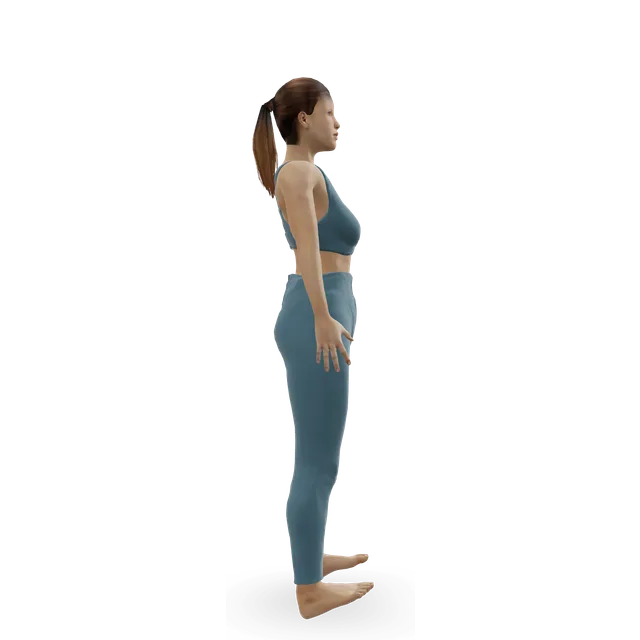
- Beginner · Calves · 3D demoRise onto your toes and lower slowly, holding a supportEasier: Seated bent-knee calf raise (soleus raise)Harder: Standing dumbbell calf raise



Knee strength (only if pain-free)
- Sit to stand from a chair5 to 10Beginner · Quads, Glutes, Hamstrings · 3D demoStand up and sit down slowly, only as low as is comfortable. Use your hands if you need toEasier: Sit to stand, pushing on the thighsHarder: Bodyweight squat
- Low step-up5 each legBeginner · Quads, Glutes, Hamstrings · 3D demoHolding a rail. Skip it if the ankle on that side is sore: the booklet says think about your other jointsHarder: Step-up


Balance
- Single-leg standUp to 30 s each legBeginner · Hip abductors, Calves, Glutes · 3D demoNext to a wall or worktop, holding on at first. When it's easy, try it with your eyes closed, still within reach of supportEasier: Tandem stance and heel-to-toe walkHarder: Single-leg reach matrix
- Tandem stance and heel-to-toe walk10 steps, twiceBeginner · Calves, Hip abductors · 3D demoBeside a wall, placing one heel just in front of the other toesEasier: Semi-tandem stanceHarder: Single-leg stand


Cool down
- Beginner · 3D demoSitting comfortablyEasier: Breath reachHarder: Crocodile breathing (prone diaphragmatic breathing)


Tips
- Most days is a good aim. If you use standard factor, the hours after a dose are a good time; ask your team.
- No gain with pain: stop the session for any new pain, and if you notice tingling, a bubbling feeling, warmth or swelling, treat it and call your haemophilia team.
- Discomfort usually means you've done enough for that session. Soon after a bleed, do the range moves only, as your physiotherapist advises.
- Think about your other joints: if a knee exercise hurts a damaged ankle, choose the seated version instead.
- When it all feels easy, ask your physiotherapist about the next levels, such as calf raises on one leg (the booklet's goal is 25 to 30) and longer balance holds with your eyes closed.
- Call 999 for a head injury, a serious injury or a sudden bad headache, and treat any bleeding first if you can.
The doses are suggested starting points, not a prescription. Choose a range you can control and stop for sharp or increasing pain, numbness or tingling. Get individual advice after an injury or surgery, or if you are pregnant or managing a health condition.
Guides that recommend it
Find more moves like these
More strength at home




Beginner bodyweight workout
A 20-minute full-body workout with no equipment: squats, knee push-ups, bridges, lunges and planks.
20 minBeginner10 movesNo equipment


Full-body bodyweight workout
An intermediate no-equipment workout: push-ups, split squats, single-leg bridges, pike push-ups and core work.
30 minIntermediate11 movesNo equipment


Full-body dumbbell workout
A 35-minute full-body strength workout with dumbbells: goblet squats, presses, rows, Romanian deadlifts and carries.
35 minIntermediate9 movesA band, A dumbbellQuestions people ask
How long does the haemophilia joint exercises: knees, ankles and elbows take?
About 20 minutes, including any warm-up and cool-down listed. Shorten it by doing fewer rounds; lengthen it by adding one.
What equipment do I need?
You need: A dumbbell, A bench or box, Something with weight, A wall, A step. Each move links to its guide, where you can find an alternative if you are missing something.
Is it suitable for beginners?
It is written for beginners. 8 of its 15 moves have an easier option listed beside them if you need one.
How do I make it easier or harder?
Use the easier or harder option listed under each move, change the number of rounds, or adjust the rest. Progress one change at a time.