Three styles, short bouts
Freestyle and Greco-Roman, which bans holds below the belt and using the legs, are the Olympic styles; women wrestle freestyle. Senior international bouts are two periods of 3 minutes, and a US college match is 7 minutes.
Sport
Wrestling is short, intense bouts of pushing, pulling, lifting and scrambling, in freestyle and Greco-Roman under United World Wrestling and British Wrestling, and in folkstyle in US schools and colleges. It asks for strong legs and hips, a strong grip and back, a strong neck and a high work rate, and it brings three problems of its own: making weight, skin infections and ears.
This guide covers what wrestling asks of your body, the injuries that happen and the rules that protect wrestlers, from weigh-ins and skin checks to concussion, with each governing body's rules in its own words. It gives no weight-cutting methods: wrestlers have died making weight, and the rules exist to stop that. There are two workouts with 3D demos, for strength and for conditioning, and a warm-up built on Wrestling+, the one wrestling warm-up tested in a trial. We're not connected with any governing body.
Freestyle and Greco-Roman, which bans holds below the belt and using the legs, are the Olympic styles; women wrestle freestyle. Senior international bouts are two periods of 3 minutes, and a US college match is 7 minutes.
US college wrestlers were hurt about four times as often as high-school wrestlers, and matches about four times as often as practice. The knee, shoulder, head and face are hurt most, and concussion is the commonest single injury in college.
In 1997 three US college wrestlers died while cutting weight in sweat suits in the heat. US college rules now set a minimum weight, slow the rate of loss and ban saunas, sweat suits and diuretics, and British Wrestling groups under-15s so that there's no need to cut. This page gives the rules, not cutting methods.
Wrestling accounted for nearly three-quarters of skin infections in US high-school athletes. Shower straight after training, check your skin, and don't wrestle with a sore or rash: covering a contagious lesion isn't allowed.
College wrestlers wearing headgear had about half as many ear haematomas, the blood collections that become cauliflower ear. Headgear doesn't prevent concussion.
Wrestling+, a 20-minute partner warm-up done at least twice a week, found fewer injuries in one trial in young freestyle wrestlers. Our warm-up follows its structure.
United World Wrestling's (UWW) rules, January 2026: in Greco-Roman it's forbidden to grasp the opponent below the belt or use the legs; freestyle bans a scissor lock with crossed feet on the head, neck or body; and women's wrestling bans all double Nelsons. Bouts are two periods of 3 minutes with a 30-second break for under-20s, under-23s and seniors, and two of 2 minutes for under-15s, under-17s and veterans, with at least 20 minutes between bouts. US college folkstyle matches are 7 minutes, in periods of 3, 2 and 2.
In 12 elite Greco-Roman wrestlers in a simulated one-day tournament of five bouts, heart rate averaged about 85% of maximum and blood lactate rose above 17 mmol/L. Performance fell across the day, more in the upper body, and markers of muscle damage and inflammation rose.
Source 14
Elite wrestlers had 8% to 25% greater maximal strength and 14% to 30% more muscle power than amateurs in the same weight classes, with stronger grips and backs, while running speed didn't differ; the same held in women. In 168 elite wrestlers, anaerobic power, strength endurance, reaction time and wrestling-specific fitness best separated medal winners from the rest. These are associations.
Elite Greco-Roman wrestlers' neck rotation strength was almost three times that of non-athletes, though every group had weaknesses in some directions.
Source 19
The Compendium of Physical Activities lists competitive wrestling at 6.0 metabolic equivalents (METs), an estimated value rather than a measured one.
Source 20
Leg and hip strength and power for shots and lifts, pulling strength and grip for hand-fighting, a strong neck and trunk, and repeated hard efforts with short recoveries.
Most figures are per 1,000 athlete-exposures, one exposure being one wrestler in one practice or match. Studies counting injuries per 100 athletes or per minute of wrestling aren't comparable with them.
The numbers, by group:
The knee was 21.4% of college injuries. In one college team over 6 years, knee injuries were about 40 times as common in matches as in practice, mostly bursitis in front of the kneecap, collateral ligament sprains and meniscus tears, and a previous knee injury and early-season matches raised the risk. After ACL reconstruction, 80% of 107 wrestlers returned to wrestling and 13% of the grafts failed. Our MCL sprain, meniscus tear, ACL and knee bursitis guides cover these.
Shoulder and elbow injuries were about a fifth of wrestling injuries in a 2026 review: rotator cuff and AC joint injuries, shoulders coming out of place and elbow ligament injuries. Our dislocated shoulder, AC joint, rotator cuff and elbow dislocation guides cover these.
Concussion was the commonest specific injury in US college wrestlers, and the head and face were 21.4% of high-school match injuries. In 73 adolescent wrestlers, most concussions happened in matches and during takedowns, and hitting the head on the mat was the commonest cause. Emergency visits for wrestling concussions peaked at 15 and 16 years of age. The concussion section below has each body's rules.
In US college wrestlers, spine injuries ran at 0.71 per 1,000 athlete-exposures, and the commonest was a brachial plexus injury, the burning "stinger" down one arm, at 20%. Our stingers guide covers the warning signs and the checks before wrestling again, and our neck pain and pinched nerve in the neck guides cover other neck problems.
Source 32
US school and college records from 1982 to 2025 list 83 catastrophic injuries from impacts in high-school boys' wrestling: 3 deaths, 45 with permanent disability and 31 serious with recovery. Wrestling had the third-highest rate of catastrophic head and neck injury among non-football school and college sports. In an earlier series, 74% happened to the defending wrestler during a takedown, and in Iran, wrong technique, poor coach supervision and mat problems were the commonest suggested causes.
Cauliflower ear affected 44% of 411 wrestlers in Tehran and 69% of 1,338 former wrestlers surveyed, and 96% of Finnish wrestlers and judoka with it had symptoms, usually pain. We don't have a guide to cauliflower ear; the ears section below covers prevention.
Wrestling accounted for 73.6% of skin infections reported in US high-school athletes. In US college men they ran at 14.23 per 10,000 athlete-exposures, about a fifth were repeat infections, and most came in team outbreaks. MRSA, a bacterium resistant to some antibiotics, was more common in wrestlers than in other athletes. The skin section below covers them.
Emergency visits for girls' and women's wrestling injuries in the US rose between 2005 and 2019, half of them aged 14 to 18; they had fewer fractures and head or neck injuries than males and more sprains and strains. Youth wrestling injuries seen in US emergency departments fell over 10 years. Elite wrestlers who specialised before 12 had more serious injuries before college.
One warm-up has been tested in a trial. Most measures here are governing-body rules, whose effect on injuries hasn't been measured, or associations.
Wrestling+ has three parts and 14 exercises in a set order, about 20 minutes, done at least twice a week under a coach's eye: running with shoulder rotations, grips, partner pulling, shoving, partner neck work and a supported bridge; then shoving, pulling, one-leg balance, pushing with raised legs and push-ups with the feet held, each with three levels; then one-leg balance, standing wrestling and pushing. Wrestlers move up a level when an exercise is easy, or all together after 3 to 4 weeks.
In one trial, 80 freestyle cadets aged 16 to 17 in Iran did Wrestling+ or their usual warm-up for a season of 24 weeks, and the Wrestling+ group had fewer injuries. The paper describes its allocation both as random and as by group, the wrestlers were a convenience sample, and some of its figures don't add up, so treat it as a first result.
US college rules ban all body slams, choke holds and over-scissors; US high-school rules (2026-27) make any hold that presses on the throat or carotid artery illegal, and in 2025 added leaving the feet to cut out an opponent's leg to the banned leg-block move; UWW bans throat holds, holds on the head alone and holds that stretch the spine, and double Nelsons for under-15s and under-17s. Coach supervision, sound technique and good mats were the commonest suggested protections against catastrophic injury in Iran.
In college wrestlers, 26% of those wearing headgear had an ear haematoma against 52% without, though only about a third wore it all the time in practice. Ringside physicians back headguards to protect ears, not to prevent concussion. US college rules require ear guards whenever there's live wrestling, including practice; UWW allows soft ear protectors without a hard buckle.
British Wrestling: shower straight away after every practice or match, check your face, neck, hairline and arms, and don't go to the club with a lesion or tape over it and carry on. A strict hygiene protocol cut ringworm cases from 10 to 1 in a college team, while a barrier cream added nothing, and disinfectants that keep working on the mat cut its bacteria during competitions.
UWW's concussion policy recommends neck strengthening, but a review found no studies linking neck strength to fewer neck injuries in wrestling. Train the neck with controlled holds as part of strength work, not as protection against concussion (our reading).
British Wrestling groups under-15s by weight on the day, within 10% of the lightest wrestler, so there are no fixed classes to cut for, and UWW bans double Nelsons for under-15s and under-17s. The Wrestling+ authors name poor supervision, horseplay and mismatched partners as likely risks, and specialising before 12 went with more serious injuries.
Without good evidence in wrestling:
Elite wrestlers are stronger and more powerful than amateurs, and reviews link maximal, explosive and endurance strength with success. In 20 young amateur wrestlers, 6 weeks of resistance training with jumps or with fast lifts, 3 times a week in the preseason, improved strength and wrestling tasks equally; in national-level wrestlers, pairing heavy lifts with jumps improved strength and explosiveness over 8 weeks.
In 15 trained wrestlers, adding 6 maximal 35 m sprints with 10 seconds' recovery, twice a week for 4 weeks of preseason training, raised their maximal oxygen uptake by 5.4% and their sprint power on a bike test. Our conditioning workout uses that set as published.
Source 58
In 20 junior Greco-Roman wrestlers, 4 weeks of core-specific training improved bridges and medicine-ball throws more than usual training.
Source 55
Our grip strength guide reports a trial in which extra handgrip training twice a week helped young wrestlers over 4 months. Elite wrestlers have strong necks, and UWW recommends neck strengthening; our strength workout includes both.
A review of US wrestling concludes that wrestlers should arrive tapered, well hydrated and well fed with carbohydrate, rather than after rapid weight loss. Cut training volume in the last week while keeping some short, sharp work (our suggestion).
Source 59
In season: 2 strength sessions a week on days without hard live wrestling, keeping lifting and hard mat sessions at least 3 hours apart, and the Wrestling+-style warm-up before practices. Preseason: add the conditioning session twice a week for 4 weeks, as in the sprint trial. Off season: heavier strength work and other sports.
Source 58
This section gives each governing body's rules and no other weight-loss numbers. If you're worried about eating, weight or shape, our eating disorders guide has help, including Beat's helplines.
Between November and December 1997, three previously healthy US college wrestlers died during rapid weight loss before weigh-ins: they restricted food and fluid and exercised hard in sweat suits under cotton warm-ups, in hot conditions. The American College of Sports Medicine had already called for rules to limit weight loss in 1996. The US college programme that followed aims to set weigh-ins as close to the match as possible, set a healthy weight class early in the season, and "Eliminate the tools used to accomplish rapid dehydration". US catastrophic injury researchers still warn that losing weight to make weight can cause serious injury or death.
The National Collegiate Athletic Association's (NCAA) rules for 2025 to 2027:
The National Federation of State High School Associations (NFHS) raised girls' minimum body fat from 12% to 19% for 2026-27, saying it "establishes a safer margin for minimal wrestling weight"; boys' minimum is 7%, and a lower figure needs a medical release. Each state association runs its own weight programme, with hydration testing and a limit on weekly loss.
International weigh-ins happen on the morning of each weight category, together with a medical check, and finalists weigh in again the next morning. No allowance is made for the singlet, and wrestlers who miss the weight are eliminated.
Source 1
British Wrestling uses a 10% rule for under-15s: wrestlers are grouped on the day within 10% of the lightest, so there are "no fixed body weight classes to cut for" and "no need to cut weight". It says forcing children to cut weight can be a form of abuse, that "restricting a child's food or liquid intake is neglect and a form of child abuse", and that diuretics risk an anti-doping ban.
Source 6
After the NCAA programme, national championship wrestlers lost and regained less weight around weigh-ins, and the authors judged it effective in reducing unhealthy weight cutting. At one university, weight loss became more gradual in the programme's second year, and a 16-year survey of college injuries found practice injury rates didn't rise, which its authors thought might reflect the rules. A minimum weight programme in Wisconsin high schools reduced the weight wrestlers lost, weekly weight cycling and fasting. A review: minimum weights and shorter gaps between weigh-in and wrestling work to a degree, but unsafe practices continue.
72% of 2,532 Michigan high-school wrestlers used at least one potentially harmful method each week, and 69% of 229 wrestlers at a World Championship had cut weight to compete, with coaches the main influence. Rapid weight loss raised markers of kidney strain, and a review linked weight cutting with poor sleep, fatigue and more injuries. Wrestlers are more prone to eating disorders than athletes in other sports.
Studies of US college women and high-school girls found the old minimum body fat was below almost every wrestler's, and their authors argued for a higher one; the NCAA and NFHS raised it. A review links low energy availability and low body fat with missed periods and bone loss, and recommends avoiding weight cycling, restrictive eating and deliberate dehydration.
An American College of Sports Medicine expert consensus: minimum weights set from preseason body composition, shorter gaps between weigh-in and competition, and bans on unhealthy methods, with a sports nutrition professional's guidance for each athlete. The National Athletic Trainers' Association's position statement covers safe weight management in sport.
Wrestle at a weight you can make with ordinary eating and training, and talk to your coach, and a sports dietitian if you can, about choosing a weight class (editorial, as on our boxing and martial arts pages). Never train in sweat suits or hot rooms to lose weight. If eating, weight or shape worries you, Beat's helplines are open 3pm to 8pm, Monday to Friday: 0808 801 0677 (England), 0808 801 0432 (Scotland), 0808 801 0433 (Wales) and 0808 801 0434 (Northern Ireland).
Source 82
The commonest are herpes gladiatorum (the cold sore virus spread on the mat), bacterial infections such as impetigo, boils and MRSA, and ringworm (tinea), found in about a third of wrestlers across 13 studies. Molluscum, scabies and head lice spread by contact too.
At a US high-school wrestling camp, 34% of wrestlers caught it, mostly on the head. In outbreaks in Minnesota, partners caught it about a third of the time, mostly on the head, face and neck, the areas in contact; in 2007, an 8-day break from competition contained an outbreak in over 90% of exposed wrestlers. The NHS says to see a GP if a cold sore hasn't started to heal within 10 days, or if you have a weakened immune system.
In a Pennsylvania survey, 84.7% of responding schools had a wrestler with ringworm. The NHS: ringworm spreads by close contact and shared towels, so treat it early and don't share towels; impetigo stops being contagious 48 hours after starting treatment, and until then don't go to the gym or play contact sports.
British Wrestling: shower as soon as possible after every practice or match, check your skin, and with a lesion don't go to the club or cover it with tape and carry on; you can return when it's no longer contagious, usually dry and scabbed over, and in competitions you must pass the skin check at weigh-in. UWW's rules oblige its doctors to eliminate any wrestler who presents a danger of contagious disease, and British Wrestling's medical checks before weigh-in bar wrestlers with open or infected wounds or an infectious disease.
"Covering a communicable condition shall not be considered acceptable and does not make the wrestler eligible to participate." A suspected skin condition needs a written note from a health professional at weigh-in. The minimum treatment before returning:
Source 8
A doctor or certified athletic trainer checks every wrestler's skin no more than 15 minutes before weigh-ins, and a communicable skin disease counts as a medical forfeit. The NCAA's guidance, revised in 2019, says skin infections are at least 21% of practice injuries and illnesses, that active herpes and pus-filled lesions can't be covered to wrestle, and that ringworm under prescribed treatment may be covered if it's in a place that can be covered securely.
Source 2
At two college competitions, disinfectants that keep working on the mat cut bacteria by 63% over the day compared with ones that don't, and ringworm fungus was found in about 5% of mat samples across studies. Clean mats after every session (our suggestion).
At a 28-day camp, daily antiviral tablets went with far fewer herpes outbreaks, and in a small trial an antifungal cut ringworm. The NCAA says wrestlers with recurrent herpes could be considered for season-long preventive treatment after talking to the team doctor. Ask your GP or team doctor; don't take someone else's medicine.
A blow or rubbing collects blood under the skin of the ear, and if it isn't drained it hardens. In Tehran, only 23% of wrestlers with cauliflower ear had had their ear haematomas treated, and those with cauliflower ear more often reported hearing loss (11.5% against 1.8%); 76% of affected Finnish athletes had been treated by people who weren't health professionals.
Ear guards about halved ear haematomas in college wrestlers. Wear them for all live wrestling, as US college rules require; UWW allows soft ear protectors without a hard buckle. Headguards haven't been shown to prevent concussion.
Get it seen the same day, so the blood can be drained and the ear kept under pressure, as our martial arts page explains.
UWW's concussion policy, which British Wrestling publishes:
A wrestler with a suspected concussion is removed, can't return that day, and doesn't return until cleared by an appropriate health care professional. Officials are told: "When in doubt, call an injury timeout."
Source 2
The UK guidelines for grassroots sport: if in doubt, sit them out; get an assessment within 24 hours, from a healthcare professional or NHS 111; follow a graduated return; and no competition before day 21. Our concussion guide explains the stages.
Source 98
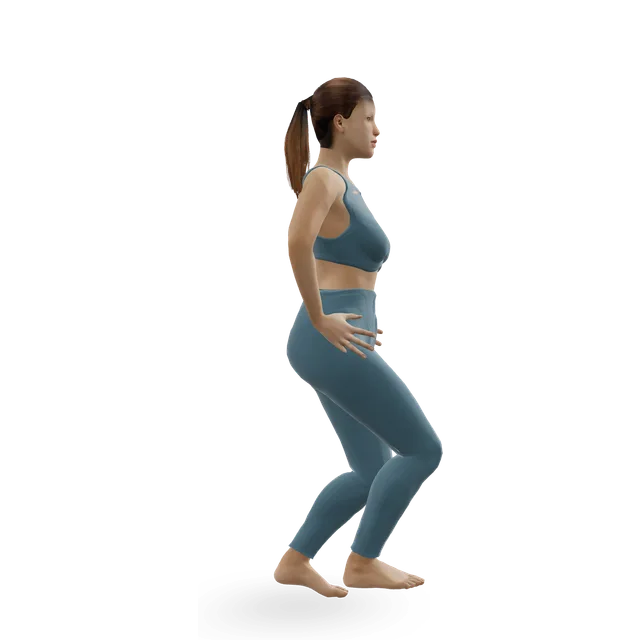
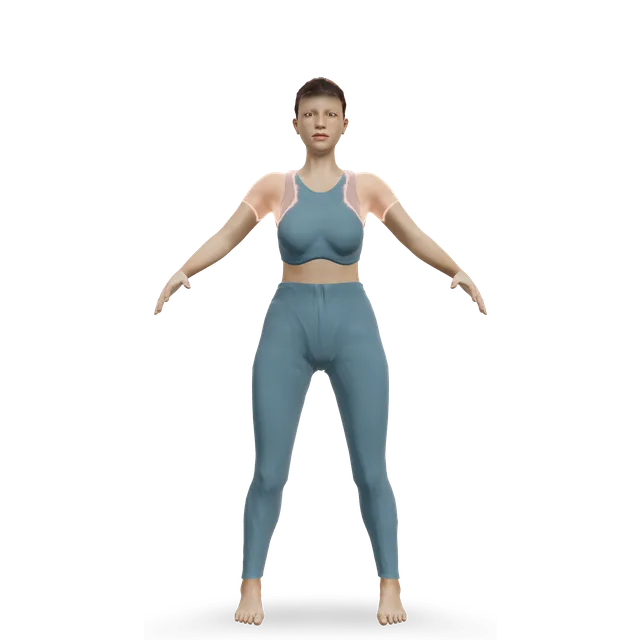
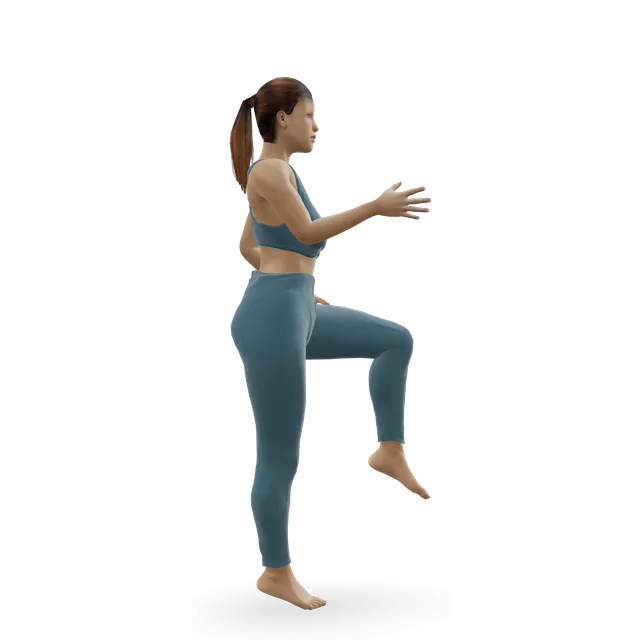
Built on Wrestling+, the warm-up tested in one trial in young wrestlers, which is done with a partner. This solo version follows its structure and timings where the moves match; the neck dose, the sprawls and the swaps for its partner drills are editorial, and the bridge, side plank and hop doses come from the site's martial arts warm-up.
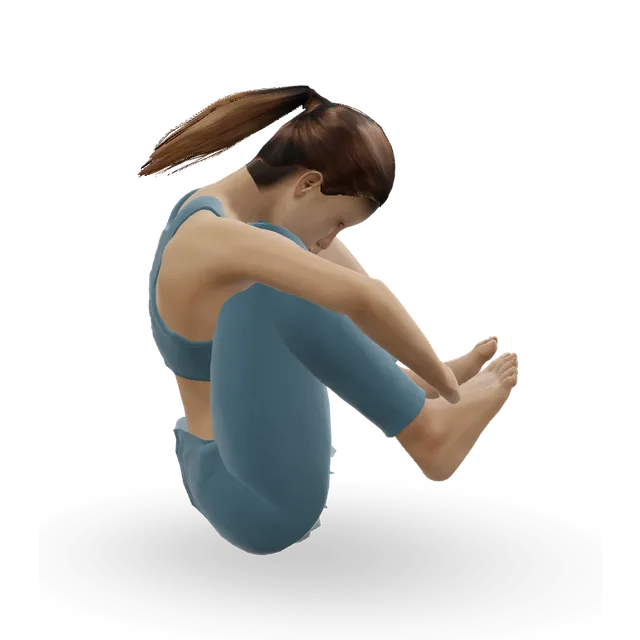
Loading the 3D figure…
The movement on the figure: Burpee
Legs and hips for shots and lifts, pulling and grip, the neck and trunk, and mat conditioning, each with a 3D demo.
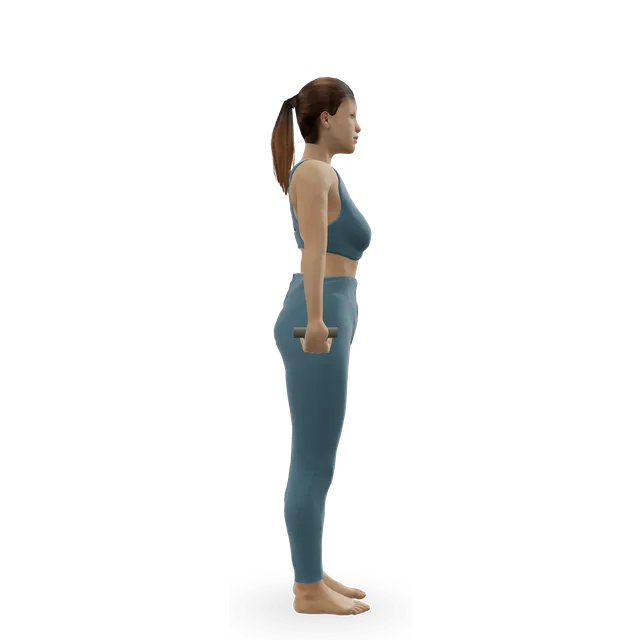 3D demoTrap bar (hex bar) deadliftIntermediate · Other / check instructions
 3D demoSplit squatIntermediate · No equipment
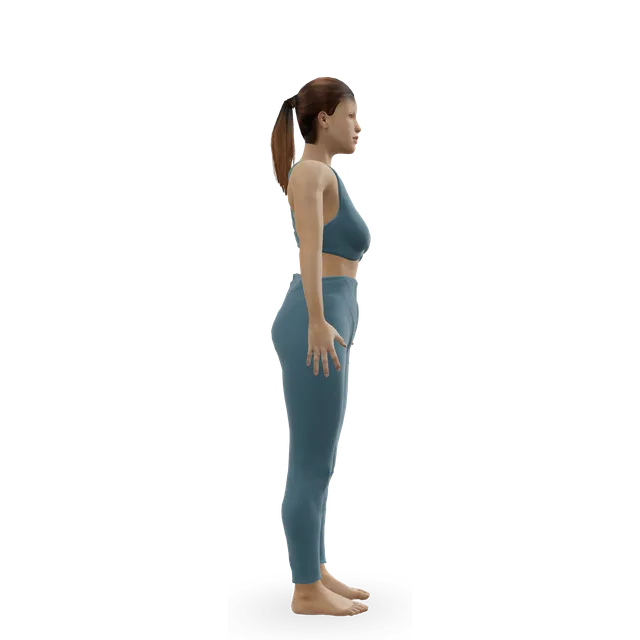 3D demoJump squatIntermediate · No equipment
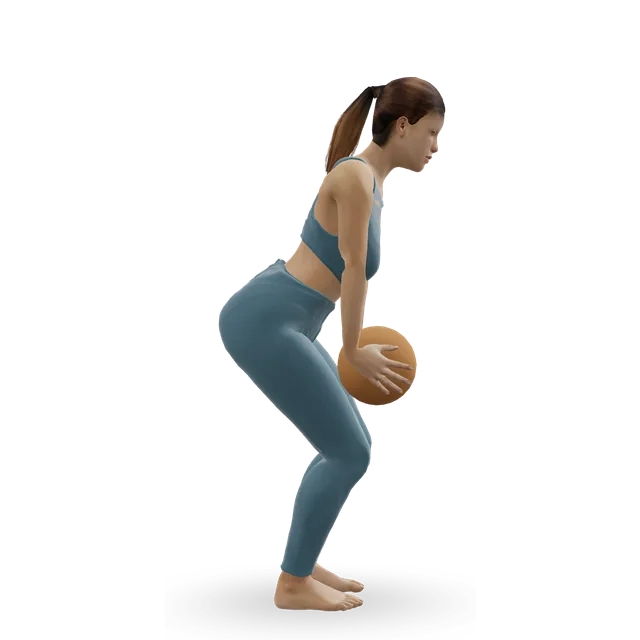 3D demoMedicine-ball scoop throw (backward overhead throw)Beginner · Medicine ball
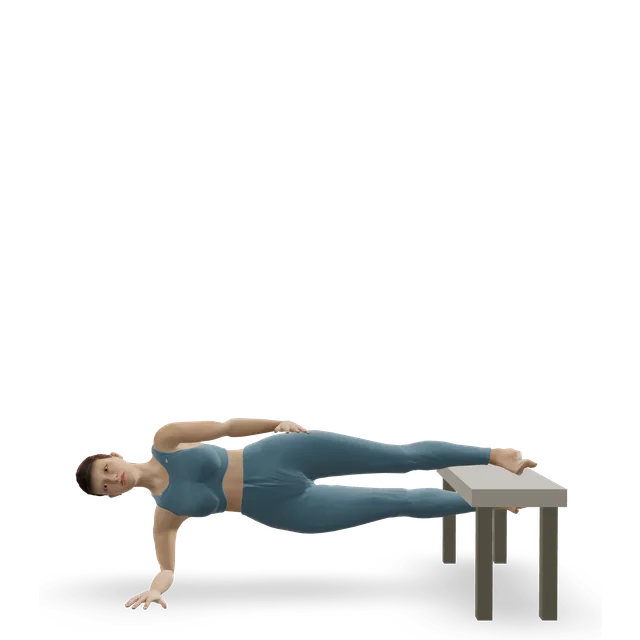 3D demoCopenhagen plankAdvanced · A bench or box
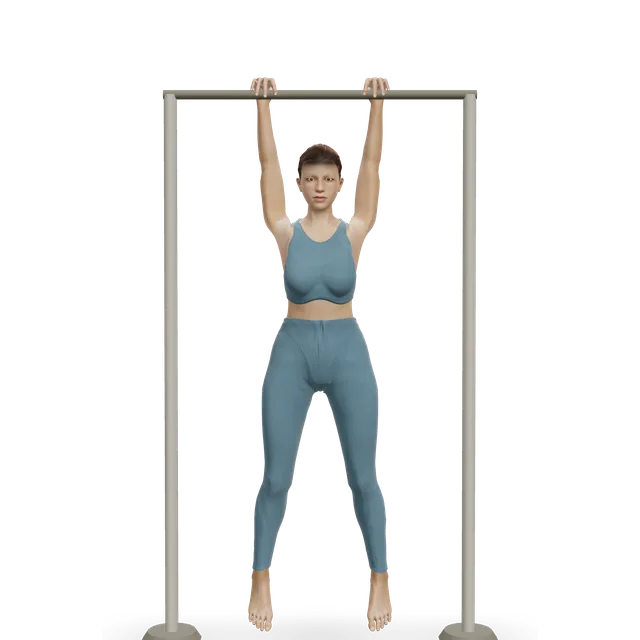 3D demoPull-upAdvanced · Pull-up bar
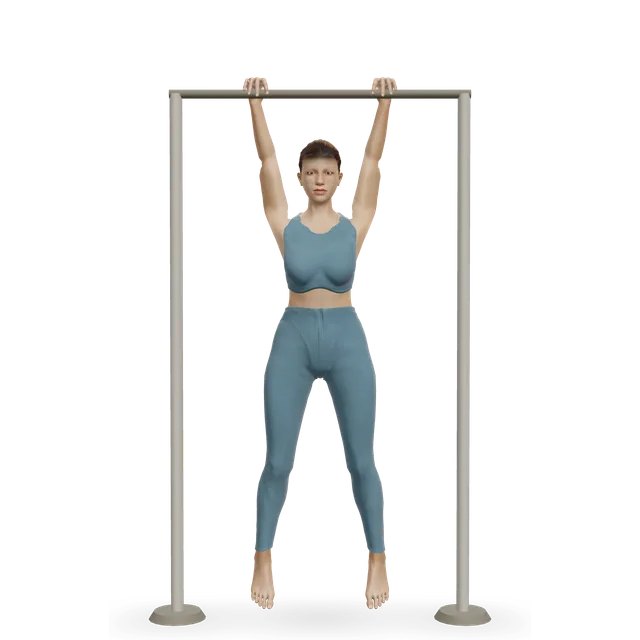 3D demoBar hangIntermediate · Pull-up bar + A step
 3D demoFarmer's carryBeginner · A dumbbell + A kettlebell
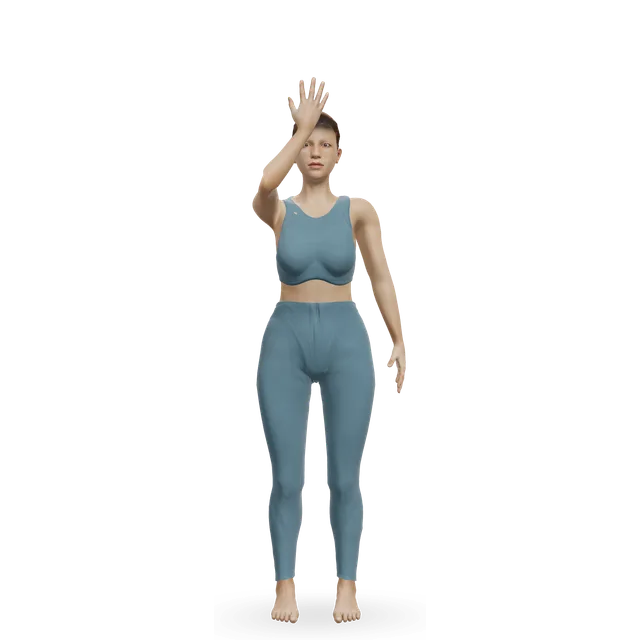 3D demoIsometric neck holds (four-way)Beginner · No equipment
 3D demoSide plankIntermediate · No equipment
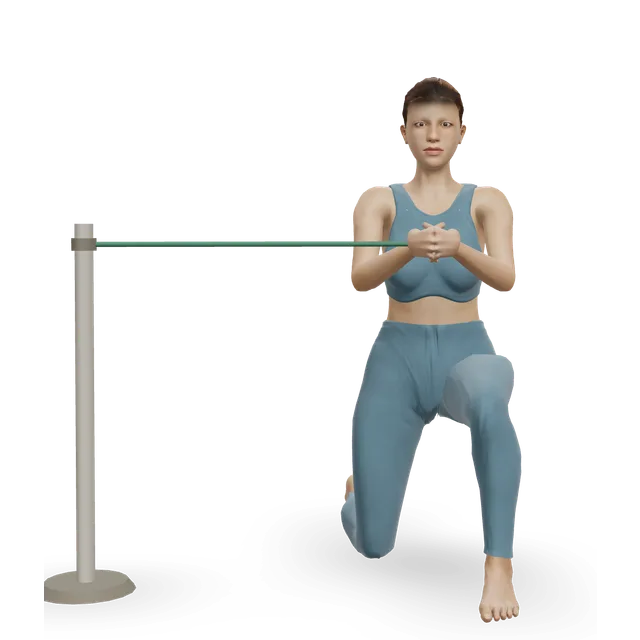 3D demoHalf-kneeling Pallof pressBeginner · A band + An anchor point
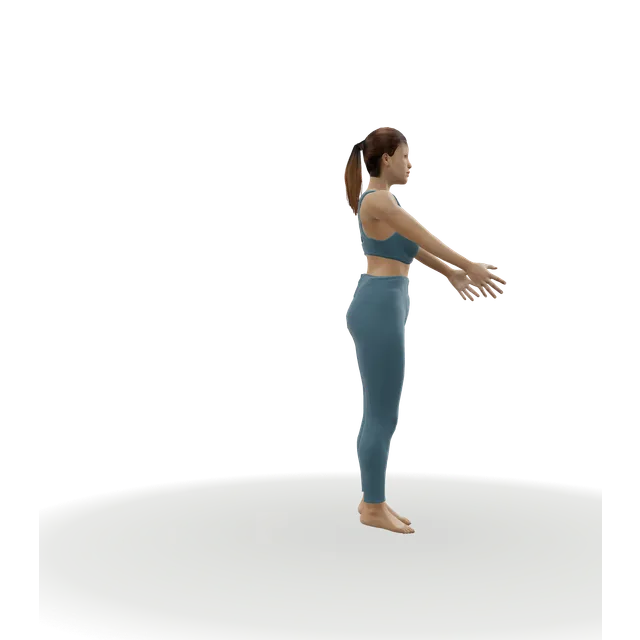 3D demoBurpeeAdvanced · No equipment
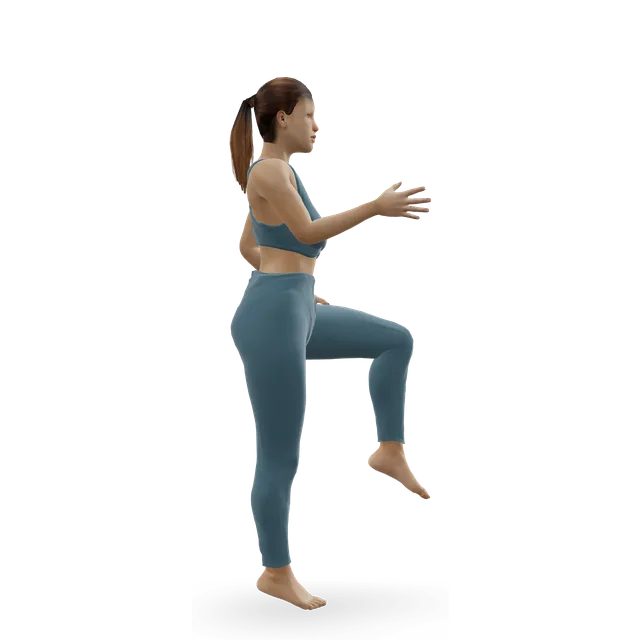 3D demoShuttle runsAdvanced · No equipment
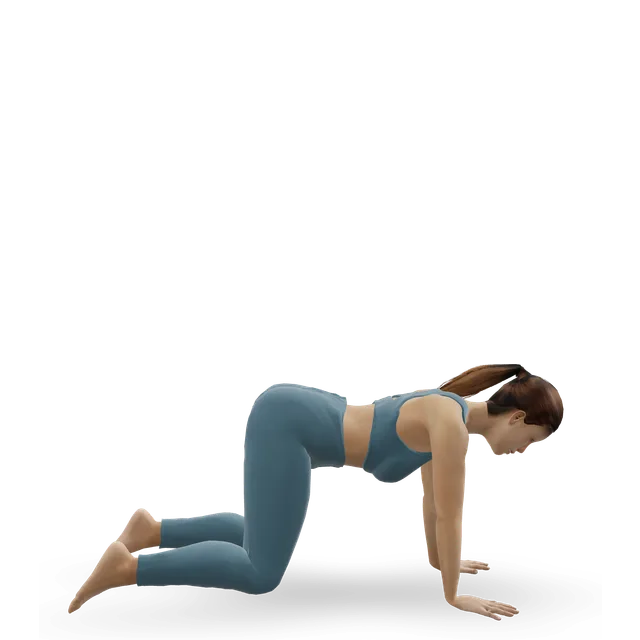 3D demoBear crawlIntermediate · No equipment
The first two are new: a strength session and a preseason conditioning session. The others add martial arts strength and warm-up work, the neck, grip, sprints, jumps, intervals, shoulders, and light exercise after a concussion or rhabdomyolysis.
A 55-minute strength and power session for wrestlers: jump squats, medicine-ball throws, trap bar deadlifts, split squats, pull-ups, carries and neck holds.
55 minIntermediate16 movesA wall, A bandA 40-minute preseason session: a warm-up, 6 maximal 35 m sprints with 10 seconds' recovery, then 3 rounds of sprawls, shuttles, crawls and climbers.
40 minIntermediate12 movesCardio machineA 45-minute strength and power workout for BJJ, judo, karate, taekwondo and MMA: jumps, squats, single-leg work, pull-ups, carries, shoulders and trunk.
45 minIntermediate17 movesA wall, A bandA 15-minute martial arts warm-up: easy running, forward rolls and breakfall practice, leg swings, balance and hops, crawls, squats, side planks and bridges.
15 minBeginner17 movesCardio machine, A wallDeep neck holds and shoulder-blade strength in under 20 minutes: one of the best-supported kinds of exercise for a stiff, sore neck.
18 minBeginner11 movesA band, An anchor pointA 20-minute grip session: warm up the wrists and fingers, train the hand and forearm muscles, then carry and hang to load your grip the way everyday life does.
20 minBeginner10 movesOther / check instructions, A bandA 45-minute speed session: running drills, five short accelerations and three flying sprints with full rest, then Nordic curls and calf raises.
45 minIntermediate11 movesCardio machine, A wallAn advanced jump training session: pogo hops, box jumps, split squat jumps, broad jumps and depth jumps.
30 minAdvanced8 movesA bench or box, A stepA 20-minute no-equipment HIIT workout: jumping jacks, jump squats, mountain climbers, burpees, skips and bear crawls.
20 minIntermediate10 movesNo equipmentA full-body circuit of 8 stations: dumbbell squats, push-ups, rows, lunges, deadlifts and cardio moves, 40 seconds each, for 2 or 3 rounds.
35 minBeginner14 movesA dumbbell, A bench or boxA 25-minute band routine for healthy shoulders: move the shoulder and upper back through their range, then strengthen the rotator cuff and shoulder blades.
25 minBeginner12 movesA wall, A bandA 10-minute warm-up for any workout: raise your heart rate, move each joint through its range, rehearse the main movements, then ramp up to your first lift.
10 minBeginner12 movesA wall, A bandA 20-minute light session after a concussion: a symptom check, 10 to 15 minutes of easy cycling or walking, gentle bodyweight moves and a cool-down.
20 minBeginner8 movesCardio machine, A bench or boxA 30-minute light session for the first weeks back after rhabdomyolysis: easy cycling or walking, Pilates-style moves and light strength, never to failure.
30 minBeginner15 movesCardio machine, A bench or boxTwo strength sessions a week fit around wrestling; keep them away from hard live wrestling days.
A 12-week beginner barbell program: squat every session, alternate bench and row with press and deadlift, and add weight each time until it stalls.
3 training days50 minBeginner3 days a weekFor after about 8 weeks of a beginner plan: three full-body sessions a week, one heavy, one moderate and one light, in a gym or at home, for 12 weeks.
3 training days50 minIntermediate3 days a weekA 12-week calisthenics plan for beginners: three bodyweight sessions a week with push-up, pull-up, squat and dip ladders, and a bar if you have one.
3 training days40 minBeginnerThe PAR-Q+ (Physical Activity Readiness Questionnaire for Everyone) asks about a heart condition or high blood pressure, chest pain, dizziness or losing consciousness, other long-term conditions and their medicines, a bone or joint problem that activity could make worse, and being told to exercise only under supervision. If you answer yes to any, check with your doctor or a qualified exercise professional first. Veterans especially: in Iran, catastrophic events not caused by impacts were mostly heart problems in older wrestlers, and US high-school boys' wrestling recorded 43 such events from 1982 to 2025, 31 of them deaths.
Rapid weight loss killed three college wrestlers in 1997, raises markers of kidney strain and goes with poor sleep, fatigue and injury. Follow your governing body's rules, choose a weight class you can make with ordinary eating and training, and talk to your coach and a sports dietitian (our suggestion).
Wrestlers are more prone to eating disorders than athletes in other sports. The NHS: "If you think you may have an eating disorder, see a GP as soon as you can." Beat's helplines and our eating disorders guide can help, and you shouldn't cut weight.
Low energy availability goes with missed periods and bone loss. See a GP; our women's and menstrual cycle guides explain more.
Source 79
A qualified coach, partners matched by size, ability and maturity, no weight cutting, and other sports too (our suggestion).
Follow the staged return and get cleared before contact. UWW asks for a specialist review after 2 concussions in 12 months; our concussion guide explains the UK stages.
Stingers were the commonest spine injury in college wrestlers. Get a physiotherapist's check before live wrestling (our suggestion); our stingers and neck guides explain more.
Source 32
Recurrences spread to partners, so tell your coach, don't wrestle with a sore, and ask your GP or team doctor about preventive treatment. Get eczema or psoriasis documented by a doctor before competitions, as skin checks may otherwise stop you.
Our pregnancy guide advises against contact sports in pregnancy. Stop live wrestling, and ask your midwife about other training.
Our epilepsy guide puts wrestling among sports where a seizure adds no extra risk. Tell your coach, and follow your usual care.
The NHS says to call 999 if someone has hit their head and:
Source 102
Off the mat: if in doubt, sit them out. No return that day, and an assessment within 24 hours by a healthcare professional or NHS 111. Get help from NHS 111 straight away if they're being sick, feel dizzy, take medicine that thins the blood, or had been drinking alcohol.
After a fall onto the head, with neck pain, or weakness, tingling or burning in the arms or legs: don't move them, as the UK guidelines say only trained healthcare professionals should, and call 999 (our suggestion).
Source 98
A cut or wound that's painful, swollen or red, feels warm or leaks pus needs an urgent GP appointment or NHS 111. Call 999 or go to A&E for spreading, hot, swollen skin with a very high temperature, a fast heartbeat, confusion or feeling faint.
Get an urgent GP appointment or call NHS 111 if you feel unusually tired, feel dizzy on standing and it doesn't go away, or have dark yellow pee or are peeing less. Call 999 or go to A&E for blue, grey, pale or blotchy skin, skin that feels cold, fast breathing, confusion or being hard to wake.
Source 105
These can be signs of rhabdomyolysis, which put a 16-year-old in hospital after a preseason wrestling camp. Get medical help the same day: call NHS 111, or go to A&E if you feel very unwell. Our rhabdomyolysis guide explains more.
Source 106
Get it seen the same day, before the blood hardens into cauliflower ear.
Go to A&E if you can't move your arm or your shoulder looks out of place. Call 999 or go to A&E if you heard a crack, a joint has changed shape, or it's numb or tingling. A knee that gives way or locks needs checking: see our ACL and meniscus guides.
One 1998 study found that high-school wrestlers below their recommended minimum weight placed more often, but dehydration harms high-intensity performance, a review advises competing tapered and well hydrated rather than after rapid weight loss, and the NCAA says coaches and wrestlers should avoid rapid weight cutting. Three wrestlers died cutting weight in 1997.
All three wrestlers who died in 1997 wore sweat suits in the heat. US college rules ban such suits, saunas in season, hot rooms, laxatives, making yourself sick and diuretics, and British Wrestling warns that diuretics risk an anti-doping ban.
No study shows that neck strength reduces neck injury or concussion in wrestling. Train the neck for strength, not as protection.
Headgear about halved ear haematomas, but ringside physicians say headguards shouldn't be relied on to reduce the risk of concussion.
96% of Finnish athletes with cauliflower ear had symptoms, usually pain, and in Tehran hearing loss was more often reported with it. Prompt drainage prevents it.
US high-school rules don't accept covering a contagious condition, US college rules don't allow active herpes to be covered, and British Wrestling says not to cover a lesion with tape and carry on.
Cleaning mats cuts their bacteria, but herpes spreads skin to skin, mostly where heads and faces meet, so showering straight after training and checking your skin matter as much.
High-school injury rates are well below college rates, youth emergency visits fell over 10 years, and British Wrestling removes weight classes to cut for under 15. Coaching, matched partners and no weight cutting matter most (our reading).
Elite wrestlers are stronger and more powerful than amateurs, with stronger grips and backs, so strength training twice a week for the legs, pulling, grip, neck and trunk is the foundation. Add conditioning in the weeks before the season, and keep lifting and hard live wrestling at least 3 hours apart. Our two workouts do both.
In a preseason trial, wrestlers who added 6 all-out 35-metre sprints with 10 seconds' rest, twice a week for 4 weeks, improved their aerobic fitness and sprint power. Mat drills and live wrestling build the rest. Never use extra conditioning to make weight.
We don't give weight-cutting methods: three college wrestlers died in 1997 while cutting weight in sweat suits, and the rules since then exist to stop it. Follow your governing body's rules, which in US colleges limit loss to 1.5% of body weight a week and ban saunas, sweat suits, laxatives and diuretics, and wrestle at a weight you can make with ordinary eating and training. Under-15s in British Wrestling are grouped within 10% of each other, so there's no need to cut.
In US college wrestling, a urine sample is tested with a refractometer before body fat is measured, and a specific gravity above 1.020 means coming back at least 24 hours later. It makes sure the minimum weight is set while you're properly hydrated. US high schools run similar tests through their state associations.
They depend on the competition: United World Wrestling sets categories for each age group and style, US college and high-school competitions have their own classes, and British Wrestling groups under-15s within 10% of the lightest wrestler instead of fixed classes. US high-school and college wrestlers can't go below a minimum weight set from body fat.
Not while it's contagious and untreated. US high-school rules ask for 72 hours of treatment on the skin and 14 days of tablets for the scalp, and covering a contagious lesion isn't allowed. See a GP or pharmacist, don't share towels, and get it checked before you go back.
It's the cold sore virus spread by skin-to-skin contact on the mat, usually on the head, face or neck. Under US high-school rules, a first outbreak means at least 10 days out, or 14 with a fever or swollen glands, and an active sore can't be covered to wrestle. See a GP; a team doctor may suggest preventive tablets if it keeps coming back.
Wear ear guards: in college wrestlers, ear haematomas were about half as common with headgear. If an ear swells after a blow, get it seen the same day so the blood can be drained and the ear kept under pressure.
No study has tested either. United World Wrestling recommends neck strengthening, but there's no evidence that neck strength prevents neck injuries or concussion in wrestling. Our workout uses controlled neck holds; learn loaded bridges from a coach (our suggestion).
Freestyle allows holds anywhere and using the legs; Greco-Roman bans holds below the belt and using the legs. Both are Olympic styles under United World Wrestling, and women wrestle freestyle. Folkstyle is the US school and college style, with longer matches and points for control.
Exercise education for people who play sport, not a personal prescription or a diagnosis, and clinical review of these pages is pending. Check with a GP or physiotherapist before hard training if you have a heart condition, chest pain, dizziness or an injury that isn't settling, and stop for sharp or increasing pain. Health disclaimer.