Moving early after a stable simple dislocationStrong evidence
In the FuncSiE trial, 100 adults with a simple dislocation either started moving the elbow within days, with a pressure bandage and a sling for 5 to 7 days and physiotherapy from day 2, or spent 3 weeks in plaster. At a year, arm function was the same. At 6 weeks the early group had less disability and more movement (an arc of 121° against 102°), and went back to work sooner (10 days against 18). Nobody's elbow came out again. Average costs at a year were about half (€3,624 against €7,072), though that difference could be chance.
Other studies agree. Across 29 studies (5,765 people), 83% had good or excellent results with early movement, against 78% after 2 weeks or more of immobilisation. In 42 adults, a sling and early movement gave more excellent results (19 against 10) and a quicker return to work than about 2 weeks in plaster. A German review found the same long-term results either way and an earlier return to work after early movement, though a short spell of immobilisation eased pain at first, and early movement hurt more in the first week in FuncSiE. A 2024 review called early functional treatment the first choice, but a Cochrane review in 2012 found too few trials to be sure, so the case rests mainly on one good trial.
Sources 10, 16, 17, 18, 19, 20, 3, 9, 21
How early movement is done: one trial's protocol, small case series and expert adviceEmerging evidence
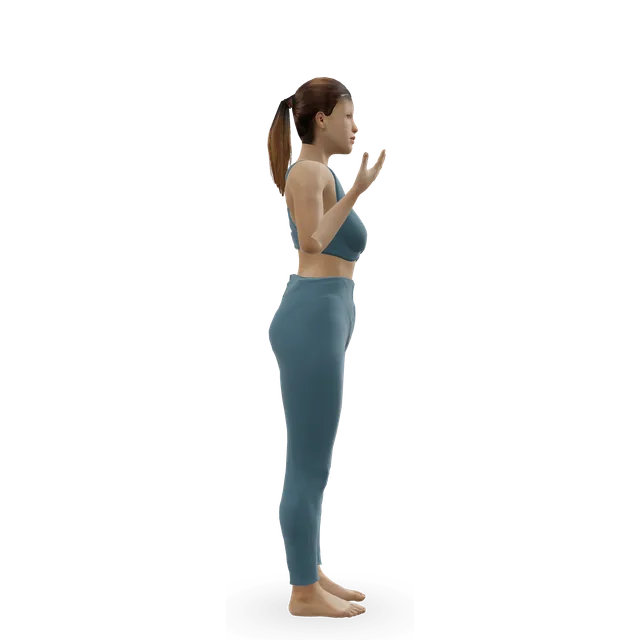
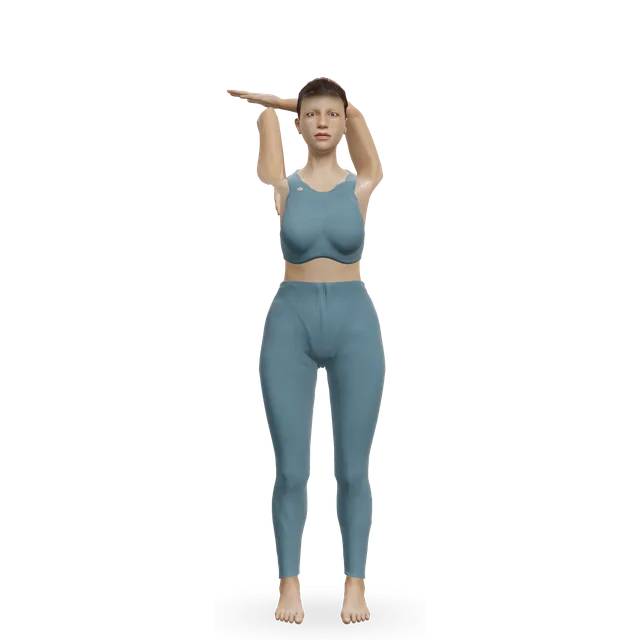
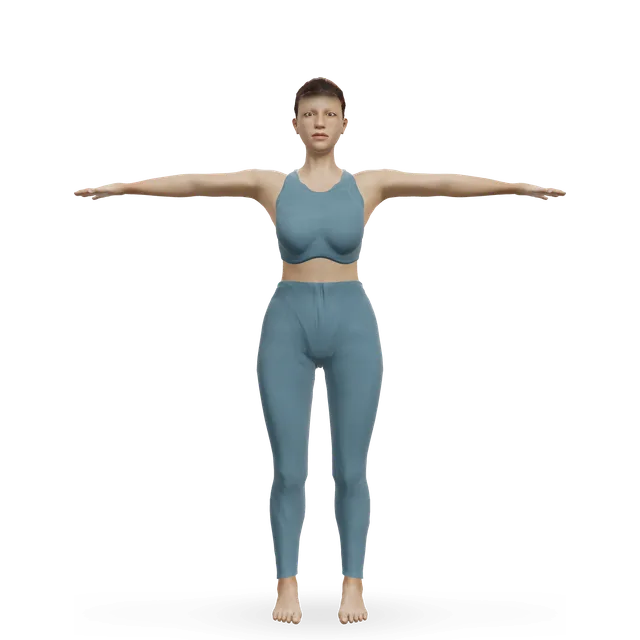
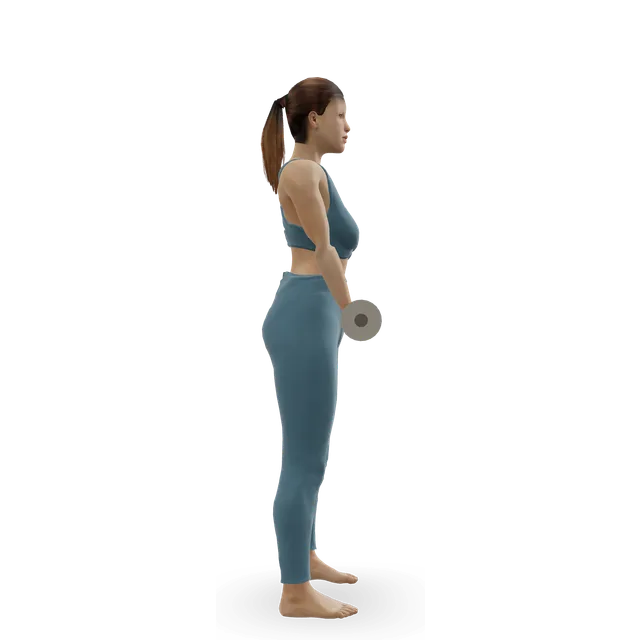
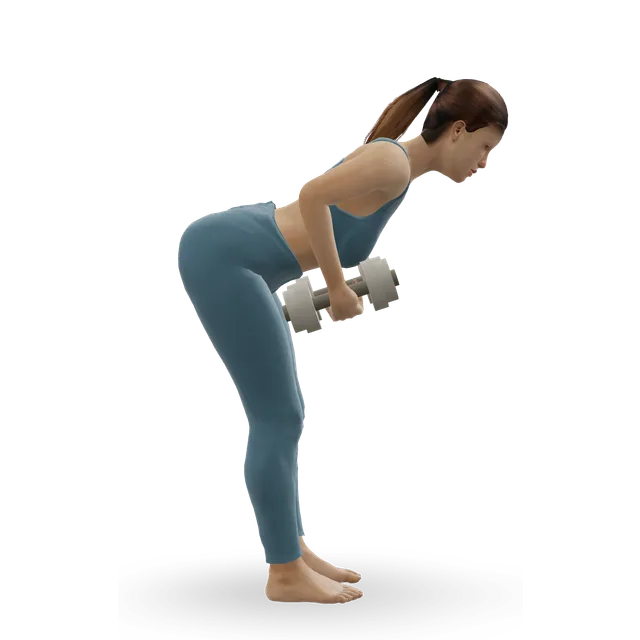
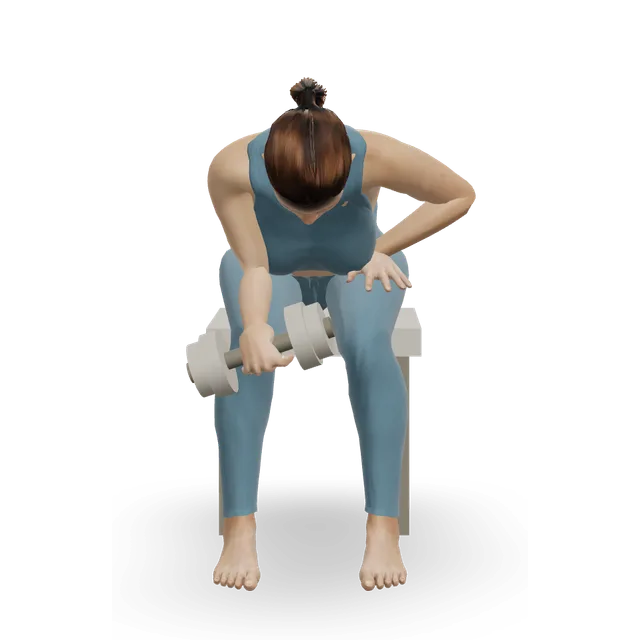
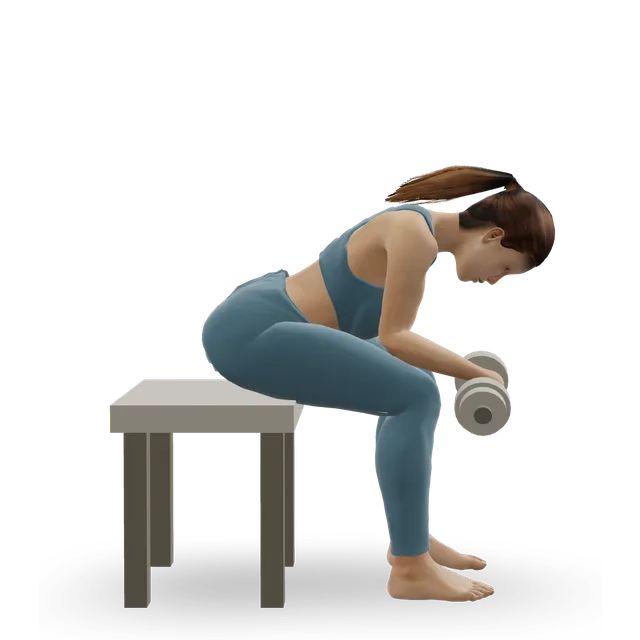
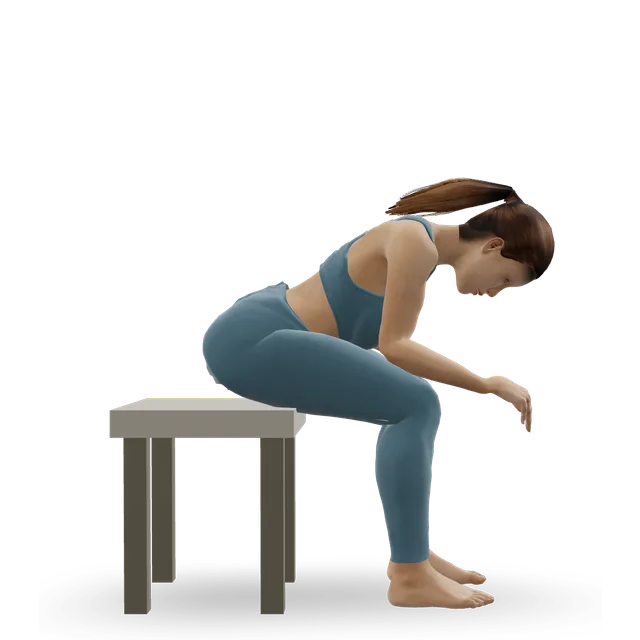
The FuncSiE trial's physiotherapy started lying on your back with the shoulder raised so the elbow points at the ceiling, the upper arm kept close to the body and steadied by the other hand. You gently turn the palm up and down, then bend and straighten the elbow, limiting how far you straighten it at first, as your team advises. After 3 weeks the exercises moved to sitting and standing. This is one trial's protocol: the trial compared early movement with plaster, not one way of exercising with another.
In this overhead position, gravity helps hold the joint together. In a case series of 27 people who used an overhead protocol from the first week, the elbows ended up moving from 6° to 137°, and none came out again. In 20 naval cadets who started moving straight away without a sling, movement came back nearly in full within about 19 days, and 1 elbow dislocated again. An expert team advises avoiding strain on the outer side of the elbow early on; in practice that means not letting the upper arm hang out to the side (our explanation). These are small studies without comparison groups, and expert opinion.
NHS trusts differ too. One uses a sling for comfort and no cast, with a specialist check at 10 to 14 days; others use a temporary half-cast until the fracture clinic at 1 to 2 weeks, and the American Academy of Orthopaedic Surgeons describes 1 to 3 weeks in a splint or sling. Your team's protocol comes first.
Sources 16, 22, 23, 3, 7, 8, 24, 1
Surgery: for complex or very unstable dislocationsEmerging evidence
Dislocations with fractures, including the terrible triad, often need surgery to restore the bones and ligaments; some surgeons wait 1 to 2 weeks for the swelling to settle. For a simple dislocation that stays in place, repairing the ligaments hasn't been shown to beat non-surgical care: in the only trial (30 people), results were the same, and reviews find similar outcomes. Reviews suggest surgery for very unstable elbows: ones that slip out again within the normal range of movement, or have severe ligament damage on both sides.
Later surgery is uncommon: in 4,878 adults, 2.3% had an operation to stabilise the elbow (at a median of 1 month) and 1.2% for stiffness (at a median of 9 months).
Sources 1, 2, 21, 9, 3, 11
Getting back to sportEmerging evidence
In a review of 9 studies of athletes, 99.3% returned to sport, on average about 9 weeks after the injury without surgery and 16 weeks after surgery, and between 60% and 100% returned at the same level. The studies were small and of low quality. One NHS trust advises no contact or racquet sport, such as rugby, netball or tennis, for 3 months.
Sources 4, 24
Children's inner-elbow fractures, with or without a dislocationStrong evidence
In the SCIENCE trial, 334 children aged 7 to 15 in 59 hospitals in the UK, Australia and New Zealand with a displaced break of the inner elbow bump had either surgery or non-surgical care. Arm function at a year was about the same, whether or not the elbow had dislocated, and 24 children against 3 had further operations; the authors concluded that non-surgical care should be the default. A Finnish trial of 72 children found the same function either way, and all returned to sport at a median of 2 months. A fragment trapped in the joint still needs surgery.
Sources 15, 14