Neck CARs (controlled articular rotations)
Standing or sitting tall with your shoulders still, you draw the biggest slow circle you can with your head: chin to chest, ear to shoulder, eyes rolling up and round to the other side. It joins into one circle the separate nods, tilts and turns that an NHS neck leaflet uses. CARs are untested for the neck; for long-standing neck pain, a Cochrane review found strengthening helps on moderate-quality evidence, while stretching alone may not.
Movement guide
Neck CARs (controlled articular rotations)
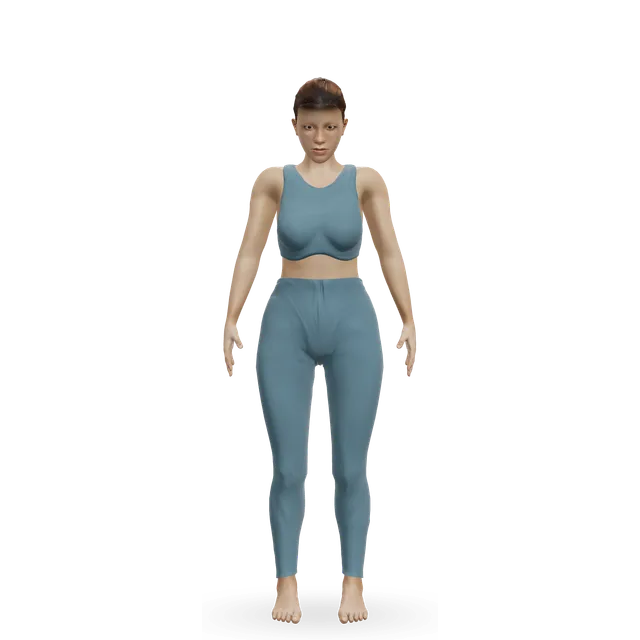
Loading the 3D figure…
Make it easier or harder
Choose a version that fits your control and comfort.
Easier option
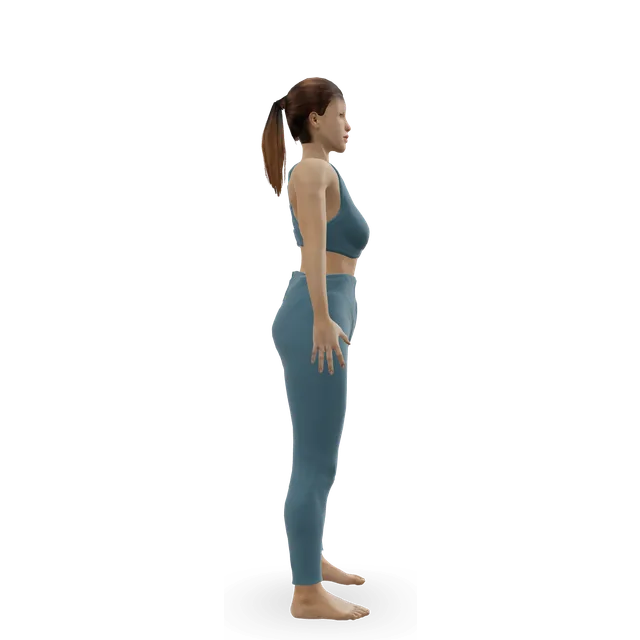 3D demoChin tuckBeginner · No equipment
Suggested next step, beginner grade.
Harder option
Keep the comfortable range and controlled movement described in this guide; do not force extra range to create a harder version. Royal Wolverhampton NHS · Neck exercises (separate nods, tilts and turns, slow and smooth, each held 5 seconds and repeated 5 times; movement eases neck pain better than rest)
Source-researched guide.
How to move
- Stand or sit tall with your shoulders relaxed and your arms by your sides.
- Lower your chin towards your chest, then roll your head so your right ear moves towards your right shoulder.
- Keep circling: tip your head back as your eyes roll up and round, then bring your left ear towards your left shoulder and your chin back to your chest.
- Take 10 seconds or more over each circle, then circle the other way.
Form cues
- Only the head moves; the shoulders and ribs stay still.
- Slow enough that you could stop at any point.
- Avoid: letting your head drop back heavily at the top of the circle.
Practice and cautions
3 slow circles each way, once or twice a day (our editorial starting point). With a sore neck, use separate nods, tilts and turns instead: the NHS leaflet holds each for 5 seconds, 5 times.
If your neck is sore, start with small separate turns, tilts and nods before full circles. Dizziness, light-headedness or tingling into an arm are stop signs, not sensations to push through. If one segment of the circle pinches, shrink the circle around that section instead of forcing it. This is movement education, not an assessment or treatment prescription. Stop for sharp or increasing pain, dizziness, numbness or tingling; seek individual guidance for symptoms, injury or restrictions.
Sources and review status
Sources support the educational description; they do not establish that this exercise is suitable for you.
- Royal Wolverhampton NHS · Neck exercises (separate nods, tilts and turns, slow and smooth, each held 5 seconds and repeated 5 times; movement eases neck pain better than rest) ↗
- Gross 2015 · Exercises for neck pain: strengthening helps long-standing neck pain on moderate-quality evidence; stretching alone may not (Cochrane review of 27 trials) ↗
No variation is labeled clinically validated.
What it works
Muscles
Main: Neck.
Anatomy: Levator scapulae, Sternocleidomastoid, Scalenes, Splenius capitis, Suboccipital muscles, Deep neck flexors.
Equipment
None: body weight and floor space.
Level
Beginner. See the easier and harder options above.
Workouts that use it
- 10-minute morning stretch · 10 min
- Neck and shoulder stretches · 10 min
- Daily mobility routine · 12 min
- Joint care workout: move and strengthen every joint · 25 min
- Spine mobility routine: neck to pelvis, every direction · 15 min
- Mobility routine for cyclists · 15 min
- Lymphoedema exercises: a daily routine for arm and leg swelling · 15 min
- Neck and shoulder strength routine · 18 min
Show all 24 workoutsShow fewer workouts
- Martial arts warm-up with breakfalls: run, fall, move, balance, strengthen · 15 min
- Polymyalgia rheumatica exercises: daily stretches, then strength and balance · 15 min
- Kundalini yoga for beginners: a 25-minute breath and movement practice · 25 min
- Yoga for neck pain: a 20-minute gentle sequence · 20 min
- Yoga for headaches and migraine: a 20-minute calm practice · 20 min
- Pilates for neck pain: a 20-minute head-supported class · 20 min
- Yoga for thyroid problems: a 30-minute gentle practice, no shoulder stand needed · 30 min
- Yoga for mobility: a 20-minute flow for range you can control · 20 min
- Yoga for TMJ and jaw tension: a 20-minute jaw, neck and breath class · 20 min
- Yoga for tinnitus: a 20-minute calming class with the sound on · 20 min
- Neck strength workout: holds, head lifts, shrugs and carries · 20 min
- Yoga after whiplash: a 15-minute seated and lying class for the first weeks, with small neck movements and no inversions · 15 min
- Yoga for epilepsy: a 30-minute seated and lying practice with slow breathing, in the order a trial used · 30 min
- Pilates after whiplash: a 15-minute seated and lying class for the first weeks, head supported, with small neck movements · 15 min
- Yoga for lymphoedema: a 25-minute moving class with arm and leg options, no long holds and no heat · 25 min
- Mobility Pilates: a 25-minute class for your spine, hips and shoulders, from standing to the floor and back · 25 min
Pain guides that use it
Part of a staged plan, with when to get help first.
- Neck pain: exercises that help, and when to get it checked
- Stiff neck or wry neck: how to ease it, and how long it lasts
- Tech neck: what really helps desk and phone neck pain
- Pinched nerve in the neck (cervical radiculopathy): exercises and what to expect
- Whiplash: exercises for recovery, and what the trials found
- Headaches from the neck (cervicogenic headache): exercises, and when to get checked
- Neck arthritis (cervical spondylosis): exercises, scans and warning signs
- Exercises after a broken shoulder: the sling, pendulums and getting your arm moving again
Show all 47 pain guidesShow fewer pain guides
- Jaw pain and TMJ disorder: self-care, jaw exercises and what the evidence shows
- Tension headaches: relief, prevention, and how they differ from neck headaches
- Exercises after a shoulder replacement: the stages, and the precautions for reverse and anatomic replacements
- Exercises after a broken elbow: the recovery stages and how to get your elbow straight again
- Exercises after rotator cuff repair surgery: the sling, the recovery stages and the warning signs
- Dislocated elbow: what to do straight away, and the recovery stages after it is put back
- Occipital neuralgia: shooting pain at the back of the head, nerve blocks, and what exercise can do
- Stingers and burners: a burning, dead arm after a tackle, when it's an emergency, and playing again
- Exercises after neck surgery: recovery after ACDF or a disc replacement, stage by stage
- Neck pain when cycling: position, reach, looking up from a low position, and exercises that help
- Neck pain when swimming (swimmer's neck): breathing, head position and how to build back
- Neck pain from sleeping: waking with a sore neck, pillows, positions and exercises
- Neck pain when turning your head: a stiff neck, a trapped nerve, whiplash, driving and what helps
- Pain under the shoulder blade: the muscles, neck, ribs and shoulder, and causes that aren't the back
- Pain on the side of the neck: muscles and joints, a pinched nerve, glands, the throat and thyroid
- Neck and shoulder pain: the neck, a trapped nerve or the shoulder, desk and sleep, and the heart
- Neck pain in women: desk work, stress, migraine, pregnancy, the menopause and heart attack signs
- Neck pain after a workout: soreness or a strain, crunches, shrugs and presses, and training again
- Neck pain in children and teens: stiff necks, screens, a baby's tilted head, and when it's urgent
- Neck pain in older adults: arthritis, a trapped nerve, spinal cord pressure, a fall, and what helps
- Arm pain at night: numb hands, the shoulder, elbow and neck, how to sleep, and the signs to check
- Neck pain in men: desk and site work, the gym and sport, whiplash, trapped nerves and heart signs
- Neck pain in pregnancy: posture, sleep and feeding positions, headaches, and the signs to check
- Neck pain when looking down: phones and screens, the muscles and joints, nerve pain and what helps
- Upper back pain when lifting your arm: the shoulder blade, the rotator cuff, the neck and what helps
- Neck pain when doing sit-ups: pulling on your head, the neck muscles, technique and swaps
- Neck pain when doing push-ups: head position, the shoulder blades, planks and nerve signs
- Neck pain when bench pressing: the traps, your head on the bench, straining, the set-up and swaps
- Headaches when lifting weights: straining and breath holding, the neck, heat, and the signs to check
- Neck pain when doing shrugs: the upper traps, your head, rolling, heavy loads, headaches and swaps
- Neck pain when deadlifting: head position, the upper traps, straining and headaches, and swaps
- Neck pain when doing rows: shrugging, the upper traps, your head, upright and inverted rows, swaps
- Neck pain on the treadmill: looking down, the rails, the upper back, headaches and what helps
- Neck pain from Pilates: the hundred, curl-ups, rolling moves and the reformer, and what to change
- Neck pain after yoga: headstand, shoulder stand, plough, backbends and twists, and what to change
- Neck pain when driving: the headrest, looking over your shoulder, long journeys and after a crash
- Neck pain after flying: sleeping upright, neck pillows, screens, lifting bags and what helps
- Neck pain after a massage: the face cradle, deep pressure, headaches and the signs to act on
- Neck pain after a chiropractor: soreness after an adjustment, headaches, rare harms and what helps
Guides that use it
- Pilates for neck pain guide
- Pilates for headaches guide
- Pilates for TMJ and jaw pain guide
- Pilates for degenerative disc disease guide
- Pilates for cervical spondylosis guide
- Pilates for thyroid problems guide
- Pilates after a concussion guide
- Pilates for whiplash guide
Show all 54 guidesShow fewer guides
- Pilates for mobility guide
- Pilates for polymyalgia rheumatica guide
- Pilates for tinnitus guide
- Pilates for spine health guide
- Pilates for neck and shoulders guide
- Kundalini yoga guide
- Yoga for neck pain guide
- Yoga for headaches and migraine guide
- Face yoga guide
- Yoga for arthritis guide
- Yoga for thyroid problems guide
- Yoga for mobility guide
- Yoga for cyclists guide
- Yoga for TMJ guide
- Yoga for tinnitus guide
- Yoga for lymphatic drainage guide
- Yoga for sinus problems guide
- Yoga for degenerative disc disease guide
- Yoga for cervical spondylosis guide
- Yoga for whiplash guide
- Yoga for epilepsy guide
- Yoga after a concussion guide
- Yoga for polymyalgia rheumatica guide
- Yoga for lymphoedema guide
- Yoga for your shoulders guide
- Yoga for spine health guide
- Yoga for the neck and shoulders guide
- Joints guide
- Spine guide
- Fascia exercises guide
- Jaw and TMJ guide
- Face guide
- Headaches guide
- Exercise for migraine
- Exercises for lymphoedema (lymphedema)
- Exercise after a concussion
- Exercise for psoriatic arthritis
- Exercise for polymyalgia rheumatica
- Exercise with an overactive thyroid (hyperthyroidism)
- Posture guide
- Forward head posture guide
- Military neck guide
- Mobility guide
- Thicker neck guide
- Strengthen your neck guide
- Neck mobility guide
Similar moves
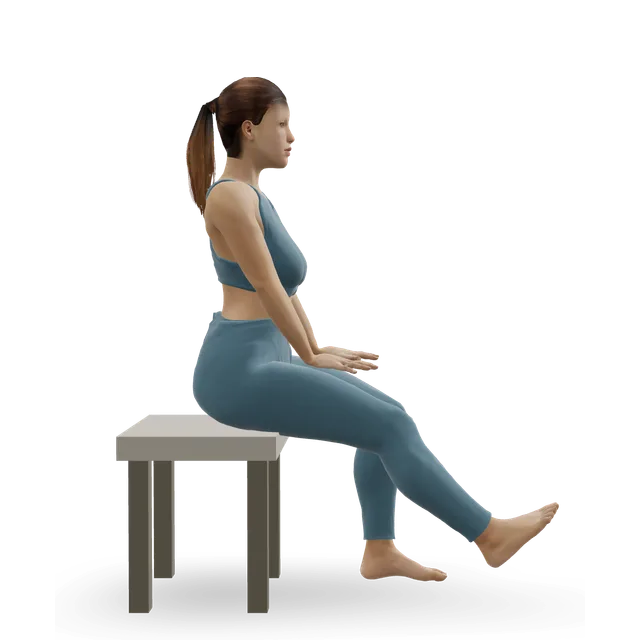 3D demoAnkle CARs (controlled articular rotations)Beginner · No equipment
 Jaw release drill (controlled opening)Beginner · No equipment
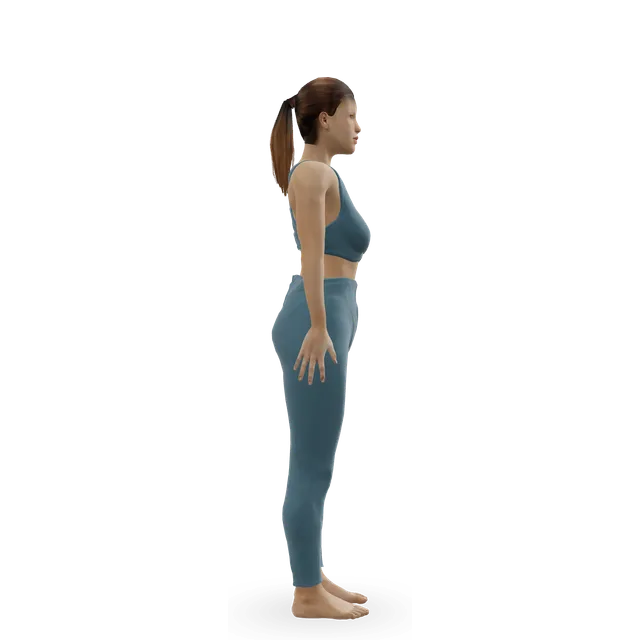 3D demoShoulder CARs (controlled articular rotations)Beginner · No equipment
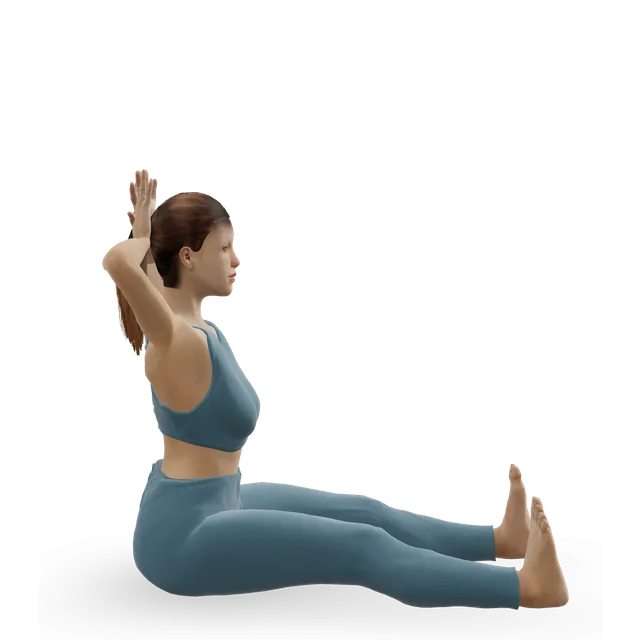 3D demoChin-to-chest stretchBeginner · No equipment
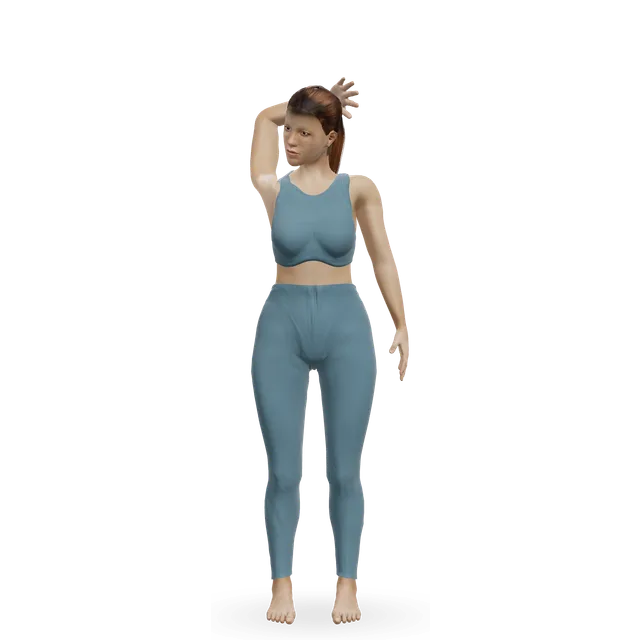 3D demoLevator scapulae stretchBeginner · No equipment
Browse more
Questions people ask
What muscles does the Neck CARs (controlled articular rotations) work?
Mainly the neck.
What equipment do I need for the Neck CARs (controlled articular rotations)?
No equipment: your body weight and a little floor space.
Is the Neck CARs (controlled articular rotations) good for beginners?
It is graded beginner, so it suits most people starting out.
What is an easier alternative to the Neck CARs (controlled articular rotations)?
Try the Chin tuck or the Side neck stretch. It is the suggested step down from this move.