What a row asks of the neck, and what no study has measuredEmerging evidence
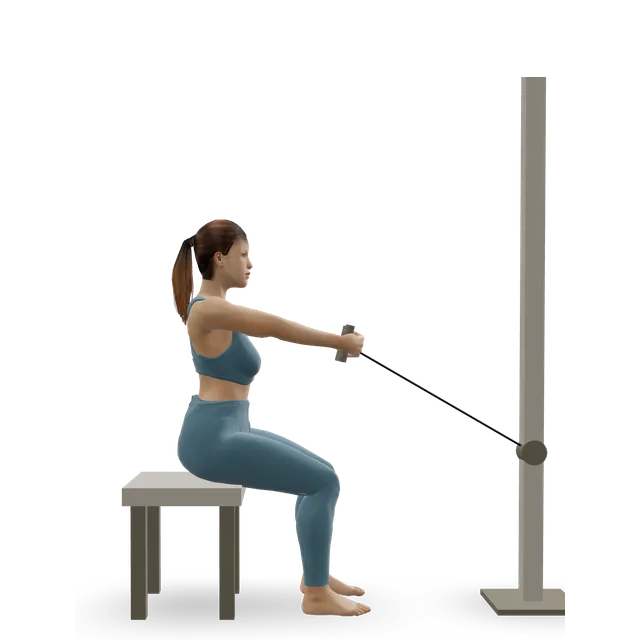
In a row you pull a weight towards your trunk with your elbows going back. The lats, the middle and lower trapezius, the rhomboids, the back of the shoulder and the biceps do the pulling, and the shoulder blades slide back and round. The upper trapezius, which runs from the base of the skull and the back of the neck to the tops of the shoulders, helps hold and turn the shoulder blade, and lifts it when you shrug.
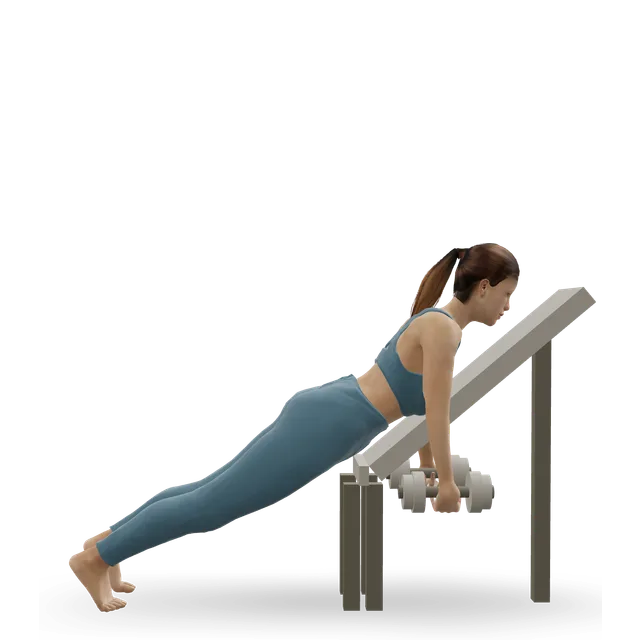
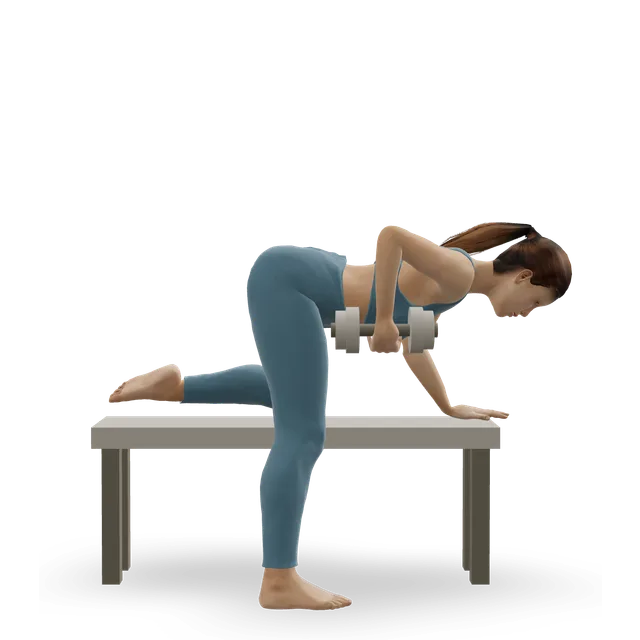
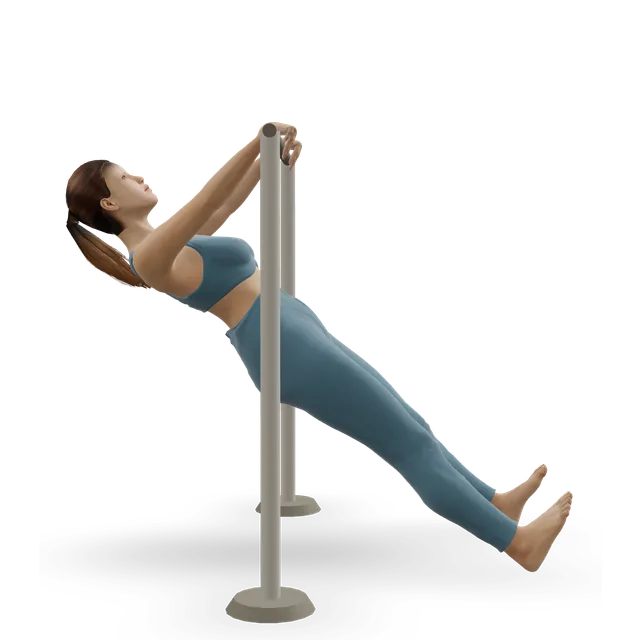
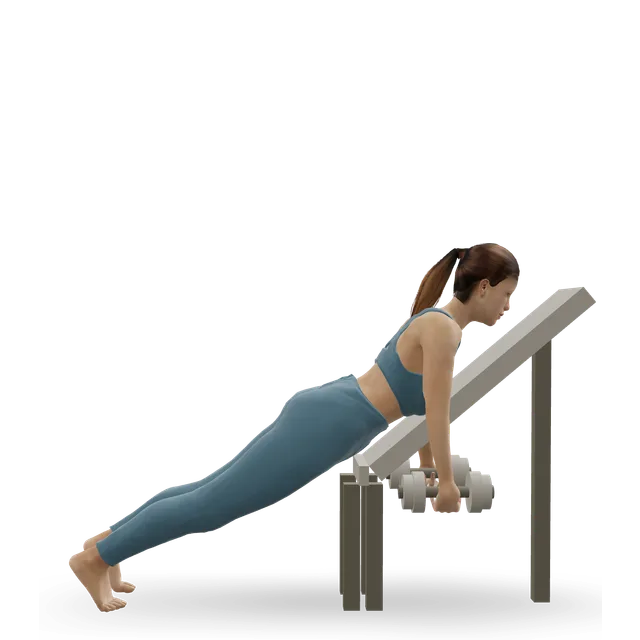
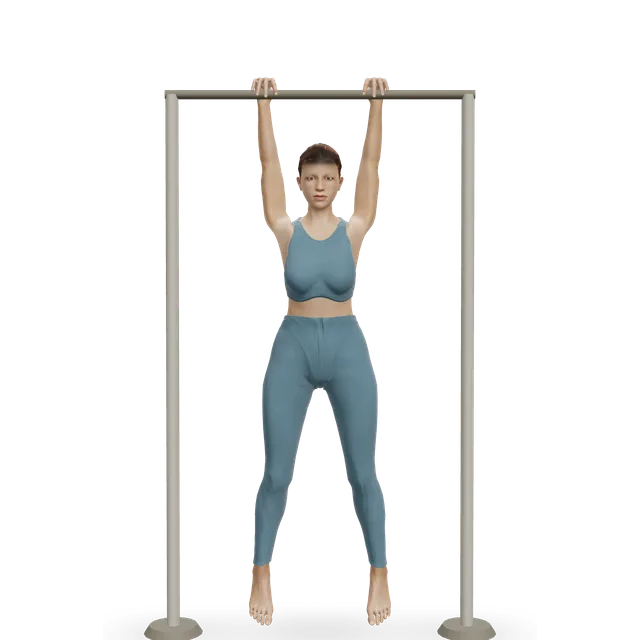
How hard it works depends on the exercise. Of 10 exercises in 30 healthy adults, the one-arm shrug worked the upper trapezius hardest. In 17 women, the one-arm row worked the lower and middle trapezius more than the upper, at an easy and a hard effort. In 12 women with neck muscle pain, the upright row drew 85% of the trapezius's maximum with only 3 to 10 kg, against 102% for shrugs with 20 to 30 kg. In 26 adults, inverted rows worked the upper trapezius at 41% to 60% of its maximum, and 1.6 to 2.2 times as hard as the lower trapezius; with suspension straps, high rows and rows with the arms out wide worked all three parts above 60%, while a low row with the elbows by the sides worked mainly the middle trapezius, lats and back of the shoulder.
No study has measured the muscles at the back of the neck in a row, tested head position in a row, or counted neck pain from rows. So the map on this page comes from what each cause is known to do (our reading).
Sources 1, 2, 3, 4, 5, 6
Shrugging through the pullEmerging evidence
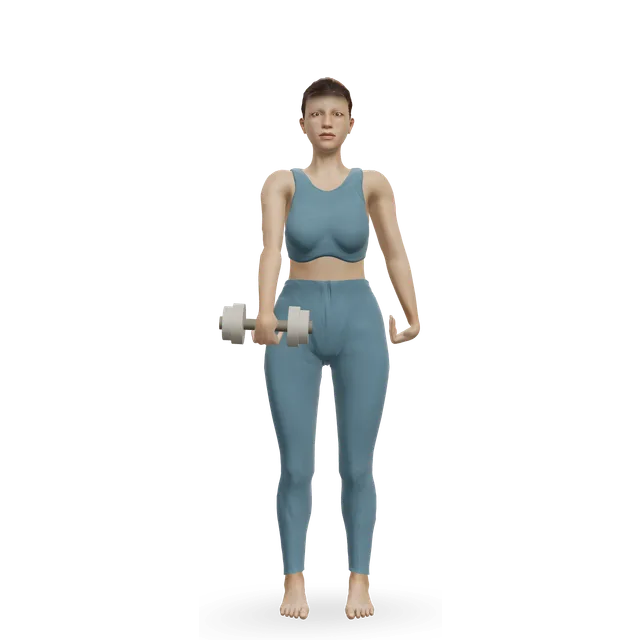
When your shoulders creep up towards your ears, the upper traps and the levator scapulae at the side of the neck take more of the load; coaching pages say don't shrug, and our row guides list shrugging as a mistake. One small study tested it: 8 men doing a wide-grip seated row lowered their upper trapezius activity by about 10% when they could see it on a screen. The usual cues do less than people think. Pinching the shoulder blades back on purpose didn't change mid-back activity in 12 trained men, fixing or freeing the shoulder blades changed where the activity was rather than how much in 14 trained men, and verbal cues to use the back changed little over a set in 20 novices. So "shoulders down, then pull" is coaching sense with a little support.
Sources 7, 8, 9, 10
Head position: borrowed from other lifts, untested in a rowMixed evidence
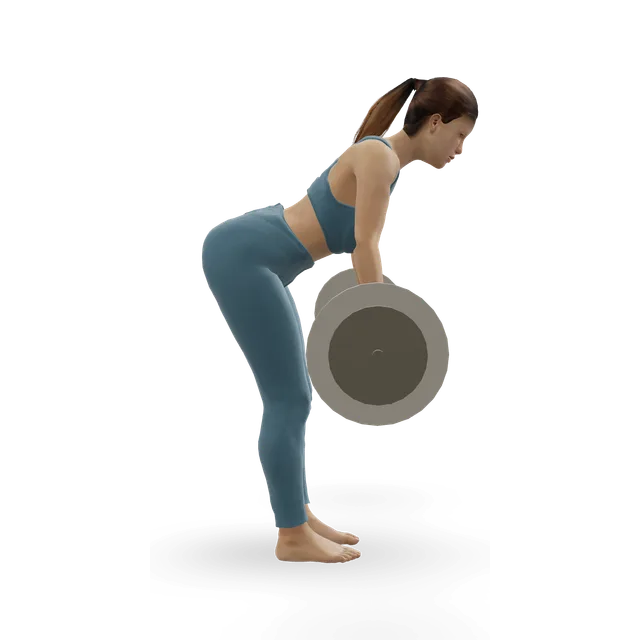
Where to look in a bent-over row is a common question, and no study has tested it in a row. In other lifting tasks, holding the neck bent or poked forward increased the work of the muscles at the back of the neck, at rest and during a lift, in 21 healthy adults; lifting at shoulder height, the upper trapezius worked hardest with the neck bent, in 15 adults; and a forward head raised trapezius activity during a loaded arm raise in 21 people. In a squat, looking down increased hip and trunk bend, while looking up didn't differ from looking ahead.
Across 15 studies, adults with neck pain held their head a little further forward than adults without (teenagers didn't), but every study measured people once, so none can show which came first. Keeping your neck in line with your back and looking at the floor a little ahead, as our bent-over row guide says, is borrowed from these lifting and squat lab studies: coaching sense, not a tested fix.
Sources 11, 12, 13, 14, 15
Which rows load the neck most (our reading)Emerging evidence
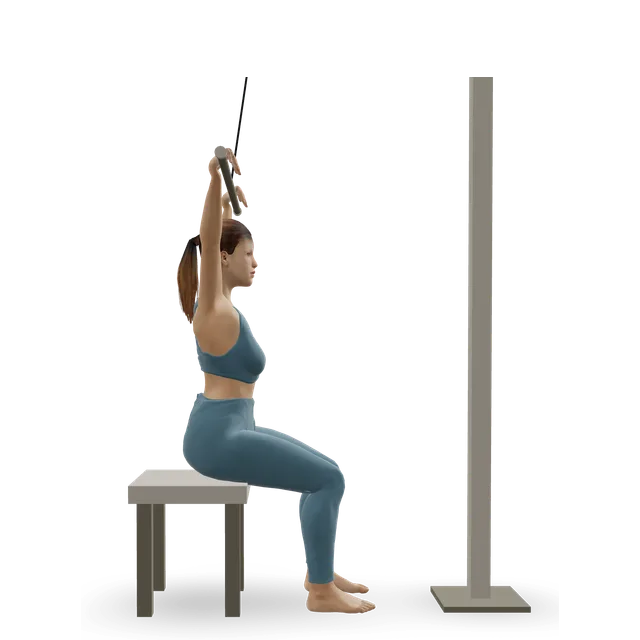
Upright rows and shrug-like finishes load the upper traps most. Inverted rows hang the head from the neck while the upper traps work fairly hard. Bent-over rows hold the head up against gravity for the whole set, the position the neck lab studies point to. Seated, chest-supported and one-arm bench rows take the trunk, and often the head, out of the job. This order is our reading of the studies above; no study has compared rows for neck pain.
Sources 3, 4
Who gets itEmerging evidence
Neck injuries are uncommon in lifting: across 17 reports of weightlifting and powerlifting injuries, the knee, lower back, shoulder and hands led in weightlifting and the lower back, shoulder and elbow in powerlifting, and an earlier review of 9 studies put the spine, shoulder and knee first. In 104 Swedish powerlifters, 70% were currently injured, and women had more neck and upper back injuries than men. None of these surveys names rows.
Our reading of who gets neck pain in rows: people who jump to heavier rows and heave the last reps, row with their shoulders creeping up, crane up to a mirror, do upright rows heavy or high, add rows to a session already full of shrugs, deadlifts and carries, or come to the gym with a neck already sore from desk work, stress or poor sleep.
Sources 16, 17, 18
A trapped nerve in the neckEmerging evidence
Pain spreading down one arm in a narrow band, with pins and needles, numbness or weakness, is usually a trapped nerve (cervical radiculopathy). NHS inform says most symptoms improve with time because nerves are resilient, that X-rays and scans usually aren't needed, and that it usually starts to improve within 12 weeks but can take up to a year to settle. In the best studies, most people improved a lot within 4 to 6 months, and about 83% recovered fully within 2 to 3 years.
Sources 19, 20
Headaches, straining and the rare serious causesEmerging evidence
A held breath under a heavy load drives blood pressure very high: in 5 bodybuilders, pressure measured in an artery averaged 320/250 millimetres of mercury (mmHg) at the peak of a heavy leg press (rows weren't tested). The NHS says get an urgent GP appointment or NHS 111 for a headache triggered or made worse by exercising, and that a bleed on the brain may be more likely when lifting something heavy. A primary exercise headache is usually harmless, but a review says causes that also worsen with exertion, including those of the brain's blood vessels and the heart, should be checked before it is diagnosed.
A torn neck artery can start with neck pain and a headache: 40.5% of 966 people with one had a minor knock or strain to the neck in the month before. A clay shoveler's fracture is a stable break of the bony point at the base of the neck, where the trapezius and rhomboids attach; a review lists weightlifting among its causes, and the cases in its table recovered with rest. All of these are rare, and none is a reason to fear rows; they are why the warning signs come first.
Sources 21, 22, 23, 24, 25, 26
When a scan or test mattersStrong evidence
Not for ordinary neck pain from rows: in 1,211 people without neck symptoms, 87.6% had bulging discs on magnetic resonance imaging (MRI), including most people in their 20s, so a scan report has to match your symptoms. NHS inform says a scan for a trapped nerve is offered if symptoms aren't improving or greatly affect your life. A test matters for the first headache brought on by exercise, a sudden severe headache, weakness, numbness or clumsy hands that are getting worse, sharp pain on the bony point at the base of the neck after a heavy pull, a swollen, throbbing arm, and chest pain.
Sources 27, 19
How it usually goesMixed evidence
No study follows neck pain from rows. The NHS says most neck pain only lasts a few weeks, and NHS inform says you should see the biggest change in the first couple of weeks, with most problems improved within 8 weeks. Studies are less rosy: in 7 groups of people with new neck pain, pain fell from 64 out of 100 to 35 at about 6 weeks but was still 42 a year later, and between half and three quarters of people with neck pain report it again 1 to 5 years later. Soreness after a new pull session fades within days. No one can promise a date.
Sources 28, 29, 30, 31