What an upright row asks of the shoulder, and what no study has countedEmerging evidence
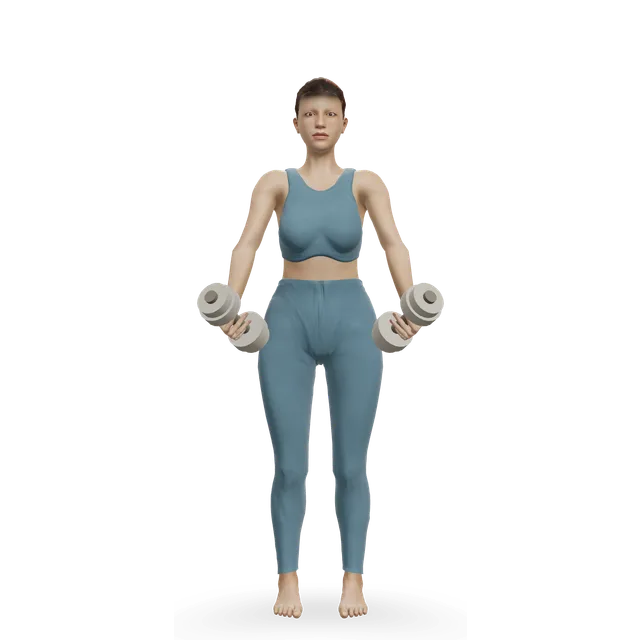
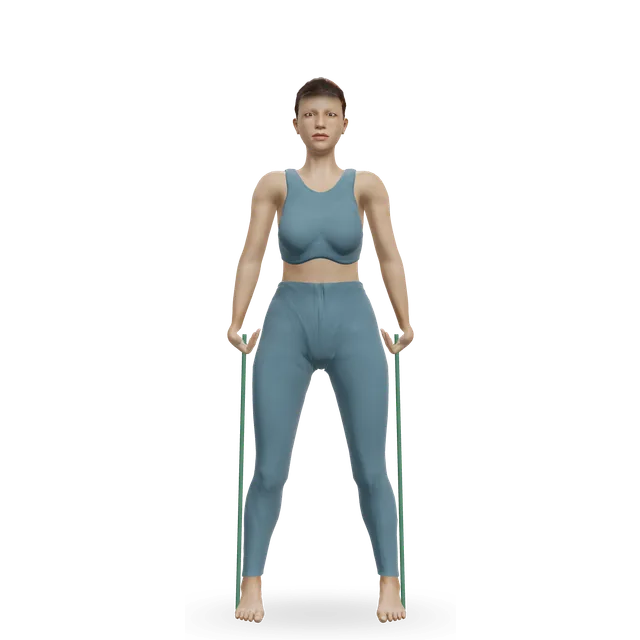
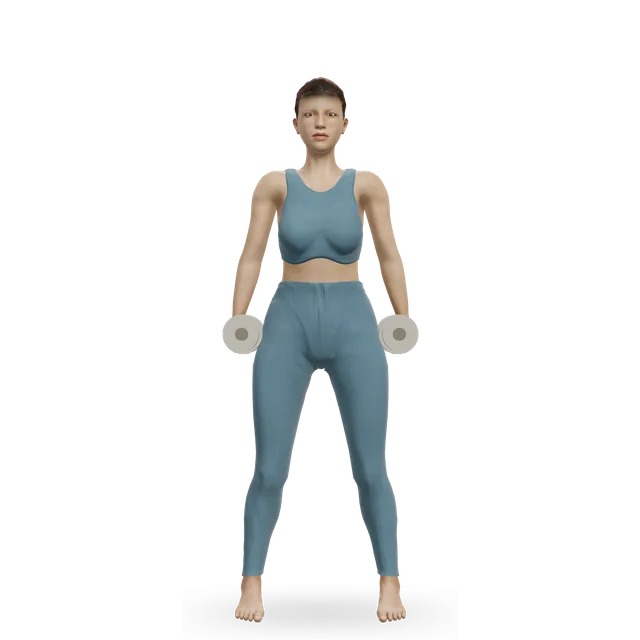
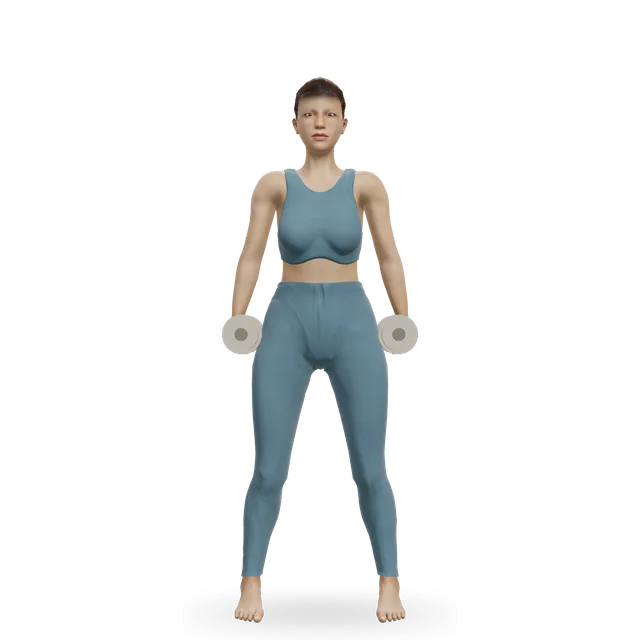
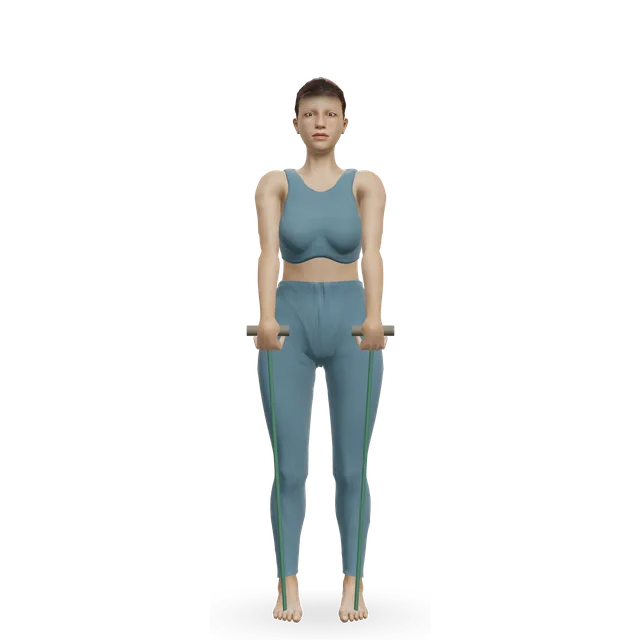
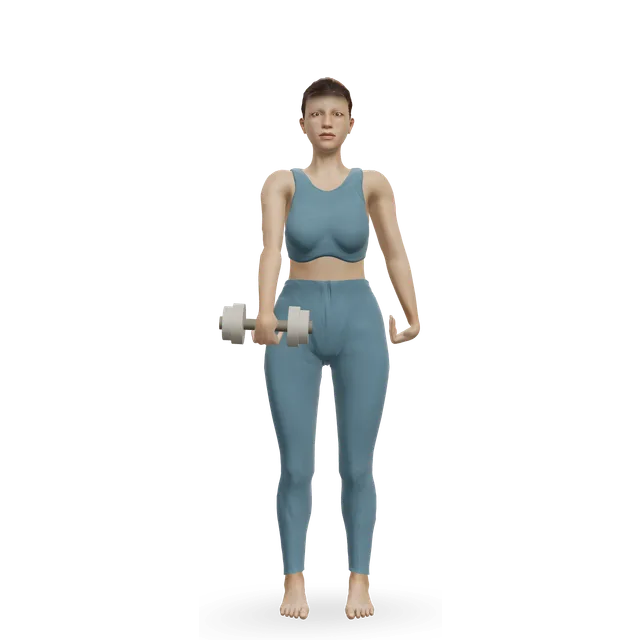
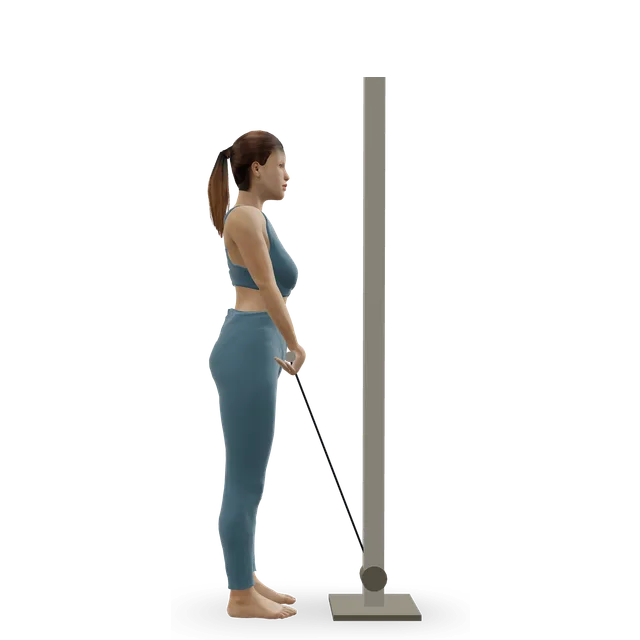
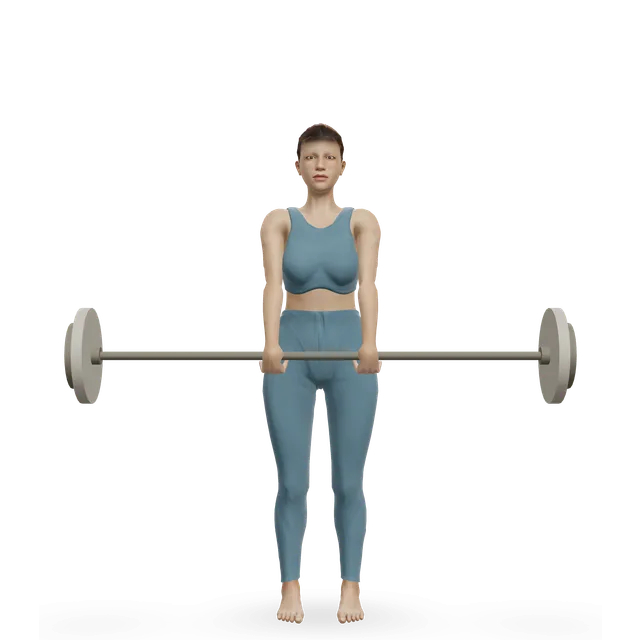
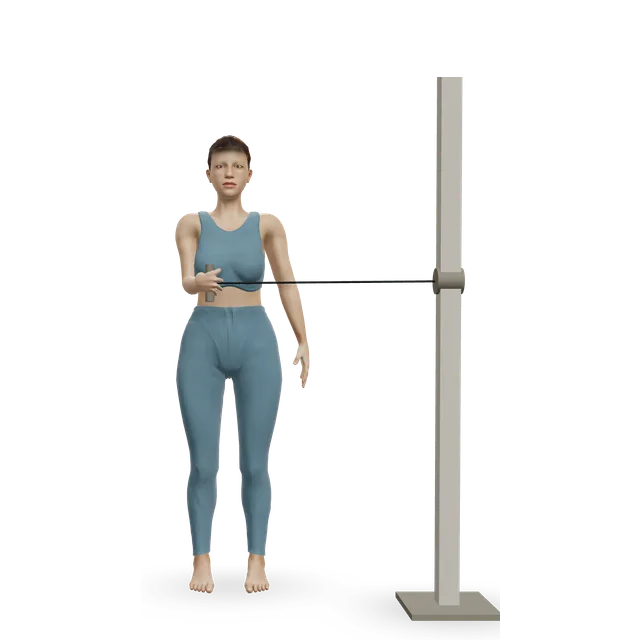
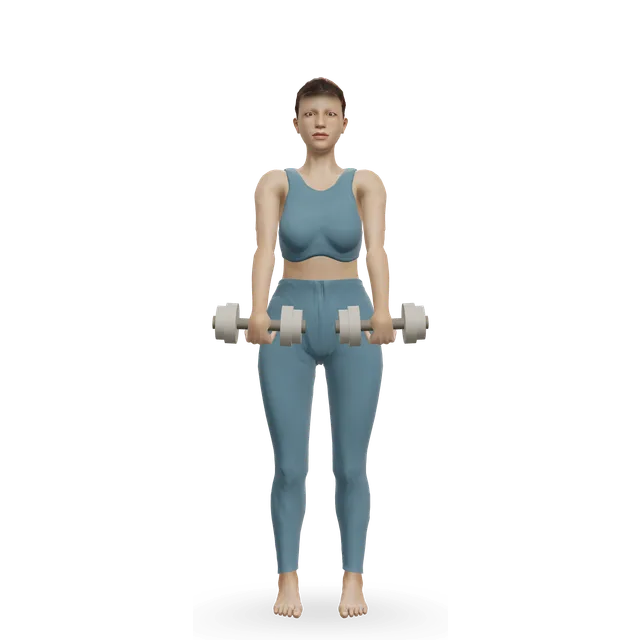
You lift a bar, dumbbells, a cable or a band from your thighs up the front of your body, elbows leading, to about the lower chest. The upper arm rises out to the side while it is turned in, which is why the height matters so much. In 16 men lifting 70% of their maximum, the barbell upright row worked the side of the shoulder (the middle deltoid) at 73% of its maximum, the front at 33% and the back at 31%. In 12 women with neck muscle pain it drove the trapezius to 85% of its maximum with only 3 to 10 kg.
No study counts shoulder pain caused by upright rows, and no injury survey or case report we found names the upright row as the cause of an injury. Up to 36% of documented weight training injuries are at the shoulder, mostly from studies looking back. The one study of lifters is a snapshot: in 77 men, 46 of whom trained with weights, signs of impingement went with upright rows and lateral raises taken above 90 degrees, and less often with training the muscles that turn the arm out. It can't show cause. So the map on this page is built from what each condition is known to do; that the pain comes when height, load or a sudden jump gets ahead of the shoulder is our reading, not a counted fact.
Sources 1, 2, 3, 4, 5
Height matters most; "turned in" is less certain than gym lore saysMixed evidence
One lab study measured 21.3 newtons of squeeze on the ligament over the shoulder with the arm at 90 degrees and turned fully in, against 3 or less turned neutral or out, in 13 people without symptoms. But in a scanning study of 12 volunteers, the gap under the acromion (the bony roof of the shoulder) shrank from 7.0 mm at 30 degrees to 3.9 mm at 120 degrees, and at 90 degrees it was wider with the arm turned in than out, with the most vulnerable part of a rotator cuff tendon then sitting closest to the roof's edge.
The one study of the upright row position itself, in 25 men, found that holding 4 kg it left less space than a raise with the arm turned out, but no less than a plain raise to 90 degrees; without a weight it left more. A review concludes that how high the arm goes consistently matters most, and that the effect of turning it is unclear. A 2026 review argues the narrowing follows rotator cuff problems rather than causing them. So keeping the elbows at or below shoulder height is the safest single rule; the twist matters less than the height (our reading).
Sources 6, 7, 8, 9, 10
The top of the shoulder, the neck and the armsEmerging evidence
Weightlifter's shoulder (wear and thinning of the bone at the end of the collarbone, called osteolysis) was found on X-ray in 7 of 25 competitive weightlifters and none of 25 men who didn't lift. In a series of 46 male athletes with it, 45 lifted weights. A review names bench presses and chest flies among the lifts it makes painful. None of these studies names the upright row, so calling pain on top of the shoulder in upright rows the AC joint is our reading.
An ache from the top of the shoulder into the neck is usually the upper trapezius, which works almost as hard in an upright row as in a shrug, with far lighter weights. Wrist or elbow pain on a narrow, fixed bar is our reading too; no study has looked at it.
Sources 11, 12, 13, 4
What a scan shows, and when a test mattersStrong evidence
Not at first for a pinch at the front or outside: the NHS says a GP or physiotherapist can diagnose impingement. Read scan reports with care. In 96 people without shoulder pain, magnetic resonance imaging (MRI) showed rotator cuff tears in 34%, and in 54% of those over 60; across 6,112 shoulders, rotator cuff changes rose from 9.7% at 20 or younger to 62% at 80 or older, whether or not they hurt.
A test does matter after a suspected dislocation (an X-ray in hospital), for sudden weakness after an injury (a possible tear), for pain on top of the shoulder that hasn't settled with changed training (an X-ray shows osteolysis), and for pain not improving after a good 3 months of exercise.
Sources 14, 15, 16, 17, 13
How it usually goesEmerging evidence
No study follows shoulder pain from upright rows. In 349 people with new shoulder pain in Dutch general practice, 23% had recovered completely at 1 month and 59% at a year; pain after overuse or a slight injury, and seeing someone early, went with a faster recovery, and neck pain at the same time with a slower one. In a UK trial of 708 adults with rotator cuff pain, every group improved over a year. The NHS says impingement usually gets better in a few weeks or months.
In the lifters with osteolysis who didn't have surgery, symptoms eased once they stopped or changed their training. No one can promise a date.
Sources 18, 19, 14, 11
Rare but serious: the heart, a dislocation, a torn tendon and infectionEmerging evidence
The heart can show up as shoulder or arm pain, so it comes first: the NHS sends chest pain that feels tight or like squeezing, or chest pain that spreads to the arms, neck or jaw, to 999. A shoulder that looks out of place or has changed shape after an injury goes to A&E, where it is usually X-rayed. A sudden pop, or sudden weakness lifting the arm after a heavy, jerky rep, can be a torn tendon, and a hot, swollen or red shoulder, especially with a high temperature, can be a joint infection; both need checking the same day. All of these are rare in the gym.
Sources 20, 17, 21