Pain guide · Elbow pain

Elbow pain when lifting: tennis and golfer's elbow, a torn biceps tendon, how to lift and what helps

Elbow pain when you lift, carry or grip is usually tennis elbow, on the outside, or golfer's elbow, on the inside. Despite their names, most people who get them don't play tennis or golf: gripping, twisting and lifting at work and at home are the usual triggers, and a physiotherapy guideline suggests keeping lifts with the palm down to a minimum while it's sore.

A sudden pop at the front of the elbow while lifting, then bruising and a bulge in the upper arm, needs an urgent treatment centre or accident and emergency (A&E), the National Health Service (NHS) says, and elbow pain that hasn't eased after a few weeks needs a general practitioner (GP) or physiotherapist. This guide covers that and the other warning signs, how to lift and carry for now (including shopping and children), what straps and injections do, and a three-stage plan with a 3D demo of every move that ends with lifting and carrying again.

When to get help first

Exercise is for pain that has been checked or is clearly mild and settling.

Get urgent medical help if

  • Urgent treatment centre or A&E: a pop or snap and sudden pain during an effort, which could be a torn tendon. At the front of the elbow, with bruising and a bulge in the upper arm, don't wait for it to settle: a torn biceps tendon is best repaired within the first 2 to 3 weeks.
  • Call 999: arm pain that comes on suddenly with pressure, heaviness, tightness or squeezing across your chest, especially with shortness of breath, sweating or feeling sick. It could be a heart attack.
  • Call 999: sudden weakness or numbness in one arm, especially with a drooping face or slurred speech. It could be a stroke.
  • Go to A&E or call 999 if you've injured your arm and it is numb, tingling or has pins and needles; a bone is sticking out or a bad cut is bleeding heavily; or the arm or elbow has changed colour or shape, or is at an odd angle. Don't drive yourself.
  • Urgent treatment centre or A&E: severe pain in your arm and it's difficult to move, or you've injured your arm and heard a snap. Tingling or numbness that comes on suddenly or after an injury belongs here too.
  • Same day (urgent GP appointment or NHS 111): a swollen elbow with a very high temperature, or you feel hot, cold or shivery; or sudden severe pain in one joint with swelling, a change of colour and difficulty moving it. It could be an infection in the joint or the bursa, or gout.
  • Same day (NHS 111): after a fall or knock you can't fully straighten the elbow, or the injured arm is very painful, very swollen or bruised, or stiff and hard to move. In a large study, about half of people who couldn't fully straighten the elbow after an injury had a fracture.
  • Same day (NHS 111): your arm hurts when you exercise, but the pain goes away when you rest.

See a doctor or physiotherapist if

  • Elbow or arm pain that hasn't gone after a few weeks of looking after it yourself (for tennis elbow, the NHS says after at least 2 weeks of self-care). In many areas you can refer yourself to NHS physiotherapy.
  • A pop at the elbow some time ago, and weakness turning your palm up or bending the elbow that hasn't come back: see a GP soon, even if it no longer hurts. A torn tendon can stop hurting before it's mended.
  • Pins and needles that keep coming back or are constant, numbness in the ring and little fingers that doesn't go, a weak or clumsy hand, or visible wasting between the thumb and index finger. Ask about referral: one NHS referral guide treats permanent numbness or wasting as urgent.
  • Elbow or forearm pain with pins and needles, or a sharp, hot or burning pain: it can come from a nerve in the neck, even if your neck doesn't hurt. See a GP or physiotherapist.
  • Elbow pain and you have ever had cancer or rheumatoid arthritis, or a hot, swollen, tender elbow without an injury: contact a GP.
  • Aches, tingling, numbness or weakness in your arm that started with, or get worse with, your work: tell your employer early and ask about occupational health. Most people recover completely if the problem is recognised early.
  • Elbow pain in a child or teenager, a swelling or lump, or pain and swelling in several joints. A UK care pathway lists these as reasons for referral rather than routine tennis elbow care.
  • Tennis elbow that hasn't improved after 12 to 24 weeks of good care: a UK care pathway suggests referral at that point.
  • An elbow that locks or catches: occasionally a loose piece of bone or cartilage is the cause.
  • A swelling on the point of the elbow that isn't better after 1 to 2 weeks of looking after it yourself.

Where does it hurt?

Location narrows the likely causes; it does not diagnose.

Outside of the elbow, into the forearm, worse gripping and lifting

Worse lifting with the palm down, turning a door handle or shaking hands, and tender on or just below the bony bump: usually tennis elbow.

Read: Tennis elbow →
Inside of the elbow, worse gripping and lifting heavier things

Also worse bending the wrist: usually golfer's elbow, which mostly comes from work rather than golf.

Read: Golfer's elbow →
A sudden pop at the front of the elbow while lifting something heavy

Then bruising, a bulge in the upper arm and weakness turning the palm up: a possible torn biceps tendon. Go to an urgent treatment centre or A&E.

Read: Front of the elbow (biceps tendon) →
A gradual ache at the front of the elbow with curls, chin-ups or carrying, and no pop

Possibly an overloaded biceps tendon at the elbow, which is rare.

Read: Front of the elbow (biceps tendon) →
The front of the shoulder and upper arm, worse lifting in front of you

Usually the long head of the biceps at the shoulder.

Read: Biceps tendinitis (front of shoulder) →
The back of the elbow, worse straightening against resistance

Pushing up from a chair, or dips: possibly the triceps tendon. Sudden pain and swelling at the back of the elbow after an injury needs checking.

Read: Triceps tendonitis →
Inside of the elbow, with tingling in the ring and little fingers

Worse leaning on the elbow or keeping it bent: the ulnar nerve (cubital tunnel syndrome).

Read: Ulnar nerve entrapment →
The top of the forearm a few finger-widths below the outer elbow, when tennis elbow treatment hasn't helped

Possibly radial tunnel syndrome, which is rare and debated.

Read: Radial tunnel syndrome →
Stiff all round; you can't fully bend or straighten it

Aching with use: possibly elbow arthritis.

Read: Elbow arthritis and stiffness →
A soft swelling on the point of the elbow

Olecranon bursitis, often after leaning on it.

Read: Elbow bursitis →
Pain with pull-ups, rows or curls in the gym

Our gym guide covers grips and building back.

Read: Elbow pain in pull-ups and curls →
Elbow or forearm pain with pins and needles, or a sharp, hot or burning pain

It can come from a nerve in the neck, even if your neck doesn't hurt.

Read: Pinched nerve in the neck →
Wrist pain when you lift

Our wrist pain guide covers the wrist.

Read: Wrist and hand pain →
After a fall or knock, you can't fully straighten the elbow

Possibly a fracture: get help from NHS 111 the same day, or go to A&E if it has changed shape or is numb.

Read: Broken elbow →
Arm pain with pressure, heaviness or tightness across your chest

Possibly a heart attack: call 999.

Understand it

Tennis and golfer's elbow: the usual causesStrong evidence

Tennis elbow causes pain on the outside of the elbow, from mild discomfort to constant pain that can affect sleep, and it's worse "lifting or bending your arm; gripping objects; moving your wrist", the NHS says. It comes from gripping and repeatedly twisting the wrist and forearm, mostly between 35 and 54, and NHS inform lists gripping, lifting, pulling and twisting among the activities that bring it on. Golfer's elbow is the same kind of problem on the inside of the elbow.

"Despite their names, playing tennis or golf aren't the most common causes", Arthritis UK says: gripping and twisting at work (carpenters, plasterers, using a mouse) and "repetitive actions combined with weight, for example lifting heavy boxes" are commoner. The American Academy of Orthopaedic Surgeons lists painters, plumbers, carpenters, cooks and butchers. In a Finnish population study of 4,783 adults aged 30 to 64, 1.3% had tennis elbow at the time and 0.4% golfer's elbow, most often at 45 to 54, in men and women alike.

Sources 1, 2, 3, 4, 5

Work, load and who gets itEmerging evidence

In the Finnish study, work that was both repetitive and forceful raised the odds of tennis elbow 5.6-fold, and smoking 3.4-fold. Across 5 studies that followed 6,922 workers, combined load on the wrist and elbow at work raised the odds of new tennis elbow 2.6-fold. A US physiotherapy guideline lists handling tools heavier than 1 kg, and lifting loads over 20 kg at least 10 times a day for many years, among the risks.

These are exposures over months and years, not a reason to fear a single lift. The Health and Safety Executive (HSE) says aches and pains in the arms are more common with repetitive work, awkward postures, sustained or excessive force and long tasks without breaks, and that people usually recover completely if the problem is recognised early and treated.

Sources 5, 6, 7, 8

A torn biceps tendonStrong evidence

The biceps tendon at the front of the elbow can tear when a heavy load forces the bent elbow straight: the American Academy of Orthopaedic Surgeons' example is grabbing a heavy box that turns out to be heavier than you expected. Often there's a pop, then severe pain that may ease after a week or two, swelling and bruising, a bulge in the upper arm, a gap at the front of the elbow, and weakness bending the elbow and turning the palm up. Arthritis UK says you may hear the tendon snap.

It's rare, affecting about 3 to 5 people per 100,000 a year, rarely women, but it's becoming more common: in Swedish men it rose from 1.6 to 10.0 per 100,000 a year between 2001 and 2016. The NHS says go to an urgent treatment centre or A&E if you've injured your arm and heard a snapping noise. Repair is ideally done within the first 2 to 3 weeks; without it, about 30 to 40% of strength is lost, mainly in turning the palm up.

Sources 9, 3, 10, 11

Other causes: the triceps, the ulnar nerve and the neckStrong evidence

A tear of the triceps tendon at the back of the elbow is very rare; it causes pain and swelling at the back of the elbow and less movement, and like a biceps tear it needs urgent care, Arthritis UK says. The ulnar nerve (the "funny bone" nerve) causes numbness and tingling in the little and ring fingers, brought on by leaning on the elbow or keeping it bent, the British Society for Surgery of the Hand says. In a trial of 70 people, 89.5% of those followed up improved within 6 months once they understood the cause and avoided the positions.

NHS inform adds that problems felt in the elbow can come from the neck, even when the neck doesn't hurt, often as pins and needles or a sharp, hot or burning pain.

Sources 3, 12, 13, 14

When a test or scan helpsEmerging evidence

A suspected biceps tear needs a same-day check. In one surgical series of 45 people, a simple test, hooking a finger under the tendon at the elbow crease, was abnormal in all 33 complete tears and normal in all 12 partial ones, which was more accurate than magnetic resonance imaging (MRI) in the same series. Imaging and a surgeon's opinion follow, because timing matters for a repair. Our tennis elbow guide covers when imaging is used for tennis elbow.

Sources 15, 9

How it usually goesStrong evidence

Tennis and golfer's elbow "can last between six months and two years. Most people get better within a year", Arthritis UK says, and 80 to 95% recover without surgery, the American Academy of Orthopaedic Surgeons says. In a trial of 198 people, most were better at a year whatever treatment they had, including waiting and seeing.

The NHS says see a GP if tennis elbow hasn't improved after at least 2 weeks of looking after it yourself, and that physiotherapy may be offered if it hasn't improved after 6 weeks; NHS inform expects a new elbow problem to begin to settle within 6 weeks. No one can promise a date.

Sources 3, 4, 16, 1, 14
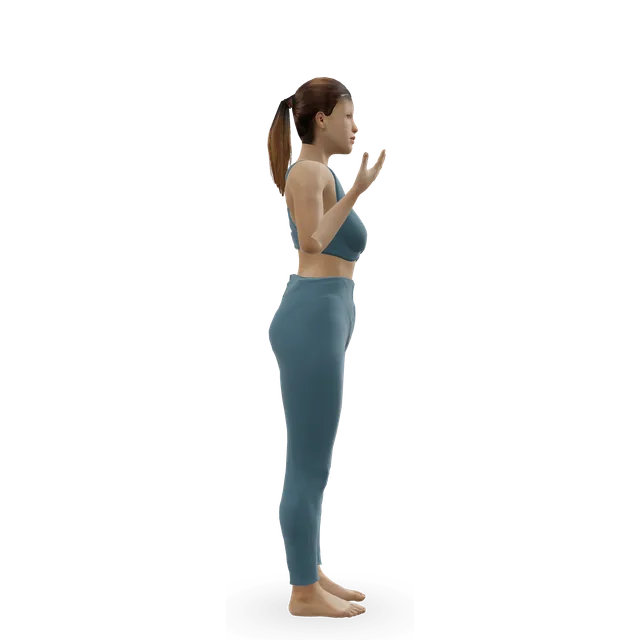
What helps, and how strong the evidence is

Lifting with the palm up or thumb upEmerging evidence

A US physiotherapy guideline says that "lifting objects with the forearm rotated in a pronated position" (palm down) should be kept to a minimum, in an ergonomics section whose recommendation rests on theory and standard practice rather than trials. Lab studies in healthy people suggest why: at the same wrist effort, the main muscle at the outer elbow worked harder with the palm down (40 arms), and elbow-bending strength with the palm down was about half that with the palm up or thumb up (113.6 newtons against 213.6 and 243.6, in 11 young men). In 81 people with tennis elbow, grip on the sore side was 50% of the other side with the elbow straight, and 69% with it bent to a right angle.

No trial has tested whether changing your grip eases elbow pain, so this rests on a guideline's suggestion and lab studies. NHS inform's advice is similar: change how you grip or lift, reduce the weight you carry and take regular breaks.

Sources 7, 17, 18, 19, 2

Loading exercise is the main treatmentEmerging evidence

Across 30 trials (2,123 people), exercise did better than steroid injections at every outcome and time point except short-term pain, and better than passive treatments, but the effects were small. A Cochrane review of 23 trials found manual therapy and exercise eased pain by about half a point out of 10 more than minimal treatment in the first 3 months, on low-certainty evidence, and the benefit didn't last.

The doses this guide uses come from a UK consensus of physiotherapists and patients: still holds of up to 60 seconds, 5 times, once a day, then lifting and lowering in 3 sets of 10 to 15 once a day, with forearm stretches of 30 seconds, 3 times, before and after. The US guideline suggests 3 sets of 15 for 6 to 12 weeks for strengthening the wrist extensors. NHS inform's version starts with 2 to 3 at a time and builds to 2 sets of 15, using "a small weight such as a tin of beans".

Sources 20, 21, 22, 7, 23

Straps and bracesMixed evidence

In 31 people with recent tennis elbow, a counterforce strap eased pain more than a dummy brace from 2 to 12 weeks and helped function at 26 weeks. The US guideline allows a strap or wrist support during activity for immediate relief, on expert opinion, but finds the longer-term evidence conflicting, and an older Cochrane review of 5 small trials reached no firm conclusion.

The NHS suggests trying a forearm strap or a wrist or elbow brace, NHS inform says the evidence is limited, and the UK consensus includes an elbow clasp. A strap is worth trying for comfort when you lift, but it doesn't heal the tendon.

Sources 24, 7, 25, 1, 2, 22

Steroid injections: short-term gain, long-term costStrong evidence

In 165 people with tennis elbow, a steroid injection did worse than a dummy injection at a year: 83% against 96% were recovered or much improved, and the pain came back in 54% against 12%. In another trial of 198 people, injections did best at 6 weeks, but 47 of their 65 early successes relapsed, and at a year there was no difference from physiotherapy or waiting. NHS inform says injections have limited benefit and won't cure tennis elbow.

Sources 26, 16, 2

How to handle loadsEmerging evidence

The HSE's handling advice is written for work, but it suits everyday lifting: keep the load close to your waist for as long as possible, with the heaviest side next to your body; "hug the load as close as possible to your body. This may be better than gripping it tightly with just your hands"; don't jerk or snatch it; turn with your feet; and "put down, then adjust". Its lifting guidelines aren't safe limits, and they're lower when the arms are held out. None of this has been tested for elbow pain.

Sources 27, 28

A torn biceps tendon: why timing mattersEmerging evidence

Surgery to repair the tendon is "ideally performed during the first 2 to 3 weeks after injury", the American Academy of Orthopaedic Surgeons says. In a review of 62 studies (2,481 tears, mostly in middle-aged men, and only 79 of them treated without an operation), repair gave about 26% more elbow-bending strength than no operation, with better turning strength and function. Arthritis UK says go to A&E or book an urgent GP appointment if you think you have a tear.

Sources 9, 29, 3

The funny-bone nerve: understanding beats gadgetsEmerging evidence

In 70 people with mild or moderate ulnar nerve symptoms at the elbow, all of whom were told what caused them and how to avoid it, 89.5% of those followed up improved by 6 months, and night splints or nerve glides added nothing. The British Society for Surgery of the Hand suggests not leaning on the elbow, using a headset for the phone, and wrapping a folded towel around the elbow at night or using a splint.

Sources 13, 12

How much pain is OK while you exercise?

The elbow pain ruleEmerging evidence

For the exercises, this guide uses the elbow hub's rule. Some discomfort during forearm exercises is fine. Keep it mild: no more than about 3 to 4 out of 10. It should settle within an hour or so, and your elbow should be no worse the next morning. If it is worse, go lighter next time (a lighter weight, a bendier bar, fewer reps or a shorter hold), not nothing. When a set no longer causes any discomfort, it's time to progress.

Tingling is the exception: stop any exercise or position that brings on pins and needles or numbness in your hand, especially in the ring and little fingers, and avoid holding the elbow fully bent while it settles.

This is lower than the 5 out of 10 used on this site's back and shoulder pages, because most elbow trials used pain-free or nearly pain-free exercise. A UK consensus paper that reviewed the tennis elbow trials reports that all but one asked for pain-free exercise; the exception, as that paper describes it, allowed mild pain below 4 out of 10. NHS inform's tennis elbow exercises allow up to 5; this guide keeps the hub's lower figure.

Pushing harder backfires at the elbow: still holds done above people's own pain threshold left more pain straight afterwards, while holds below it did not. In long-lasting muscle and joint pain generally, allowing some pain did no harm. The exact 3 to 4 out of 10 figure and the settling times are editorial. If pain climbs from week to week, or you notice a warning sign, stop and get it checked.

Lifting in daily life (our suggestion): the same mild limit. A lift or carry can twinge up to about 3 to 4 out of 10 if it settles within an hour and your elbow is no worse the next morning. If a lift is sharper than that, change the grip, bring the load closer, use two hands or carry less, rather than stop using the arm.

Sources 22, 30, 31, 23

The exercise plan: 3 stages

Start at the first stage. Each move opens a full guide with a 3D demo.

Stage 1

Settle: change how you lift, keep the arm moving, and start still holds

About the first 2 weeks: today's lifting and carrying changes (the written steps below), gentle movement, and still holds for the sore side, light enough to stay within the elbow rule. Choose the hold for where it hurts: the reverse wrist curl for the outer elbow, the wrist curl for the inner elbow, the biceps curl for the front of the elbow without a pop. After a pop with bruising or a bulge, use the warning signs, not this plan.

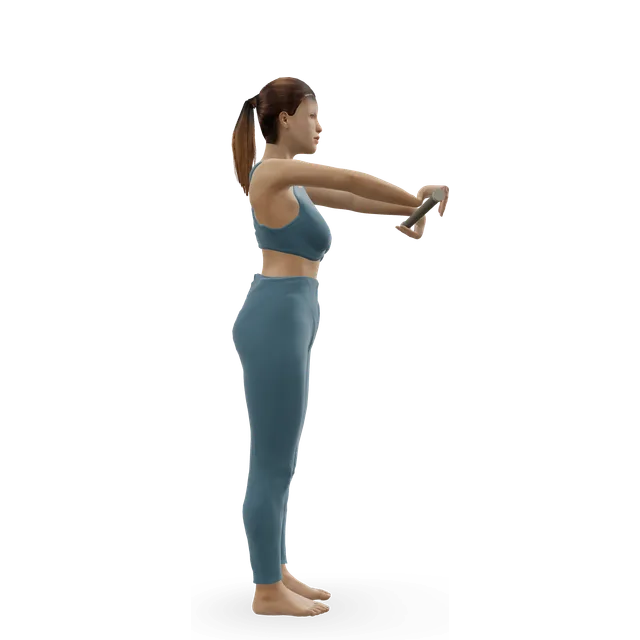
Elbow bend and straighten (elbow range of motion) demonstrated on the 3D figure3D demoElbow bend and straighten (elbow range of motion)Beginner · No equipment

10 slow reps, up to 4 times a day · The move page's dose, from an NHS Borders leaflet; the NHS suggests bending and straightening the arm

Harder: Dumbbell biceps curl

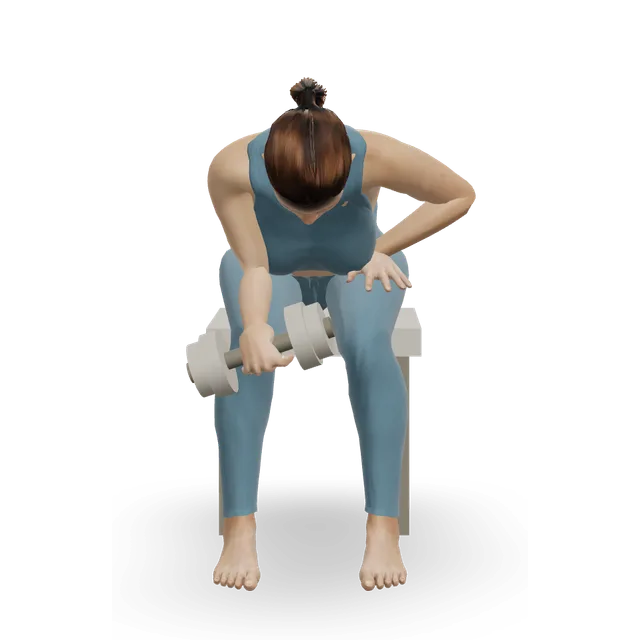
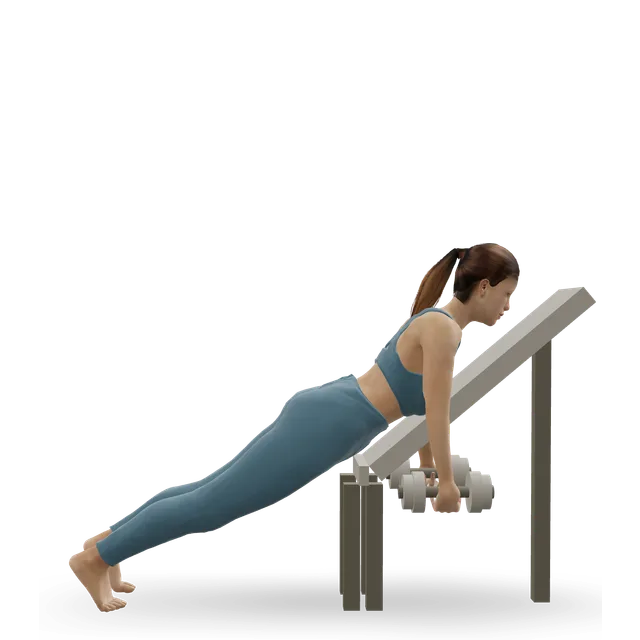
Reverse wrist curl demonstrated on the 3D figure3D demoReverse wrist curlBeginner · A dumbbell + A bench or box

5 holds of 30 to 45 s, once a day, held still with the wrist level and the forearm supported (outer elbow) · As in our tennis elbow guide; the UK consensus uses holds of up to 60 s, 5 times, once a day

Easier: Wrist-extensor eccentrics · Harder: Plate pinch

Wrist curls demonstrated on the 3D figure3D demoWrist curlsBeginner · A dumbbell

5 holds of 30 to 45 s, once a day, held still, palm up, the forearm supported (inner elbow) · As in our golfer's elbow guide, which borrows the UK consensus hold dose

Easier: Wrist-extensor eccentrics · Harder: Plate pinch

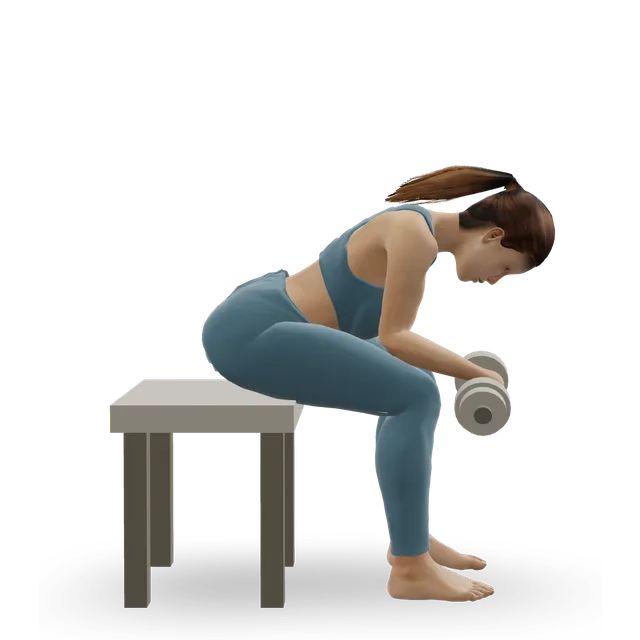
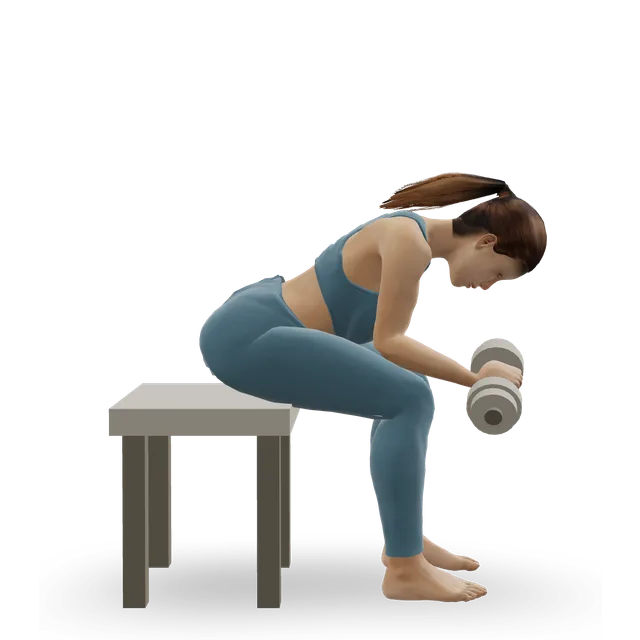
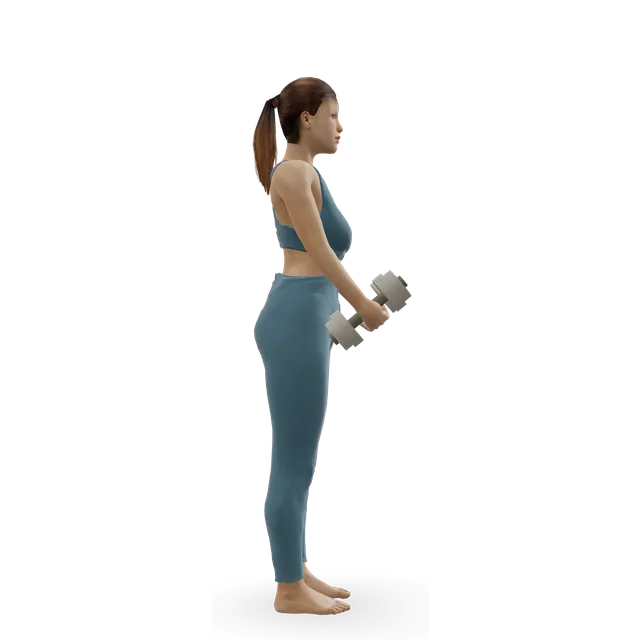
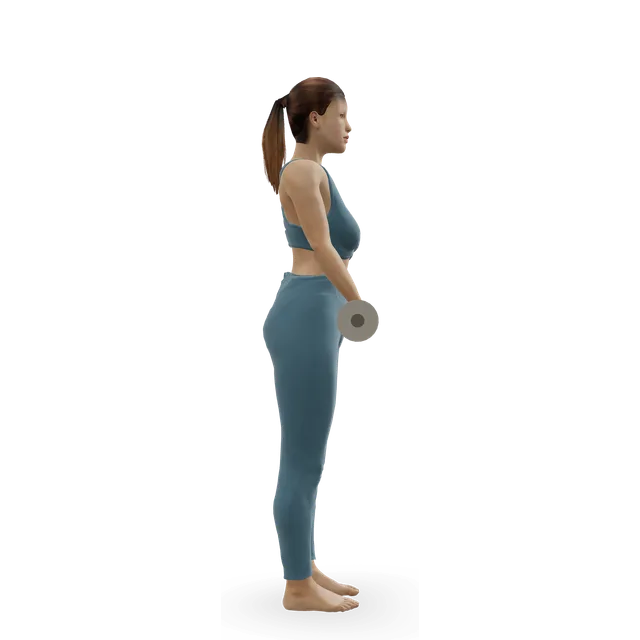
Dumbbell biceps curl demonstrated on the 3D figure3D demoDumbbell biceps curlBeginner · A dumbbell

5 holds of 30 to 45 s, once a day, the elbow at a right angle, a light weight (front of the elbow, no pop) · As in our distal biceps guide

Easier: Seated dumbbell curl · Harder: Incline inner biceps curl

Ball squeeze demonstrated on the 3D figure3D demoBall squeezeBeginner · Other / check instructions

30 s of squeezing and releasing, 5 to 10 times a day · As in our elbow pain guide (an NHS Borders leaflet's dose), as firmly as you can without increasing the pain

Easier: Tendon glides (hand tendon gliding exercises) · Harder: Band finger extension

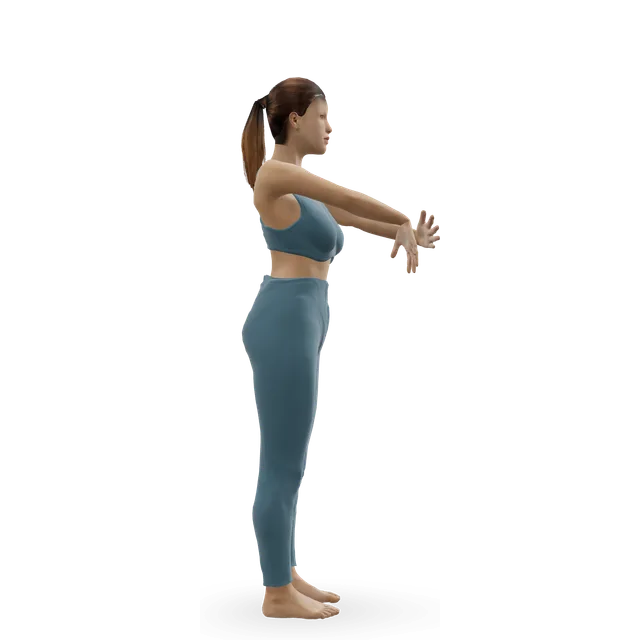
Wrist extensor stretch (tennis elbow stretch) demonstrated on the 3D figure3D demoWrist extensor stretch (tennis elbow stretch)Beginner · No equipment

3 holds of 30 s, after the holds · The move page's dose (an NHS Scotland booklet); the UK consensus stretches 30 s, 3 times, before and after loading

Easier: Wrist & forearm flow

Move on when: The holds stay within the elbow rule, everyday lifts with the new grip are comfortable, and your elbow is no worse the next morning (our suggestion).

Follow along: a timer, a cue and the next move, one step at a time.
Stage 2

Build: lift and lower, turn and grip

About weeks 2 to 8, once a day, or 3 days a week for the heavier moves (our suggestion): lifting and lowering, the core of the guideline and consensus programmes, plus forearm turning and a thumb-up curl that practises the grip this guide teaches.

Wrist-extensor eccentrics demonstrated on the 3D figure3D demoWrist-extensor eccentricsBeginner · A dumbbell

3 sets of 15, once a day, lowering over 3 to 4 s · The US guideline's 3 sets of 15, as our tennis elbow guide uses it (outer elbow)

Harder: Wrist curls

Reverse wrist curl demonstrated on the 3D figure3D demoReverse wrist curlBeginner · A dumbbell + A bench or box

3 sets of 10 to 15, once a day · The UK consensus dose for lifting and lowering, as in our tennis elbow guide

Easier: Wrist-extensor eccentrics · Harder: Plate pinch

Wrist curls demonstrated on the 3D figure3D demoWrist curlsBeginner · A dumbbell

3 sets of 10 to 15, once a day, lowering over 3 to 6 s · As in our golfer's elbow guide (inner elbow)

Easier: Wrist-extensor eccentrics · Harder: Plate pinch

Dumbbell forearm rotation demonstrated on the 3D figure3D demoDumbbell forearm rotationBeginner · A dumbbell + A bench or box

3 sets of 10 · As in our elbow pain and tennis elbow guides. Hold the handle nearer the weighted end to make it easier

Easier: Wrist-extensor eccentrics · Harder: Plate pinch

Hammer curl demonstrated on the 3D figure3D demoHammer curlBeginner · A dumbbell

3 sets of 8 to 12 · As in our ulnar nerve guide. Thumb-up lifting, the grip this guide teaches (our reasoning)

Easier: Seated dumbbell curl · Harder: Alternating hammer curl

Tyler twist (flexible bar, for tennis elbow) demonstrated on the 3D figure3D demoTyler twist (flexible bar, for tennis elbow)Beginner · Other / check instructions

3 sets of 15, about 4 s per rep, if you have a flexible bar · The move page's dose, from a trial. For inner-elbow pain, the reverse Tyler twist at its page's dose of 3 sets of 15

Easier: Wrist-extensor eccentrics · Harder: Reverse wrist curl

Move on when: 3 sets of the lifting and lowering moves stay within the elbow rule with a weight about as heavy as a full kettle, and everyday lifts are comfortable with a thumb-up grip (our suggestion).

Follow along: a timer, a cue and the next move, one step at a time.
Stage 3

Lifting and carrying come back

From about week 8, 2 to 3 days a week: carrying and lifting from the floor with the load close, as the HSE describes, then palm-up and finally palm-down lifting. Shopping, children and heavier jobs come back by the written steps below.

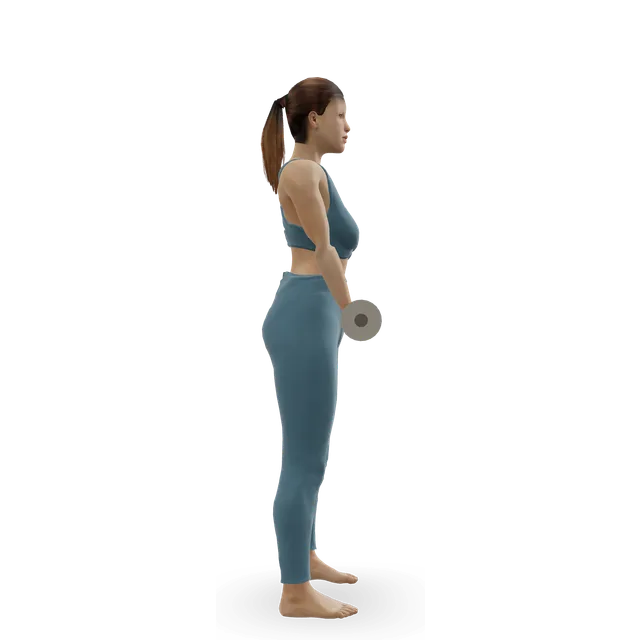
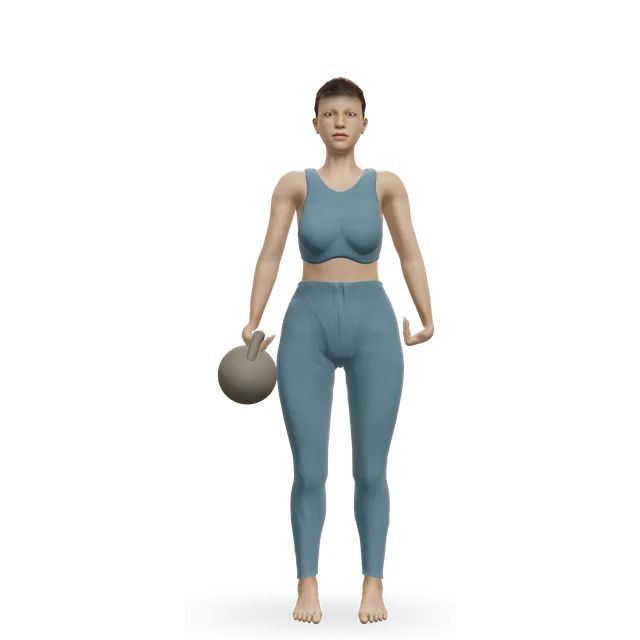
Farmer's carry demonstrated on the 3D figure3D demoFarmer's carryIntermediate · A dumbbell + A kettlebell

3 walks of 20 m, light, building the weight over weeks · As in our ulnar nerve guide; carried close at your sides, as the HSE advises

Harder: Suitcase carry

Suitcase carry demonstrated on the 3D figure3D demoSuitcase carryIntermediate · A dumbbell + A kettlebell

3 walks of 20 m with each hand, light · Editorial: the move page gives no dose. Practice for a one-handed shopping bag; stay tall and level, as the move page says

Easier: Farmer's carry · Harder: Overhead carry (waiter's walk)

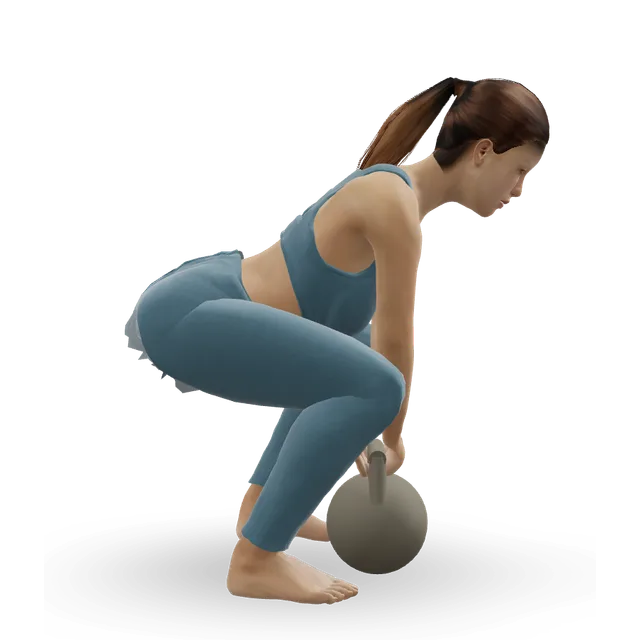
Kettlebell deadlift demonstrated on the 3D figure3D demoKettlebell deadliftBeginner · A kettlebell

3 sets of 8, light to moderate · Editorial: the move page gives no dose. Lifting from the floor with the load close and your back, hips and knees slightly bent, as the HSE describes

Easier: Hip-hinge practice · Harder: Dumbbell Romanian deadlift

Dumbbell biceps curl demonstrated on the 3D figure3D demoDumbbell biceps curlBeginner · A dumbbell

2 to 3 sets of 10 to 15, light, through your full comfortable range · As in our elbow arthritis guide; palm-up lifting

Easier: Seated dumbbell curl · Harder: Incline inner biceps curl

Chest-supported dumbbell row demonstrated on the 3D figure3D demoChest-supported dumbbell rowBeginner · A dumbbell + A bench or box

3 sets of 8 to 12 · As in our shoulder pain guide; pulling with a neutral grip

Harder: Supported single-arm dumbbell row

Dumbbell reverse curl demonstrated on the 3D figure3D demoDumbbell reverse curlIntermediate · A dumbbell

2 to 3 sets of 8 to 12, light, last · As in our tennis elbow guide: palm-down lifting loads the sore tendon most, so it comes back last

Easier: Seated dumbbell curl · Harder: Chin-up

Move on when: Our suggestion: the shopping, lifting and carrying you need stay within the elbow rule, and your elbow is no worse the next morning. Keep two strength days a week, and if it flares, drop back a stage for a few days and keep the holds going.

Follow along: a timer, a cue and the next move, one step at a time.

What to change for now

How to lift and carry for now (written steps)

Our 3D figure can't show these changes. They come from the US physiotherapy guideline, the HSE, NHS inform and the American Academy of Orthopaedic Surgeons; where a step is our suggestion, it says so. No trial has tested a lifting grip for elbow pain.

  • 1. Lift with your palm up or your thumb up rather than palm down, and keep palm-down lifting to a minimum while it's sore (the US guideline).
  • 2. Keep your elbow bent and the load close to your waist, with the heaviest side next to your body (the HSE).
  • 3. Hug larger things close with both arms rather than gripping them tightly in your hands (the HSE).
  • 4. Test the weight before you lift, move smoothly rather than jerking, turn with your feet, and put a load down before you adjust your grip (the HSE). If something heavier than you expected starts to fall, let it go rather than catching it with a straight arm (our suggestion: that's how biceps tears happen, the American Academy of Orthopaedic Surgeons says).
  • 5. Carry less and make more trips, and take regular breaks (NHS inform). Avoid sports and heavy lifting until you have less discomfort and good movement (NHS inform).
  • 6. Two lighter shopping bags carried close at your sides, a backpack or a trolley, rather than one heavy bag (our suggestion, in line with the HSE's advice to keep loads close).

Sources 7, 27, 28, 2, 14, 9

Everyday lifts: kettles, cups, jars and children (written steps)

These are our suggestions, built on the advice above.

  • 1. Fill the kettle with only what you need, and lift it with your other hand or both hands.
  • 2. Hold a mug or a pan with your thumb up and your elbow tucked in.
  • 3. Use a jar opener rather than twisting hard.
  • 4. For a baby or toddler, bring them close before you lift, scoop them up with both hands and both arms, elbows bent, and sit down for long cuddles and feeds.
  • 5. Use a sling, a pram or a trolley rather than carrying a car seat on a bent arm for long.

Source 27

At work (written steps)

These come from the HSE and the US guideline.

  • 1. Report aches, tingling or weakness early: people usually recover completely if the problem is recognised early and treated (the HSE).
  • 2. Repetitive work, awkward postures, force and long tasks without breaks are the risks (the HSE), and tools heavier than 1 kg and frequent heavy lifting are listed risk factors (the US guideline). Ask about lighter tools, handling aids and changes to the task (our suggestion).
  • 3. The HSE's lifting guidelines aren't safe limits, and they're lower when the arms are held out.

Sources 8, 7, 28

The funny-bone nerve (written steps)

These come from the British Society for Surgery of the Hand and a trial of 70 people.

  • 1. Don't lean on the elbow, and avoid holding it fully bent for long, such as on the phone: use a headset.
  • 2. Wrap a folded towel around the elbow at night, or use a splint.
  • 3. Understanding what brings it on and avoiding it was enough for most people in the trial; night splints and nerve glides added nothing.

Sources 12, 13

Lifting and carrying come back (written steps)

No trial has tested how to return to everyday lifting. These steps are our suggestion.

  • 1. Stages 1 and 2: palm up or thumb up, elbow bent, the load close, two hands, lighter loads and more trips.
  • 2. Stage 3, light first: a half-full kettle, a mug, a pan with two hands; then shopping split into two bags carried close; then heavier, such as a full basket, a suitcase or a toddler. One change at a time, within the elbow rule.
  • 3. Palm-down and one-handed heavy lifts come last, as the US guideline's advice suggests.
  • 4. At work, build heavy or repetitive lifting and tool use back over weeks.
  • 5. In the gym, our guide to elbow pain with pull-ups and curls covers pulling, curling and pressing.
  • 6. Flare-ups happen: drop back a stage for a few days and keep the holds going, rather than stopping.

Sources 7, 22

Positions to swap, and why

Habit or positionWhy it mattersInstead
Lifting with your palm down and your arm straightA US physiotherapy guideline suggests keeping palm-down lifting to a minimum, and grip was weaker with the elbow straight in people with tennis elbow.Palm up or thumb up, elbow bent, the load close.Try: Hammer curl
One heavy bag in one hand, the arm hanging straightThe HSE's lifting guidelines are lower when the arms are held out, and NHS inform says reduce the weight you carry.Two lighter bags close at your sides, a backpack or a trolley.Try: Farmer's carry
Gripping a load tightly in your fingersThe HSE says hugging the load close may be better than gripping it tightly with just your hands.Hug it close with both arms.
Jerking or snatching a load, or catching a falling oneThe HSE says don't jerk or snatch, and a biceps tear happens when a load forces the bent elbow straight.Test the weight first, lift smoothly, and let a falling load go.
Palm-down reverse curls at the gym while it's soreOur tennis elbow guide brings palm-down lifting back last, because it loads the sore tendon most.Hammer curls with the thumb up.Try: Hammer curl
Leaning on your elbow, or holding it bent for long, with tingling in the little fingerLeaning and keeping the elbow bent bring on ulnar nerve symptoms, and explaining this helped most people in a trial.A headset for the phone, no leaning, and a towel around the elbow at night.
Repeated steroid injectionsIn trials, people did worse at a year and relapsed more often after a steroid injection.The loading plan.Try: Reverse wrist curl
Relying on a strap instead of the exercisesA strap may ease pain while you wear it, but no clear long-term benefit has been shown.Wear it for lifting if it helps, and do the plan.Try: Wrist-extensor eccentrics
Not using the arm at allNHS inform says move the elbow gently every hour at first and use it more after the first 48 hours, and loading is the treatment.Change how you lift, and keep moving the elbow.Try: Elbow bend and straighten (elbow range of motion)
Pushing holds and lifts into sharp painStill holds above people's own pain threshold left more pain afterwards, and the elbow rule is 3 to 4 out of 10.A lighter weight or a shorter hold.

Routines to follow

More moves for this area

Questions people ask

Why does my elbow hurt when I lift things?

Usually it's tennis elbow, on the outside, or golfer's elbow, on the inside: overloaded tendons that hurt when you grip, lift and twist. Tingling in the ring and little fingers points to the ulnar nerve, and an ache at the front or back of the elbow to the biceps or triceps tendons, which have their own guides. A sudden pop while lifting is different and needs urgent care.

Why does my elbow hurt when I lift something light, like a cup or a kettle?

With tennis elbow, even light lifts can hurt, especially with the palm down and the arm straight, because they load the sore tendon at the outer elbow. Try lifting with your thumb up or palm up, your elbow bent and the cup or kettle close to your body. Filling the kettle with only what you need helps too (our suggestion).

Should I lift with my palm up or palm down?

Palm up or thumb up, for now. A US physiotherapy guideline suggests keeping palm-down lifting to a minimum, and lab studies in healthy people found the outer-elbow muscles work harder, and the arm is weaker, palm down. No trial has tested changing your grip, so bring palm-down lifting back gradually as you recover.

I felt a pop in my elbow lifting something heavy: what should I do?

Go to an urgent treatment centre or A&E, especially if you have bruising, a bulge in your upper arm or weakness turning your palm up. It may be a torn biceps tendon, which is best repaired within the first 2 to 3 weeks. Don't wait for the pain to settle, because it often eases within a week or two even when the tendon is torn.

Can I have tennis elbow if I don't play tennis?

Yes. Repetitive gripping and twisting at work and at home, and lifting heavy boxes, are commoner causes than tennis. In a Finnish study, 1.3% of adults aged 30 to 64 had it at the time, and repetitive, forceful work raised the odds.

Why does the inside of my elbow hurt when I lift?

Pain on the inner elbow when you grip, lift heavier things or bend your wrist is usually golfer's elbow, which mostly comes from repetitive, forceful work rather than golf. If your ring and little fingers tingle, the ulnar nerve may be involved: avoid leaning on the elbow or keeping it bent for long.

Does an elbow brace or strap help?

It may ease the pain while you wear it: in one small trial, a forearm strap reduced pain over 2 to 12 weeks more than a dummy brace. Guidelines find no clear long-term benefit, so use one for comfort when lifting, alongside the exercises rather than instead of them.

Should I stop lifting weights?

Not completely, but change what you lift for now: lighter weights, a thumb-up or palm-up grip, and nothing that takes the pain above about 3 to 4 out of 10. Loading the sore tendon with the right exercises is the main treatment. Our guide to elbow pain with pull-ups and curls covers the gym.

How can I carry shopping or lift my baby with a sore elbow?

Split shopping into two lighter bags carried close at your sides, or use a backpack or a trolley. Hugging a load close is easier on the arm than gripping it tightly with your hands, the Health and Safety Executive says. Lift your baby close to your body with both hands and arms, elbows bent, and sit down for long cuddles and feeds (our suggestion).

How long does elbow pain from lifting take to get better?

It varies. Tennis and golfer's elbow can last from 6 months to 2 years, and most people are better within a year; 80 to 95% get better without surgery. Steroid injections can make it last longer, with more relapses.

Will a steroid injection help?

It may help for a few weeks, but people who had one were less likely to have recovered at a year, and more likely to relapse, than those given a dummy injection. NHS inform says injections have limited benefit and won't cure tennis elbow. Exercise does better in the longer run.

Why does my elbow hurt when I straighten my arm after lifting?

Tennis elbow can make it hard to straighten your arm fully, the NHS says. Sudden pain and swelling at the back of the elbow, with less movement, after an injury can be a rare tear of the triceps tendon, which needs urgent care. A stiff elbow that won't fully bend or straighten has its own guide, on elbow arthritis.

Related exercise guides

Other pain guides

Sources

  1. NHS · Tennis elbow
  2. NHS inform · Tennis elbow
  3. Arthritis UK · Elbow pain
  4. American Academy of Orthopaedic Surgeons, OrthoInfo · Tennis elbow (lateral epicondylitis)
  5. Shiri 2006 · How common tennis and golfer's elbow are, and who gets them (population study of 4,783 people, Am J Epidemiol)
  6. Descatha 2016 · Tennis elbow and physical load at work (meta-analysis of 5 prospective studies, Arthritis Care Res)
  7. Lucado 2022 · Lateral elbow pain and muscle function impairments (clinical practice guideline, JOSPT)
  8. Health and Safety Executive · Upper limb disorders
  9. American Academy of Orthopaedic Surgeons, OrthoInfo · Biceps tendon tear at the elbow
  10. Launonen 2020 · Rising rates of distal biceps tendon surgery in Finnish and Swedish men, 1997 to 2016 (register study, J Hand Surg Am)
  11. NHS · Elbow and arm pain
  12. British Society for Surgery of the Hand · Cubital tunnel syndrome
  13. Svernlöv 2009 · Advice, night splints or nerve gliding for cubital tunnel syndrome (RCT of 70 people, J Hand Surg Eur)
  14. NHS inform · Elbow problems
  15. O'Driscoll 2007 · The hook test for distal biceps tendon tears (diagnostic study of 45 people, AJSM)
  16. Bisset 2006 · Physiotherapy, steroid injection or wait and see for tennis elbow (RCT of 198 people, BMJ)
  17. Ikeda 2025 · How turning the forearm changes wrist muscle activity (lab study of 40 healthy arms, J Orthop Surg Res)
  18. Kohn 2018 · Elbow-bending strength with the palm up, thumb up and palm down (lab study of 11 healthy men, Physiol Rep)
  19. Dorf 2007 · Elbow position and grip strength in tennis elbow (study of 81 people, J Hand Surg Am)
  20. Karanasios 2021 · Exercise for tennis elbow: better than passive treatments, but the effects are small (meta-analysis of 30 trials, BJSM)
  21. Wallis 2024 · Manual therapy and exercise for lateral elbow pain (Cochrane review)
  22. Bateman 2021 · An optimised physiotherapy protocol for tennis elbow (UK consensus study, BMJ Open)
  23. NHS inform · Exercises to help with tennis elbow
  24. Kroslak 2019 · Counterforce bracing for tennis elbow (placebo-controlled RCT of 31 people, JSES)
  25. Struijs 2002 · Braces and straps for tennis elbow (Cochrane review of 5 small trials)
  26. Coombes 2013 · Steroid injection, physiotherapy or both for tennis elbow (placebo-controlled RCT of 165 people, JAMA)
  27. Health and Safety Executive · Manual handling at work: good handling technique
  28. Health and Safety Executive · Manual handling at work: a brief guide (INDG143, 2020)
  29. Looney 2022 · Surgery vs non-surgical treatment of distal biceps tears (systematic review and meta-analysis, JSES)
  30. Coombes 2016 · Isometric exercise above but not below the pain threshold changes pain in tennis elbow (experimental study of 24 people, Clin J Pain)
  31. Smith 2017 · Should exercises be painful in chronic musculoskeletal pain? (meta-analysis of 7 trials, BJSM)
  32. NHS · Stroke: symptoms
  33. NHS · Septic arthritis

Exercise education, not a diagnosis or treatment plan. It is written from the guidelines and studies listed above; review by a clinician is pending. If your pain follows an injury, is severe, is getting worse, or comes with any warning sign listed on this page, get it assessed. Health disclaimer.