Tyler twist (flexible bar, for tennis elbow)
Holding a flexible rubber bar upright, the good hand twists it while the sore wrist stays bent back; with the arms straight out in front, the sore wrist then lets the twist unwind slowly, so the muscles that lift the wrist work while lengthening. A slow-lowering exercise for tennis elbow without weights, tested in two small trials.
Movement guide
Tyler twist (flexible bar, for tennis elbow)
Loading the 3D figure…
Make it easier or harder
Start where you can move well, then step up.
Easier option
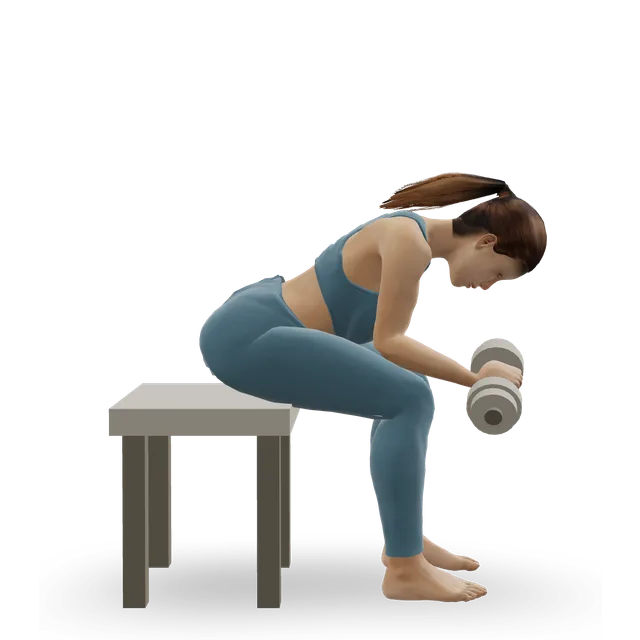 3D demoWrist-extensor eccentricsBeginner · A dumbbell
Suggested next step, beginner grade.
This move
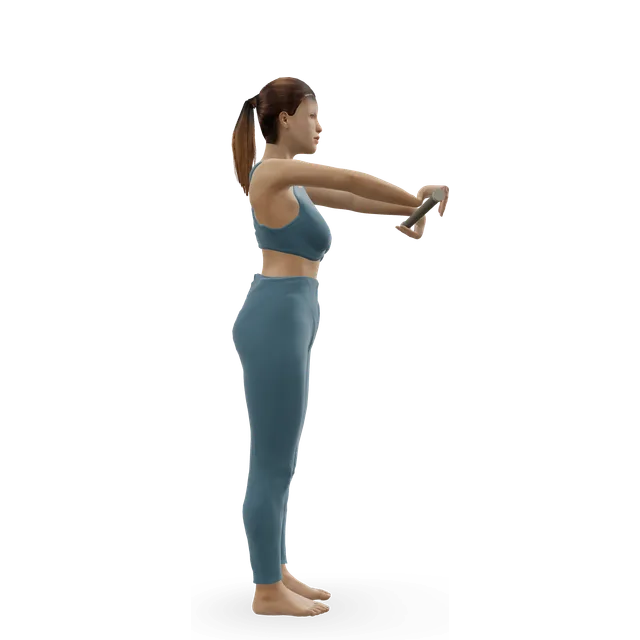 3D demoTyler twist (flexible bar, for tennis elbow)Beginner · Other / check instructions
Beginner grade.
Harder option
 3D demoReverse wrist curlBeginner · A dumbbell + A bench or box
Suggested next step, beginner grade.
Source-researched guide. Clinical review is pending.
How to move
- Hold the bar upright in front of you in the sore hand, gripping its lower end, with that wrist bent fully back.
- Take the top end of the bar in the good hand.
- Twist the bar with the good wrist, bending it forward, while the sore wrist stays bent back.
- Holding the twist, straighten both arms out in front of you so the bar is level: the good wrist bent forward, the sore wrist bent back.
- Let the bar untwist slowly, over about 4 seconds, by letting the sore wrist bend forward. The good hand stays still.
- Bring the bar back upright, reset and repeat.
Form cues
- The good hand twists; the sore hand only lets go, slowly.
- Keep both elbows straight once the arms are out in front.
- Avoid: letting the bar spring back, twisting with the sore hand (that makes it a lifting exercise, not a lowering one), bending the elbows, or starting with a bar that is too stiff.
Practice and cautions
3 sets of 15, about 4 seconds per repetition, with 30 seconds' rest between sets: the dose in the Kazi 2023 trial, which moved people to a stiffer bar after 3 weeks of 3 sets of 15. The JOSPT guideline suggests 3 sets of 15 for 6 to 12 weeks for wrist-extensor exercise. Doing it once a day is an editorial starting point; the Tyler 2010 trial's own dose could not be checked.
Use the most flexible bar first. Elbow specialists suggest working with discomfort of about 3 to 4 out of 10; it should settle by the next morning. Sharp pain, or pain that is worse the next day, means a more flexible bar, a smaller twist or fewer reps. Stop if the hand tingles. After a recent elbow injury or surgery, ask your physiotherapist first. This is movement education, not an assessment or treatment prescription. Stop for sharp or increasing pain, dizziness, numbness or tingling; seek individual guidance for symptoms, injury or restrictions.
Sources and review status
Sources support the educational description; they do not establish that this exercise is suitable for you.
- Tyler 2010 · Adding an eccentric wrist-extensor exercise (the flexible-bar twist) to standard treatment for chronic tennis elbow (RCT of 21 people, JSES) ↗
- Kazi 2023 · The Tyler twist vs active release technique for tennis elbow (trial of 30 people, Cureus) ↗
- Ellenbecker 2013 · Current concepts in examination and treatment of elbow tendon injury (review, Sports Health) ↗
- Lucado 2022 · Lateral elbow pain and muscle function impairments: JOSPT clinical practice guideline ↗
No variation is labeled clinically validated.
What it works
Muscles
Main: Forearms.
Anatomy: Brachioradialis, Wrist and finger flexors, Wrist and finger extensors.
Equipment
Other / check instructions
Level
Beginner. See the easier and harder options above.
Pain guides that use it
Part of a staged plan, with when to get help first.
Similar moves
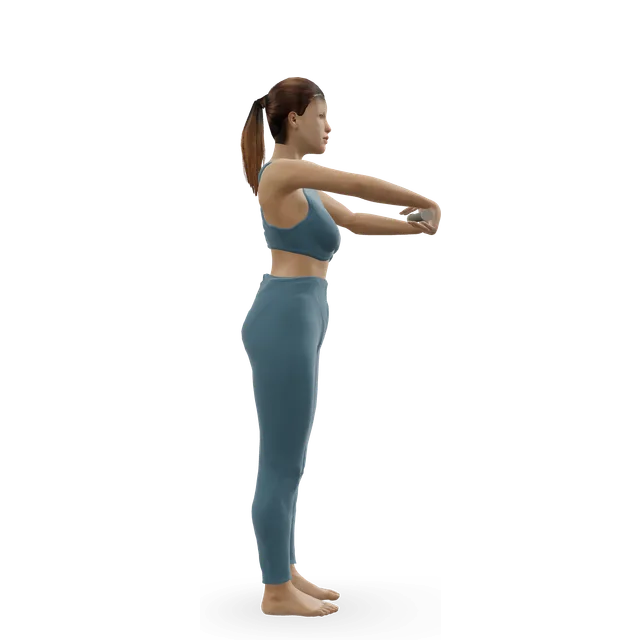


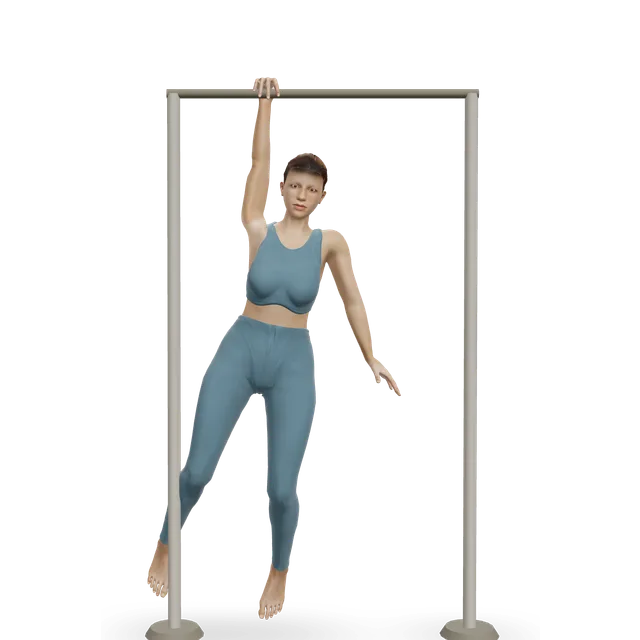
Browse more
Questions people ask
What muscles does the Tyler twist (flexible bar, for tennis elbow) work?
Mainly the forearms.
What equipment do I need for the Tyler twist (flexible bar, for tennis elbow)?
Other / check instructions.
Is the Tyler twist (flexible bar, for tennis elbow) good for beginners?
It is graded beginner, so it suits most people starting out. When it feels easy, try the Reverse wrist curl.
What is an easier alternative to the Tyler twist (flexible bar, for tennis elbow)?
Try the Wrist-extensor eccentrics. It is the suggested step down from this move.
How do I make the Tyler twist (flexible bar, for tennis elbow) harder?
Progress to the Reverse wrist curl, or add load, range or slower lowering once your form is solid.