Infected bursitis: antibiotics firstEmerging evidence
The NHS says antibiotics are usually taken for at least 7 days if bursitis is caused by an infection. In 272 French patients with infected elbow or knee bursitis, most settled without surgery; treatment failed in 5.9%, more often when antibiotics lasted under 14 days. In a US emergency department, 134 people sent home on antibiotics without the bursa being drained were followed up, and 88% settled without a later drainage, admission or operation. A French guideline from 2023 covers the tests, antibiotic choices and when to operate.
Surgery for infection is kept for severe, stubborn or recurring cases. In a trial in Geneva of 164 people admitted with infected bursitis (130 at the elbow), removing the bursa in one operation failed no more often than in two (10% against 16%), with fewer wound problems at the elbow. For skin infections, the NHS asks you to finish the course of antibiotics and to contact your GP if you don't start to feel better after 2 to 3 days.
Sources 3, 14, 17, 18, 19, 20, 21
Non-infected bursitis: pressure off, ice, painkillers and compressionEmerging evidence
The NHS advises resting it from pressure, an ice pack wrapped in a tea towel for around 10 minutes every few hours, paracetamol or ibuprofen, and extra cushions around the joint at night. An Essex NHS trust adds a tubular compression bandage and gentle supported bending and straightening of the elbow, little and often; NHS Lothian says avoid leaning on the elbow and keep it moving.
In the only randomised trial, 90 people with non-infected bursitis had an elastic bandage with mild compression plus a week of anti-inflammatory tablets, draining, or draining with a steroid injection, and all were told not to rub the elbow on hard surfaces. By 4 weeks it had settled (the fluid gone or clearly less) in 83%, 65% and 85%. The steroid worked fastest (2.3 weeks against about 3), but the trial was small and could only detect large differences, and its authors favoured compression and a short course of tablets as the best balance of safety and benefit. Anti-inflammatory tablets don't suit everyone, so check with a pharmacist.
US surgeons add elbow pads, avoiding pressure, and a splint that keeps the elbow straight so the skin doesn't tighten over the swelling; if it hasn't settled after 3 to 6 weeks, draining with a steroid injection may be offered.
Sources 3, 12, 5, 13, 1
Draining and steroid injections: more downsides than they lookMixed evidence
NHS Lothian doesn't routinely drain it, because the fluid comes back and the needle can rarely introduce infection, and NHS Ayrshire & Arran says the same. A GP may still take a sample to test for infection or gout, which can also ease it. A review of 29 studies found draining didn't raise the infection rate in non-infected bursitis, so the size of that risk is uncertain.
Steroid injections speed things up a little, but the same review (1,278 people) found steroid for non-infected bursitis linked with more complications, including infection and thinning of the skin, without a better outcome, and another review advised keeping it for bursitis that doesn't settle. One review's authors don't inject steroid at all. The NHS lists a steroid injection as an option, but not if bursitis is caused by an infection, and an Essex NHS trust considers it when the swelling is large, persistent and affecting daily life. An older review found only limited evidence, from one small trial, for any treatment.
Sources 5, 4, 3, 22, 23, 6, 12, 24
Surgery is rarely neededEmerging evidence
Across 29 studies, surgery resolved bursitis less often and caused more complications, persistent drainage and infection than non-surgical care. NHS Lothian performs it 'rarely, if ever': the scar can be sensitive and make leaning on the elbow painful, the swelling can come back, the wound can leak for weeks, and stiffness and pain can follow. In 191 patients, 11.5% needed a second operation, more often with rheumatoid arthritis, diabetes or previous bursitis.
In a small comparison of 49 people with knee or elbow bursitis, keyhole removal meant shorter hospital stays and higher satisfaction than open surgery. US surgeons say the skin usually heals within 12 to 16 days, full use of the elbow is often allowed after 3 to 4 weeks, and the elbow may need padding for several months.
Sources 22, 5, 4, 25, 26, 1, 3
Exercise doesn't treat the bursaEmerging evidence
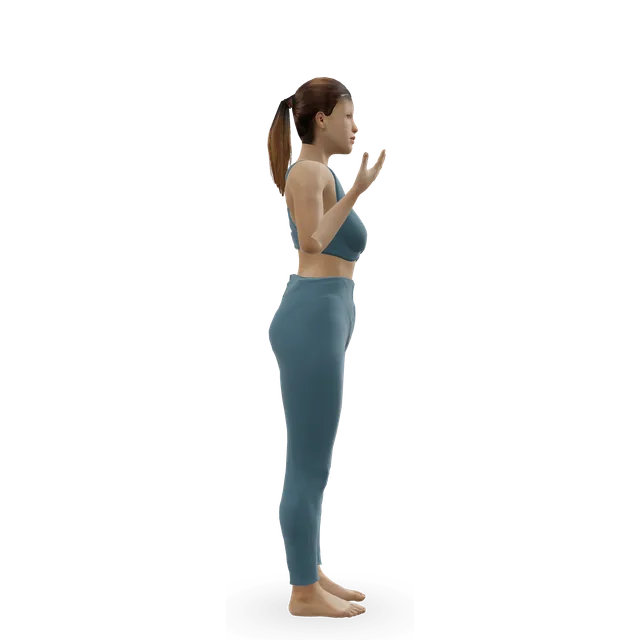
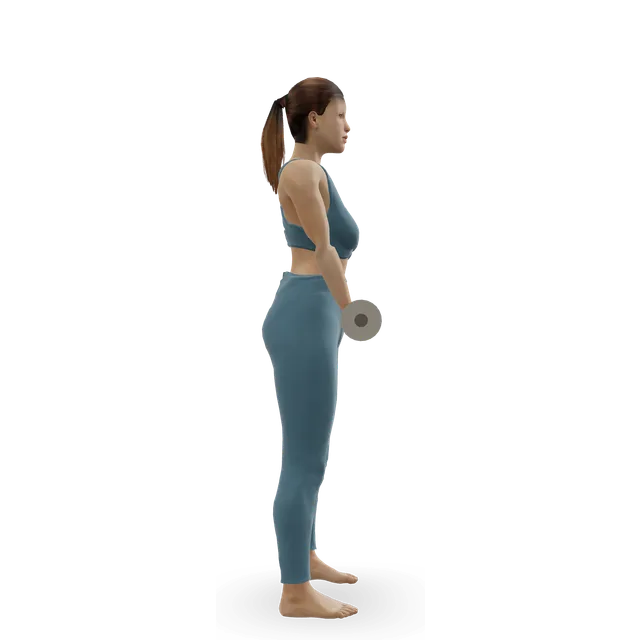
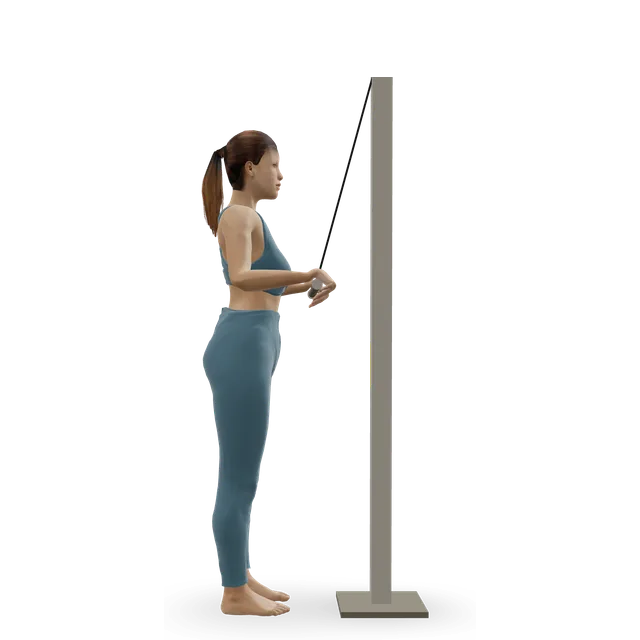
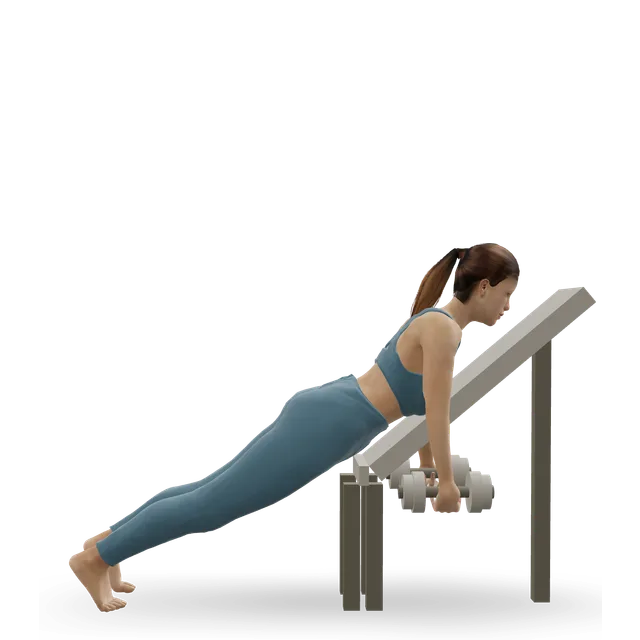
No study has tested exercise for bursitis, and it isn't a treatment for it; a 2021 review calls bursitis often self-limiting. NHS services ask you to keep the elbow moving, because the joint itself isn't affected. The plan below is our suggestion: it keeps the elbow, wrist and shoulder moving, builds strength without pressure on the point of the elbow, and brings positions that rest on the elbows back on padding. US surgeons name long plank holds as a cause, so forearm planks wait.
Sources 3, 5, 12, 1, 27
Preventing itEmerging evidence
The NHS advises cleaning any cuts on the joints, using padding when you put a lot of pressure on them, taking regular breaks, not knocking them, and keeping a healthy weight. US surgeons recommend elbow pads. In the army study, combat units had more than three times the overall rate (97 against 29 per 100,000 a year), and the authors called protective gear the most promising prevention.
Sources 3, 1, 7