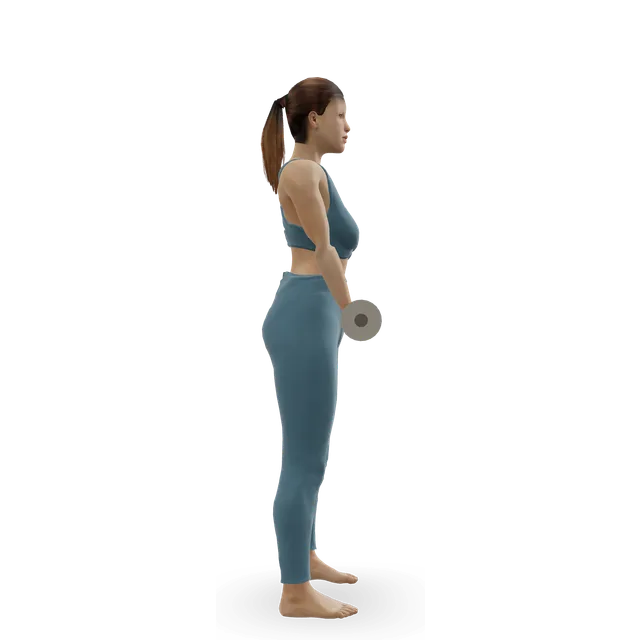
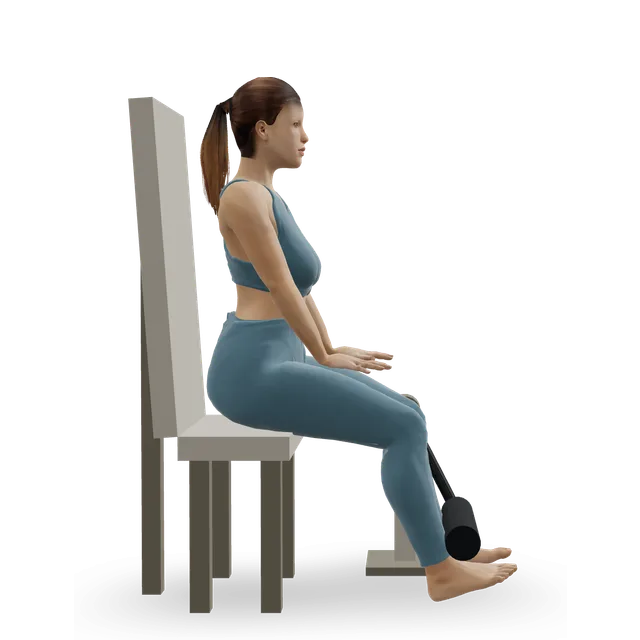
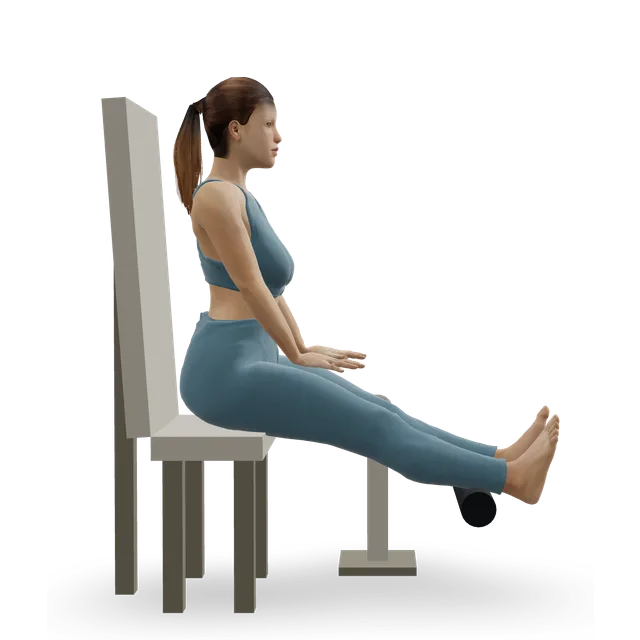
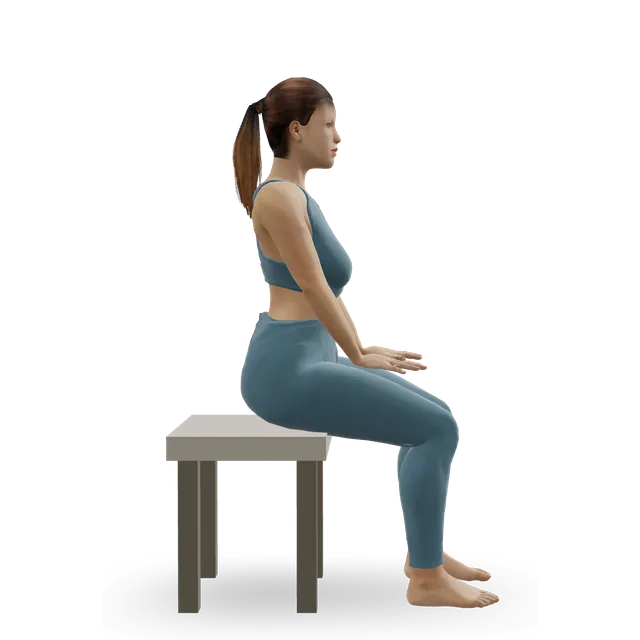
Exercise guide

Exercise for sarcopenia: strength training, protein and how muscle loss is measured

Sarcopenia is the loss of muscle strength and size that often comes with age, and experts now call it a muscle disease. It affects roughly 1 in 10 to 1 in 4 people over 60, raises the risk of falls, fractures and losing independence, and is measured first by strength: your grip, and how quickly you can stand up from a chair.

Strength training is the first treatment, and it works at any age: in small trials, people in their late 80s and 90s more than doubled their strength in 8 to 10 weeks. This guide covers how sarcopenia is measured, the exercises and doses the guidelines recommend, power and balance, and what they say on protein, vitamin D and creatine, with 3D demos of every move. Speak to a GP (general practitioner) first if you have heart disease or another condition, or haven't exercised for a while.

The short version

A muscle disease, defined by strength

The European Working Group on Sarcopenia in Older People (EWGSOP2) calls sarcopenia a muscle disease, and it has its own diagnosis code. Low strength makes it "probable", low muscle size confirms it, and poor physical performance makes it severe. It's most common with age, but illness, inactivity and poor nutrition can bring it on earlier.

Sources 1, 2

Common, and it matters

About 10% to 27% of people aged 60 and over have sarcopenia, depending on how it's measured. It raises the risk of falls and fractures, difficulty with everyday tasks, losing independence and dying earlier. Strength falls 2 to 5 times faster than muscle size, which is why strength is tested first.

Sources 3, 1, 4

Strength training is the first treatment

International guidelines strongly recommend resistance (strength) training. In 121 trials of older people, it produced large strength gains and made getting up from a chair easier, and in 42 trials in people with sarcopenia it improved quality of life, walking speed and chair rising.

Sources 5, 6, 7

Twice a week, building to hard

Work the big muscles of the legs, hips, chest and back twice a week (up to 3 days), at least 48 hours apart: 1 to 3 sets of 6 to 12 repetitions, starting at a moderate effort and building to hard over the weeks, for at least 12 weeks and then for good. Stand up briskly and lower slowly to build power.

Sources 8, 9

Add balance, and strength before brisk walking

The National Institute for Health and Care Excellence (NICE) wants falls-prevention exercise to cover balance, coordination, strength and power. Walking alone doesn't treat sarcopenia, and if you're frail, build strength and balance before brisk walking: in a large trial, a walking-based programme in frail older people came with more falls.

Sources 10, 9, 11

Protein helps most alongside exercise

Expert groups advise at least 1.0 to 1.2 g of protein per kg of body weight a day from 65, more if you're active or ill, and 1 to 1.5 g with sarcopenia, spread across your meals. With kidney disease, don't change your protein without your kidney team. Our protein calculator works out the amounts.

Sources 12, 13, 14, 15

What sarcopenia is

A muscle disease

EWGSOP2 calls sarcopenia "a muscle disease (muscle failure)" rooted in muscle changes that build up across a lifetime. It's common in older adults but can also occur earlier in life, and since 2016 it has had its own diagnosis code.

Sources 1, 2

How common it is

In 151 studies of 692,056 people aged 60 and over, 10% to 27% had sarcopenia and 2% to 9% had severe sarcopenia, depending on the definition used. An international guideline puts it at 6% to 22% of older adults.

Sources 3, 5

How muscle changes with age

Grip strength peaks between 30 and 40 (at about 51 kg for men and 31 kg for women, in British data from 49,964 people) and declines after that; by 80, about 1 in 4 people have weak grip. Muscle size shrinks slowly through adult life and faster after about 70 to 75, while strength falls 2 to 5 times faster than size: at 75, by about 2.5% to 4% a year.

Sources 16, 4

Why it matters

Sarcopenia raises the risk of falls and fractures, makes daily activities harder, lowers quality of life, and contributes to losing independence, moving into a care home and dying earlier. It's linked with heart, lung and memory problems. NHS Wales calls it "preventable, treatable and reversible".

Sources 1, 17

What causes it

When no other cause is found, it's called primary or age-related sarcopenia. Secondary sarcopenia comes from illness, inactivity or poor nutrition. Sarcopenia that has lasted less than 6 months (acute sarcopenia) usually follows an illness or injury.

Source 1

Sarcopenia and frailty

Frailty is wider: EWGSOP2 describes it as a decline across many body systems, with social as well as physical sides. Sarcopenia is the muscle part of the picture. Our older adults guide covers frailty.

Source 1

Bed rest weakens muscle fast

In 11 healthy adults aged about 67, 10 days of bed rest cut leg strength by 13%, stair-climbing power by 14% and fitness by 12%. NHS hospitals run campaigns to get patients up, dressed and moving, and after a hospital stay NHS Wales advises strength exercise and protein-rich food.

Sources 18, 19, 17

How sarcopenia is measured

Strength first

Doctors usually start with grip strength or a chair stand test. On the European cut-offs:

  • Grip under 27 kg for men or 16 kg for women is low strength: sarcopenia is "probable".
  • Taking more than 15 seconds to stand up 5 times from a chair, arms folded, also counts as low strength.
  • A scan showing low muscle mass confirms sarcopenia.
  • Walking at 0.8 metres a second or slower, or other slow results on tests of physical performance, makes it severe.

Source 1

Other definitions

Asian guidelines use slightly higher cut-offs (grip under 28 kg for men or 18 kg for women, and 12 seconds or more for 5 chair rises) and a "possible sarcopenia" step that GPs can use.

Source 20

A 5-question checklist

The SARC-F questionnaire asks about strength, needing help to walk, getting up from a chair, climbing stairs and falls, scored 0 to 10, with 4 or more counting as positive. It misses many cases, but most people it flags do have sarcopenia, and positive scores were linked with poorer health later.

Sources 21, 1

Screening

The International Conference on Frailty and Sarcopenia Research (ICFSR) guideline suggests checking everyone aged 65 and over once a year, or after a major health event, with walking speed or SARC-F. It's a conditional recommendation, on low-certainty evidence.

Source 5

There's no blood test

Sarcopenia is diagnosed from tests of strength, muscle size and performance; a blood test that could diagnose it is something researchers hope to develop. Muscle size is measured with a DXA (dual-energy X-ray absorptiometry) scan, which uses a low dose of X-rays, bioimpedance scales, a CT (computed tomography) scan or an MRI (magnetic resonance imaging) scan.

Source 1

Our tests

Our grip strength test uses the European cut-offs: a low result is a reason for your GP to check further, not a diagnosis. Our chair stand test counts stands in 30 seconds, a different version from the 5-rise test above, so their results and cut-offs aren't interchangeable. Our timed up and go page uses falls cut-offs, which are lower than the 20 seconds or more that marks severe sarcopenia.

Source 1

Test yourself

These tests track your strength and balance; they don't diagnose sarcopenia.

What the evidence says

Guidelines put strength training firstStrong evidence

The ICFSR guideline strongly recommends resistance training to treat sarcopenia, on moderate-certainty evidence. Only 2 small trials had been done in people diagnosed with sarcopenia, so the rating draws on wider evidence in older people. Australian and New Zealand guidelines say to offer tailored resistance training, and Asian guidelines make exercise and nutrition the mainstays.

Sources 5, 14, 20

Large strength gains in older peopleStrong evidence

A Cochrane review of 121 trials (6,700 older people, mostly training 2 to 3 times a week at high intensity) found large strength gains, a moderate to large improvement in getting up from a chair, and small gains in walking speed (0.08 metres a second) and physical ability. Side effects were poorly recorded, but serious ones were rare.

Source 6

In people with sarcopeniaStrong evidence

A 2023 analysis of 42 trials (3,728 people with sarcopenia, average age 73, usually for 12 weeks) found resistance training, alone or with balance, aerobic exercise or nutrition, improved quality of life the most. Walking speed rose by 0.16 metres a second, more than the 0.1 that people notice. Chair-stand times improved by about 2 seconds and grip by about 4 kg with the best combinations, a little under the amounts researchers count as noticeable.

Source 7

It works in very old ageStrong evidence

In 10 people aged about 90, 8 weeks of heavy strength training nearly tripled leg strength (up 174%). In 100 frail nursing-home residents averaging 87, 10 weeks of strength training more than doubled strength (up 113%, against 3% without it). The 2021 ICFSR exercise guideline says high-intensity training is "feasible and effective even for older persons who are severely frail".

Sources 22, 23, 9

Exercise helps prevent disabilityStrong evidence

In the LIFE trial (1,635 inactive adults aged 70 to 89, followed for about 2.6 years), a programme based mostly on walking, with strength and flexibility work, cut major mobility disability from 35.5% to 30.1% of people. In SPRINTT (1,519 frail adults with sarcopenia, average age 79, about 26 months), twice-weekly sessions plus home exercise and nutrition advice cut mobility disability from 52.7% to 46.8%.

Sources 24, 11

Walking-based programmes and fallsEmerging evidence

In SPRINTT, falls were more common with the walking-based programme (13.2% of people against 8.2%); the authors suggest walking routines may increase falls by building confidence. ICFSR says aerobic training alone has been shown to increase falls and fracture risk, and that strength and balance problems should be tackled first.

Sources 11, 9

Protein's role is smallerMixed evidence

ICFSR's recommendation for protein is conditional, on low-certainty evidence. In 74 trials in healthy adults, extra protein with resistance training added a little muscle but made little difference to function, and in frail nursing-home residents a nutritional supplement alone did nothing. In people with sarcopenia, adding nutrition to exercise improved grip more than exercise alone.

Sources 5, 25, 23, 7

No medicine or hormone is recommendedStrong evidence

ICFSR makes no recommendation for vitamin D or for hormones such as testosterone, and says other treatments lack robust evidence. Exercise is the treatment with the evidence.

Source 5

How much, and how to progress

Doses are starting points, not prescriptions. With a heart condition or another illness, your team's plan comes first.

The UK prescription for sarcopenia

A 2022 UK prescription for sarcopenia (Hurst and colleagues) suggests:

  • 2 sessions a week, at least 48 hours apart; once a week is a reasonable start if you're very weak.
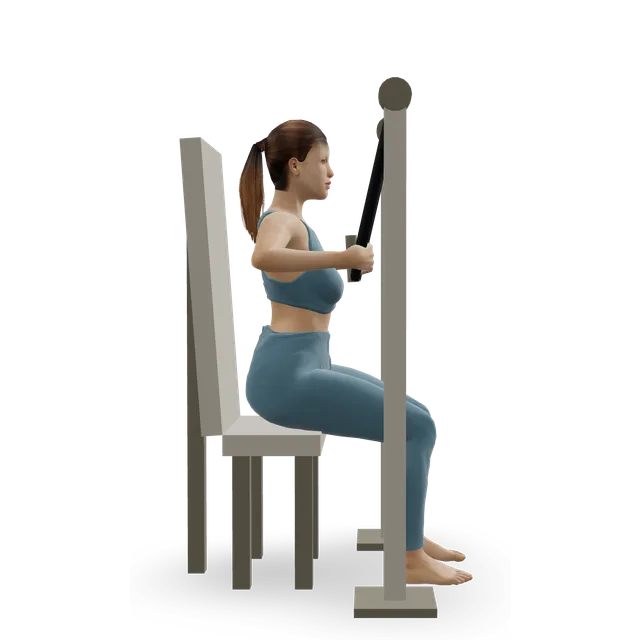
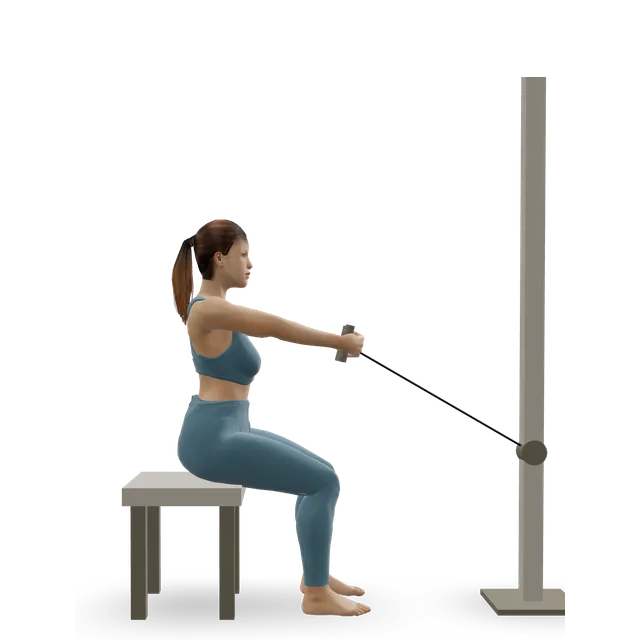
  • Leg press or squats, knee extension, leg curl and calf raises; chest press, seated row and pulldown.
  • 1 to 3 sets of 6 to 12 repetitions, resting 1 to 2 minutes between sets.
  • An effort that builds from 3 to 5 out of 10 up to 6 to 8 out of 10.
  • At least 12 weeks.

Source 8

The international guideline

ICFSR's 2021 exercise guideline suggests resistance training 2 to 3 times a week, starting with 1 to 2 sets and building to 2 to 3 sets of 8 to 12 repetitions, for 8 to 10 major muscle groups, from light loads up to heavy ones. It says very light or home-only exercise is much less effective for building strength, and that fast power training should be included where possible.

Source 9

Lift briskly, lower slowly

Power, the ability to produce force quickly, helps you get up from a chair and catch yourself if you trip. Once your technique is right, lift at a brisk pace and lower slowly, as our older adults guide puts it: "stand up briskly, sit down slowly".

Sources 9, 8, 26

You don't need to train to failure

An American College of Sports Medicine position stand, drawn from 137 reviews, found strength gains don't need sets taken to failure. For older beginners, stopping about 2 repetitions short of failure is plenty (our editorial suggestion, as in our seniors plan).

Source 26

NHS starting points

The NHS suggests strength exercises at least twice a week, starting with 5 sit-to-stands, 5 mini squats, 5 calf raises and 3 sets of 5 to 10 wall press-ups, plus balance exercises such as sideways walking, heel-to-toe walking and standing on one leg. It says to speak to a GP first if you haven't exercised for some time, or have medical conditions or concerns.

Sources 27, 28, 29

Our editorial starting point

Built on the UK prescription and the ICFSR guideline, this is our editorial reading, not a tested programme. In weeks 1 to 4, do 1 to 2 sets of 10 to 12 at a moderate effort (about 3 to 5 out of 10) on 2 days a week. From week 5, do 2 to 3 sets of 8 to 12 at a hard effort (about 6 to 8 out of 10). When you can do 12 good repetitions with a couple to spare, add the smallest weight step.

Sources 8, 9

Balance, and falls

NICE's falls guidance wants exercise programmes to cover balance, coordination, strength and power, with progress reviewed. Falls prevention takes time: effective programmes add up to at least 50 hours of challenging balance and progressive strength training. The NHS says strength, balance and flexibility exercises help you feel more confident on your feet.

Sources 10, 8, 29

Walking: good for you, but not enough

Walking helps your heart and counts towards 150 minutes of activity a week, but on its own it doesn't treat sarcopenia. If you're frail or have fallen, build strength and balance first, then add brisk walking.

Sources 9, 11, 29

Supervision helps

People stick with supervised programmes better, and group classes add company. Ask your GP about a physiotherapist, a falls service or local strength and balance classes.

Sources 8, 5, 10

Strength at home

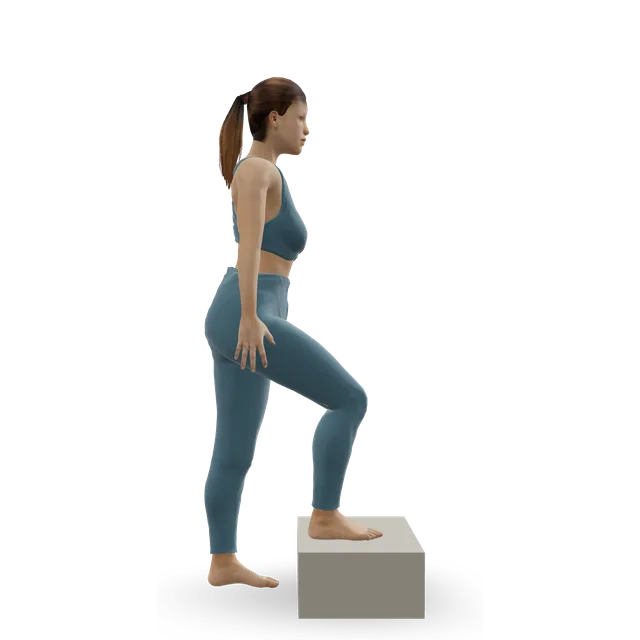
Start with the NHS's 5 of each, then build towards 2 to 3 sets of 8 to 12, adding load as they get easy: a higher step, a stronger band, an ankle weight or dumbbells.

Strength in the gym

The machines in the UK prescription. Our gym workout for seniors puts them in order, with a balance finish; ask an instructor to set each machine up the first time.

Balance and power

Do balance work at least twice a week, next to a counter or rail: 10 sideways steps each way, heel-to-toe walking, and one-leg stands of 5 to 10 seconds, 3 times each side, building up (NHS). Practise getting up from the floor with someone nearby.

Protein and food

How much proteinStrong evidence

Expert groups (PROT-AGE, and the European Society for Clinical Nutrition and Metabolism, ESPEN) advise at least 1.0 to 1.2 g of protein per kg of body weight a day for people over 65, 1.2 g or more if you exercise, and 1.2 to 1.5 g with an acute or long-term illness. For sarcopenia, Australian and New Zealand guidelines suggest 1 to 1.5 g, ideally 1.2 g or more, spread evenly across your meals. Our protein calculator works it out for you.

Sources 12, 13, 14

Protein works best with trainingMixed evidence

On its own, extra protein does little: a nutritional supplement alone didn't help frail nursing-home residents, and in trials in healthy adults extra protein with training added only a little muscle. ICFSR's recommendation for protein supplements or a protein-rich diet is conditional. Eat enough protein, and train.

Sources 5, 25, 23

Protein from food

NHS Wales suggests protein-rich foods such as meat, fish, dairy, eggs, tofu, beans and pulses. If you're struggling to eat enough, ask your GP about seeing a dietitian.

Sources 17, 14

With kidney diseaseStrong evidence

With chronic kidney disease, don't change your protein without your kidney team or a renal dietitian. Kidney Disease: Improving Global Outcomes (KDIGO) suggests about 0.8 g per kg a day for stages 3 to 5, and avoiding more than 1.3 g if your kidneys are at risk of getting worse, while noting that older people with frailty or sarcopenia may need higher targets. Our kidney disease guide has more.

Sources 15, 12

Losing weight without trying

See a GP if you're losing weight without trying. ESPEN advises screening all older people for malnutrition.

Sources 30, 31

Vitamin D, creatine and hormones

Vitamin DMixed evidence

ICFSR makes no recommendation on vitamin D for sarcopenia, because the evidence is very low certainty. The NHS's general advice still applies: everyone should consider 10 micrograms a day in autumn and winter, and all year if you're rarely outdoors, frail or housebound, live in a care home, usually cover up outdoors, or have dark skin. Don't take more than 100 micrograms a day.

Sources 5, 32

CreatineMixed evidence

In 11 trials in mostly healthy adults over 60 doing strength training, creatine added a small extra strength gain, with no clear extra muscle or physical function; whether it helps frail people or people with sarcopenia is unknown. This is research, not a recommendation: no sarcopenia guideline recommends it. Talk to your doctor first, especially with kidney disease, because kidney guidelines link creatine taken for bodybuilding with kidney inflammation.

Sources 33, 34, 15

Hormones and medicinesStrong evidence

ICFSR makes no recommendation for hormones such as testosterone, and no medicine is yet recommended for sarcopenia. Our testosterone guide covers what exercise does to hormones.

Source 5

Losing weight without losing muscle

Diet with exercise

Losing weight can take muscle with it, so exercise matters most when you diet. ESPEN advises weight-reducing diets for older people only when obesity is causing health problems, and always with exercise. In 160 older adults with obesity who were dieting, combining aerobic and strength training improved physical function the most and kept more muscle. Low muscle with high body fat (sarcopenic obesity) has its own definition, and our weight-loss guide covers weight-loss medicines and muscle.

Sources 31, 35, 36

Workouts to follow

Start with the strength and balance session at home, or the chair workout if standing for long is hard, then move on to the gym workout for seniors, built on the UK prescription for sarcopenia. With osteoporosis, follow the osteoporosis guide's rules for the bone workout.

Gym workout for seniors: machine strength training for muscle loss

A 50-minute gym session for older adults and sarcopenia: 7 machines for the legs, chest and back from the UK prescription, then a short balance finish.

50 minBeginner12 movesCardio machine, A bench or box

Strength and balance exercises for seniors

A 40-minute strength and balance session for over-65s, built from the Otago home programme and NHS exercises, using a chair, a counter and a step.

40 minBeginner18 movesA bench or box, Something with weight

Chair exercises for seniors: a seated workout

A 20-minute seated workout for older adults who cannot stand for long: marching, leg and arm strength, posture, and sit-to-stands that lead back to standing.

20 minBeginner11 movesA bench or box, Something with weight

Balance exercises routine

Balance practice in 10 minutes: tandem stance, single-leg stands, marches, heel walks, tree pose and floor transfers.

10 minBeginner7 movesA wall, A bench or box

Strength and balance workout

Strength and balance in one session: squats, Romanian deadlifts, push-ups, rows, step-ups, back extensions, carries and single-leg balance.

45 minBeginner14 movesA wall, A dumbbell

Beginner home workout

A gentle 20-minute beginner home workout with a chair, a wall and a band: sit-to-stands, wall push-ups, band rows, step-ups and dead bugs.

20 minBeginner11 movesA bench or box, A wall

10-minute starter workout

A 10-minute session for low-energy days: marching, sit-to-stands, wall push-ups, step-ups and bridges, then a short walk. Doing a little counts.

10 minBeginner7 movesA bench or box, A wall

Bone-strengthening workout

Impact, strength and balance for stronger bones, following UK osteoporosis consensus advice, with options for every level.

40 minBeginner14 movesA kettlebell, Other / check instructions

Plans

The seniors plan runs for 12 weeks, the minimum the UK prescription suggests.

Warning signs and when to see a GP

A&E means accident and emergency.

Call 999 after a fall

Call 999 (911 in the US) if you or someone else has fallen and may have hurt their head, back, neck or hip, or cannot get up. Keep them comfortable and warm, and don't try to lift them yourself. Get help from NHS 111 if someone has fallen and may be in pain, injured or unwell.

Source 37

Call 999: signs of a stroke

Call 999 for sudden weakness of the face (one side may droop), weakness in an arm, slurred or confused speech, or sudden weakness or numbness down one side. That's not sarcopenia: don't wait.

Source 38

Call 999: chest pain

Call 999 if:

  • You have chest pain that feels tight or like squeezing on your chest.
  • You have chest pain that spreads to your arms, neck or jaw.
  • You're having severe difficulty breathing: you're gasping, choking or not able to get words out.
  • Your lips or skin are pale, blue or grey. On brown or black skin, this may be easier to see on the palms of the hands.
  • Someone has passed out and is not responding normally.

Source 39

See a GP

  • You're worried about your balance or mobility, or you've had a fall. In some areas you can refer yourself to a falls service.
  • You're losing weight without trying.
  • Before you start, if you haven't exercised for some time or have heart disease or another condition.
  • Your grip test result is low, or you score 4 or more on SARC-F: a reason to check further, not a diagnosis.
  • Muscle weakness you can't explain, or that's getting worse (our suggestion).

Sources 37, 30, 29, 1

During exercise

Do balance exercises next to a wall, counter or sturdy chair you can hold. Stop and rest if you feel dizzy or unsteady, and stop and get help for chest pain, palpitations (your heart pounding or fluttering) or unusual breathlessness.

Source 28

Myths

"Losing muscle with age is inevitable"Strong evidence

Strength training raised strength by 174% in people aged about 90 in 8 weeks, and by 113% in frail nursing-home residents in 10 weeks, and across 121 trials it gave large strength gains. NHS Wales calls sarcopenia preventable, treatable and reversible. Training doesn't turn the clock back completely, and the gains need keeping up.

Sources 22, 23, 6, 17

"Sarcopenia is just about muscle size"Strong evidence

The European definition starts with strength, and strength falls 2 to 5 times faster than muscle size.

Sources 1, 4

"Walking is enough to keep your muscles"Strong evidence

Guidelines say aerobic exercise alone doesn't give the full benefit for muscle and bone, and in a large trial a walking-based programme in frail older people came with more falls. Walk for your heart, and strength train for your muscles.

Sources 9, 11

"Older people shouldn't lift heavy weights"Strong evidence

High-intensity training is "feasible and effective even for older persons who are severely frail", most trials in the Cochrane review used high intensity, and serious side effects were rare. Start at a moderate effort and build up.

Sources 9, 6, 8

"A protein shake will rebuild your muscles"Strong evidence

A nutritional supplement alone did nothing for frail nursing-home residents, while strength training more than doubled their strength. Extra protein helps a little alongside training.

Sources 23, 25

"Vitamin D tablets build muscle"Mixed evidence

There's no good evidence that they do for sarcopenia, and ICFSR makes no recommendation. The NHS's general vitamin D advice still applies.

Sources 5, 32

"Muscle loss starts at 30 and you can't stop it"Mixed evidence

Grip strength peaks between 30 and 40, and muscle shrinks slowly through adult life, but the loss speeds up after about 70 to 75, and strength training improves strength at any age.

Sources 16, 4, 6

"Creatine or testosterone is the treatment"Mixed evidence

No sarcopenia guideline recommends either. ICFSR makes no recommendation for hormones, and creatine gave only a small extra strength gain in mostly healthy older adults; whether it helps frail people is unknown.

Sources 5, 33

Questions people ask

What is sarcopenia?

Sarcopenia is the loss of muscle strength and size, most often with age, and experts now call it a muscle disease. It affects roughly 1 in 10 to 1 in 4 people over 60, depending on how it's measured, and raises the risk of falls, fractures and losing independence.

What are the symptoms of sarcopenia?

Feeling weaker, finding it harder to get up from a chair or climb stairs, walking more slowly, needing help to walk, and falls are the things the SARC-F checklist asks about. Your muscles may also look or feel smaller. These signs have other causes too, so see your GP.

How is sarcopenia diagnosed?

Doctors test strength first, with grip strength (under 27 kg for men or 16 kg for women is low) or the time it takes to stand up 5 times from a chair (over 15 seconds is low). Low strength makes sarcopenia probable; a scan showing low muscle mass confirms it, and slow walking makes it severe. There's no blood test for it.

Can sarcopenia be reversed?

Strength and function can improve a lot at any age: in small trials, people in their late 80s and 90s more than doubled their strength in 8 to 10 weeks of strength training. NHS Wales calls sarcopenia preventable, treatable and reversible. The gains need keeping up, so make training a habit.

What are the best exercises for sarcopenia?

Strength training for the big muscles of the legs, hips, chest and back: sit-to-stands, step-ups and calf raises at home, or the leg press, knee extension, leg curl, calf raise, chest press, seated row and pulldown in a gym. Add balance exercises, and lift briskly to build power.

How often should I do strength training for sarcopenia, and how hard?

Twice a week, at least 48 hours apart, doing 1 to 3 sets of 6 to 12 repetitions. Start at a moderate effort, about 3 to 5 out of 10, and build to hard, about 6 to 8 out of 10, over the first weeks. Keep going for at least 12 weeks, and then for good.

Can I do sarcopenia exercises at home?

Yes, especially to start: the NHS's chair, wall and step exercises are a good base. Experts say to keep adding load, with stronger bands, weights or machines, because very light exercise does much less for strength over time.

How much protein do I need for sarcopenia?

Expert groups advise at least 1.0 to 1.2 g of protein per kg of body weight a day from 65, more if you're active or ill, and 1 to 1.5 g with sarcopenia, spread across your meals. Our protein calculator works it out. With kidney disease, ask your kidney team before changing how much protein you eat.

Do supplements help sarcopenia?

Protein helps most alongside training. No guideline recommends vitamin D for sarcopenia, though the NHS advises everyone to consider 10 micrograms a day in autumn and winter. Creatine added a small strength gain to training in mostly healthy older adults, but whether it helps frail people is unknown and no sarcopenia guideline recommends it: talk to your doctor first, especially with kidney disease.

At what age does muscle loss start?

Grip strength peaks between 30 and 40 and slowly declines after that. The loss speeds up after about 70 to 75, and strength falls faster than muscle size. Strength training helps at every age.

Is walking enough to prevent muscle loss?

Walking is good for your heart, but on its own it isn't enough for sarcopenia: guidelines put strength training first, and say strength and balance should come before brisk walking for people who are frail. In one trial, frail older people on a walking-based programme had more falls.

What is the difference between sarcopenia and frailty?

Frailty is broader: a decline across many body systems, with social as well as physical sides. Sarcopenia is the muscle part of it. Strength training helps both, and our older adults guide covers frailty.

Sources

  1. Cruz-Jentoft 2019 · Sarcopenia: revised European consensus on definition and diagnosis (EWGSOP2 consensus, Age and Ageing)
  2. Anker 2016 · Welcome to the ICD-10 code for sarcopenia (Journal of Cachexia, Sarcopenia and Muscle; abstract read)
  3. Petermann-Rocha 2022 · Global prevalence of sarcopenia: 151 studies, 692,056 people (systematic review and meta-analysis, Journal of Cachexia, Sarcopenia and Muscle; abstract read)
  4. Mitchell 2012 · Muscle size and strength with advancing age (quantitative review, Frontiers in Physiology; abstract read)
  5. Dent 2018 · International clinical practice guidelines for sarcopenia (ICFSR guideline, Journal of Nutrition, Health and Aging)
  6. Liu 2009 · Progressive resistance strength training in older adults: 121 trials, 6,700 people (Cochrane review; abstract read)
  7. Shen 2023 · Exercise for sarcopenia in older people: 42 trials, 3,728 people (network meta-analysis, Journal of Cachexia, Sarcopenia and Muscle)
  8. Hurst 2022 · Resistance exercise as a treatment for sarcopenia: prescription and delivery (UK expert review, Age and Ageing)
  9. Izquierdo 2021 · International exercise recommendations in older adults (ICFSR expert consensus guidelines, Journal of Nutrition, Health and Aging)
  10. NICE NG249 · Falls: assessment and prevention in older people and in people 50 and over at higher risk (2025)
  11. Bernabei 2022 · A multicomponent programme in 1,519 frail older adults with sarcopenia: the SPRINTT trial (RCT, BMJ)
  12. Bauer 2013 · Protein intake in older people (PROT-AGE position paper, Journal of the American Medical Directors Association; abstract read)
  13. Deutz 2014 · Protein intake and exercise for muscle function with ageing (ESPEN expert group recommendations, Clinical Nutrition; abstract read)
  14. Zanker 2023 · Sarcopenia prevention, diagnosis and management in Australia and New Zealand (consensus guidelines, Journal of Cachexia, Sarcopenia and Muscle)
  15. KDIGO 2024 · Clinical practice guideline for the evaluation and management of chronic kidney disease (Kidney Disease: Improving Global Outcomes, Kidney International)
  16. Dodds 2014 · Grip strength across the life course: 49,964 people in 12 British studies (normative data, PLoS One; abstract read)
  17. Cwm Taf Morgannwg University Health Board (NHS Wales) · Sarcopenia and deconditioning
  18. Kortebein 2008 · Ten days of bed rest in 11 healthy older adults (experimental study, Journals of Gerontology; abstract read)
  19. Oxford Health NHS Foundation Trust 2018 · Oxfordshire NHS trusts launch joint campaign to end pyjama paralysis (news release)
  20. Chen 2020 · Asian Working Group for Sarcopenia: 2019 consensus update (consensus, Journal of the American Medical Directors Association; abstract read)
  21. Malmstrom 2016 · SARC-F: a symptom score for sarcopenia (validation in three cohorts, Journal of Cachexia, Sarcopenia and Muscle)
  22. Fiatarone 1990 · High-intensity strength training in 10 people aged about 90 (before-and-after study, JAMA; abstract read)
  23. Fiatarone 1994 · Exercise training and nutritional supplements in 100 frail nursing-home residents (RCT, New England Journal of Medicine; abstract read)
  24. Pahor 2014 · Structured physical activity in 1,635 older adults: the LIFE trial (RCT, JAMA; abstract read)
  25. Nunes 2022 · Protein intake for muscle mass and function in healthy adults: 74 trials (systematic review and meta-analysis, Journal of Cachexia, Sarcopenia and Muscle; abstract read)
  26. Currier 2026 · Resistance training prescription in healthy adults: an overview of 137 reviews (American College of Sports Medicine position stand, Medicine & Science in Sports & Exercise; abstract read)
  27. NHS · Strength exercises
  28. NHS · Balance exercises
  29. NHS · Physical activity guidelines for older adults
  30. NHS · Unintentional weight loss
  31. Volkert 2022 · Clinical nutrition and hydration in geriatrics (ESPEN practical guideline, Clinical Nutrition; abstract read)
  32. NHS · Vitamin D (review was due August 2023; opened 22 October 2026)
  33. Yao 2026 · Creatine with resistance training in older adults: 11 trials (systematic review and meta-analysis, Frontiers in Nutrition; abstract read)
  34. Chilibeck 2017 · Creatine during resistance training in older adults: 22 studies, 721 people (meta-analysis, Open Access Journal of Sports Medicine; abstract read)
  35. Villareal 2017 · Aerobic or resistance exercise, or both, in 160 dieting older adults with obesity (RCT, New England Journal of Medicine; abstract read)
  36. Donini 2022 · Definition and diagnostic criteria for sarcopenic obesity (ESPEN and EASO consensus, Obesity Facts; abstract read)
  37. NHS · Falls
  38. NHS · Symptoms of a stroke
  39. NHS · Heart attack

Exercise education, not a diagnosis or treatment plan, and clinical review of these guides is pending. Stop and get advice for chest pain, unusual breathlessness, dizziness or fainting, or new pain, and check with your doctor or midwife first if they have told you to limit activity. Health disclaimer.