Surgery within a day or so; faster still didn't helpStrong evidence
NICE asks for surgery on the day of, or the day after, admission. Across 28 studies that followed 31,242 people, surgery within 48 hours went with a 20% lower risk of dying within a year and fewer complications (8% against 17%); surgery within 24 hours added nothing measurable. These were observational studies, which can't prove cause.
In the HIP ATTACK trial (2,970 people in 17 countries), aiming for surgery within about 6 hours rather than 24 did not lower deaths (9% against 10%) or major complications (22% in both) at 90 days. A short delay to treat problems such as anaemia or blood thinners is normal.
Sources 3, 13, 14
A total or a half replacement: similar resultsStrong evidence
In the HEALTH trial (1,495 people aged 50 or over who walked independently before the fracture), further hip operations within 2 years were similar after a total hip replacement and a hemiarthroplasty (7.9% against 8.3%). Dislocation was more common after a total replacement (4.7% against 2.4%), and function was only slightly better, by an amount unlikely to matter. NICE suggests a total replacement for people who walked independently outdoors with no more than a stick, are fit for it and are expected to manage daily activities independently beyond 2 years.
Sources 15, 3
Up the day after surgery, with full weightStrong evidence
NICE asks for an operation that lets you put full weight on the leg straight away, and for a physiotherapy assessment and getting up on the day after surgery, then at least daily. In 2024, 94.5% of people were recorded as allowed full weight. The British Orthopaedic Association asks that any limit on weight comes with a written reason, a plain description and a time to review it, and the Fragility Fracture Network supports full weight-bearing. In a national audit review, most people were allowed full weight, but nine hospitals limited it for 10% or more of their patients.
In 10 mostly observational studies (5,806 people), full weight-bearing went with fewer deaths over the long term (low certainty) and no more complications or repeat operations. In a cohort of 1,514 people aged 65 and over, limiting weight didn't itself change deaths within 30 days, but it went with more leg clots, and people who didn't get the chance to get up the day after surgery had more than twice the odds of dying within 30 days. UK physiotherapy standards ask for physiotherapy every day in hospital.
Sources 3, 16, 4, 17, 18, 19, 20, 21
Rehabilitation helps, by modest amountsStrong evidence
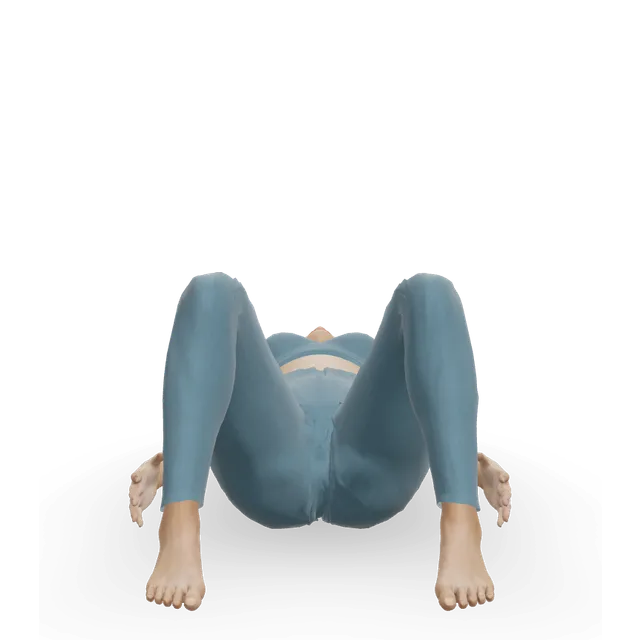
In a Cochrane review, rehabilitation in hospital by a team supervised by a geriatrician or rehabilitation doctor probably reduced a poor outcome (death, or moving into more care) at 6 to 12 months, from about 347 to 306 in every 1,000 people (13 trials, 3,036 people, moderate certainty).
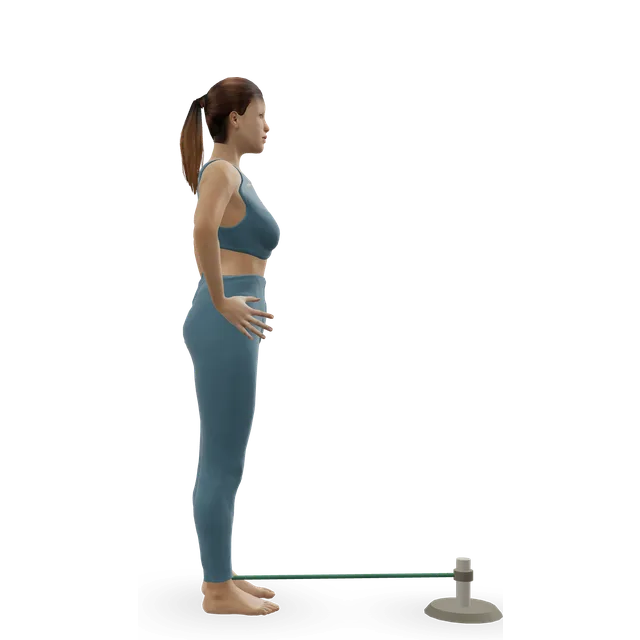
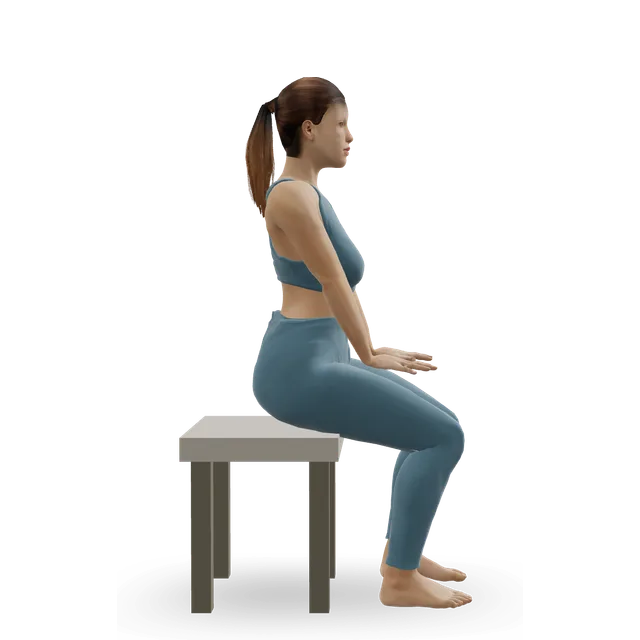
In another Cochrane review, walking, balance and everyday-task training in hospital probably improved mobility moderately (moderate certainty). After discharge, mobility programmes improved mobility and walking speed by small but worthwhile amounts (high certainty). The people in these trials averaged 80 years old, and 70% of the trials left out people with memory problems.
A US physical therapy guideline gives its top grade to progressive strength, balance, weight-bearing and everyday-task training, and to more therapy if strength, balance or function problems remain 8 to 16 weeks after the fracture.
Sources 22, 23, 24
Exercise at home after rehab: trials disagreeMixed evidence
In a US trial of 232 people who had finished their usual rehab, a 6-month home programme of standing up from a chair, step-ups and standing exercises, taught in 3 home visits and done alone 3 times a week, improved a physical performance score by 0.8 points out of 12 more than a comparison group. The authors called the gain modest; it lasted to 9 months.
In the US CAP trial (210 people), 16 weeks of home physiotherapy with aerobic, strength and balance training didn't significantly increase how many people could walk in the community (22.9% against 17.8%), compared with gentle movement exercises from the same number of visits. A small trial of 26 people found 10 weeks of home leg strengthening improved strength and walking a year after the fracture.
Sources 25, 26, 27
Dementia: the same rehabilitationEmerging evidence
A Cochrane review found no rehabilitation programmes designed specifically for people with dementia after a broken hip. In smaller groups within trials, enhanced care in hospital may have reduced delirium, and care led by a geriatrician may have shortened the stay by about 4 days (low certainty). The US physical therapy guideline recommends the same rehabilitation for people with mild to moderate dementia, and NICE says people from care homes shouldn't be left out of rehabilitation.
Sources 5, 24, 3
Eating wellEmerging evidence
In 41 trials (3,881 people), drinks or supplements with extra energy and protein may have reduced complications after a broken hip (low-quality evidence), with little effect on survival; feeding through a tube was poorly tolerated. The family carers' guide calls nourishing food and plenty of fluids essential to recovery, and asks families to help at mealtimes and to tell staff about anything stopping the person eating.
Sources 28, 7
Hip precautions after a half replacementEmerging evidence
Some teams give hip precautions after a replacement for a fracture, and many don't. In a study of 394 people who had a hemiarthroplasty through the side of the hip, there was one dislocation with precautions and one without, and no difference in other outcomes. It was one study, and dislocation is rare. Follow the precautions your team gives you; our hip replacement guide explains them.
Sources 29, 3
Falls and bones: the next stepsStrong evidence
NICE says anyone who needed treatment after a fall should be offered a falls assessment, covering strength, walking and balance, eyesight, hearing, medicines, blood pressure on standing, continence, footwear, memory and bone health, followed by a home hazard check and a falls prevention exercise programme. The World Falls Guidelines recommend an individual, progressive exercise programme after a broken hip, started in hospital and continued at home; for older people at risk of falls, balance and everyday-task exercise 3 or more times a week, progressed for at least 12 weeks. The NHS balance exercises, such as standing on one leg by a wall, sideways walking and step-ups, are a simple place to start at home.
NICE's osteoporosis guideline asks for a fracture risk assessment after a fragility fracture (a break from a fall from standing height or less) at 50 or over, and recommends considering bone-strengthening treatment after a broken hip like this. In 2024, 56% of people were on bone treatment 4 months after a broken hip. Osteoporosis doesn't stop the bone healing.
Sources 30, 31, 32, 33, 4, 34