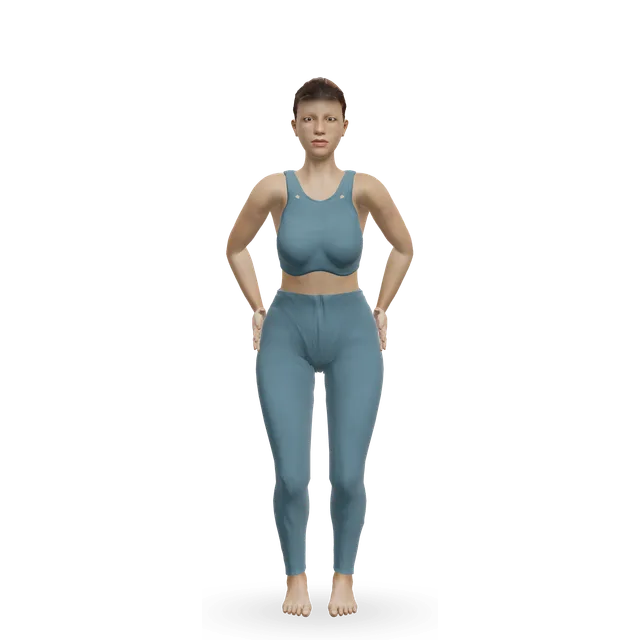
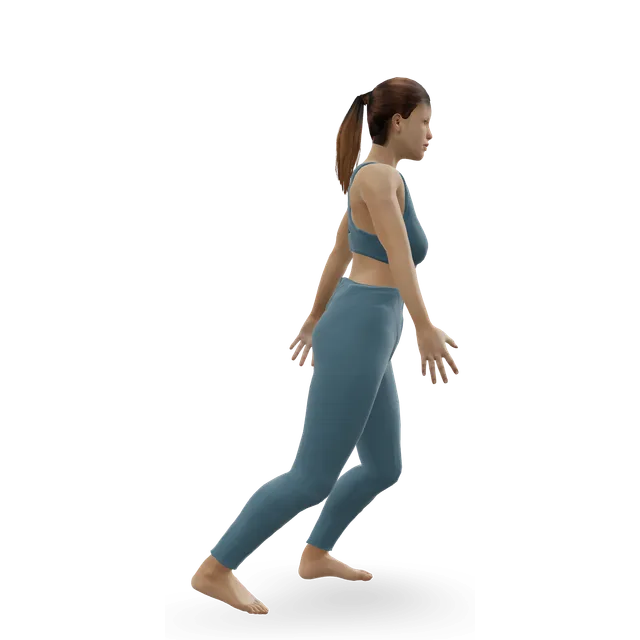
Descents load your knees
Walking down a steep slope loads the knee much more than walking on the flat, and over 60% of hiking accidents in the Austrian Alps happened on the way down.
Sport
Hiking is long, steady work: hours of climbing for your heart, hips, thighs and calves, and descents that load your knees much more than walking on the flat. Most hillwalking injuries are to the ankles and lower legs, usually after a slip or a trip, and most hiking accidents in the Alps happen on the way down. Walking poles ease the load on your knees on descents, and strength, stair and loaded-walk training builds the fitness that hills and a rucksack ask for.
This guide gives a twice-weekly strength workout and a stair and hill session, both with 3D demos, a plan for building up to a multi-day trip, and what's known about pack weight. It also covers the safety basics from the UK's National Health Service (NHS) and mountain safety bodies: altitude sickness (being fit doesn't protect you), heat and cold, and how to call Mountain Rescue.
Walking down a steep slope loads the knee much more than walking on the flat, and over 60% of hiking accidents in the Austrian Alps happened on the way down.
On a steep descent, poles cut the forces on the knee by 12 to 25%, and after a mountain walk they reduced soreness. On flat ground they didn't reduce the load on the knee.
In Scotland's mountain rescues in 2024, 30% of injuries were to the ankle and 25% to the lower leg, and slips and trips were the commonest cause.
Source 6
In soldiers, strength and aerobic training with progressively heavier loaded walks improved loaded walking most, and 8 weeks of stair climbing raised fitness by 17% in sedentary young women.
Being fit doesn't appear to protect you above about 2,500 m, so go up slowly: above 3,000 m, the NHS advises sleeping no more than 500 m higher each night.
Check your skills, the weather and your gear before you go. In an emergency, dial 999 or 112 and ask for the Police, then Mountain Rescue.
The NHS counts hiking as moderate activity, when you can talk but not sing, and walking up stairs as vigorous. The Compendium of Physical Activities rates hiking at a normal pace over fields and hillsides at 5.3 METs (metabolic equivalents, multiples of your resting energy use), cross-country hiking at 6.0, backpacking at 7.0 and hiking with a daypack at 7.8. Climbing can go on for hours, and how hard it feels depends on how fast you climb for your fitness.
Going up, your hips, thighs and calves lift you, and the energy cost rises with your pack, your body weight, your speed and the gradient. Going down, your thigh muscles work by lowering you under control: on a 19% downhill ramp, peak loads at the knee were much higher than on the flat, which the researchers linked to kneecap pain and to the soreness trekkers get.
Uneven ground, stones and wet grass ask a lot of your ankles and balance: slips and trips were the commonest cause of mountain rescue call-outs in Scotland in 2024.
Source 6
A pack carries best close to your body's centre of mass, and a hip belt takes weight off your shoulders.
Source 16
Rescue and accident records count different things, so each figure keeps its own population.
Ankle sprains are among the commonest hiking injuries, and the ankle was the commonest injury site in Scottish rescues. Balance training cuts repeat sprains, as our ankle sprain guide explains.
Higher knee loads on the way down are one reason knees ache on descents. Poles reduce the load, and getting your thighs used to lowering work helps them cope (our reading of the research below). Our runner's knee and knee pain guides cover pain around the kneecap.
Lowering work makes muscles sore for a few days. Poles reduced soreness and markers of muscle damage after descents, and one bout of lowering exercise, such as a long descent, protects your muscles against damage from the next for weeks to months. Our muscle soreness guide explains why.
Blisters are common, and more so with heavy loads. In soldiers, heavier and longer load carriage brought stress fractures, foot pain, knee pain, back strain and rucksack palsy, numbness from straps pressing on nerves. Among 128 long-distance hikers, tingling and numbness became more common with a heavier pack. The NHS advises covering a blister with a soft plaster or padded dressing and not bursting it yourself, and our foot pain, plantar fasciitis and back pain guides cover the aches a heavy pack can bring.
Of 405 people who fell while hiking in the Tyrol, the average age was 56 and 70% reported poor eyesight; most were carrying a backpack. Falls, trips and stumbles caused over 70% of Austrian hiking accidents.
We found no trial of a programme to prevent hiking injuries, sprains or knee pain, and no trial of poles to prevent falls or injuries. What follows is the best evidence there is: accident records, lab studies and soldiers carrying loads.
Over 70% of 7,552 hiking accidents in the Austrian Alps were falls, trips or stumbles, and over 60% happened on the descent; in Scotland, slips and trips were the commonest cause of rescues. Mountain Rescue England and Wales notes that "many accidents occur towards the end of the day when both you and your phone are low on energy".
In 1,206 trekkers on 12-day treks, a heavier pack for their body weight was linked with injury. Among 128 long-distance hikers, tingling and numbness rose with pack weight, from 35% with packs of 4.5 to 9 kg to 69% with packs over 14 kg, though sprains didn't. In 15 experienced women hikers in a lab, a pack of 20% of body weight already changed their posture and raised shoulder discomfort and effort; the researchers suggested a limit of 30% for long walks, and at 30 to 40% their gait became less stable.
No trial sets a safe limit, so lighter is better. Our rucking page suggests starting at about 10% of your body weight and staying under about 30%, with the hip belt done up and the load close to your back.
After one bout of lowering (eccentric) exercise, muscles are protected against damage from the next; in one study the protection lasted at least 6 months and was gone by 9 to 12. So build some downhill walking or slow step-downs into your training before a big trip, starting small, so your first long descent isn't the first your thighs have done in months (editorial, built on that research).
No trial has tested ways to prevent ankle sprains in hikers. Balance training cuts repeat sprains, as our ankle sprain guide explains. Of 405 people who fell while hiking in the Tyrol, 61% wore ankle-height hiking boots with a profiled sole: that describes them, and doesn't show whether boots help or harm.
Source 25
In soldiers, progressive strength training combined with aerobic training at least 3 times a week for at least 4 weeks brought large improvements in loaded marching, and adding progressively heavier loaded walks brought the largest; aerobic or strength training alone gave smaller, more variable gains. It's military research from 10 studies, and we read it as applying to multi-day hiking with a pack.
Source 7
In 15 sedentary young women, 8 weeks of climbing a 199-step staircase at 90 steps a minute, 5 days a week, building from one climb a day to five, raised VO2 max (the most oxygen the body can use) by 17% and lowered LDL ("bad") cholesterol by about 8% compared with women who didn't train. In sedentary young adults, three brisk climbs of 60 steps a day, 3 days a week for 6 weeks, raised fitness a little.
The NHS asks adults for 150 minutes of moderate activity a week, or 75 of vigorous, plus strengthening activities on at least 2 days. Most hiking is steady, moderate effort, so walking more is the base; our zone 2 cardio guide explains steady training, and our HIIT guide the harder sessions.
Source 13
Our suggestion for a multi-day trek: 8 to 12 weeks of two strength sessions a week, one stair or hill session, and one longer walk that grows in time, terrain and pack weight. In the last 2 to 3 weeks, fit in one or two back-to-back long days with the full pack, then take a lighter final week. The structure is ours, built on the soldier and stair studies (editorial).
In 179 men over 34 who died suddenly while hiking, a previous heart attack (17% against 0.9% of matched hikers), known coronary artery disease, diabetes and high cholesterol were more common, and regular mountain sport less common (31% against 58%). About half of the sudden cardiac deaths among hikers and skiers happened on the first day. That regular hill walking goes with lower risk is an association, but it's one more reason to build up before a big trip.
On a 19% downhill ramp, peak knee moments and muscle power were much higher than on the flat. That's the load behind sore knees and thighs after a long descent.
Source 1
On a steep 25° ramp, poles cut the peak and average forces on the knee by 12 to 25% in 8 men, mostly through the force taken by the poles and a more forward-leaning posture. In 15 experienced hikers carrying no pack, a day pack (15% of body weight) or an expedition pack (30%), poles reduced the loads at the ankle, knee and hip.
After a walk up and down Snowdon, 37 walkers who used poles had less soreness and kept more of their leg strength over the next 2 days. In 8 women with obesity, poles reduced markers of muscle and cartilage damage after 30 minutes of walking downhill.
On level ground, pushing harder on poles didn't reduce knee compression in 10 healthy adults. A review concludes that poles reduce the load on the legs but raise the work for your heart and lungs, and that with a heavy pack they may help balance and stability.
Surgeons who modelled the loads on replaced knees advised avoiding descents when hiking, "or at least use ski poles". Our knee replacement guide has more on exercise after surgery.
Source 33
Lengthen your poles a little for the descent, shorten your steps and slow down, and plant a pole with each step on steep ground. No trial has tested these tips; they follow from the load studies above (editorial).
The NHS says you can get altitude sickness at high altitude, usually more than 2,500 m above sea level, in places such as Mount Kilimanjaro, Everest and some places in the Alps, and that you can't get it in the UK. Symptoms usually start 6 to 10 hours after you arrive: a headache, loss of appetite, feeling or being sick, tiredness, dizziness and difficulty sleeping.
Source 10
The NHS's advice for lowering your risk:
Source 10
Tell someone you're with, rest at the same height until you feel better, and take painkillers or anti-sickness medicine if you need to. If symptoms get worse or don't improve after a day, go 300 to 1,000 m lower if you can.
Source 10
TravelHealthPro, the UK's travel health service, says acute mountain sickness affects about 9 to 25% of people who haven't acclimatised at 2,000 to 3,000 m and 35 to 50% at 3,500 to 4,500 m. "Physical fitness does not appear to protect against altitude illness", and how you did at altitude before is probably the best guide. It calls Kilimanjaro climbs in under 7 days a concern and advises always trekking with an experienced guide.
Source 9
Heat exhaustion brings tiredness, dizziness, a headache, feeling or being sick, heavy sweating with pale, clammy skin, cramps, a high temperature and intense thirst. Move to a cool place, drink and cool your skin: you should start to feel better within 30 minutes. To prevent it, the NHS advises more cold drinks, especially when you're active, light, loose clothing, avoiding the sun between 11am and 3pm, and avoiding extreme exercise.
Source 34
Hypothermia is a body temperature below 35°C, and frostbite can happen at 0°C or below. Carry spare clothing, a hat and gloves "even in summer", as Mountain Rescue England and Wales advises, wear several loose layers with a waterproof outer layer, and eat and drink regularly.
Use sunscreen with a sun protection factor (SPF) of at least 30, and remember that sunlight reflected from snow and water is particularly dangerous for your eyes.
Source 37
AdventureSmart UK asks three questions before you set off: am I confident I have the knowledge and skills for the day, do I know what the weather will be like, and do I have the right gear? Mountain Rescue England and Wales adds: plan your route, check the mountain weather forecast, leave your route with someone, let the slowest in the group set the pace, and carry spare clothing, a hat and gloves, food and water, a map and compass, a torch, a whistle and a first aid kit.
Dial 999 or 112 and ask for the Police, then Mountain Rescue. Have the location, the casualty's name, age and injuries, the number in your group and your phone number ready, and don't move until the rescue team has contacted you. Register your phone with emergencySMS before you go, as Mountain Rescue England and Wales advises: it lets you contact 999 by text. The whistle signal is six long blasts in a minute, a minute's pause, then repeat.
Mountaineering Scotland: "Enjoying Scotland's mountains safely means having the right skills and knowledge to cope with the conditions you're going to meet", with navigation courses and weather and avalanche forecasts. Mountain Training runs Hill Skills courses to "learn the skills needed for a safe day's hiking" and Mountain Skills courses for steep, rocky ground, and trains walking leaders.
Built on the site's warm-up guide (editorial): no study has tested a hiking warm-up. Starting slowly is the main thing; the moves take about 3 minutes.
Loading the 3D figure…
The movement on the figure: Trail running and walking
Each has a 3D demo. Step-ups and calf raises build the climbs, slow step-downs train the descents, and carries and rucking get you used to a pack.
 3D demoStep-upBeginner · A step
 3D demoReverse lungeIntermediate · No equipment
 3D demoSingle-leg calf raise from a stepIntermediate · A step + A wall
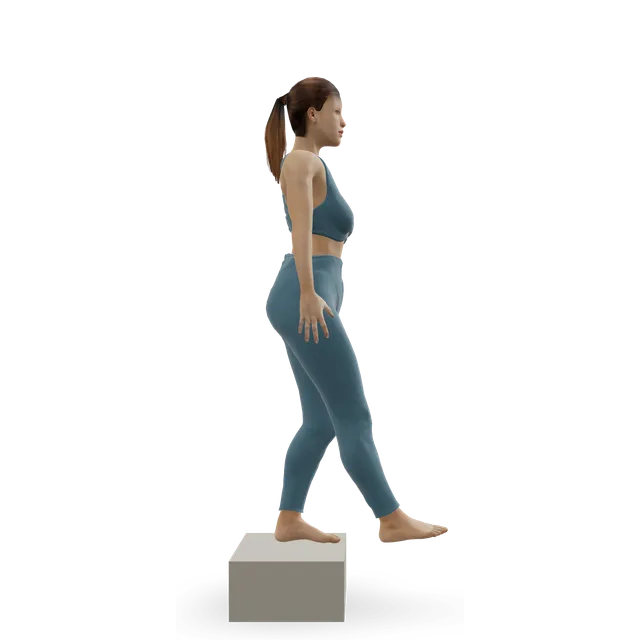 3D demoPatrick step-downIntermediate · A step
 3D demoTibialis raiseBeginner · No equipment
 3D demoSingle-leg Romanian deadliftAdvanced · A dumbbell
 3D demoFarmer's carryBeginner · A dumbbell + A kettlebell
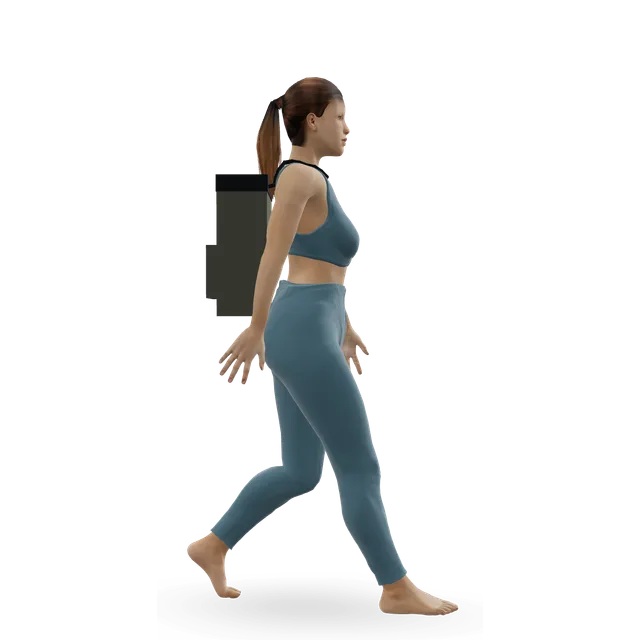 3D demoRucking (loaded walking)Intermediate · Something with weight
 3D demoStair climbingIntermediate · A step
 3D demoSingle-leg standBeginner · A wall
 3D demoSide plankIntermediate · No equipment
 3D demoAnkle CARsBeginner · No equipment
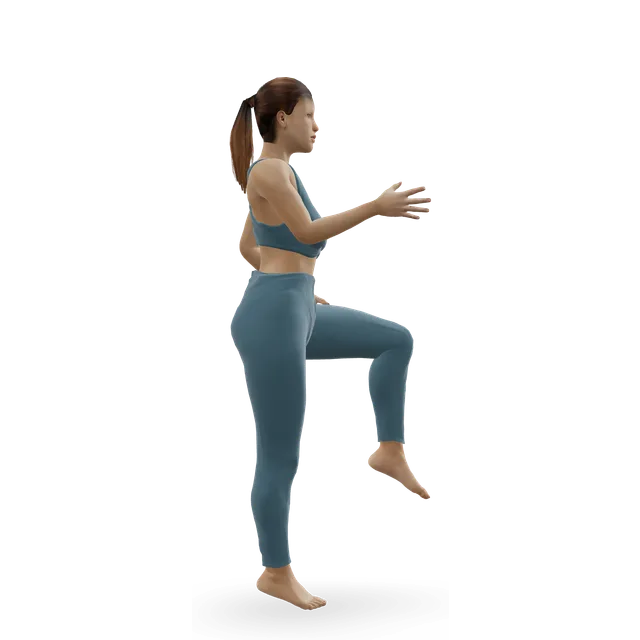 3D demoTrail running and walkingBeginner · No equipment
The first two are new: a twice-weekly strength workout for hikers, and a stair, hill and loaded-walk session. The others add leg strength without jumping, knee and ankle work, balance and easy cardio.
A 35-minute strength workout for hikers: step-ups, lunges and calf raises for climbs, slow step-downs for descents, single-leg hinges, carries and balance.
35 minBeginner13 movesA wall, A stepStair or hill climbs with the walk down as recovery, then a loaded walk with your rucksack, building towards the hills, pack and days of your trip.
40 minBeginner5 movesA step, Something with weightA gentle leg strength routine with no jumping: sit-to-stands, step-ups, wall sits, bridges and calf raises.
20 minBeginner7 movesA bench or box, A stepA 25-minute session for knees that don't currently hurt: thigh and hamstring strength, single-leg control, then an optional full-range block with knees over toes.
25 minBeginner13 movesA bench or box, A wallA 15-minute barefoot routine for stronger toes, arches, calves and ankles, finishing with balance. You need only a towel, a wall and a resistance band.
15 minBeginner11 movesA wall, Other / check instructionsBalance practice in 10 minutes: tandem stance, single-leg stands, marches, heel walks, tree pose and floor transfers.
10 minBeginner7 movesA wall, A bench or boxStrength and balance in one session: squats, Romanian deadlifts, push-ups, rows, step-ups, back extensions, carries and single-leg balance.
45 minBeginner14 movesA wall, A dumbbellA 25-minute walk with short faster bouts: notice your heart and breathing speed up, then settle. A gentle way to get used to the feelings of effort.
25 minBeginner5 movesCardio machine, A wallA steady 30 to 45 minute cardio session at talk-but-not-sing pace: walk, cycle, row or cross-train, counting toward weekly activity guidelines.
40 minBeginner3 movesCardio machine, A wallLegs and glutes with dumbbells: goblet squats, Romanian deadlifts, step-ups, split squats and calf raises.
35 minIntermediate10 movesA wall, A dumbbellSeven stretches for after a run: calves, soleus, quads, hip flexors, hamstrings and glutes.
10 minBeginner7 movesA wallPair any of these with your weekend walks; swap one session a week for the hiking training workout as a trip gets closer.
Your first four weeks: two, then three short strength sessions a week at home plus walks, building gently to a full routine.
2 training days20 minBeginner2 days a weekTwo full-body strength sessions a week: the minimum that meets health guidelines, with every set, rep and rest, and an 8-week progression.
2 training days45 minBeginner3 days a weekA beginner gym plan: three full-body sessions a week, alternating workouts A and B, with sets, reps, rest and an 8-week progression.
3 training days45 minBeginner3 days a weekA 12-week exercise plan for over-65s: strength and balance three times a week, short balance sessions and daily walks, based on falls-prevention trials.
3 training days40 minBeginnerSudden cardiac death while hiking was linked with a previous heart attack, coronary artery disease, diabetes and high cholesterol in men over 34. See your GP before a big trip, build up regular hill walking, and take the first day easy.
The NHS advises speaking to your GP first if you haven't exercised for some time or have medical conditions or concerns. The Physical Activity Readiness Questionnaire for Everyone (PAR-Q+) asks about heart conditions, chest pain, dizziness, other long-term conditions and joint problems, and suggests a qualified exercise professional first if you're over 45 and not used to hard exercise; climbing hills and stairs is vigorous.
See a GP or travel clinic first if you've had altitude sickness before or will be going up quickly. TravelHealthPro advises that "people with pre-existing medical conditions should consult with their healthcare provider prior to travel", and always trekking with an experienced guide.
TravelHealthPro advises avoiding high altitude in the first trimester, and reports the World Health Organization's view that sleeping above 3,000 m isn't advisable in pregnancy. Our pregnancy guide has the NHS advice.
Source 9
Descents load the knee most, and poles reduce the load. Our knee arthritis and knee replacement guides cover exercise with a sore or replaced knee.
Repeat sprains are common, and balance training and a brace for sport cut them, as our ankle sprain guide explains.
For an injury, illness or someone lost or overdue, dial 999 or 112 and ask for the Police, then Mountain Rescue.
Source 12
The NHS says to call 999 for signs of heatstroke: still being unwell after 30 minutes of resting somewhere cool, being cooled and drinking; a very high temperature; hot skin that isn't sweating; a fast heartbeat; fast breathing or breathlessness; confusion and lack of coordination; a seizure; or loss of consciousness.
Source 34
Call 999 or go to A&E (accident and emergency) for hypothermia, such as shivering, pale cold skin, slurred speech, slow breathing, tiredness or confusion, and for frostbite with hard, frozen skin, swelling and loss of feeling, or blisters. Mountain Rescue England and Wales lists the signs to watch for in others: "Disorientation, confusion, shivering, tiredness, pale complexion and loss of circulation in hands or toes", adding that children and older people are especially at risk.
The NHS says to get medical help immediately, and go 300 to 1,000 m lower if you can, if someone with altitude sickness feels very unwell, is confused, has problems with balance or coordination, sees or hears things that aren't there, is short of breath at rest, has a cough with frothy or bloody spit, has blue or grey skin, lips, tongue or nails, or is very sleepy or hard to wake.
Source 10
Call 999 or go to A&E if you heard a crack, the injured part has changed shape or points at an odd angle, it's numb or tingling, or the skin has turned blue or grey or is cold. Get help from NHS 111 if it's very painful or swollen, you can't put weight on it or walk more than a few steps, or a knee locks or gives way.
Get help from NHS 111 if a blister is very painful or keeps coming back, or looks infected: hot and filled with green or yellow pus, with red skin around it.
Source 24
Call 999 for sudden chest pain that doesn't go away, pain that spreads to your arms, neck, jaw, stomach or back, or chest pain with sweating, feeling sick, light-headedness or breathlessness.
Source 43
Knee loads are much higher walking downhill, and most Austrian hiking accidents happened on descents.
On descents, poles cut knee forces by 12 to 25% and reduced next-day soreness and strength loss in active walkers. On level ground they don't reduce the load on your knees.
"Physical fitness does not appear to protect against altitude illness." A slow ascent does.
Source 9
No trial has set a limit. One lab study of women hikers suggested no more than 30%, with changes already at 20%, and heavier packs for your body weight were linked with injury on long treks: lighter is better.
No trial in hikers has tested it, and most of the people who fell in one Alpine study were already wearing ankle-height boots.
Source 25
Stair climbing raised fitness in trials, and practising loaded walks improved loaded walking in soldiers.
True: the NHS says you can't get altitude sickness in the UK. UK hills still bring cold, changing weather and navigation risks, so plan as the mountain safety bodies advise.
Walk regularly and build up your time on hills, add two strength sessions a week with step-ups, lunges, calf raises, step-downs and balance work, and a weekly stair or hill session. As your trip gets closer, carry the pack you'll use.
Give yourself 8 to 12 weeks if you can: two strength sessions and one stair or hill session a week, plus a long walk that grows in time, terrain and pack weight, with one or two back-to-back long days a few weeks before. That structure is ours, built on studies in soldiers in which progressively loaded walks improved loaded walking most.
Yes: stair climbing raised fitness in trials, and step-ups work the same muscles as climbing. Walk back down slowly, holding the rail.
Walking downhill loads the knee much more than walking on the flat, especially around the kneecap. Walking poles reduce that load, shorter steps and strength work are sensible additions (our suggestion), and our runner's knee guide covers pain around the kneecap.
On descents, yes: they cut knee forces by 12 to 25% in one lab study and reduced soreness and strength loss after a mountain walk. On flat ground they don't reduce the load on your knees.
As light as you can make it; no study has set a safe limit. One lab study of women hikers suggested no more than 30% of body weight, with changes in posture and shoulder discomfort already at 20%, and our rucking page suggests starting at about 10%.
Watch your footing on descents and loose ground, and train your balance, especially if you've sprained an ankle before. Balance training cuts repeat sprains, but no trial has tested ways to prevent a first sprain in hikers.
No: physical fitness doesn't appear to protect against it. What helps is a slow ascent, rest days, and going lower if symptoms get worse.
Dial 999 or 112 and ask for the Police, then Mountain Rescue, and give your location and the casualty's details. Stay where you are until the team contacts you, and register your phone with emergencySMS before you go, so you can contact 999 by text.
Yes: the NHS counts hiking as moderate activity and walking up stairs as vigorous, and asks adults for 150 minutes of moderate activity a week. Regular mountain walking was also linked with a lower risk of sudden cardiac death while hiking.
Exercise education for people who play sport, not a personal prescription or a diagnosis, and clinical review of these pages is pending. Check with a GP or physiotherapist before hard training if you have a heart condition, chest pain, dizziness or an injury that isn't settling, and stop for sharp or increasing pain. Health disclaimer.