Sports training
Hiking training workout
Twice a week on non-consecutive days, alongside your walks. Climbs need strong hips, thighs and calves; descents need thighs that lower you under control, because walking downhill loads the knee much more than walking on the flat; and rough ground needs balance. In soldiers, strength and aerobic training with progressively loaded marches improved loaded walking most. When the bodyweight version is easy, wear your rucksack, starting at about a tenth of your body weight, as our rucking page suggests.
Warm-up
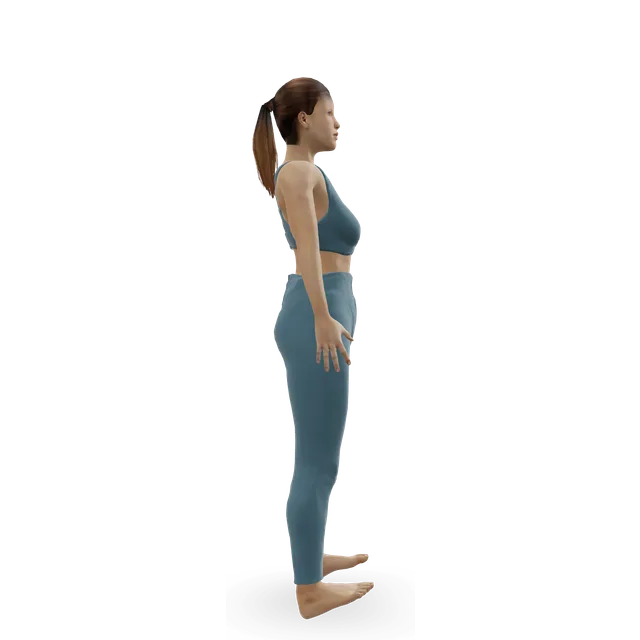
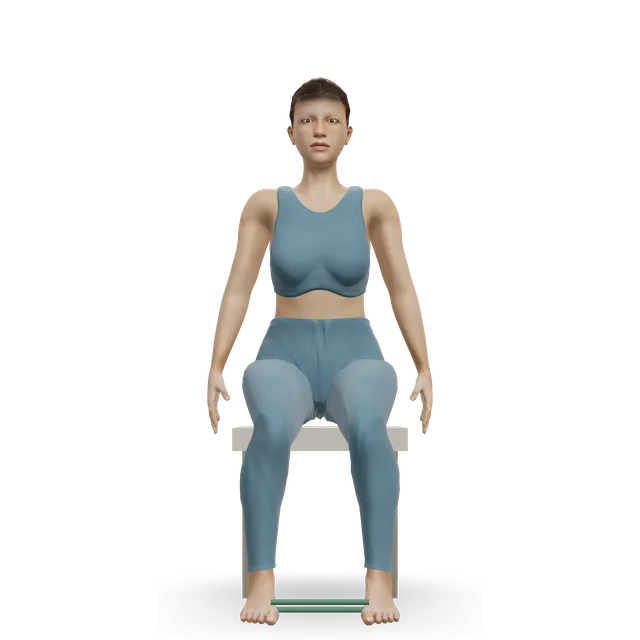
- Standing march60 sBeginner · Hip flexors, Abs, Glutes · 3D demoBriskHarder: Standing band hip flexion



Climbs
3 rounds · Rest 60 s
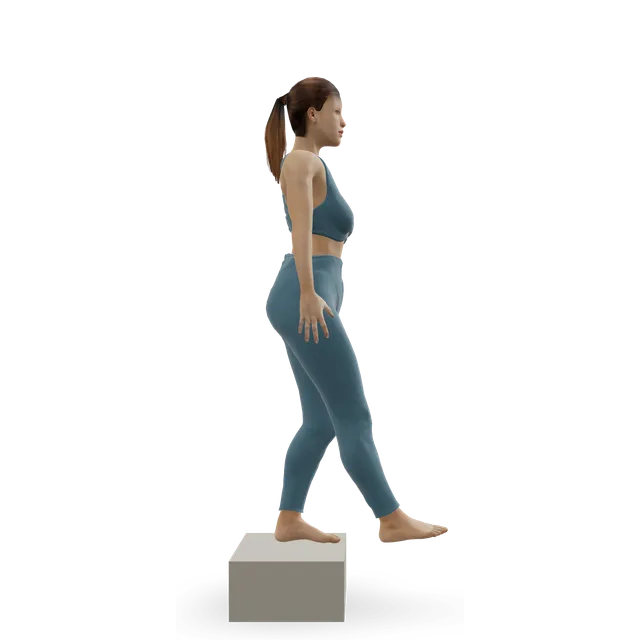
- Step-up8 to 12 each legBeginner · Glutes, Quads, Hamstrings · 3D demoAdd height before weight, then wear your rucksackEasier: Low step-upHarder: Dumbbell step-up
- Reverse lunge8 to 10 each legIntermediate · Quads, Glutes, Hamstrings · 3D demoUpright, knee over your middle toesEasier: Split squatHarder: Split squat with dumbbells
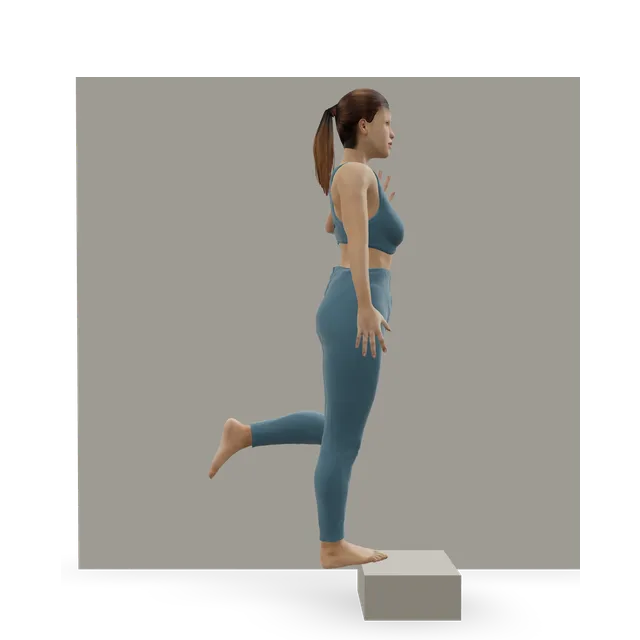
- Single-leg calf raise from a step12 to 20 each legIntermediate · Calves · 3D demoA hand on a railEasier: Slow calf raiseHarder: Single-leg pogo hops



Descents
- Patrick step-down2 to 3 × 8 slow each legIntermediate · Quads, Glutes, Hip abductors · 3D demoLower over 3 s with your knee over the middle of your foot; start on a low stepEasier: Bodyweight squatHarder: Skater squat
- Tibialis raise2 × 15 to 20Beginner · Shins · 3D demoBack against a wall, lift the fronts of both feetHarder: Single-leg tibialis raise
Hinge and carry
- Single-leg Romanian deadlift2 × 8 each legAdvanced · Hamstrings, Glutes, Abs · 3D demoFingertips on a wall at firstEasier: Dumbbell Romanian deadlift
- Farmer's carry2 × 20 to 30 mBeginner · Forearms, Abs, Shoulders · 3D demoOr walk with your loaded rucksack, hip belt done upHarder: Suitcase carry


Balance and trunk
- Single-leg stand3 × 30 s each legBeginner · Hip abductors, Calves, Glutes · 3D demoEyes closed, then on a cushionEasier: Tandem stance and heel-to-toe walkHarder: Single Leg Reach Matrix
- Side plank2 × 20 to 30 s each sideIntermediate · Abs, Hip abductors, Shoulders · 3D demoKnees down if you need toEasier: Knee side plankHarder: Side plank with leg lift
- Bird dog2 × 8 each sideBeginner · Back, Abs, Glutes · 3D demoSlowEasier: Bird dog, one limb at a timeHarder: Bear Crawl



Tips
- Rucksack: start at about 10% of your body weight and stay under about 30%, as our rucking page suggests; one lab study of women hikers suggested no more than 30%. Do up the hip belt and keep the load close to your back.
- Knee pain on stairs or descents: use a lower step and see our runner's knee guide.
- If you've sprained an ankle before, the balance work matters most.
- Stop each set with 1 to 3 reps in reserve. The NHS asks adults to do strengthening activities on at least 2 days a week.
The doses are suggested starting points, not a prescription. Choose a range you can control and stop for sharp or increasing pain, numbness or tingling. Get individual advice after an injury or surgery, or if you are pregnant or managing a health condition.
Guides that recommend it
Find more moves like these
More sports training

Injury prevention exercises for runners
Foot, calf, balance and hop exercises taken from the running trials with positive results, in a 25-minute home routine for 3 or 4 days a week.
25 minBeginner11 movesOther / check instructions, A bench or box


Plyometrics for runners
A 20-minute hop and bound session for runners: ankle bounces to pogo hops, one-leg hops and bounding, building foot contacts slowly over 10 weeks.
20 minIntermediate8 movesCardio machine



Strength workout for cyclists (gym)
A 50-minute gym session for cyclists: heavy squats, one-leg presses, hip flexion and calf raises as in the cycling trials, plus jumps for bone.
50 minIntermediate13 movesCardio machine, A barbellQuestions people ask
How long does the hiking training workout take?
About 35 minutes, including any warm-up and cool-down listed. Shorten it by doing fewer rounds; lengthen it by adding one.
What equipment do I need?
You need: A wall, A step, A dumbbell, A kettlebell. Each move links to its guide, where you can find an alternative if you are missing something.
Is it suitable for beginners?
It is written for beginners. 9 of its 13 moves have an easier option listed beside them if you need one.
How do I make it easier or harder?
Use the easier or harder option listed under each move, change the number of rounds, or adjust the rest. Progress one change at a time.