Sports training
Hill and stair conditioning
Walking up stairs is vigorous exercise. In sedentary young women, 8 weeks of climbing a 199-step staircase, building from one climb a day to five, raised VO2 max (the most oxygen the body can use) by 17%, and even three 60-step climbs a day, three days a week, raised fitness a little. Use the walk down as your recovery and take it slowly: going down is where knees complain and falls happen. Then walk with your rucksack, adding time or weight a little at a time. Once or twice a week.
Warm-up
- Trail running and walking5 to 10 min, easy to briskBeginner · Quads, Glutes, Calves · 3D demoStart slowlyHarder: Treadmill running
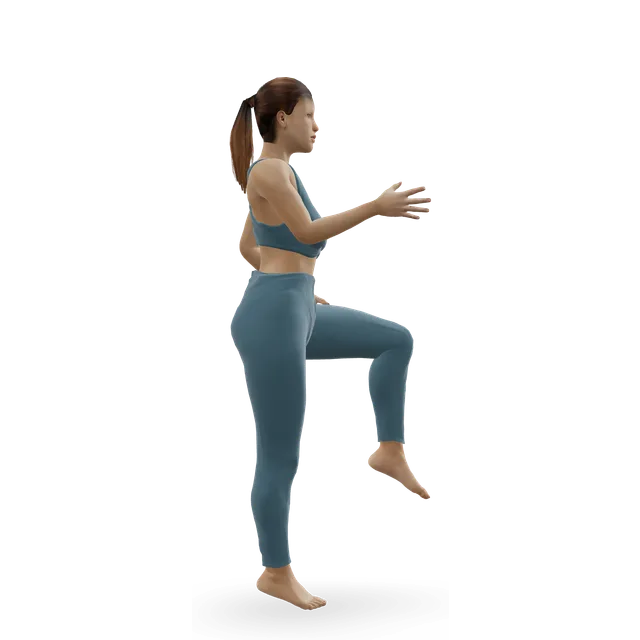
Climbs
- Stair climbing6 to 8 climbs of 30 to 60 s, walking down slowly between themIntermediate · Quads, Glutes, Calves · 3D demoBrisk enough that you can say only a few words at the top. Hold the rail on the way down. No stairs? A steady hill of 1 to 2 minutes, or a step machineEasier: Treadmill walkingHarder: Sprint intervals

Loaded walk
- Rucking (loaded walking)20 to 45 min with a pack at about 10% of your body weightIntermediate · Quads, Calves, Glutes · 3D demoAdd load or time in small steps, never both at once, and stay under about 30% of your body weightEasier: Treadmill walkingHarder: Sprint intervals
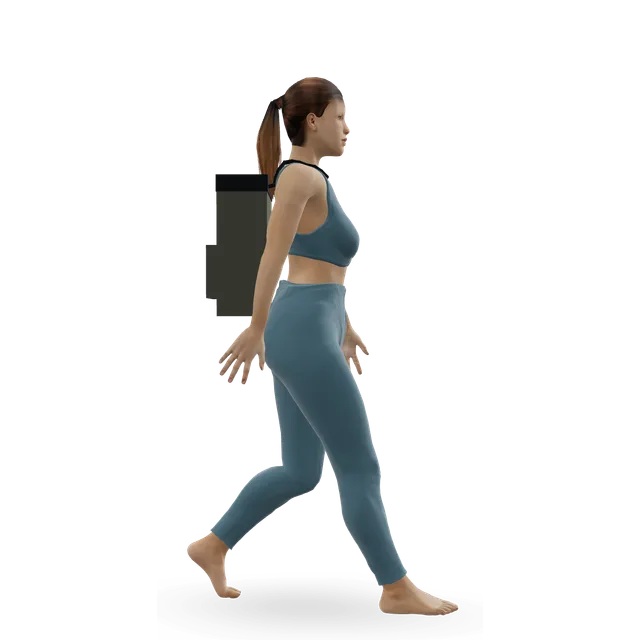
Cool-down
- Wall calf stretch (gastrocnemius)30 s each sideBeginner · Calves · 3D demoEasier: Seated calf stretch with a towelHarder: Contract-relax hamstring stretch (PNF)
- Standing Quad Stretch30 s each sideBeginner · 3D demoHarder: Face-down quad and hip flexor stretch with a strap


Tips
- Progress one thing at a time: one more climb a week up to 8, then wear your rucksack on the climbs (our suggestion). The stair trial built up from one climb a day in week 1 to five a day by weeks 7 and 8.
- Before a multi-day trip, practise the pack and the days: in soldiers, progressively heavier loaded marches improved loaded walking most.
- Use poles on the way down outdoors: they reduced knee loads and next-day soreness in small studies.
- With a heart condition, or chest pain or breathlessness when you're active, speak to your GP first: stairs are vigorous exercise.
- If going downstairs already hurts your knees, get that checked rather than pushing through repeats, as the stair climbing page advises.
The doses are suggested starting points, not a prescription. Choose a range you can control and stop for sharp or increasing pain, numbness or tingling. Get individual advice after an injury or surgery, or if you are pregnant or managing a health condition.
Guides that recommend it
Find more moves like these
More sports training

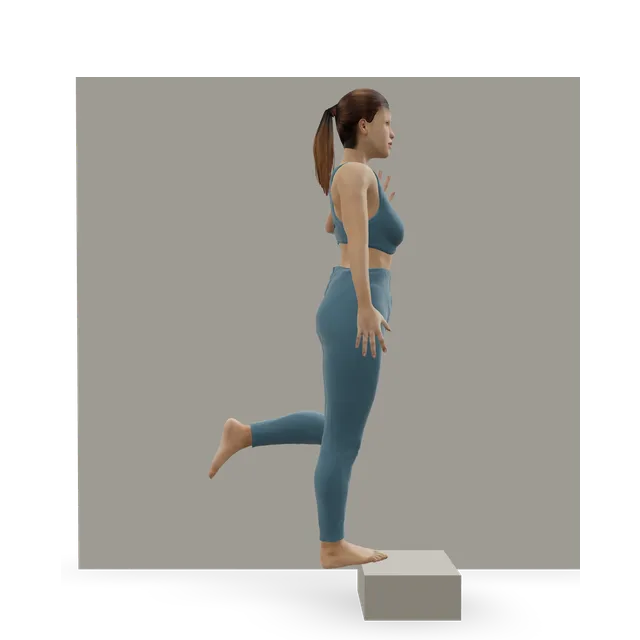

Injury prevention exercises for runners
Foot, calf, balance and hop exercises taken from the running trials with positive results, in a 25-minute home routine for 3 or 4 days a week.
25 minBeginner11 movesOther / check instructions, A bench or box



Plyometrics for runners
A 20-minute hop and bound session for runners: ankle bounces to pogo hops, one-leg hops and bounding, building foot contacts slowly over 10 weeks.
20 minIntermediate8 movesCardio machine



Strength workout for cyclists (gym)
A 50-minute gym session for cyclists: heavy squats, one-leg presses, hip flexion and calf raises as in the cycling trials, plus jumps for bone.
50 minIntermediate13 movesCardio machine, A barbellQuestions people ask
How long does the hill and stair conditioning take?
About 40 minutes, including any warm-up and cool-down listed. Shorten it by doing fewer rounds; lengthen it by adding one.
What equipment do I need?
You need: A step, Something with weight, A wall. Each move links to its guide, where you can find an alternative if you are missing something.
Is it suitable for beginners?
It is written for beginners. 3 of its 5 moves have an easier option listed beside them if you need one.
How do I make it easier or harder?
Use the easier or harder option listed under each move, change the number of rounds, or adjust the rest. Progress one change at a time.