3D demo
Trail running and walking
Conditioning · Quads, Glutes, Calves
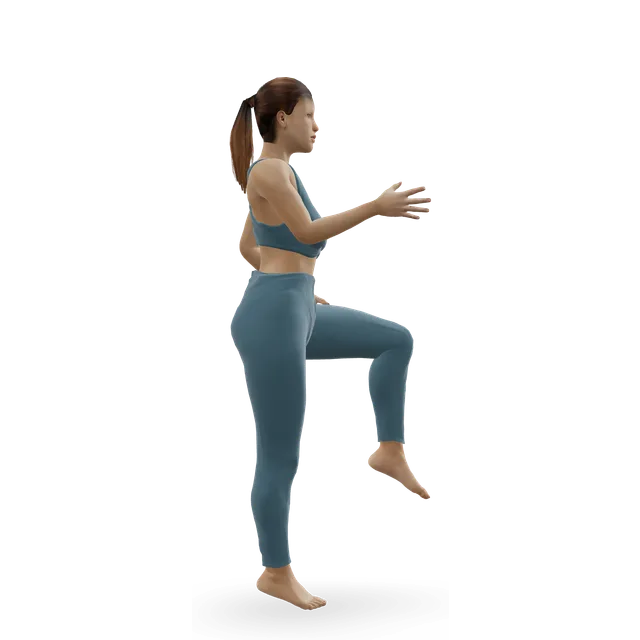
Loading the 3D figure…
The figure repeats the movement from its starting position. Drag to turn it; the arrows open the demos either side.
Walking or running on paths through countryside, hills and woods, where climbs and descents change the work: uphill leans on the calves and buttocks, downhill on the thighs and knees. The NHS counts hiking as moderate activity and running as vigorous; the Compendium rates cross-country hiking at about 6 METs and cross-country running at about 9.
Movement guide
Trail running and walking
Make it easier or harder
Choose a version that fits your control and comfort.
Easier option
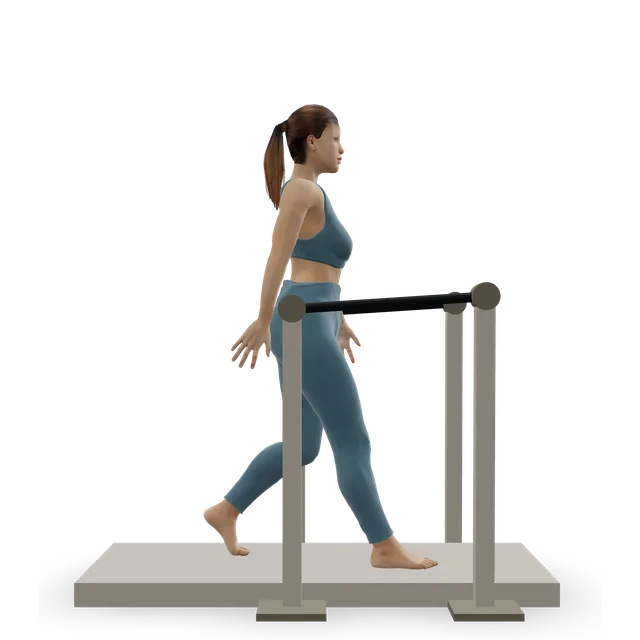 3D demoTreadmill walkingBeginner · Cardio machine
Suggested next step, beginner grade.
Harder option
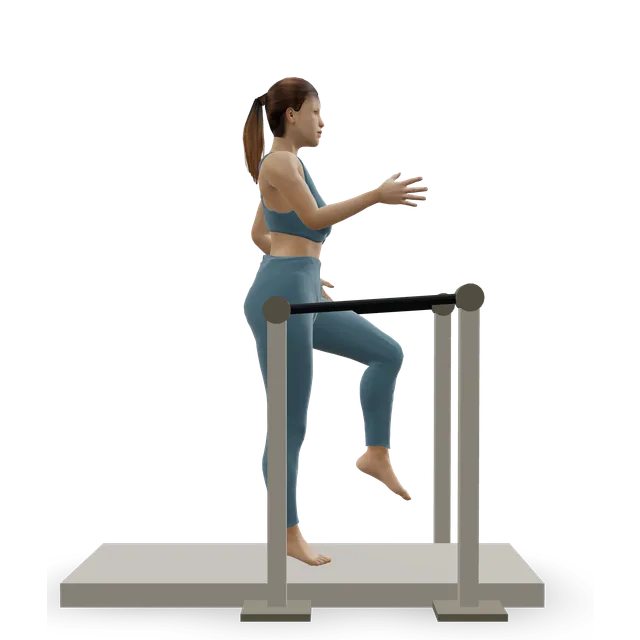 3D demoTreadmill runningIntermediate · Cardio machine
Similar move, intermediate grade.
Source-researched guide.
Form cues
- Look a few steps ahead, not at your feet.
- Shorten your steps on climbs and descents (our suggestion).
- Avoid: braking with straight legs on the way down.
Practice and cautions
20 to 30 minutes of brisk walking at first, adding short runs on the flat and gentle slopes as it gets easier (our editorial starting point). Moderate means you can talk but not sing, and those minutes count towards the 150 a week the NHS recommends.
Descents load the knees most: take small steps (our suggestion; no study has tested it), and consider walking poles, which reduced signs of muscle and cartilage damage after a long downhill walk in a small study. Tell someone your route on remote trails. With numb feet from diabetes or another cause, choose low-impact options, wear well-fitting shoes, and check your feet for redness or blisters afterwards; with an open sore or ulcer, do no weight-bearing exercise until your foot team says so. This is movement education, not an assessment or treatment prescription. Stop for sharp or increasing pain, dizziness, numbness or tingling; seek individual guidance for symptoms, injury or restrictions.
Sources and review status
Sources support the educational description; they do not establish that this exercise is suitable for you.
- NHS · Physical activity guidelines for adults aged 19 to 64 (moderate: you can talk but not sing; vigorous: only a few words without pausing for breath) ↗
- Compendium of Physical Activities · Walking (cross-country hiking 6.0 METs; hiking at a normal pace over fields and hillsides 5.3) ↗
- Compendium of Physical Activities · Running (cross-country running 9.3 METs; jogging 7.5) ↗
- Cho & Roh 2016 · Trekking poles reduced markers of muscle and cartilage damage after 30 minutes of downhill walking (8 women, J Phys Ther Sci) ↗
- Free Exercise DB · community text ↗
Unlicense · Free Exercise DB contributors; derived from wrkout/exercises.json. Text import; no photographs or media. · Revision f00c92c7dcf1216a928a52c3706c7ce8e2f71ed5
No variation is labeled clinically validated.
What it works
Muscles
Main: Quads, Glutes, Calves. Also: Hamstrings.
Anatomy: Sartorius, Quadriceps, Rectus femoris, Vastus medialis, Vastus lateralis, Gluteus maximus.
Equipment
None: body weight and floor space.
Level
Beginner. See the easier and harder options above.
Workouts that use it
Pain guides that use it
Part of a staged plan, with when to get help first.
- Knee pain when hiking: going downhill, the kneecap and the outer knee, poles, pack weight and pace
- Hip pain when hiking: uphill and downhill, the outer hip, the groin, the pack, poles and what helps
- Lower back pain when hiking: the pack, uphill and downhill, the nerve signs, poles and what helps
- Foot pain when hiking: blisters, boots, laces, the heel, the ball of the foot, toes and what helps
- Shin pain when hiking: shin splints, stress fractures, descents, boots and laces, and what helps
Guides that use it
- Exercise for depression
- Exercise for anxiety and panic attacks
- Exercise for sleep and insomnia
- Exercise for migraine
- Exercise for stress relief
- Exercise for PTSD
- Exercise for bipolar disorder
- Exercise for psychosis and schizophrenia
Show all 21 guidesShow fewer guides
- Exercise for OCD
- Exercise in recovery from alcohol or drugs
- Steps a day guide
- Incline walking guide
- How to increase stamina guide
- Running longer guide
- Resting heart rate guide
- Circulation guide
- Running uphill guide
- Training for a hike guide
- Rucking guide
- Hiking and hillwalking guide
- Obstacle course racing guide
Similar moves
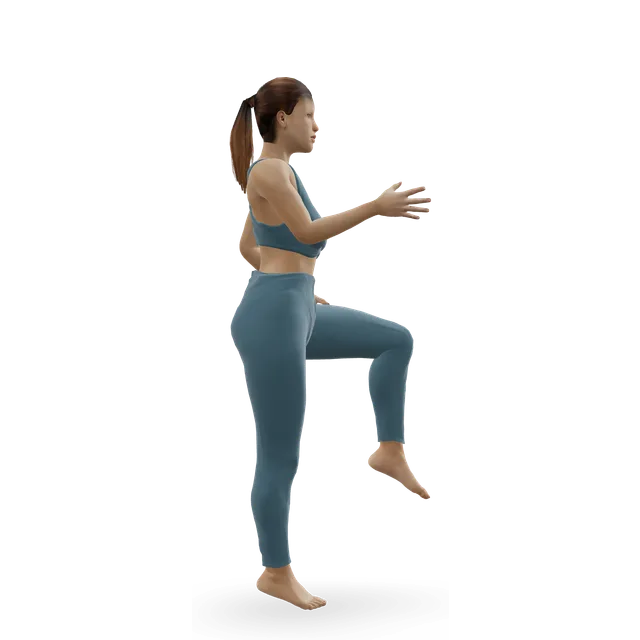 3D demoHill sprintsAdvanced · No equipment
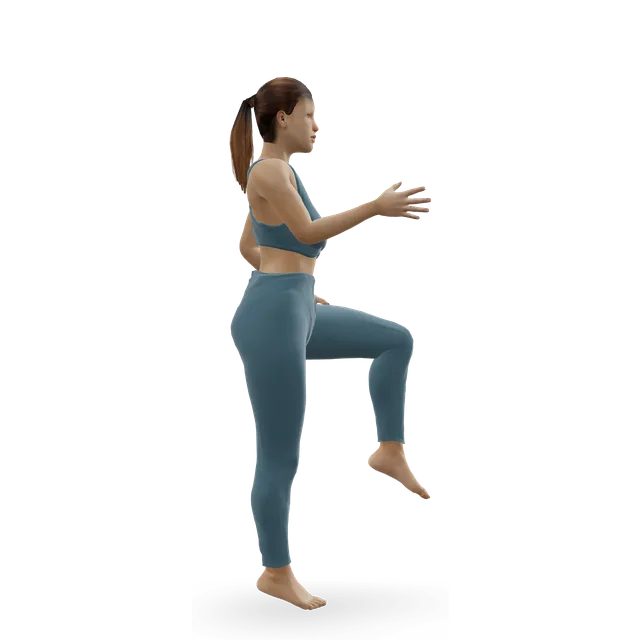 3D demoShuttle runsAdvanced · No equipment
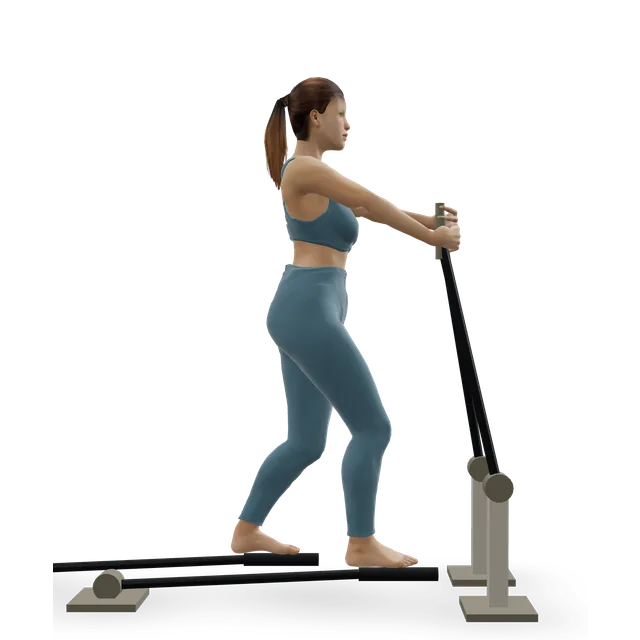 3D demoElliptical trainerBeginner · Cardio machine
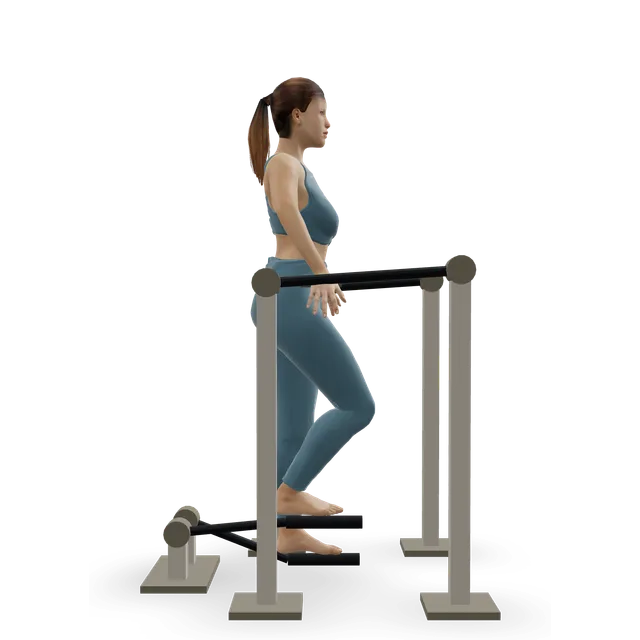 3D demoStair-stepper machineIntermediate · Cardio machine
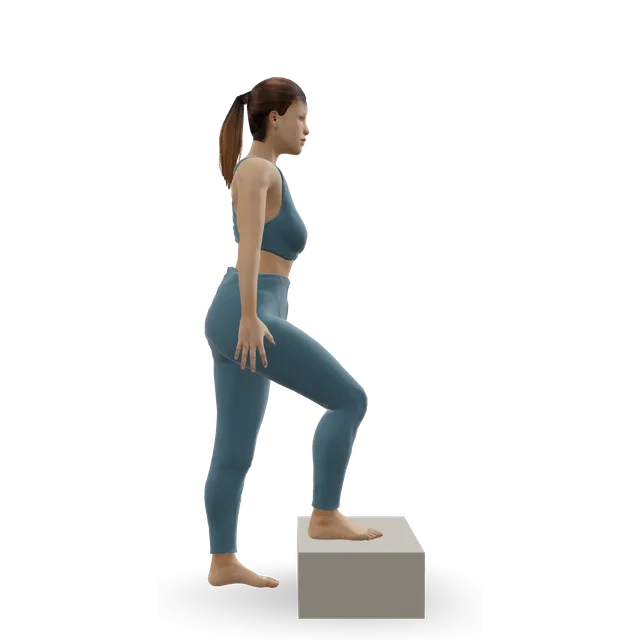 3D demoStep mill (revolving stair machine)Intermediate · Cardio machine
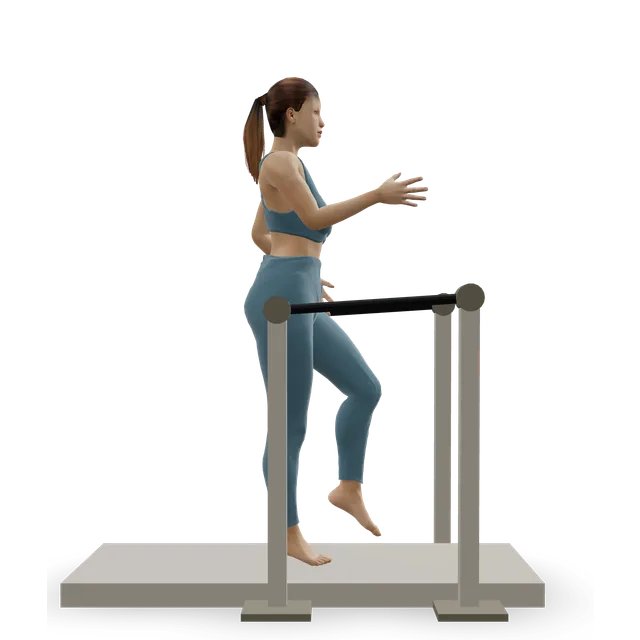 3D demoTreadmill joggingIntermediate · Cardio machine
Browse more
Questions people ask
What muscles does the Trail running and walking work?
Mainly the quads, glutes and calves, with help from the hamstrings.
What equipment do I need for the Trail running and walking?
No equipment: your body weight and a little floor space.
Is the Trail running and walking good for beginners?
It is graded beginner, so it suits most people starting out. When it feels easy, try the Treadmill running.
What is an easier alternative to the Trail running and walking?
Try the Treadmill walking. It is the suggested step down from this move.
How do I make the Trail running and walking harder?
Progress to the Treadmill running or the Rucking (loaded walking). Follow that guide’s technique and any stated timing.